17 Movie Details You Definitely Missed
There are many small details in movies that most people miss the first time around. From clever foreshadowing that only becomes apparent after you know how everything ends to hidden Easter eggs, directors and production teams spend months creating these small details.
The best parts of movies frequently occur when you’re not looking for them. This list of 17 movie details probably passed right over your head.
The Shining’s Impossible Window
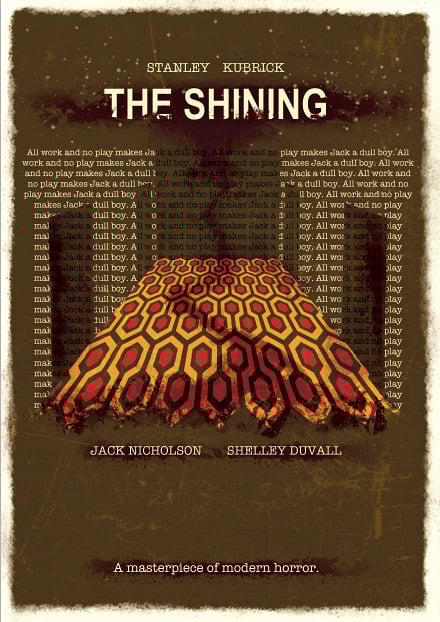
Stanley Kubrick deliberately placed a window in Stuart Ullman’s office that couldn’t possibly exist given the hotel’s exterior layout. Based on the building’s structure, that window should open into a hallway — yet it shows bright daylight streaming through instead. This architectural impossibility was completely intentional, creating an unsettling feeling that viewers experience without understanding why.
Pulp Fiction’s Briefcase Glow
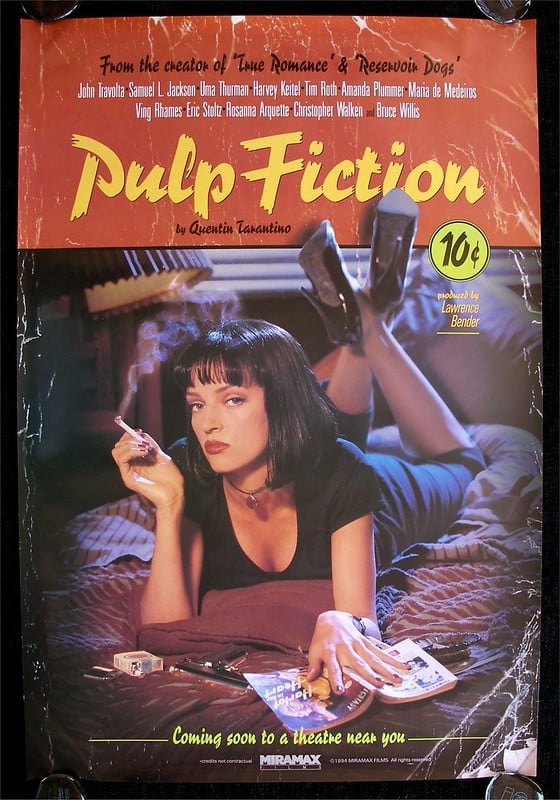
The mysterious briefcase in Pulp Fiction emits a warm, golden light whenever someone opens it. A simple light bulb inside the case creates this effect, though the actual contents remain forever unknown. Tarantino deliberately wanted audiences to imagine what could be so incredibly valuable, making the mystery more powerful than any specific object would’ve been.
The Matrix’s Green Code Rain
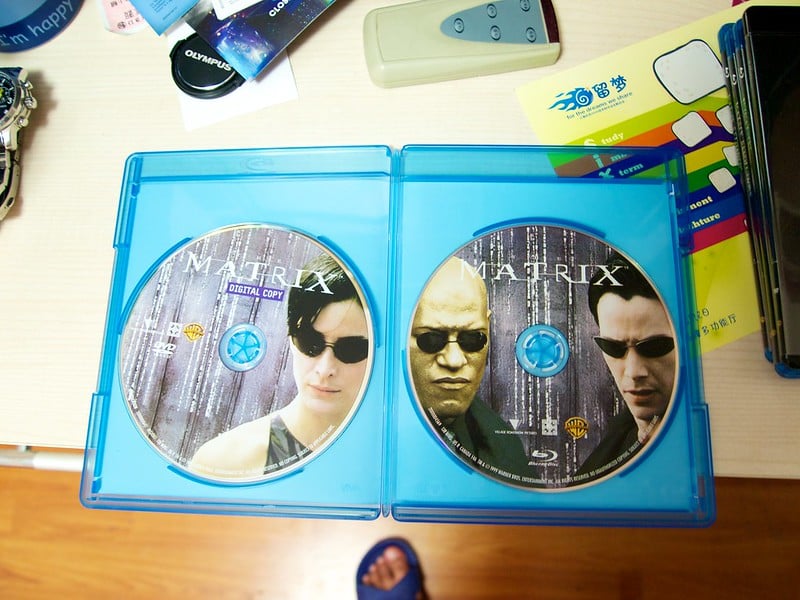
That famous green code cascading down the screen isn’t random computer programming at all. It’s actually a mix of Japanese katakana characters, numbers, and symbols lifted straight from the production designer’s wife’s sushi cookbook. The team scanned pages from the cookbook and used those characters to build the iconic digital rain effect.
Toy Story’s Hidden Pizza Planet Truck
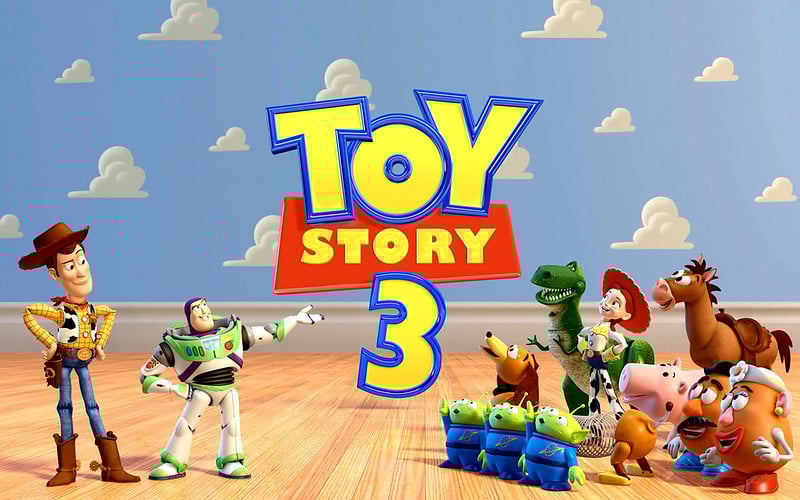
A yellow Pizza Planet delivery truck shows up in every single Pixar movie — though it’s often cleverly disguised or tucked into background shots. In A Bug’s Life, it appears as a toy in the trailer park scene, while in Monsters, Inc., it’s parked outside the sushi restaurant. Spotting the truck has become a cherished tradition among Pixar enthusiasts.
Fight Club’s Starbucks Cups
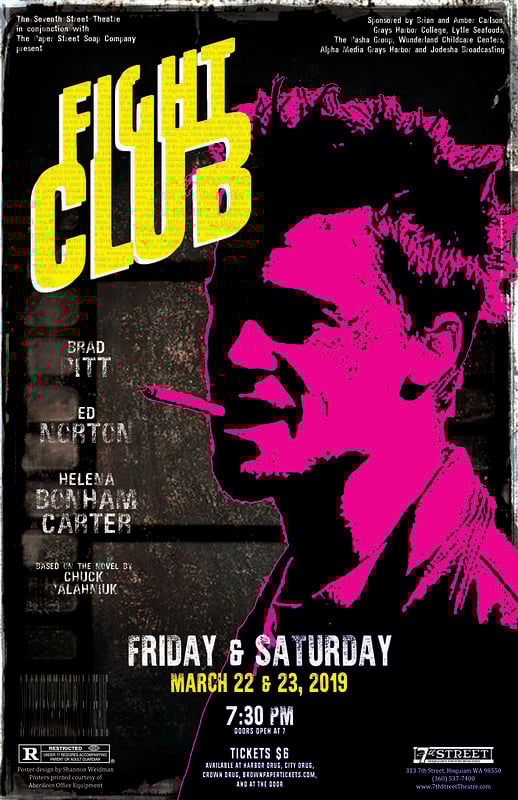
Director David Fincher sneaked a Starbucks cup into nearly every scene of Fight Club as his quiet commentary on consumer culture. The coffee chain’s overwhelming presence represents exactly the kind of corporate sameness that Tyler Durden fights against — yet most viewers never notice because the cups blend so seamlessly into each environment.
The Dark Knight’s Hospital Explosion Delay
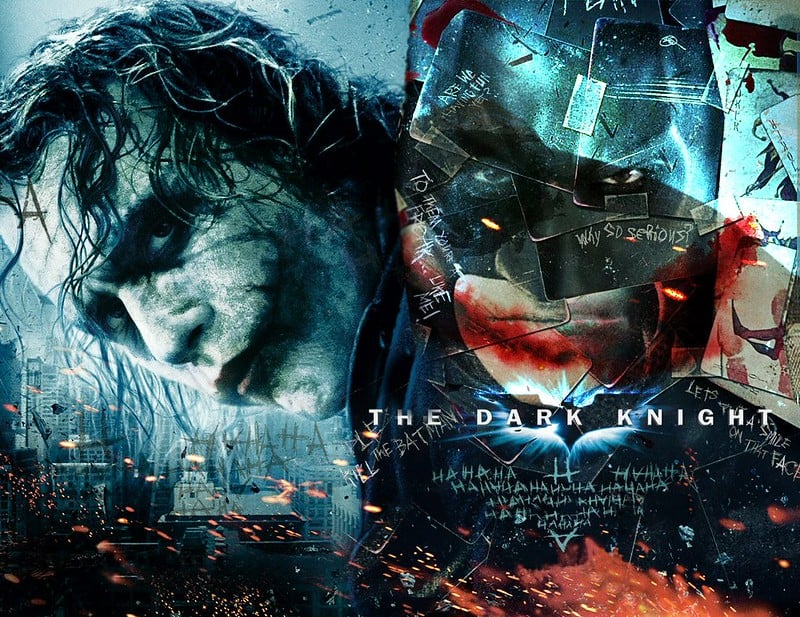
When the Joker destroys the hospital, there’s an unexpected pause in the explosion sequence that wasn’t part of the script. The detonation system genuinely malfunctioned during filming, and Heath Ledger remained completely in character. He improvised the confused button-pressing and shoulder shrug, turning a technical mishap into one of the scene’s most unforgettable moments.
Inception’s Spinning Top Wobble
Dom Cobb’s spinning top totem actually wobbles slightly before that final cut to black — suggesting he might truly be in the real world after all. Most viewers fixate on whether the top stops spinning entirely, but that subtle wobble indicates it’s losing momentum and would eventually topple over.
The Lion King’s Hidden Mickey
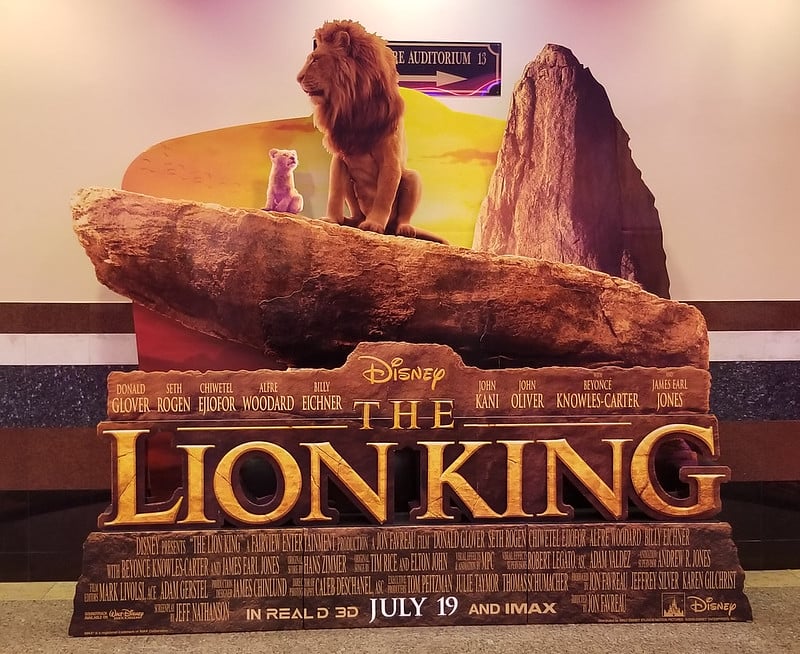
When Simba flops down on the cliff edge, the dust he kicks up briefly forms Mickey Mouse’s head against the night sky. This classic Disney Easter egg appears for maybe three frames, making it virtually impossible to catch unless you pause at precisely the right moment.
Goodfellas’ Tracking Shot Preparation
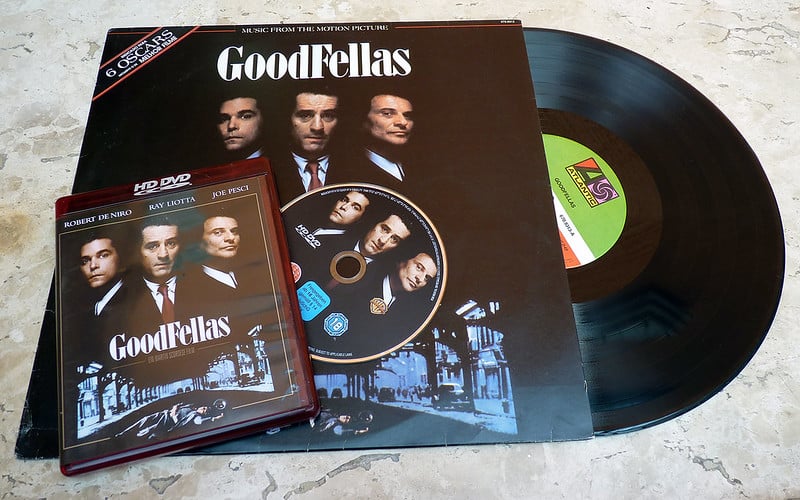
The legendary Copacabana tracking shot required eight takes to nail perfectly — but you can still spot crew members hiding throughout the sequence. Kitchen staff crouch behind counters, waiters step into doorways, and some of those “diners” are actually crew members strategically positioned to stay out of the camera’s path through the restaurant.
The Sixth Sense’s Red Objects
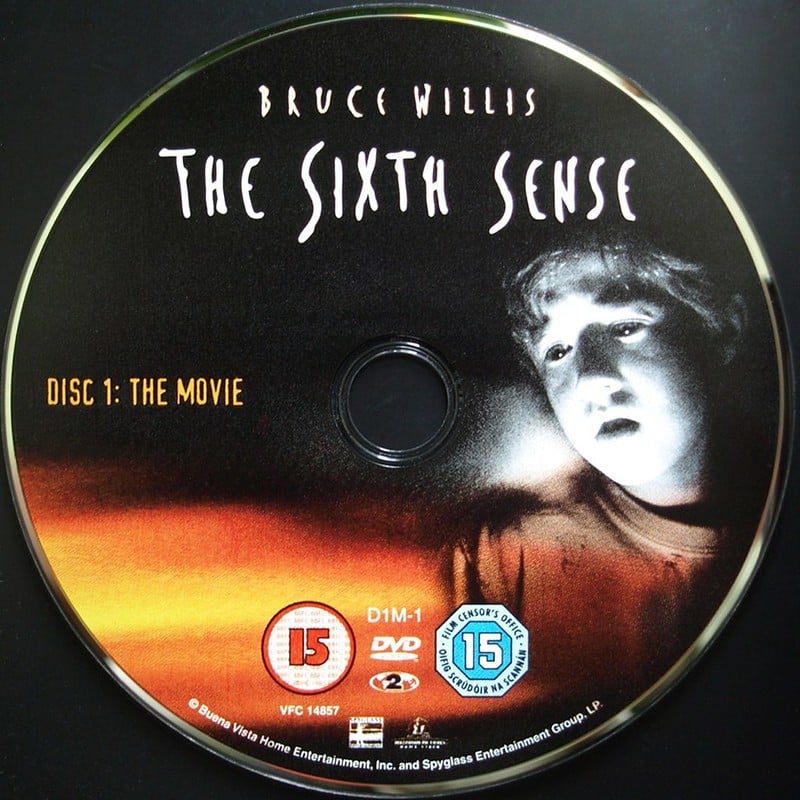
Every scene containing supernatural elements features something prominently red. Red doorknobs, balloons, clothing, and various other objects signal when the spirit world is active — this color coding helps viewers subconsciously recognize when Cole is experiencing paranormal activity.
E.T.’s Yoda Cameo
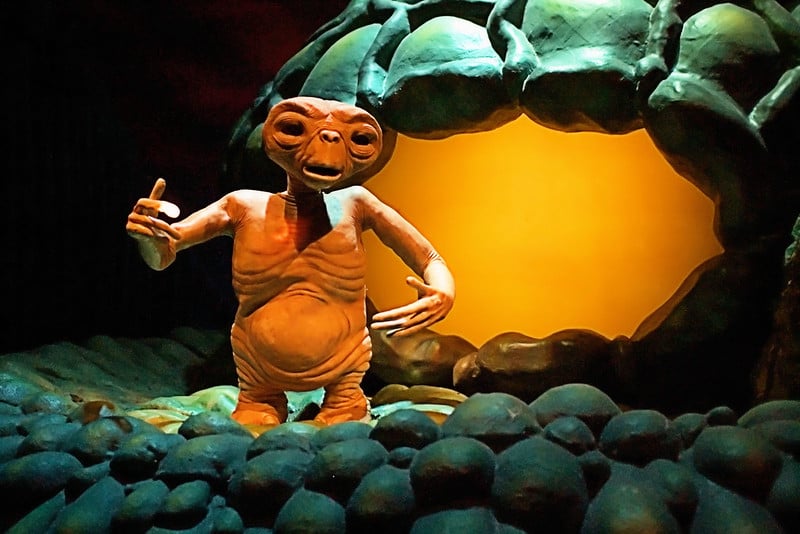
When Elliott takes E.T. trick-or-treating, they encounter a child dressed as Yoda. E.T. gets excited and tries to follow the mini-Jedi, suggesting he recognizes his own species. This crossover between Spielberg and Lucas films hints that both franchises might exist in the same universe.
American Beauty’s Plastic Bag Dance
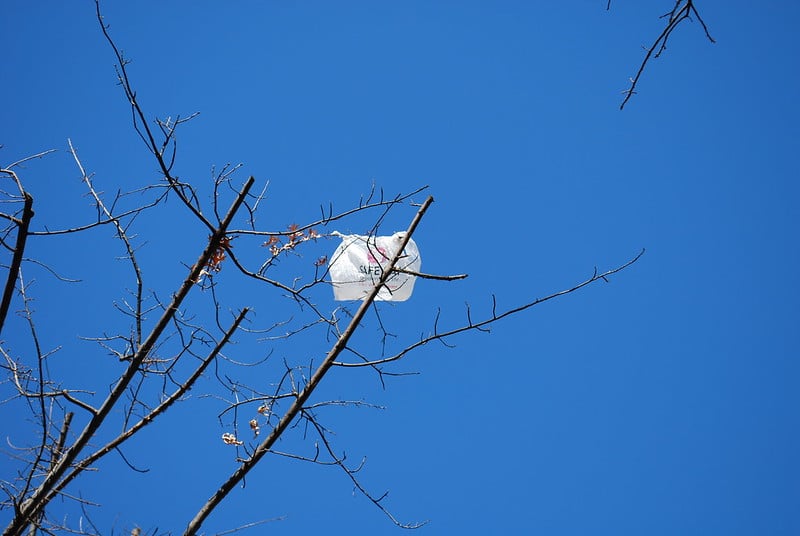
The plastic bag floating in the wind was controlled by a leaf blower and fishing line operated off-camera. The ‘beautiful’ moment that mesmerizes Ricky Fitts required extensive technical preparation to achieve that seemingly natural, random movement that appears so philosophically profound.
Jurassic Park’s CGI Limitation
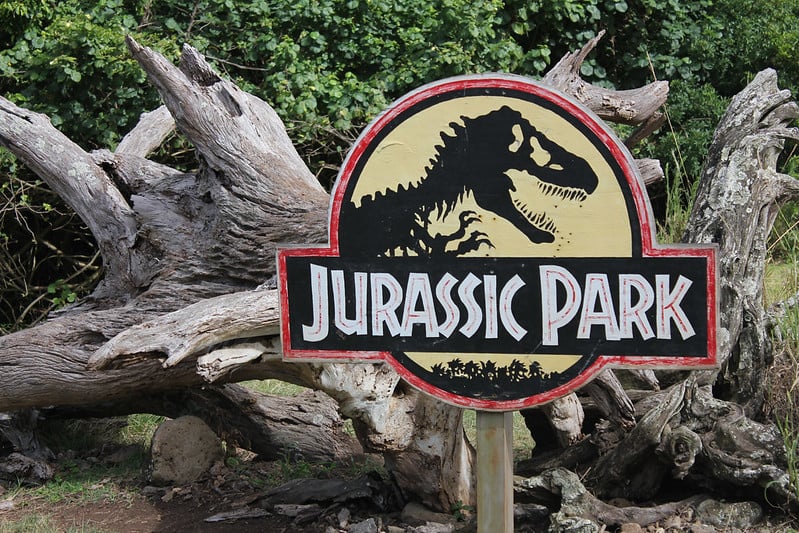
The T-Rex appears on screen for only four minutes throughout the entire film. Most dinosaur scenes rely on practical effects, animatronics, or clever camera angles instead. The limited CGI usage was partly due to budget constraints, yet it resulted in more convincing creature effects than many modern blockbusters achieve.
The Departed’s X Marks
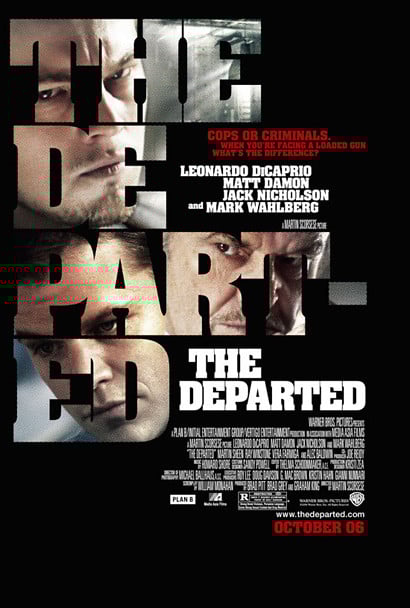
An ‘X’ appears somewhere in the frame before each character meets their end. These crosses show up as window frames, architectural elements, or even tape on glass surfaces. Scorsese employed this visual motif to subconsciously prepare audiences for the violence that was coming.
Raiders of the Lost Ark’s Fly Actor
A real fly lands on actor Paul Freeman’s face during his performance as Belloq, and he continues delivering his lines without missing a beat. The fly crawls into his mouth, and Freeman swallows it while maintaining his villainous dialogue. This completely unscripted moment made it into the final cut.
Willy Wonka’s Limping Switch
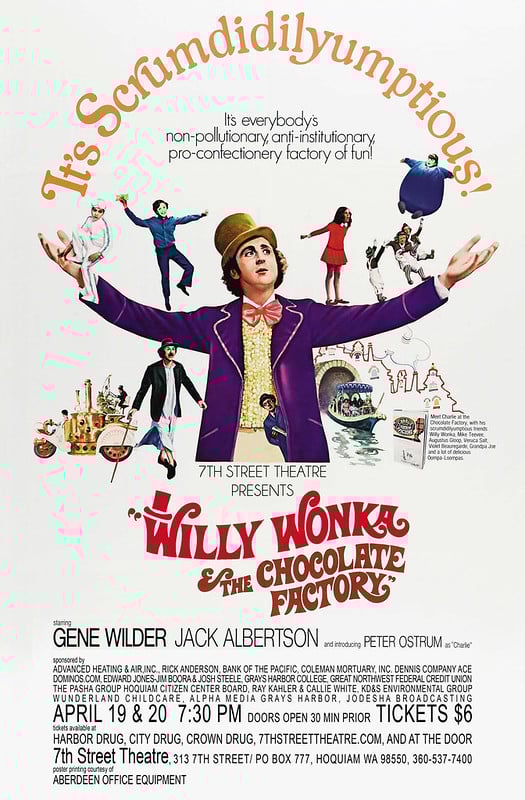
Gene Wilder’s Wonka limps with a cane when he first appears, then suddenly does a somersault and walks normally. Wilder insisted on this entrance because he wanted audiences to never know whether Wonka was being truthful or playing games. The limp switch establishes his unpredictable nature from the very first moment.
Terminator 2’s Mirror Trick
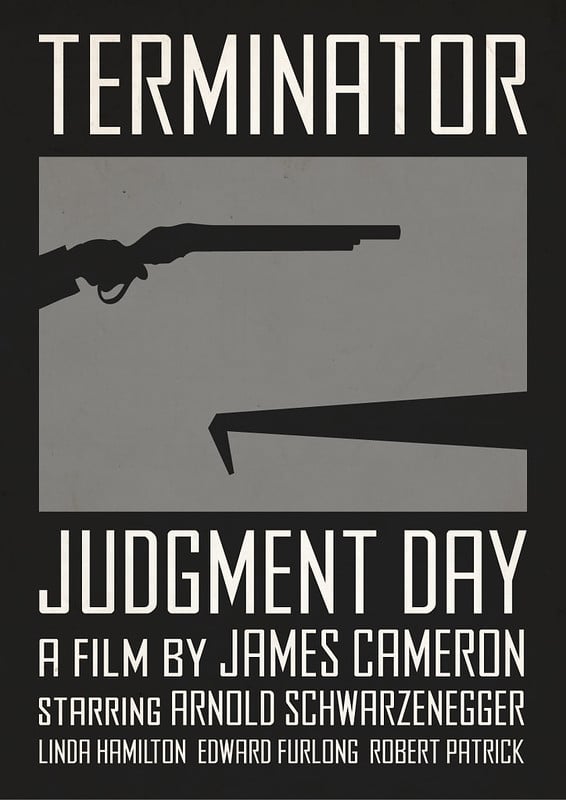
The scene where the T-1000 searches John Connor’s room appears to show a mirror reflection, though it’s actually an opening in the set wall with Linda Hamilton’s twin sister mimicking her movements perfectly. This practical effect was necessary because the camera angle would have revealed all the filming equipment in a real mirror.
When Details Become Discoveries
These unseen elements show how filmmaking functions on several levels simultaneously. Although viewers follow the main plot, filmmakers reward those who pay close attention with layers of meaning, technical prowess, and inside jokes. The best movies are both instant amusement and complex riddles that require multiple viewings to solve. The most important truths about a film’s deeper intentions can occasionally be found in the smallest details.
More from Go2Tutors!

- 16 Historical Figures Who Were Nothing Like You Think
- 12 Things Sold in the 80s That Are Now Illegal
- 15 VHS Tapes That Could Be Worth Thousands
- 17 Historical “What Ifs” That Would Have Changed Everything
- 18 TV Shows That Vanished Without a Finale
Like Go2Tutors’s content? Follow us on MSN.



