TV Show Pilots That Were Completely Different
Pilots are tricky. A network orders one episode to test the waters, and if it works, they greenlight a full season.
But between that first episode and the show people actually fell in love with, a lot can change. Sometimes the entire concept gets flipped on its head.
Let’s look at some shows where the pilot barely resembles what came after.
Buffy the Vampire Slayer
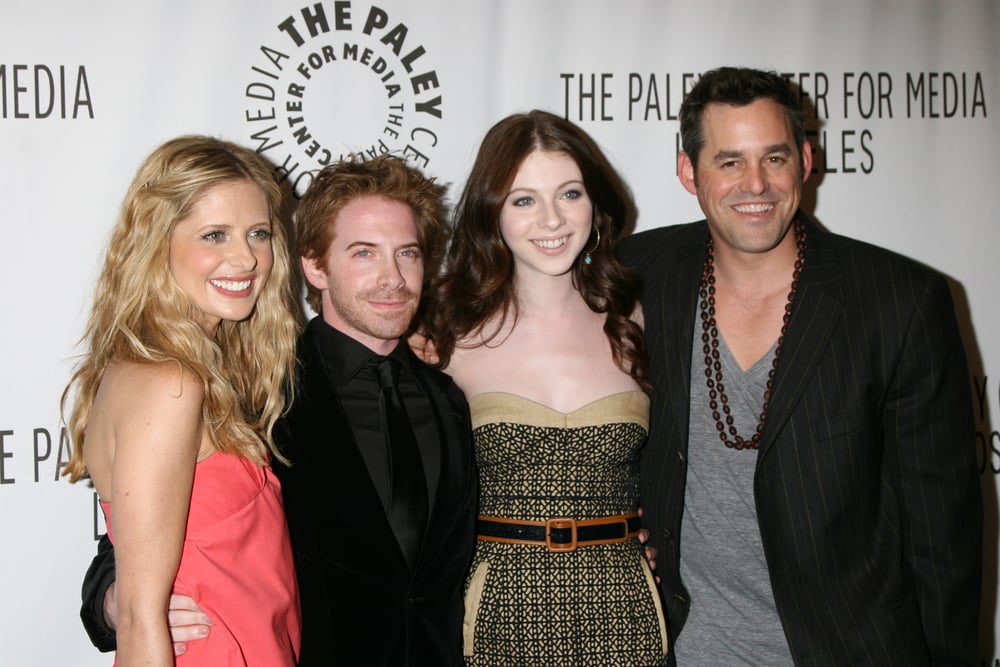
The unaired pilot for Buffy looked like it was shot in someone’s basement with borrowed equipment. Sarah Michelle Gellar wore a different outfit, the high school looked nothing like Sunnydale High, and Willow’s entire personality was different.
When the show got picked up by The WB, they reshot major scenes, recast some roles, and gave the whole thing a much-needed budget boost. The aired version kept some footage from the original pilot but mixed in so much new material that it became something else entirely.
Star Trek

Gene Roddenberry’s first pilot, called ‘The Cage,’ had a completely different captain and a much darker tone. NBC rejected it for being ‘too cerebral,’ which is a polite way of saying viewers wouldn’t understand it.
The network gave Roddenberry a second chance, something almost unheard of in television. He brought in William Shatner as Captain Kirk, added more action and humor, and basically rebuilt the show from scratch.
Spock was the only main character who survived the transition.
Game of Thrones
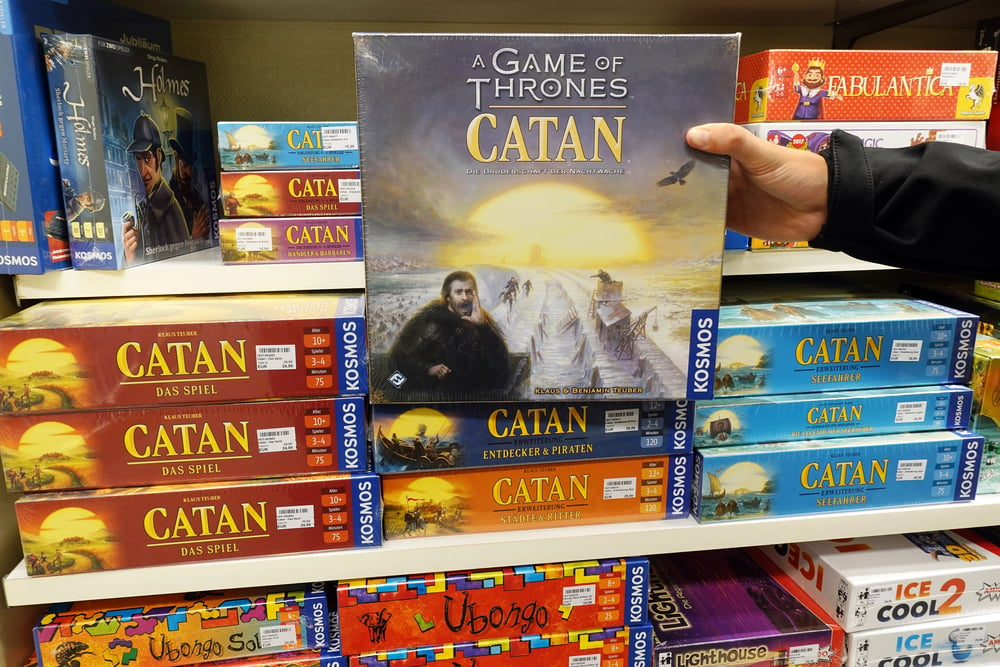
The original pilot was such a disaster that HBO demanded massive reshoots. Test audiences couldn’t tell characters apart, didn’t understand key relationships, and had no idea Jaime and Cersei were siblings.
The network brought in new directors, recast several roles including Daenerys and Catelyn Stark, and restructured the entire episode. They even shot scenes in completely different locations.
What eventually aired was essentially a different show that happened to use some of the same footage.
Supernatural
The pilot episode had a much grittier, almost horror-movie feel that didn’t match the tone of later seasons. Dean Winchester came across as genuinely mean rather than the sarcastic older brother fans grew to love.
The lighting was darker, the color palette was all browns and grays, and the show took itself way too seriously. As the series progressed, it found its rhythm with better humor, brighter cinematography, and a more balanced approach to the family drama.
The shift was so noticeable that rewatching the pilot feels like stepping into an alternate universe.
The Big Bang Theory
Sheldon and Leonard had a different female neighbor in the unaired pilot, and she wasn’t Penny. The character was tougher, more street-smart, and the chemistry just wasn’t there.
CBS passed on that version but liked the concept enough to order changes. They brought in Kaley Cuoco, softened some of the harsher elements, and reworked the entire dynamic between the characters.
Even Sheldon’s personality got adjusted to make him less mean and more socially awkward in an endearing way.
Gilmore Girls
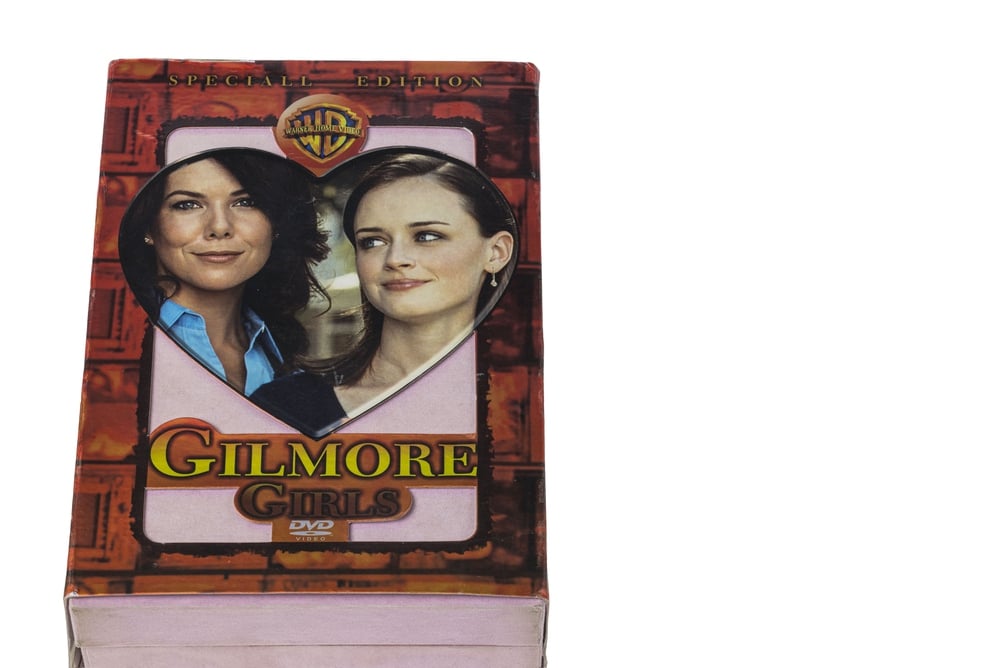
The pilot was shot with different actors in several key roles, including Sookie St. James. The town of Stars Hollow looked less charming and more generic than small-town America.
The rapid-fire dialogue that became the show’s trademark wasn’t quite as polished yet, and Lorelai came across as less likable. The WB ordered reshoots and adjustments that transformed the show into the cozy, witty series people remember.
Even the town square got a complete redesign to feel more welcoming and quirky.
Parks and Recreation
The first season tried to make Leslie Knope a female Michael Scott, and it absolutely did not work. She came across as incompetent and annoying rather than passionate and driven.
The show was basically a clone of The Office with a government setting. Starting in season two, the writers completely overhauled her character, making her competent, optimistic, and genuinely good at her job.
They also shifted the mockumentary style to feel less cynical and more heartfelt. The transformation was so dramatic that the show became its own thing entirely.
Seinfeld
The pilot episode, called ‘The Seinfeld Chronicles,’ had a completely different waitress at the coffee shop and no Elaine at all. The tone was slower, more observational, and lacked the manic energy that defined later episodes.
NBC wasn’t impressed but ordered four more episodes to see if it could improve. Seinfeld and Larry David adjusted the pace, brought in Julia Louis-Dreyfus, and started building the ensemble dynamic that made the show work.
Elaine’s addition changed everything about how the characters interacted.
That ’70s Show
The original pilot had a different actor playing Eric Forster, and the basement looked completely different. The characters were meaner to each other in a way that didn’t feel fun or nostalgic.
Fox ordered changes before airing the show, including recasting the lead and redesigning the main set. They also softened the edges on most characters and added more warmth to the family dynamics.
The circle scenes with the blurred-out activities became more prominent and turned into a signature element.
The Office (US version)
The American pilot was almost a word-for-word copy of the British version, and it felt completely wrong. Steve Carell played Michael Scott as too mean and irredeemable, similar to Ricky Gervais’s David Brent.
NBC almost canceled the show after the first season because the tone wasn’t working for American audiences. The writers made Michael more naive and well-meaning rather than cruel, and suddenly the character became sympathetic.
They also let the supporting cast shine more and developed Jim and Pam’s relationship earlier.
How I Met Your Mother
The pilot had a different ending and a much darker tone about dating in New York. Ted came across as more desperate and less charming than he would in later episodes.
The framing device with Future Ted wasn’t as developed, and the humor felt more cynical. CBS saw potential but wanted adjustments to make the characters more likable and the overall vibe more optimistic.
The show found its sweet spot by balancing comedy with genuine emotion and making the group feel like real friends.
Glee
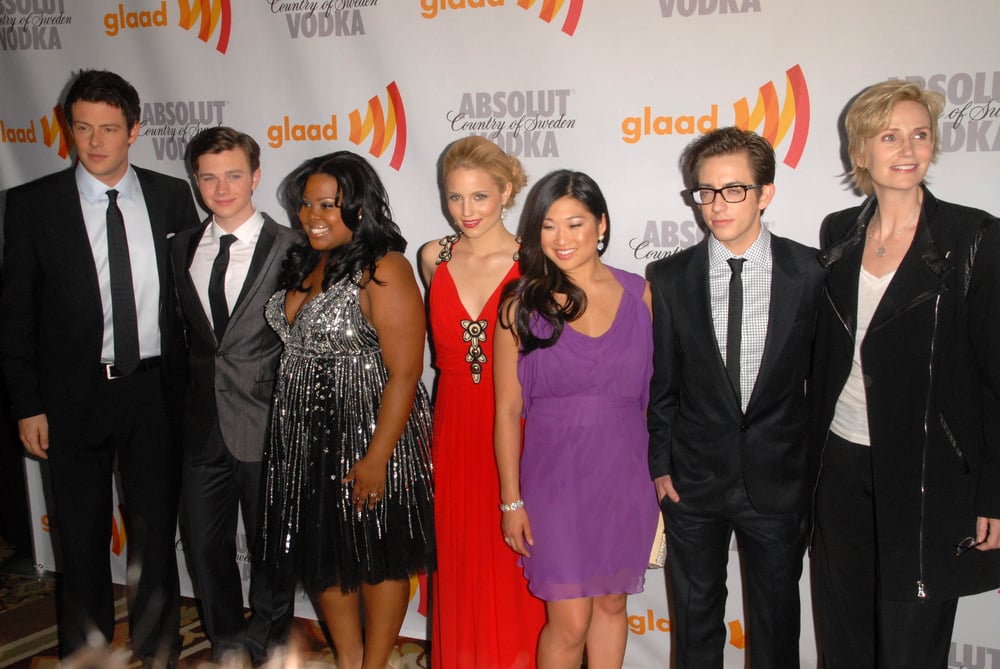
The original pilot aired months before the show actually premiered, and the network made significant changes during that gap. Several songs got cut and replaced with different numbers, and the tone shifted from darker satire to more earnest musical drama.
Fox reshot scenes to make the characters less mean-spirited and more sympathetic. They also adjusted the balance between comedy and drama after seeing how audiences reacted.
The show that eventually aired was brighter, more polished, and less cynical about high school life.
Friends
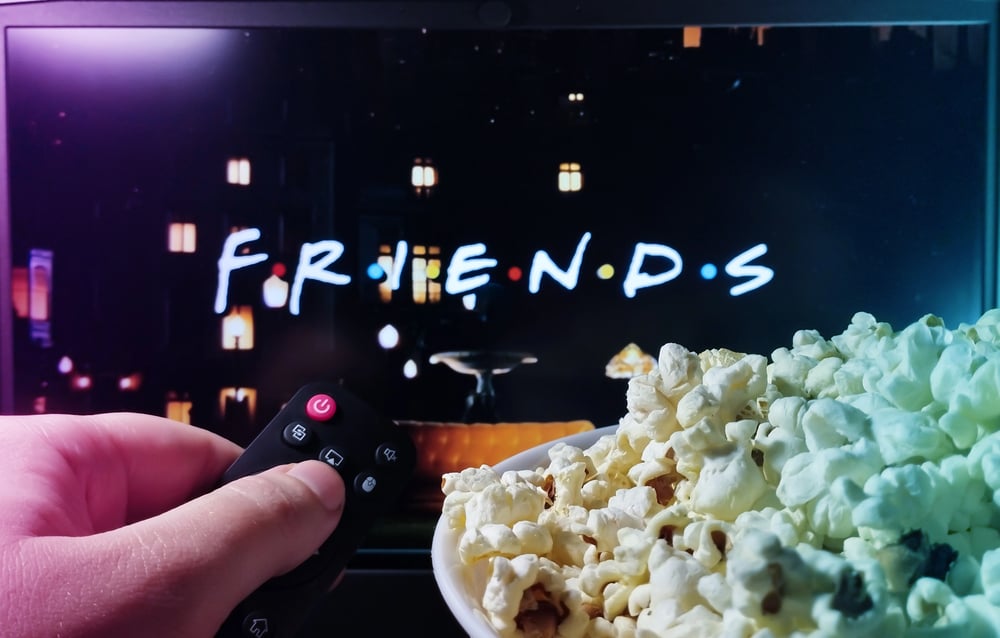
Monica was supposed to be the main character in the pilot, and the show even had a different title at first. The chemistry between Ross and Rachel wasn’t emphasized as much, and Joey came across as genuinely dim rather than lovably goofy.
NBC liked the concept but pushed for changes to make the ensemble feel more balanced. The apartments got redesigned to be more colorful and spacious, and the Central Perk set became more prominent.
Rachel’s character also got adjusted to be less spoiled and more relatable as the season progressed.
Twin Peaks
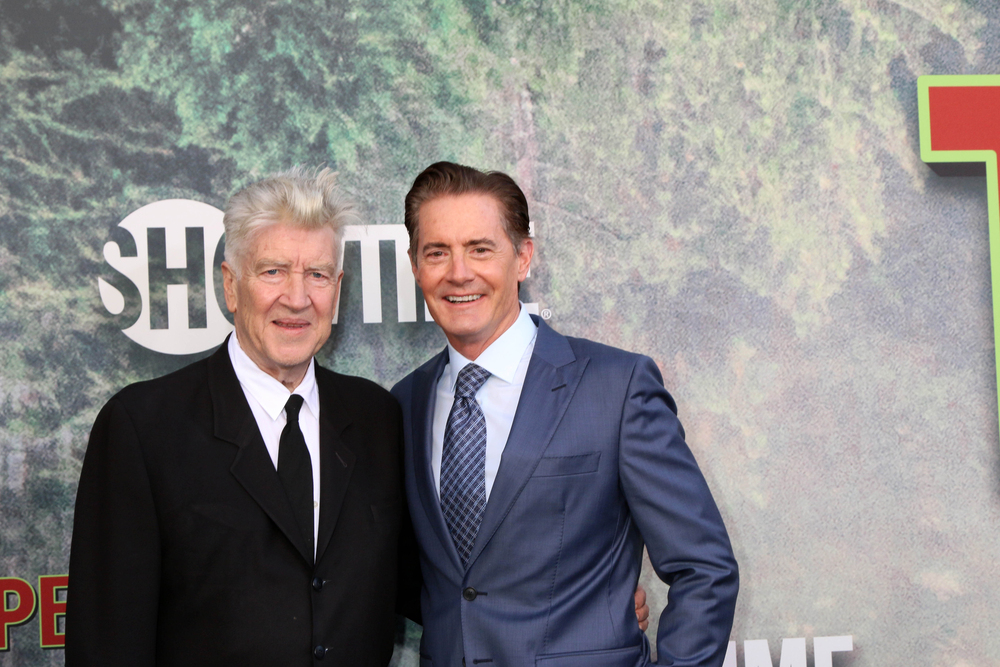
David Lynch’s pilot was actually released as a standalone TV movie in Europe with a different ending that solved the murder. ABC aired a version in the US that left the mystery open, which allowed the show to continue.
The network was nervous about Lynch’s weird style and almost demanded he make it more conventional. The compromise led to the pilot having a slightly more accessible feel than later episodes, which dove deeper into surrealism.
Fans debate whether the mystery should have been solved in the pilot or drawn out across two seasons.
Breaking Bad
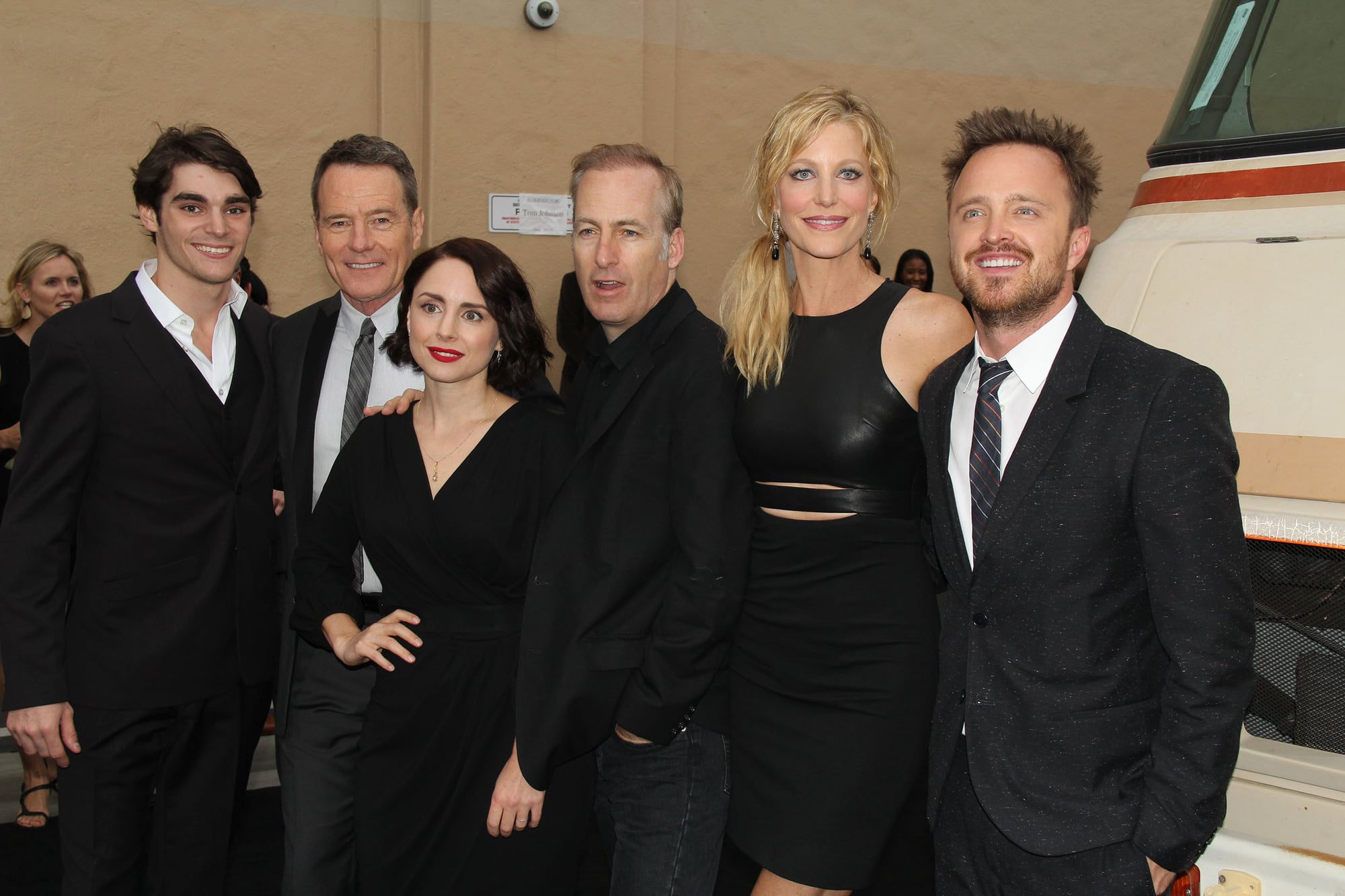
Walter White was more sympathetic and less threatening in the pilot than he would become. The show hadn’t quite figured out its visual style yet, and the pacing was different from later episodes.
AMC was nervous about a show where the main character cooks methamphetamine, so the pilot walked a careful line. As the series progressed, Vince Gilligan became more confident in showing Walt’s transformation into a monster.
The color symbolism and artistic cinematography that defined the show developed gradually over the first season.
24
The pilot had Teri Bauer’s character written completely differently, and the real-time format wasn’t as tightly executed. Some of the split-screen techniques that became iconic weren’t used as effectively yet.
Fox wasn’t sure if audiences would accept the unique format, so the pilot played it safer. Later episodes leaned harder into the real-time concept and made it a defining feature.
Jack Bauer also became more ruthless and morally complicated as the show found its identity beyond the pilot.
Doctor Who (2005 revival)
Russell T Davies’s pilot episode for the revived series had a much campier tone that he later adjusted. The Autons and the living plastic storyline was meant to hook kids, but the show quickly matured.
Christopher Eccleston’s Ninth Doctor was written as darker and more traumatized than he appeared in the pilot. Davies also hadn’t quite figured out how to balance nostalgia for old fans with accessibility for new viewers.
By the end of the first season, the show had found its perfect mix of fun, emotion, and science fiction adventure.
The roots still show through
Even when shows change dramatically after their pilots, you can usually spot the DNA of that first episode somewhere in the series. The core concept might stay the same while everything around it transforms.
Networks take risks on pilots hoping to find the next big hit, and sometimes that means completely rebuilding the foundation. The shows that succeed are often the ones willing to admit the pilot didn’t work and fix it before it’s too late.
More from Go2Tutors!

- The Romanov Crown Jewels and Their Tragic Fate
- 13 Historical Mysteries That Science Still Can’t Solve
- Famous Hoaxes That Fooled the World for Years
- 15 Child Stars with Tragic Adult Lives
- 16 Famous Jewelry Pieces in History
Like Go2Tutors’s content? Follow us on MSN.