Bands That Changed Names Before Fame
Some of the biggest names in music history started out with completely different band names that nobody remembers today.
These groups went through awkward phases, bad decisions, and plenty of trial and error before landing on the names that would eventually become famous worldwide.
Here are the bands that got it wrong the first time around.
The Beatles
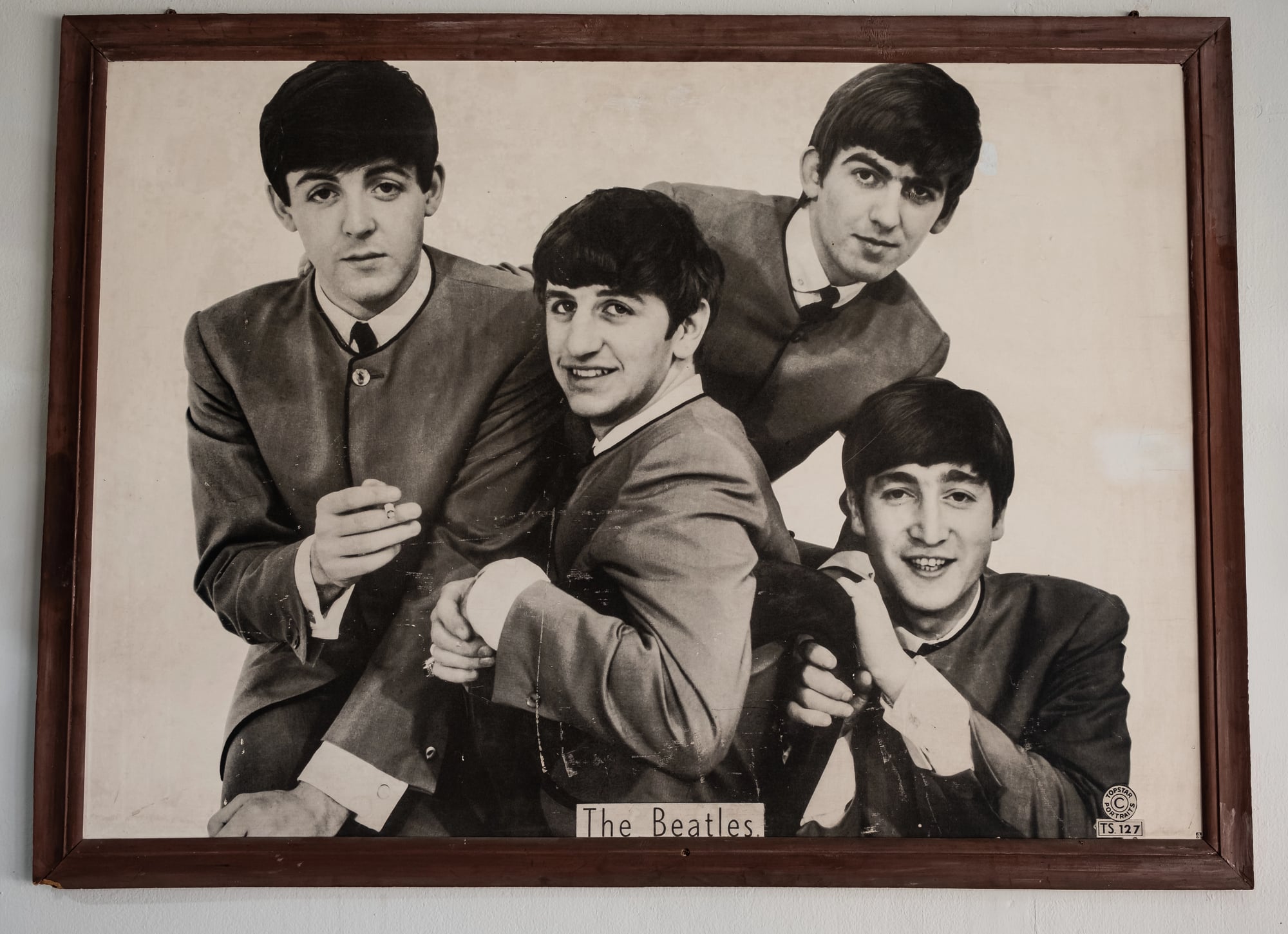
The most famous band in history didn’t start as The Beatles.
John Lennon formed a group called The Quarrymen in 1956, named after his high school.
When Paul McCartney and George Harrison joined, they bounced around names like Johnny and the Moondogs and the Silver Beetles before finally settling on The Beatles in 1960.
The spelling was a play on ‘beat music’ and beetles the insect.
That simple name change helped them become the biggest band the world has ever seen.
U2
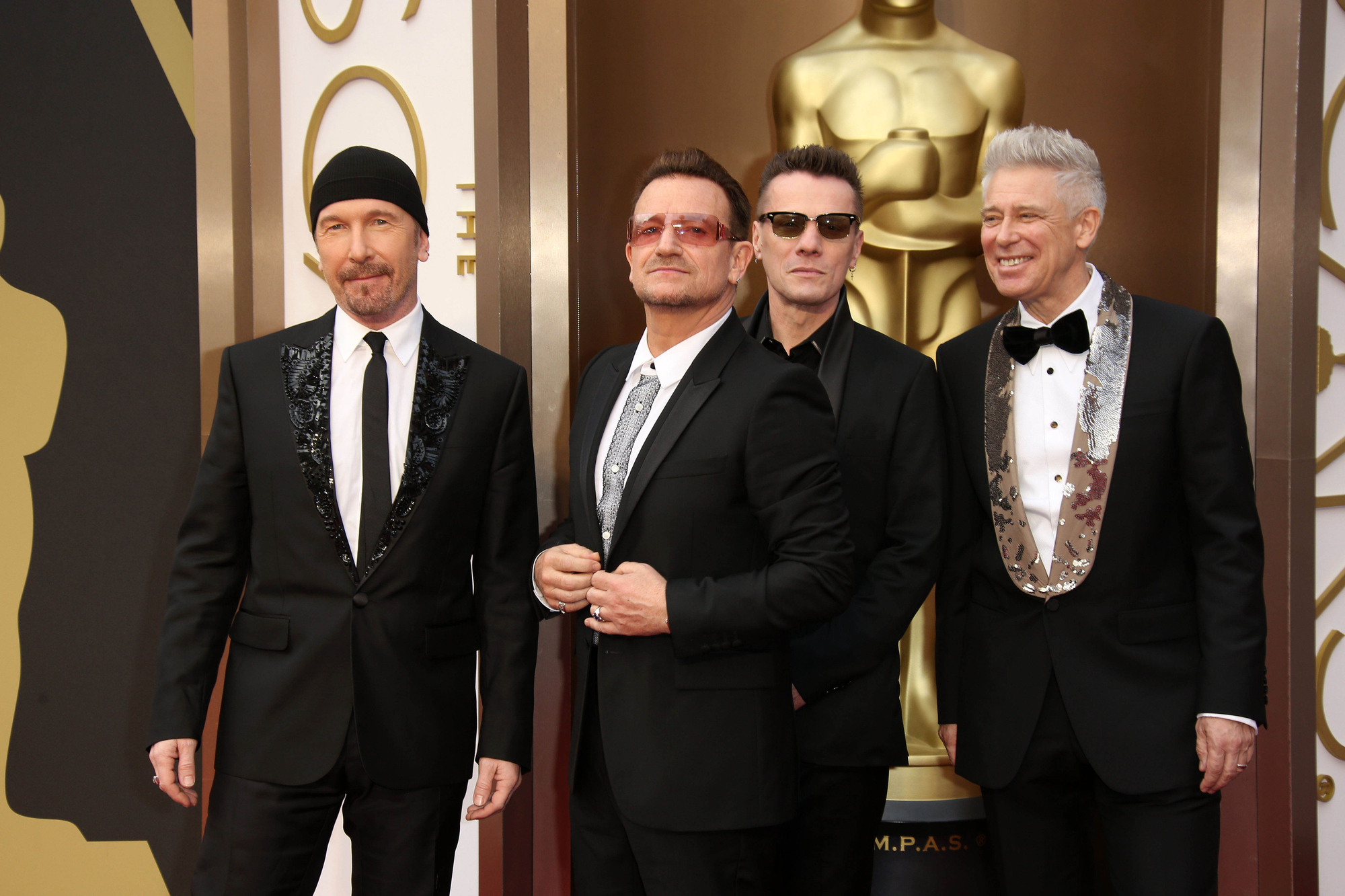
Bono, The Edge, Adam Clayton, and Larry Mullen Jr. started out as Feedback when they formed in Dublin in 1976.
They were just teenagers jamming in Larry’s kitchen.
The name didn’t last long before they switched to The Hype, which wasn’t much better.
In 1978, they finally became U2, a name their manager found in a newspaper.
It was short, easy to remember, and could mean anything.
Good choice, since they went on to sell over 150 million records.
Radiohead
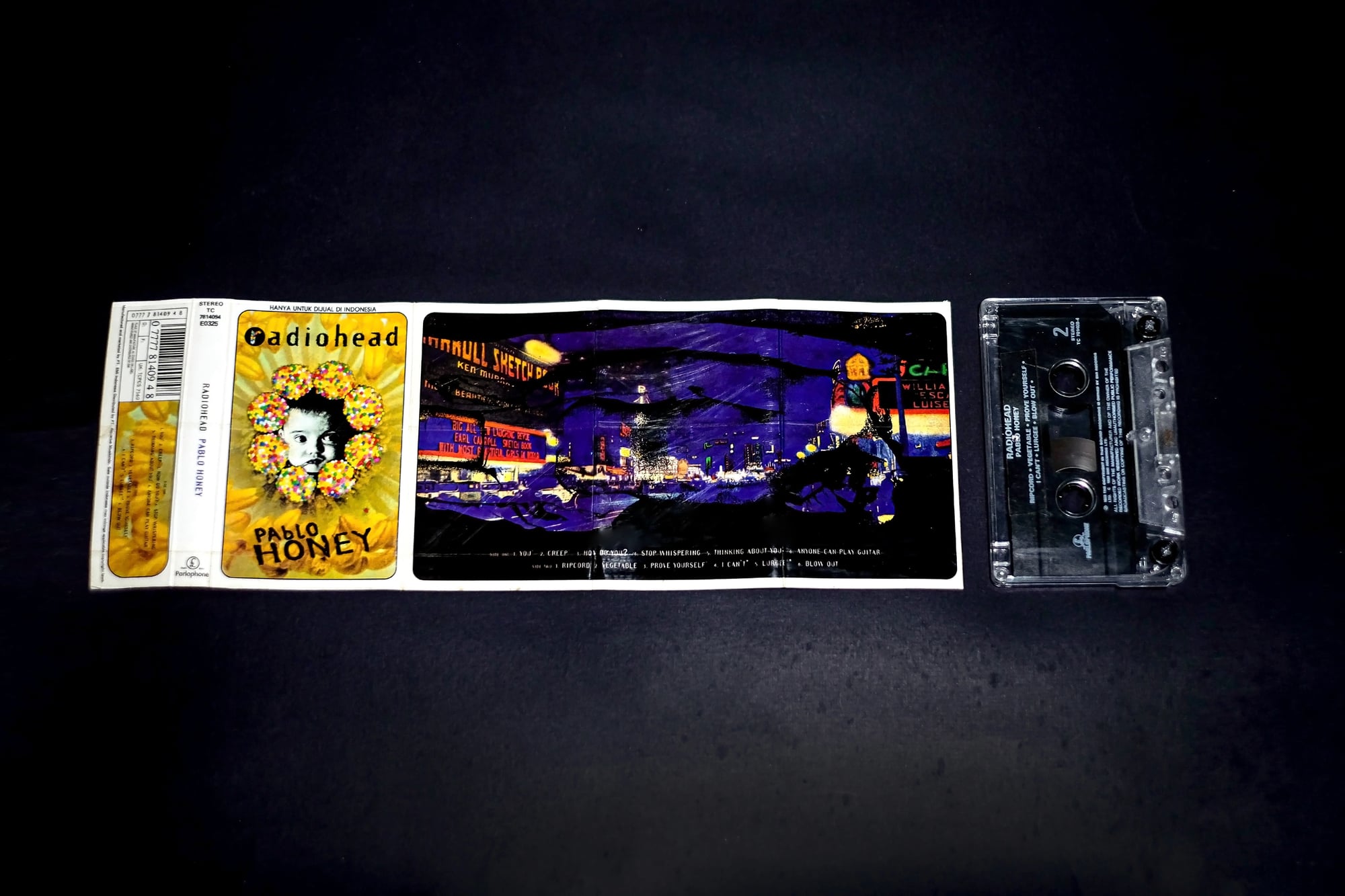
Thom Yorke and his bandmates called themselves On a Friday because that’s when they rehearsed during their school days.
The name made sense to them but sounded pretty boring to everyone else.
When they signed with EMI in 1991, the label pushed them to pick something different.
They took the name Radiohead from a Talking Heads song and released their first single under the new name.
A few years later, ‘Creep’ made them alternative rock heroes.
Black Sabbath
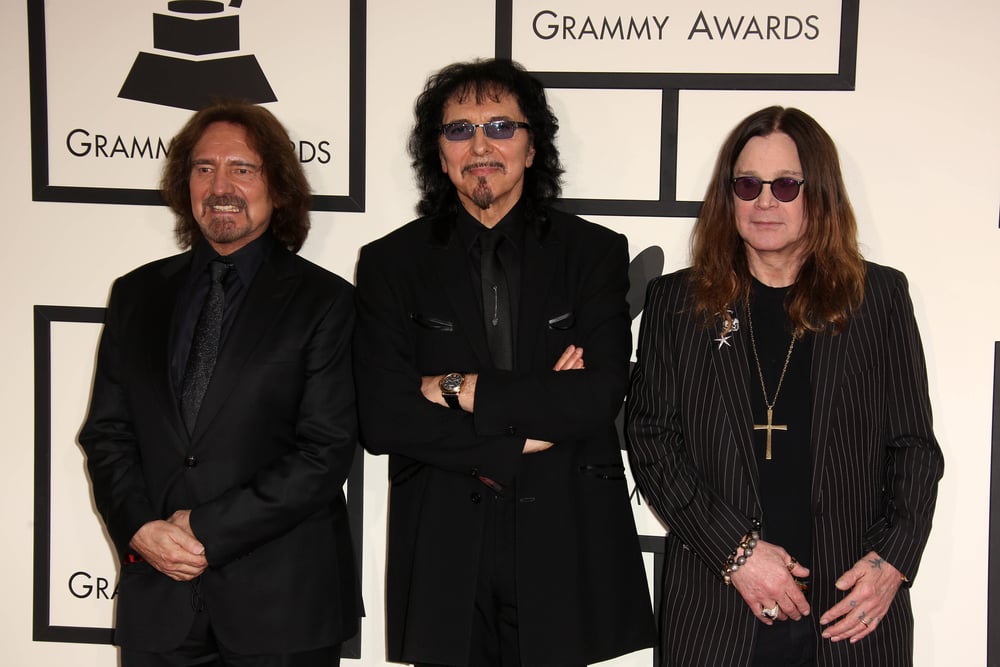
Tony Iommi, Ozzy Osbourne, Geezer Butler, and Bill Ward originally played as a blues band called Earth in Birmingham, England.
The problem was there were several other bands already using that name.
They changed to Black Sabbath in 1969 after seeing a Boris Karloff horror film with that title playing across the street from their rehearsal space.
The darker names fit their heavy sound perfectly.
They basically invented heavy metal after that.
The Byrds
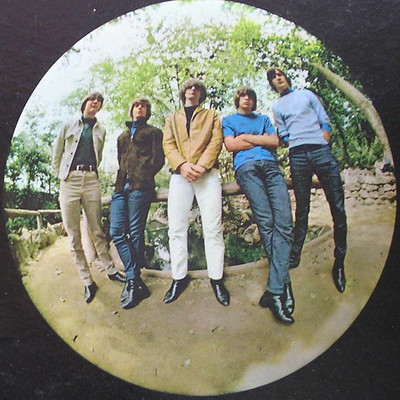
This folk rock group started as The Jet Set in 1964.
Then briefly became The Beefeaters before landing on The Byrds.
Roger McGuinn wanted a name that suggested flight and freedom.
And the unusual spelling made it stand out.
Their jangly 12-string guitar sound and harmony vocals turned Bob Dylan’s ‘Mr. Tambourine Man’ into a number one hit.
The name stuck and so did their influence on rock music.
Led Zeppelin
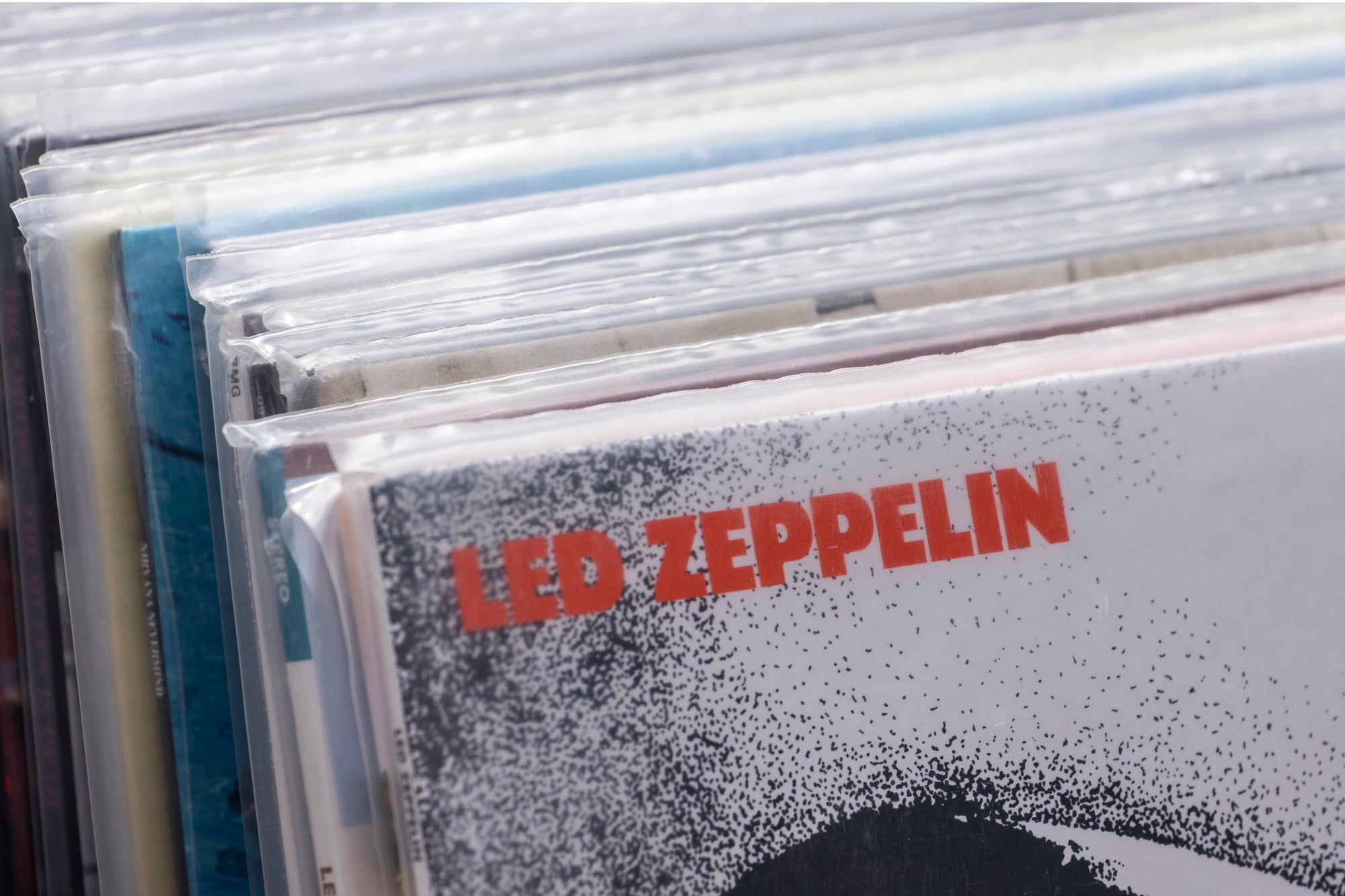
Jimmy Page, Robert Plant, John Paul Jones, and John Bonham were briefly called The New Yardbirds since Page had been in The Yardbirds.
Keith Moon and John Entwistle from The Who joked that the new band would go over like a lead balloon.
Page liked the image but changed ‘lead’ to ‘led’ so people wouldn’t mispronounce it.
And swapped balloon for zeppelin.
The name sounded powerful and slightly dangerous, which fit their heavy blues rock perfectly.
Queen
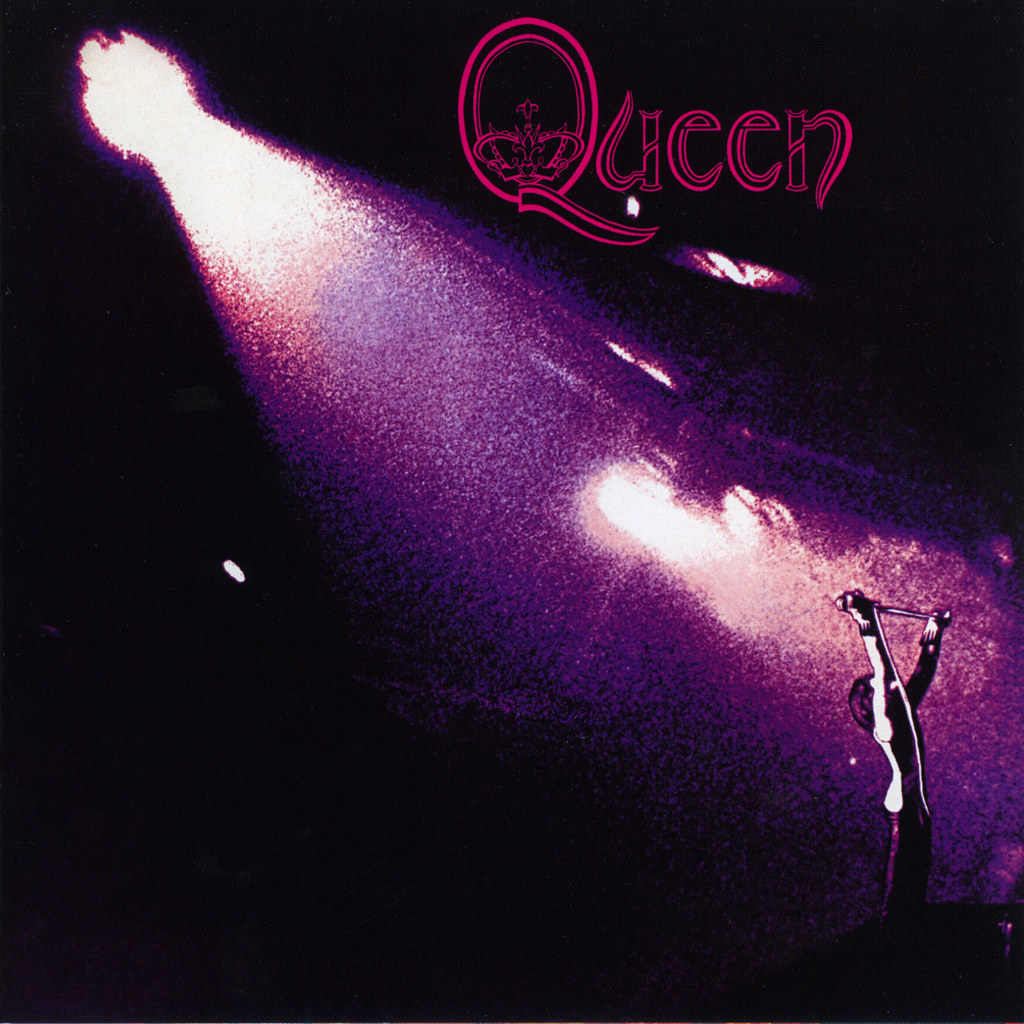
Freddie Mercury, Brian May, and Roger Taylor first played together in a band called Smile around 1968.
When Smile broke up, Mercury and May recruited new members and renamed the group Queen.
Mercury loved the regal sound and the way it was theatrical but still simple.
Some people thought it was too bold or too risky given its other meanings.
But Mercury didn’t care.
Queen went on to become one of the most successful rock bands ever, selling over 300 million records.
The Ramones
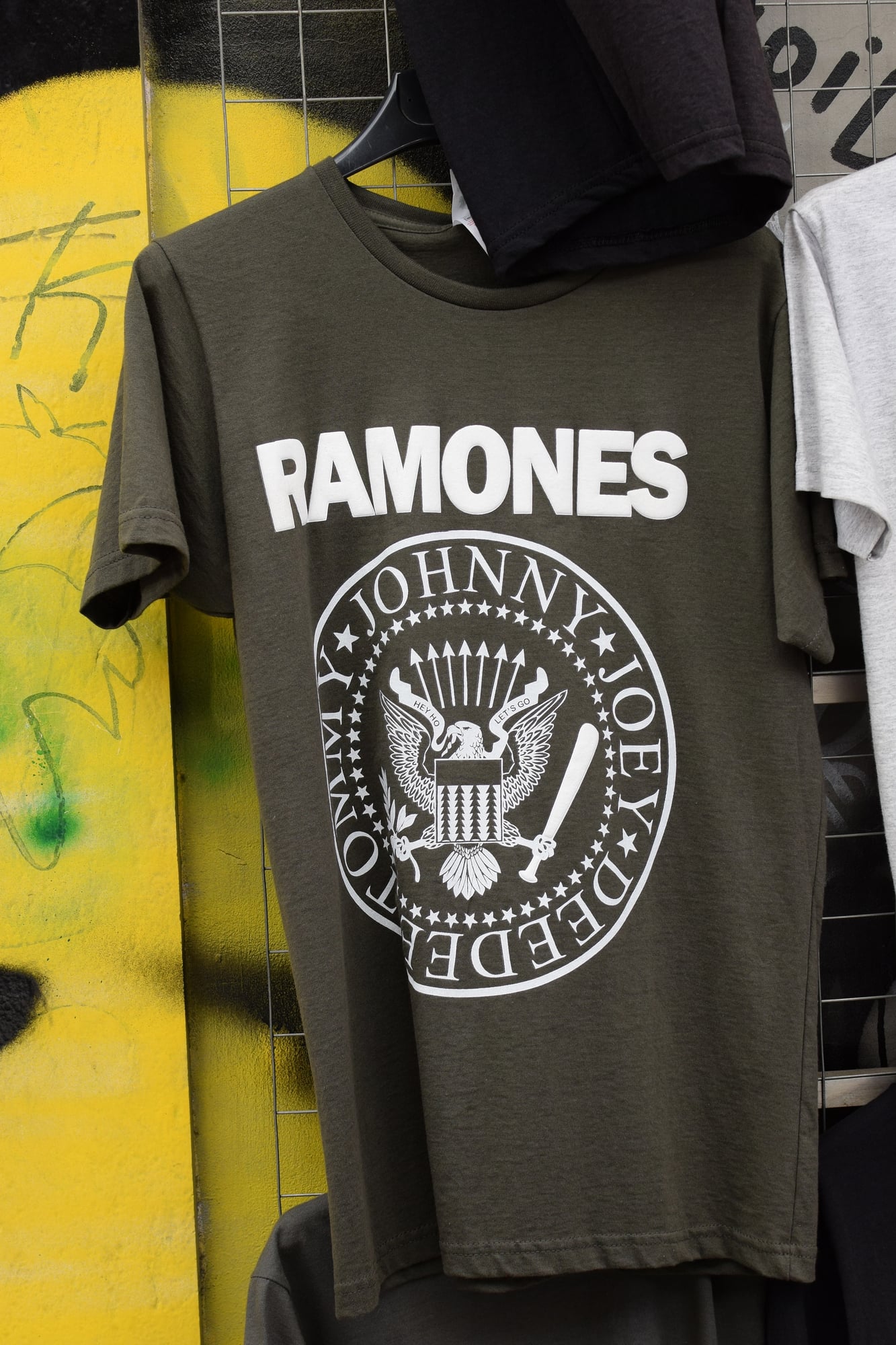
New York’s punk pioneers started out as Angel and the Snake, which sounds nothing like punk rock.
Joey, Johnny, Dee Dee, and Tommy wanted something that captured their stripped-down, fast, loud approach to music.
They settled on Ramones as a stage surname, inspired by Paul McCartney who sometimes checked into hotels as Paul Ramon.
Each member took Ramone as their last name.
The simple switch helped define punk rock’s whole aesthetic.
Simon & Garfunkel
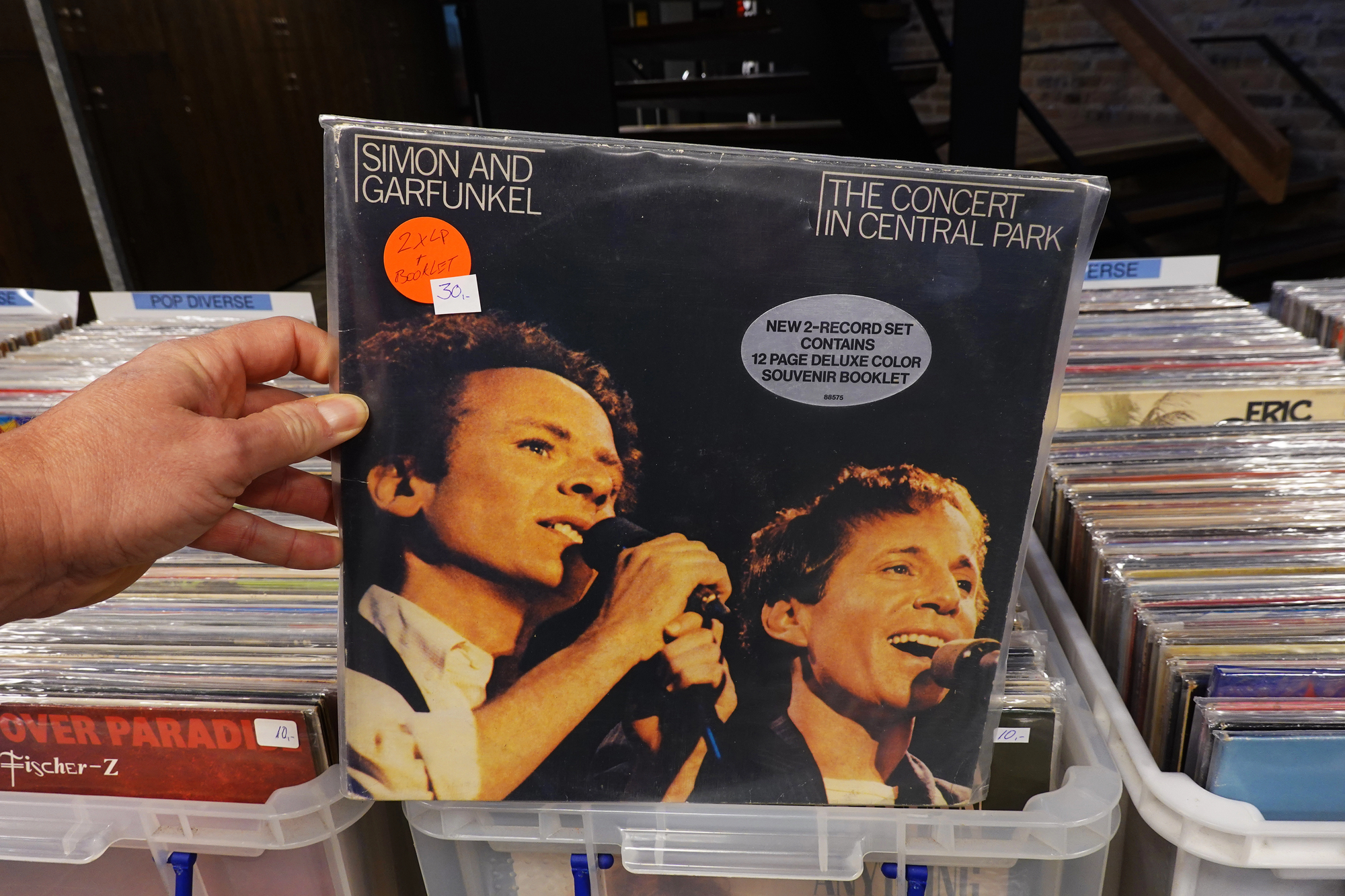
Paul Simon and Art Garfunkel tried to sound like a rockabilly duo.
They even had a minor hit called ‘Hey, Schoolgirl’ in 1957.
When they reunited in the early 1960s for folk music, they ditched the fake names and just used their real surnames.
Simon & Garfunkel sounded more authentic and mature.
Their harmonies on songs like ‘The Sound of Silence’ and ‘Bridge Over Troubled Water’ made them folk rock legends.
Def Leppard
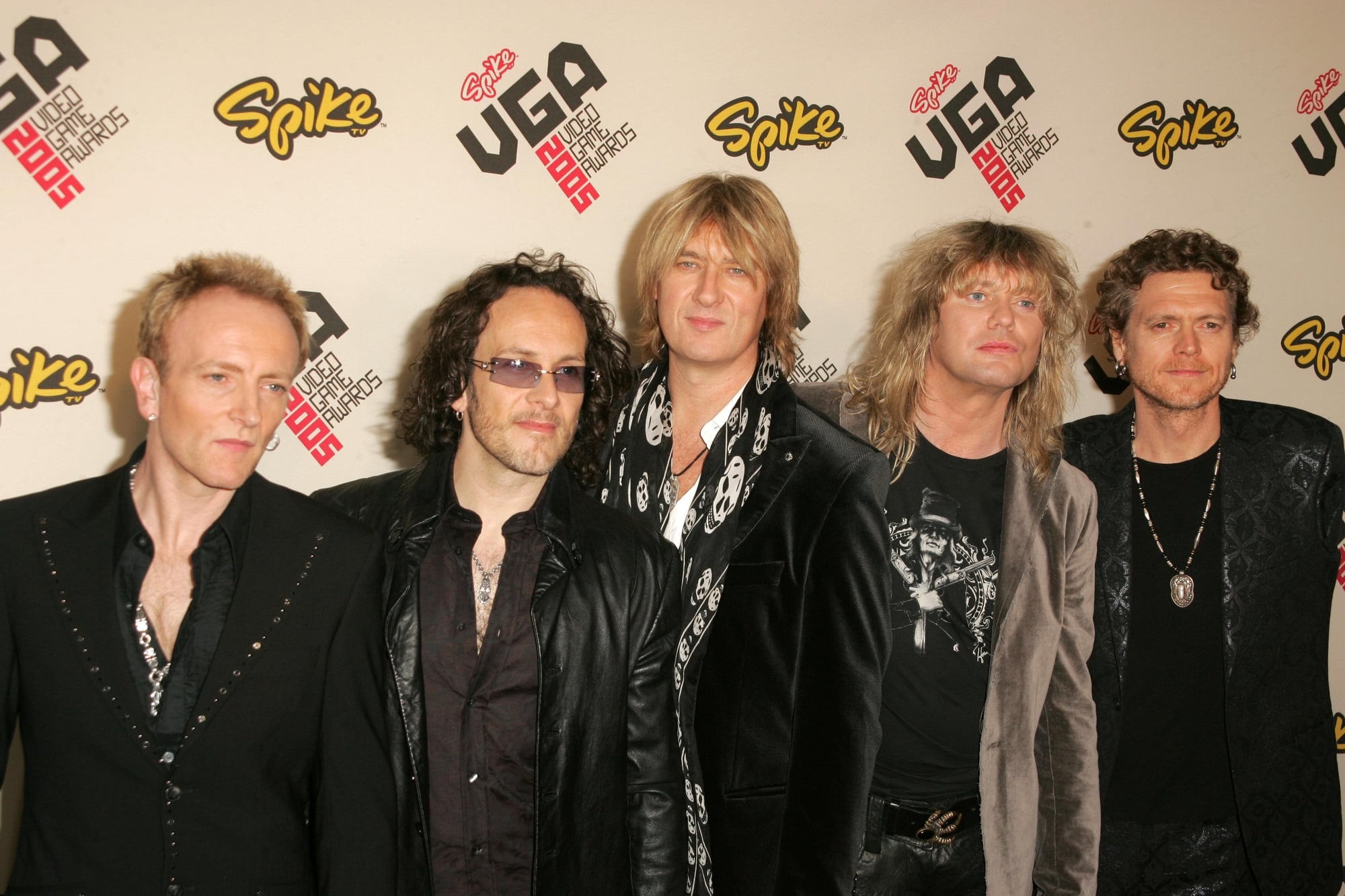
This British rock group started as Atomic Mass in Sheffield in 1977.
Founding member Joe Elliott suggested Deaf Leopard, which he’d thought up earlier for a different band project.
The spelling changed to Def Leppard to make it look less like a punk name and more distinctive.
The unusual spelling helped them stand out on posters and album covers.
They became one of the biggest rock bands of the 1980s, selling over 100 million albums worldwide.
Mötley Crüe
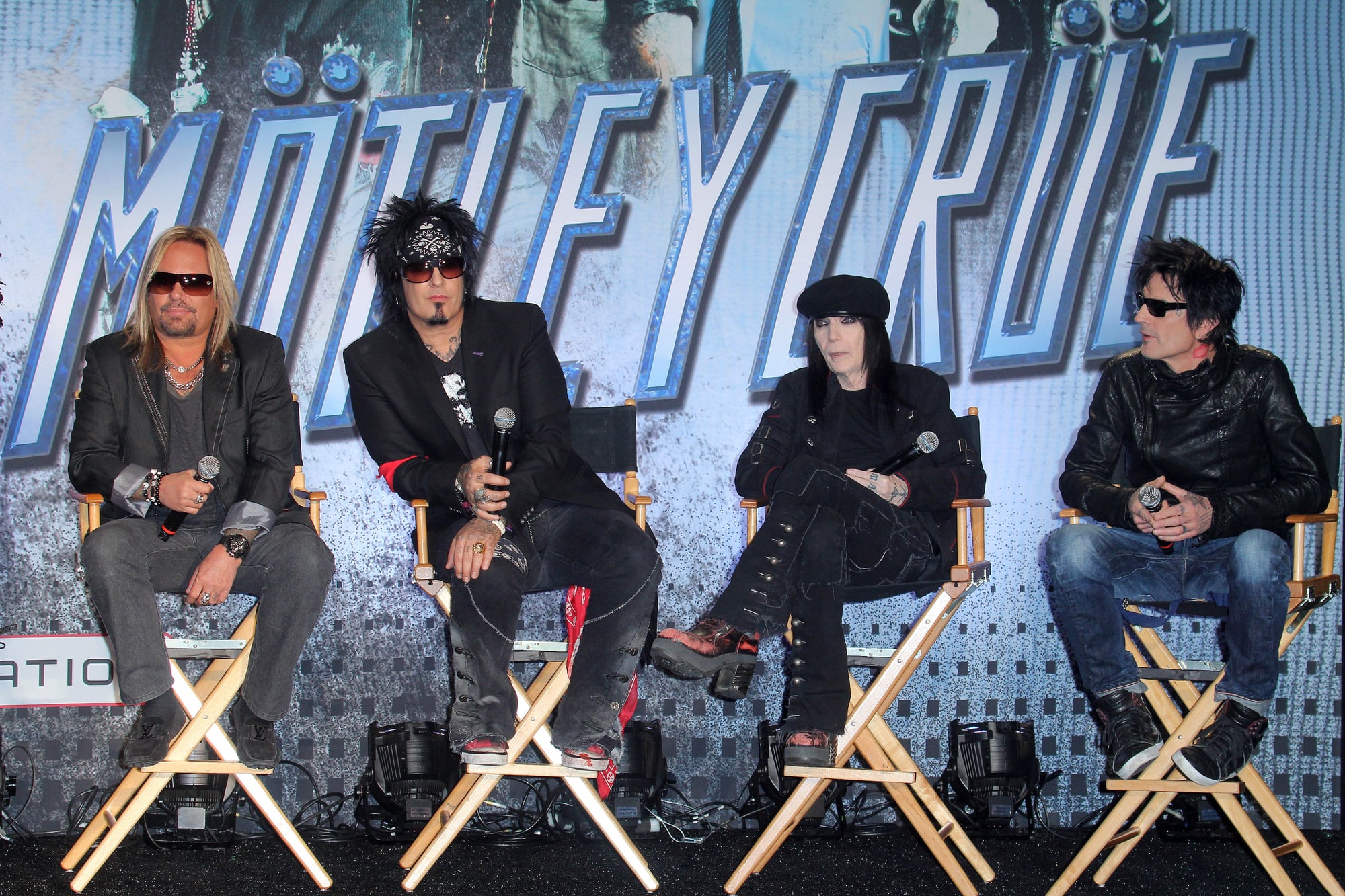
Nikki Sixx, Tommy Lee, Mick Mars, and Vince Neil initially called themselves Christmas.
Not very rock and roll.
One of their friends mentioned that the group was a ‘motley looking crew,’ and the band liked the sound of it.
They changed the spelling to make it look more European and dangerous, adding the umlaut over the ‘o’ even though it served no purpose.
The name fit their wild image and glam metal sound perfectly.
Green Day
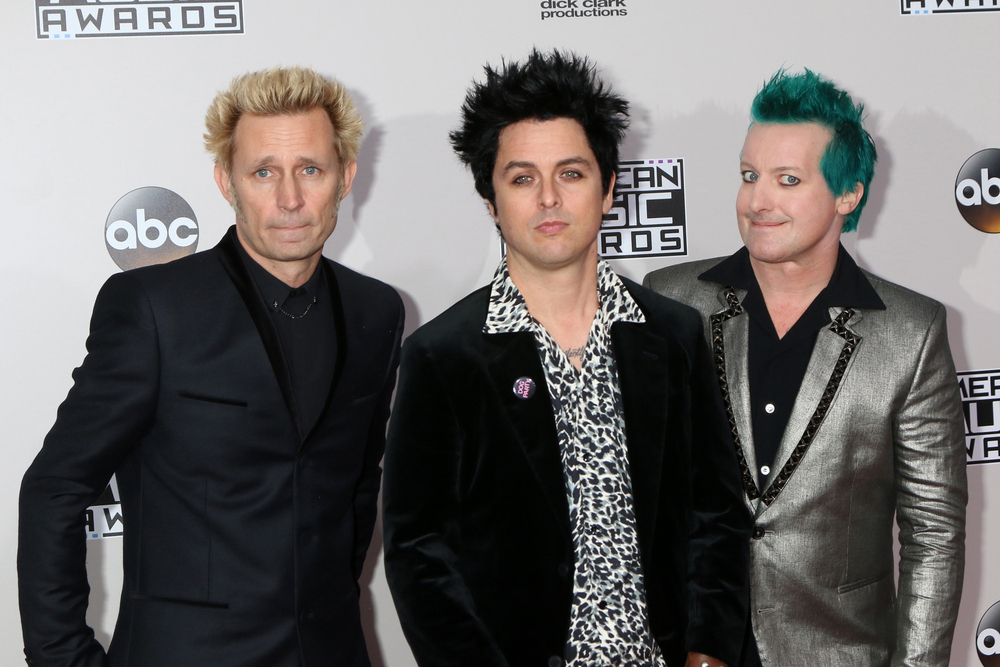
Billie Joe Armstrong and Mike Dirnt formed their first band in 1987 and called it Sweet Children.
They played the Berkeley punk scene for a couple years with that name.
When they signed to Lookout! Records in 1989, they needed a new name since another band was already using Sweet Children.
They picked Green Day as a reference to spending the day doing nothing but relaxing.
A few years later, ‘Dookie’ sold 10 million copies and punk rock went mainstream.
The Velvet Underground
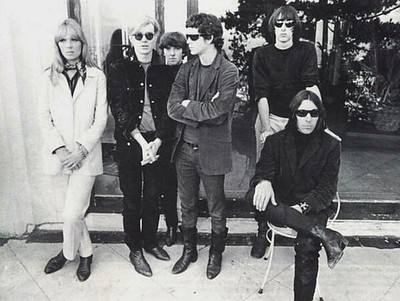
Lou Reed and John Cale started playing together in a group called The Primitives in 1964.
The name was already taken by another band.
Tony Conrad suggested The Velvet Underground after finding a paperback book with that title lying on the sidewalk.
The book was about alternative lifestyles, which fit with Reed’s lyrical themes.
Andy Warhol became their manager and designed their famous banana album cover.
Their influence on rock music was enormous even though they never sold many records.
Blink-182
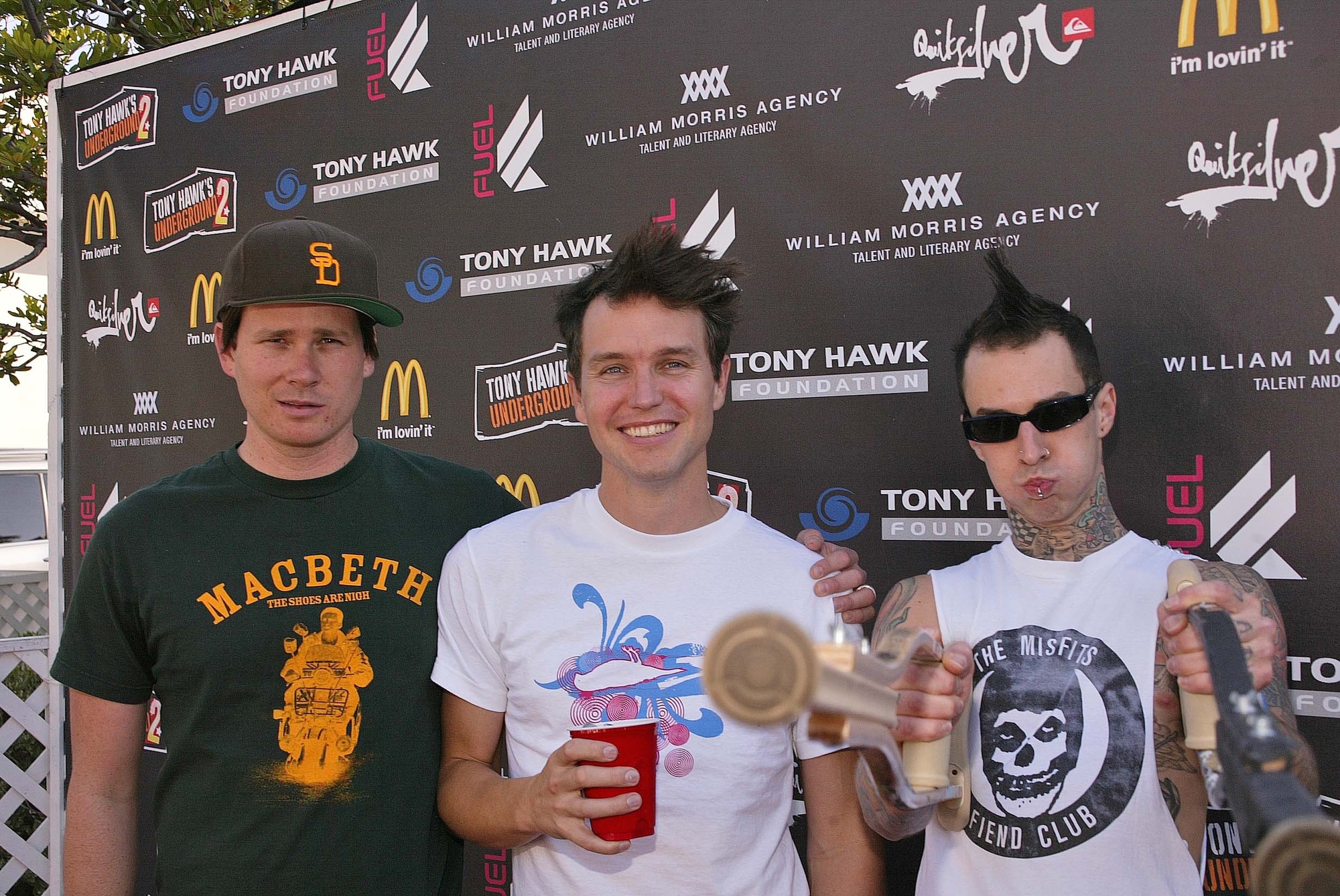
Mark Hoppus, Tom DeLonge, and Travis Barker first called themselves Blink in 1992.
An Irish band threatened to sue over the name, so they had to add something to make it different.
They randomly added 182, and different stories exist about what it means.
Some say it’s the number of times Al Pacino says a particular word in Scarface, others claim it’s meaningless.
Either way, Blink-182 worked and they became one of the biggest pop punk bands of the late 1990s.
Steely Dan
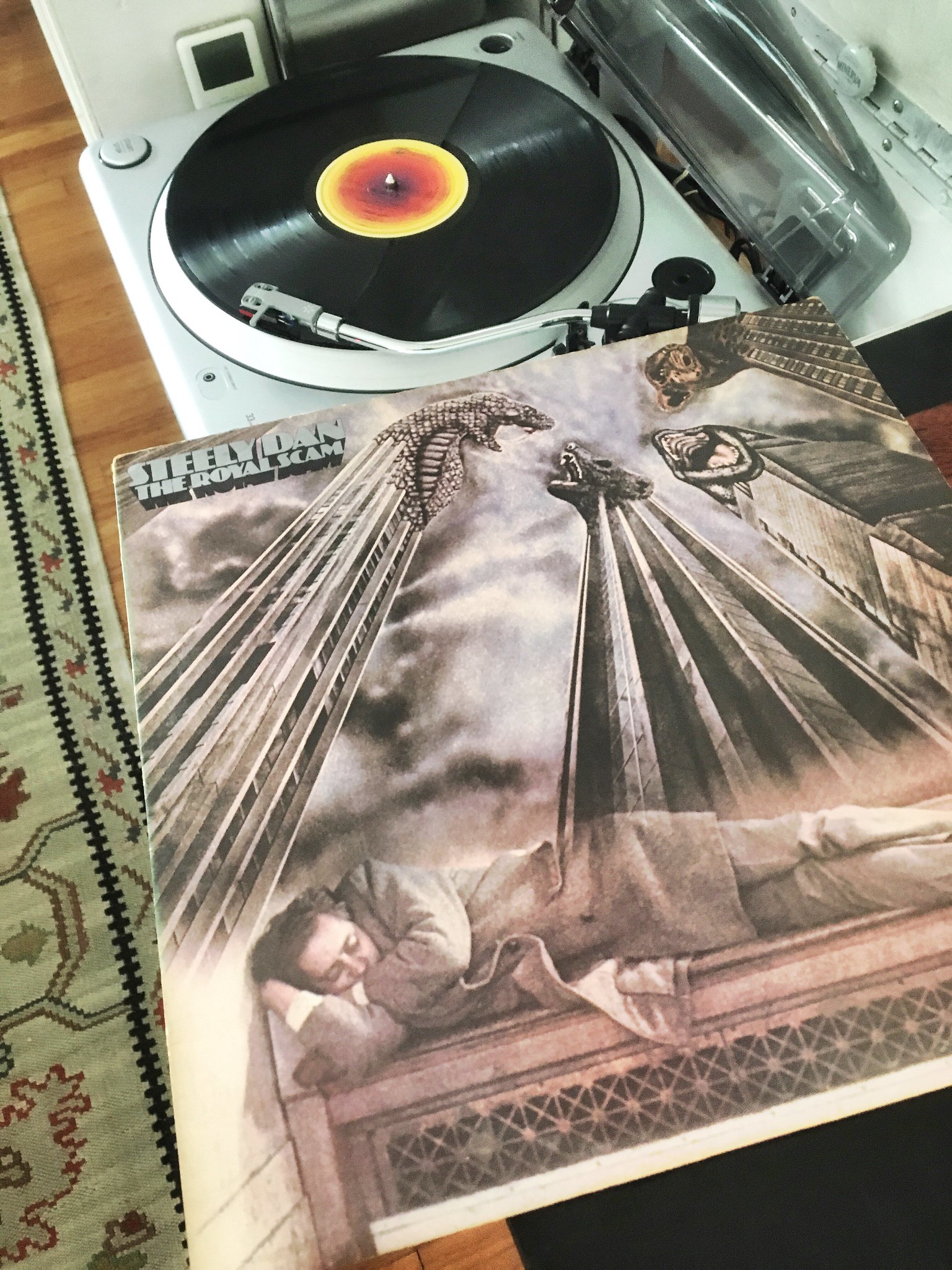
Donald Fagen and Walter Becker tried out several names for their jazz rock fusion project in the early 1970s.
They eventually picked Steely Dan, which came from a William S. Burroughs novel where it referred to an object that’s too inappropriate to mention here.
Most fans have no idea about the reference and the name just sounds cool and slightly mysterious.
Their sophisticated songwriting and musicianship earned them a devoted following and multiple Grammy awards.
The Police
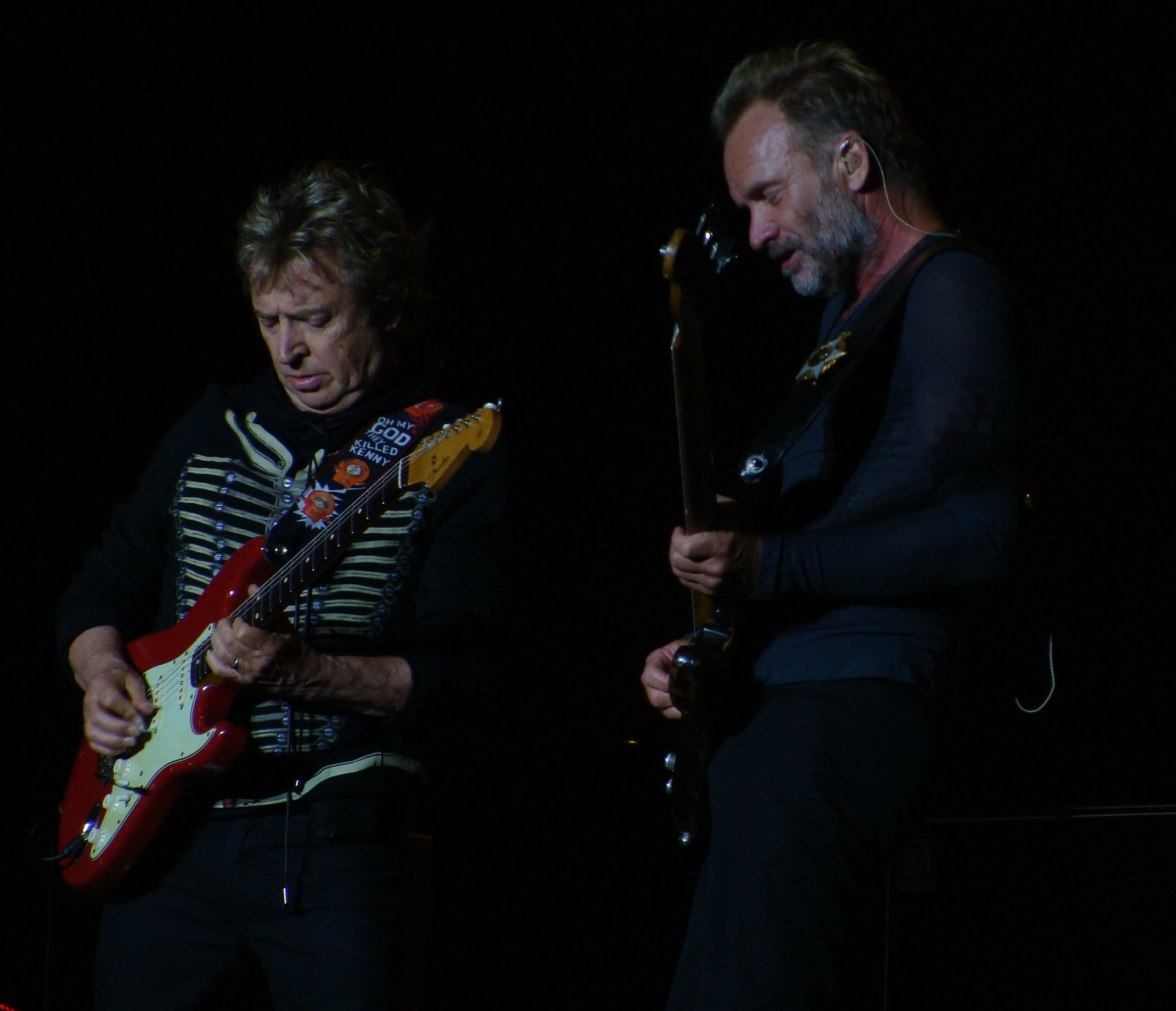
Sting, Andy Summers, and Stewart Copeland originally called themselves Strontium 90, a reference to a radioactive isotope.
The name was too weird and nobody could remember it.
Copeland’s father had worked in intelligence, and the idea of calling the band The Police amused them since punk bands usually had anti-authority names.
The ironic choice worked perfectly.
They mixed punk energy with reggae rhythms and became one of the biggest bands of the early 1980s.
Maroon 5
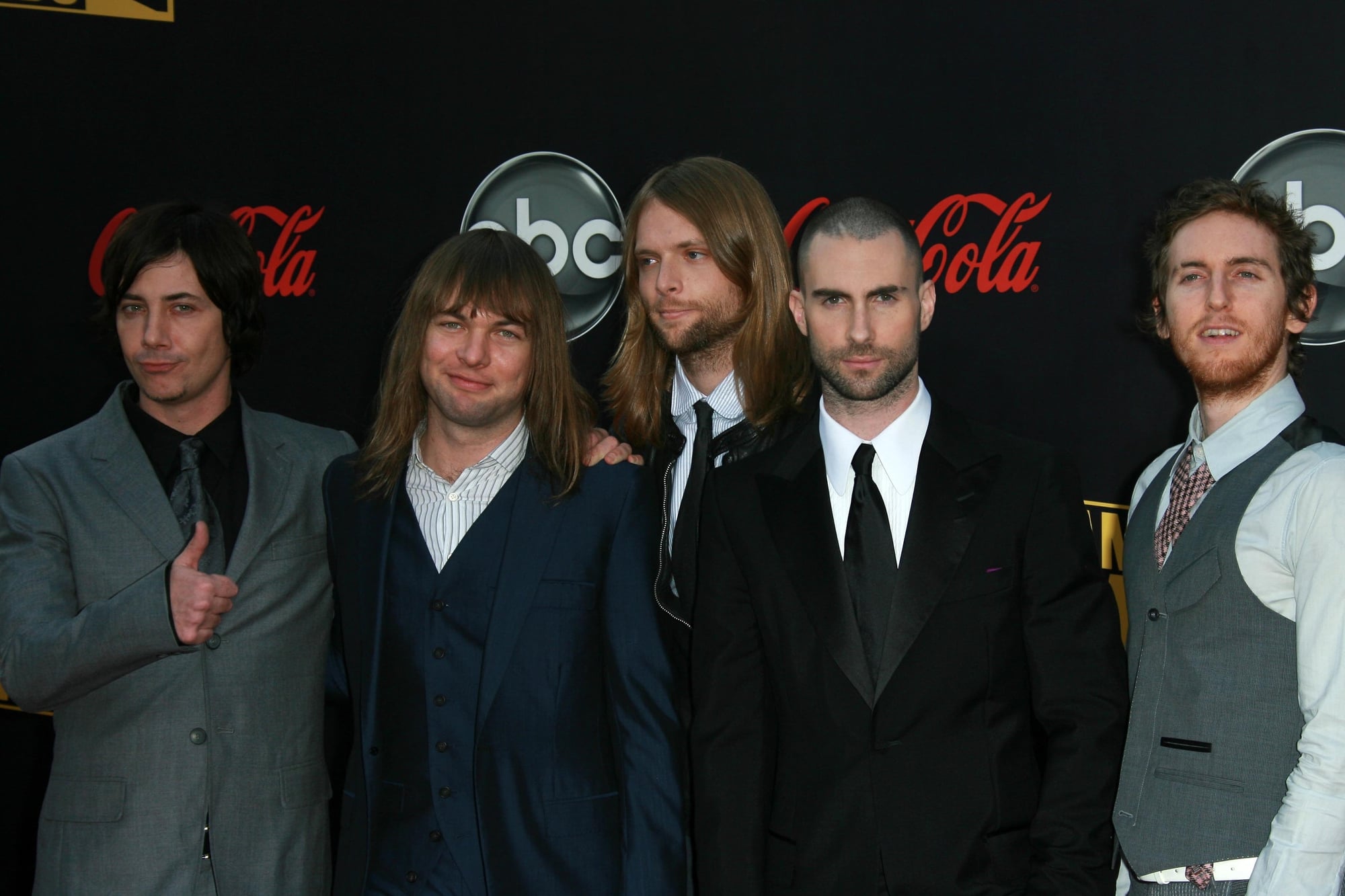
Adam Levine and his high school friends formed a band called Kara’s Flowers in 1994.
They put out one album that nobody bought and the label dropped them.
After adding new members and completely changing their sound to include more funk and soul, they needed a fresh start.
The name Maroon 5 was chosen partly because there were five members, though the meaning of ‘maroon’ has never been fully explained.
Their 2002 debut album ‘Songs About Jane’ went multi-platinum and they became pop radio staples.
The Grateful Dead
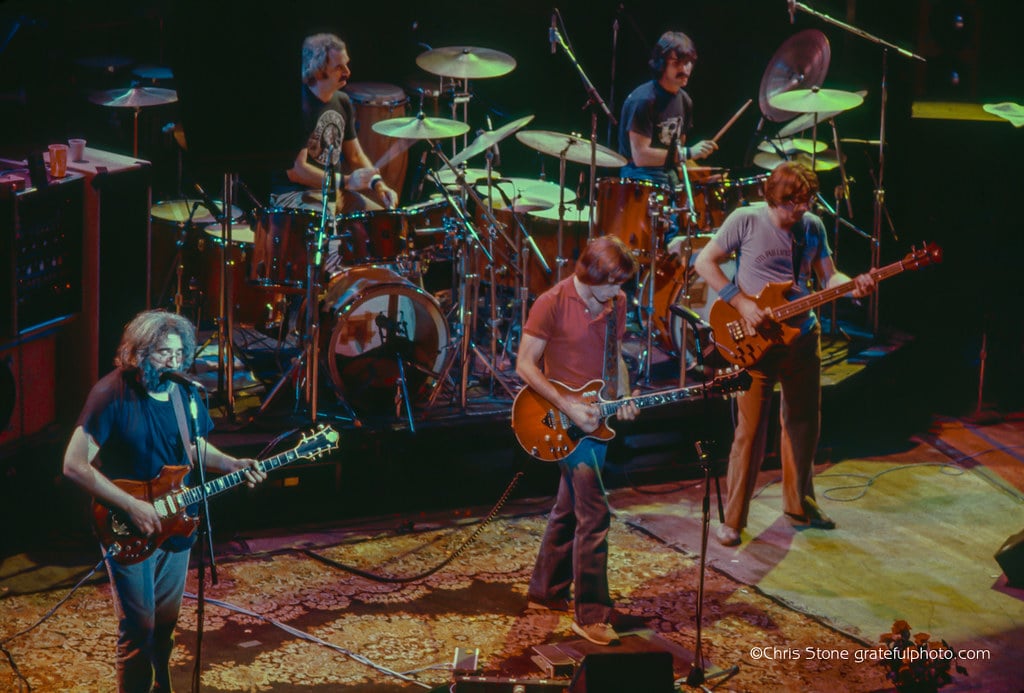
J. Garcia’s band started as The Warlocks in 1965.
Playing long improvisational sets around San Francisco.
They discovered another band was already using that name.
Garcia randomly opened a dictionary and found the phrase ‘grateful dead,’ which refers to a folk tale motif about a spirit who helps someone who paid for their funeral.
The name was strange enough to fit their psychedelic sound.
They became known for their live shows and devoted fan base that followed them around the country for decades.
Names that stick around
These bands prove that finding the right name can take some trial and error.
A good band name should be easy to remember, look good on a poster, and somehow capture what the group is about.
The musicians who made it big understood that sometimes you need to start over with a clean slate.
Their original names might have held them back, but the ones they chose helped carry them to fame that lasted decades.
More from Go2Tutors!

- The Romanov Crown Jewels and Their Tragic Fate
- 13 Historical Mysteries That Science Still Can’t Solve
- Famous Hoaxes That Fooled the World for Years
- 15 Child Stars with Tragic Adult Lives
- 16 Famous Jewelry Pieces in History
Like Go2Tutors’s content? Follow us on MSN.