Common Car Features We Take for Granted
Slide into your car today and you’re greeted by conveniences that would have seemed like pure science fiction a century ago. You adjust the climate control, check your mirrors, buckle up, and hit the road without giving any of it a second thought.
Yet every single feature in your vehicle represents decades of innovation, engineering breakthroughs, and sometimes heated debates about whether drivers really needed such ‘luxuries’ in the first place. Here is a list of common car features that we now consider absolutely essential but were once considered optional extras or didn’t exist at all.
Seatbelts
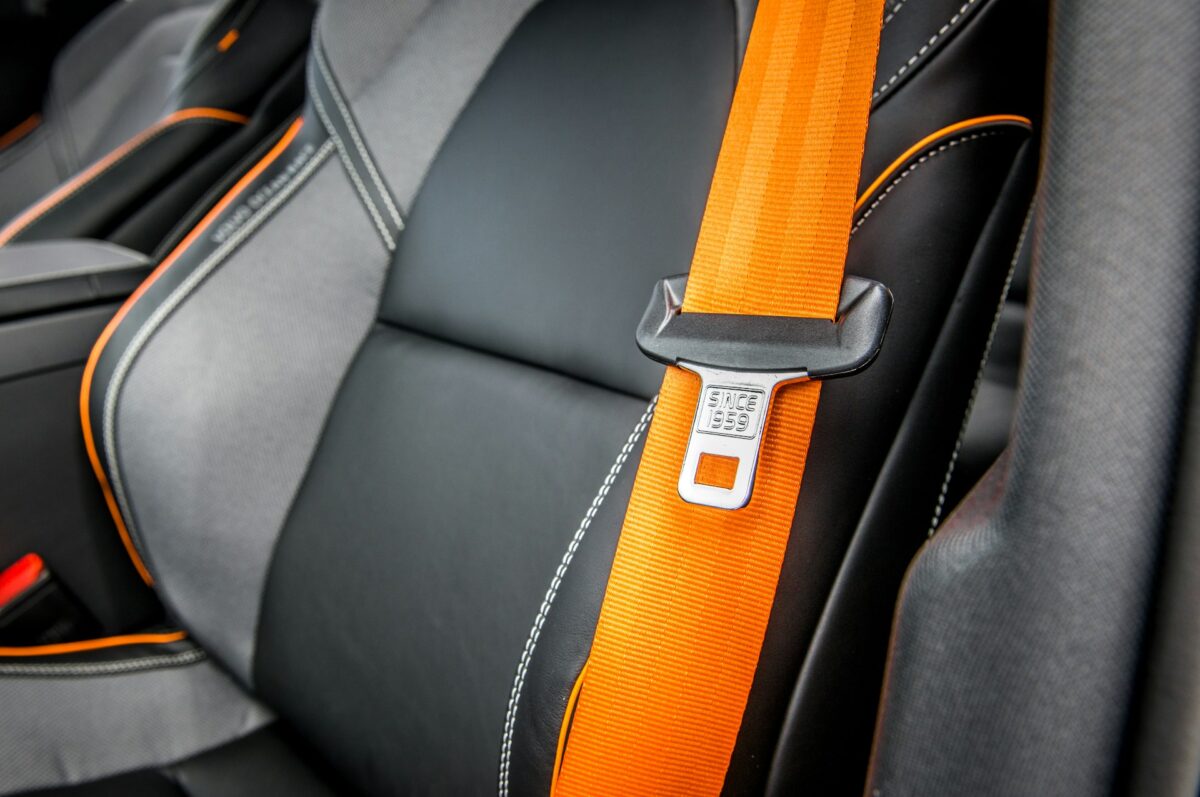
Strapping yourself in before driving feels like common sense now, but seatbelts weren’t always mandatory or even standard equipment. Nash was the first automaker to offer them as an option in 1949, though most people ignored them completely.
It took horrific crash statistics and government intervention before they became required in all new cars during the 1960s, and even then, many drivers resisted using them until mandatory seatbelt laws arrived in the 1980s.
Power Steering
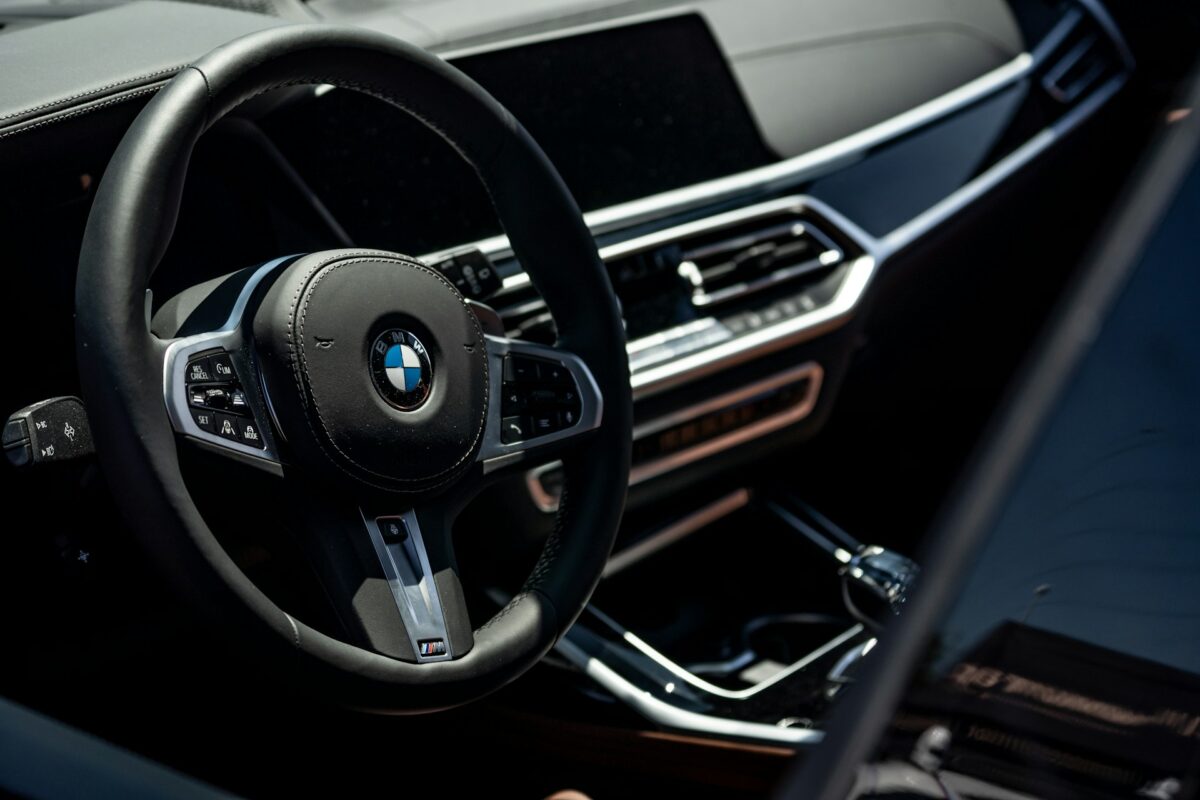
Try parallel parking a 1950s car without power steering and you’ll understand why drivers back then had noticeably stronger arms. Manual steering required serious muscle, especially at low speeds or when maneuvering large vehicles.
Chrysler introduced the first commercially available power steering system in 1951, but it remained a luxury feature for decades before becoming standard equipment in the 1970s.
Air Conditioning

Driving through a scorching summer with all the windows down used to be the only option for staying cool. Packard introduced the first factory-installed air conditioning in 1939, but it was wildly expensive, took up half the trunk space, and couldn’t even be turned off without a mechanic’s help.
Modern, functional AC didn’t become common until the 1970s, and it wasn’t standard in most vehicles until the 1990s.
Windshield Wipers

Mary Anderson invented the basic windshield wiper in 1903 after watching a streetcar driver struggle to see through snow, but drivers had to operate them manually with a lever. Automatic wipers arrived in the 1920s, though intermittent wipers didn’t appear until the 1960s.
Now we’ve got rain-sensing wipers that adjust their speed automatically, making even the intermittent setting seem outdated.
Turn Signals
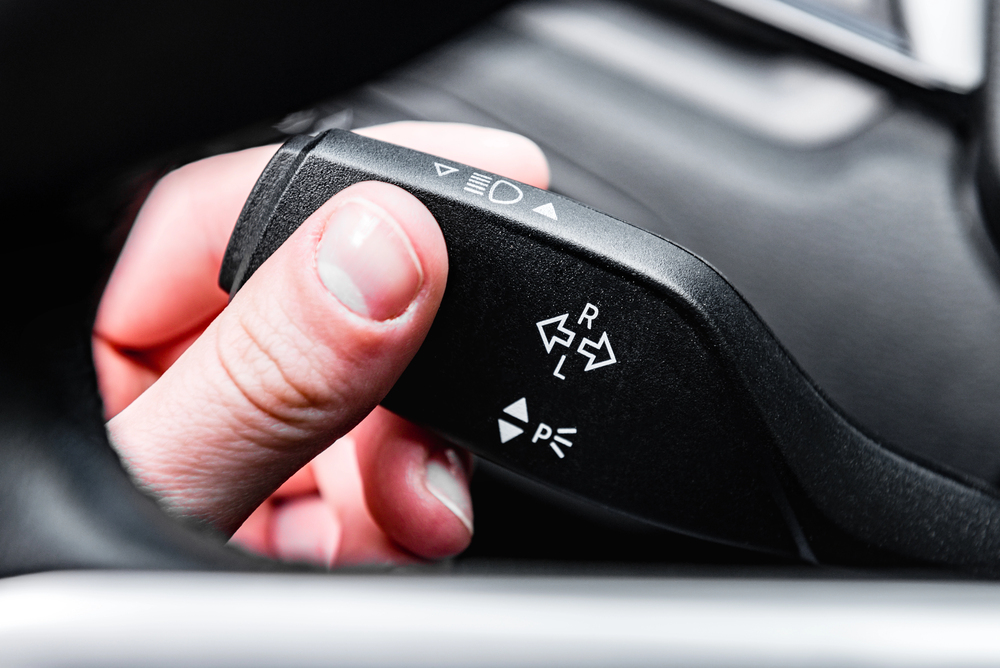
Before electric turn signals became standard in the 1960s, drivers used hand signals out the window to indicate their intentions. Buick introduced flashing turn signals in 1939, but they were considered an unnecessary luxury for years.
Think about how chaotic and dangerous intersections must have been when you had to guess whether that hand sticking out a window meant a turn, a wave, or just someone enjoying the breeze.
Backup Cameras
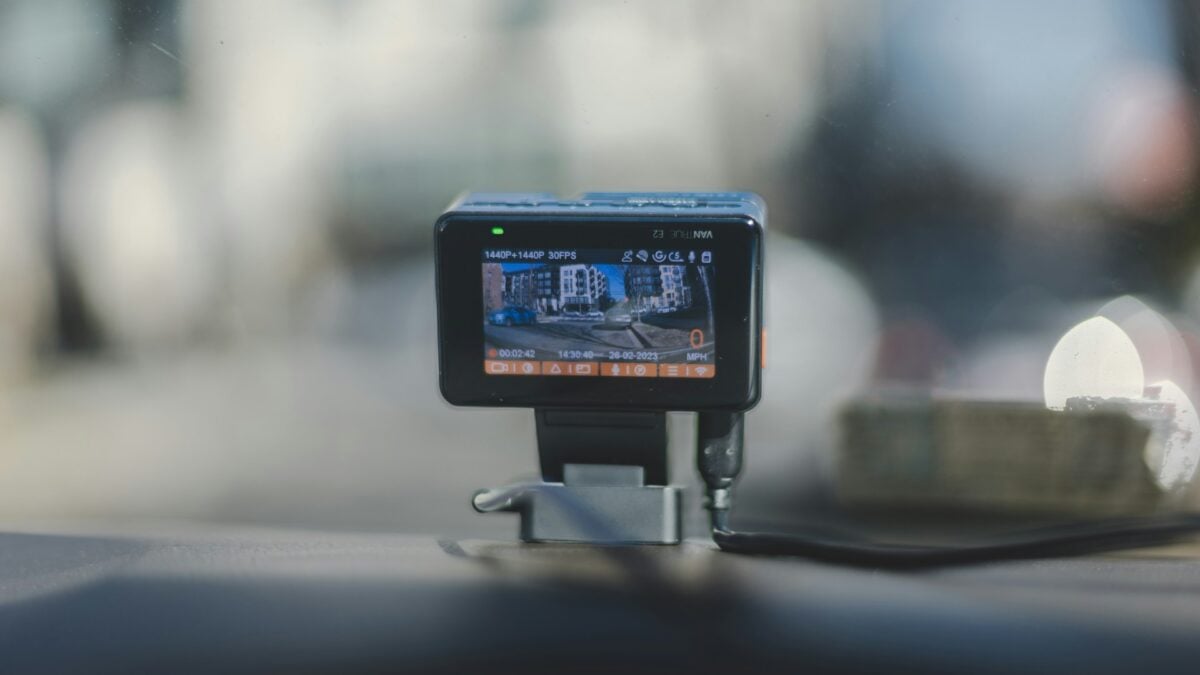
Reversing used to mean twisting around in your seat and hoping for the best, or trusting a friend’s increasingly frantic hand gestures. Backup cameras were rare luxury items until 2018, when they became mandatory in all new vehicles sold in the United States.
The regulation came after tragic accidents involving children in driveways, proving that sometimes what seems like a luxury feature is actually a life-saving necessity.
Anti-Lock Brakes

Slamming on the brakes in an emergency used to send your car into an uncontrollable skid, requiring drivers to master the tricky technique of pumping the brakes. Anti-lock braking systems do this pumping automatically at speeds no human could match, maintaining steering control during hard braking.
Mercedes-Benz introduced the first electronic ABS in 1978, but it didn’t become standard in most vehicles until the 2000s.
Cruise Control
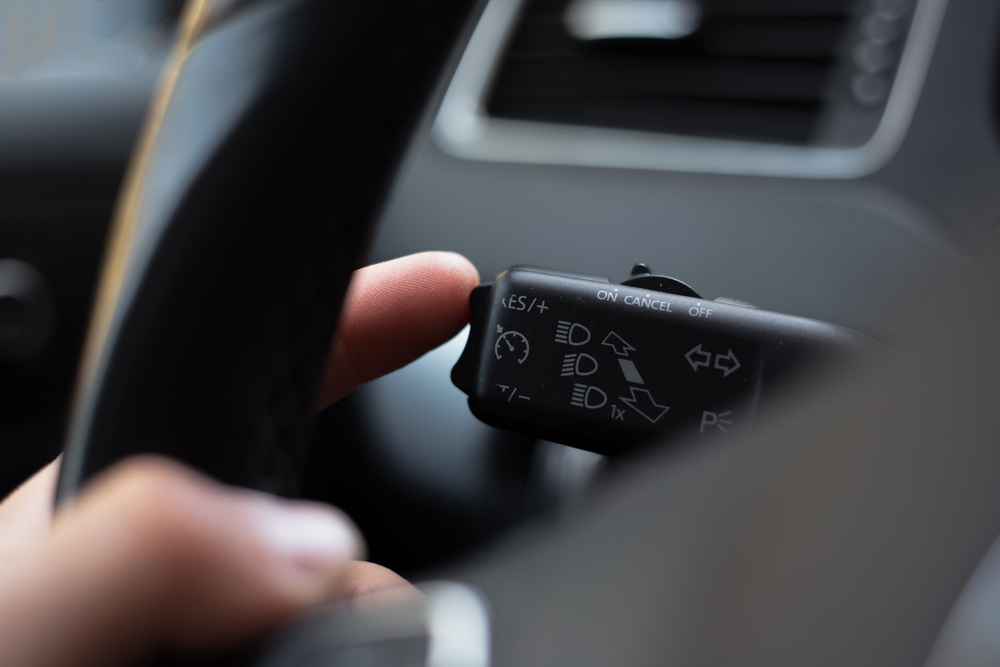
Holding your foot on the gas pedal for hours during long highway drives used to be exhausting and led to inconsistent speeds. Inventor Ralph Teetor, who was blind, came up with cruise control in 1948 after growing frustrated with his lawyer’s jerky driving.
Chrysler offered it in 1958, but it remained a premium feature for decades before becoming commonplace in the 1990s.
Power Windows
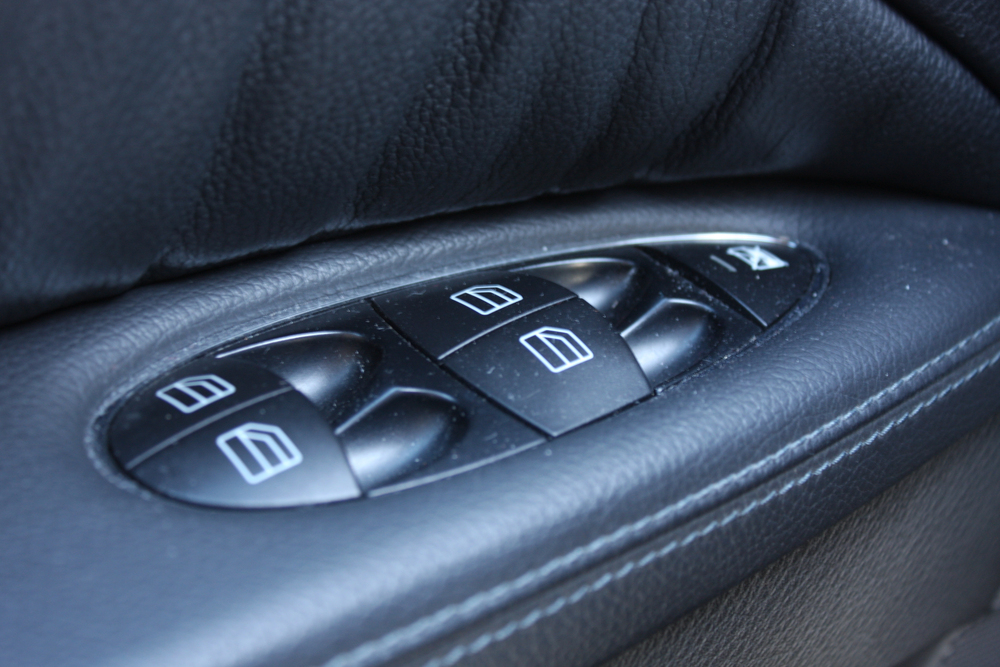
Rolling down a window used to require actual physical effort, and kids in the backseat would race to see who could crank theirs down fastest. Packard introduced the first power windows in 1940, but they were prone to failure and shockingly expensive.
Manual window cranks remained standard in many economy cars well into the 2000s, though you’d be hard-pressed to find them in new vehicles today.
Adjustable Headrests
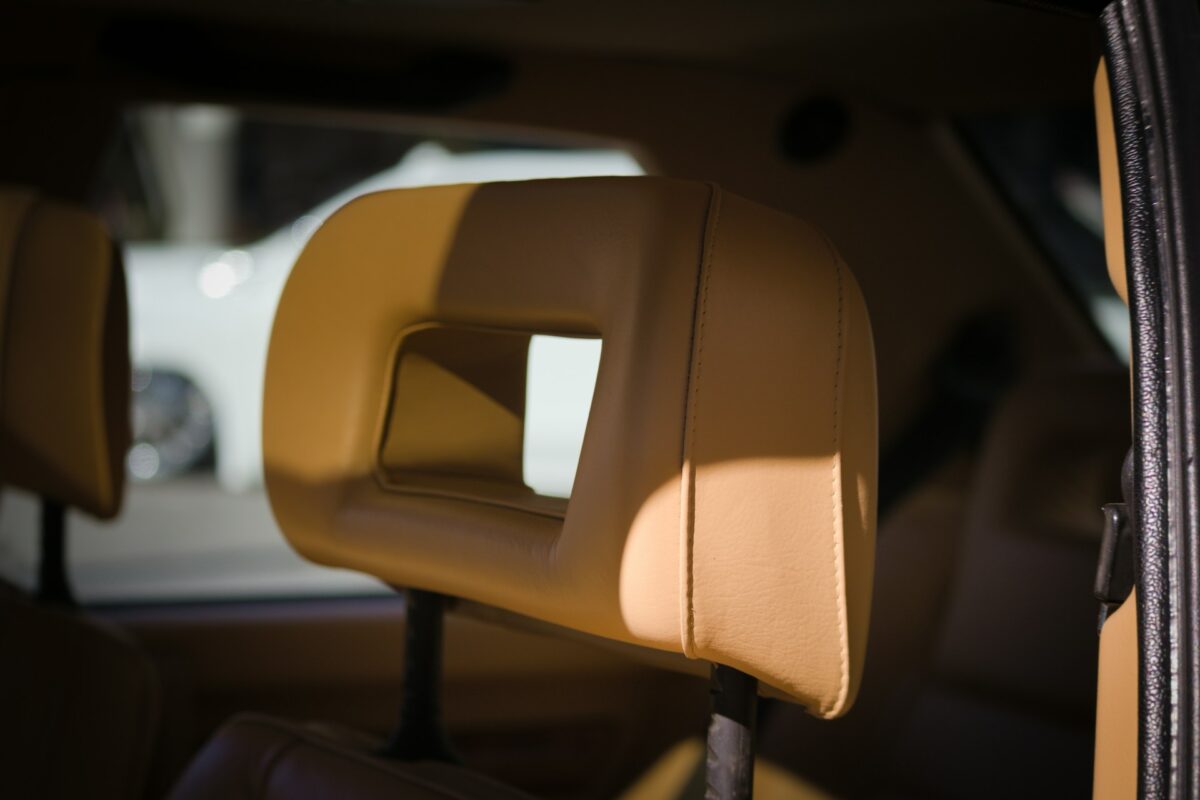
Early cars treated your head like an afterthought, offering no support or protection during rear-end collisions. Adjustable headrests became mandatory safety equipment in the United States in 1969 after studies showed they dramatically reduced whiplash injuries.
Before that, your neck was entirely on its own during an accident, leading to injuries that could have been easily prevented.
Defrosters
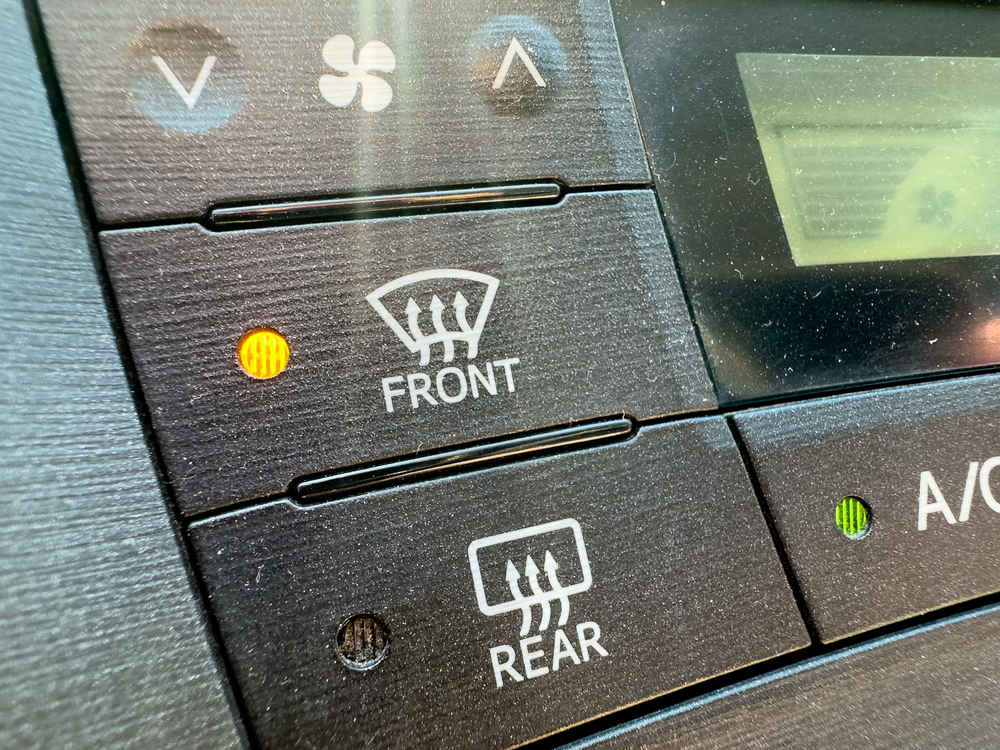
Scraping ice off your windshield from the inside while driving sounds insane now, but that was reality before defrosters became standard. Early heating systems barely worked, and drivers resorted to everything from portable heaters to rubbing raw potatoes on the glass to prevent fogging.
Electric rear window defrosters arrived in the 1970s, finally giving drivers a clear view in all directions during winter.
Rearview Mirrors

Driving without being able to see behind you seems unthinkable today, but the first cars didn’t include rearview mirrors at all. Ray Harroun supposedly mounted the first one on his race car for the 1911 Indianapolis 500 so he wouldn’t need a riding mechanic to watch for other cars.
They didn’t become standard equipment in production vehicles until the 1930s, and side mirrors took even longer to catch on.
Safety Glass
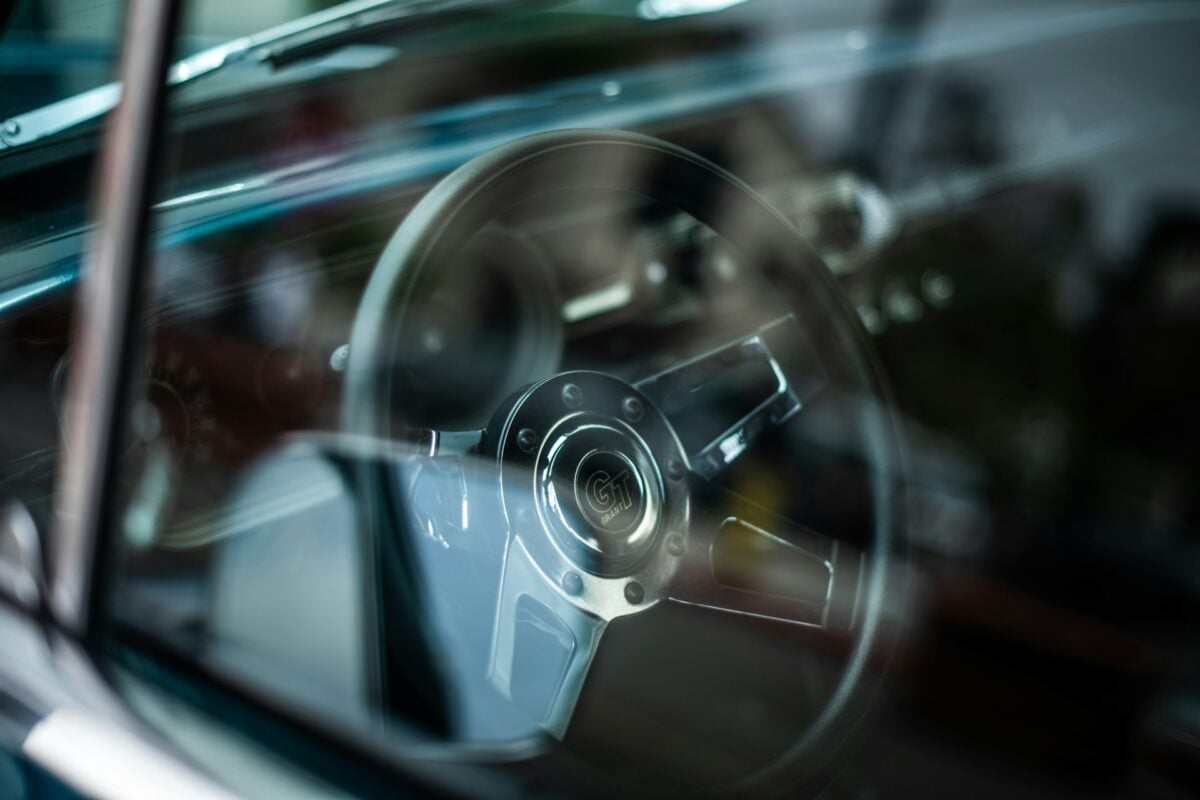
Early car windshields were made from regular glass that shattered into deadly shards during accidents, causing horrific facial injuries. Henry Ford introduced laminated safety glass in 1919 after a friend’s daughter was seriously injured in a crash.
It took until 1937 for safety glass to become standard, finally preventing one of the most common and gruesome car accident injuries.
Electric Starters
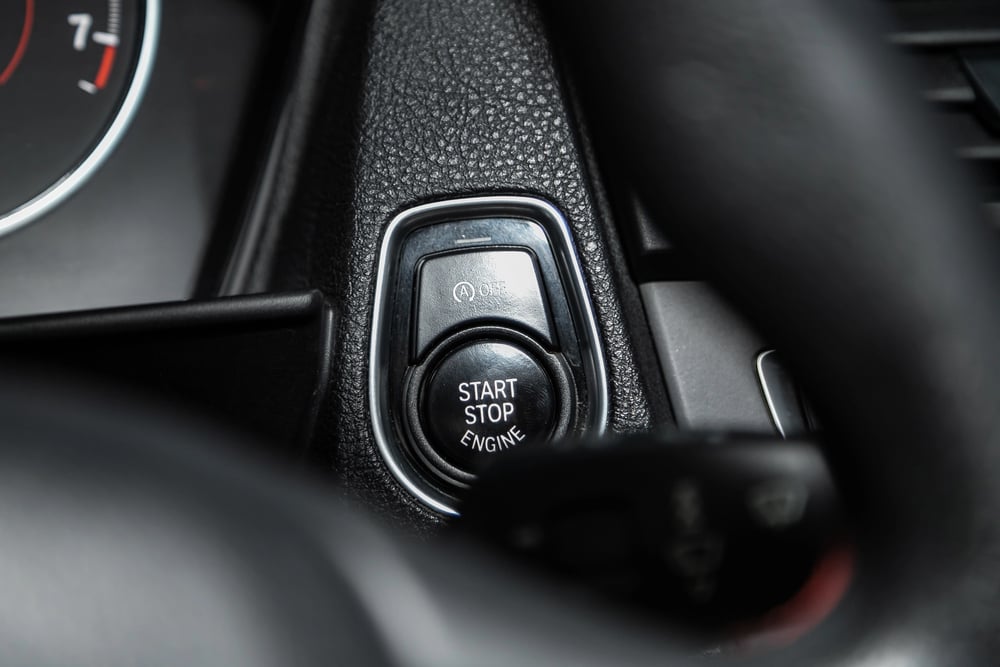
Starting a car once meant grabbing a heavy hand crank and spinning it with all your strength while hoping the engine didn’t backfire and break your arm. This actually happened with disturbing regularity, and the dangerous crank kept many people, especially women, from driving at all.
Cadillac introduced the electric starter in 1912, and within a decade, hand cranks became obsolete relics.
Cup Holders
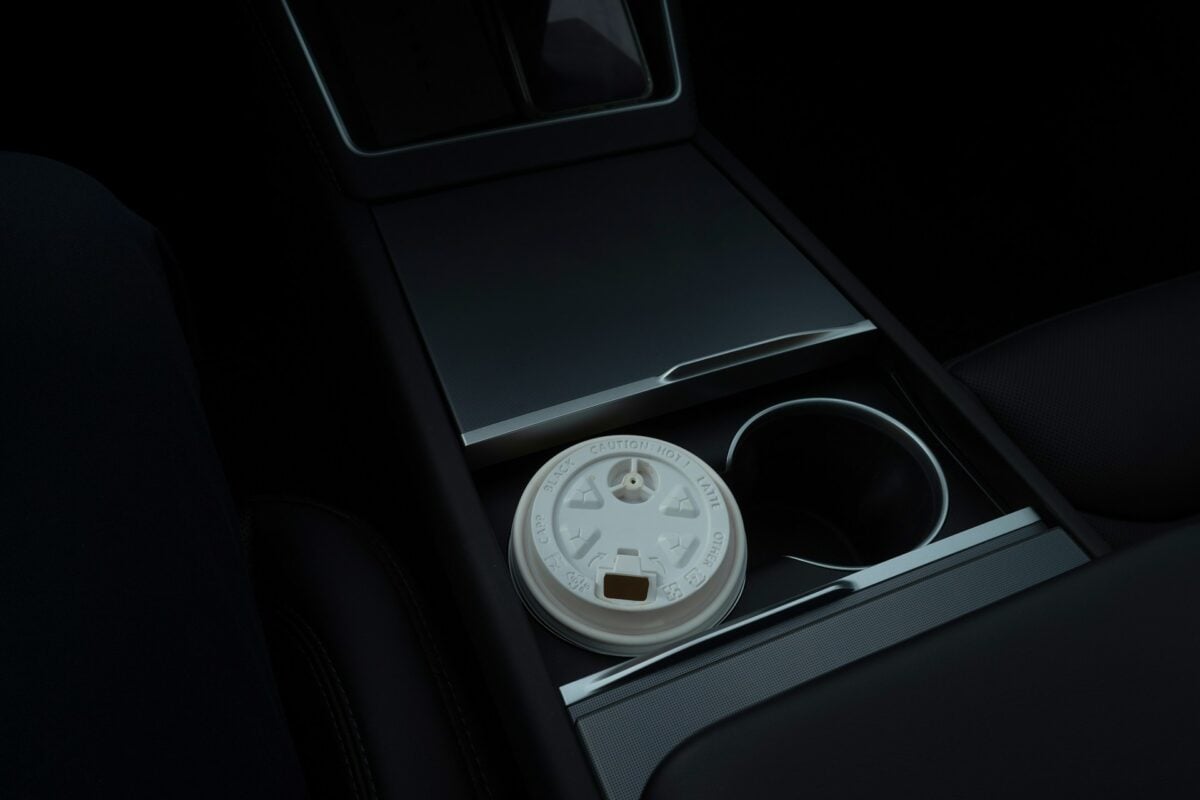
The minivan revolution of the 1980s finally convinced automakers that Americans wanted a safe place to put their coffee. Before that, drivers balanced drinks between their legs, wedged them in door pockets, or bought aftermarket holders that clipped onto windows.
European luxury brands resisted cup holders for years, considering them tacky and unnecessary, but eventually surrendered to consumer demand.
Radial Tires
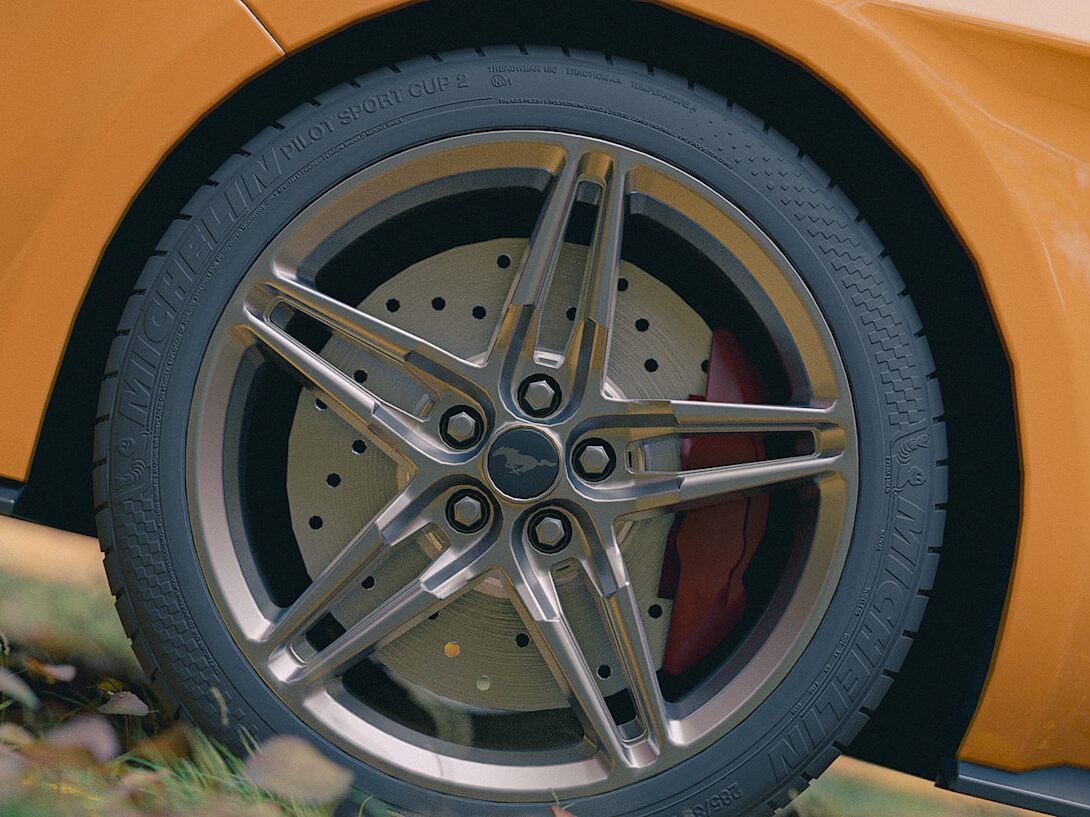
The difference between bias-ply and radial tires might sound technical, but radial tires last three times longer and provide dramatically better handling and fuel economy. Michelin invented them in 1946, but American automakers stubbornly stuck with bias-ply tires until the 1970s oil crisis made efficiency matter.
Now you’d have to search pretty hard to find anything but radials on a modern vehicle.
From Luxury to Necessity

What counted as a premium luxury feature just a generation ago now comes standard in even the most basic economy cars. Features that once required extra payment or weren’t available at any price have become so fundamental that we’d consider a vehicle incomplete without them.
The next time you hop in your car, take a moment to appreciate that you’re driving what would have been an absolute technological marvel just fifty years ago, packed with conveniences that make every journey safer, easier, and more comfortable than drivers of the past could have imagined.
More from Go2Tutors!

- The Romanov Crown Jewels and Their Tragic Fate
- 13 Historical Mysteries That Science Still Can’t Solve
- Famous Hoaxes That Fooled the World for Years
- 15 Child Stars with Tragic Adult Lives
- 16 Famous Jewelry Pieces in History
Like Go2Tutors’s content? Follow us on MSN.