Haunted asylums you can visit in US
Once full of hope, old psychiatric hospitals now sit quietly across America’s landscape. Built when fresh air and schedules were thought to mend broken minds, their halls echoed with belief in healing through order.
Yet years brought too many patients, less money, fewer answers – changing both function and reputation. After shutdowns, only structures stayed behind: huge, apart, layered with silence where lives once unfolded.
Nowadays you can visit several old asylums once shut tight. A handful show artifacts like galleries do, while some run walks led by narrators, whereas others welcome guests into rooms kept just as they were.
Ghost stories stick not because of staged scares but due to mood, echoes of the past, plus tales passed down through years. What lingers isn’t performance – it’s weight, silence, what people recall differently each time.
A ghostly quiet hangs around these old hospitals, scattered across America, where peeling walls tell stories louder than words. Some shut down decades ago, yet footprints still mark fresh dust along hallways blocked by time.
Cold spots linger in rooms without windows, places guides point to when voices echo with no source. Doors creak open by themselves during tours that started years after patients left.
Lights flicker even though wires were cut before demolition crews arrived. Visitors show up not for history lessons, but because something brushes past them unseen.
Each site carries weight differently – one might have chains dragging on stone, another records whispers on blank tapes. These buildings do not feel abandoned, just changed somehow, occupied now only by what never checked out.
Trans-Allegheny Lunatic Asylum, West Virginia
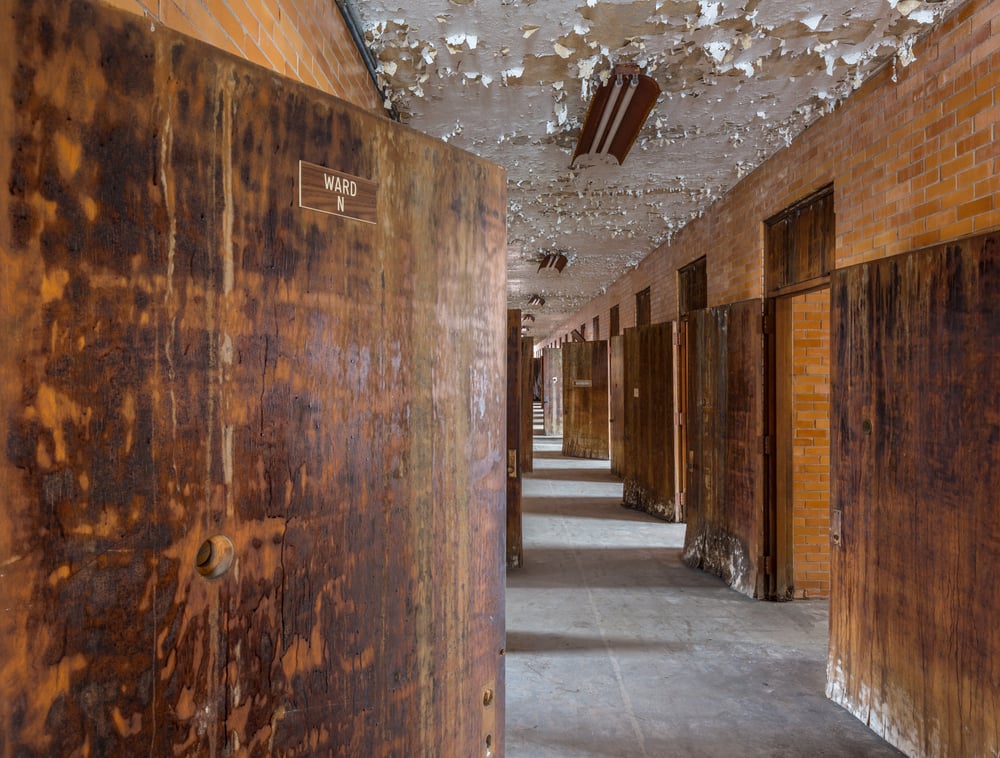
Set in the small town of Weston, the Trans-Allegheny Lunatic Asylum is one of the largest hand-cut stone buildings in North America. Construction began in the mid-1800s, guided by the idea that fresh air, light, and orderly surroundings could support recovery.
The finished structure stretches nearly a quarter mile from end to end, creating an imposing presence even from a distance. Over time, the population far exceeded what the building was designed to hold.
That overcrowding reshaped daily life inside and altered how the institution was perceived by the surrounding community. After its closure in the 1990s, the building sat largely unused, allowing its reputation to grow.
Today, visitors can walk through patient wards, treatment rooms, and outdoor grounds. The site is known for its quiet intensity rather than shock value, with long corridors and original architectural details that make the past feel unusually close.
Eastern State Hospital, Virginia
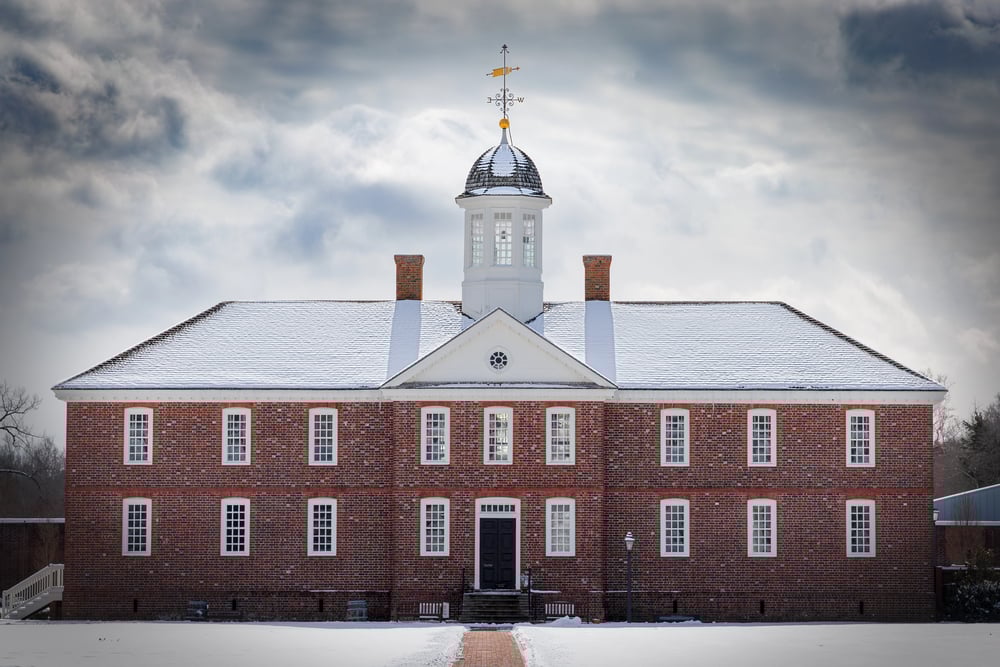
Eastern State Hospital in Williamsburg traces its origins back to colonial America, making it one of the oldest psychiatric facilities in the country. Early records reflect changing attitudes toward mental illness, from moral care approaches to more rigid institutional structures as the centuries progressed.
The hospital’s original buildings no longer operate in their initial capacity, but preserved sections are open for guided tours and educational visits. These spaces focus on historical context rather than spectacle, offering insight into how treatment philosophies evolved.
That said, the site’s age plays a large role in its reputation. Visitors often comment on how the buildings feel disconnected from modern time, especially in quieter areas where original layouts remain intact.
The sense of history lingers heavily, shaping its place in paranormal tourism conversations.
Pennhurst State School and Hospital, Pennsylvania
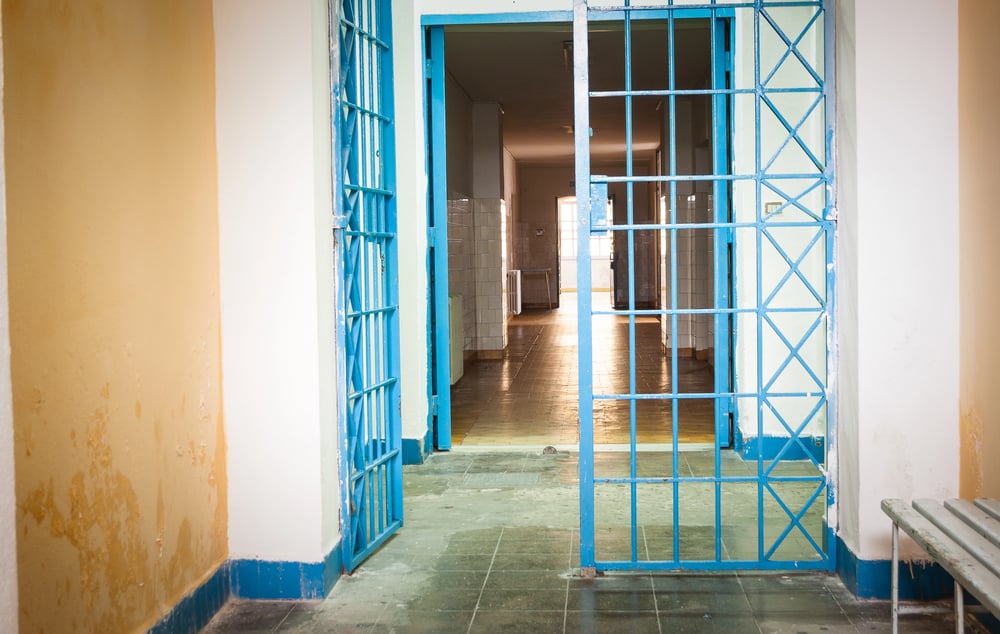
Pennhurst sits outside Philadelphia and stands as one of the most discussed former institutions in the northeastern United States. Opened in the early 1900s, it was initially intended to house individuals with developmental disabilities, though its function and population shifted over time.
The site became widely known decades later due to investigations into living conditions, which eventually led to its closure. That legacy gives Pennhurst a different tone than many similar locations.
Its reputation is tied as much to documented history as it is to folklore. Today, Pennhurst operates as a preserved complex with guided tours and seasonal events.
The vast buildings, peeling paint, and preserved equipment contribute to an atmosphere that feels unsettled even in daylight. For many visitors, the experience is less about fear and more about reflection.
Danvers State Hospital, Massachusetts

Danvers State Hospital once stood on a hill overlooking the town of Danvers, its dramatic Gothic architecture earning it the nickname ‘The Castle on the Hill’. Built in the late 1800s, it was designed according to popular theories that architecture itself could influence mental health.
Although much of the original structure has since been redeveloped, portions of the site remain accessible, and its legacy continues to draw visitors. Local lore and long-standing stories have kept Danvers firmly embedded in haunted history discussions.
What makes Danvers notable is how strongly its image persists despite physical changes. Even in altered form, the site retains a reputation shaped by decades of storytelling, architectural photographs, and community memory.
Ohio State Reformatory, Ohio

While technically a reformatory rather than a hospital, the Ohio State Reformatory often appears alongside former asylums due to its similar scale and atmosphere. Located in Mansfield, the structure resembles a castle more than a correctional facility, with towering stone walls and arched windows.
The building has been closed for years and now operates as a museum and event space. Its interior remains largely intact, allowing visitors to move through cell blocks, administrative offices, and communal areas.
The reformatory’s haunted reputation grew through a combination of local accounts and its use as a filming location. Visitors often remark on the way sound carries through the building, creating an unsettling quiet that heightens awareness of the space itself.
Waverly Hills Sanatorium, Kentucky
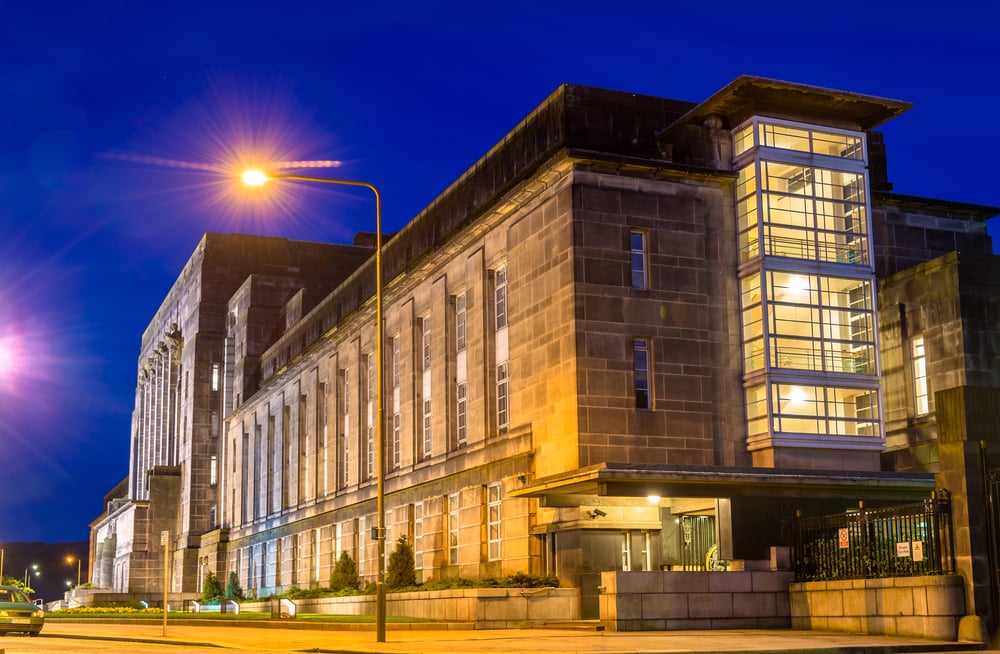
Waverly Hills Sanatorium sits just outside Louisville and is one of the most frequently cited haunted medical sites in the country. Originally built to treat patients with tuberculosis, it functioned as a hospital rather than a psychiatric institution, but its later history and isolation align it closely with asylum narratives.
The building’s long halls and steep location give it a dramatic presence. After closing, it passed through several failed redevelopment attempts before opening to the public as a tour site.
Visitors can explore multiple floors, outdoor grounds, and preserved rooms. The experience emphasizes atmosphere over instruction, allowing the building’s scale and layout to speak for themselves.
Waverly Hills remains popular due to its accessibility and the depth of stories associated with it.
Greystone Park Psychiatric Hospital, New Jersey

Greystone Park Psychiatric Hospital was once among the largest psychiatric facilities in the world. Built in the early 1900s, it represented a major public investment in mental health care at the time.
The complex included patient wards, staff housing, and support buildings spread across a large campus. Most of the original structures have since been demolished or repurposed, but portions of the site remain visible.
Preservation efforts and public records have kept Greystone present in historical discussions despite physical changes. Its haunted reputation stems largely from scale and symbolism.
Even in reduced form, the site reflects an era when institutions attempted to manage mental health on an industrial level, leaving a lasting impression on those who explore what remains.
Why these places still draw visitors

Old mental hospitals sit somewhere between what really happened and what people now believe. Built far from towns, their look adds to how they’re seen today.
Stories piled up around them across decades, coloring everything. They never meant to scare anyone when first put together.
That lack of intention gives them an odd kind of honesty instead. Yet curiosity runs deeper than dread.
Some come because they want to see how healing was practiced long ago, how people faced inner struggles differently back then. Moving through empty halls makes the past feel real in ways pages never do.
Places speak where words fall short. Still standing, those old mental hospitals across America hold a strange pull.
Their walls stay upright, heavy with age, yet what once happened inside exists only in fragments now. Because they are empty but not gone, people keep returning.
Even without voices filling the halls, something lingers – enough to keep them visible on maps and minds alike.
More from Go2Tutors!

- The Romanov Crown Jewels and Their Tragic Fate
- 13 Historical Mysteries That Science Still Can’t Solve
- Famous Hoaxes That Fooled the World for Years
- 15 Child Stars with Tragic Adult Lives
- 16 Famous Jewelry Pieces in History
Like Go2Tutors’s content? Follow us on MSN.



