20 Times Products Failed in One Country But Became Hits Somewhere Else
Stories of stunning product launches that go awry abound in the corporate world. However, there are instances when something that people dislike in one area becomes extremely popular in another.
Local tastes, timing, and cultural variables frequently affect whether a product succeeds or fails. Behind many global success stories lies an initial rejection that could have ended everything.
Here is a list of 20 products that bombed in their original markets but found surprising success after crossing borders.
Cheetos
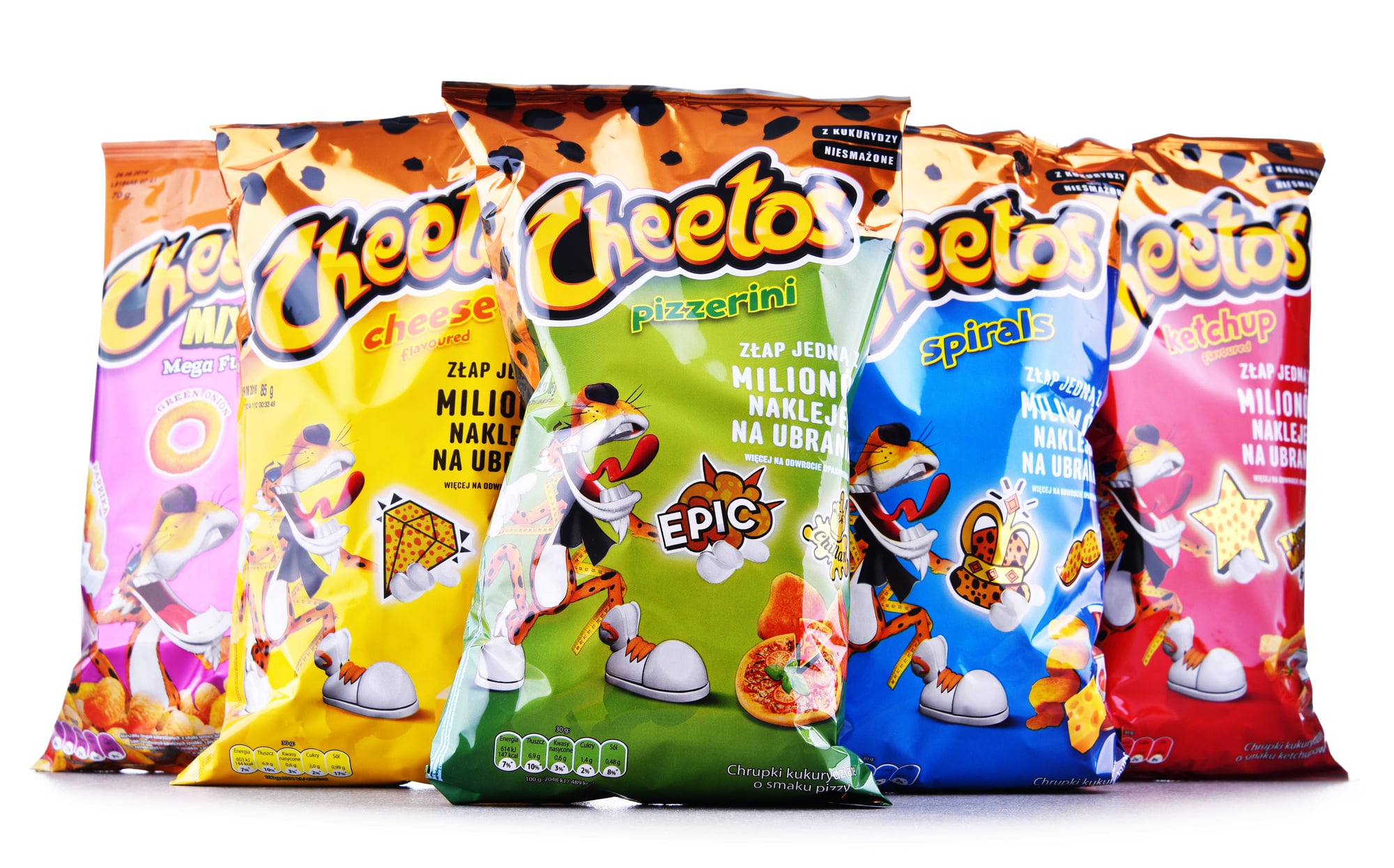
In their early years, these cheese-flavored treats were not very popular in their native America, but they became well-known in Japan. Unusual flavors that would confound American consumers, such as strawberry and fizzy cola, were appreciated by the Japanese market.
In order to elevate the snacks above the rank of junk food, Japanese Cheetos fans even developed intricate recipes that included them in meals.
Red Bull
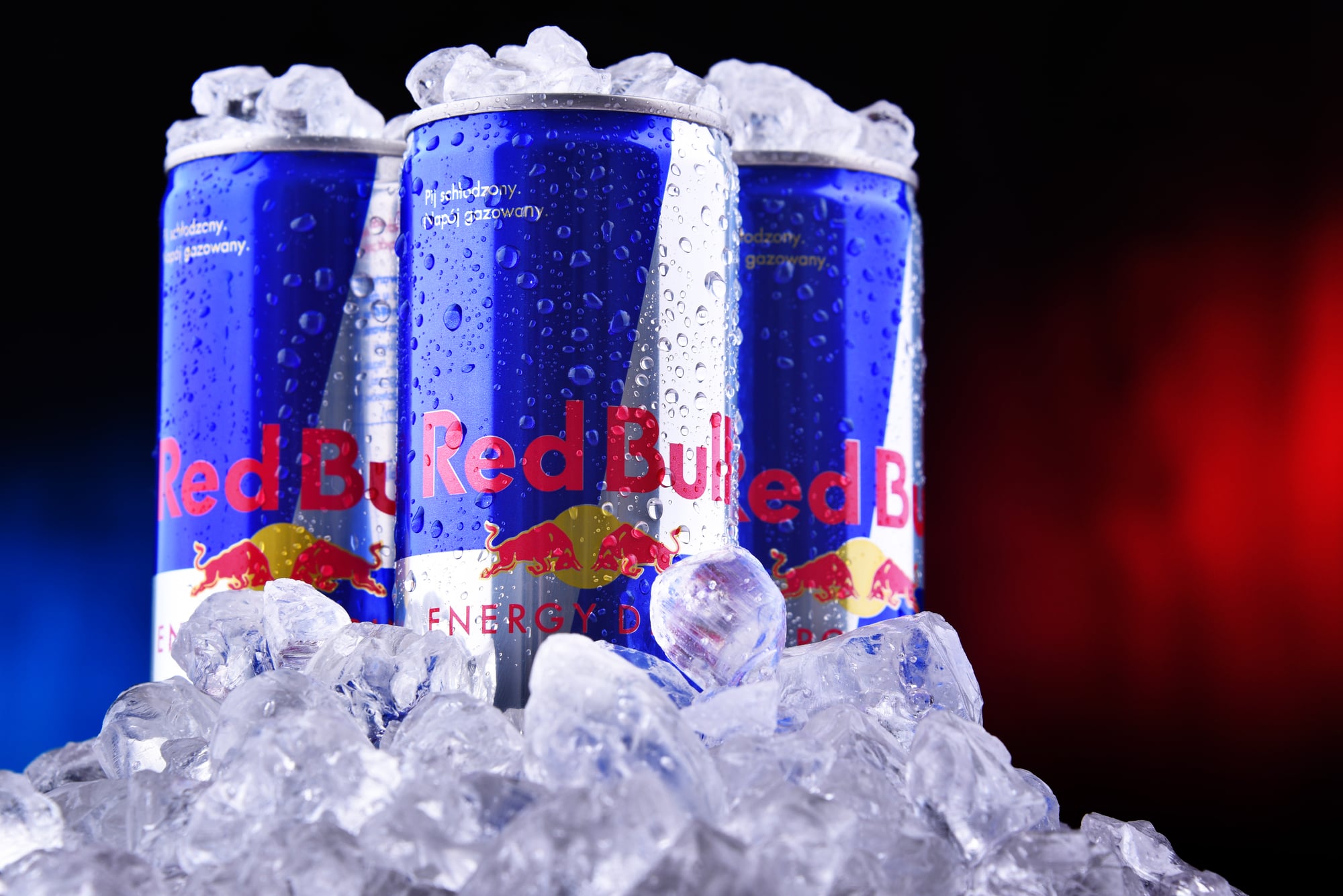
In its home country of Austria, the energy drink first failed because consumers thought the taste was medicinal and the marketing idea was unclear. The business moved to Thailand, where laborers and long-distance truck drivers welcomed its invigorating benefits in the country’s sweltering climate.
Red Bull’s eventual return and conquest of Western markets with enhanced marketing that prioritized extreme sports and nightlife was made possible by this global success.
The Smart Car

This tiny vehicle was met with skepticism in its native Germany – home of autobahns and high-speed driving. The compact design found its audience in congested Italian and French cities, where parking spaces come at a premium and narrow medieval streets make driving full-sized cars challenging.
European urban dwellers embraced the Smart Car’s practicality decades before Americans would consider downsizing their vehicles.
Kit Kat
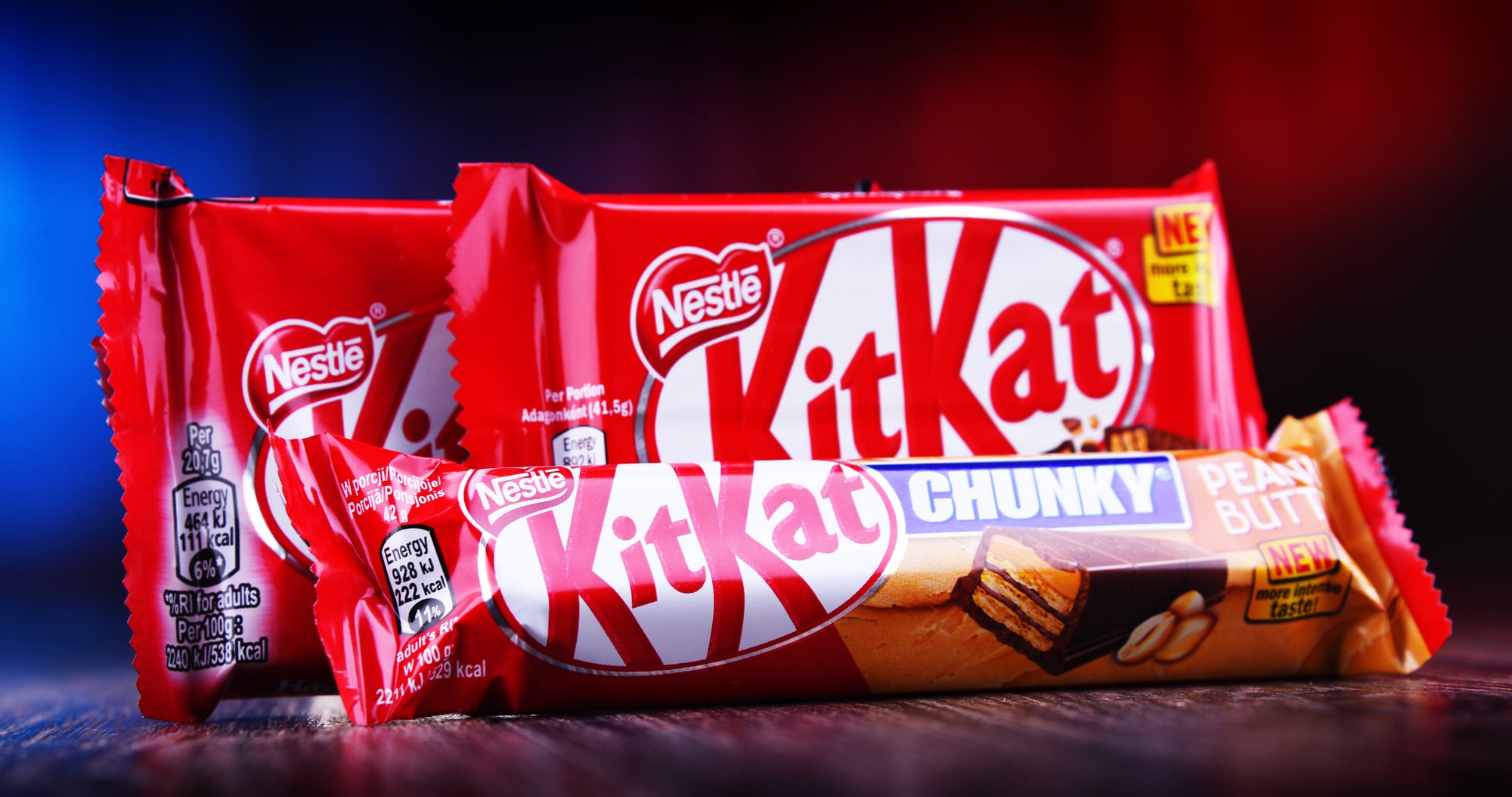
The chocolate-covered wafer bar struggled to stand out in Britain’s competitive confectionery market until it found unprecedented success in Japan. Japanese Kit Kat became a cultural institution with over 300 limited-edition flavors including wasabi, sake, and cherry blossom.
The brand cleverly leveraged its name’s similarity to ‘kitto katsu’ – a Japanese phrase meaning ‘you will surely win’ – making the bars popular gifts for students taking exams.
Buick

In America, General Motors’ near-luxury brand was becoming less relevant, but in China, it found remarkable success. Because the last emperor owned one, Chinese customers consider Buick to be a distinguished luxury brand with historical value.
With versions made especially for Chinese tastes that include characteristics like longer wheelbases for rear passenger comfort, the company sells almost four times as many cars in China as it does in the US.
Like Go2Tutors’s content? Follow us on MSN.
Spam

This processed meat product gained popularity in South Korea as a high-end gift item, but in America it became a punchline. When protein was in short supply during the Korean War, Spam was considered a luxury, and this relationship persisted in popular culture.
During the holidays, South Koreans trade ornamental Spam gift packages, with high-end models that come in ornate packaging with the product along with oils and flavors.
Domino’s Pizza
The American chain struggled in its home market but found remarkable success in India through radical menu adaptation. Indian Domino’s offers toppings like paneer tikka and spicy banana while omitting beef and adding vegetarian options that cater to local dietary practices.
The chain became India’s largest foreign food operator by making pizza culturally relevant rather than importing American food culture wholesale.
Hush Puppies

These casual suede shoes fell out of fashion in America but discovered enthusiastic fans in South America, particularly Argentina. The comfortable, understated style aligned perfectly with Argentina’s approach to casual fashion – offering quality without flashiness.
The brand maintains premium status there with higher price points than in markets where it’s considered outdated or unfashionable.
Like Go2Tutors’s content? Follow us on MSN.
KFC
The fried chicken chain floundered in several American regions but became a Christmas tradition in Japan through a remarkably successful marketing campaign. A 1974 ‘Kentucky for Christmas’ promotion took hold when foreign traditions were gaining popularity, creating a new cultural institution.
Japanese families now reserve their KFC Christmas dinner months in advance, generating lines around city blocks during the holiday season.
Root Beer
This distinctly American soda found little acceptance in America’s early soft drink market but developed passionate followings in Southeast Asian countries including Malaysia and Singapore. The flavor profile matches well with regional cooking styles that already incorporate sassafras and similar herbal notes.
Local beverage companies now produce their own versions, adapting the traditional recipe for palates already accustomed to complex herbal drinks.
Netflix’s Money Heist

This Spanish crime drama (La Casa de Papel) received modest domestic ratings and faced cancellation before Netflix acquired international streaming rights. The show exploded in popularity across Latin America and later globally, becoming one of the platform’s most-watched non-English series.
Cultural elements that seemed ordinary to Spanish viewers appeared fresh and distinctive to international audiences seeking alternatives to American crime dramas.
Oreo Cookies
The iconic sandwich cookie initially underperformed in China, where consumers found them too bitter and the filling too sweet. Mondelez reformulated the recipe with less sugar and added green tea, red bean, and mango variations that connected with local tastes.
After this cultural adaptation, China became the company’s second-largest market for Oreos, proving that even established global products require localization.
Whiskey

Scottish and Irish distillers faced declining domestic consumption but discovered extraordinary enthusiasm in Japan. Japanese consumers elevated whiskey appreciation to new heights, developing meticulous serving rituals and collecting rare bottles as investments.
Japanese bars often stock Scottish varieties that have disappeared from shelves in their homeland, preserving traditions that originated but faded in the British Isles.
Pabst Blue Ribbon
This budget American beer became a punchline in its home country before finding new life as a luxury import in China. Marketed as ‘Blue Ribbon 1844’ with elegant bottles and premium pricing around $44 per bottle, Chinese consumers perceive it as a high-end American craft beer.
The dramatic repositioning demonstrates how geographic distance and strategic marketing can completely transform product perception.
Ford Fiesta

The compact car underperformed in America but became one of Europe’s best-selling vehicles by fitting perfectly with European driving conditions and fuel prices. The small, nimble design navigates historic city centers while its fuel efficiency addresses Europe’s higher gasoline costs.
Ford eventually recognized this success and reimported the European design philosophy back to America as fuel consciousness increased.
Dunkin’ Donuts
The chain closed hundreds of American locations but simultaneously expanded aggressively throughout South Korea, where it adapted to local preferences. Korean Dunkin’ offers unique flavors like grapefruit and red bean alongside savory options that align with traditional breakfast preferences.
The brand operates over 900 South Korean locations that serve as social gathering spaces rather than just quick-service restaurants.
Fosters Beer
This lager struggles in its native Australia, where it’s widely considered ordinary. The brand successfully marketed itself internationally as the quintessential Australian beer through clever advertising emphasizing Australian stereotypes.
Fosters achieved particular success in the UK, where many consumers believe they’re drinking Australia’s favorite beer despite locals rarely choosing it.
Levi’s Jeans
The original American denim brand saw domestic sales decline while achieving cult status in Japan. Japanese consumers prize vintage American Levi’s, sometimes paying thousands for original pairs from specific decades.
This phenomenon spawned specialized Japanese denim manufacturers who now create jeans that surpass historical Levi’s quality, ironically becoming suppliers to premium American denim enthusiasts.
Fanta
The orange soda was created in Nazi Germany when Coca-Cola ingredients couldn’t be imported during World War II but found limited success there. The fruity drink later exploded in popularity across Latin America and Africa, where sweeter flavor profiles and bright colors appeal to younger consumers.
Fanta now produces region-specific flavors like pineapple in Brazil and passionfruit in Mexico that outperform the original orange variety.
Sriracha
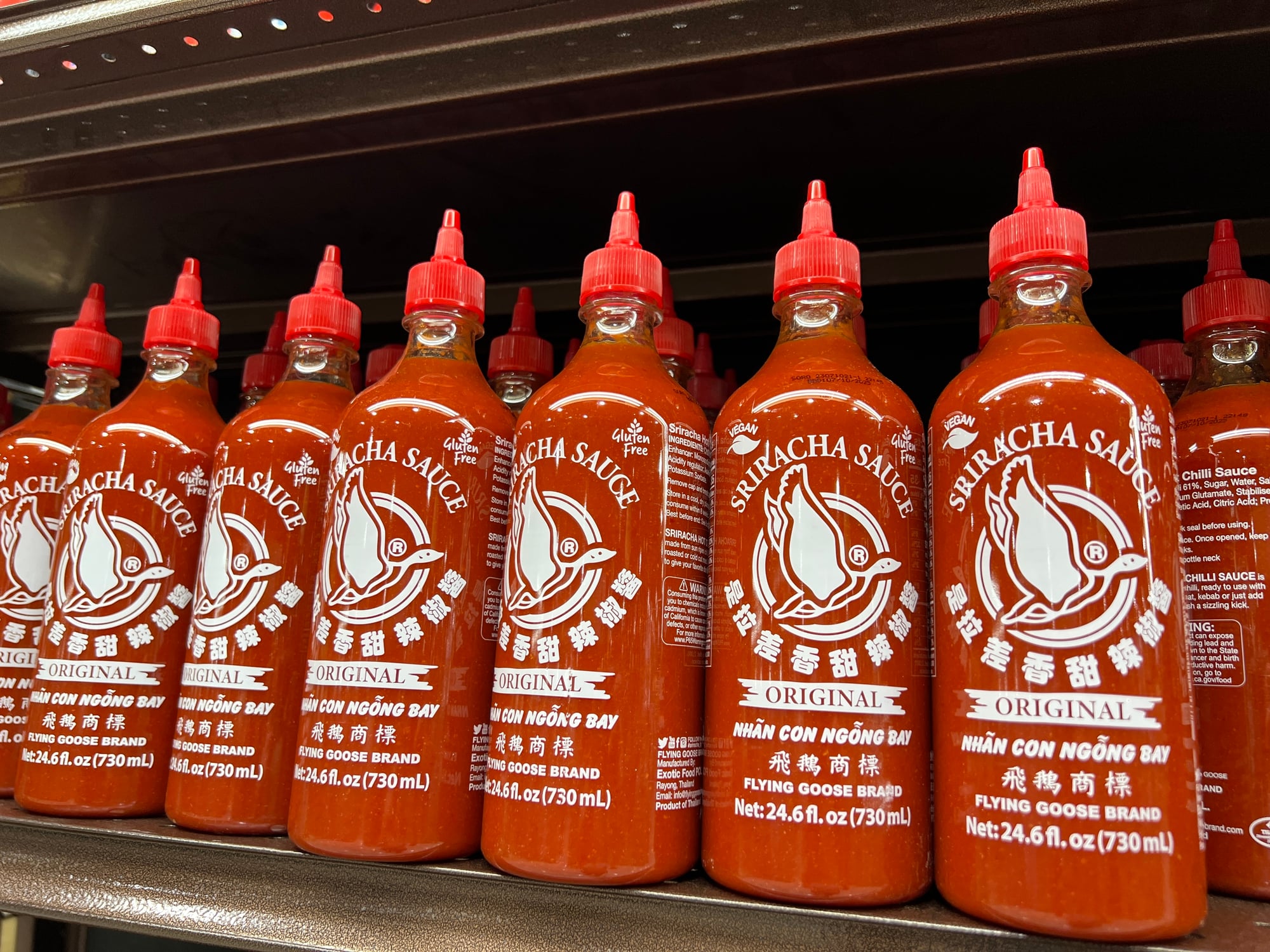
This hot sauce initially had modest distribution in America before finding unexpected popularity in Europe, where spicy condiments were traditionally less common. European chefs incorporated the distinctive flavor into fusion dishes, creating a high-end association different from its practical everyday use in Southeast Asia.
The sauce’s success helped introduce broader interest in Asian cooking techniques throughout European culinary schools.
Beyond Geographic Boundaries

These cross-cultural success stories reveal an important truth about global markets – rejection in one region rarely indicates universal failure. Products that find the right cultural context can transform disappointments into icons, often achieving greater success than they would have in their original target markets.
Smart companies increasingly design products with cultural adaptation in mind, recognizing that the next big hit might need to cross an ocean to find its audience. The most resilient brands learn to appreciate cultural differences not as obstacles but as opportunities to connect with consumers in meaningful, market-specific ways.
More from Go2Tutors!

- The Romanov Crown Jewels and Their Tragic Fate
- 13 Historical Mysteries That Science Still Can’t Solve
- Famous Hoaxes That Fooled the World for Years
- 15 Child Stars with Tragic Adult Lives
- 16 Famous Jewelry Pieces in History
Like Go2Tutors’s content? Follow us on MSN.



