Cars That Feature Three Wheels
Three-wheeled cars have always been the odd ones out in the automotive world. They sit somewhere between motorcycles and traditional four-wheeled vehicles, offering a unique blend of efficiency, fun, and sometimes just pure quirkiness.
While they never became mainstream, these unusual machines have carved out their own special place in transportation history, appealing to everyone from budget-conscious commuters to thrill-seeking enthusiasts. Let’s take a look at some of the most interesting three-wheeled vehicles that have rolled off assembly lines over the years.
Reliant Robin

The Reliant Robin became a British icon, though not always for the right reasons. This fiberglass-bodied vehicle puttered around UK roads from 1973 to 2001, and its single front wheel made it instantly recognizable.
The design choice wasn’t about style but practicality, since British law allowed people to drive three-wheelers with just a motorcycle license. Unfortunately, the Robin earned a reputation for tipping over during sharp turns, something that became comedic fodder for TV shows.
Despite the jokes, thousands of Brits relied on their Robins for daily transportation, and the car developed a loyal following among those who appreciated its affordability and fuel efficiency.
Morgan Three-Wheeler

Morgan took the three-wheel concept in a completely different direction with their luxury sports model. This British manufacturer created a vehicle that looks like it drove straight out of the 1930s, complete with exposed engine, leather straps, and vintage styling.
The modern version uses a V-twin motorcycle engine mounted prominently at the front, giving drivers an exhilarating experience that’s closer to riding than driving. Morgan never tried to make this car practical or sensible.
Instead, they built something for people who want wind in their face and don’t mind getting noticed everywhere they go.
Messerschmitt KR200
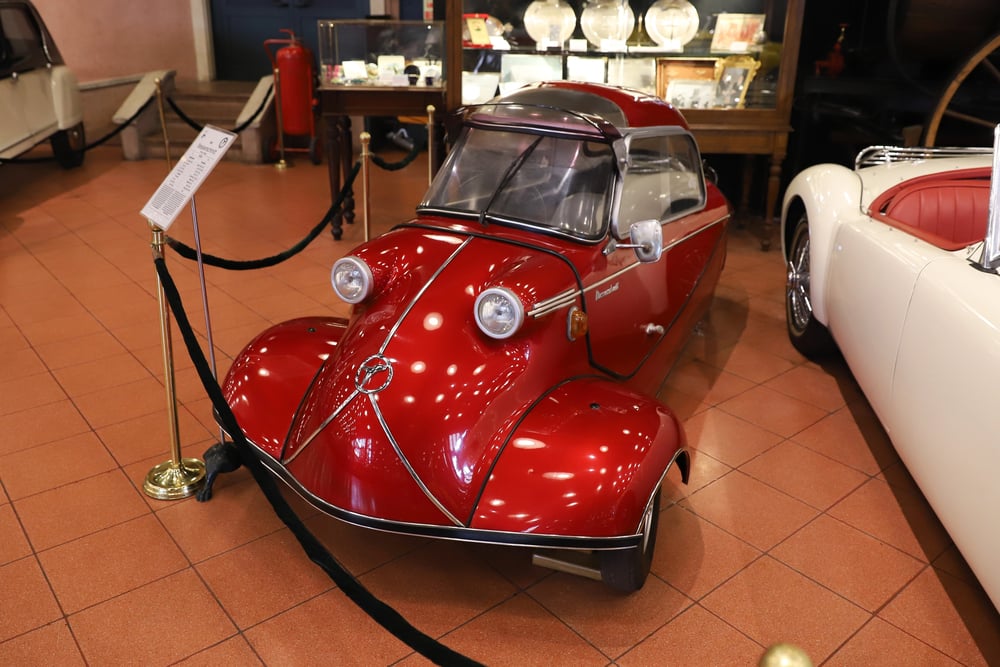
Germany’s Messerschmitt switched from building fighter planes to making bubble cars after World War II. The KR200 featured a clear plastic dome that opened upward, tandem seating with the passenger sitting behind the driver, and handlebars instead of a steering wheel.
This tiny machine could reach about 55 miles per hour, which felt much faster when you were sitting inches off the ground in what was essentially a covered motorcycle. The company produced these unusual vehicles from 1955 to 1964, and they became symbols of post-war European ingenuity when materials and money were scarce.
Aptera
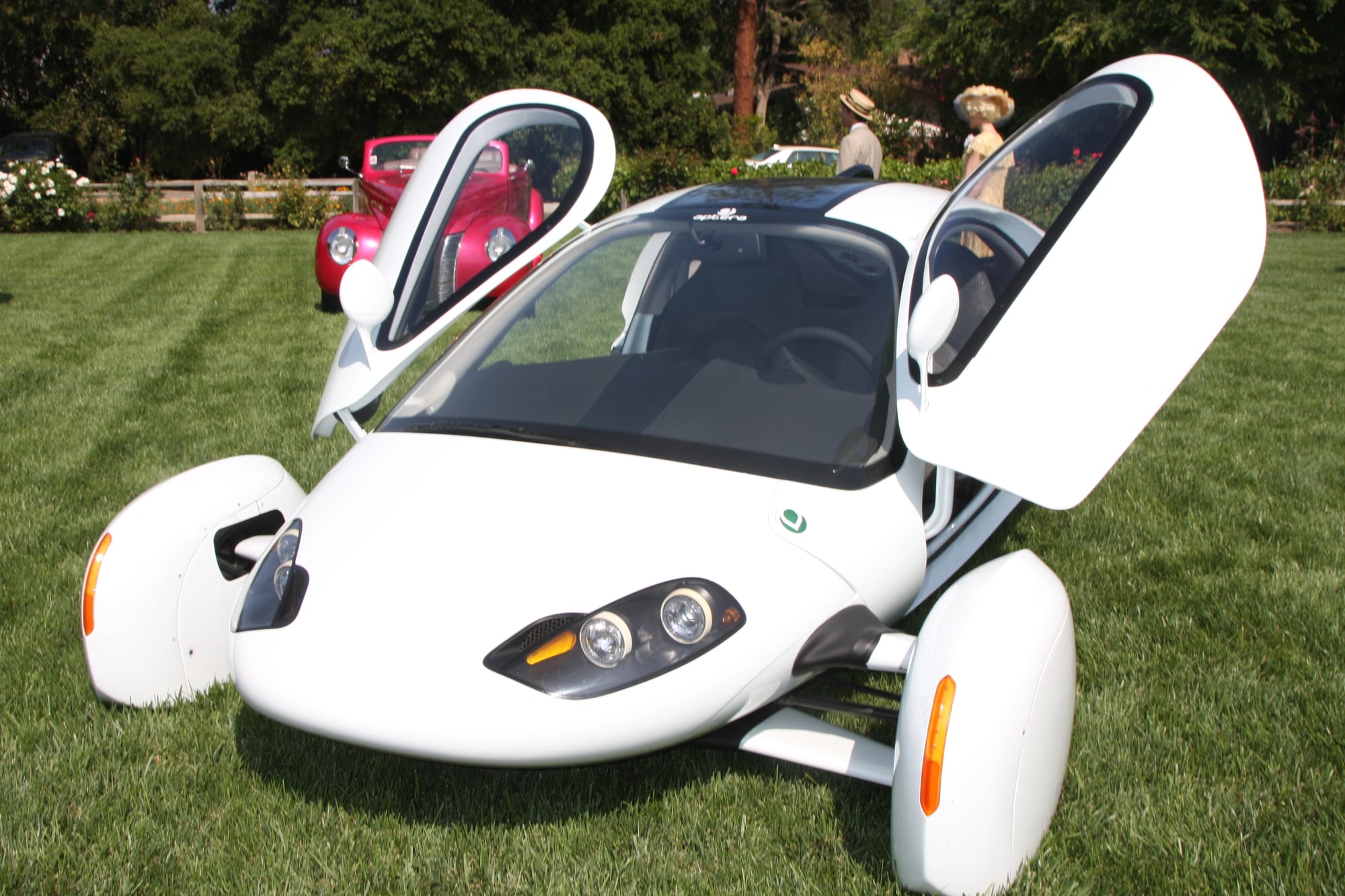
Aptera represents the futuristic end of three-wheel design with its ultra-aerodynamic electric vehicle. The company claims this streamlined machine can travel up to 1,000 miles on a single charge, thanks to its incredibly low drag coefficient and lightweight construction.
Solar panels integrated into the body can add up to 40 miles of range per day just from sitting in the sun. The Aptera looks like something from a science fiction movie, with a teardrop shape and covered rear wheels.
Whether it becomes a commercial success remains to be seen, but it shows that three-wheelers still have a place in the future of transportation.
Polaris Slingshot

Polaris brought three-wheelers into the modern performance market with the Slingshot. This open-air roadster uses two wheels up front and one in the back, the opposite of most three-wheel designs.
With a proper car engine producing over 200 horsepower and no roof or doors, the Slingshot delivers a riding experience that’s part motorcycle and part sports car. You need a helmet in some states and a regular driver’s license in others, depending on how local laws classify it.
The Slingshot has become surprisingly popular with people who want something more stable than a motorcycle but more exciting than a convertible.
Peel P50
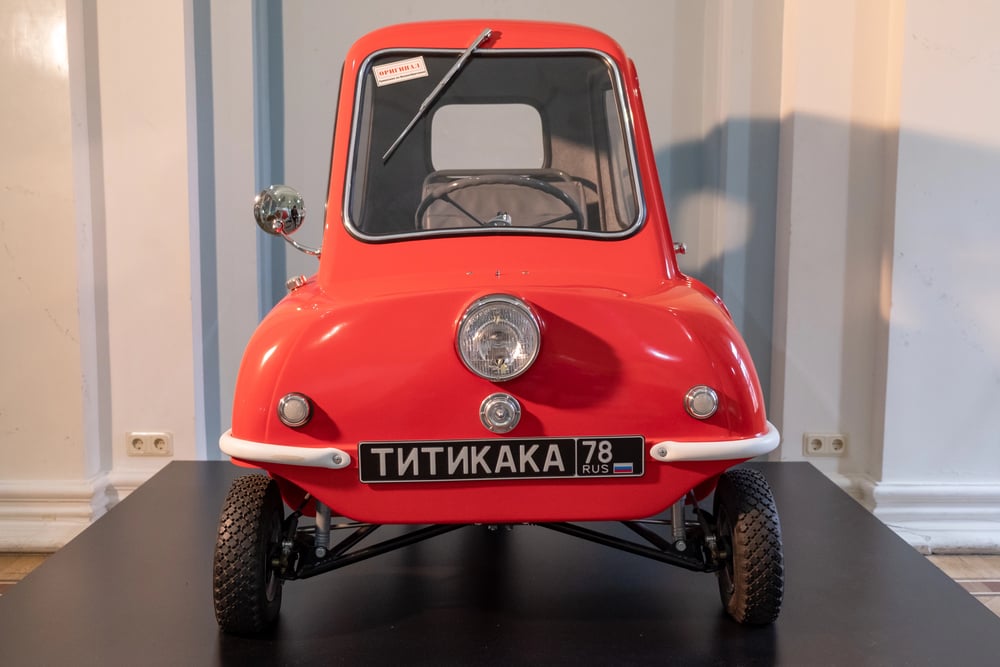
The Peel P50 holds the Guinness World Record as the smallest production car ever made. Built on the Isle of Man in the 1960s, this tiny three-wheeler measured just 54 inches long and 39 inches wide.
One person could drive it, and barely anyone else could fit anything inside except maybe a small bag. The P50 weighed only 130 pounds, so the driver could literally pick up the back end and wheel it around like a shopping cart using a handle.
Despite its impracticality, the P50 has become a collector’s item, and a modern electric version now exists for people who want to own the world’s smallest car.
Campagna T-Rex

Canadian company Campagna builds the T-Rex for people who think motorcycles aren’t quite extreme enough. This machine looks like a Formula 1 race car that lost a wheel, with aggressive styling and serious performance capabilities.
Some versions pack motorcycle engines producing up to 200 horsepower in a vehicle that weighs less than 1,200 pounds, resulting in acceleration that rivals supercars. The T-Rex sits so low that drivers find themselves at eye level with most cars’ door handles.
Unlike many three-wheelers that prioritize economy, the T-Rex exists purely for adrenaline.
BMW Isetta

The Isetta became one of the most successful microcars ever produced, with BMW making their version under license from an Italian company. The entire front of the car opened outward as a single door, with the steering column swinging out of the way for entry.
Technically, early models had four wheels, but the rear ones were so close together that it handled like a three-wheeler. The Isetta seated two adults (barely) and got amazing fuel economy from its tiny motorcycle engine.
BMW sold hundreds of thousands during the 1950s and 1960s, proving that unconventional designs could find mainstream success when circumstances demanded efficiency.
Vanderhall Venice
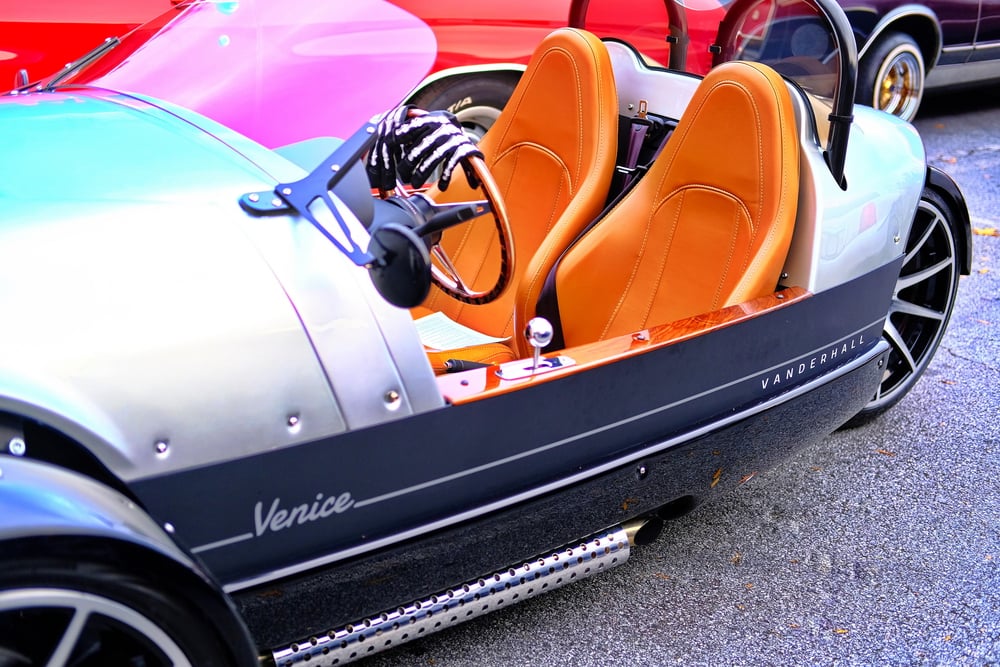
Vanderhall took inspiration from vintage cars but added modern technology and style. The Venice looks like a 1930s roadster that someone updated with contemporary engines and materials.
Unlike many three-wheelers that feel cheap or compromised, Vanderhall focused on luxury details like leather seats, quality paint, and proper instrumentation. The company offers both gas and electric versions, giving buyers options depending on their preferences.
These vehicles attract attention wherever they go, and Vanderhall has built a legitimate brand around premium three-wheeled roadsters.
Can-Am Spyder
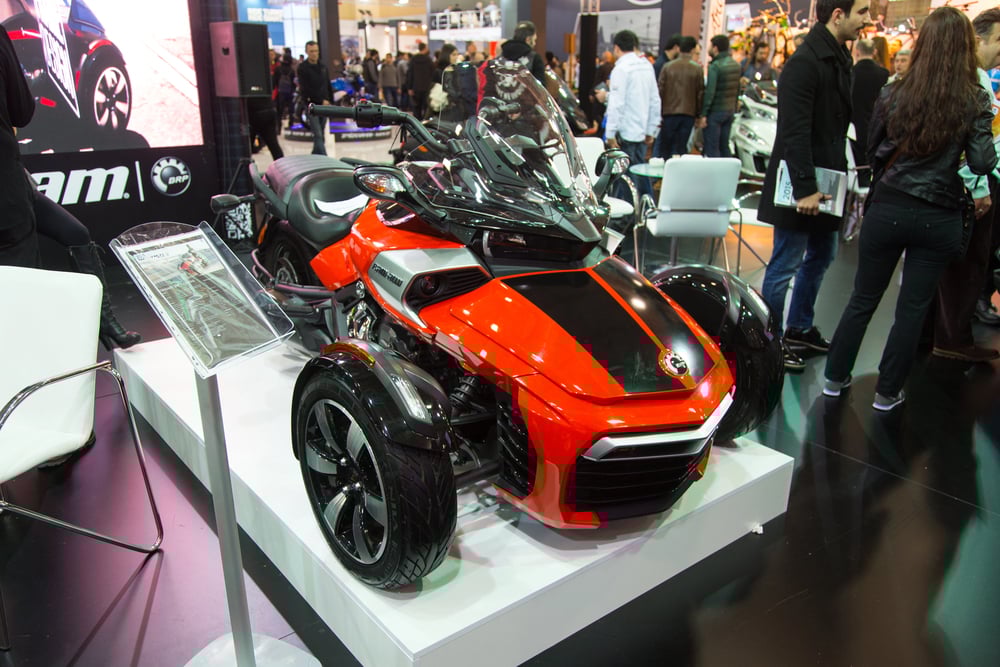
Can-Am brought motorcycle manufacturer BRP’s expertise to the three-wheeler market with the Spyder. This design uses two wheels in front for stability and one in the rear for drive power.
The Spyder includes features you’d expect on a motorcycle, like handlebars and a saddle seat, but adds things you wouldn’t, like electronic stability control and a reverse gear. It appeals to riders who want the motorcycle experience without worrying about tipping over at stops.
The Spyder has become the best-selling three-wheeler in North America, proving there’s real demand for vehicles that split the difference between two wheels and four.
Davis Divan
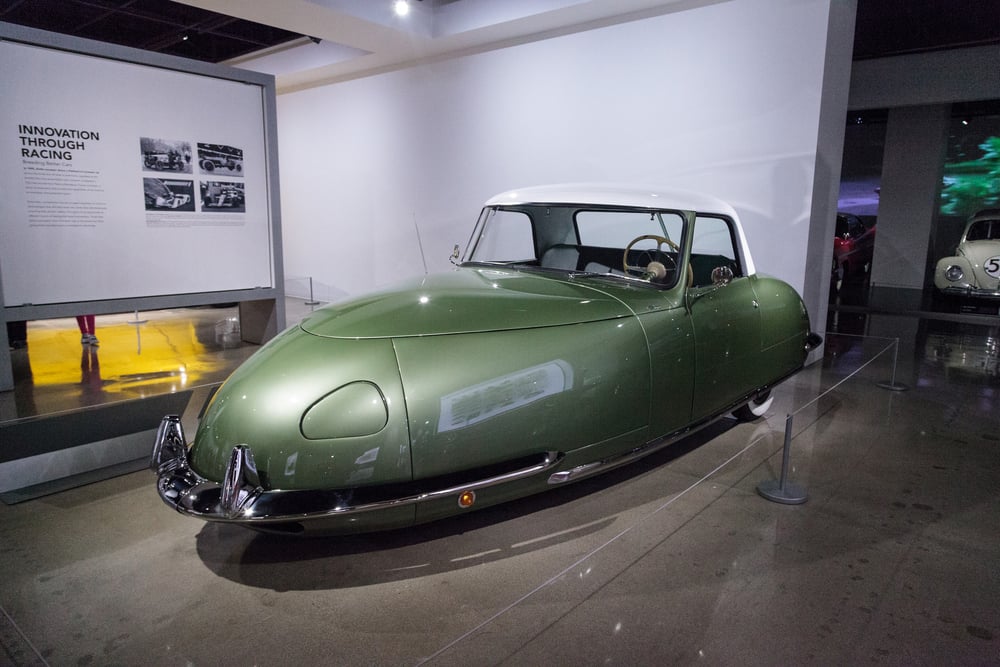
The Davis Divan represents one of automotive history’s most ambitious failures. Gary Davis promised a revolutionary three-wheeler in the late 1940s with four-across seating and modern styling.
He raised money from investors, generated huge publicity, and even got orders for thousands of vehicles. Only about 17 Davis Divans actually got built before the company collapsed amid fraud allegations and production problems.
The few surviving examples show that Davis had some good ideas, but bringing an unconventional car to market proved much harder than he anticipated. The story serves as a cautionary tale about automotive startups promising more than they can deliver.
Corbin Sparrow

The Corbin Sparrow looked like someone cut a car in half and only kept the front. This single-seat electric vehicle appeared in the late 1990s, way ahead of the current EV boom.
Myers Motors later bought the design and renamed it the NmG (No more Gas), continuing production for several more years. The Sparrow worked well for solo commuters who wanted something more weather-protected than a motorcycle but smaller than a car.
Its distinctive appearance earned it roles in several movies and TV shows. While neither Corbin nor Myers achieved commercial success, the Sparrow demonstrated that electric three-wheelers could work for niche markets.
Carver One
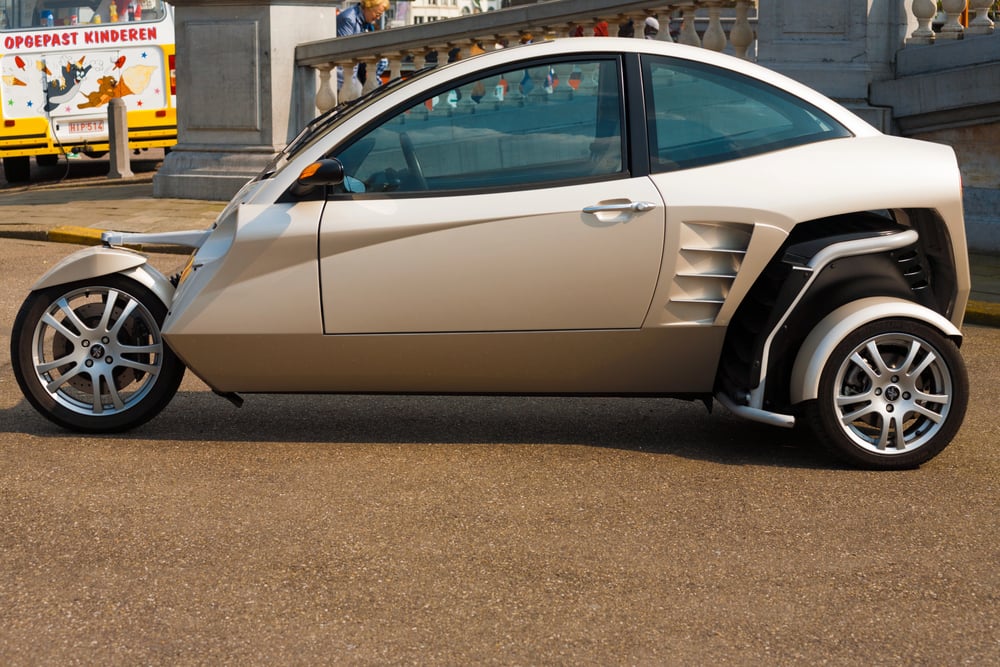
Out of nowhere came the Dutch-made Carver One, built to lean into curves like a bike. While turning, its tight body – wrapped in a slim shell with three wheels – dipped as much as 45 degrees, making each ride feel nothing like standard cars.
Instead of manual effort, onboard computers decided how far it should tip; people simply turned the wheel and let the machine do the rest. Enthusiasts behind the wheel noticed right away – and city designers too, imagining fleets of such compact machines weaving through packed streets.
Price tags climbed high, only small batches rolled out, stopping wide adoption. Still, that idea didn’t vanish – it quietly shaped future models with three wheels.
Round it goes again

Out on the streets, three-wheeled rides never really left – they shifted shapes depending on what folks needed them for. These days you’ll spot budget-friendly e-models sitting alongside high-end speed-focused builds, proof that losing a wheel doesn’t mean giving up usefulness.
One brand might aim for miles per charge; another wants sharp turns and loud engines – yet both reach riders looking outside the usual box. Even if most drivers stick with four wheels, there will always be those drawn to the odd layout of a trike when it’s time to move from place to place.
More from Go2Tutors!

- The Romanov Crown Jewels and Their Tragic Fate
- 13 Historical Mysteries That Science Still Can’t Solve
- Famous Hoaxes That Fooled the World for Years
- 15 Child Stars with Tragic Adult Lives
- 16 Famous Jewelry Pieces in History
Like Go2Tutors’s content? Follow us on MSN.



