Strangest Shortened or Altered Games in NBA History
The NBA is a well-oiled machine.
Games start at scheduled times, play through four quarters, and end with a winner.
The league has refined its operations over decades to ensure consistency and professionalism.
But every so often, something goes spectacularly wrong.
Equipment fails, tempers explode, or circumstances beyond anyone’s control force the league to improvise.
These moments remind us that even the most polished sports organization can’t plan for everything.
Some games get cut short.
Others get delayed so long they barely resemble basketball anymore.
A few become historical footnotes for reasons having nothing to do with the final score.
Here’s a look at the strangest instances when NBA games didn’t go according to plan.
The Malice at the Palace
November 19, 2004, gave us the most infamous altered game in NBA history.
The Indiana Pacers were beating the Detroit Pistons handily at The Palace of Auburn Hills when Ron Artest fouled Ben Wallace hard with less than a minute left.
Wallace shoved Artest.
Benches cleared.
Then, just when things seemed to be calming down, a fan threw a cup of liquid that hit Artest while he was lying on the scorer’s table.
Artest charged into the stands, and absolute chaos followed.
Players fought fans.
Fans came onto the court.
Security couldn’t control anything.
The game was called with 45.9 seconds remaining, the Pacers awarded the win.
Nine players were suspended for a combined 146 games, the harshest penalties in NBA history.
Artest—later known as Metta World Peace—missed the entire rest of the season.
The incident changed arena security forever, established stricter rules about player-fan interaction, and became a dividing line in how the league handled on-court violence.
The final seconds of that game never happened, overshadowed entirely by a brawl that redefined what was acceptable in professional basketball.
The Fog Game

Boston Garden was a legendary venue, but by the 1980s it was showing its age in weird ways.
On May 2, 1988, during Game 6 of the Eastern Conference First Round between the Celtics and Hawks, the building’s terrible ventilation system created a problem nobody anticipated: fog.
Actual fog inside an arena, thick enough that players couldn’t see across the court clearly.
The game had to be stopped multiple times so the fog could dissipate enough to continue.
The Celtics won, but the game felt surreal.
Players described running through what felt like a steam room.
Television cameras struggled to capture the action through the haze.
Officials had to make judgment calls about whether visibility was adequate to resume play.
The delays stretched the game’s duration significantly, and the whole thing looked absurd on broadcast.
Boston Garden had hosted countless classic moments, but the fog game highlighted that charm and nostalgia can only excuse so many infrastructure problems.
The building was replaced a few years later, and modern arenas have slightly better climate control.
The Broken Rim Debacle
March 10, 1992, should have been a routine regular-season game between the Chicago Bulls and Miami Heat.
Then Shaquille O’Neal—a rookie at the time—dunked so hard during the game that he shattered the backboard support system.
The arena didn’t have a replacement rim readily available.
The game was delayed 45 minutes while crews scrambled to find and install new equipment.
When play finally started, the entire rhythm and atmosphere had changed.
Warm bodies went cold.
Players who’d been loose tightened up.
The delay disrupted both teams’ preparation equally, but it felt especially cruel to whoever had been riding momentum before the stoppage.
The Bulls won anyway because they were the Bulls.
But the incident exposed how unprepared arenas could be for equipment failures.
After that, NBA arenas started keeping backup rims and stanchions on hand.
Shaq destroyed so many backboards in his career that the league eventually mandated stronger glass and support systems.
The Miami incident was just the most disruptive of his many structural casualties.
The 2020 Playoff Boycott

August 26, 2020, wasn’t about equipment or violence—it was about conscience.
Following the shooting of Jacob Blake in Kenosha, Wisconsin, the Milwaukee Bucks decided not to take the court for their playoff game against the Orlando Magic.
Players stayed in the locker room.
The game was postponed.
Then other teams followed suit.
The entire NBA playoff schedule shut down for three days as players, coaches, and the league grappled with how to respond to police violence and social justice issues.
Games were rescheduled, not canceled.
But the pause fundamentally altered the playoff narrative.
It became about something larger than basketball.
The NBA eventually resumed.
But not before the league and players agreed on initiatives addressing voting rights and police reform.
The boycott showed that players had real power to stop the machine if they chose to use it collectively.
Games got altered not by accident or circumstance, but by deliberate choice—a reminder that athletes aren’t just entertainers but people who can refuse to play when the moment demands it.
The Power Outage Game

January 18, 1990, gave Sacramento Kings fans an experience they didn’t ask for when a power outage hit ARCO Arena during a game against the Lakers.
The lights went out completely, plunging the arena into darkness.
Emergency lighting eventually kicked in, but it wasn’t enough to play basketball safely.
The game was delayed close to an hour while crews worked to restore power.
When the lights finally came back, players had to warm up again from scratch.
Power outages aren’t common in NBA arenas, but when they happen, there’s no workaround.
You can’t play basketball in the dark.
The delay killed any flow the game had.
Players talked afterward about how strange it felt to sit in a darkened arena with thousands of fans waiting for someone to flip a switch.
Modern arenas have better backup power systems, but back then, you were at the mercy of the local power grid.
The game resumed and finished normally.
But everyone involved remembered it less for the final score and more for sitting around wondering if they’d finish at all.
The 2020-21 COVID Postponements
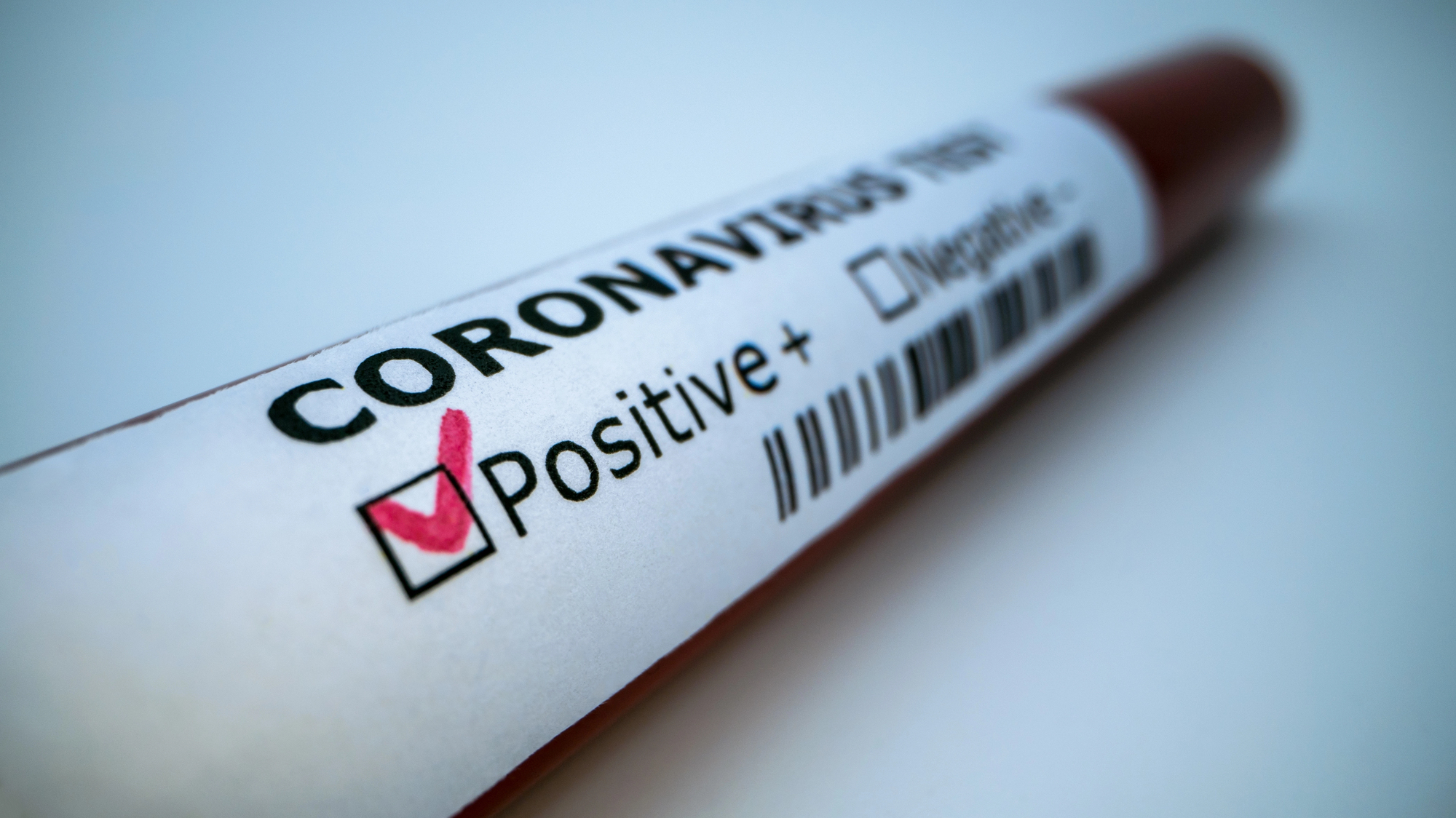
The 2020 playoff bubble in Orlando was remarkably successful—zero positive COVID tests and no postponements.
But when the 2020-21 regular season began with teams back in their home arenas, reality hit hard.
COVID cases started affecting teams directly.
Games got postponed with little notice when players tested positive or contact tracing required quarantines.
The league had protocols, but those protocols meant games scheduled for one day might suddenly vanish from the calendar.
Unlike traditional postponements where games get rescheduled weeks out, these COVID postponements happened constantly and disrupted the entire season structure.
Teams had to stay ready to play on short notice or suddenly deal with unexpected days off.
The altered schedule affected playoff seeding, rest advantages, and momentum in ways impossible to quantify.
Some teams played significantly fewer games than others before the condensed makeup schedule at season’s end.
The constant uncertainty and last-minute changes made it feel like the league was improvising constantly.
Games that should have been played weren’t.
The schedule became more suggestion than certainty.
The Hail Mary That Wasn’t
November 30, 2007, saw the Atlanta Hawks and Miami Heat play a game that ended in controversy so severe the NBA took an unprecedented step.
With 51.9 seconds left in the third quarter and Miami leading, officials mistakenly gave Miami an extra timeout they didn’t have.
The Hawks protested.
The league reviewed and agreed the officials had blown it.
The solution was to replay the final 51.9 seconds of the third quarter plus the entire fourth quarter on March 8, 2008—more than three months later.
Both teams had to reassemble, warm up, and finish a game from another season.
Miami won again, so the do-over didn’t change the outcome.
But the precedent was remarkable.
The NBA essentially admitted the game hadn’t been completed fairly and forced a mulligan.
Players who’d been traded were suddenly back playing for their old teams.
It was bureaucratic absurdity made flesh, a testament to the league’s commitment to getting things right even when the logistics made no sense.
When the Rules Can’t Plan for Everything
Shortened and altered games reveal the limits of control in professional sports.
The NBA can script nearly everything—game times, broadcast schedules, halftime entertainment—but it can’t prevent fans from throwing cups, equipment from breaking, or power grids from failing.
These disruptions are rare enough to be memorable and common enough to remind us that live sports exist in the real world where things go wrong.
What’s fascinating is how the league responds.
Sometimes it finishes games weeks later.
Sometimes it doesn’t finish them at all.
The decisions reveal what the NBA values—fairness, safety, player agency—and how those values shift depending on context.
The strangest games aren’t just oddities.
They’re stress tests showing what happens when the rulebook meets reality and has to improvise.
And every time something unprecedented occurs, the league writes new rules to handle it better next time, building a more comprehensive playbook for chaos nobody saw coming.
More from Go2Tutors!

- The Romanov Crown Jewels and Their Tragic Fate
- 13 Historical Mysteries That Science Still Can’t Solve
- Famous Hoaxes That Fooled the World for Years
- 15 Child Stars with Tragic Adult Lives
- 16 Famous Jewelry Pieces in History
Like Go2Tutors’s content? Follow us on MSN.