Rivers With Unusual Behaviors or Characteristics
Rivers usually act how you’d guess. Beginning up in the hills, they move down slopes, joining bigger bodies of water.
Yet a few ignore the pattern. Here and there, one flows uphill instead.
A different kind shifts to bright red. Color bursts appear on some – only when specific seasons arrive. Beneath the surface, some vanish without a trace, only to emerge far later under open sky.
What looks like disorder turns out to hold its own logic – water follows paths that ignore what we expect, showing nature’s version of flow isn’t always visible.
Caño Cristales: The Liquid Rainbow
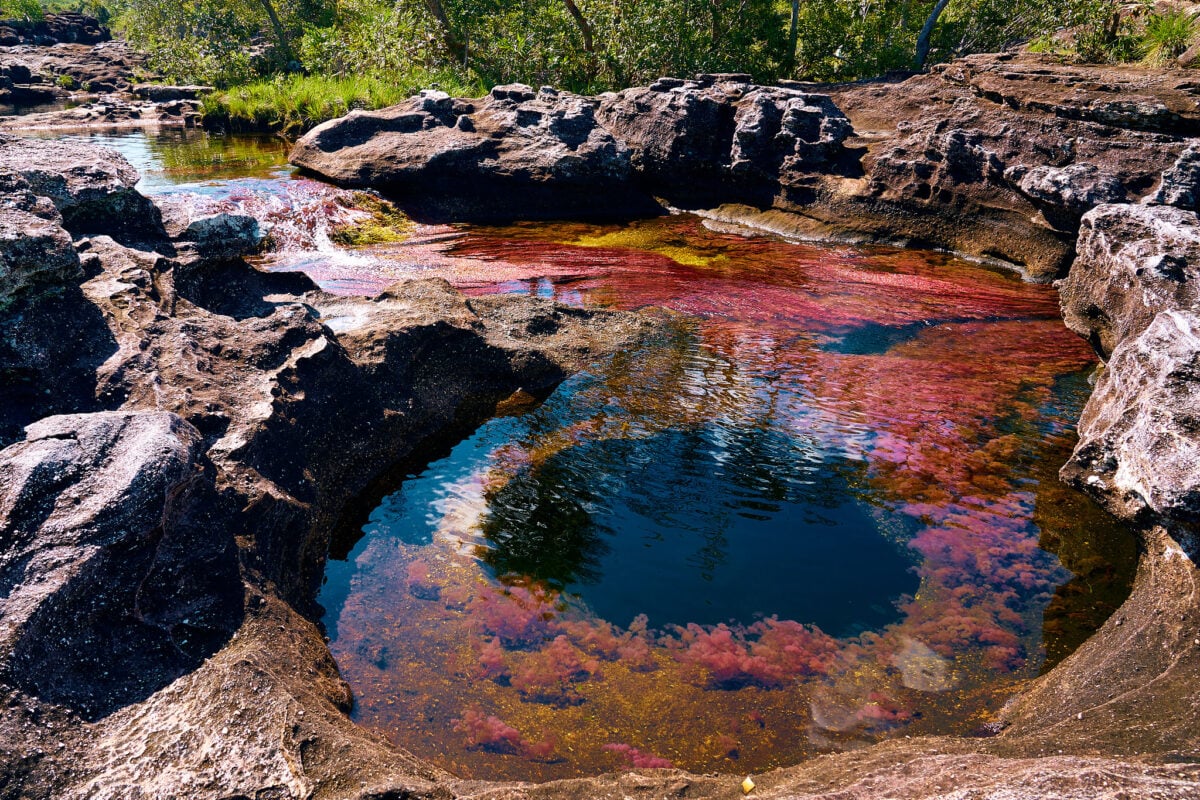
Most days, Caño Cristales in Colombia flows calm, clear, much like streams found in many mountains. Yet from June through November, a shift takes place beneath the surface.
Stripes of red, yellow, green, blue, and black spread across the bed below. People began calling it the river of five colors after seeing those stretches light up.
A water-dwelling plant named Macarenia clavigera brings forth the vivid red tones when things line up just right. Sunlight must hit the bottom, meaning water can’t be too deep.
At the same time, levels stay full enough that the plants do not dry out. Water in excess washes the hues away.
Not enough, and stems curl into brittle brown threads. This stream acts like a breathing clock, marking seasonal shifts through bursts of dye.
Bathing here means covering skin with fabric sleeves rather than applying lotions – those substances poison the fragile life behind the shades.
The Rio Tinto: Spain’s River
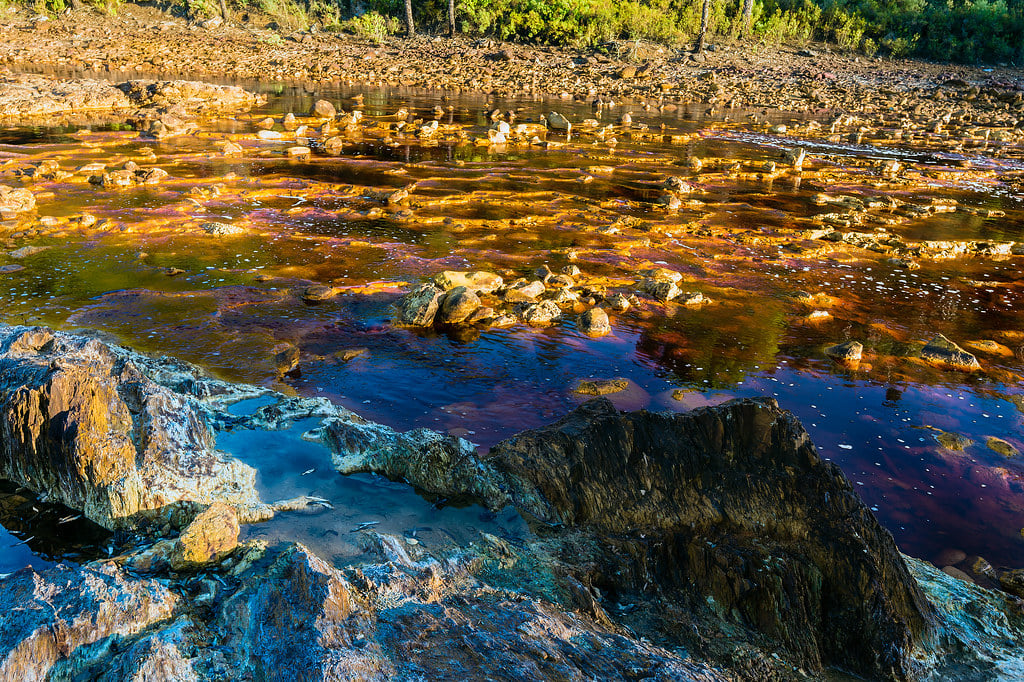
Running through southwestern Spain, the Rio Tinto looks like a wound that refuses to heal. Its waters run deep rust-red and orange, colored by dissolved iron and heavy metals.
The pH hovers around 2, roughly as acidic as stomach acid. Fish cannot survive here.
Neither can most plants. Yet the river teems with life: extremophile bacteria that feed on sulfide minerals and produce ferric iron as a byproduct.
Five thousand years of copper, silver, and gold mining have amplified the river’s acidity, but scientists believe the process began long before humans arrived. The Iberian Pyrite Belt beneath the river contains massive sulfide deposits formed over 350 million years ago.
NASA has taken particular interest in the Rio Tinto because its conditions resemble what scientists think might exist beneath the surface of Mars. If life can thrive in this caustic Spanish waterway, perhaps it could survive on the Red Planet too.
The Tonle Sap: The River That Changes Direction
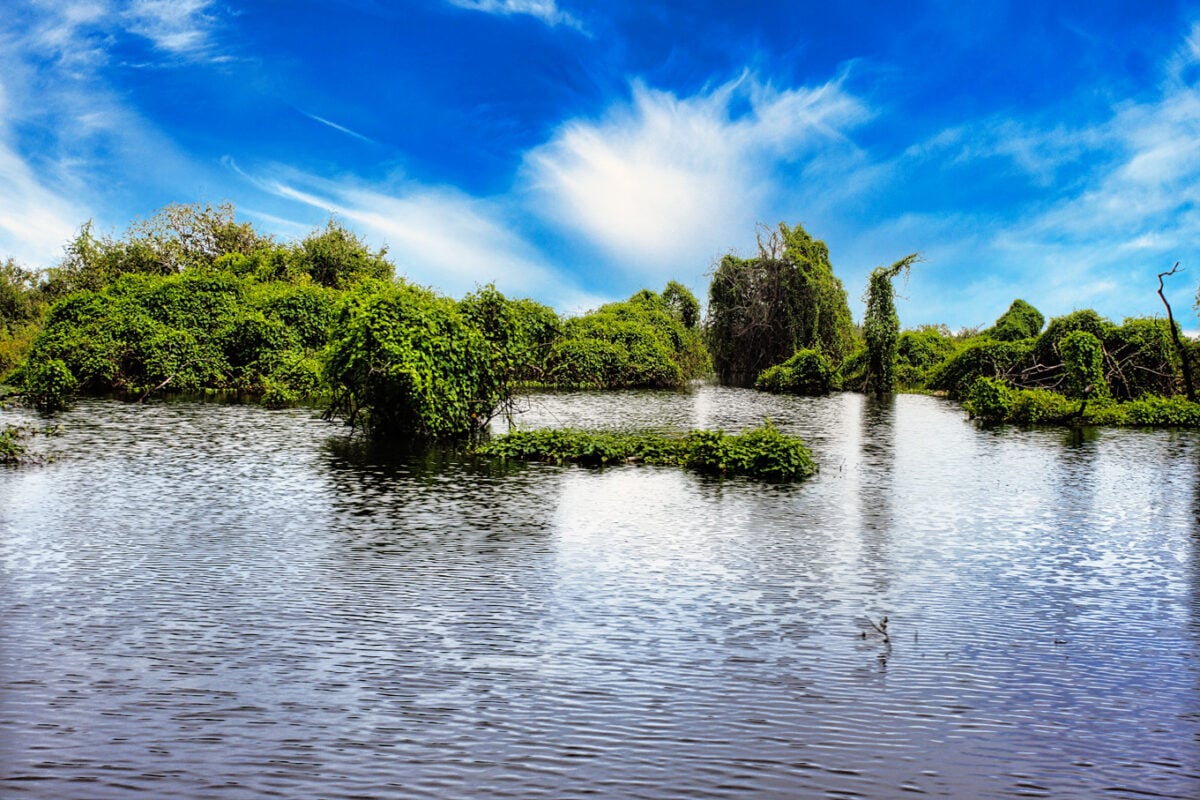
In Cambodia, a river reverses course twice a year like clockwork. The Tonle Sap connects the massive Tonle Sap Lake to the Mekong River, and during the dry season it flows southeast toward Phnom Penh.
But when monsoon rains swell the Mekong between May and October, the pressure becomes too great. The Tonle Sap surrenders and begins flowing backward, pushing water into the lake instead of draining it.
The lake expands from roughly 2,500 square kilometers to over 16,000 square kilometers, flooding forests and creating one of the richest freshwater fisheries on Earth. Fish eggs and larvae ride the reversed current into the expanding lake, where they find abundant food and shelter.
When the rains stop and the Mekong drops, the Tonle Sap flips again, draining the lake and carrying millions of fish downstream. Cambodians celebrate this reversal with Bon Om Touk, a three-day water festival featuring boat races along the river in Phnom Penh.
The Puerto Princesa Underground River
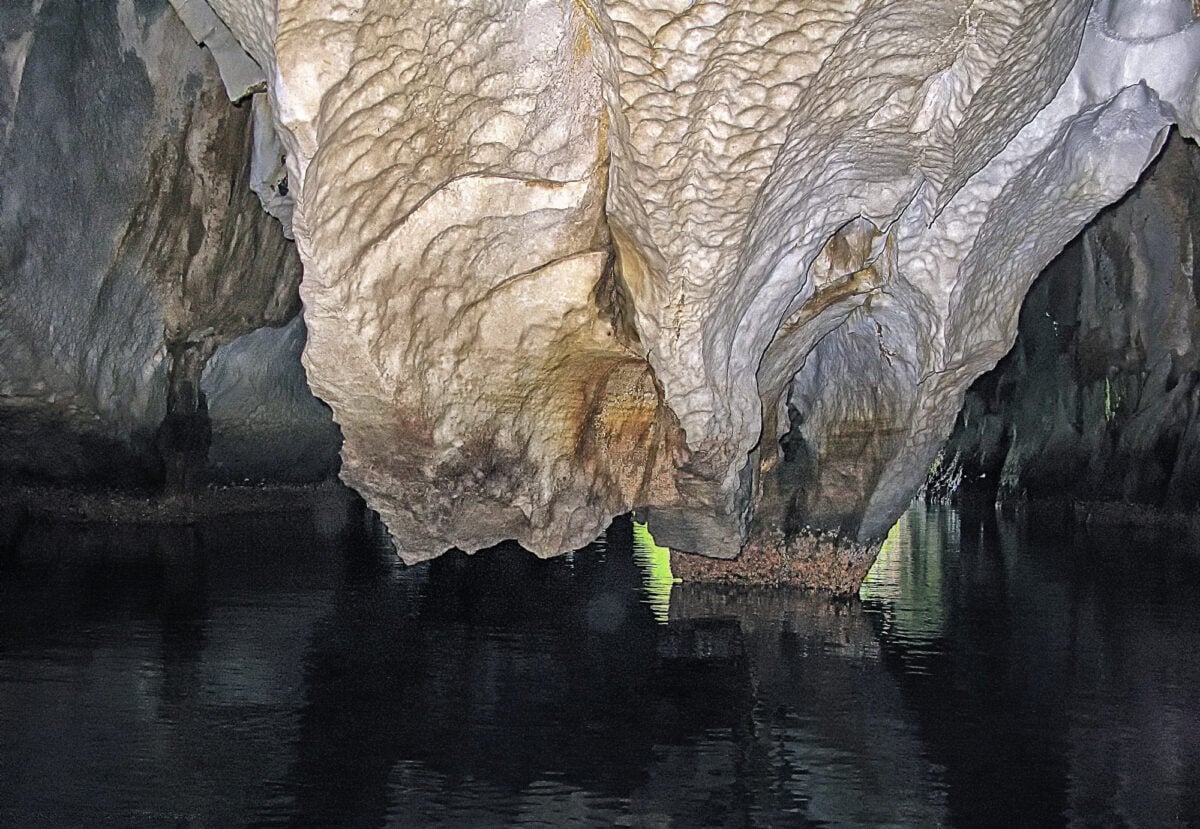
On the Philippine island of Palawan, a river flows through darkness for over eight kilometers before emerging into the South China Sea. The Puerto Princesa Subterranean River winds through a limestone cave system, navigable by boat for nearly half its length.
The lower portion is brackish, mixing fresh water with seawater, and rises and falls with the ocean tides. Stalactites hang from the ceiling while stalagmites rise from the riverbed.
Bats flutter overhead in numbers so thick that visitors are advised to keep their mouths shut while looking up. The cave contains a second floor discovered in 2010, complete with its own waterfalls and a dome measuring 300 meters above the river.
The entire system sits within one of Asia’s most important remaining forest ecosystems, protected as a UNESCO World Heritage Site.
The Qiantang River and the Silver Dragon
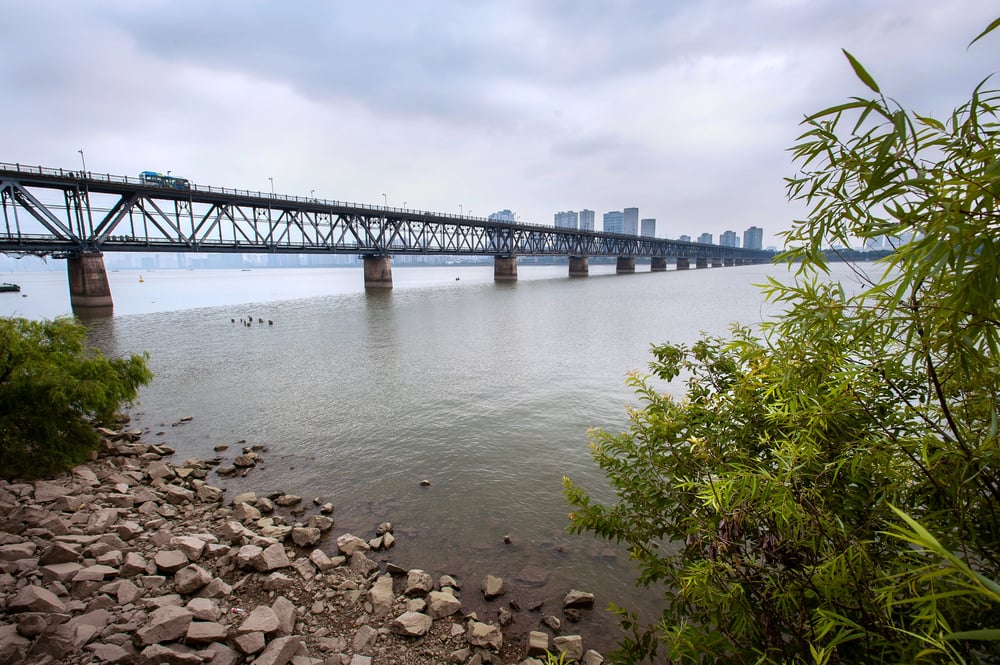
China’s Qiantang River experiences the largest tidal bore on Earth. When conditions align, a wall of water up to nine meters high surges upriver at speeds of 40 kilometers per hour.
The Chinese call it the “Silver Dragon,” and crowds have gathered to watch it for over two thousand years, particularly during the Mid-Autumn Festival when the tides reach their peak. The bore forms because Hangzhou Bay narrows dramatically as it funnels into the river, compressing the incoming tide into an increasingly tight space.
The energy has nowhere to go but up and forward. Daredevil surfers have ridden the wave, though the violent turbulence makes it far more dangerous than ocean surfing.
The bore travels over 100 kilometers inland before finally losing its power. Ancient sea walls along the river testify to the wave’s destructive potential when it overtops its banks.
The Reversing Falls of Saint John
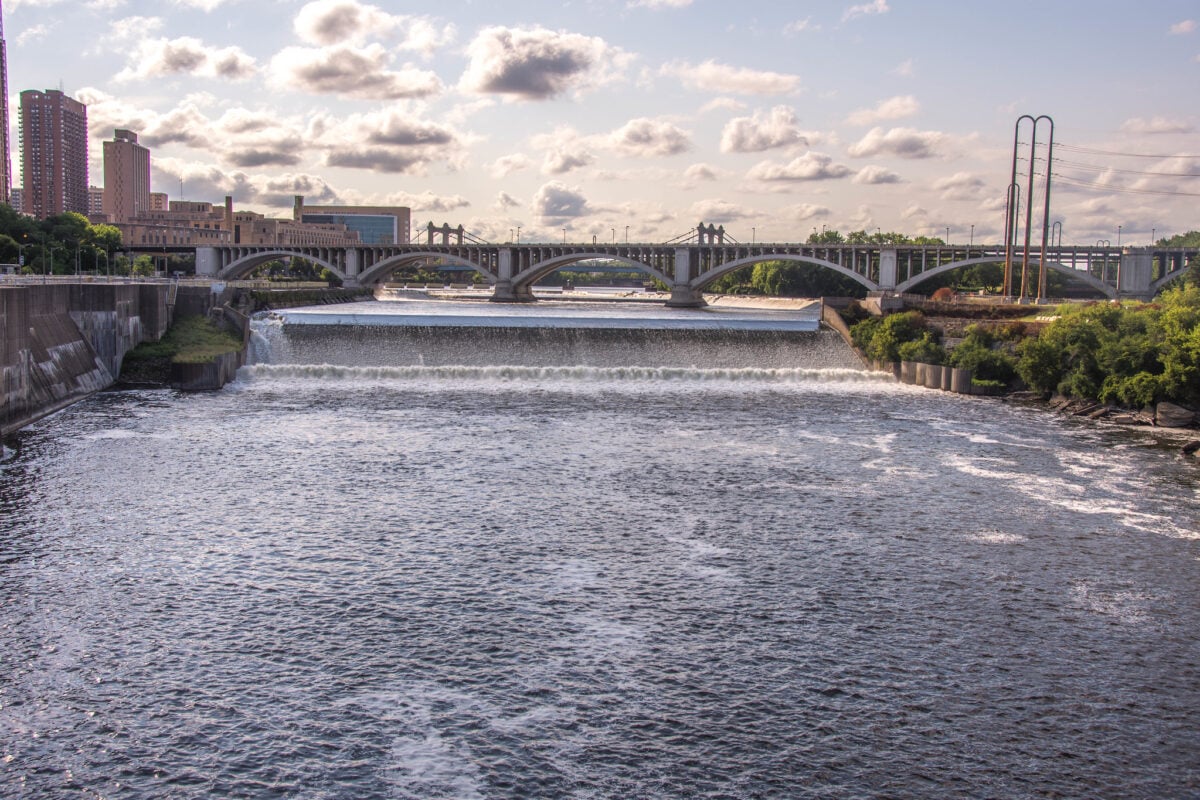
Where the Saint John River meets the Bay of Fundy in New Brunswick, Canada, waterfalls flow in two different directions depending on the tide. The Bay of Fundy experiences some of the highest tidal ranges in the world, with the difference between high and low tide reaching 14 meters.
At low tide, the river thunders downstream through a narrow gorge, plunging over an underwater ledge 36 feet below the surface. But as the bay’s massive tide rises, it begins pushing back against the river’s flow.
The falls slow, then stop entirely, then reverse. Water that was cascading seaward now surges upstream as the bay overpowers the river.
The whole cycle repeats roughly every six hours, creating a waterway where “upstream” and “downstream” are temporary concepts.
The Chicago River: Engineered Backward
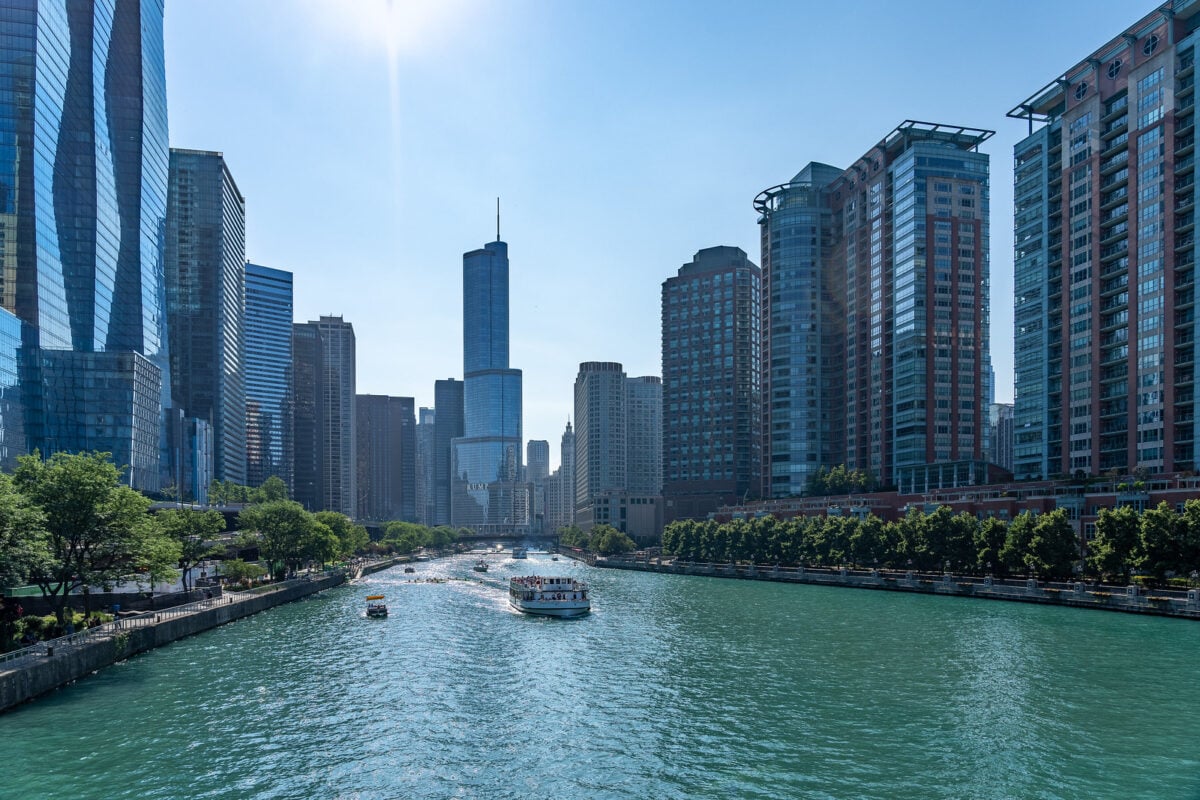
In the 1800s, Chicago had a problem. The city dumped its sewage into the Chicago River, which flowed into Lake Michigan, the same lake that provided the city’s drinking water.
Cholera and typhoid outbreaks killed thousands. The solution was audacious: reverse the river.
Engineers dug the Sanitary and Ship Canal, connecting the Chicago River to the Des Plaines River. The project required excavating more earth than the construction of the Panama Canal.
When completed in 1900, the Chicago River flowed away from Lake Michigan instead of into it, carrying waste toward the Mississippi River basin instead of the drinking supply. The river still flows backward today, though climate change and heavy rains occasionally overwhelm the system and force temporary reversals to prevent flooding.
The Yarlung Tsangpo: Roof of the World
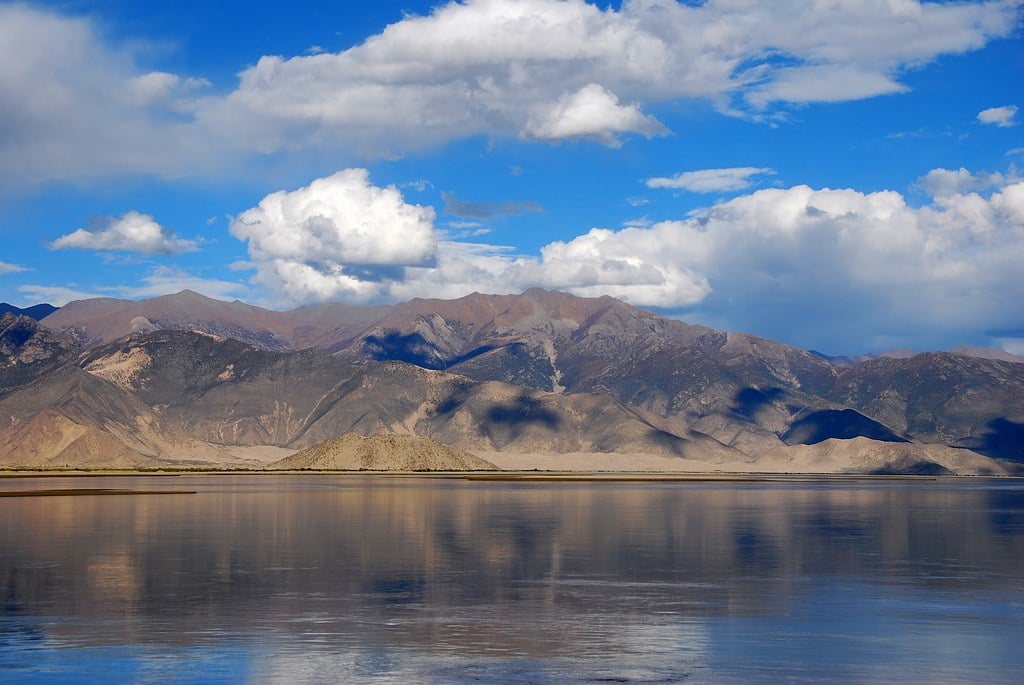
At an average elevation of 4,800 meters, the Yarlung Tsangpo in Tibet ranks among the highest major rivers on Earth. It carves the deepest canyon on the planet, a gorge that drops 5,000 meters below the surrounding peaks.
The river begins near Mount Kailash and runs east across the Tibetan Plateau before bending sharply around a Himalayan ridge and plunging into the lowlands of India, where it becomes the Brahmaputra. The section around the “Great Bend” contains some of the most extreme whitewater anywhere, with drops so severe that the full gorge has never been completely navigated.
Local legend once held that the river vanished into a hidden waterfall in the gorge’s depths, a rumor that fueled expeditions for decades until explorers finally mapped the entire route.
The Meeting of the Waters
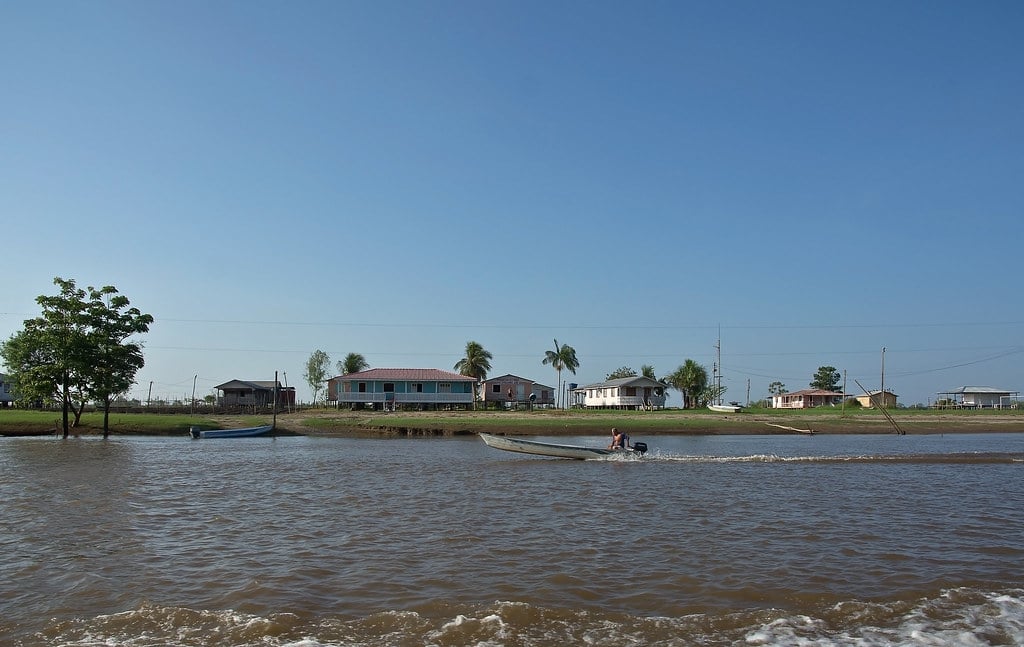
Near Manaus, Brazil, the Rio Negro and the Amazon’s main stem, called the Solimões, flow side by side for six kilometers without mixing. The Rio Negro runs dark, almost black, stained by tannins leached from decaying vegetation.
The Solimões appears muddy tan, heavy with sediment from the Andes. The two rivers differ in temperature, speed, and density.
These differences are enough to prevent blending for several miles, creating a visible boundary where chocolate brown water runs parallel to water so dark it absorbs light. Eventually the rivers mingle and become the Amazon proper, but the line where they meet has become a tourist attraction, a place where visitors can literally see two rivers refusing to merge.
The Boiling River of the Amazon
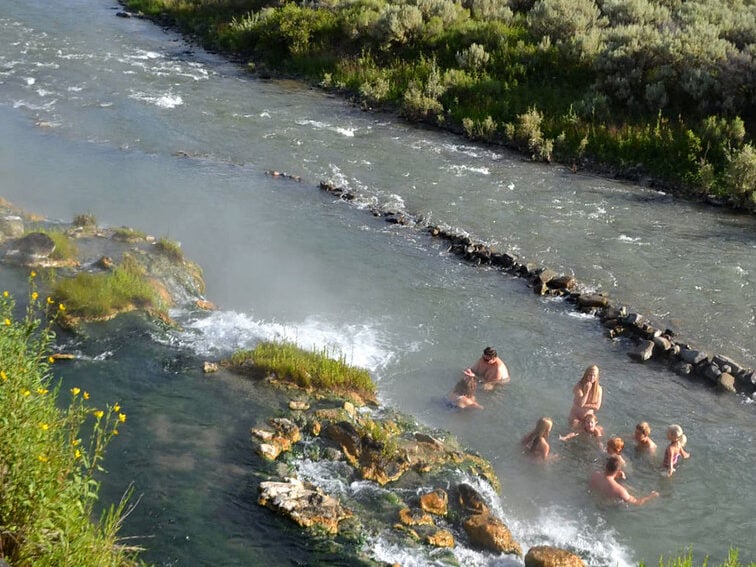
Deep in the Peruvian Amazon, a river runs hot enough to kill. The Shanay-timpishka, known as the Boiling River, reaches temperatures up to 94 degrees Celsius in some stretches.
Animals that fall in do not survive. Local Asháninka people have known about the river for generations and consider it sacred.
Scientists struggled to explain how a river could boil without a volcano nearby until research revealed that the heat comes from geothermally warmed groundwater rising through faults in the Earth’s crust. The water travels deep underground, heats up, and surfaces in the river.
The result is a four-mile stretch of stream that steams in the jungle air, with vapor rising from the surface like a natural hot spring scaled up to river proportions.
The Roe River: World’s Shortest
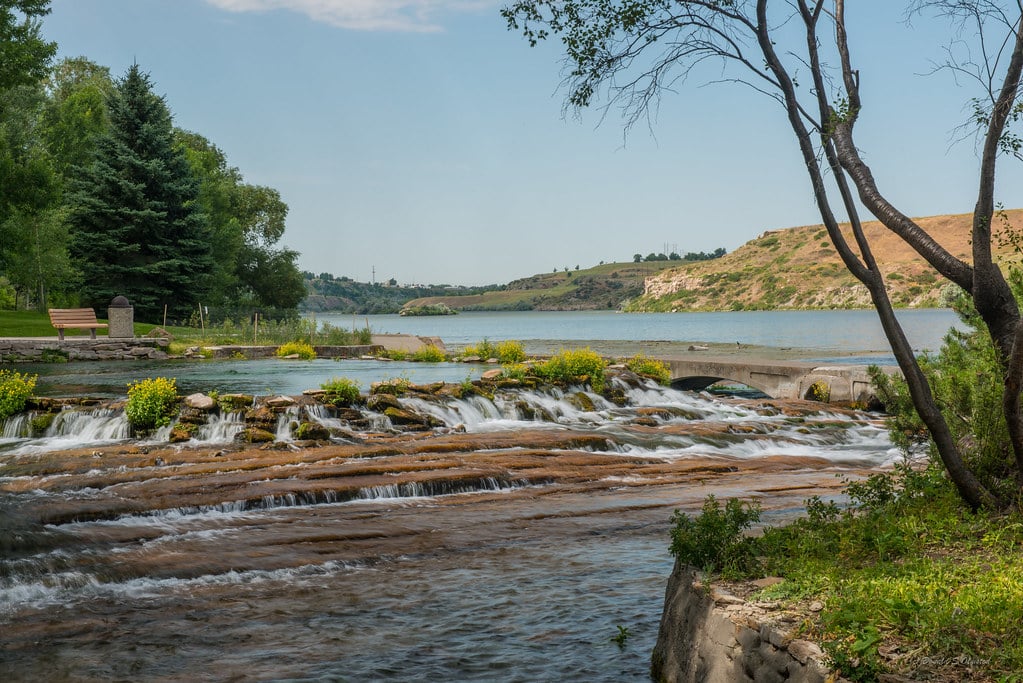
Running just 61 meters from Giant Springs to the Missouri River in Montana, the Roe River held the Guinness World Record as the shortest river on Earth for years. The spring that feeds it produces 156 million gallons of water per day, crystal clear and cold from its underground journey.
The river’s brevity became a point of local pride, and the designation attracted visitors who wanted to see a river they could walk along in under a minute. Disputes over measurement methodology eventually led Guinness to retire the shortest river category entirely, but the Roe continues to flow, short as ever, into the much longer Missouri.
The Nile: Against the Compass
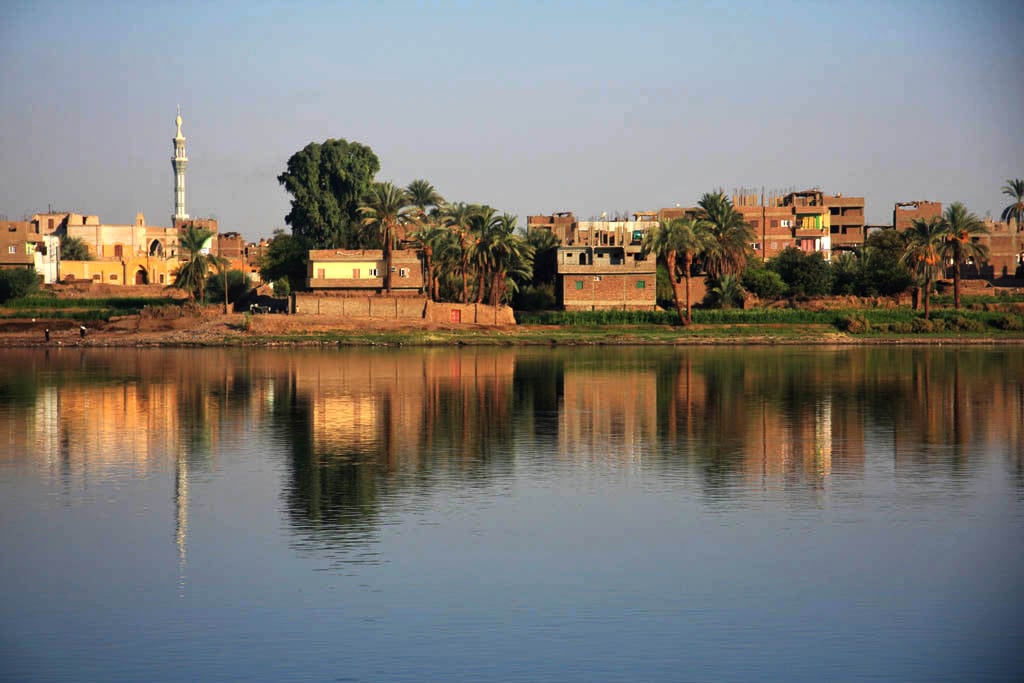
The Nile flows north. This simple fact has puzzled students for centuries because most major rivers in the Northern Hemisphere appear to flow south.
But rivers do not care about compass points. They follow elevation.
The Nile begins in the highlands of East Africa and finds its way to the Mediterranean Sea because that path runs downhill. The White Nile emerges from Lake Victoria, the Blue Nile descends from the Ethiopian Highlands, and the combined river crosses the Sahara Desert, one of the driest places on Earth, without another tributary for thousands of kilometers.
Ancient Egyptians built their civilization around the Nile’s annual floods, which deposited nutrient-rich silt along its banks before the construction of the Aswan Dam regulated the flow.
The Strid: Deceptively Deadly
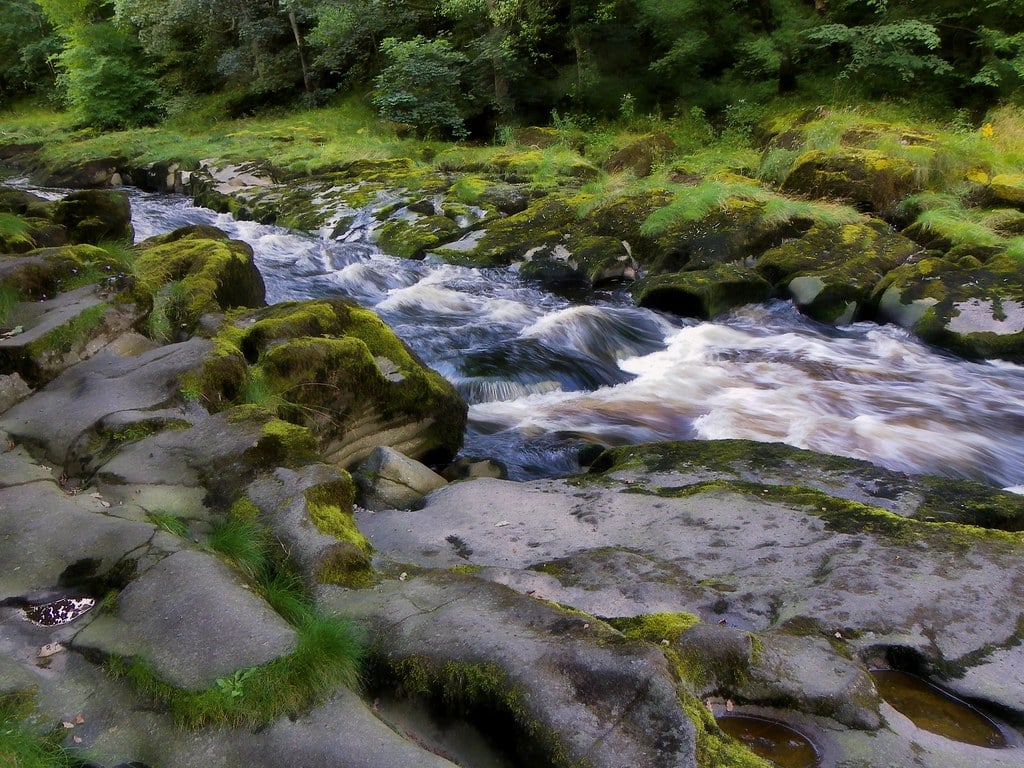
In Yorkshire, England, a stretch of the River Wharfe narrows to a gap you could theoretically jump across. The Strid looks almost inviting, a bubbling stream squeezed between rocks.
But beneath the surface, the riverbed drops into a maze of underwater caves and tunnels. The full volume of the river funnels through this compressed space, creating currents strong enough to trap anything that falls in.
Local lore claims the Strid has a 100 percent fatality rate. The actual statistics are unknown, but enough bodies have been recovered downstream to make the stretch notorious.
Warning signs line the banks, urging visitors not to attempt the jump that looks so easy from above.
When Water Writes Its Own Rules
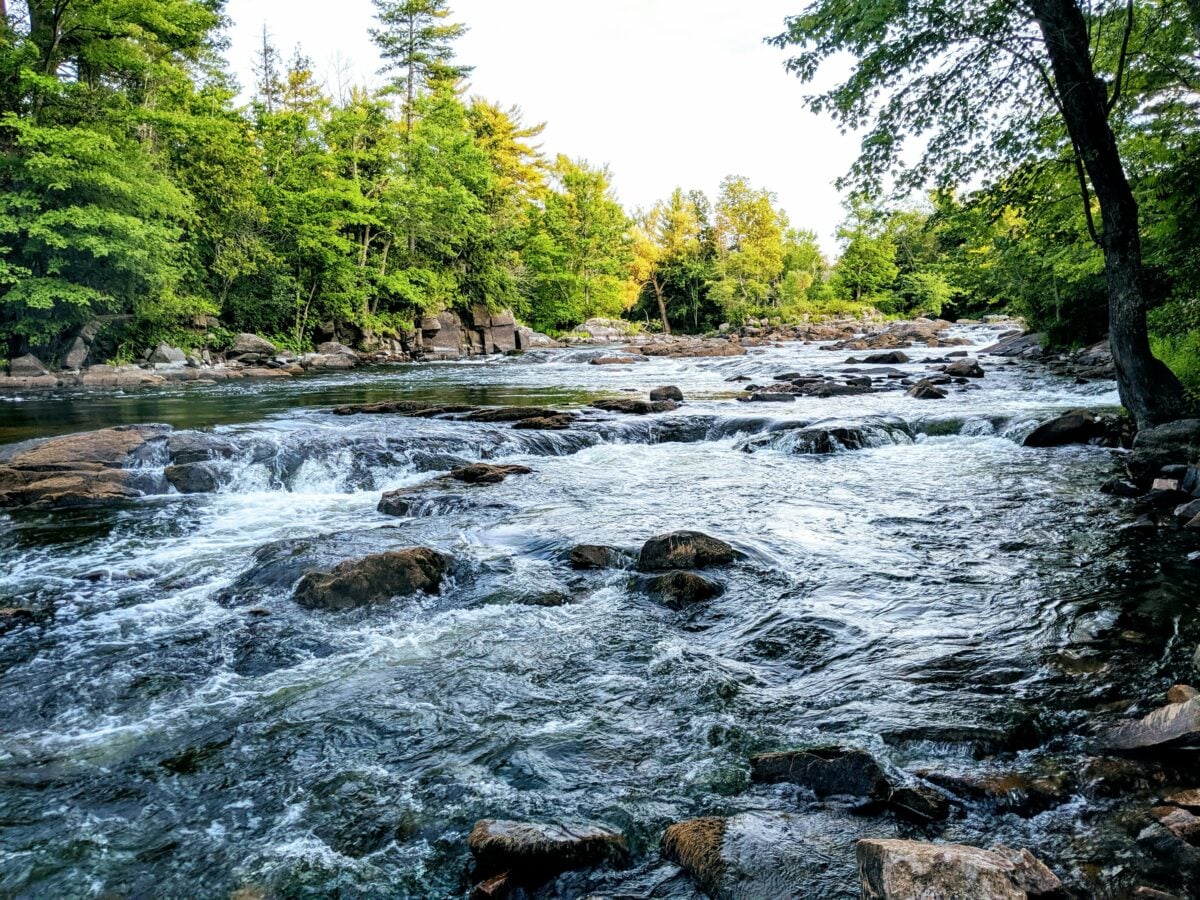
Water carves land and builds towns, yet strange rivers show nature won’t follow rules. Some shift hue, flow backward, steam like kettles, vanish below ground, or float beside another stream without blending.
Hidden forces – rock shifts, weather twists, chemical quirks, tidal tugs – bend their paths in ways few expect. These outliers whisper: Earth keeps testing ideas, crafting flows no book could foresee.
More from Go2Tutors!

- The Romanov Crown Jewels and Their Tragic Fate
- 13 Historical Mysteries That Science Still Can’t Solve
- Famous Hoaxes That Fooled the World for Years
- 15 Child Stars with Tragic Adult Lives
- 16 Famous Jewelry Pieces in History
Like Go2Tutors’s content? Follow us on MSN.



