Most Successful Kickstarter Campaigns
Kickstarter changed everything when it showed up in 2009, letting regular people with big ideas skip the whole bank loan nightmare and pitch straight to folks who might actually care. Someone could wake up with a crazy concept, throw together a video, and if enough people thought it was cool, boom—funding happened.
Most campaigns limp across the finish line or fall flat, but a few took off like rockets and made everyone rethink what crowdfunding could actually do. Let’s look at the projects that raked in the most cash and left everyone else wondering how they did it.
Pebble Time
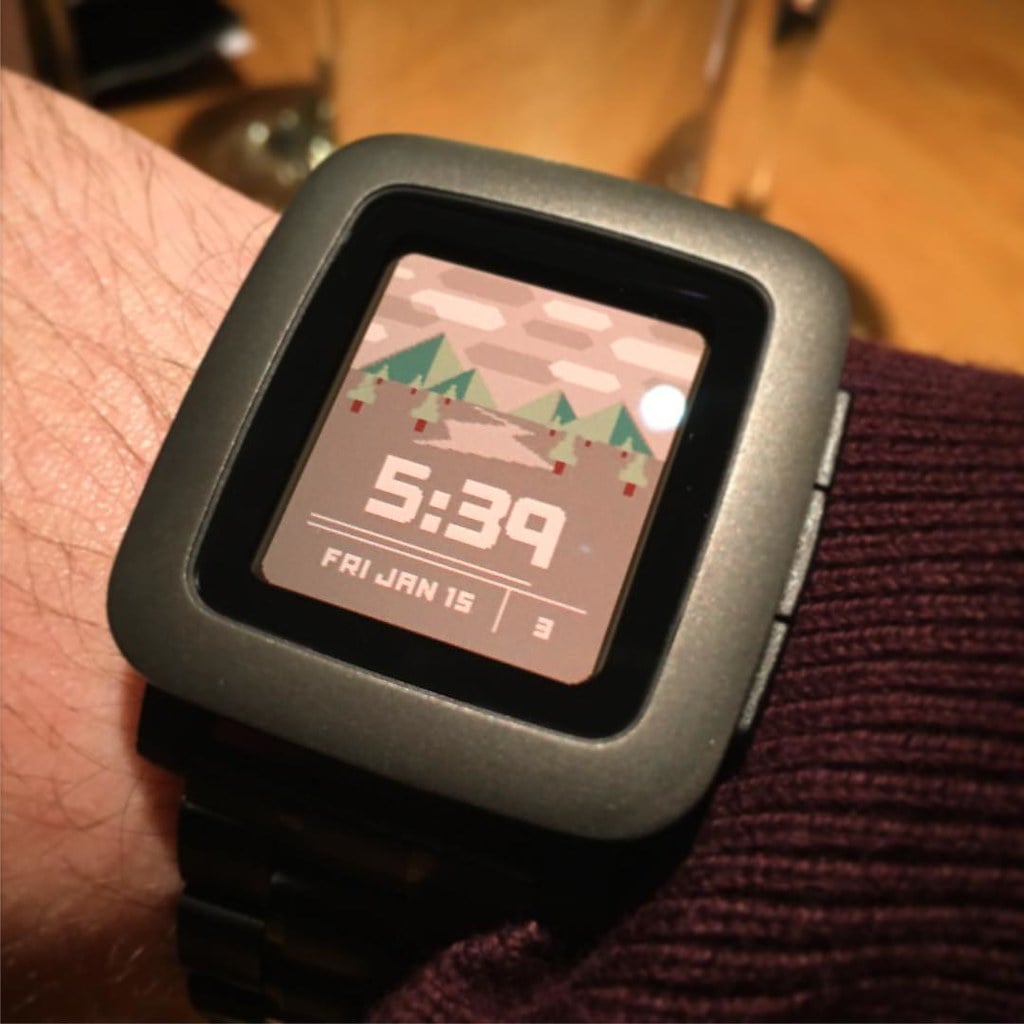
Back in 2015, this smartwatch pulled in over $20 million and made it look easy. Pebble already had fans from their first go-around, so when they came back with a color screen and better features, people practically threw money at them.
The watches were genuinely good too, simple and practical before everyone got obsessed with cramming every possible feature onto their wrists. Fitbit eventually bought them out, but plenty of people still miss their Pebbles and complain that nothing else feels quite right.
Coolest Cooler

Someone looked at a regular cooler and thought, what if this thing had a blender, speakers, and could charge your phone? That pitch raised $13 million in 2014 because it sounded perfect for beach days and tailgating.
The creator made a fun video showing all the features, and people got excited about never having to choose between cold drinks and frozen margaritas again. Things went sideways later when coolers stopped showing up, and a lot of backers learned the hard way that a successful campaign doesn’t mean you’ll actually get your stuff.
Pebble 2, Time 2, and Core
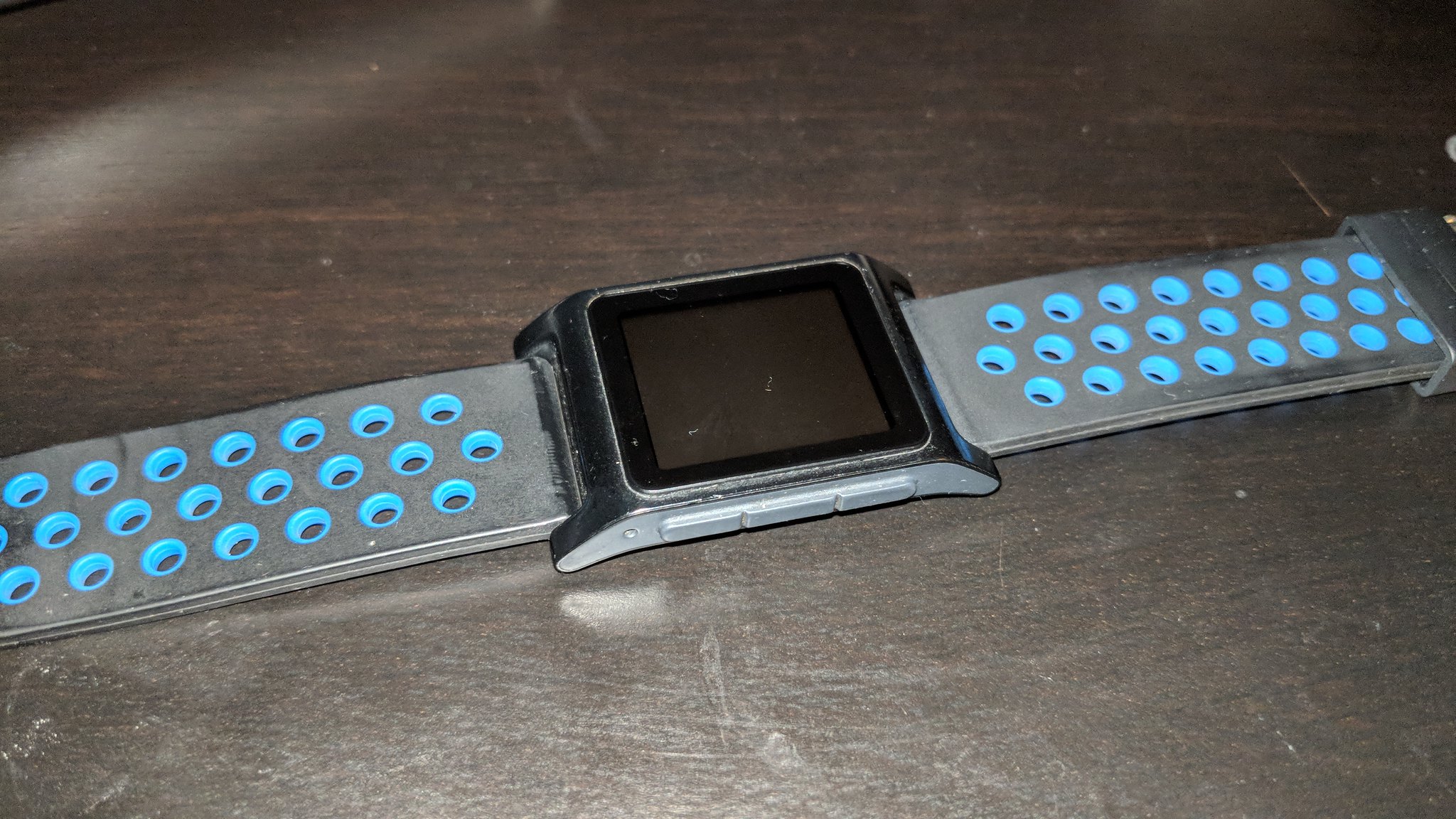
Pebble came back yet again in 2016 and grabbed another $12.8 million, which seemed insane considering Apple and Samsung were already selling smartwatches everywhere. But their fans stayed loyal because Pebble watches just worked without trying to do too much.
This time around they offered three different products, giving people options depending on what they wanted. The timing turned out rough though, because even with all that support, the company couldn’t keep up with the tech giants and eventually had to sell.
Kingdom Death: Monster 1.5
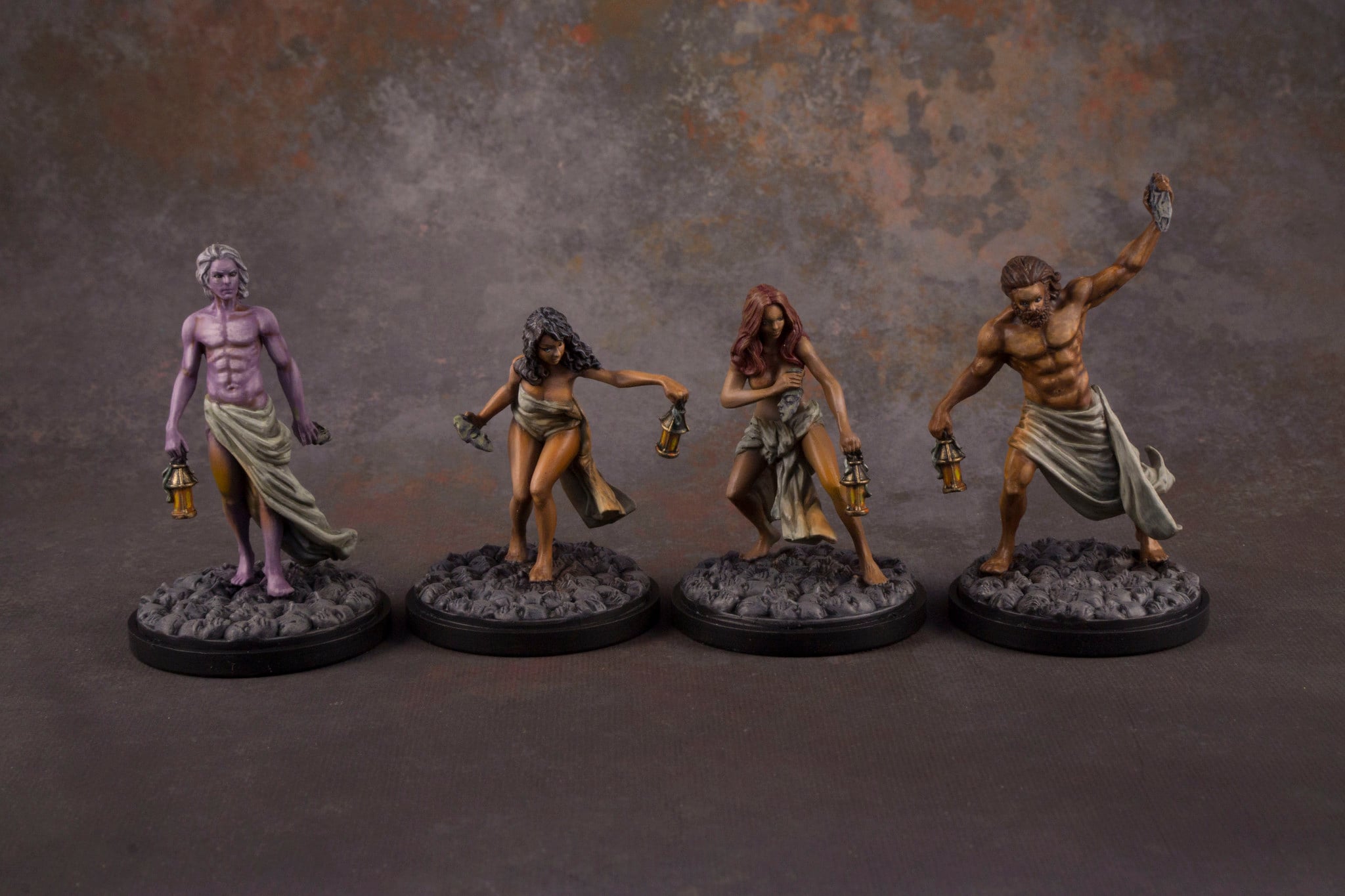
This board game raised $12.4 million in 2016 by being absolutely nothing like anything you’d find at Target. The game was dark, complicated, and expensive, with detailed monster figures that some backers spent hours painting.
Casual gamers took one look at the price and the mature themes and backed away slowly. Hardcore tabletop fans, though, saw something special and dropped serious money on expansions and upgrades that cost more than most people’s entire game collections.
Exploding Kittens
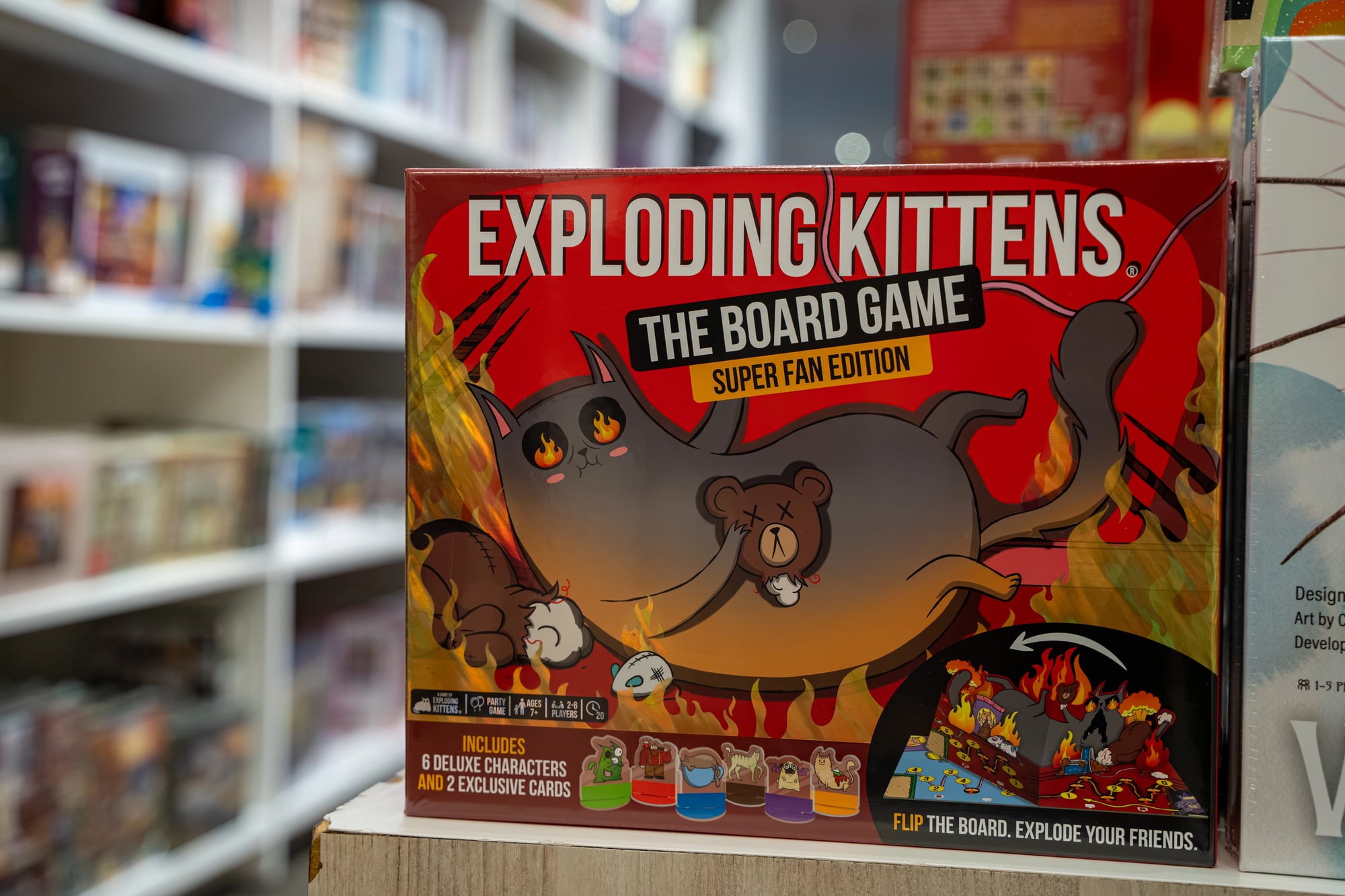
The guy who made The Oatmeal comics decided to make a card game in 2015, and $8.8 million later, everyone had a copy. The rules were dead simple—draw cards until someone pulls an exploding kitten and loses, unless they’ve got a defuse card to stop it.
The artwork had that same weird Oatmeal humor, with cats shooting lasers and doing ridiculous things. It proved you could sell a simple game if the concept made people laugh and the marketing felt fun instead of corporate.
Pono Music
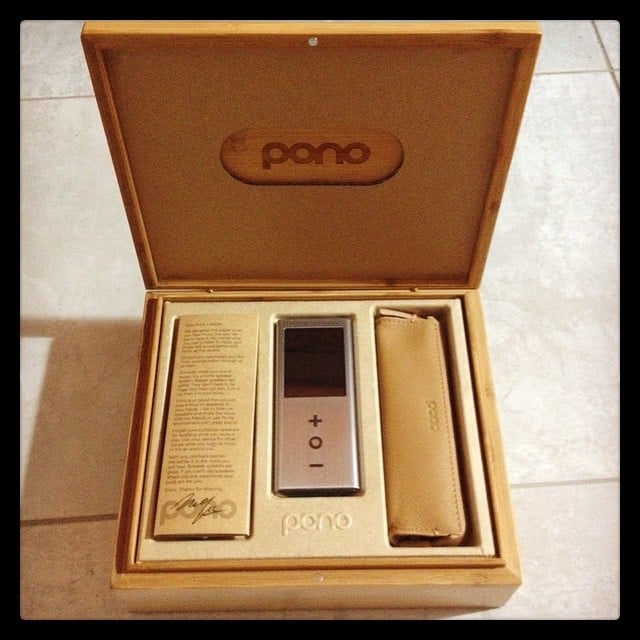
Neil Young really hated how compressed digital music sounded, so he raised $6.2 million in 2014 to build a better player. The triangle-shaped Pono device promised to make songs sound the way artists actually recorded them, not the watered-down versions people streamed.
Music snobs got excited about finally hearing every guitar string and cymbal crash clearly. Spotify and Apple Music won that battle though, and most people decided convenience beat quality, leaving Pono buyers with fancy gadgets they barely used.
Bring Back Mystery Science Theater 3000

Joel Hodgson wanted to revive the show where a guy trapped in space watches bad movies with his robot friends, and fans handed him $5.7 million in 2015 to make it happen. The original series had this devoted cult following who could quote every joke from episodes about terrible sci-fi flicks.
Netflix saw all that money and interest and picked up the new version, introducing younger viewers to the joy of watching people tear apart movies like ‘Mac and Me’ and ‘The Day Time Ended.’ The new episodes felt different from the old ones, but at least the show existed again.
Veronica Mars Movie Project
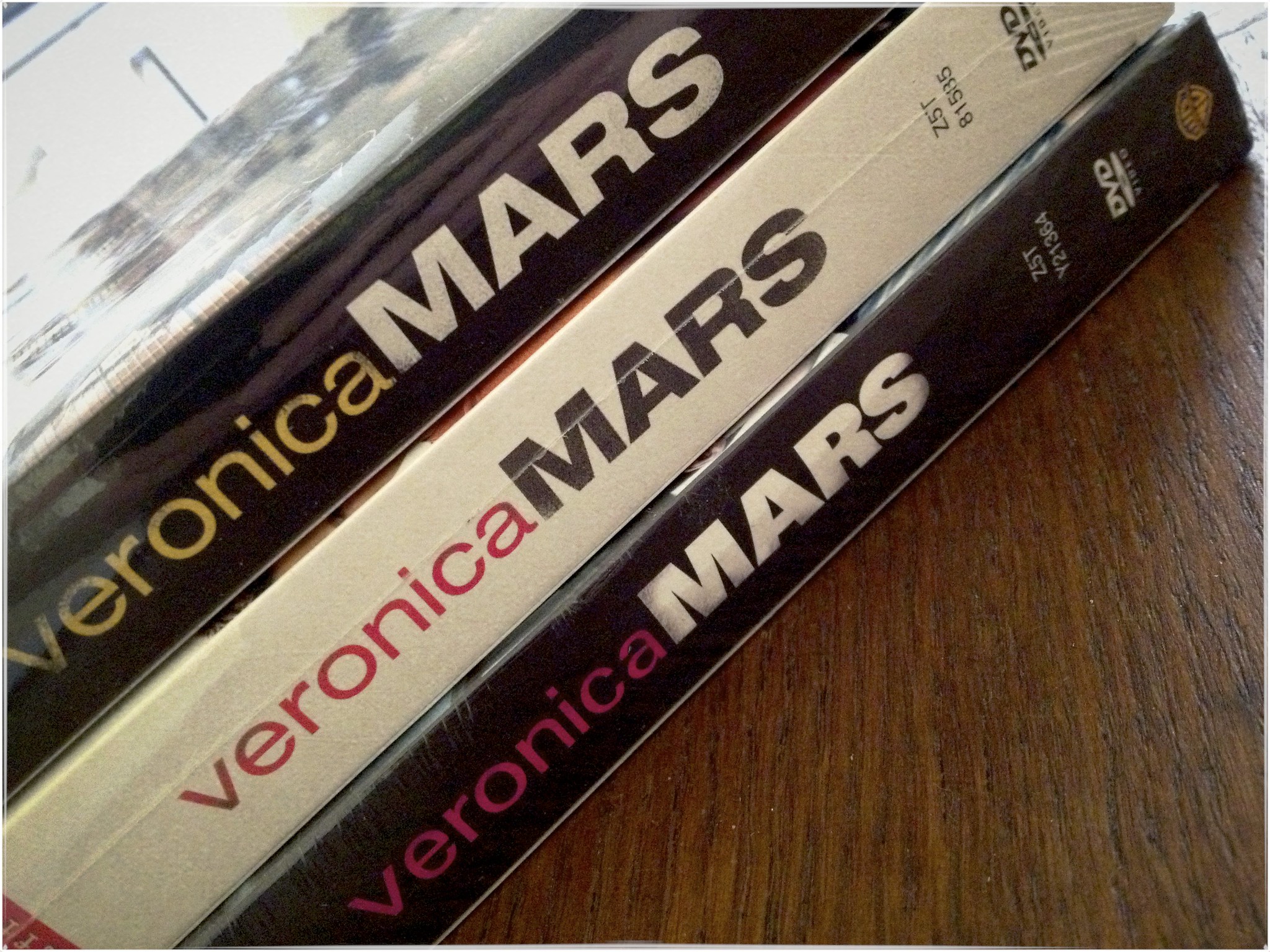
Rob Thomas and Kristen Bell asked fans in 2013 if they wanted to see Neptune’s teenage detective solve one more case, and people threw $5.7 million at them in a month. The show got canceled after three seasons, leaving storylines hanging and fans frustrated.
Warner Bros actually let the movie happen, and it played in theaters alongside regular Hollywood releases. Some fans thought it was great just to have closure, while others felt like the movie couldn’t quite capture what made the show special in the first place.
Reading Rainbow

LeVar Burton wanted to bring back the show that taught kids to love books, and nostalgia plus good intentions equaled $5.4 million in 2014. Everyone who grew up in the 80s and 90s remembered racing home to watch Burton introduce new stories and take field trips to interesting places.
The plan was to create a web version that could reach kids without access to good educational content. The campaign tapped into something real about wanting to pass that reading love to a new generation, even if the final product didn’t become the cultural force the original was.
Ouya
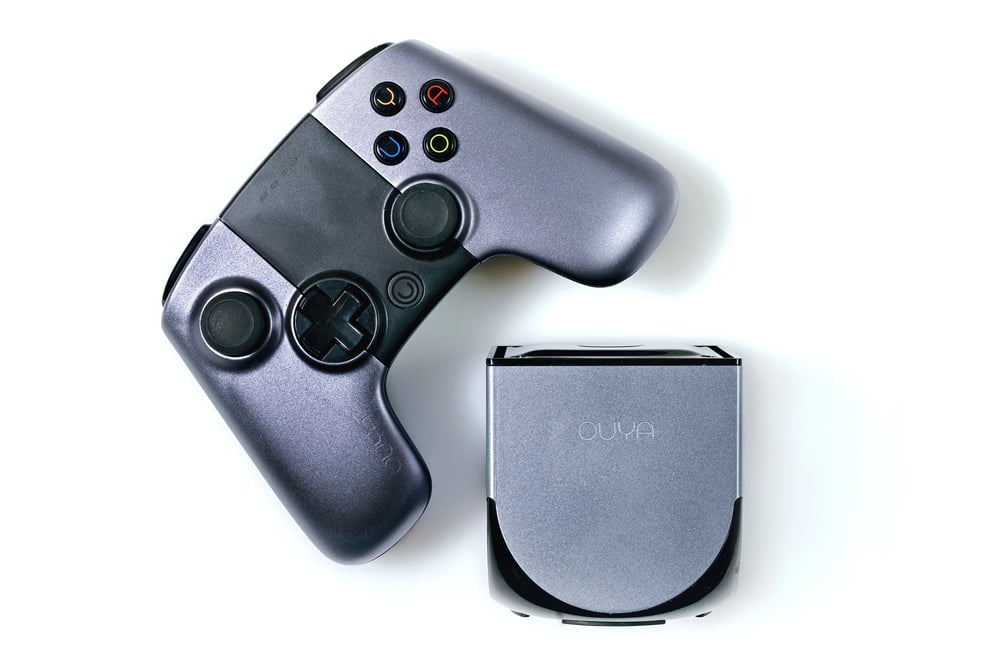
This little Android console raised $8.6 million in 2012 by promising to disrupt gaming and give indie developers a real platform. The pitch sounded great—open-source, affordable, and designed for games that wouldn’t fit on PlayStation or Xbox.
Reality hit hard though, because the hardware felt cheap and most games looked like phone apps blown up on a TV. The console died quietly, proving that taking on Sony and Microsoft required more than good intentions and crowdfunding money.
Star Citizen

Chris Roberts started this space game with $2.1 million from Kickstarter in 2012, then kept raising money until the total hit over $700 million from various sources. He promised an incredibly detailed universe where players could be traders, pirates, explorers, or whatever they wanted.
The game still isn’t finished after more than a decade, which drives some backers absolutely nuts. Others keep defending it and buying virtual spaceships that cost as much as used cars, believing the dream will eventually come true.
Shenmue III
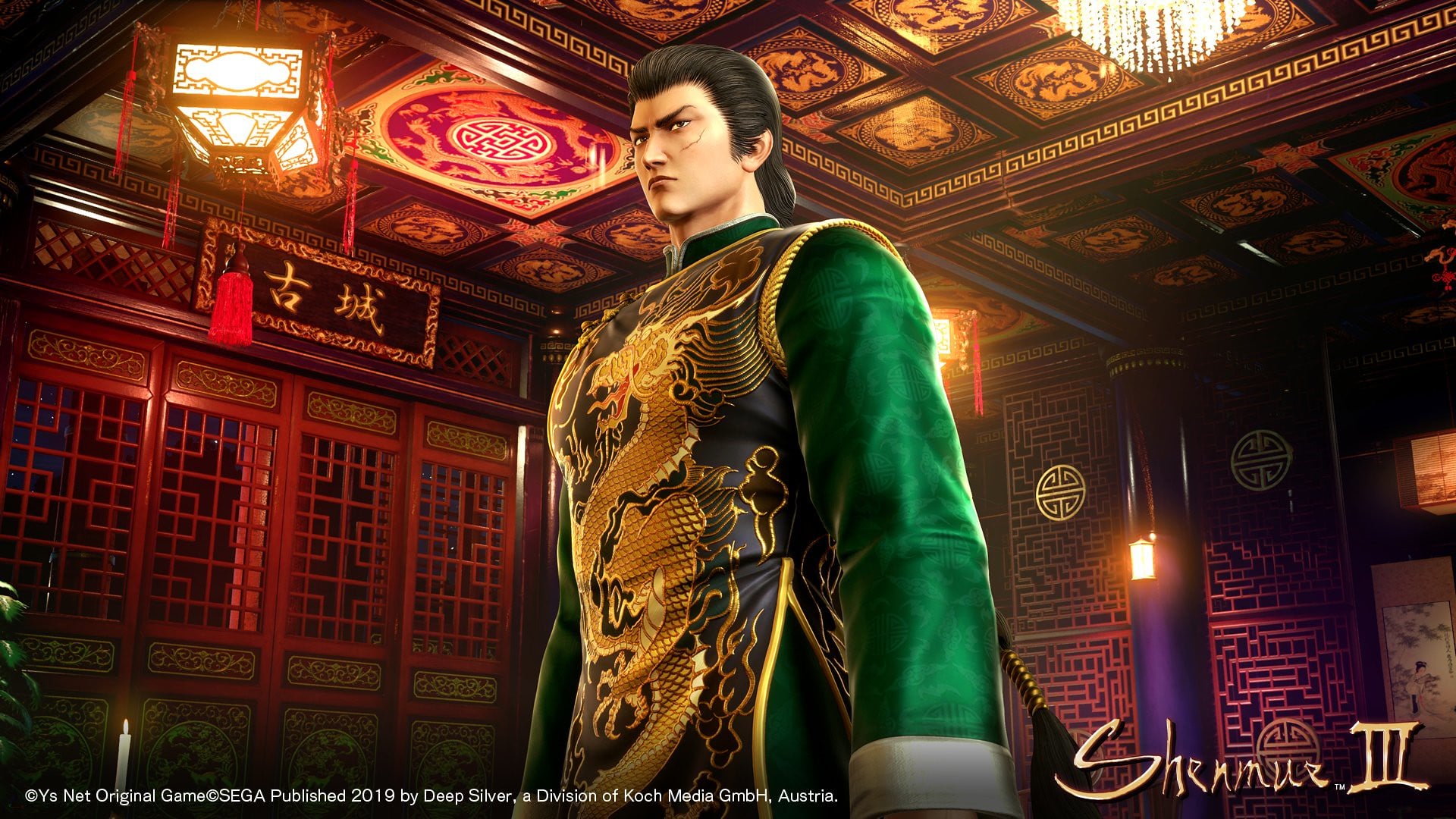
Fans waited 18 years for creator Yu Suzuki to finally announce a sequel at E3 2015, and the Kickstarter pulled in $6.3 million almost immediately. The original Dreamcast games were ambitious but flopped commercially, becoming beloved cult classics years later.
When the third game finally came out in 2019, it felt stuck in the past with old-school gameplay that modern reviewers criticized. Die-hard fans didn’t care one bit because they got to see Ryo Hazuki’s story continue, even if it wasn’t perfect.
Bloodstained: Ritual of the Night
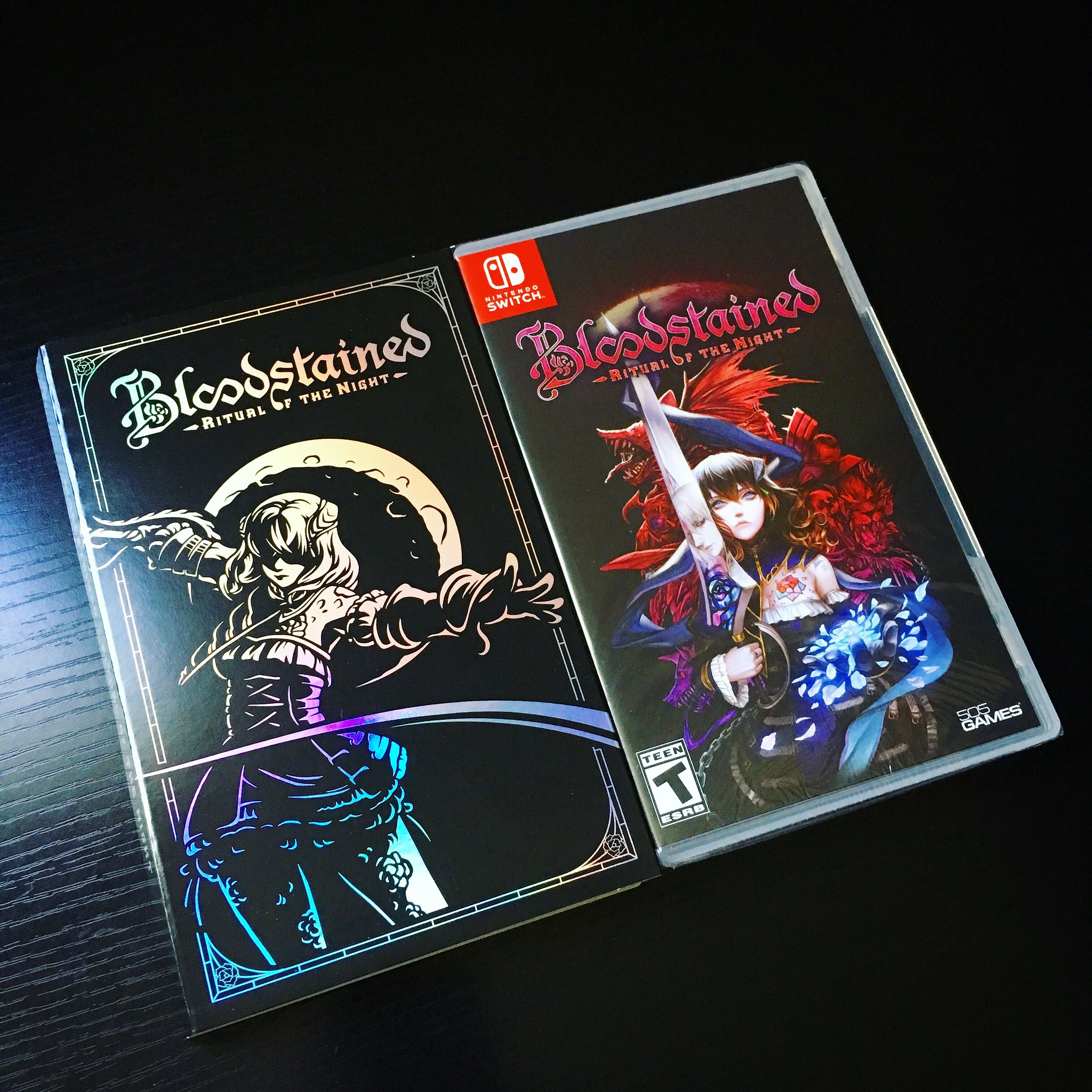
Koji Igarashi got tired of watching Konami ignore Castlevania, so he raised $5.5 million in 2015 to make his own version. The campaign became a middle finger to publishers who thought 2D action games were dead.
Backers waited patiently, and when Bloodstained launched in 2019, it delivered exactly what was promised—a huge castle to explore with tons of weapons and abilities. The game proved that old-school design still worked if someone who understood it was in charge.
The 7th Continent
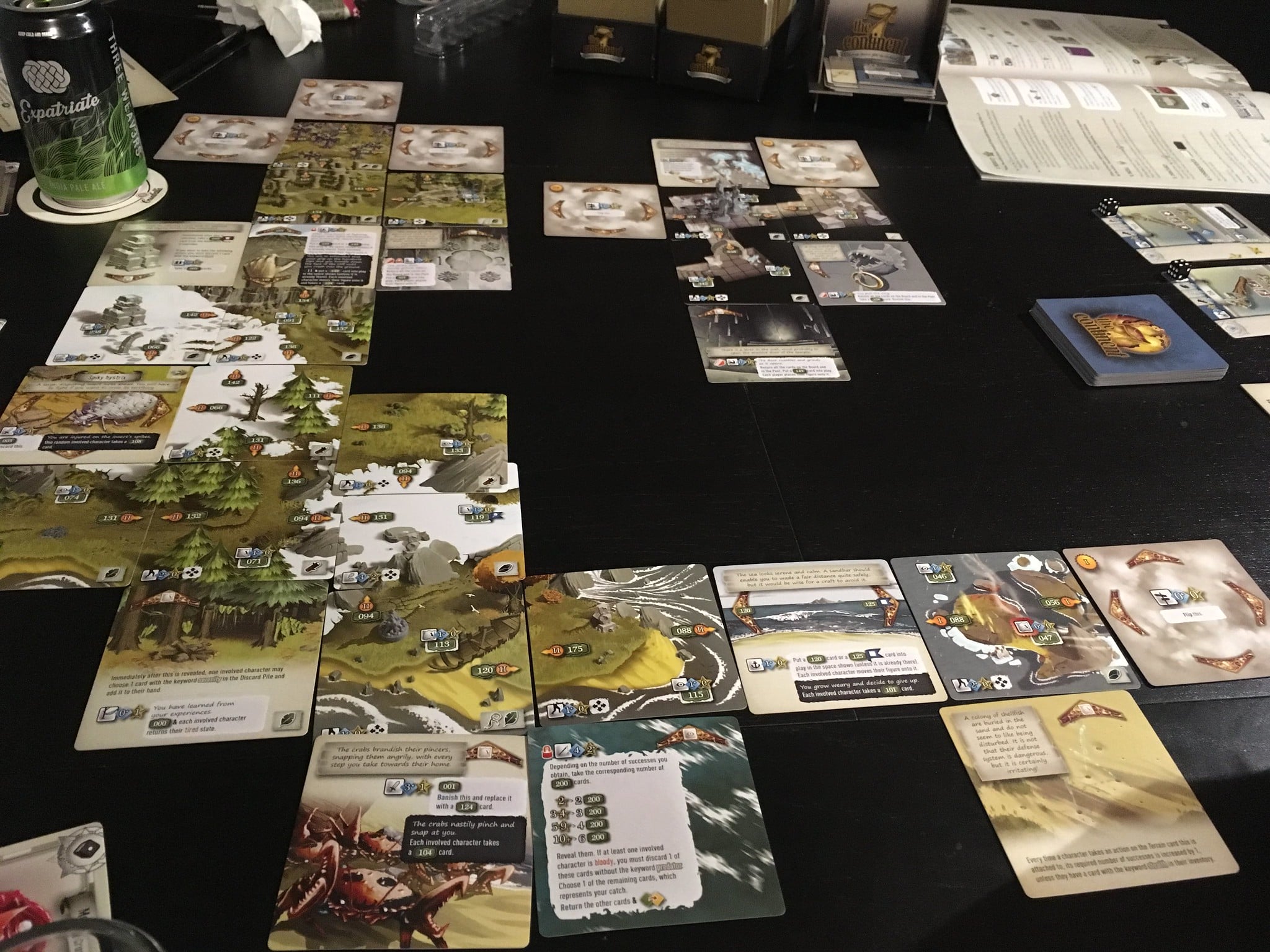
This French board game pulled in $7.1 million during its second campaign in 2017, which was wild for something most Americans had never heard of. Players worked together exploring a mysterious continent by flipping cards that revealed new locations and challenges.
The game could take 20-plus hours to finish a single curse, and backers received enough content to stay busy for months. The price made people wince, but fans insisted it was worth every penny for the amount of gameplay packed into that massive box.
Critical Role: The Legend of Vox Machina
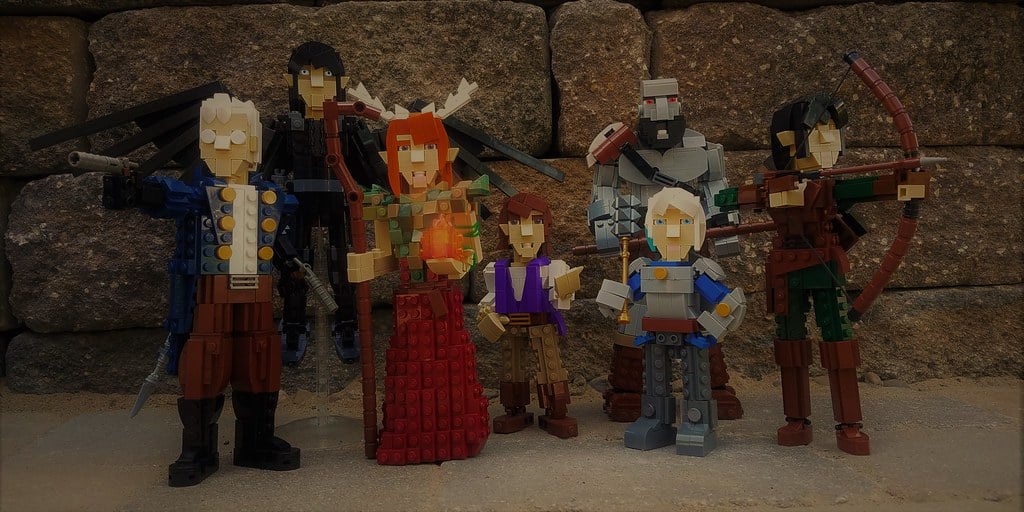
A bunch of voice actors who played Dungeons & Dragons on the internet raised $11.4 million in 2019 to animate their first campaign. Their fans were obsessive about these characters and their stories, and the campaign exploded way past the initial goal.
Amazon noticed all that money and enthusiasm, picking up the show for two seasons before the Kickstarter episodes even aired. The animated series turned out great, bringing in viewers who’d never considered watching other people play a tabletop game.
Frosthaven
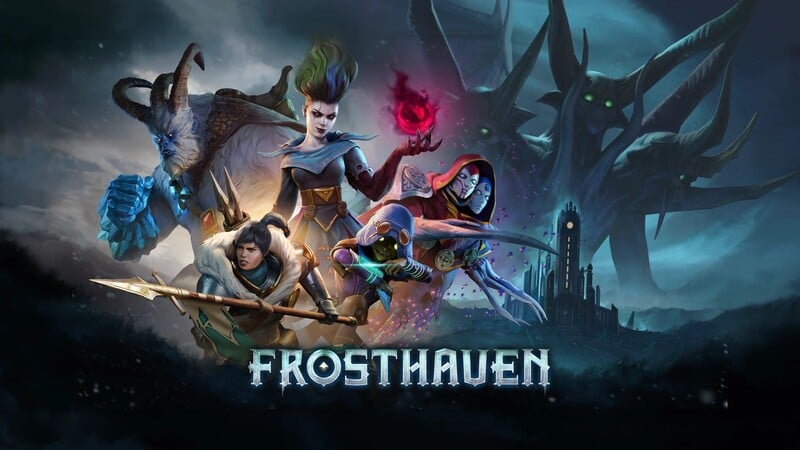
Isaac Childres followed up his massive hit Gloomhaven with this sequel that raised $12.9 million in 2020. The original game was already notorious for its enormous box and hundreds of hours of content.
This one went even bigger with new character classes, monsters, and enough cardboard to build a small fort. When boxes finally started arriving, backers needed help carrying them inside because the thing weighed over 20 pounds, but nobody complained about getting their money’s worth.
Brandon Sanderson’s Secret Projects
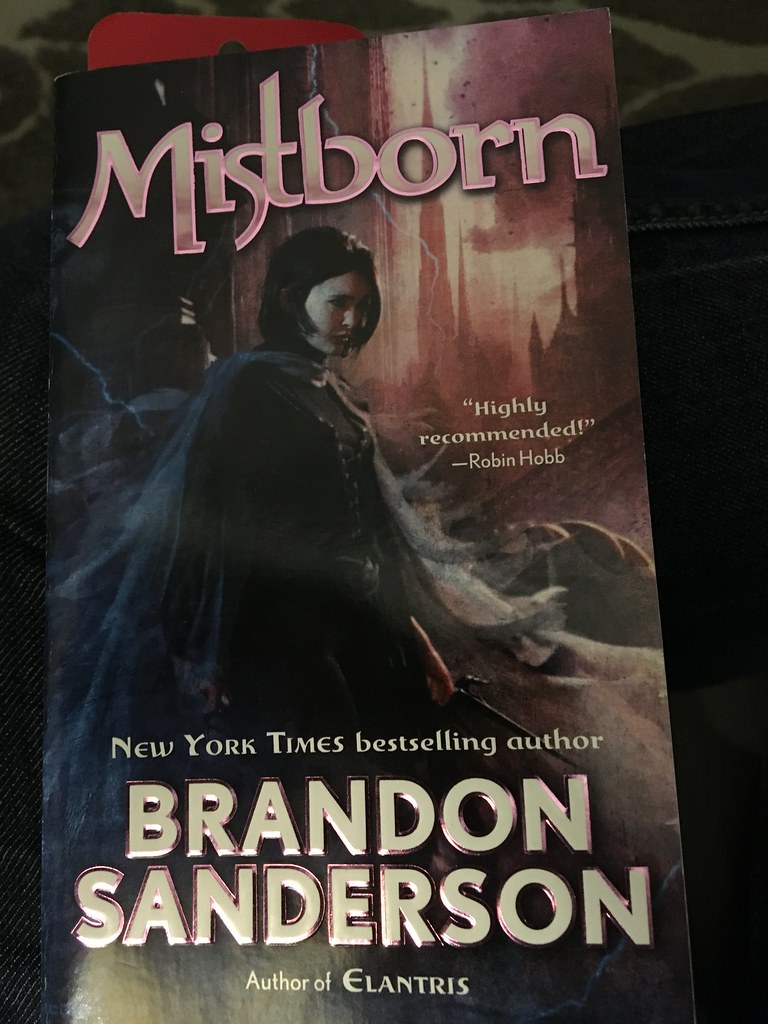
The fantasy writer completely blindsided everyone in 2022 by announcing four finished novels he’d written in secret during lockdown. Fans lost their minds, and the campaign raised $41.7 million in a month, crushing every previous record.
Elan Lee’s Unstable Unicorns
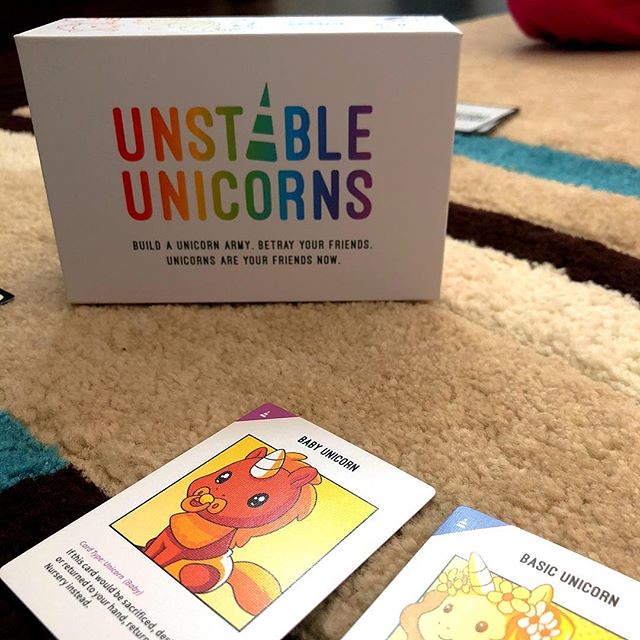
This card game about backstabbing your friends while building unicorn armies raised $1.8 million in 2017. Elan Lee had already helped create Exploding Kittens, so people trusted him to make another funny game that would cause arguments around the table.
The unicorn theme felt random but worked, and the gameplay gave players plenty of ways to mess with each other.
Where the money goes
These campaigns proved that people will fund almost anything if the pitch hits right, though getting the money is just the beginning of the story. Some creators delivered amazing products that changed their industries, while others collapsed under the pressure and left backers hanging.
Kickstarter keeps churning out new record-breakers every year, with creators constantly finding new ways to get people excited about ideas that traditional companies won’t touch.
More from Go2Tutors!

- The Romanov Crown Jewels and Their Tragic Fate
- 13 Historical Mysteries That Science Still Can’t Solve
- Famous Hoaxes That Fooled the World for Years
- 15 Child Stars with Tragic Adult Lives
- 16 Famous Jewelry Pieces in History
Like Go2Tutors’s content? Follow us on MSN.


