13 Corporate Lies That Changed Public Health
The history of public health reads like a thriller where the villains wore suits and the weapons were press releases. Corporate boardrooms became laboratories for manufacturing doubt, and marketing departments turned into psychological warfare units targeting anyone who dared suggest their products might harm people.
The casualties weren’t just individuals — entire generations fell victim to carefully orchestrated deception campaigns that prioritized profit over human life. These weren’t innocent mistakes or oversights.
They were calculated lies, repeated until they became accepted truth, defended by armies of scientists-for-hire and amplified through media channels that corporate money could buy. The playbook was simple: create doubt, delay regulation, and keep selling. What changed was the scale and sophistication of the deception.
Sugar’s Innocent Sweetness

Sugar companies quietly funded research in the 1960s that blamed fat for heart disease while positioning sugar as harmless. They paid Harvard researchers to publish studies that downplayed sugar’s role in cardiovascular problems, successfully shifting dietary guidelines away from limiting sugar consumption.
The obesity epidemic that followed wasn’t an accident.
Asbestos as the Miracle Fiber
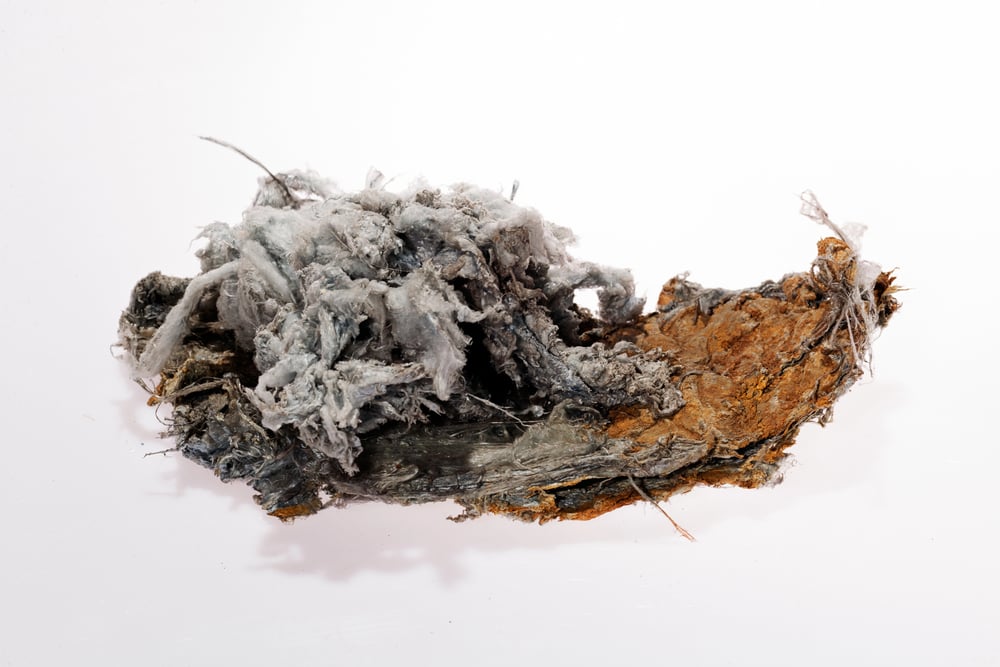
For decades, asbestos manufacturers promoted their product as a wonder material while hiding evidence of its deadly effects (lung disease and cancer weren’t mentioned in the promotional materials, which is saying something). Companies like Johns Manville knew asbestos killed workers but calculated that lawsuits would cost less than stopping production.
The human cost was in the hundreds of thousands — but the profit margins stayed healthy, and that apparently mattered more. Workers who handled asbestos daily were told it was perfectly safe, even as company executives privately discussed the mounting evidence of its dangers.
The lies continued well into the 1970s, long after the health risks were undeniable. Even when regulations finally arrived, companies fought them every step of the way.
Lead Paint’s Child-Friendly Formula

Paint manufacturers knew lead was poisoning children but kept selling it anyway while funding studies that questioned the link between lead exposure and brain damage. They marketed lead paint as durable and beautiful, conveniently omitting the part about permanent neurological damage in developing children.
The campaign worked for decades.
DDT’s Environmental Safety
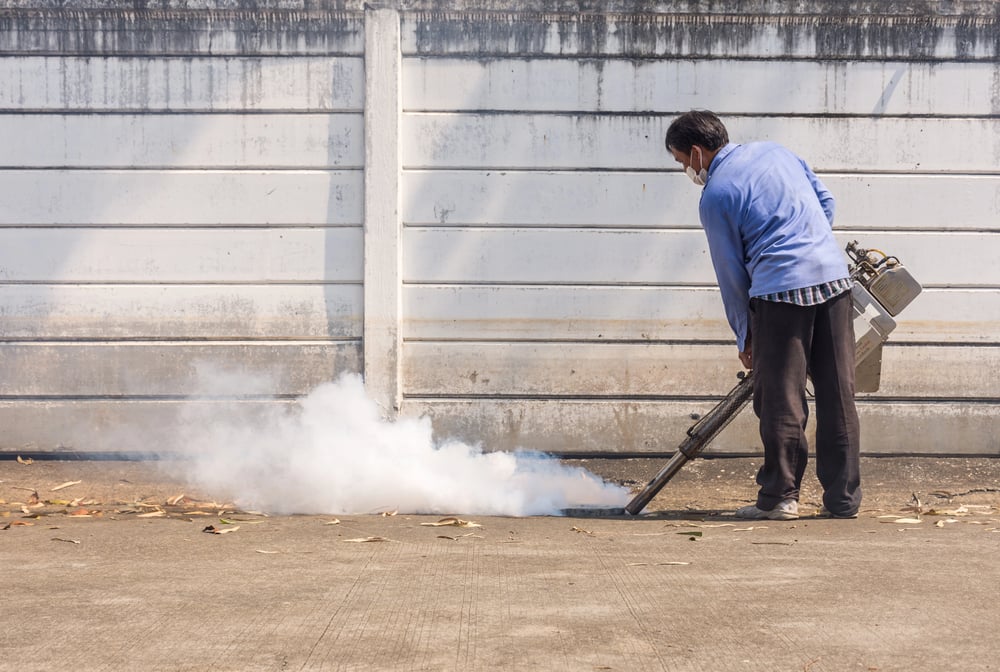
Chemical companies promoted DDT as completely harmless to humans and the environment, funding studies that dismissed early warnings about its ecological impact. They attacked Rachel Carson’s “Silent Spring” with a viciousness that revealed just how much money was at stake, calling her hysterical and unscientific while knowing she was right.
But here’s the thing about lies that big: they leave traces everywhere, like chemical residue that won’t wash out. The companies funding the counter-research weren’t just defending a product — they were protecting an entire worldview where nature existed solely as a resource to be exploited, and any suggestion that human activity could have unintended consequences was treated as an attack on progress itself.
Even now, the playbook they wrote in the 1960s gets dusted off whenever environmental regulations threaten corporate profits. So when DDT was finally banned in the United States, it wasn’t because the science suddenly became clearer. The science had been clear for years.
Fossil Fuels’ Climate Confusion

Oil companies understood climate change by the 1970s but spent millions creating fake grassroots organizations to question global warming science. ExxonMobil’s internal research accurately predicted temperature increases while their public statements denied any link between fossil fuels and climate change.
The deception continued for decades.
Teflon’s Non-Toxic Coating

DuPont knew its Teflon manufacturing process released toxic chemicals into water supplies but told communities and workers the substances were harmless. Internal documents revealed they called one chemical “highly toxic” while publicly claiming it posed no health risks.
Birth defects and cancers followed in affected areas.
Formaldehyde’s Household Safety
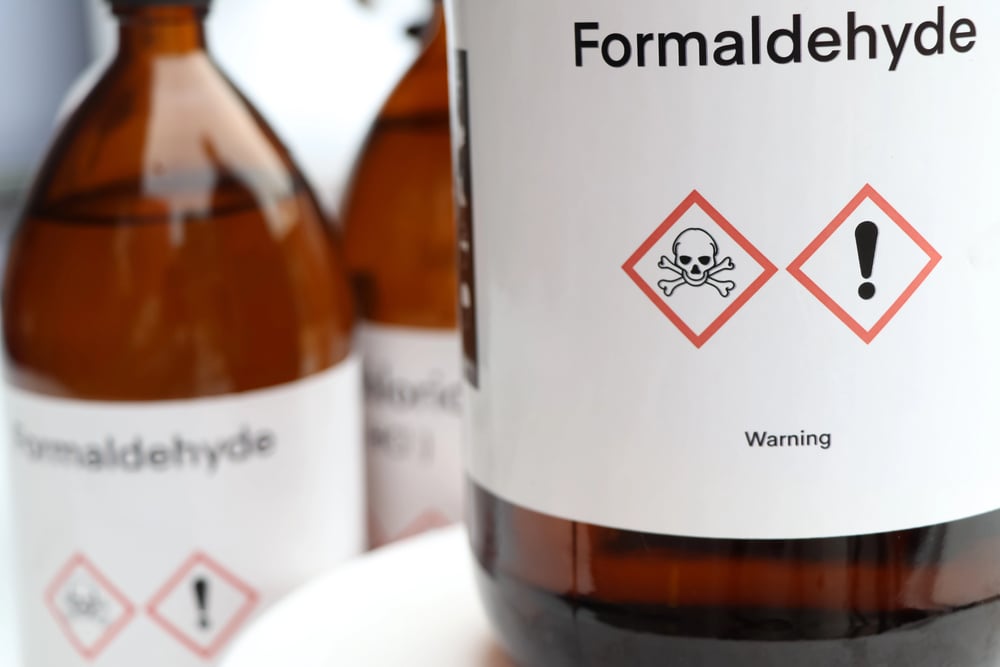
Chemical manufacturers downplayed formaldehyde’s cancer risks in household products like furniture and building materials. They funded industry groups that challenged research linking formaldehyde exposure to leukemia and other cancers, successfully delaying regulations for years while people remained unknowingly exposed in their homes.
It’s worth understanding what “downplaying” meant in practice: taking studies that showed clear health risks and finding ways to make them sound uncertain, incomplete, or irrelevant. The strategy wasn’t to prove formaldehyde was safe (because that was impossible) but to create enough doubt that regulations could be postponed indefinitely.
And it worked — furniture manufacturers kept using formaldehyde-heavy adhesives, mobile home companies kept installing formaldehyde-treated materials, and people kept getting sick in spaces that were supposed to be safe. The beauty of the strategy, from a corporate perspective, was its simplicity.
You didn’t need to prove your product was harmless — you just needed to prevent anyone from proving it was harmful beyond all reasonable doubt. In science, there’s always more research to be done, always another variable to consider, always a reason to wait for more definitive evidence.
Processed Food’s Nutritional Value

Food manufacturers convinced the public that processed foods were as nutritious as whole foods while adding preservatives, artificial colors, and flavor enhancers linked to health problems. They funded nutrition research that supported processed food consumption and attacked whole food advocates as anti-science extremists promoting expensive, unnecessary dietary changes.
Vinyl Chloride’s Worker Protection
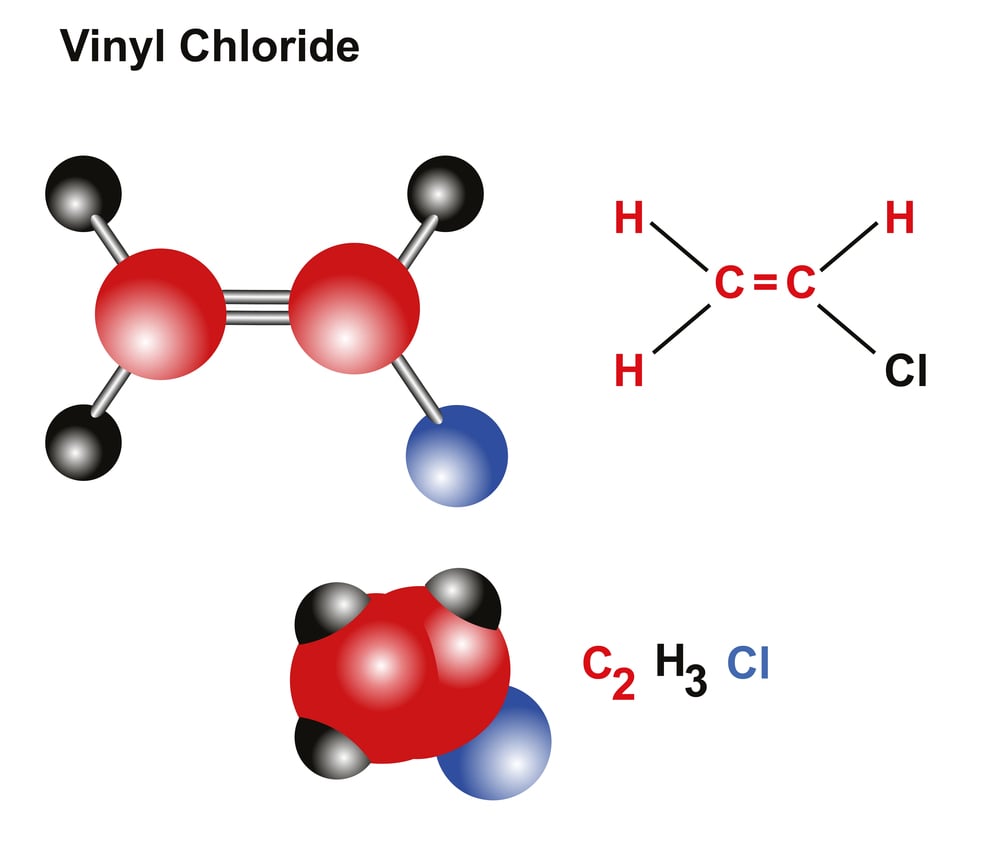
Chemical companies told workers that vinyl chloride exposure was safe while knowing it caused liver cancer and other serious health problems. They suppressed internal studies showing elevated cancer rates among workers and fought against workplace safety regulations.
The lies continued until government investigations forced the truth into the open. Factories became proving grounds for a simple equation: how much poison could workers absorb before they stopped being productive? (The answer turned out to be more than you’d think, which probably explains why the deception lasted so long.)
Companies tracked illness rates internally while publicly maintaining that their facilities posed no unusual health risks. When workers started dying of rare liver cancers, the companies blamed other factors — lifestyle choices, genetics, anything except the chemicals workers breathed for eight hours a day.
The most telling detail wasn’t the cover-up itself but how systematic it was: companies shared information about health risks with each other while keeping workers completely in the dark. They knew exactly what they were doing to people and chose to do it anyway because replacing workers was cheaper than replacing equipment.
Even when safer alternatives became available, they delayed implementation to squeeze more profit from existing infrastructure. But truth has this stubborn quality — it doesn’t disappear just because it’s inconvenient, and eventually, the evidence becomes impossible to ignore.
Pesticide’s Food Safety Promise

Agricultural chemical companies promoted pesticides as essential for food safety while downplaying health risks to farmworkers and consumers. They funded studies showing minimal health impacts and lobbied against restrictions on chemicals later linked to neurological problems, reproductive issues, and cancer.
Pharmaceutical Price Justification

Drug companies claimed high medication prices reflected research and development costs while spending more on marketing than research and charging Americans dramatically more than patients in other countries for identical medications. They created patient advocacy groups that were actually corporate-funded marketing operations designed to oppose price regulations.
The arithmetic was never mysterious. Take insulin — a drug discovered in the 1920s with production costs measured in dollars — and watch companies price it in the hundreds while people rationed doses and died from lack of access.
The research and development argument falls apart pretty quickly when you realize the same companies were selling identical products in other countries for a fraction of the American price. Turns out the free market isn’t quite as free when the alternative to paying is death.
But that’s the thing about essential medications: demand doesn’t respond to price the way economics textbooks suggest it should. People don’t shop around for the best deal on heart medication or choose generic alternatives to insulin (because for years, there weren’t any).
Companies understood this perfectly and priced accordingly — not based on what the drugs cost to make or even what they were worth, but based on what people would pay to stay alive.
Processed Meat’s Health Benefits

Meat processing companies promoted processed meats as healthy protein sources while knowing about links to cancer and heart disease. They funded nutrition research that questioned these connections and created marketing campaigns positioning processed meats as part of a balanced diet, especially targeting children and health-conscious consumers.
Chemical Sunscreen’s Universal Safety

Cosmetic companies claimed chemical sunscreens were safe for all skin types and marine environments while knowing about hormone disruption and coral reef damage. They lobbied against regulations requiring disclosure of environmental impacts and funded studies that minimized health concerns about chemical UV filters.
Chemical sunscreens became a perfect example of the modern corporate lie: complex enough that most people couldn’t evaluate the claims, beneficial enough that questioning them seemed unreasonable, and profitable enough that companies would fight hard to protect them. The marketing was brilliant — who wants to argue against sun protection? The health claims were compelling — dermatologists recommended daily use.
The environmental concerns were abstract enough to ignore. But the chemistry told a different story. Chemical filters that absorbed UV light were also absorbed through the skin, showing up in bloodstreams and breast milk at levels that should have raised questions decades earlier.
Meanwhile, coral reefs were bleaching in patterns that correlated suspiciously with tourist destinations where chemical sunscreens washed off swimmers in massive quantities. The companies knew about both problems but calculated that admitting them would cost more than continuing to deny them.
So they kept the studies quiet, funded counter-research when necessary, and positioned anyone raising concerns as anti-science fear-mongers who wanted people to get skin cancer. It worked for years — until the evidence became too overwhelming to dismiss and regulations started catching up with reality.
The Reckoning That Never Quite Arrives

These lies didn’t just kill people — they taught other companies how to kill people more efficiently. The playbook got refined with each iteration: fund your own research, attack independent scientists, create fake grassroots organizations, capture regulatory agencies, and delay accountability until the profits are safely banked and the executives have moved on to other companies.
What’s remarkable isn’t that corporations lied, but that they’ve faced so few consequences for lying. Most of the companies mentioned here are still operating, still profitable, still using variations of the same strategies.
They pay fines that represent a fraction of their profits and promise to do better while their lawyers work on the next round of delays and appeals. The real victory wasn’t fooling the public forever — it was fooling them long enough to matter. Long enough for generations to be exposed, for ecosystems to be damaged, for cheaper alternatives to be driven out of the market, for regulatory agencies to be captured, and for the cost of change to become someone else’s problem.
More from Go2Tutors!

- The Romanov Crown Jewels and Their Tragic Fate
- 13 Historical Mysteries That Science Still Can’t Solve
- Famous Hoaxes That Fooled the World for Years
- 15 Child Stars with Tragic Adult Lives
- 16 Famous Jewelry Pieces in History
Like Go2Tutors’s content? Follow us on MSN.