Why humans love collecting odd objects
Walk into any house and you’ll probably find at least one collection. Maybe it’s buttons in a mason jar, vintage postcards stuck to a refrigerator, or rubber ducks lining a bathroom shelf.
People collect the strangest things, and there’s actually some fascinating science behind why we do it. Let’s dive into the weird and wonderful world of human collecting behavior.
The brain gets a reward rush from finding new items
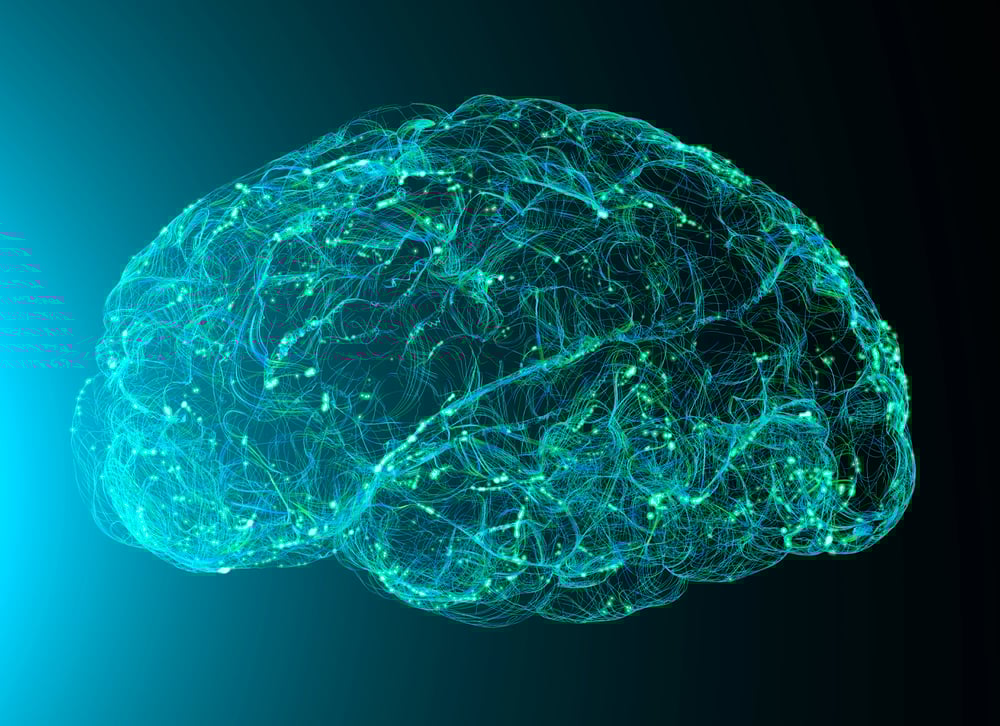
Shopping can trigger dopamine release, or a “dopamine rush.” When collectors find something new for their collection, their brain floods with feel-good chemicals.
Whenever the reward circuit is activated by a healthy, pleasurable experience, a burst of dopamine signals that something important is happening that needs to be remembered. It’s the same feeling people get from eating chocolate or winning a game.
Finding that perfect vintage bottle cap or unique coin creates an instant mood boost that keeps collectors coming back for more.
Rarity makes objects more exciting to the brain

The rarity of a piece can not only make it valuable, but it can also stimulate certain parts of the brain that register this uniqueness. Scientists call this the oddball effect, and it explains why people get so excited about unusual finds.
Common items don’t create the same brain response as rare ones do. When someone spots a limited edition item or something truly unique, their brain lights up like a Christmas tree.
This neurological reaction makes the hunt for rare items almost addictive.
Like Go2Tutors’s content? Follow us on MSN.
Collections help people feel in control

The human desire to collect possessions has been long recognized in historical and cultural studies. In a world that often feels chaotic, collections provide a sense of order and control.
People can organize, categorize, and arrange their items exactly how they want them. There’s something deeply satisfying about having complete control over at least one small corner of life.
Collections become personal kingdoms where the collector makes all the rules.
Collecting connects people to their childhood memories

Many adult collectors are trying to recapture feelings from their youth. That person collecting toy trains might be remembering Christmas mornings or time spent with their grandfather.
Vintage lunch boxes bring back memories of elementary school friendships. Collections become time machines that transport people back to simpler, happier moments.
The objects themselves matter less than the emotions and memories they trigger.
Collections create instant social connections
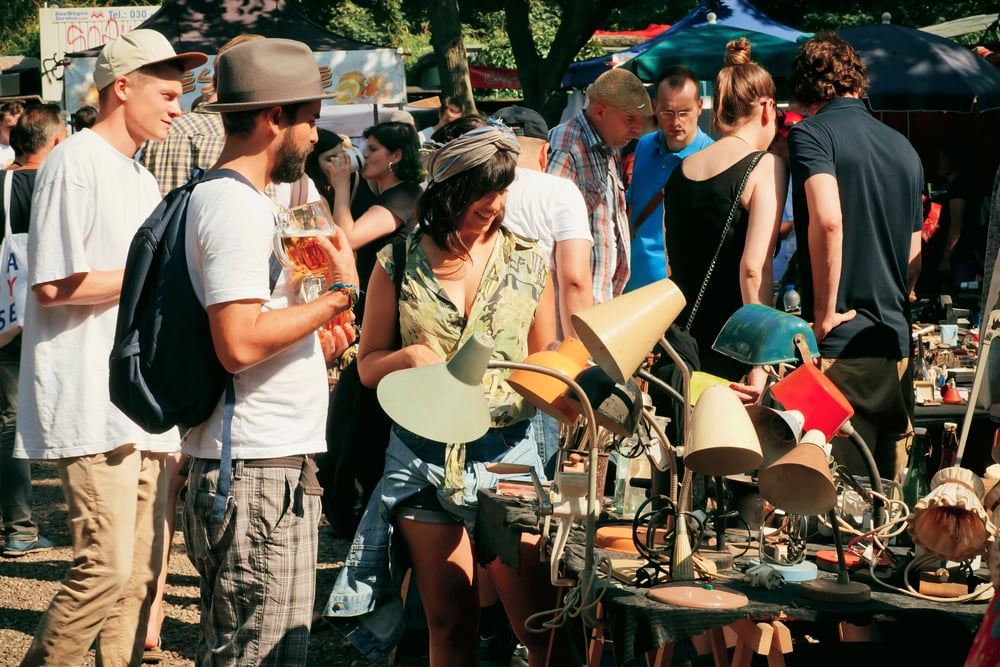
Collectors are seen to earn personal utility from assembling collections of objects that convey meaning to them or provide outlets for artistic expression and aesthetic pleasure. When collectors meet other people who share their interests, they form immediate bonds.
Stamp collectors can talk for hours with other stamp collectors about watermarks and printing errors. These shared interests create communities where people who might otherwise have nothing in common become fast friends.
Like Go2Tutors’s content? Follow us on MSN.
The hunt is often more exciting than the prize
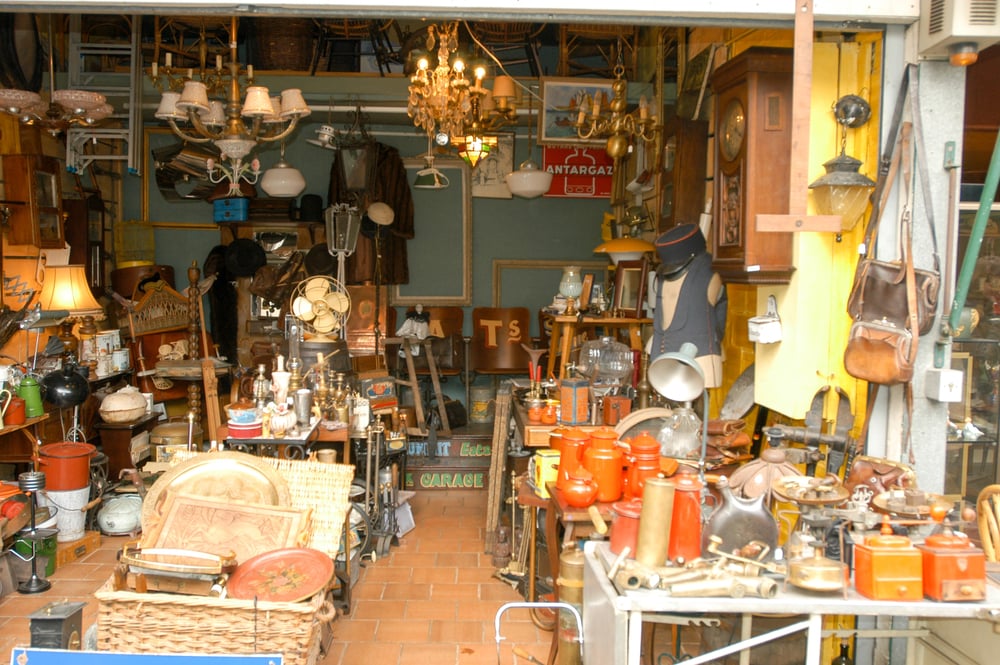
Many collectors say the search is the best part of collecting. Scouring thrift stores, estate sales, and online auctions creates a sense of adventure.
Every new venue might hold that one special item they’ve been looking for. The anticipation and excitement of the hunt often outweighs the satisfaction of actually finding something.
It’s like being a treasure hunter in everyday life.
Collections tell personal stories

Each collection reflects the collector’s personality, interests, and life experiences. Someone who collects vintage cameras might be a photography enthusiast or someone who values craftsmanship from earlier eras.
Collections become autobiographies told through objects. Friends and family members can learn a lot about someone just by looking at what they choose to collect and how they display it.
Completing sets triggers satisfaction centers

There’s something deeply satisfying about having every piece in a series. Whether it’s all 50 state quarters or every book in a particular series, completion creates a powerful sense of accomplishment.
The brain rewards this completion with a flood of good feelings. Many collectors describe the moment they finish a set as one of pure joy, even if the individual items aren’t particularly valuable.
Like Go2Tutors’s content? Follow us on MSN.
Collections provide a safe way to express obsessive tendencies

There can seem to be a very fine line between collecting and obsessing. Many people have naturally obsessive personalities, and collecting gives them a healthy outlet for these tendencies.
Instead of obsessing over things they can’t control, they can focus their intense energy on building and organizing their collections. This channeling of obsessive behavior into collecting can actually be quite therapeutic.
Objects become extensions of personal identity

Collectors are a very unique breed: they are driven to collect a particular type of item. What someone collects often becomes part of how they see themselves and how others see them.
The person known for their button collection becomes “the button person” in their social circle. Collections help define identity and give people a unique characteristic that sets them apart from others.
Collecting satisfies the human need to categorize

Humans are natural organizers who like to sort things into groups. Collections satisfy this deep psychological need to categorize and classify.
Whether arranging books by author, coins by year, or stamps by country, collectors engage in a fundamental human behavior. This organizing activity helps people make sense of the world around them and brings order to chaos.
Like Go2Tutors’s content? Follow us on MSN.
Fear of loss drives some collecting behavior

Some people collect things because they’re afraid these items will disappear forever. They become guardians of objects that might otherwise be thrown away or forgotten.
Collectors of old photographs, vintage advertisements, or antique tools often see themselves as preserving history. This preservation instinct gives their collecting a sense of purpose beyond personal enjoyment.
Collections provide comfort during difficult times

When life gets stressful, many people turn to their collections for comfort. Arranging, cleaning, or simply looking at treasured items can be deeply soothing.
Collections represent stability in an unstable world. The familiar weight of a favorite coin or the texture of a beloved book can provide instant emotional comfort during tough times.
Digital collecting satisfies the same psychological needs

Even though we live in a digital age, people still need to collect things. Online collections of photos, music, or digital art trigger the same reward pathways in the brain as physical collections do.
Social media itself has become a form of collecting, with people curating feeds and saving posts. The medium has changed, but the underlying human drive to gather and organize remains the same.
Like Go2Tutors’s content? Follow us on MSN.
Collections can become valuable investments

While most collectors start for emotional reasons, many discover their collections have financial value. Comic books, vintage toys, and rare coins can appreciate significantly over time.
This potential for financial gain adds another layer of motivation to collecting behavior. Even when people don’t collect primarily for money, knowing their collection might be worth something someday adds to the excitement.
Some people collect to fill emotional voids

The psychology of collecting odd things reveals a fascinating interplay of emotion, intellect, and social connection. For some collectors, their items fill emotional needs that aren’t being met elsewhere in their lives.
A person who feels lonely might collect dolls or figurines that provide companionship. Someone who lacks adventure in their daily routine might collect items that represent excitement or travel.
Collections can become emotional support systems.
Unusual collections often start with random encounters
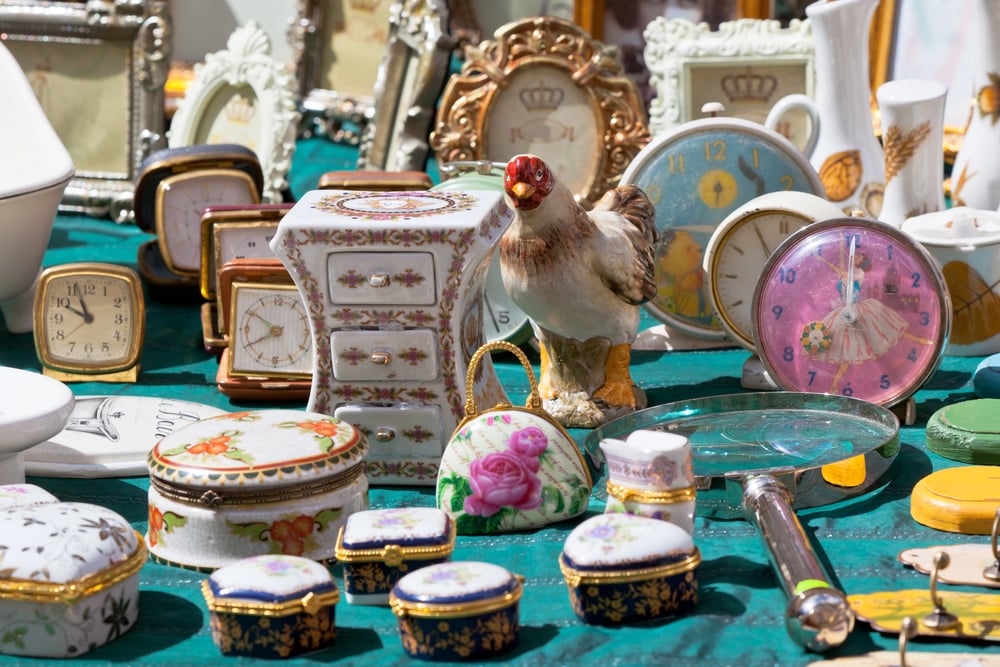
Most collectors don’t wake up one day deciding to collect something specific. Instead, they stumble across an interesting item that catches their attention.
Maybe they find an unusual bottle at a flea market or inherit a box of old postcards from a relative. That first random encounter plants the seed that grows into a full-blown collection.
The most interesting collections often begin with the most unexpected discoveries.
Like Go2Tutors’s content? Follow us on MSN.
From ancient humans to modern collectors

Humans have been collecting things for thousands of years, from ancient civilizations gathering precious stones to medieval people accumulating religious relics. The psychology of collecting is an area of study that seeks to understand the motivating factors explaining why people devote time, money, and energy making and maintaining collections.
What we collect has changed with the times, but the basic human drive to gather and keep special objects remains exactly the same. Today’s collector of vintage bottle caps shares the same fundamental motivations as ancient people who collected shells or unusual rocks.
This collecting instinct connects us to our ancestors and reminds us that some human behaviors are truly timeless. Understanding why we collect odd things helps us appreciate this quirky but universal aspect of being human.
More from Go2Tutors!

- 16 Historical Figures Who Were Nothing Like You Think
- 12 Things Sold in the 80s That Are Now Illegal
- 15 VHS Tapes That Could Be Worth Thousands
- 17 Historical “What Ifs” That Would Have Changed Everything
- 18 TV Shows That Vanished Without a Finale
Like Go2Tutors’s content? Follow us on MSN.