Legendary Socialites and Their Legacies
The world of high society has always fascinated us, but some socialites transcended mere party attendance to become genuine cultural forces. These weren’t just wealthy people showing up at galas—they shaped fashion, championed the arts, influenced politics, and left marks on society that still resonate today.
Their legacies went far beyond their social calendars, creating ripples that changed how we think about style, philanthropy, and cultural patronage. Here is a list of legendary socialites whose influence extended well past their lifetimes.
Wallis Simpson

— Photo by sharafmaksumov
The woman who caused a king to abdicate his throne didn’t just make headlines—she rewrote history. Wallis Simpson’s relationship with King Edward VIII led to one of the most dramatic royal exits ever, and her sleek, tailored style influenced fashion for decades.
She proved that personal style could be a form of power, favoring clean lines and bold jewelry that became her signature. Her legacy isn’t just about scandal but about the idea that sometimes love really does conquer all, even if it costs you a crown.
Babe Paley
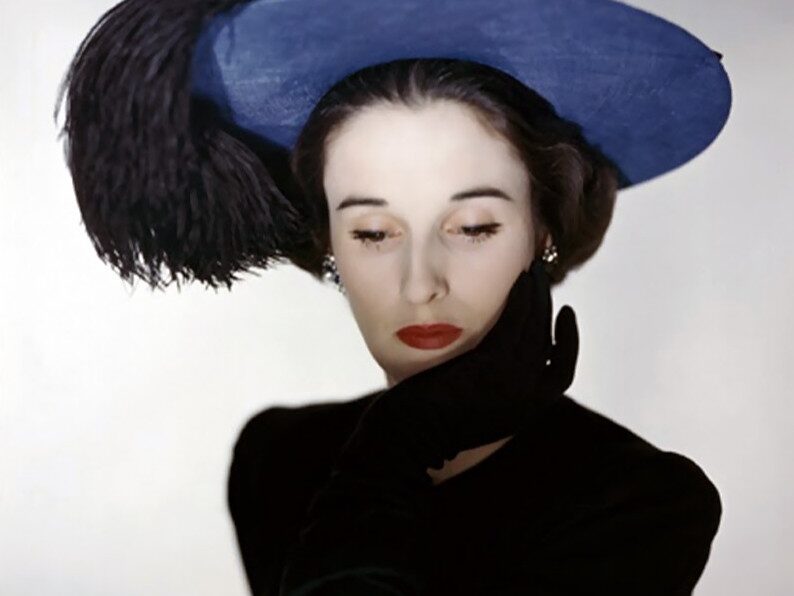
If you’ve ever seen someone effortlessly pull off a look that seems simultaneously casual and impossibly chic, you’re witnessing Babe Paley’s lasting influence. She was Truman Capote’s favorite ‘swan’ and a woman who turned everyday dressing into an art form.
Paley could throw a scarf over her shoulder or wear a simple shirt in a way that launched trends across America. Her approach to fashion was about making elegance look easy, and that philosophy still guides style editors today.
Gloria Vanderbilt
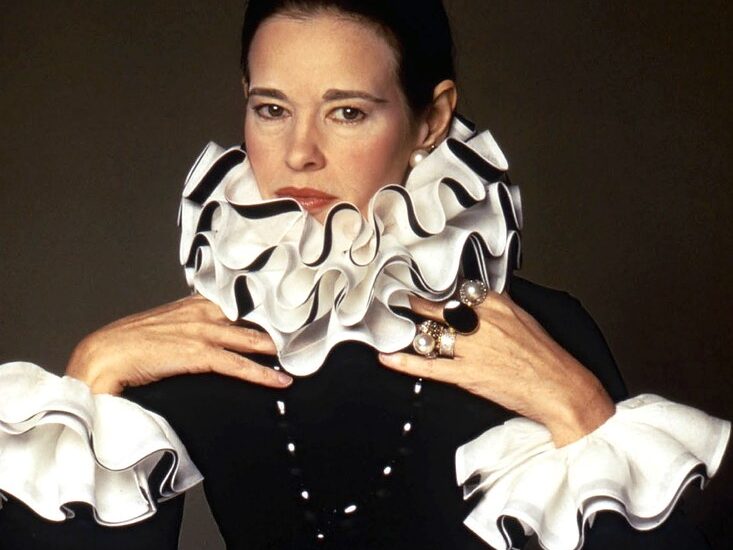
Born into railroad money, Gloria Vanderbilt transformed herself from heiress to businesswoman, creating an empire in designer jeans that democratized fashion. She slapped her name on the back pocket of jeans in the 1970s and suddenly, fashion wasn’t just for the elite anymore.
Beyond business, she was a painter and writer who refused to be defined by her inheritance. Her legacy is about reinvention and proving that old money could embrace new ideas.
Lee Radziwill
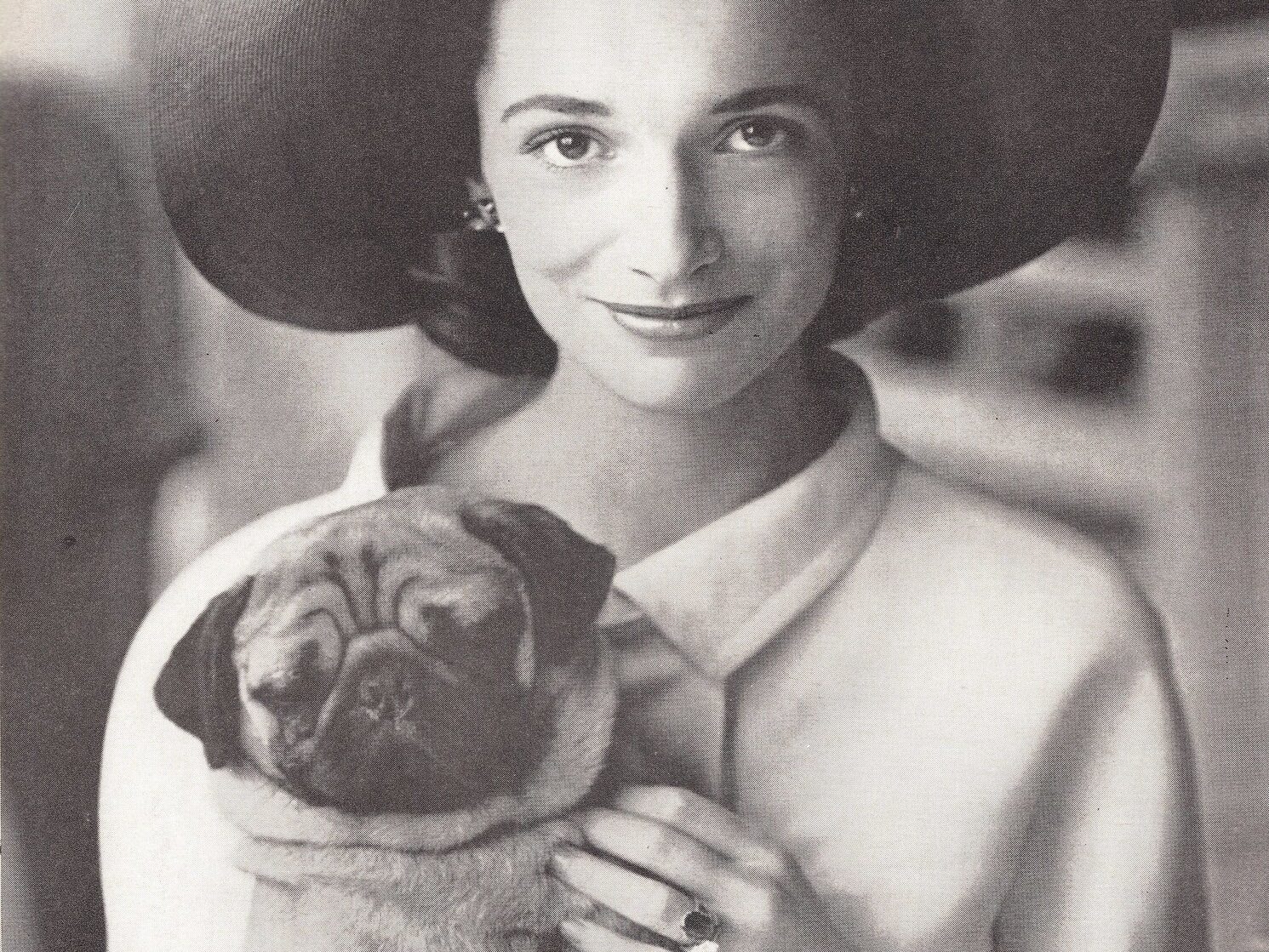
Living in the shadow of her sister Jackie Kennedy could have defined Lee Radziwill, but she carved out her own identity as a style icon and interior designer. Her homes were featured in magazines, her wardrobe was studied by fashion lovers, and her friendships with designers like Giorgio Armani shaped trends.
She showed that you could have impeccable taste without the title of First Lady. Her influence on interior design and fashion continues through the many designers she mentored and inspired.
C.Z. Guest
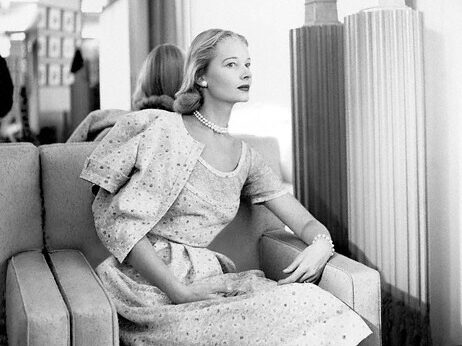
C.Z. Guest took her passion for gardening and turned it into a lifestyle brand before lifestyle brands were even a thing. This former actress and model became America’s gardening guru, writing books and columns that made horticulture fashionable.
She wore Mainbocher in her gardens and made wellies look glamorous. Her legacy lives on in every stylish person who treats their garden as an extension of their home’s design.
Slim Keith
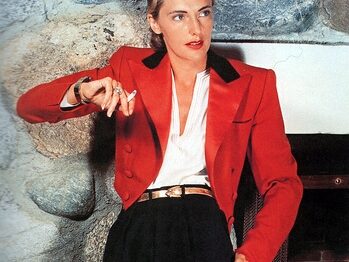
Nancy ‘Slim’ Keith had an eye for talent that extended beyond her own wardrobe. She’s credited with discovering Lauren Bacall and influencing designers like Bill Blass with her relaxed American sportswear aesthetic.
Married three times to powerful men, she moved through Hollywood and high society with equal ease. Her legacy is the California-cool look that mixed casual pieces with expensive fabrics, creating a style that felt both accessible and aspirational.
Marella Agnelli
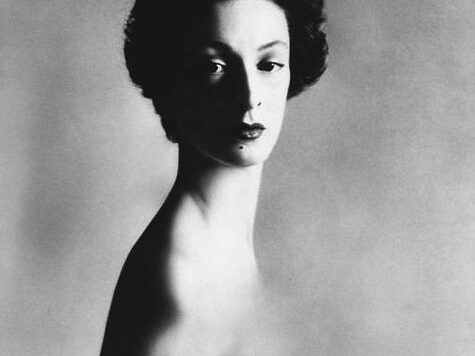
The wife of Fiat chairman Gianni Agnelli, Marella brought Italian elegance to a global stage and became known for her unique approach to jewelry and fashion. She wore watches over her shirt cuffs and collected art with the same discerning eye she applied to her wardrobe.
Her Venice palazzo became a gathering place for artists, writers, and intellectuals. She proved that European sophistication didn’t have to be stuffy or formal.
Pamela Harriman
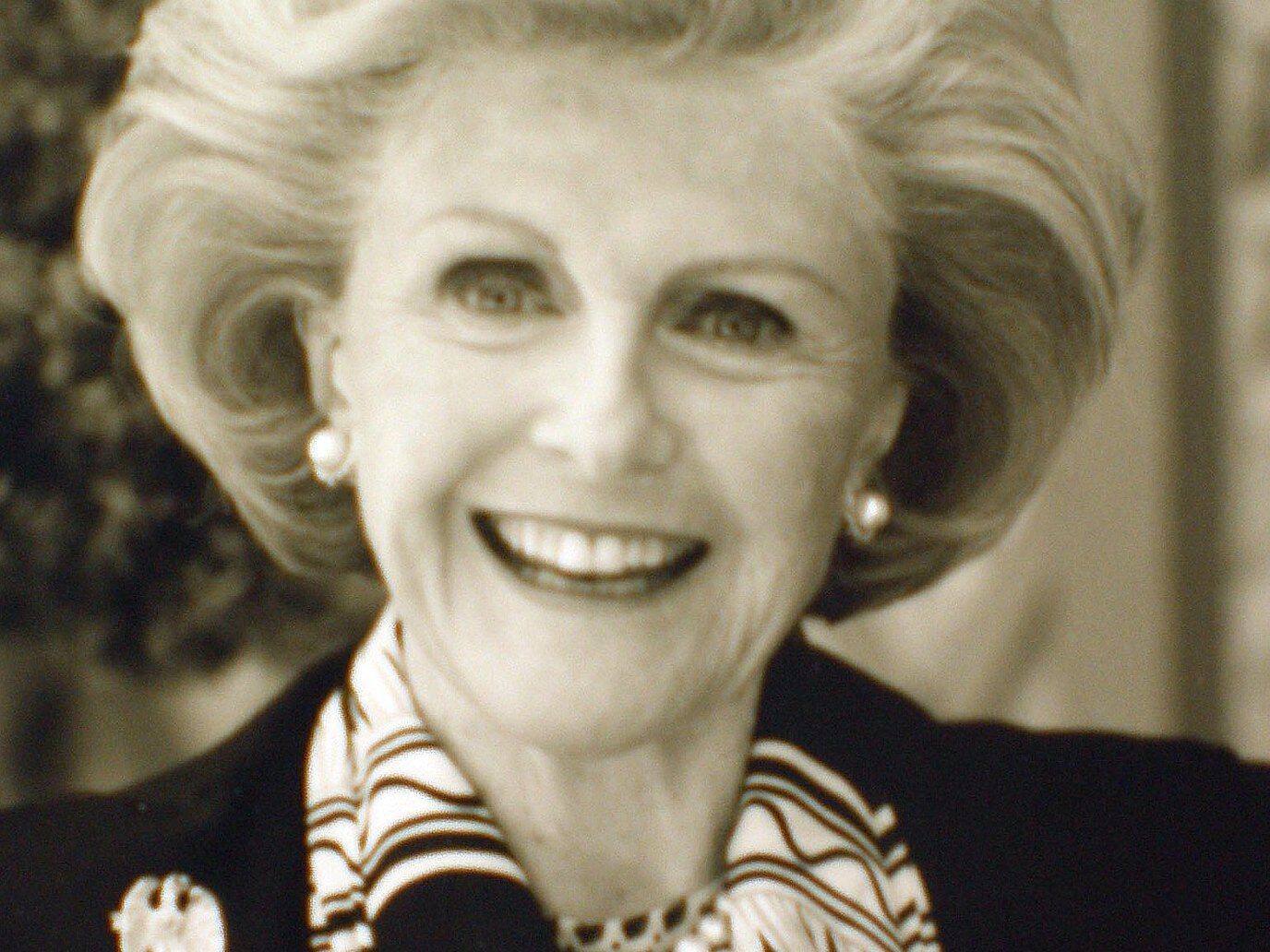
Pamela Harriman slept with some of the most powerful men of the 20th century and eventually became a political force herself, serving as U.S. Ambassador to France. She transformed her Georgetown home into a Democratic Party power center where deals were made over dinner.
Her fundraising abilities helped elect presidents. Her legacy is complex—part courtesan, part stateswoman—but undeniably impactful on American politics.
Brooke Astor
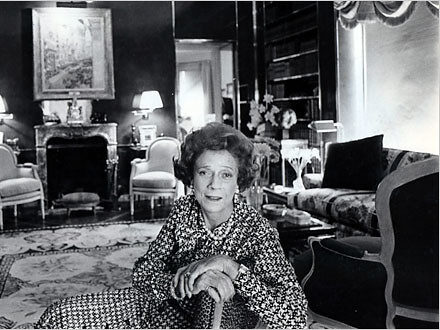
Brooke Astor gave away roughly $200 million during her lifetime, focusing on New York City’s parks, libraries, and cultural institutions. She didn’t just write checks—she showed up, turning philanthropy into active community engagement.
The New York Public Library’s restoration owes much to her generosity. Her approach to charity emphasized that wealth came with responsibility, and she lived that principle until her death at 105.
Millicent Rogers
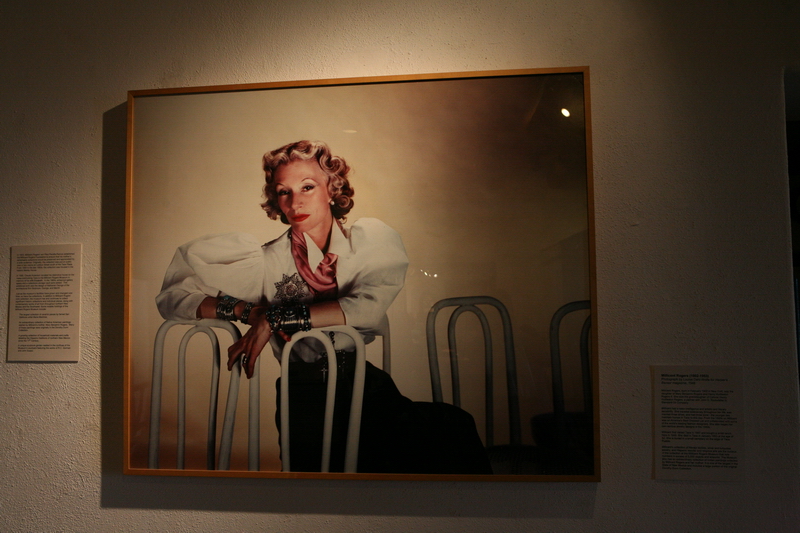
This Standard Oil heiress moved to Taos, New Mexico and fell in love with Native American jewelry and art, becoming one of its most important patrons and collectors. Millicent Rogers wore turquoise and silver the way other socialites wore diamonds, elevating indigenous craftsmanship to high fashion.
Her collection formed the basis of the Millicent Rogers Museum. She showed that appreciating and preserving other cultures could be a form of social responsibility.
Peggy Guggenheim
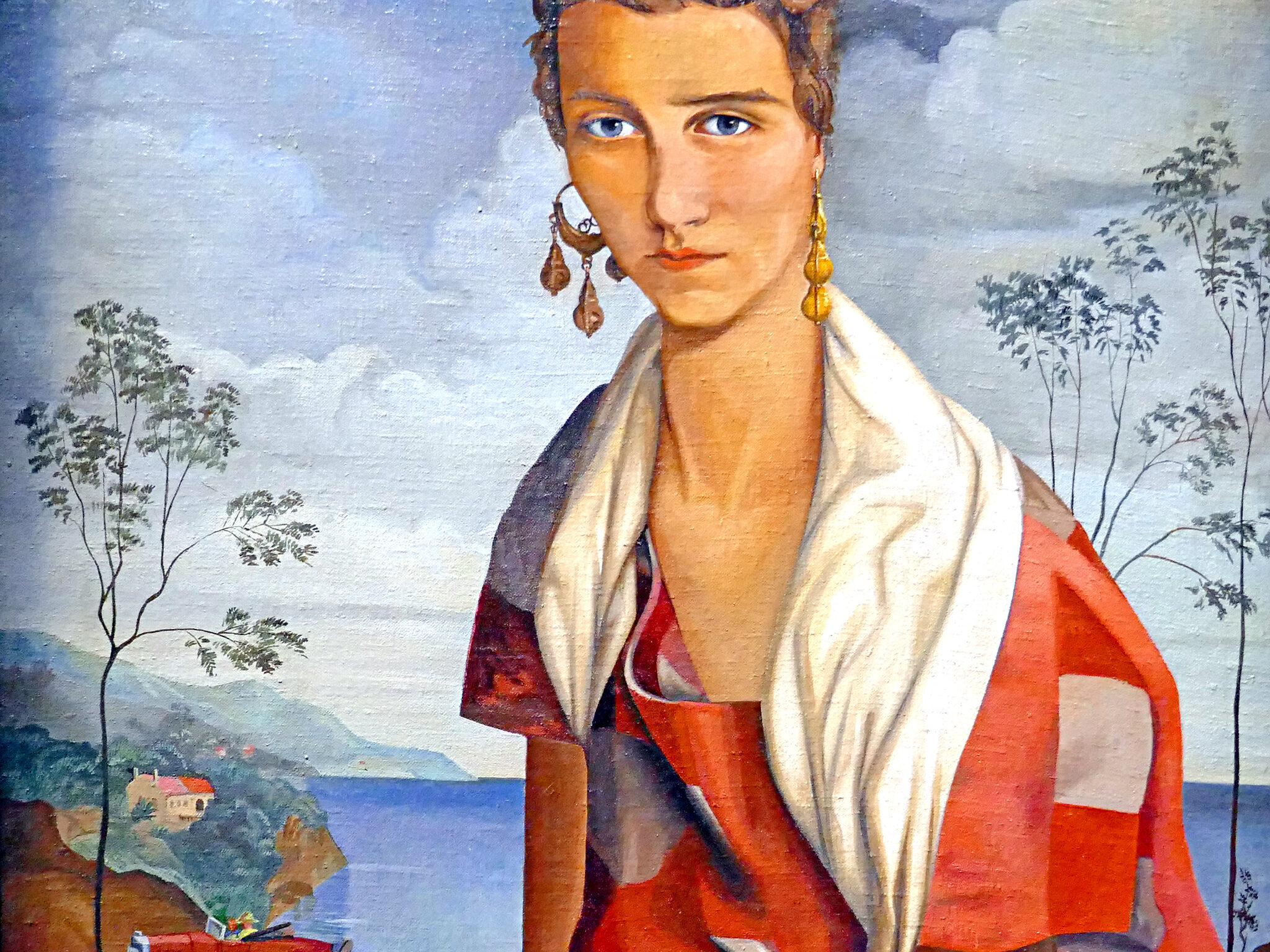
Peggy Guggenheim spent her mining fortune on modern art when most people thought it was garbage, and her Venice palazzo became one of the world’s great museums. She supported artists like Jackson Pollock before anyone else would touch them.
Her wild personal life and string of artist lovers became legendary, but her real legacy is the art she preserved and promoted. Today’s modern art market owes its existence partly to her early faith in abstract expressionism.
Elsa Maxwell
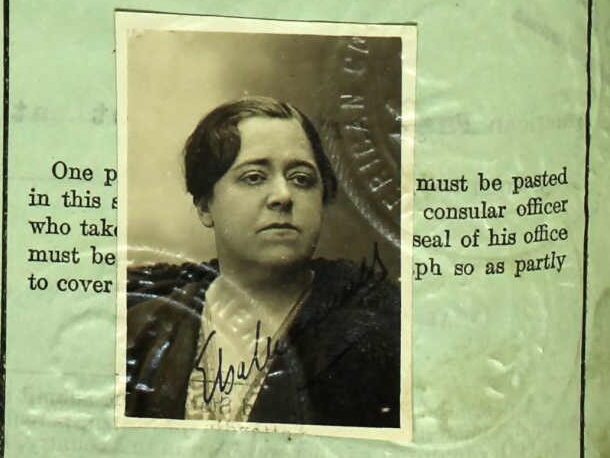
Without a fortune of her own, Elsa Maxwell became the most sought-after party planner of her era by sheer force of personality and creativity. She invented the scavenger hunt and treasure hunt as party games for adults.
Her guest lists mixed royalty with movie stars, creating the template for modern celebrity culture. She proved that social currency could be more valuable than actual currency.
Nan Kempner
Nan Kempner turned up at every major fashion show for decades and amassed a wardrobe so significant that the Metropolitan Museum of Art acquired it. She wore haute couture to the grocery store and treated fashion as serious cultural production.
Her philanthropic work focused on AIDS research and the arts. She demonstrated that being a clothes horse could coexist with genuine charitable commitment.
Diana Vreeland
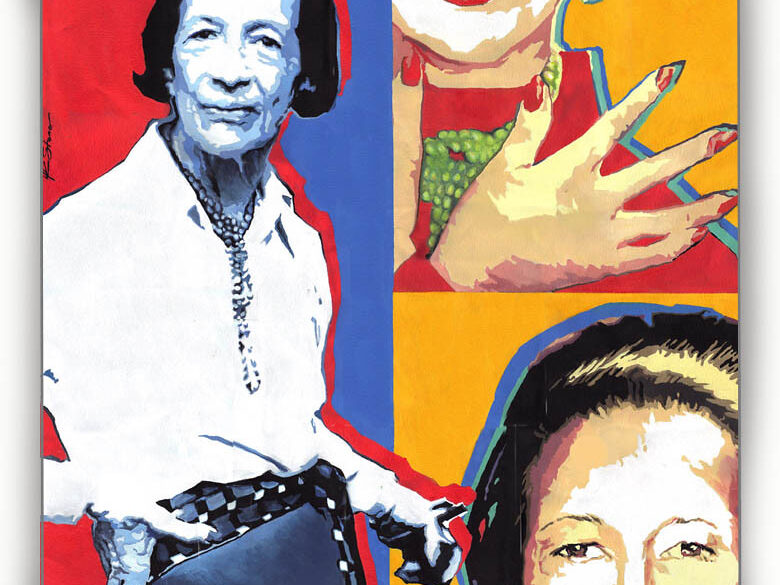
Diana Vreeland didn’t just report on fashion—she invented it, first at Harper’s Bazaar and then at Vogue. Her famous ‘Why Don’t You…’ columns suggested outrageous lifestyle tips that somehow seemed achievable. She discovered models, made and broke designers, and later revolutionized museum exhibitions at the Met’s Costume Institute.
Her legacy is the idea that fashion deserves to be taken as seriously as any other art form.
Bunny Mellon

Rachel ‘Bunny’ Mellon designed the White House Rose Garden for Jackie Kennedy and spent her life creating some of America’s most beautiful private gardens. She applied the same meticulous standards to her wardrobe, favoring Balenciaga and Givenchy in neutral tones.
Her gardens at her Virginia estate were masterpieces of landscape architecture. She showed that restraint and simplicity could be the ultimate luxury.
From Ballrooms to Boardrooms
These women operated in an era when being a socialite was practically a full-time profession, but they refused to let their influence stop at party planning. They used their positions to shape culture, preserve art, advance politics, and redefine what it meant to be wealthy and female.
Their legacies persist in the museums they funded, the gardens we still visit, the fashion rules they broke, and the idea that social status should be a platform for meaningful action. Today’s influencers and philanthropists are essentially following the playbook these legends wrote.
More from Go2Tutors!

- The Romanov Crown Jewels and Their Tragic Fate
- 13 Historical Mysteries That Science Still Can’t Solve
- Famous Hoaxes That Fooled the World for Years
- 15 Child Stars with Tragic Adult Lives
- 16 Famous Jewelry Pieces in History
Like Go2Tutors’s content? Follow us on MSN