What Penny Arcades Reveal About Early Gaming Life
Before most homes had electricity, smartphones, or consoles, Americans relied on noisy, crowded storefronts filled with mechanical marvels to satisfy their gaming needs. From the 1890s to the 1910s, penny arcades were at their height, providing working-class people with a cent to experience thrills and technology.
Although movie theaters and nickelodeons were already attracting large crowds by the early 1920s, these vibrant establishments had already changed our perceptions of gaming, public areas, and entertainment in general. We can learn a lot about what people wanted in those days from the machines that occupied these arcades, and to be honest, not much has changed.
These facts about early gaming life are revealed by penny arcades.
Entertainment for Everyone
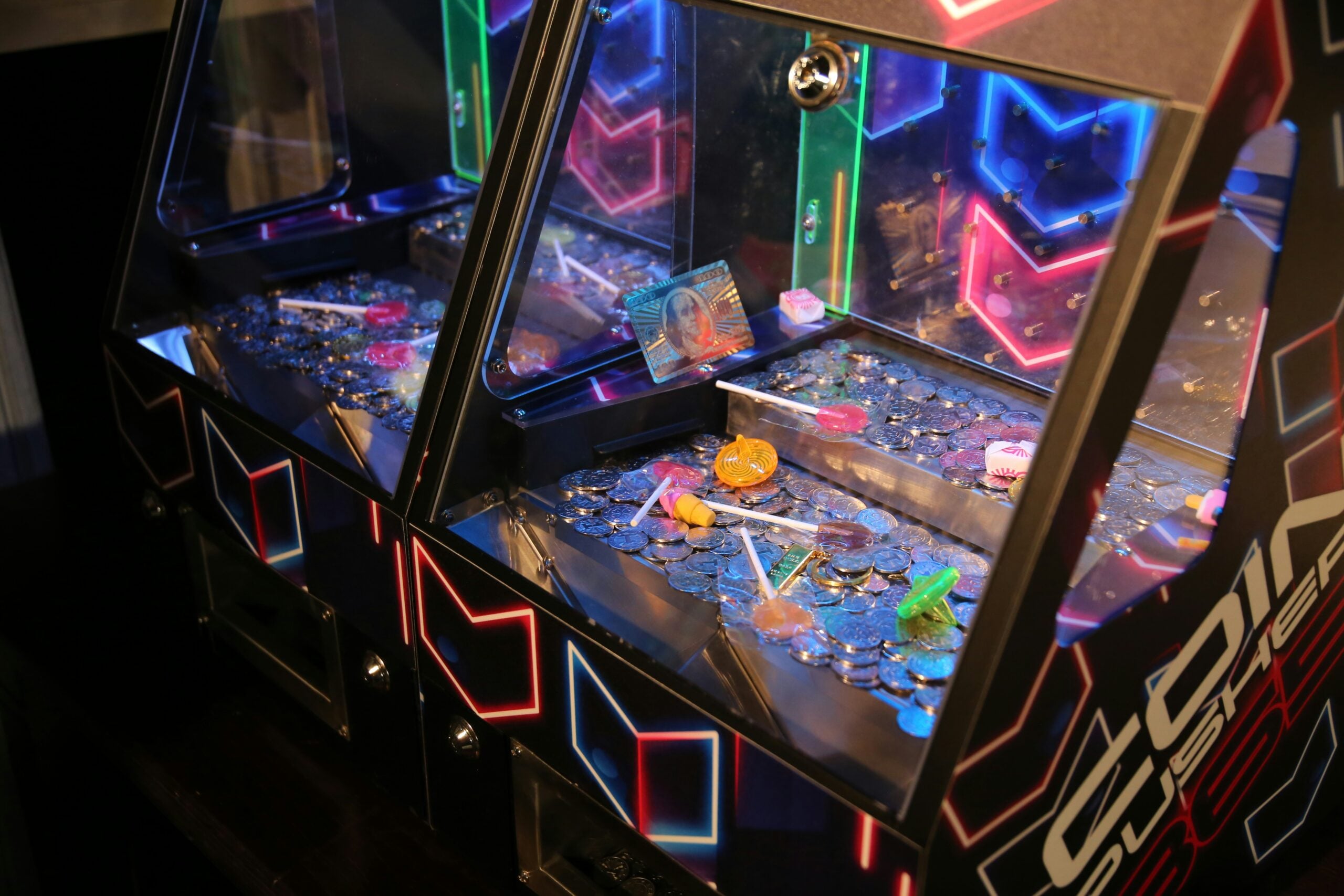
Penny arcades broke down barriers in ways few other places did. While opera houses and theaters catered to people who could afford fancy tickets, arcades welcomed anyone with a penny burning a pocket.
Immigrant workers, office clerks, tourists, and kids all crowded around the same machines. Though some cities still enforced segregation even in amusement halls, arcades were generally more accessible than traditional entertainment venues, creating relatively open spaces where different social classes could mingle.
The Birth of Pay-to-Play
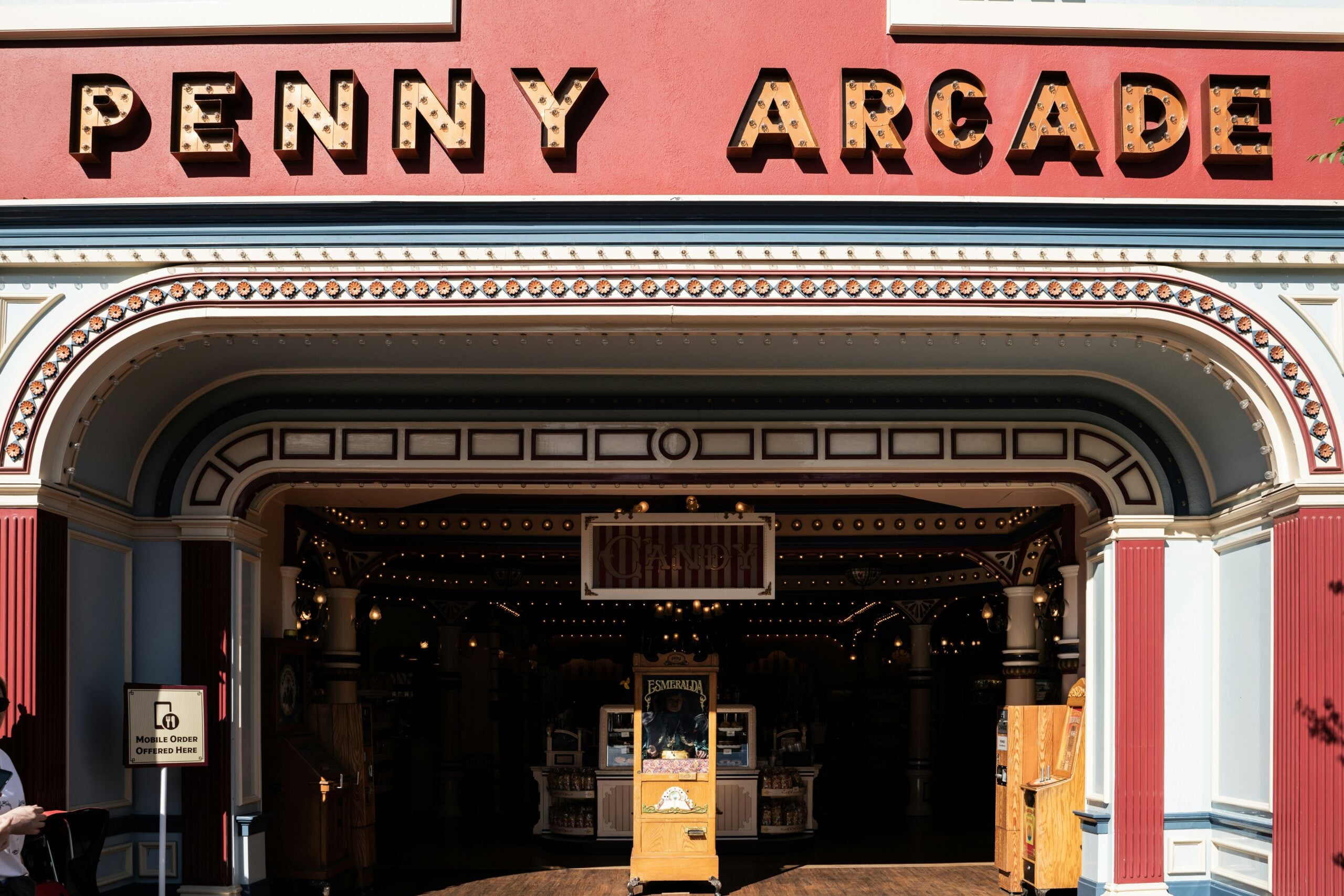
The whole concept of dropping coins for entertainment started here. Before penny arcades, you either paid admission to a full show or you didn’t get in at all.
Entrepreneurs like Buffalo’s Mitchell Mark, who opened the Vitascope Theater in 1896, helped popularize low-cost admission and the transition from peep shows to projected films. This micropayment model sounds familiar because it’s basically the same idea behind arcade tokens, mobile game purchases, and every quarter you’ve ever pumped into a machine.
Like Go2Tutors’s content? Follow us on MSN.
Mechanical Movies
Mutoscopes were the Netflix of their day, minus the binge-watching. These hand-cranked machines, produced by the American Mutoscope and Biograph Company, flipped through hundreds of cards to create moving pictures that you watched through a single eyepiece.
They were cheaper and simpler than Edison’s Kinetoscope, dominating arcades from the late 1890s through the 1900s. For a penny, you could watch short comedies, dramas, scenic views of faraway places, or—let’s be honest—occasionally something a bit racy that wouldn’t fly in polite society.
Testing Your Manhood
Strength and grip testers were everywhere in early arcades, especially in bars and barbershops. These machines were basically the original leaderboards, letting guys prove their physical prowess in front of friends and dates.
You’d squeeze handles, pull rods, or punch bags, and the machine would rate your strength with brutally honest labels ranging from ‘weakling’ to ‘Hercules.’ David Gottlieb, who founded D. Gottlieb & Co. in 1927 and later became the pinball king, got his start making these ego-challenging contraptions in late 1920s Chicago.
Love Testers Everywhere

The ‘Mystic Lady’ and similar romantic assessment machines were social magnets in arcades. Young couples and friend groups would gather around, grip metal handles or place palms on plates, and get ratings about their romantic prospects or compatibility.
These weren’t serious—everyone knew that—but they sparked conversations, laughter, and a bit of harmless flirting. Think of them as the icebreaker games of their era, getting people to interact in ways they might not have otherwise.
Like Go2Tutors’s content? Follow us on MSN.
Shocking Entertainment

Electric shock machines capitalized on public fascination with electricity, which still seemed mysterious and powerful in the early 1900s. Players would grip metal handles while current gradually increased until they couldn’t take it anymore, often getting kicked backward if unprepared.
Crowds would gather to watch people test their tolerance, making it both a personal challenge and a spectator sport. The thrill came from confronting an invisible force that everyone had heard about but few understood.
Virtual Tourism

Auto-stereoscopes and viewing machines offered working-class people glimpses of worlds they’d never visit in person. For a penny, you could peer into a viewer and see three-dimensional photos of Egyptian pyramids, Niagara Falls, famous landmarks, or major historical events.
These weren’t just pretty pictures—they were early virtual reality, transporting factory workers and shop clerks to places that only wealthy travelers could actually reach. The machines proved that people craved escapism and experiences beyond their daily grind.
Audio Innovation

Coin-operated phonographs gave people their first taste of recorded music on demand. Before affordable home phonographs hit the market around 1905, these machines in arcades let you hear melodies and songs by dropping in a coin.
Some arcades grouped a dozen phonographs together so patrons could move from one to another, sampling different recordings. It was basically the precursor to jukeboxes, and it showed that people wanted control over their entertainment choices rather than just accepting whatever was playing.
Like Go2Tutors’s content? Follow us on MSN.
Women and Kids Welcome
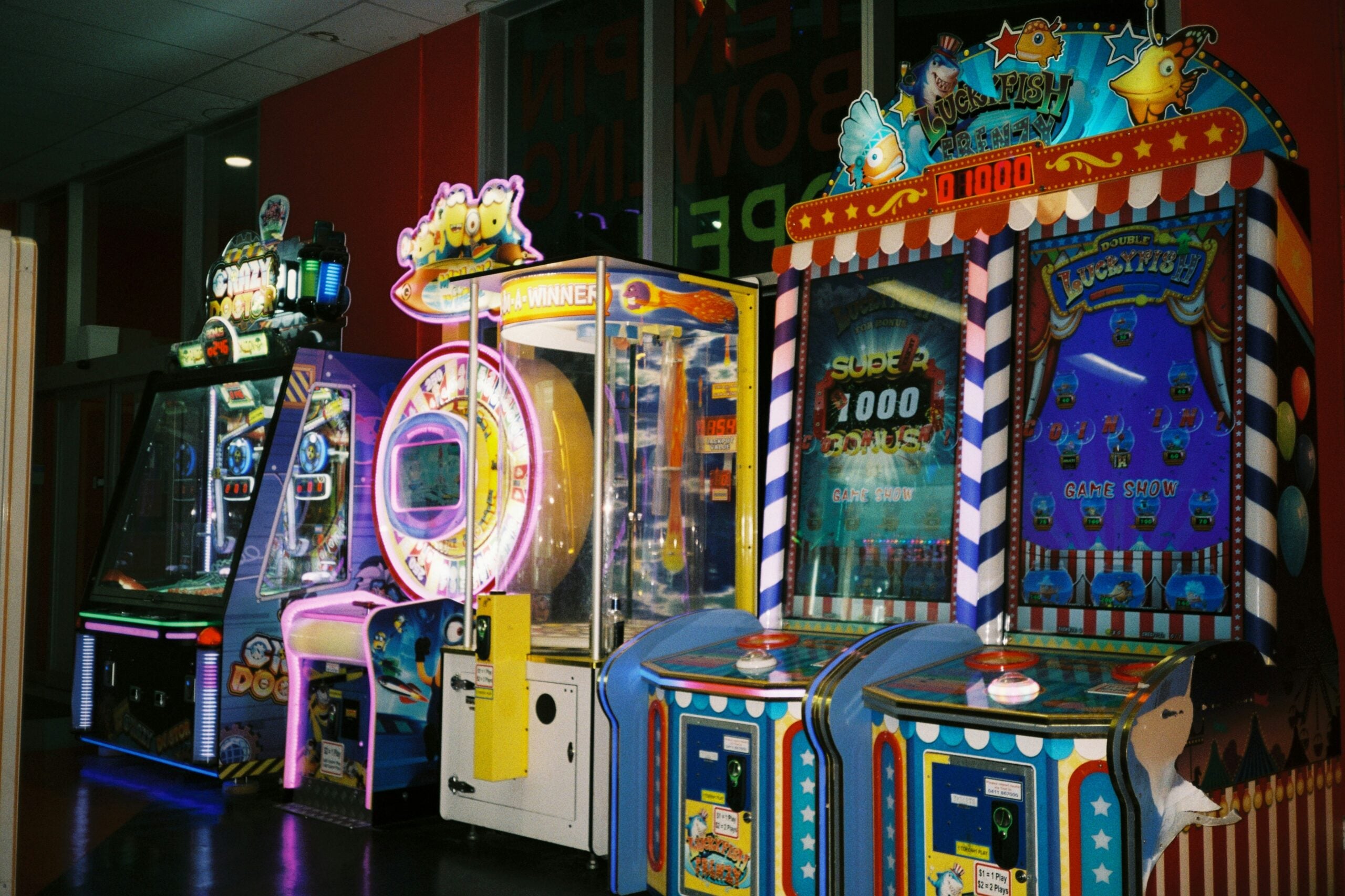
Despite their sometimes seedy reputation, arcades increasingly courted women and children as valued customers. While immigrants, working-class men, and youth made up much of the clientele, arcade owners recognized that families brought steady business.
Most establishments tried to maintain clean, respectable environments to attract broader audiences. This was different from saloons and pool halls, which were strictly male-dominated spaces, showing that the gaming industry understood the importance of expanding their customer base beyond just one demographic.
The Decline of the Peep Show
By 1907, penny arcades were already losing their grip on entertainment. The rise of nickelodeon theaters offering projected films for a nickel gave people a better viewing experience—bigger screens, more impressive spectacle, and the ability to watch with others rather than alone at a peep show.
Arcades tried installing projectors in lofts above their main floors, but it was too late. Movie theater operators had established themselves as a separate industry, and arcade owners had to pivot or die.
Games of Skill Emerge
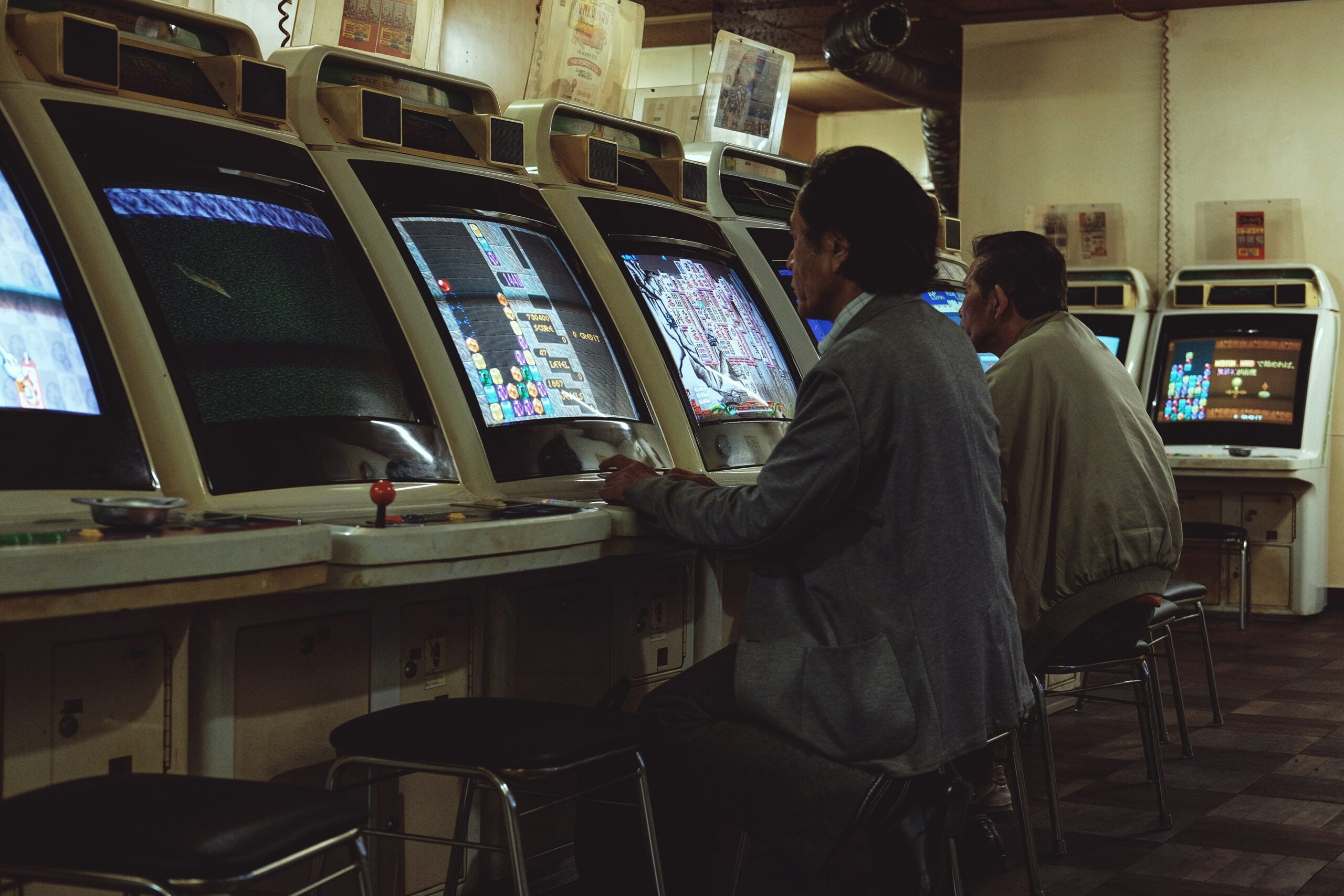
When slot machines got hammered by regulations in the 1920s, arcade manufacturers started emphasizing skill-based games to argue they weren’t pure gambling. This led to innovations in interactive gameplay where player ability actually mattered.
Early pinball machines, shooting galleries, and orb-rolling games all emerged from this shift. It’s a pattern that is repeated throughout gaming history: whenever one type of game faces legal or social pressure, manufacturers innovate toward something new.
Like Go2Tutors’s content? Follow us on MSN.
Affordable Thrills

The penny price point wasn’t arbitrary—it was democracy in action. At a time when most working-class people earned less than five dollars per week, expensive entertainment was off-limits.
Penny arcades made novelty and excitement accessible to people who otherwise couldn’t afford much beyond necessities. This pricing philosophy established gaming as a populist art form rather than an elite hobby.
Modern free-to-play games with optional purchases follow similar logic: get people in the door cheap, then offer premium experiences for those who want more.
The Social Gaming Blueprint

Penny arcades proved that gaming worked best as a communal activity. People didn’t just play machines—they watched each other, made bets about who’d score highest, cheered for friends attempting challenges, and bonded over shared experiences.
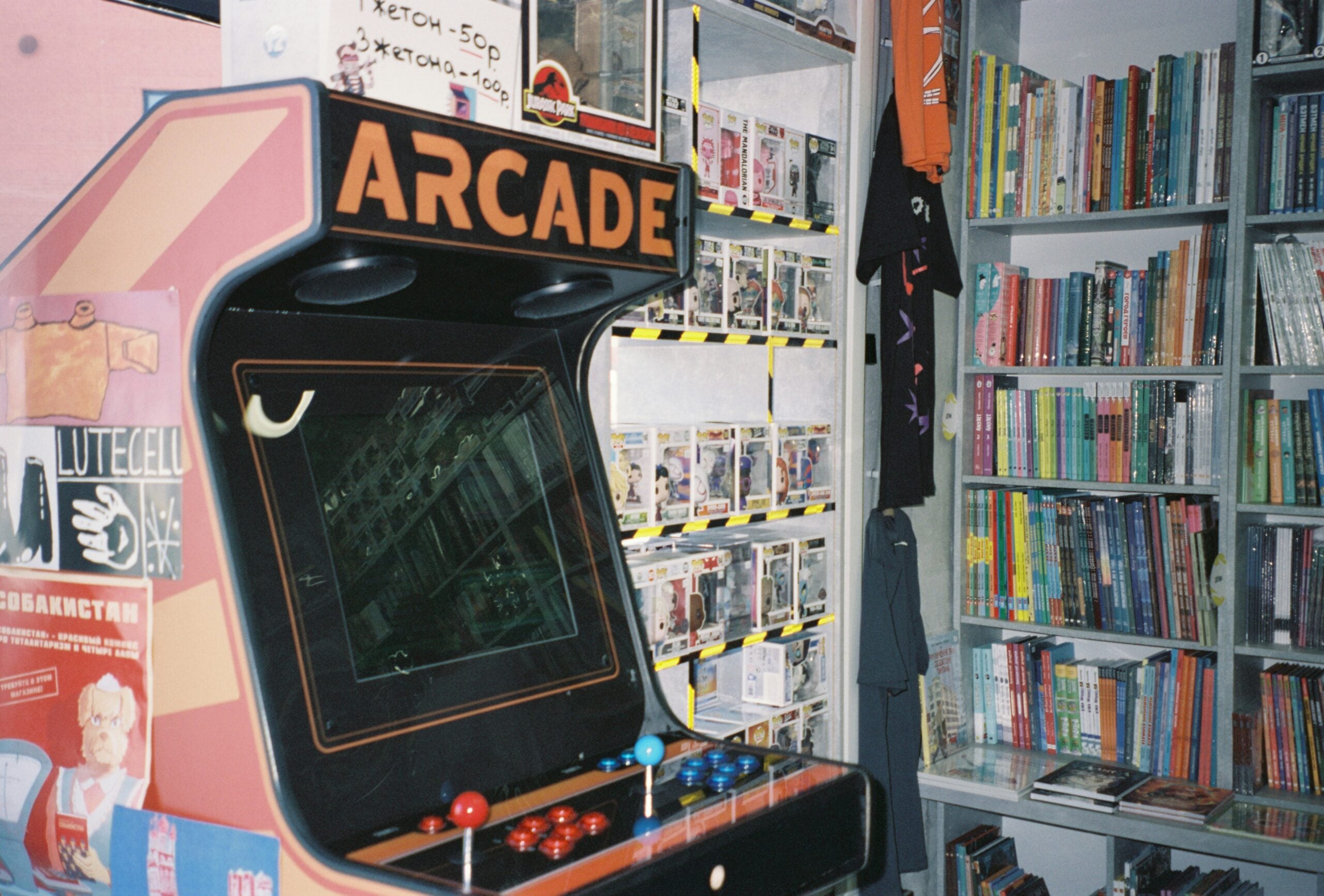
The layout of arcades, with machines grouped together and high foot traffic, maximized these social interactions. Modern game design still chases this same dynamic, whether through multiplayer modes, streaming culture, or arcade bars where people gather around vintage cabinets with drinks in hand.
Where Quarters Came From
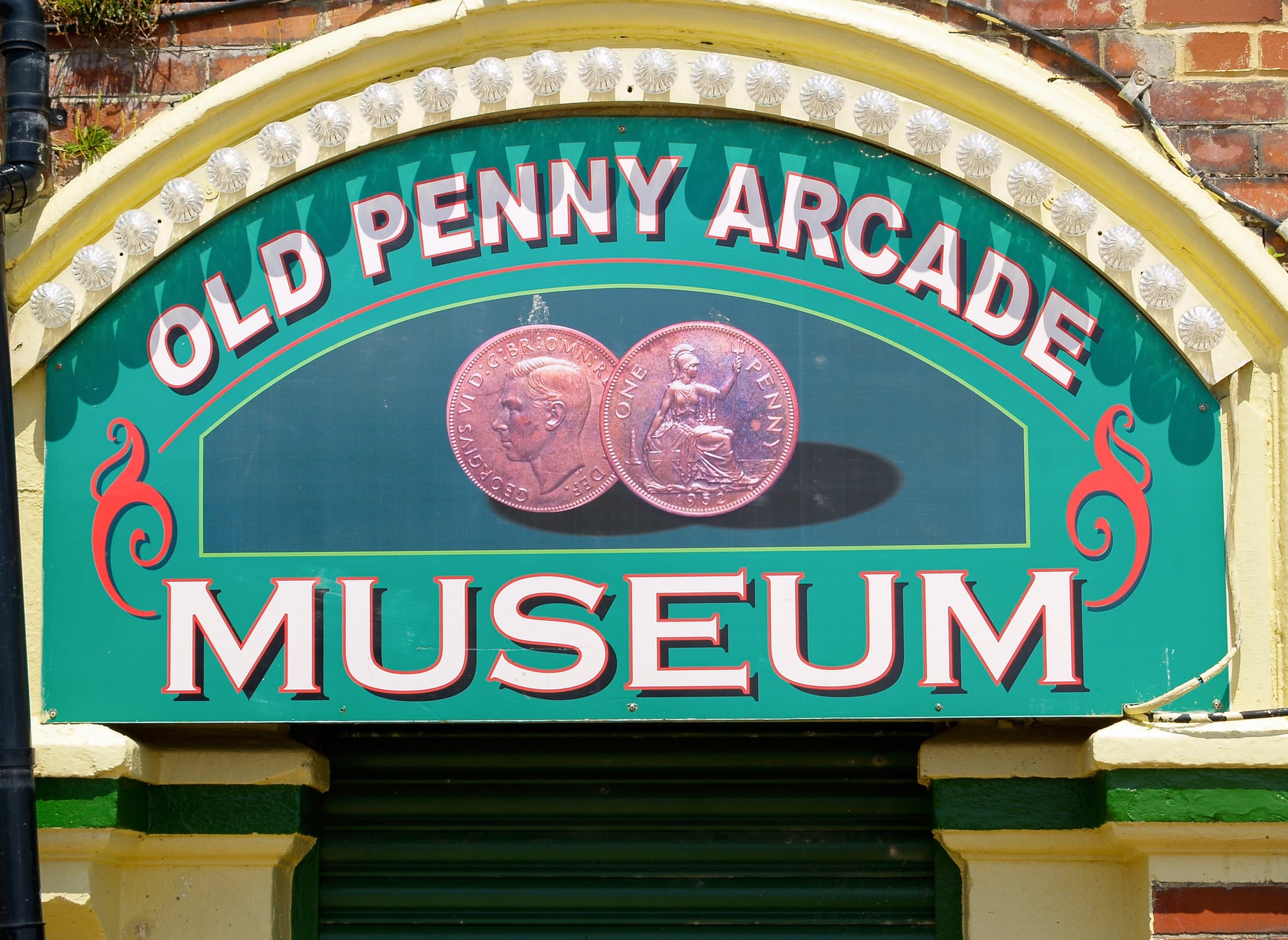
Everything that followed was made possible by the infrastructure that penny arcades created, including coin-operated machines, storefront locations, maintenance networks, and distribution channels. Manufacturers did not need to create the arcade business model from scratch when video games first appeared in the 1970s.
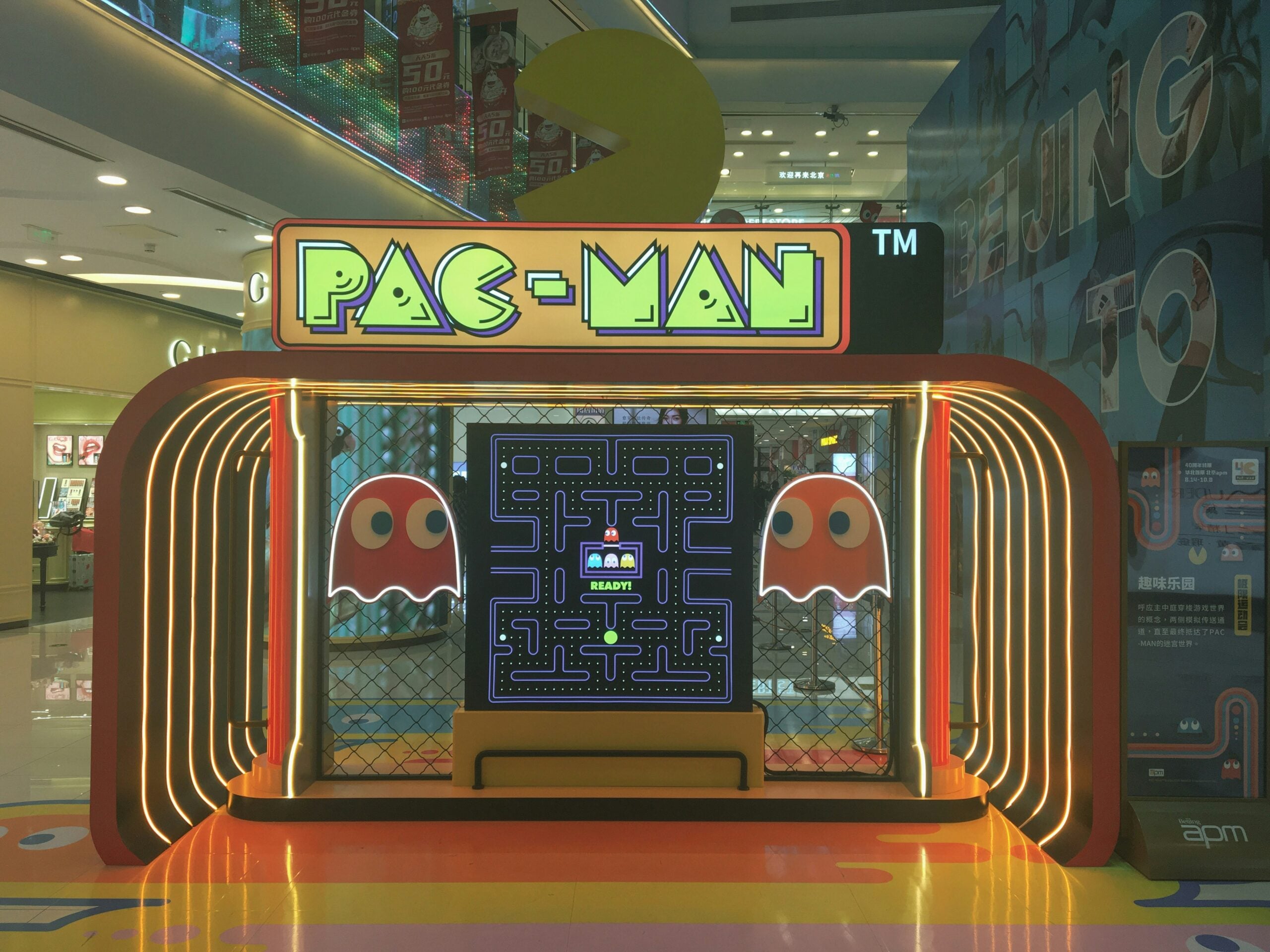
They integrated electronic advancements into an already-existing, coin-operated entertainment sector that had been honing its strategy for almost a century. Penny arcades had already taught generations that dropping money for short entertainment experiences was common, expected, and worthwhile, which is why Space Invaders and Pac-Man became popular.
Like Go2Tutors’s content? Follow us on MSN.
More from Go2Tutors!

- 16 Historical Figures Who Were Nothing Like You Think
- 12 Things Sold in the 80s That Are Now Illegal
- 15 VHS Tapes That Could Be Worth Thousands
- 17 Historical “What Ifs” That Would Have Changed Everything
- 18 TV Shows That Vanished Without a Finale
Like Go2Tutors’s content? Follow us on MSN.