Rarest Animals Caught On Film
Most of the time, people only talked about certain creatures without ever laying eyes on them. Tales spread through villages, shaky sketches circulated, whispers moved from traveler to researcher.
Proof did not mean presence. Just because something was real did not make it visible.
Thick jungle canopies hid them. Rugged peaks blocked access.
The dark sea floor concealed entire lives. Vanishing lands pushed others even deeper into hiding.
Now things shift slowly. Cameras snap when animals move, robots dive deep, while teams watch spots for years on end.
Just a handful of seconds might prove some creature survives, show how it acts strangely, even flip what helpers decide matters most.
Rough clips appear more often than clean ones. Some feel rough, short, sometimes messy.
This unpolished edge gives them weight.
Peeking into shadows, cameras have snapped creatures most people never knew existed. These flickers of movement mean more than just proof they’re alive.
A single blurry image can shift how we see life on Earth. Hidden lives unfold in seconds that last forever in memory.
What shows up grainy and fleeting still carries weight. Moments captured quietly echo well past their playback.
The saola

Sometimes called the ‘Asian unicorn’, the saola is one of the rarest large mammals on Earth. Native to the forests along the border of Vietnam and Laos, it was only scientifically described in the early 1990s.
Even then, sightings were almost nonexistent.
Most confirmed images of the saola come from camera traps rather than direct observation. The footage is typically brief, showing the animal moving quietly through dense vegetation before vanishing again.
Its long, straight horns and cautious posture give it an almost unreal presence.
What makes these recordings extraordinary is how little is known about the species. Each clip confirms survival in regions under intense pressure from development and hunting.
Without camera footage, the saola might have slipped back into uncertainty entirely.
The vaquita

The vaquita, a small porpoise found only in the northern part of the Gulf of California, is the rarest marine mammal in the world. Its population has declined sharply, making sightings increasingly uncommon.
Footage of vaquitas in the wild is exceptionally scarce. Most recordings come from dedicated survey efforts using specialized boats and underwater cameras.
When captured on film, vaquitas appear briefly at the surface before disappearing again, offering only seconds to observe their distinctive dark eye markings.
These clips are more than documentation. They serve as evidence in urgent conservation efforts, showing that the species still exists, even as numbers remain critically low.
In this case, a few seconds of film carry enormous weight.
The Javan rhinoceros

The Javan rhinoceros is one of the rarest large land mammals, with all remaining individuals confined to a single national park in Indonesia. Human sightings are extremely limited, making camera traps the primary way the species is observed.
Footage often shows solitary animals moving through forest trails at night, their thick skin and heavy build unmistakable even in low light. These moments offer rare insight into behavior, from feeding patterns to interactions with the environment.
For conservationists, such footage helps monitor individuals without direct interference. For the wider world, it provides proof that this ancient species still walks the planet, even if almost no one will ever see it in person.
The snow leopard
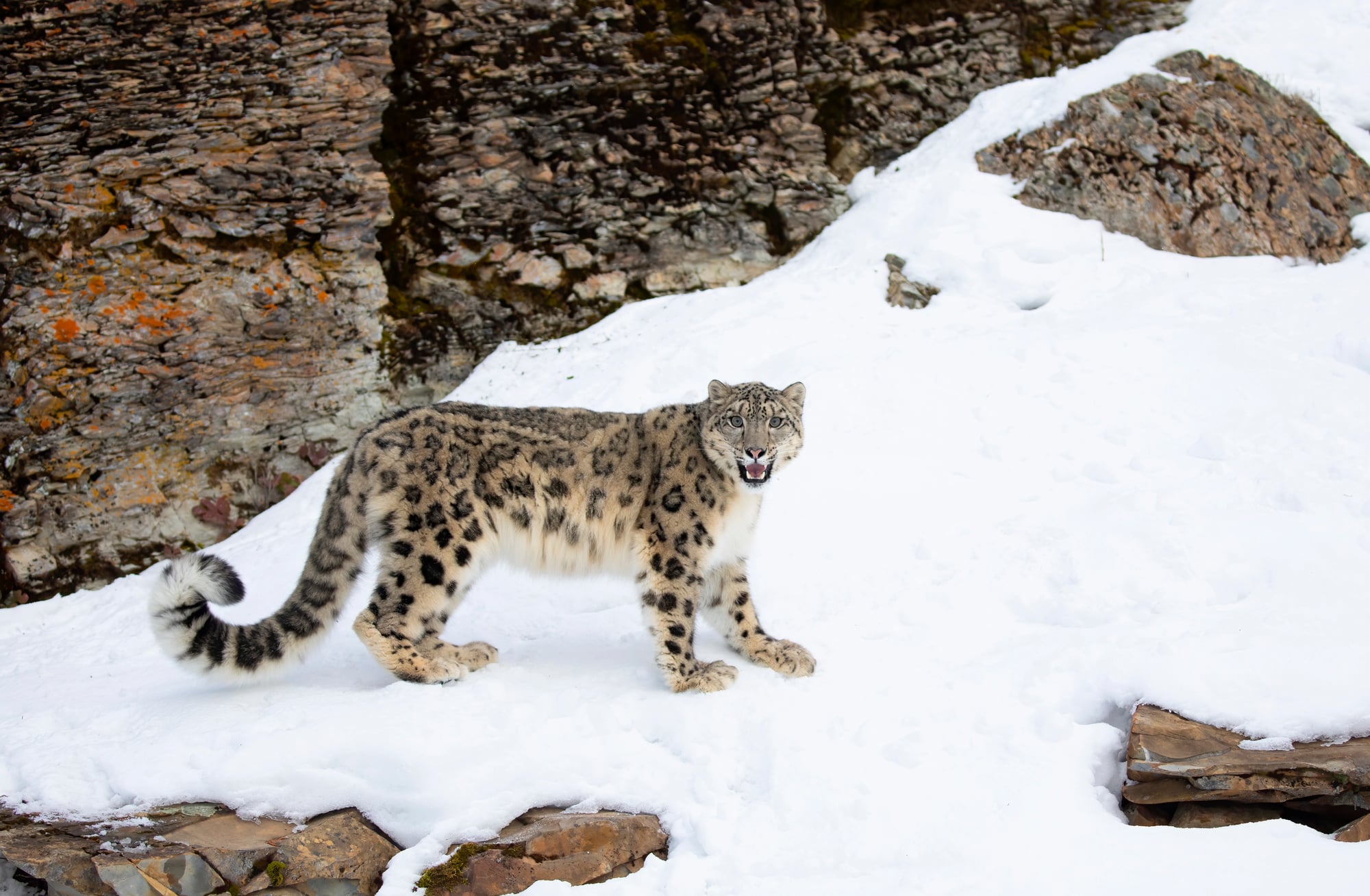
Snow leopards have long been known as ghosts of the mountains. Living in rugged, high-altitude regions across Central and South Asia, they are masters of camouflage and solitude.
Although their existence has never been in doubt, filming them in the wild remained extraordinarily difficult for decades. Camera traps placed along remote mountain passes finally changed that.
Footage often captures snow leopards moving gracefully across rocky terrain, blending seamlessly into their surroundings.
These recordings reveal behaviors rarely witnessed by humans, including play, scent marking, and interaction with cubs. The images help demystify an animal that has lived largely unseen, while reinforcing the fragility of its habitat.
The Amur leopard

The Amur leopard is one of the rarest big cats in the world, native to a small region in the Russian Far East and northeastern China. Decades ago, its population dropped to alarmingly low levels.
Camera trap footage has played a central role in tracking the species’ slow recovery. Videos often show individual leopards walking along forest paths, their thick coats adapted to cold climates.
Each sighting is carefully analyzed to identify individuals by their unique spot patterns.
These films serve as both scientific tools and symbols of hope. They show that conservation efforts, when sustained, can make a difference even for species on the brink.
The Tapanuli orangutan

Only recognized as a distinct species in the late 2010s, the Tapanuli orangutan is the rarest great ape in the world. It lives in a small, fragmented forest area in Sumatra.
Footage of these orangutans is exceptionally limited. When captured, it often shows solitary individuals moving high in the canopy, using deliberate, careful motions.
Their behavior differs subtly from other orangutan species, underscoring the importance of distinguishing them.
These recordings arrived just in time. By the time the species was formally identified, its habitat was already under threat.
Film evidence has helped draw attention to its precarious situation.
The Ethiopian wolf

The Ethiopian wolf is Africa’s rarest carnivore, found only in the highlands of Ethiopia. Unlike many elusive animals, it is sometimes visible during the day, but its restricted range makes filming it difficult.
Footage often shows wolves moving across open grasslands, hunting rodents with precise, patient movements. These scenes highlight a lifestyle finely tuned to a specific environment.
As human activity expands into highland regions, recorded footage helps document population trends and behavior. Each clip becomes part of a larger effort to protect a species living on a narrow ecological edge.
The pangolin in the wild

Pangolins are often described as the most trafficked mammals in the world, yet footage of them in the wild remains surprisingly rare. Nocturnal and secretive, they are more often known through confiscation records than direct observation.
When caught on camera, pangolins appear slow-moving and cautious, their scaled bodies reflecting light in unexpected ways. These videos counter misconceptions, showing animals adapted for a quiet, solitary life rather than constant motion.
Such footage humanizes a species often reduced to statistics. Seeing a pangolin forage or curl defensively reminds viewers that these are living creatures, not abstract conservation problems.
Why filming rare animals is so difficult

Rarity is only part of the challenge. Many of these animals live in environments that are hard to access, from dense rainforests to remote mountain ranges.
Others are active at night or avoid open spaces entirely.
Camera traps and remote systems have transformed wildlife documentation, but they require patience. Researchers may deploy equipment for months or years to capture a few usable seconds.
Batteries fail, memory fills up, and animals sometimes pass just out of frame.
That effort makes each successful recording feel earned. These are not staged moments.
They are accidents of timing, technology, and persistence.
How footage changes conservation
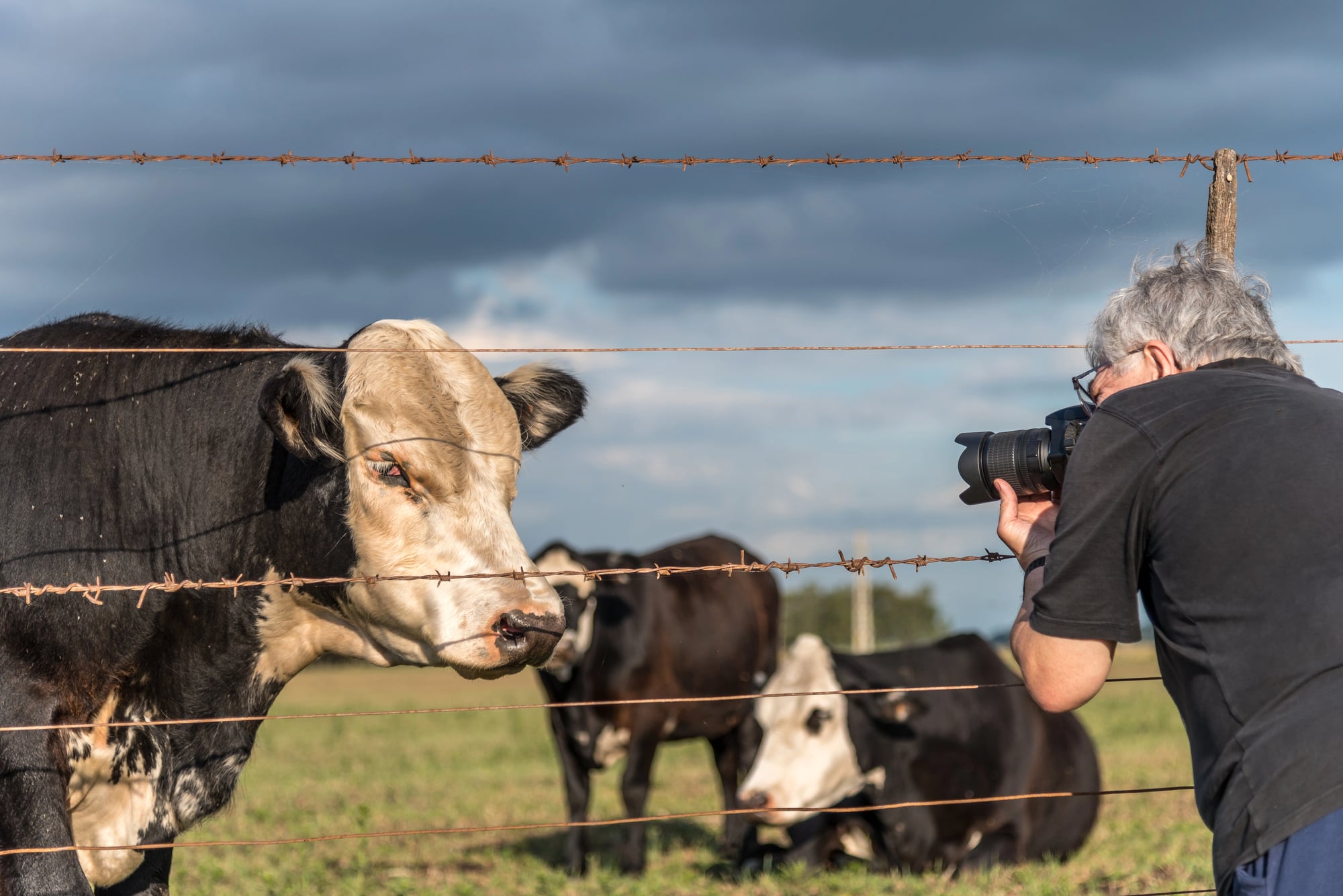
Seeing an animal on film creates a different kind of connection. It moves a species from abstract concept to tangible presence.
For policymakers, footage can support funding and protective measures. For the public, it builds emotional investment.
In some cases, a single video has renewed interest in a species thought to be nearly gone. It can galvanize action, attract resources, and reshape priorities.
Film does not replace fieldwork, but it amplifies its impact.
These moments remind people that extinction is not inevitable, but neither is survival.
The ethics of capturing rare animals

Filming rare species raises ethical questions. Too much attention can increase risk, especially if locations become known.
Responsible projects balance transparency with protection, often withholding exact details.
Modern wildlife filmmaking increasingly prioritizes minimal disturbance. Remote cameras allow animals to behave naturally, reducing stress and interference.
The goal is observation, not intrusion.
When done carefully, filming becomes a tool for protection rather than exploitation.
Why it still matters
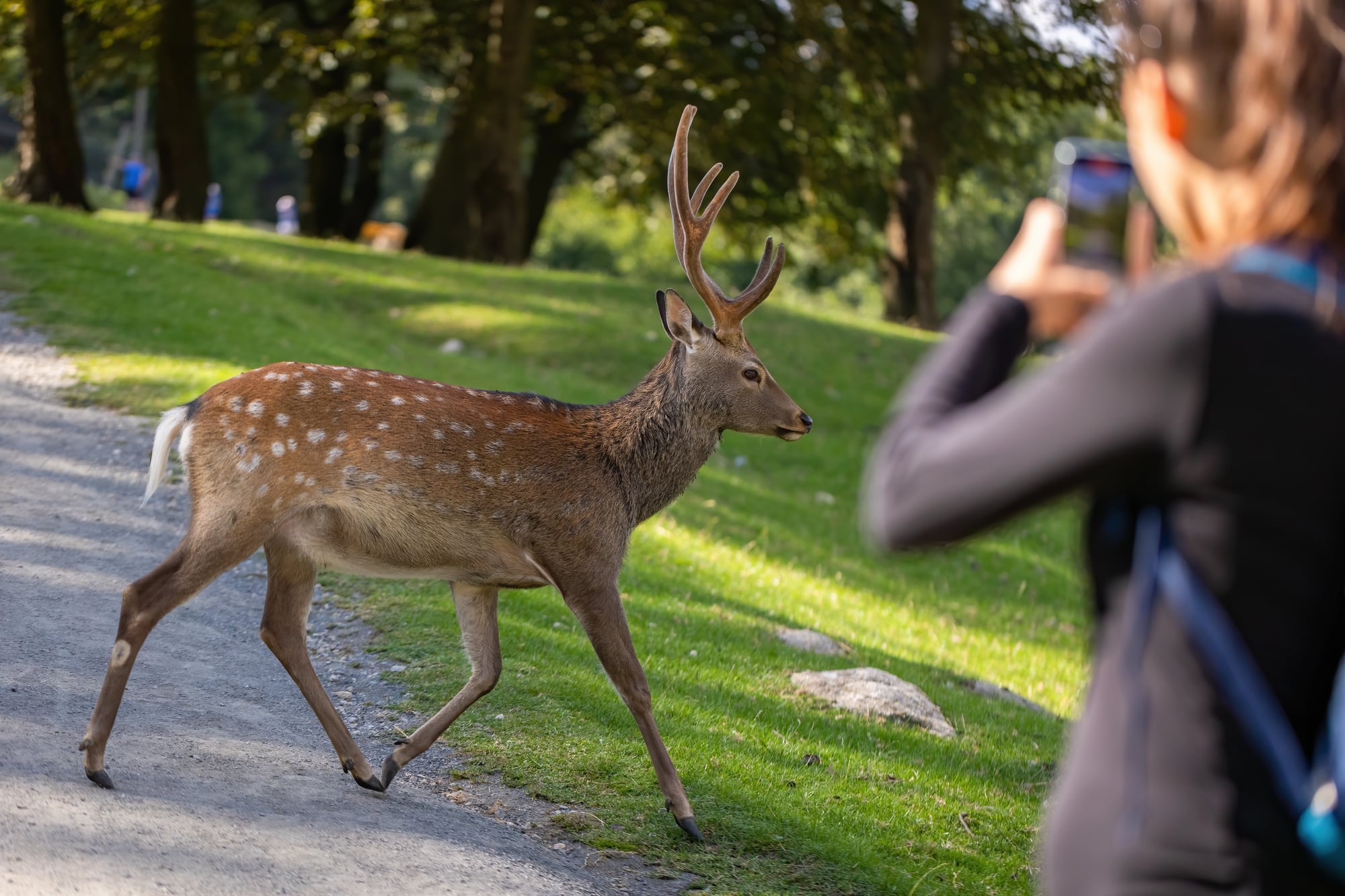
Now think about it – seeing these creatures on film isn’t just for wonder. Each clip stamps a date on life itself, showing how an animal breathed, shifted, responded.
Sometimes, down the line, only those frames will prove they were ever here.
A fresh take begins every time the tape rolls. Survival hangs in the balance – real, yet never promised.
A glimpse, short as it may be, pulls their struggle into clear view.
A single flicker on screen might hold what silence erases elsewhere. What remains often owes its life to moments caught by chance.
More from Go2Tutors!

- The Romanov Crown Jewels and Their Tragic Fate
- 13 Historical Mysteries That Science Still Can’t Solve
- Famous Hoaxes That Fooled the World for Years
- 15 Child Stars with Tragic Adult Lives
- 16 Famous Jewelry Pieces in History
Like Go2Tutors’s content? Follow us on MSN.