Most Complex Languages to Learn
Learning a new language opens doors to different cultures and ways of thinking. But some languages demand far more time, effort, and patience than others.
The difficulty often depends on how different a language is from what someone already speaks, but certain languages challenge even the most dedicated learners with their unique writing systems, grammar rules, and sounds. So what makes a language truly difficult? Let’s look at some of the most challenging ones out there.
Mandarin Chinese

From the beginning, Mandarin throws students into the deep end. Instead of using an alphabet, the writing system employs thousands of characters, each of which stands for a word or a portion of a word.
To read a newspaper, one must commit at least 2,000 to 3,000 characters to memory. Because the same sound can signify entirely different things depending on whether the voice is flat, up, or down, the tones add yet another level of difficulty.
Conversations can become awkward when “mother” is spelled “horse” in the wrong way.
Arabic

Arabic reads from right to left, which feels backwards for most Western learners. The alphabet connects letters in ways that change their shape depending on where they sit in a word.
Vowels often don’t appear in written text, so readers have to guess them based on context. Different regions speak wildly different dialects, so someone who learns formal Arabic might struggle to understand casual conversation in Morocco or Egypt.
The grammar includes dual forms for pairs of things, not just singular and plural, which adds extra rules to remember.
Japanese

Japanese uses three different writing systems at the same time. Hiragana and katakana are syllabic alphabets with about 50 characters each, but kanji borrowed from Chinese adds thousands more characters to learn.
The language shifts dramatically based on social context, with different words and verb forms for speaking to friends versus bosses or strangers. Counting systems change depending on what gets counted, so the number ‘three’ has different words for three books, three animals, or three flat objects.
It’s like the language decided regular numbers were too boring.
Korean
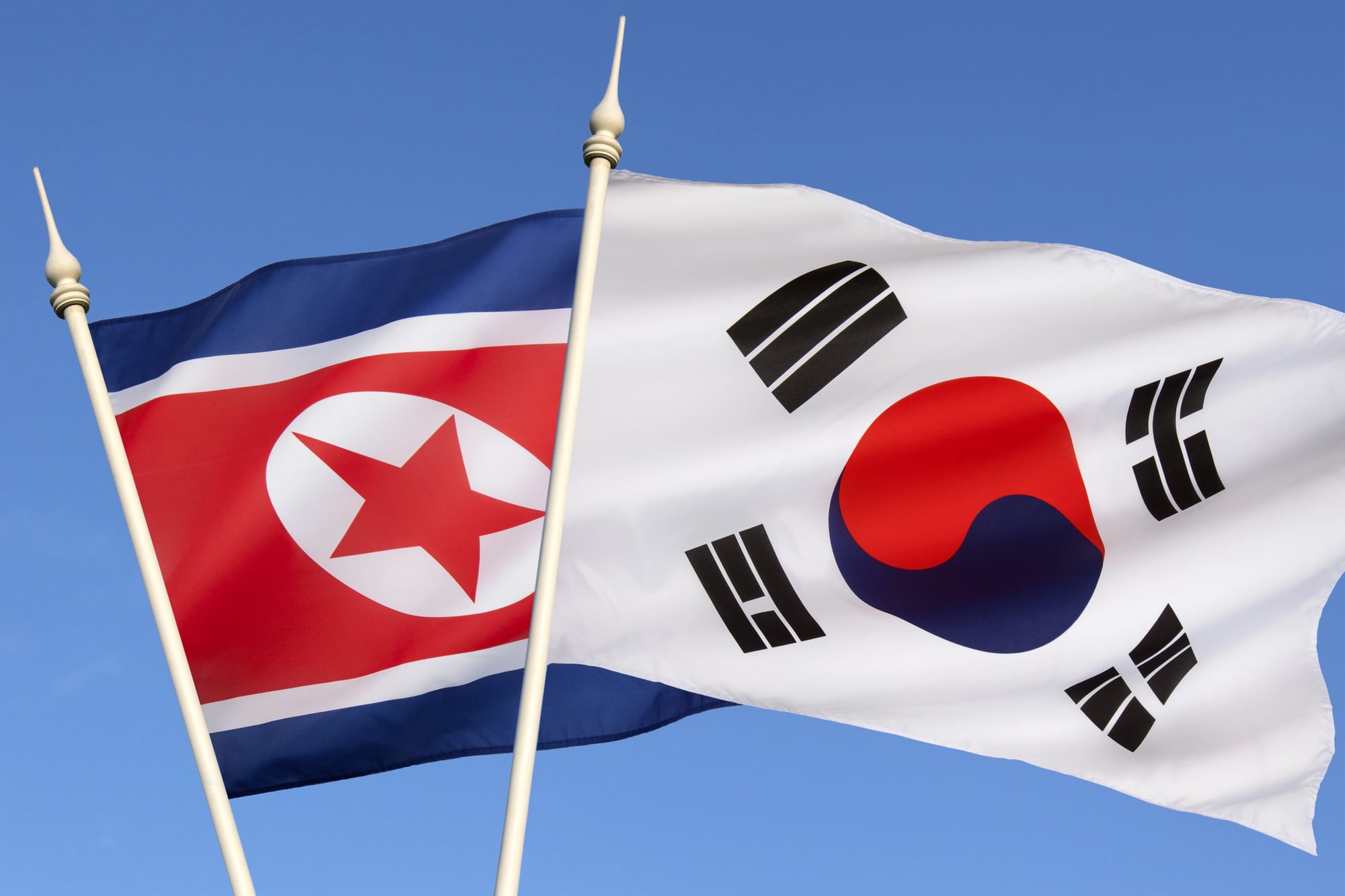
Korean looks deceptively simple at first with its alphabet of 24 letters. But the grammar turns sentences inside out compared to English, putting verbs at the very end.
The language has seven different speech levels that show respect and social hierarchy, and using the wrong level can offend people without meaning to. Pronunciation includes sounds that don’t exist in most other languages, like the difference between aspirated and unaspirated consonants that sound almost the same.
Word order feels natural to Korean speakers but confusing to everyone else trying to piece together what’s happening.
Hungarian

Hungarian belongs to a language family with almost no relatives that most people know. The grammar uses at least 18 different cases, which means word endings change based on the role a word plays in a sentence.
Verbs have different forms depending on whether the object is definite or indefinite, adding another decision to every sentence. The vocabulary shares almost nothing with European languages, so learners can’t rely on familiar roots or cognates to guess meanings.
Pronunciation includes vowel sounds that take months to master, and natives can tell immediately when someone gets them wrong.
Finnish
Finnish shares some similarities with Hungarian since they’re distantly related. The language has 15 cases that transform nouns in complex ways, and consonants can double or triple within words to change meanings completely.
Verbs conjugate differently based on whether statements are positive or negative, which seems unnecessary until you’re actually trying to speak it. Word formation glues multiple parts together into single massive words that express whole ideas.
The vocabulary feels completely foreign to speakers of European languages, making every word a new item to memorize from scratch.
Icelandic
Icelandic has barely changed in a thousand years, which sounds romantic until someone tries to learn it. The language preserves old Norse grammar with four cases and three genders for nouns that affect everything around them.
Verbs have more than 100 different forms depending on tense, mood, and person. Modern Icelandic creates new words from old roots instead of borrowing from other languages, so learners can’t rely on international vocabulary like ‘computer’ or ‘telephone’.
The small population means few learning resources exist compared to major languages, and finding practice partners can be tough.
Polish
Polish pronunciation throws consonant clusters at learners with combinations like ‘szcz’ and ‘trz’ that sound identical to untrained ears. The language has seven cases that change noun endings, and gender affects almost everything in a sentence in ways that seem random at first.
Verbs come in pairs where one shows completed action and the other shows ongoing action, forcing speakers to think about aspects constantly. Numbers have their own complex rules, changing based on what comes after them in ways that even confuse native speakers sometimes.
It’s the kind of language where you think you’ve got it figured out, then hit another exception.
Georgian
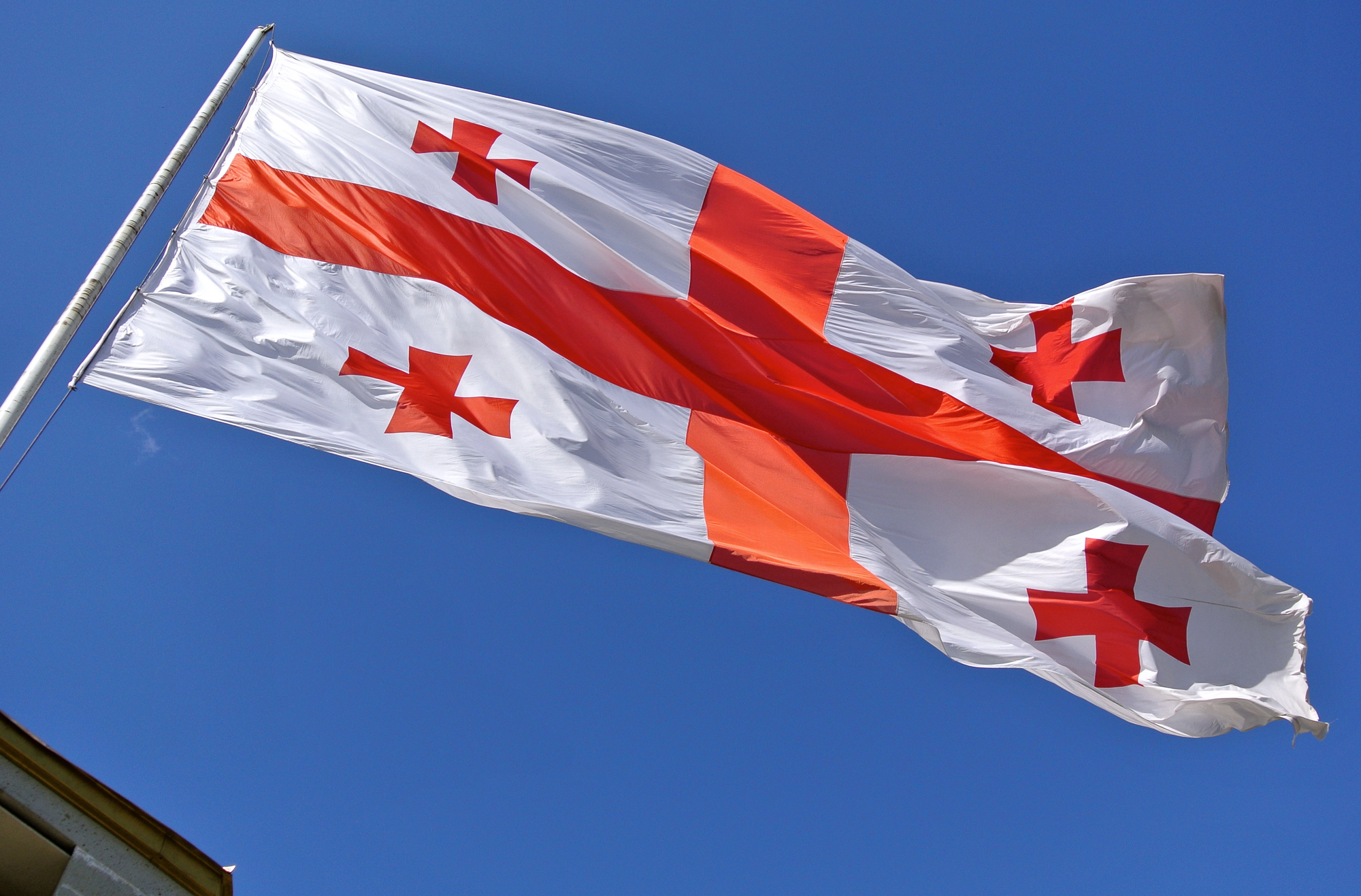
Georgian uses a unique alphabet that looks like elegant squiggles to outsiders. The language puts consonants together in ways that seem impossible to pronounce, with words starting with four or five consonants in a row without a single vowel to help.
Verbs are incredibly complex with different forms for subject, object, and indirect object all marked on the same word in layers. The grammar doesn’t have gender, which sounds easy, but the verb system more than makes up for it with its complexity and exceptions.
Most learning materials are scarce since few people outside Georgia study the language seriously.
Basque
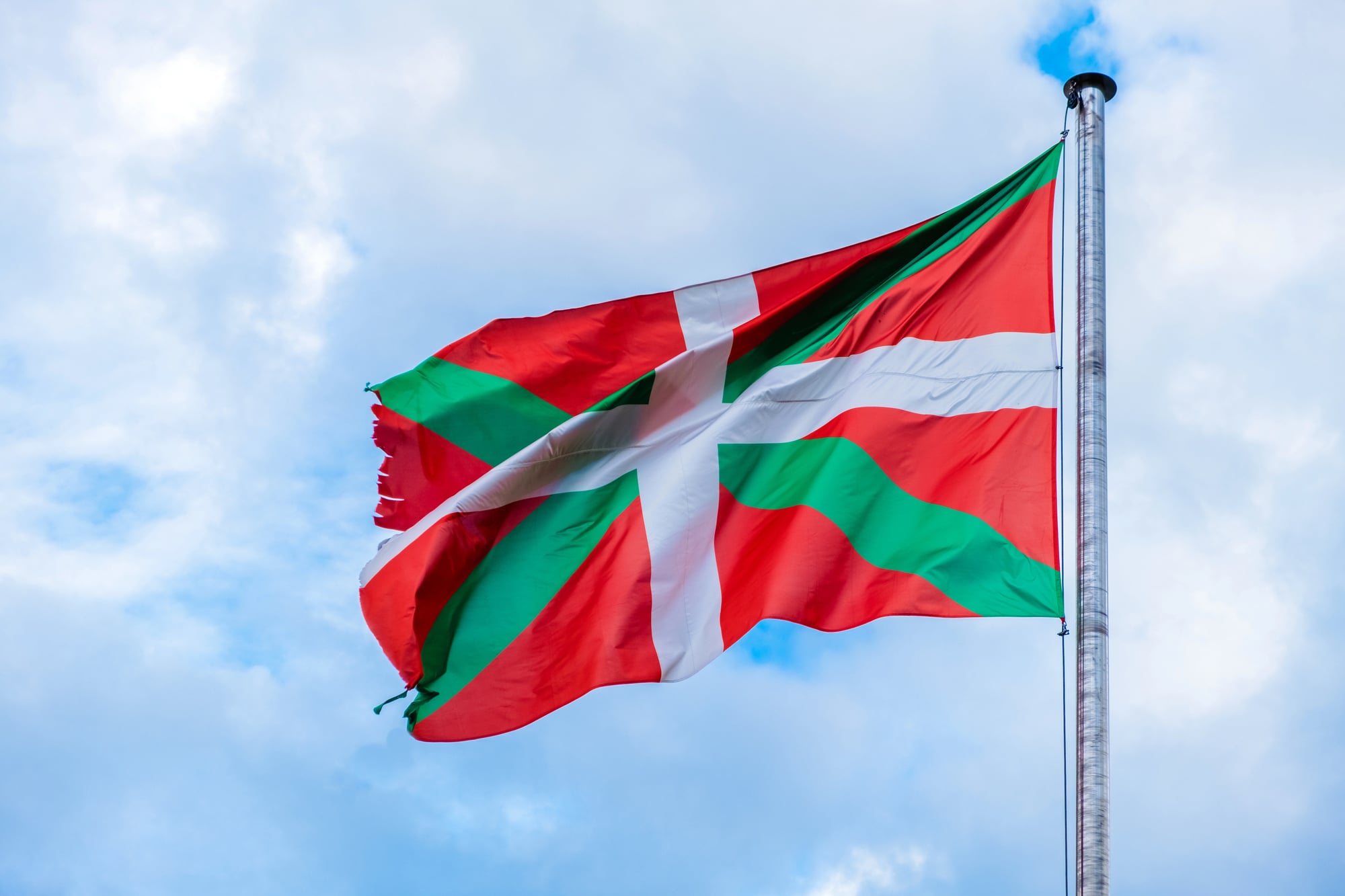
Basque stands alone with no known relatives, making it a genuine linguistic mystery. The grammar works completely differently from surrounding European languages with a system called ergative-absolutive that flips subject and object rules upside down.
Verbs change based on the subject, direct object, and indirect object all at once in combinations that seem endless. The language builds words by stacking prefixes, suffixes, and infixes onto roots in layers like a linguistic sandwich.
Learning materials are limited, and the language varies significantly between regions within Basque country itself, so mastering one dialect doesn’t guarantee understanding another.
Navajo
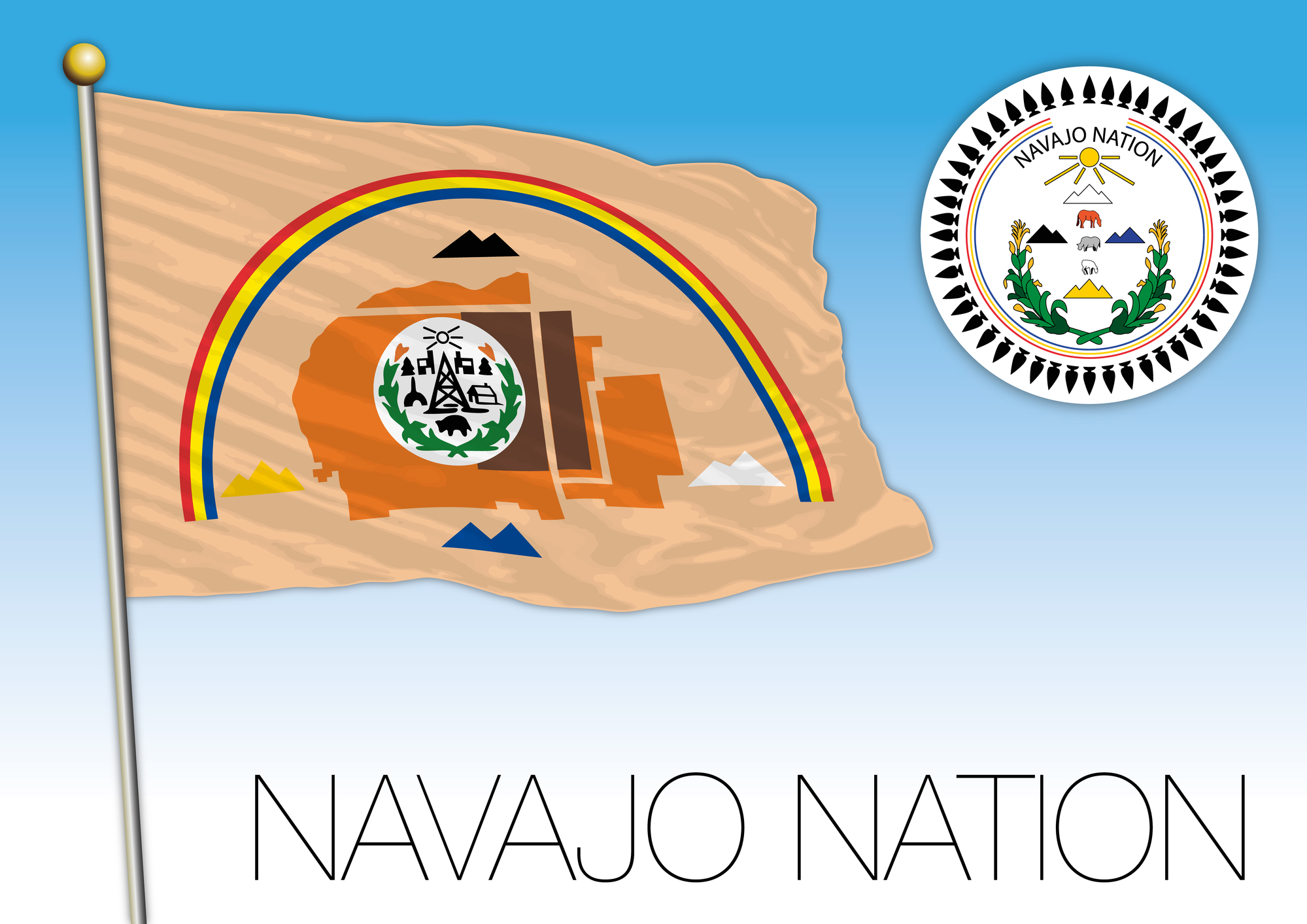
Navajo requires speakers to classify every noun into categories like round objects, flexible objects, or plural objects before using them. Verbs dominate the language with incredibly complex structures that pack entire sentences into single words with multiple moving parts.
The sounds include tones and glottal stops that don’t appear in English and take serious practice to hear correctly. Grammar requires speakers to include information about whether they witnessed something firsthand or heard about it secondhand, which changes the verb form entirely.
The verb system has thousands of possible forms, making memorization nearly impossible and forcing learners to understand the underlying patterns instead.
Thai
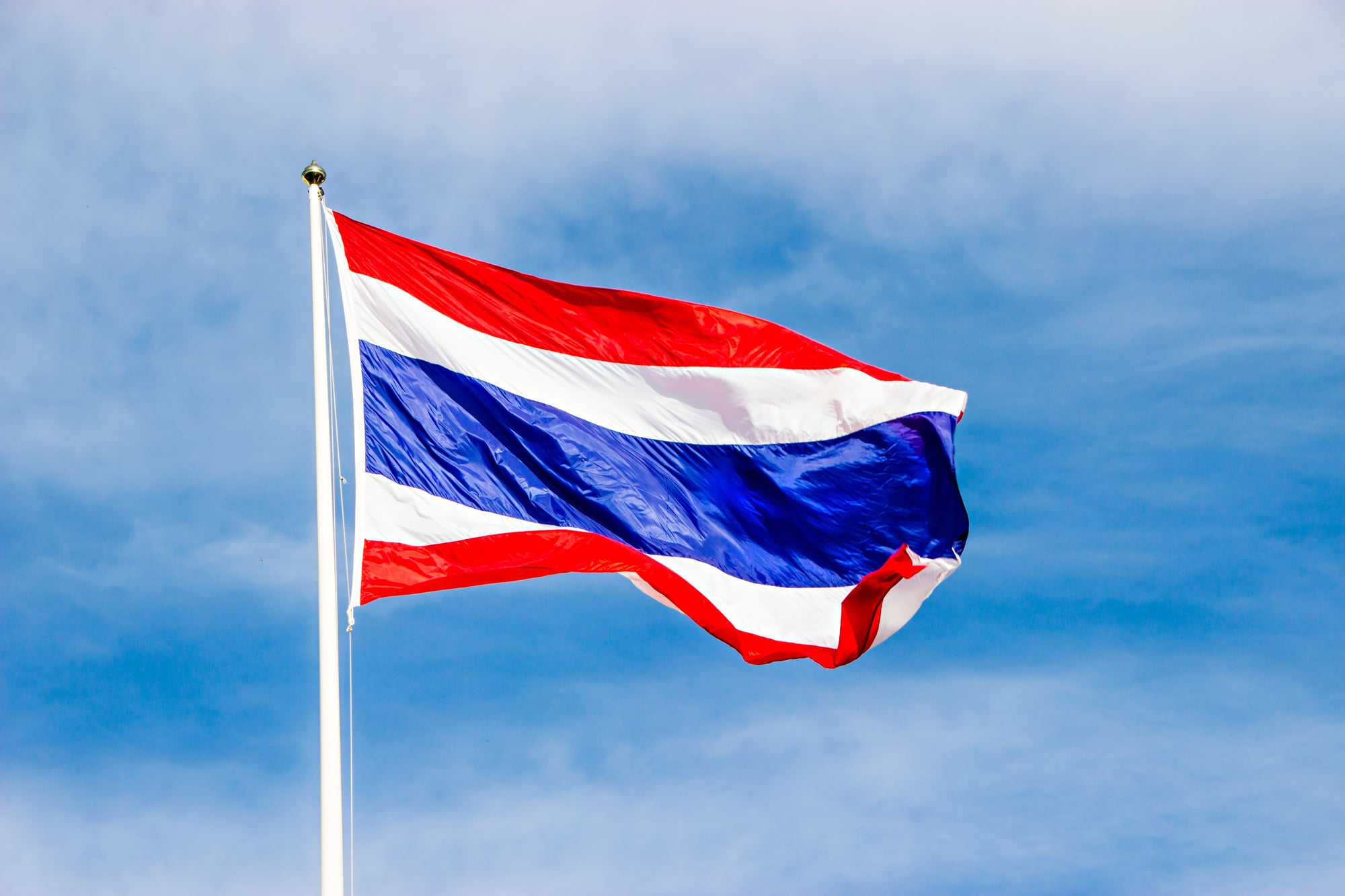
Thai uses five different tones that completely change word meanings in ways that can be hilarious or embarrassing. The writing system has 44 consonants and 15 vowel symbols that combine in various ways, and some letters represent sounds that have merged in modern speech.
Words don’t have spaces between them in written form, so readers need to know where one word ends and another begins just from context. The language has multiple words for ‘I’ and ‘you’ depending on gender and social status, which means constantly adjusting pronouns mid-conversation.
Grammar lacks verb conjugation and plural forms, which sounds simple but makes time references and quantities unclear without extra context clues.
Vietnamese

Vietnamese has six tones in the northern dialect and five in the southern dialect, each changing what a word means entirely. The writing system uses the Roman alphabet but adds diacritical marks above and below letters to show tones, turning familiar letters into something that looks vaguely recognizable but functions differently.
Grammar follows different logic than European languages with classifiers required before nouns, like saying ‘one sheet of paper’ instead of just ‘one paper’. Word order matters enormously since the language lacks verb conjugation and noun declension to show relationships.
Regional accents differ so much that speakers from different areas sometimes struggle to understand each other despite technically speaking the same language.
Russian
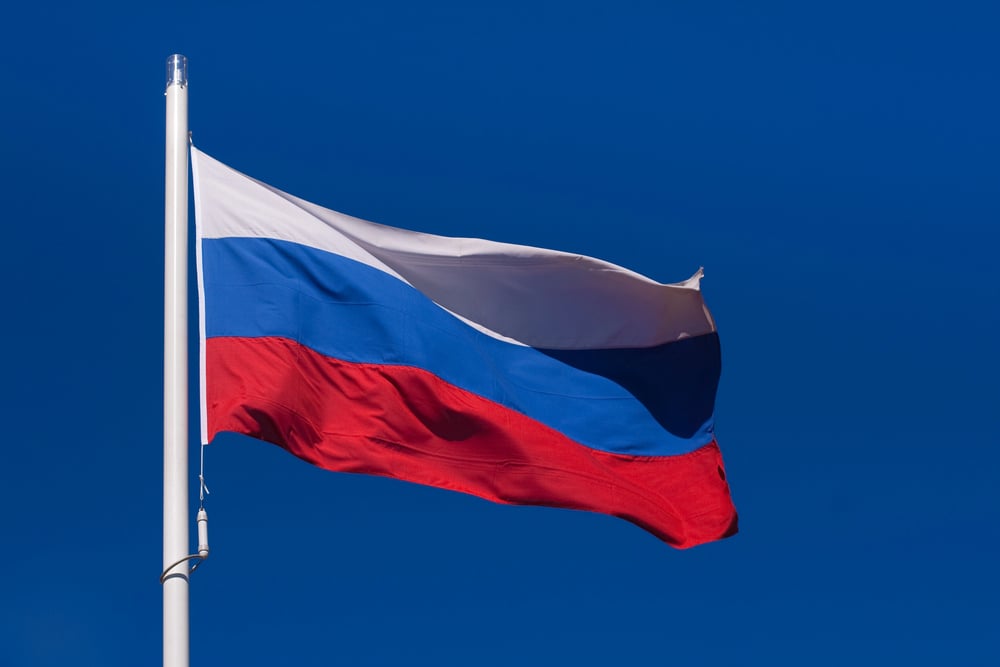
Russian uses the Cyrillic alphabet with 33 letters that look similar to Latin letters but represent different sounds, which trips up beginners constantly. The language has six cases that change noun, adjective, and pronoun endings in complex patterns that feel arbitrary at first.
Verbs come in pairs showing perfective and imperfective aspects, similar to Polish, and picking the wrong one changes the meaning. Words have gender that affects everything around them in a sentence, and there’s no reliable way to predict gender from how a word looks.
Pronunciation includes sounds that don’t exist in English, and stress patterns change unpredictably within words and even move when words change form.
Greek

Modern Greek uses an alphabet that looks familiar from math and science classes but functions completely differently than those symbols suggest. The grammar has four cases and three genders with articles and adjectives that must agree with nouns in ways that stack up.
Verbs conjugate extensively based on person, number, tense, and mood, creating dozens of forms for each verb. The language has two different words for ‘the’ depending on context, and accent marks affect pronunciation in ways that change meaning.
Ancient Greek and modern Greek differ significantly, so studying classical texts doesn’t help much with ordering coffee in Athens.
Albanian
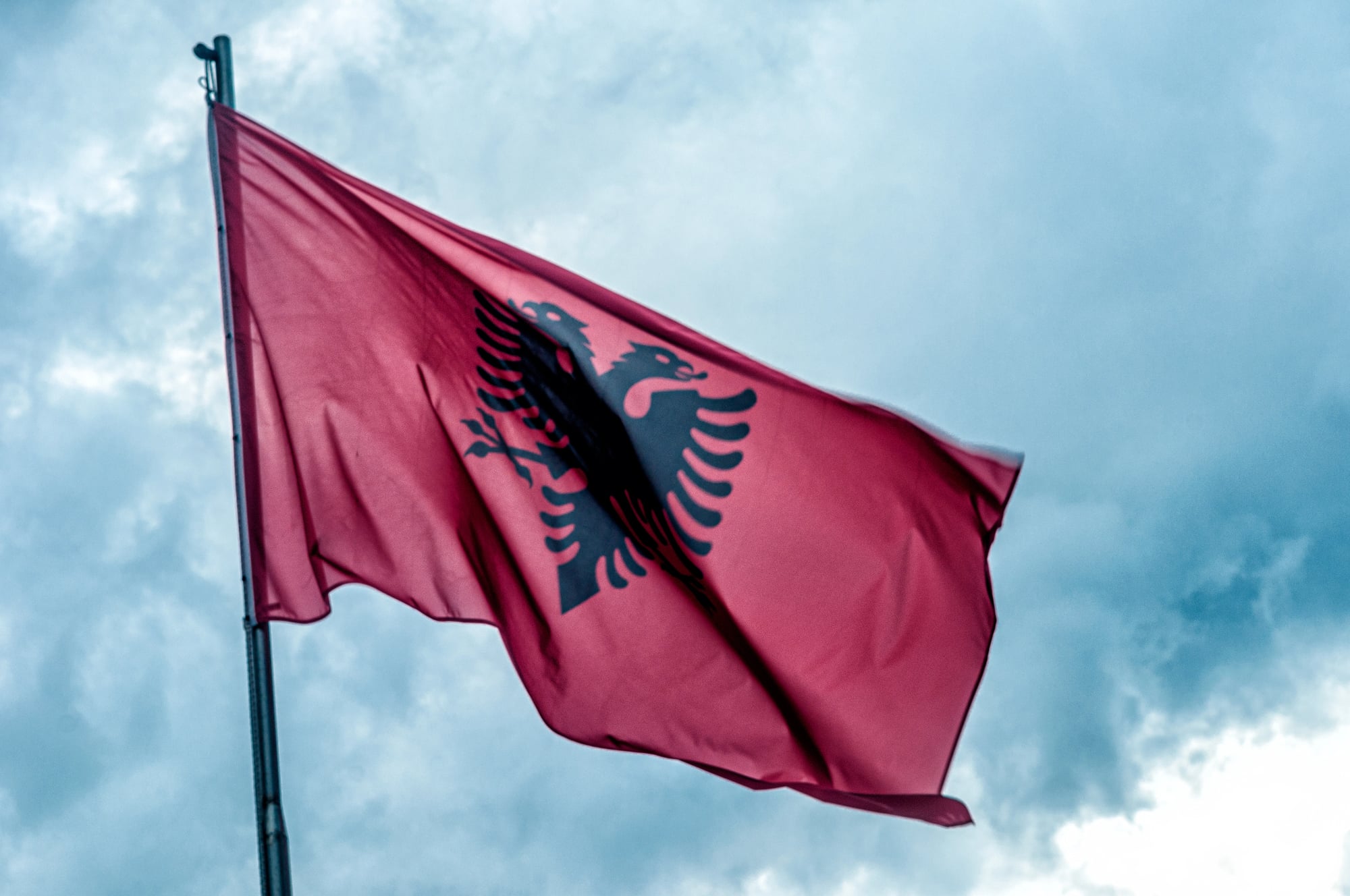
Albanian stands alone in its branch of Indo-European languages with two main dialects that sound quite different from each other. The language has definite articles that attach to the ends of nouns rather than appearing before them, which feels backwards to most learners.
Grammar includes cases, genders, and complex verb conjugations that change based on mood in ways that take time to internalize. Pronunciation includes sounds that don’t appear in neighboring languages despite centuries of contact.
Historical isolation meant the language developed uniquely, and learning materials are harder to find than for major European languages that everyone studies.
Hindi

Instead of representing individual sounds like an alphabet, Hindi uses the Devanagari script, which uses characters that represent consonant-vowel combinations. There are two genders in grammar that have varying effects on verbs, adjectives, and nouns.
Tracking gender across entire sentences is necessary because verbs conjugate according to the subject’s gender, not just the person or number. The verb forms for “you” vary depending on whether it is used in a formal or informal context, and using the incorrect one comes across as impolite.
Aspirated and unaspirated consonants are used in pronunciation; they produce words that are easily distinguished by native speakers despite sounding almost the same to untrained ears.
Tamil
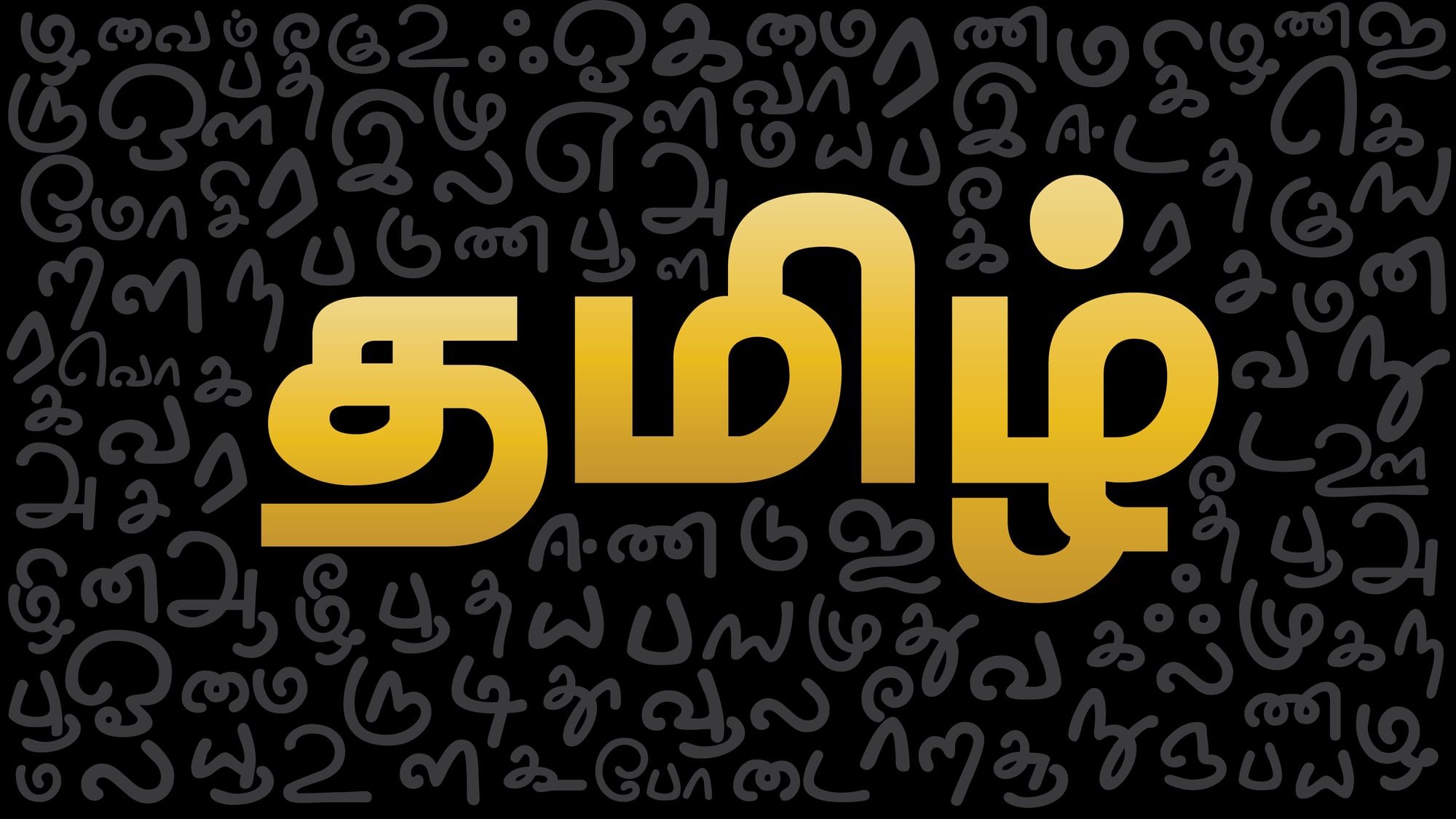
With characters that resemble artistic curves and loops flowing together, Tamil has one of the oldest writing systems still in use. To illustrate the connections between the ideas in the sentence, the grammar heavily relies on suffixes, which are added to the end of words.
Because of the significant differences between spoken and written Tamil, learners must essentially master two distinct forms of the language. With sporadic exceptions, verbs vary according to person, number, gender, and tense in complex patterns.
Depending on whether the listener is part of the group or not, the language uses different words for “we,” which has an impact on how you tell stories.
Where languages meet determination
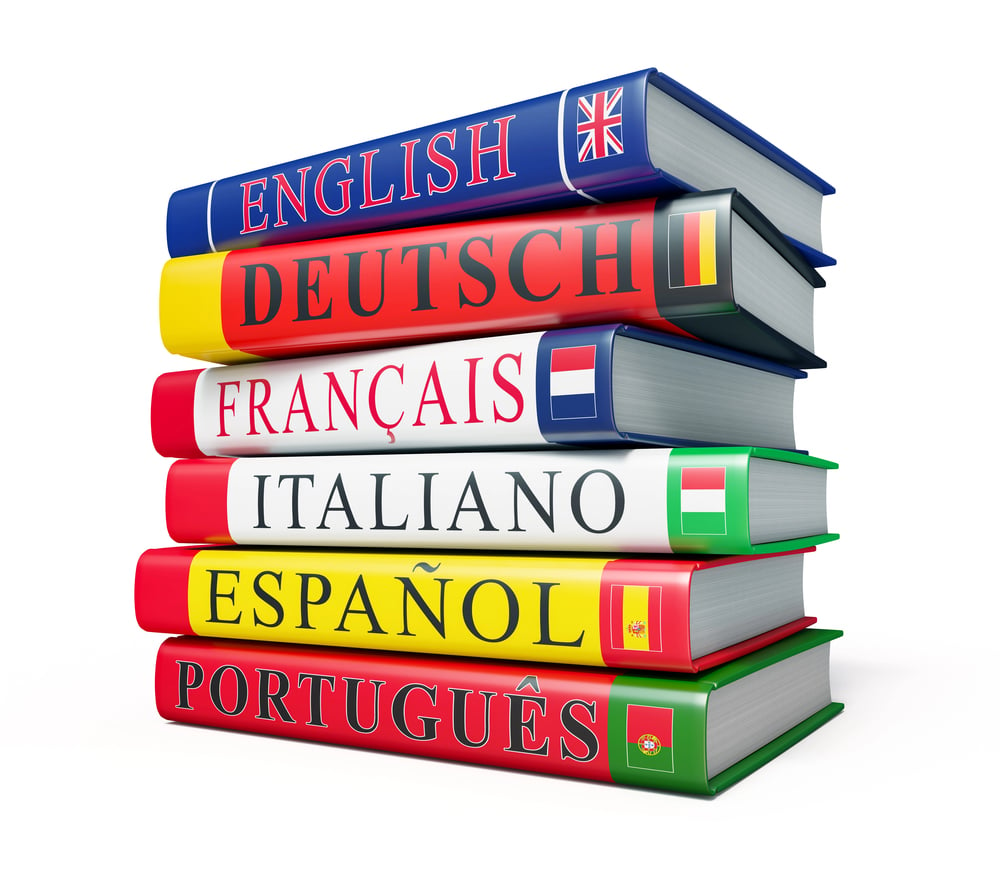
The hardest language to learn really depends on where someone starts. A native English speaker will find Mandarin more challenging than Spanish, while a Japanese speaker might breeze through Korean but struggle with French.
These complex languages share common traits though, like unfamiliar writing systems, intricate grammar rules, and sounds that take years to master. But thousands of people successfully learn these languages every year through consistent practice and immersion, proving that difficulty just means a longer journey, not an impossible one.
The reward for pushing through the challenge is access to completely different ways of expressing ideas and understanding the world.
More from Go2Tutors!

- The Romanov Crown Jewels and Their Tragic Fate
- 13 Historical Mysteries That Science Still Can’t Solve
- Famous Hoaxes That Fooled the World for Years
- 15 Child Stars with Tragic Adult Lives
- 16 Famous Jewelry Pieces in History
Like Go2Tutors’s content? Follow us on MSN.


