14 Trees That Tell Stories About Local History
Trees are nature’s historians, silently witnessing decades or even centuries of human drama. While we rush past them daily, these towering witnesses hold memories of battles fought, communities built, and lives lived beneath their branches. Some have sheltered presidents, others have marked boundaries between warring nations, and a few have simply stood as gathering places where ordinary people made extraordinary history.
Every community has trees with tales to tell, from the massive oaks that watched settlers arrive to the humble saplings planted in memory of local heroes. Here is a list of 14 trees that have become living monuments to the past, each one rooting local history in its very fiber.
Charter Oak
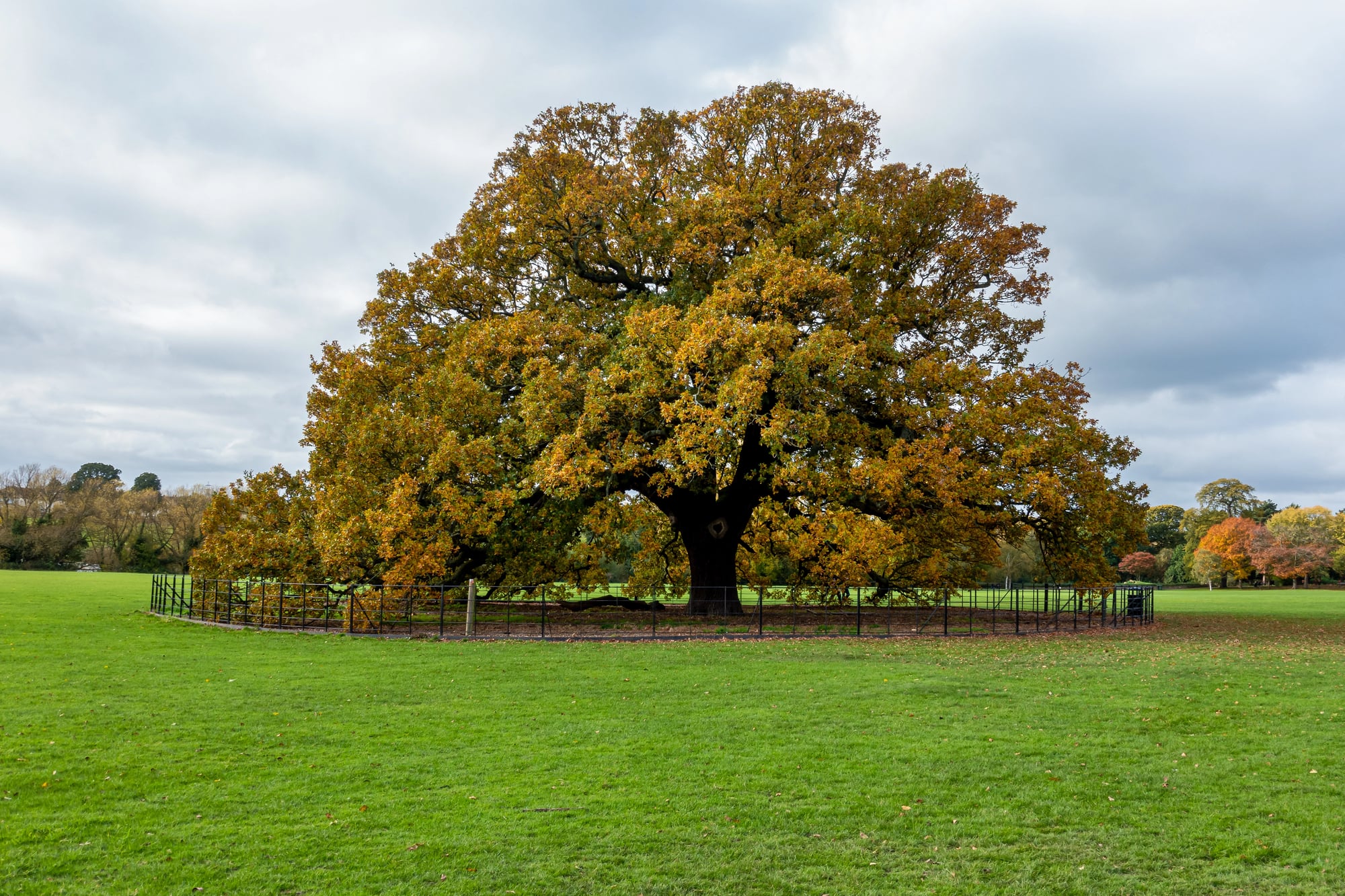
Connecticut’s most famous tree earned its legendary status by hiding the colony’s royal charter in 1687. When British officials demanded the document be surrendered, colonists secretly stashed it inside this ancient white oak’s hollow trunk.
The tree became a symbol of American independence long before the Revolution, standing guard over the precious charter until a storm finally brought it down in 1856. Today, the Charter Oak’s legacy lives on in Connecticut’s state quarter and countless local businesses bearing its name.
Treaty Elm
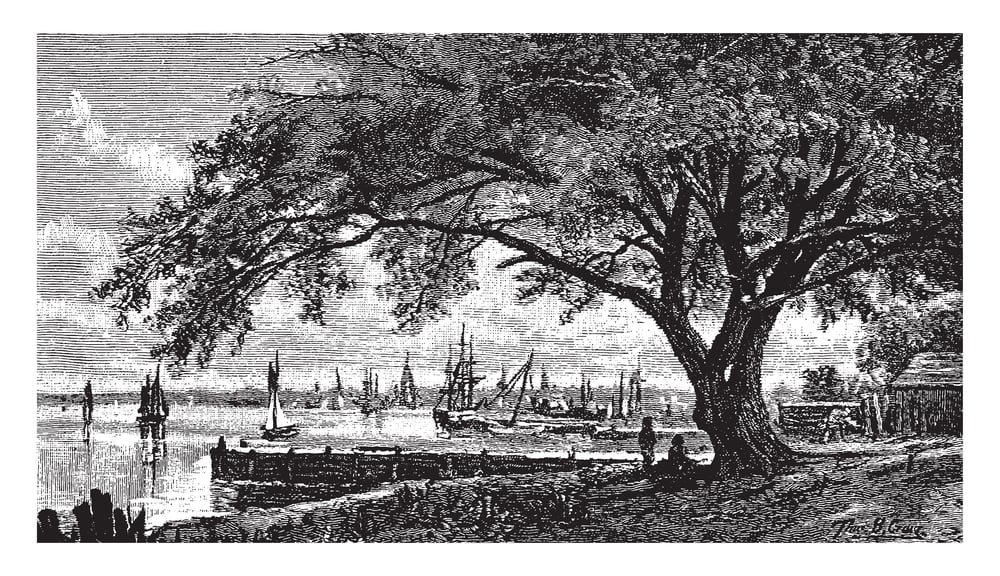
Philadelphia’s Treaty Elm stood as a witness to one of America’s most peaceful land agreements. In 1683, William Penn supposedly met with local Native American leaders beneath this massive tree to negotiate the purchase of Pennsylvania land.
While historians debate the exact details, the elm became a powerful symbol of peaceful coexistence between European settlers and indigenous peoples. The tree survived until 1810, when a storm ended its 280-year watch over the city.
Like Go2Tutors’s content? Follow us on MSN.
Anne Frank Tree
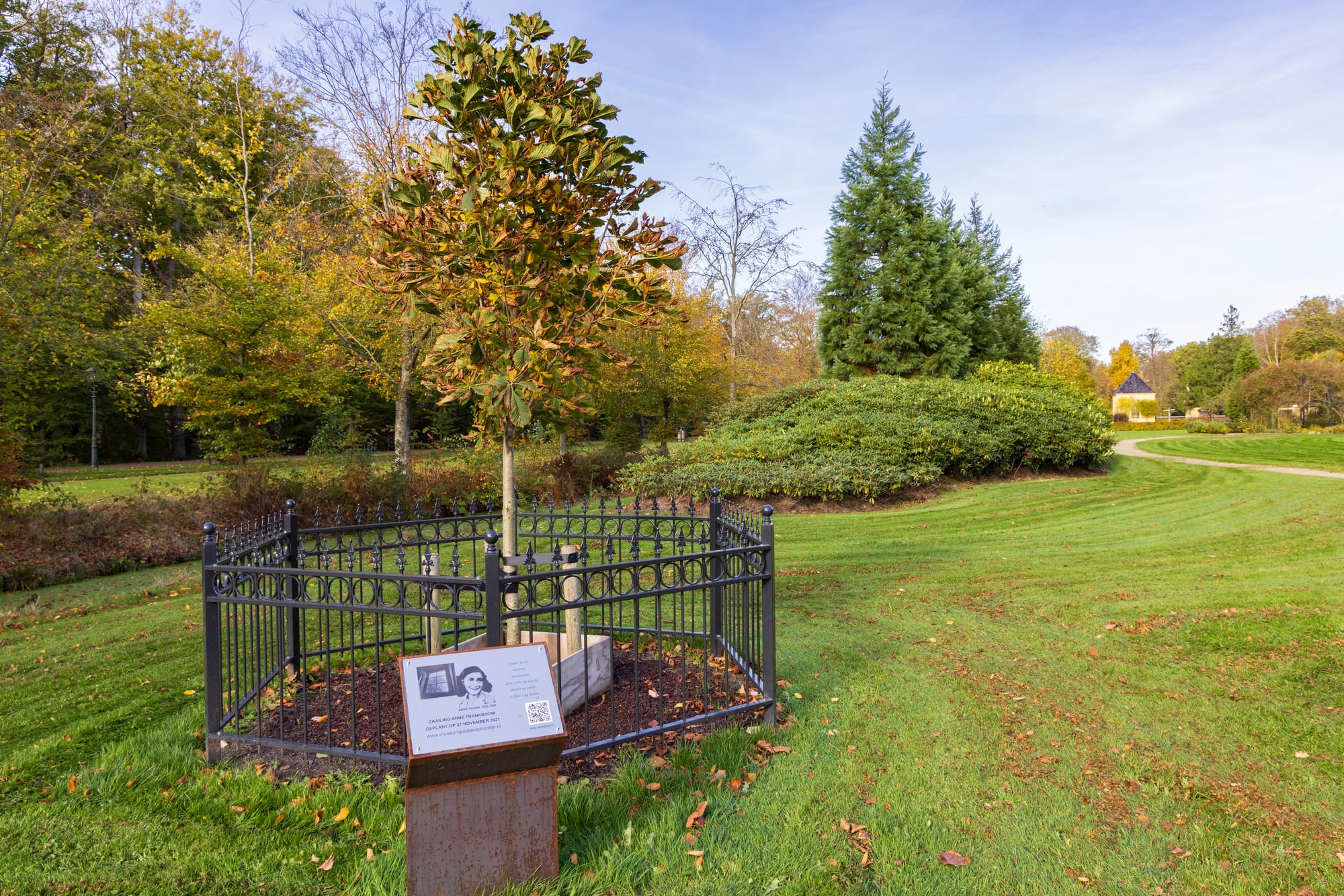
The horse chestnut tree outside Anne Frank’s Amsterdam hiding place became her window to the natural world during two years of confinement. Anne wrote about watching the tree change with the seasons, finding hope in its spring blossoms and autumn colors.
The tree stood for over 150 years until disease and storms weakened it beyond saving in 2010. Its offspring now grow in memorial gardens worldwide, carrying Anne’s story to new generations.
Survivor Tree
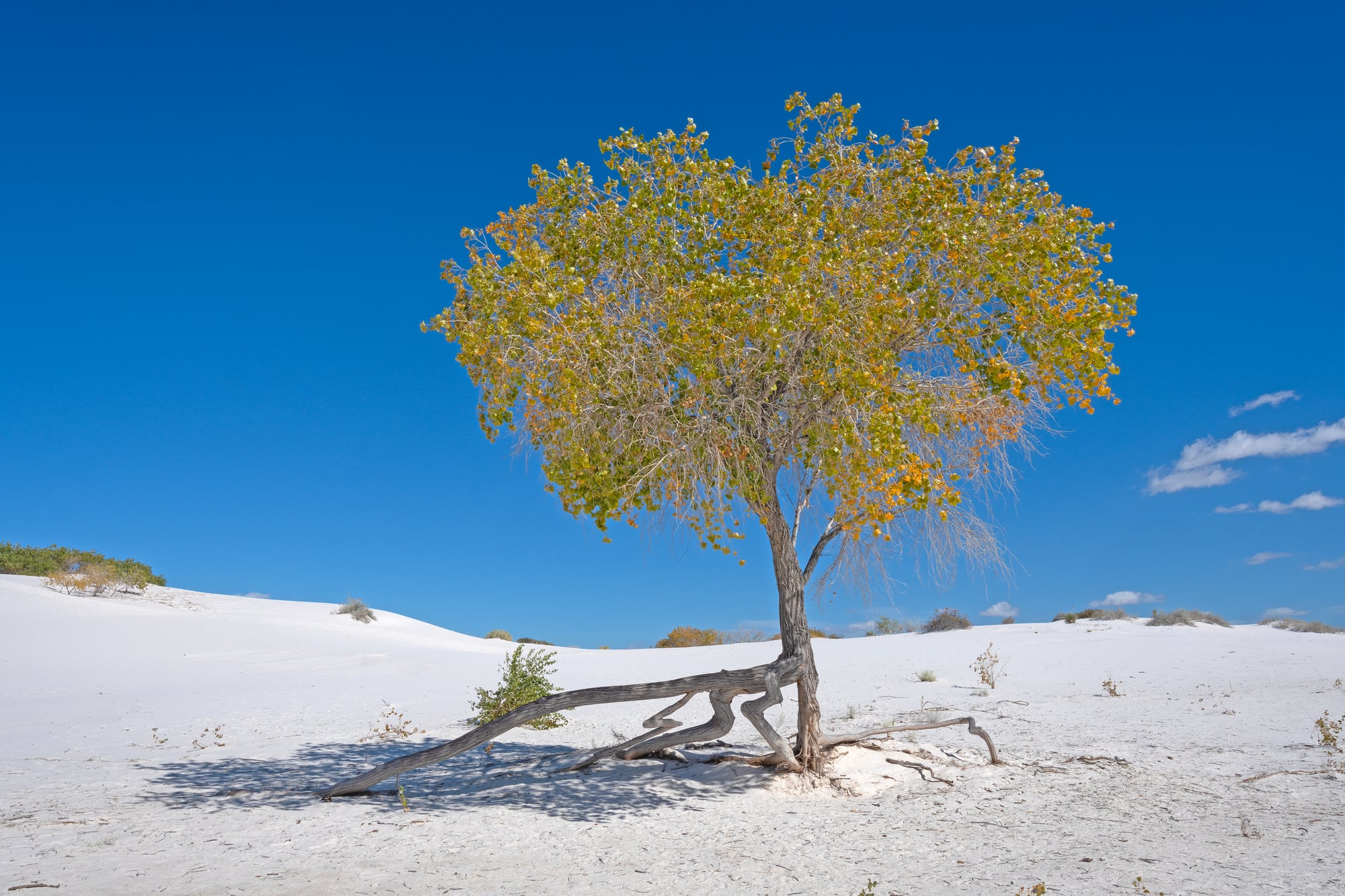
Oklahoma City’s Survivor Tree weathered the devastating 1995 federal building bombing, standing as the lone tree in the blast zone to survive. This American elm lost most of its branches and suffered severe damage, but its roots held firm.
The tree’s remarkable recovery became a symbol of the city’s resilience, and today it anchors the Oklahoma City National Memorial. Seedlings from the Survivor Tree have been planted across the country as living reminders of hope after tragedy.
Hangman’s Elm
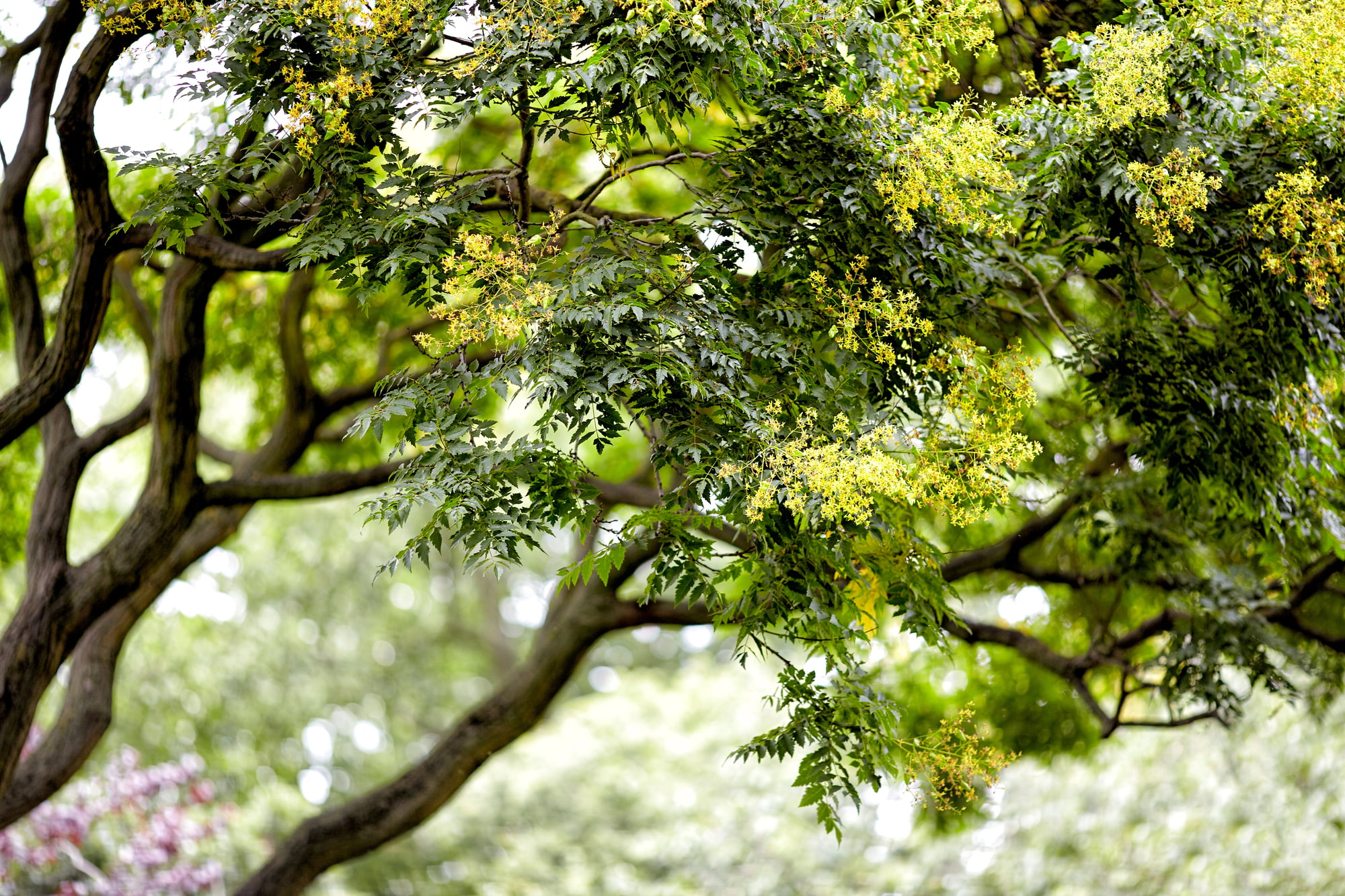
New York City’s Washington Square Park once hosted a towering English elm known as the Hangman’s Elm, which allegedly served as an execution site during colonial times. While historians question whether hangings actually took place there, the tree’s gnarled branches and imposing presence made it a natural focal point for ghost stories and local legends.
The elm finally succumbed to Dutch elm disease in the 1990s, but its legacy lives on in countless tales of old New York.
Like Go2Tutors’s content? Follow us on MSN.
Bowtie Oak
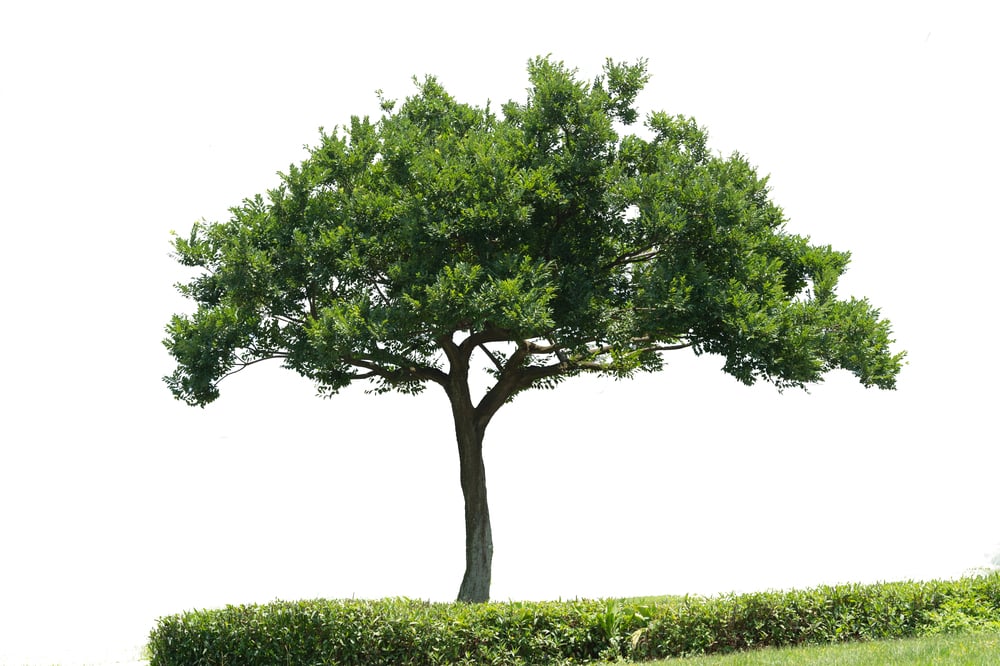
Maryland’s Wye Oak held the title of the largest white oak in the United States for decades, measuring over 31 feet in circumference. This giant likely began growing around 1540, making it older than European settlements in the area.
The tree became Maryland’s official state tree and appeared on the state quarter before a thunderstorm brought it down in 2002. DNA from the Wye Oak now lives on in cloned saplings planted throughout the state.
Lincoln Oak
The Lincoln Oak in Council Bluffs, Iowa, supposedly provided shade for Abraham Lincoln during his 1859 visit to the area. Local legend claims Lincoln carved his initials into the bark, though evidence for this remains thin.
Regardless of Lincoln’s actual connection, the tree became a rallying point for the community and a symbol of their place in American history. The oak stood until the 1960s, when age and disease finally claimed it.
Buttonwood Agreement Tree
Wall Street’s financial history began beneath a buttonwood tree in 1792, when 24 stockbrokers signed an agreement establishing rules for trading securities. The Buttonwood Agreement created the foundation for what would become the New York Stock Exchange.
While the original tree disappeared long ago, a bronze plaque marks the spot where American capitalism took root. The buttonwood’s legacy lives on in the NYSE’s official seal and trading floor traditions.
Like Go2Tutors’s content? Follow us on MSN.
Johnny Appleseed Trees
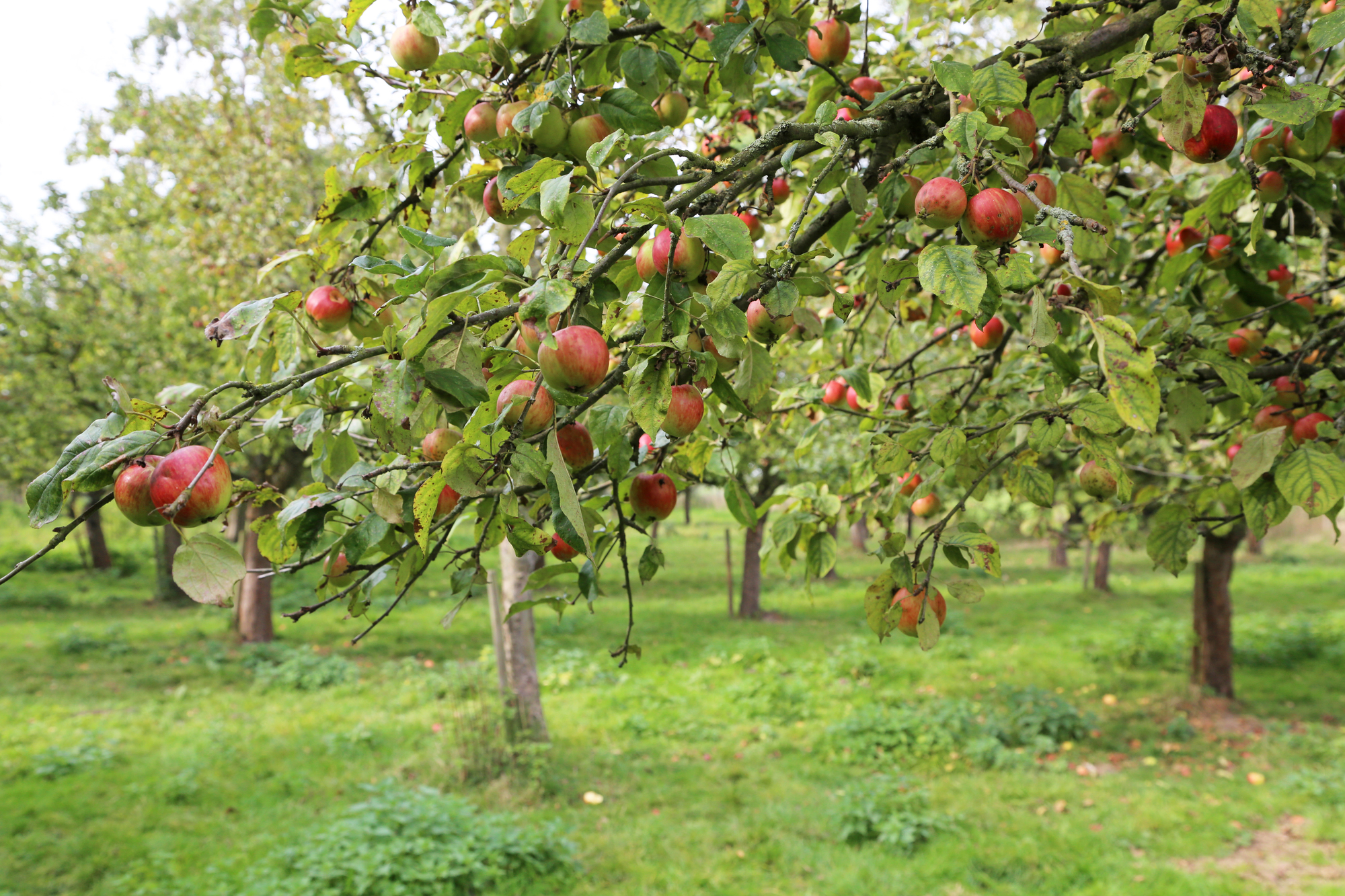
Scattered across Ohio, Indiana, and beyond, dozens of apple trees claim descent from seeds planted by John Chapman, better known as Johnny Appleseed. Chapman traveled the frontier in the early 1800s, establishing nurseries and planting apple seeds wherever he went.
While most of his original trees have died, some grafted descendants still produce fruit, connecting modern communities to this legendary figure who helped feed the expanding nation.
Witness Tree
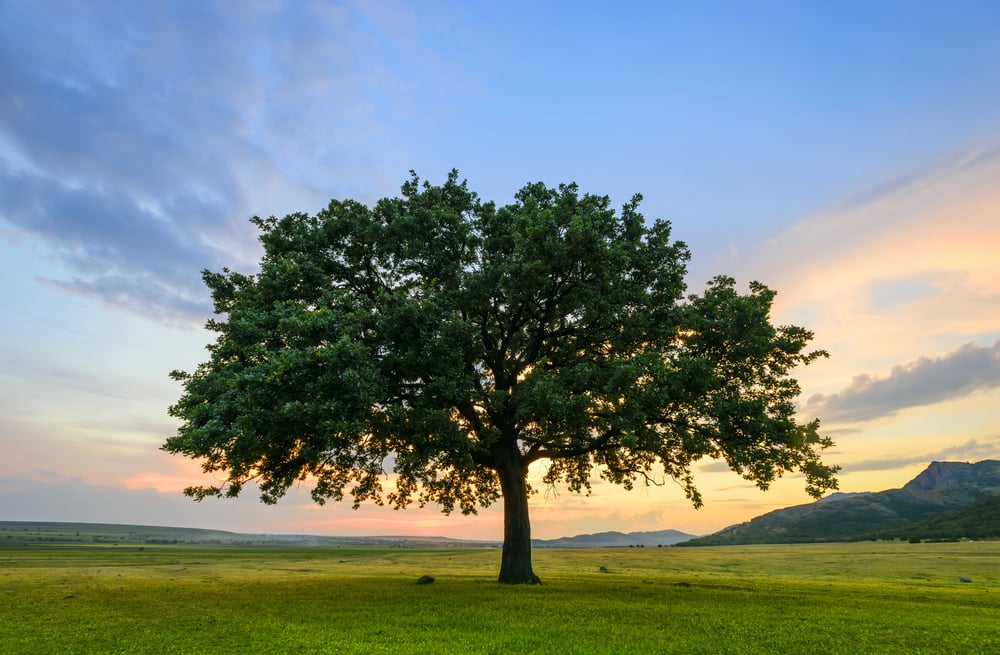
Gettysburg’s Witness Tree, a massive oak on Cemetery Ridge, stood directly in the path of Pickett’s Charge during the Civil War’s bloodiest battle. The tree bears scars from artillery shells and musket marks, serving as silent testimony to the violence that swept across this Pennsylvania field in July 1863.
Park rangers have carefully preserved the oak, recognizing its unique role as both natural landmark and historical artifact.
Salem Witch Trial Tree
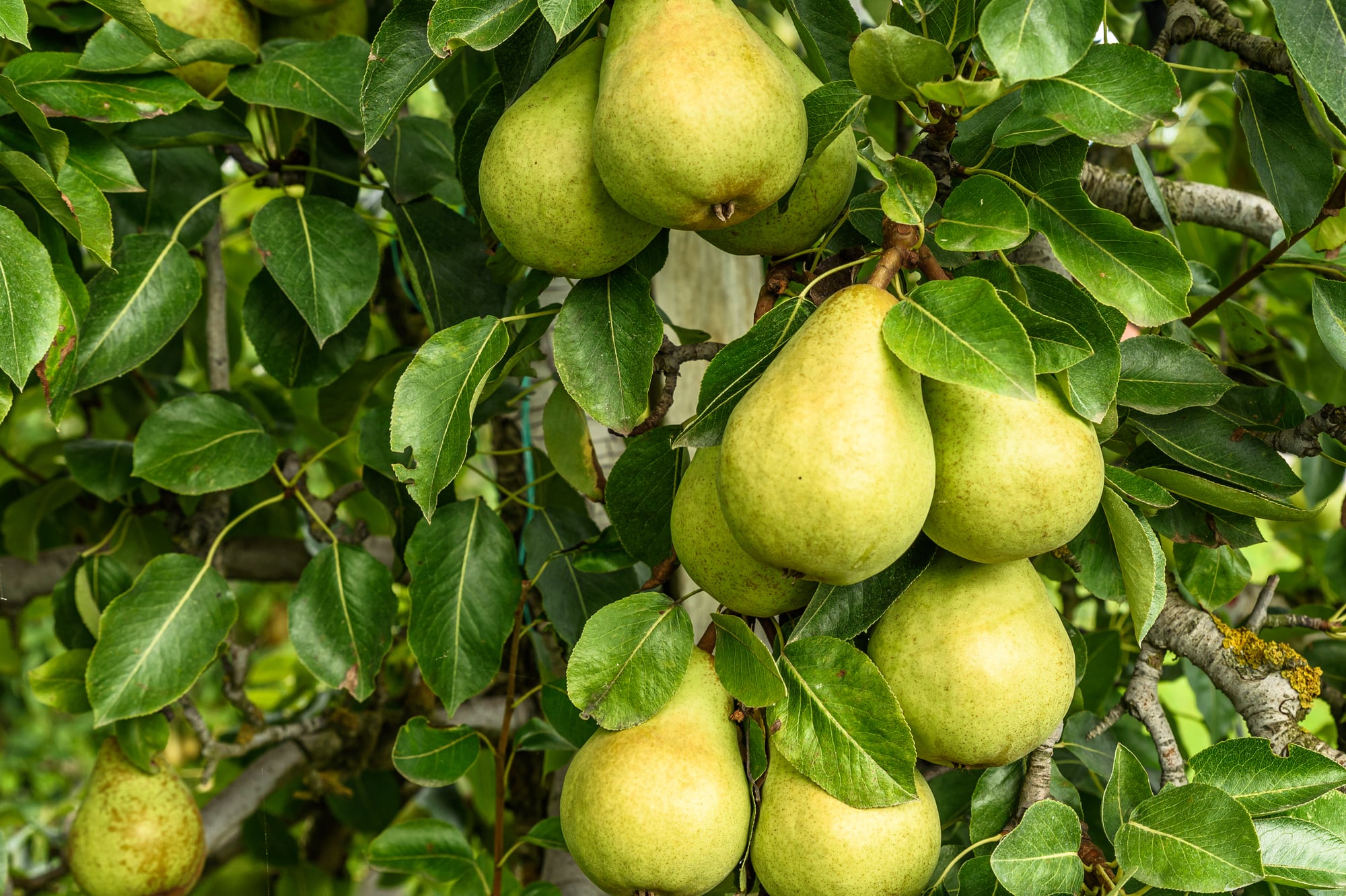
The Balch House Pear Tree in Beverly, Massachusetts, witnessed some of the darkest chapters in American colonial history. This ancient pear tree grew beside the home where Bridget Bishop, the first person executed during the Salem witch trials, once lived.
The tree has stood for over 350 years, making it one of the oldest living witnesses to the hysteria that gripped Essex County in 1692.
Like Go2Tutors’s content? Follow us on MSN.
Sequoia Tunnel Tree
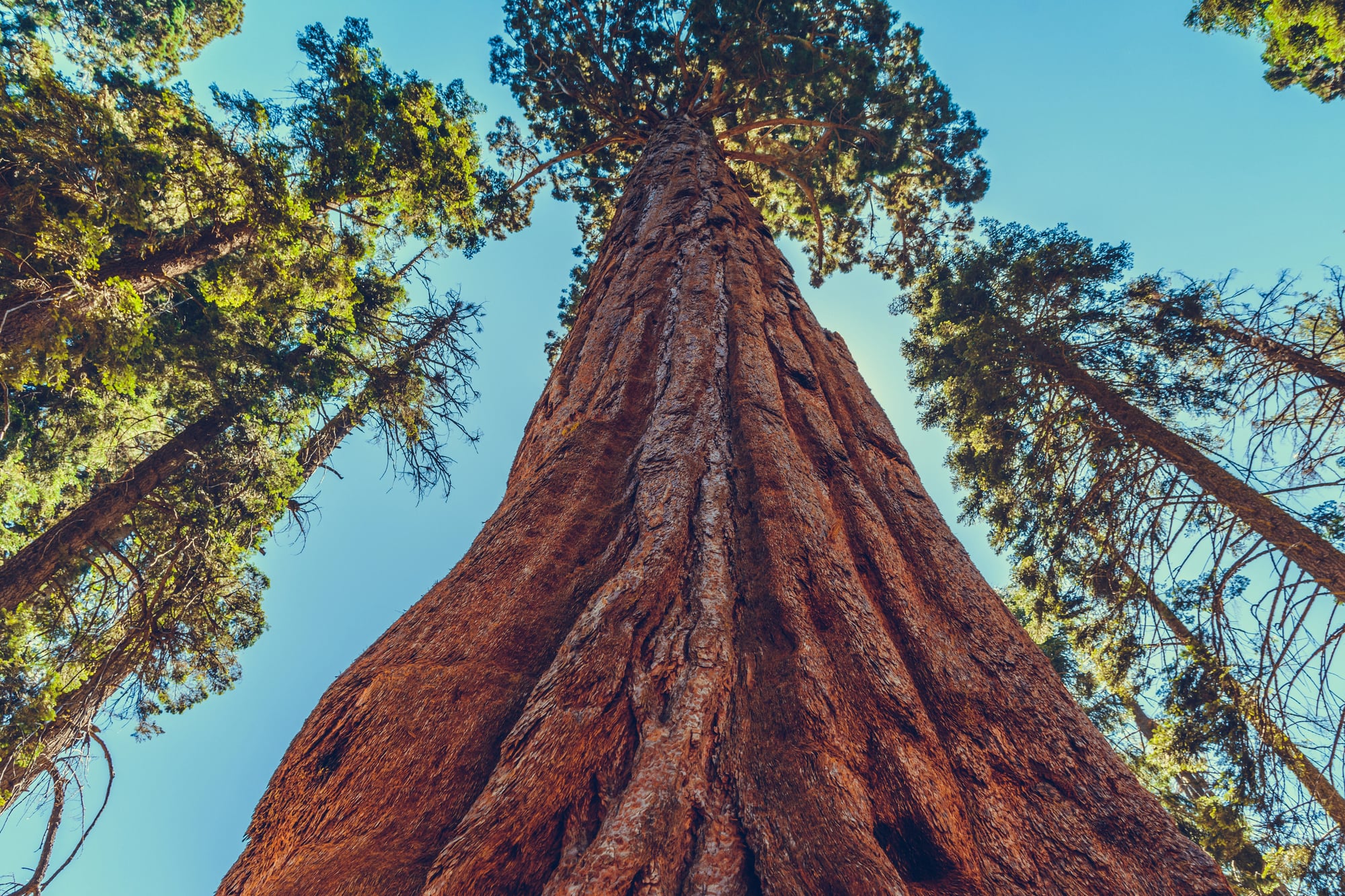
California’s Tunnel Tree in Yosemite became one of America’s most photographed trees after a tunnel was carved through its trunk in 1881. The giant sequoia, estimated to be over 2,000 years old, allowed carriages and later automobiles to drive through its base.
While the tree fell in 1969, it had already served for decades as a symbol of both natural wonder and human ingenuity in the American West.
Methuselah Tree
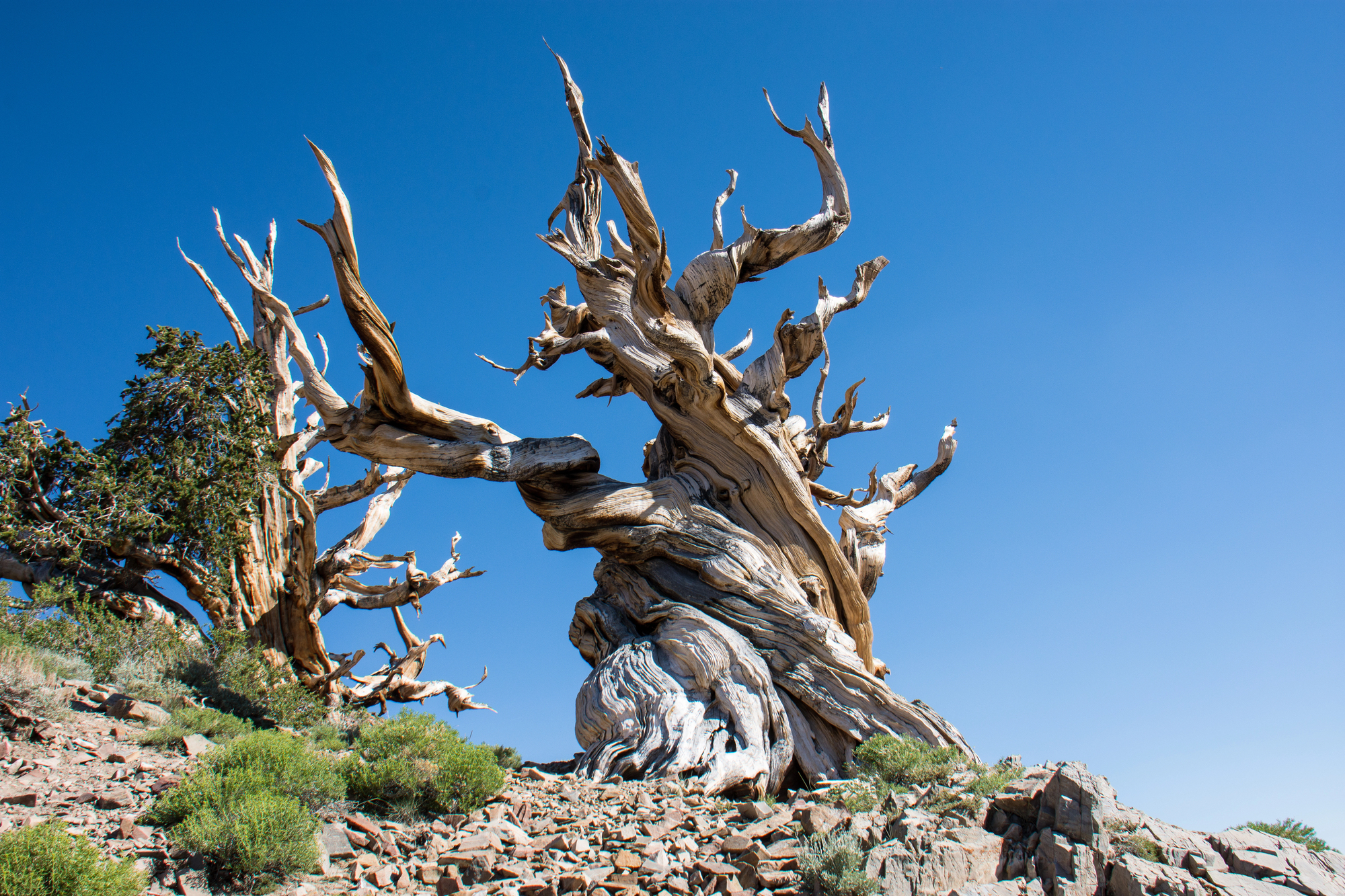
California’s Methuselah, a Great Basin bristlecone pine in the White Mountains, has been growing for over 4,800 years. This ancient tree was already mature when the Egyptian pyramids were built and has witnessed the entire span of recorded human history.
While its exact location remains secret to protect it from damage, Methuselah represents the ultimate connection between natural and human timelines.
9/11 Callery Pear
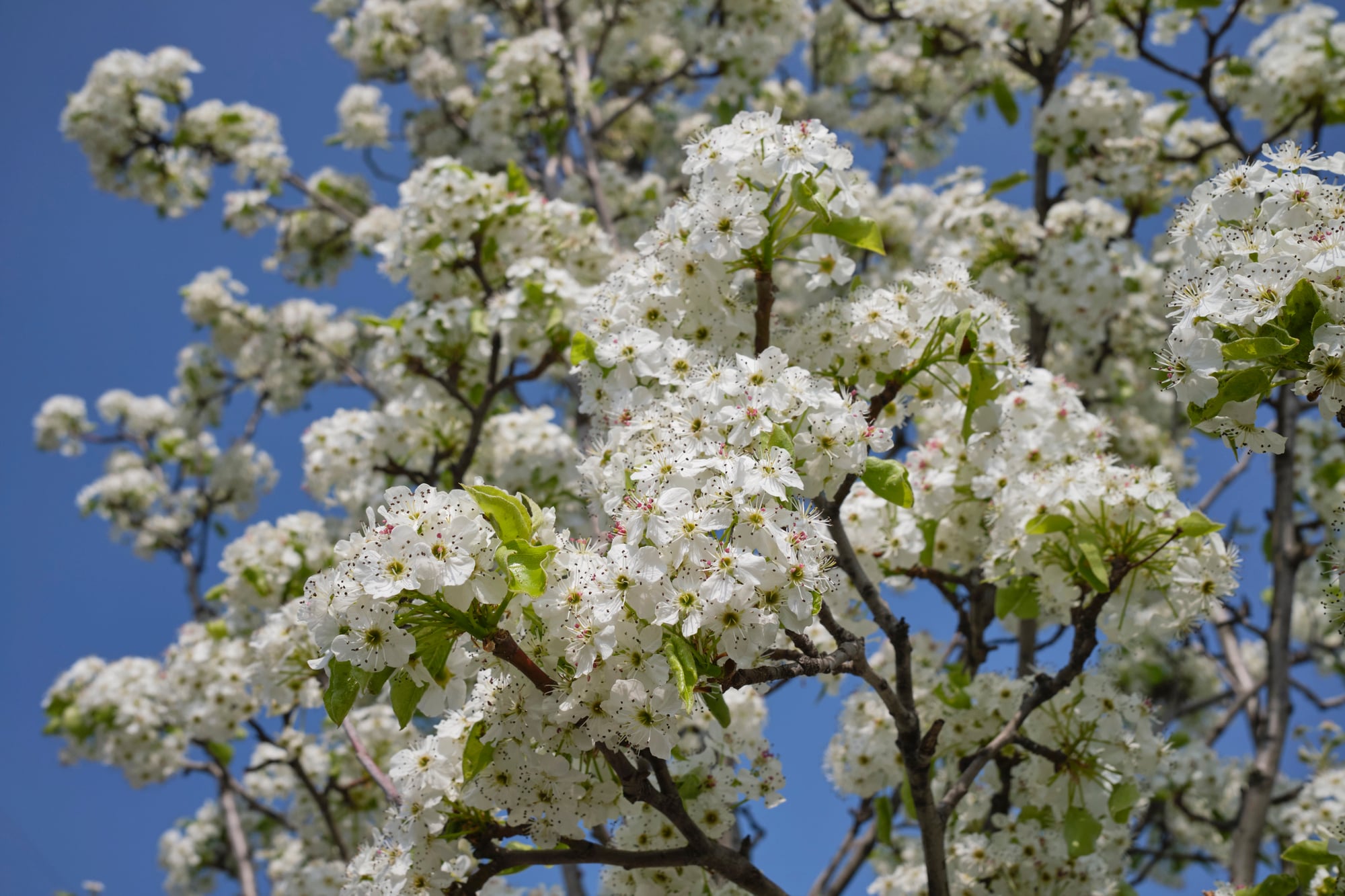
The Survivor Tree at the World Trade Center site, a Callery pear tree discovered in the rubble after September 11, 2001, had been reduced to a charred stump with only one living branch. Nursery workers carefully rehabilitated the tree, which now stands 30 feet tall in the 9/11 Memorial Plaza.
Its spring blossoms have become a symbol of renewal and resilience, proving that even in the face of unimaginable destruction, life finds a way to continue.
Like Go2Tutors’s content? Follow us on MSN.
Rooted in Memory
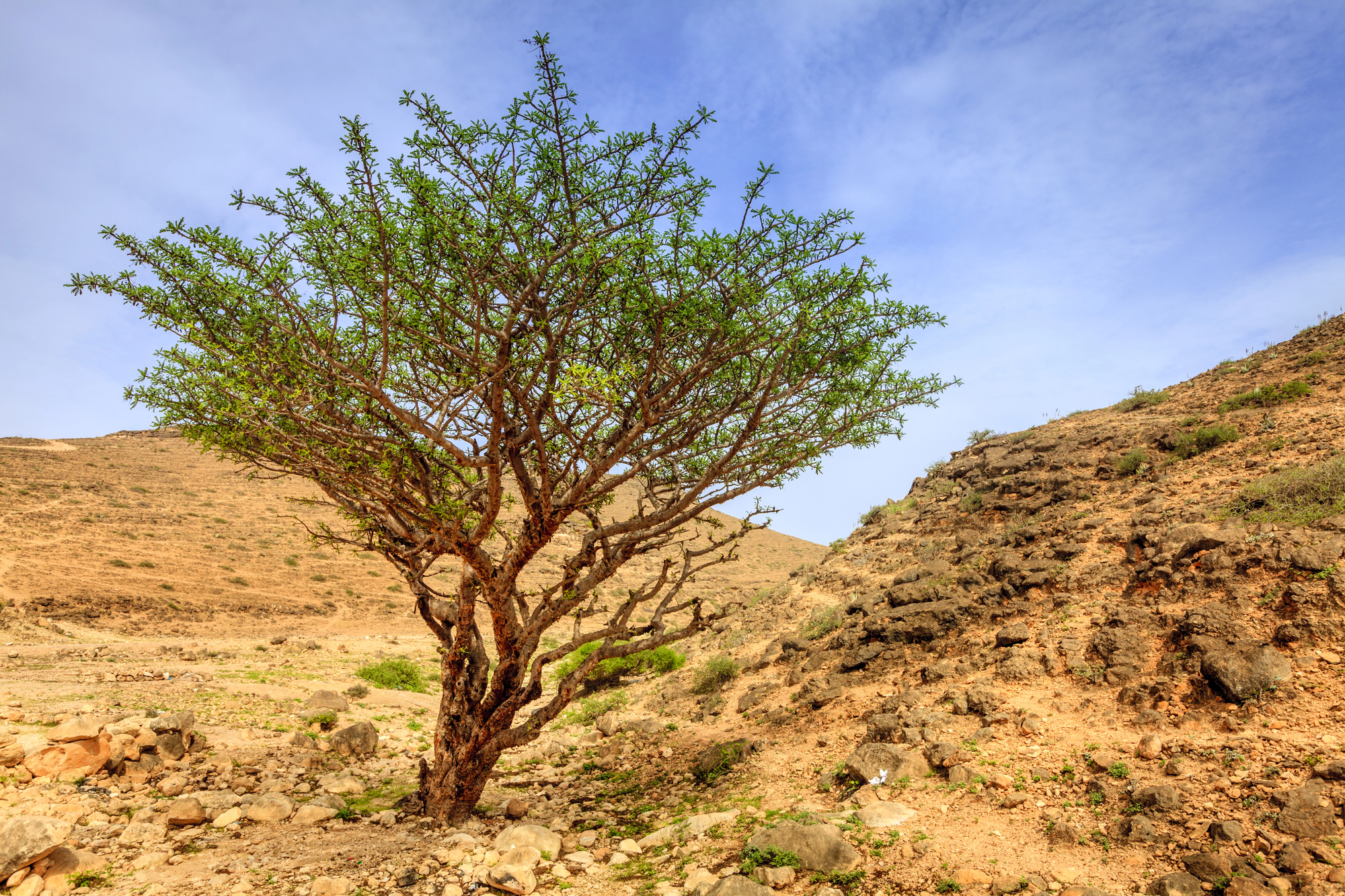
These trees remind us that history isn’t just found in books and museums but grows all around us, ring by ring, season after season. They’ve outlasted the people who planted them, the events they witnessed, and often the communities that once gathered in their shade.
Each one serves as proof that the past never really disappears—it just puts down deeper roots, waiting for someone to notice its story and pass it along.
More from Go2Tutors!

- 16 Historical Figures Who Were Nothing Like You Think
- 12 Things Sold in the 80s That Are Now Illegal
- 15 VHS Tapes That Could Be Worth Thousands
- 17 Historical “What Ifs” That Would Have Changed Everything
- 18 TV Shows That Vanished Without a Finale
Like Go2Tutors’s content? Follow us on MSN.



