15 Turning Points in the Fight Against Slavery
The fight against slavery spanned centuries, reshaping nations and lives. It was never a single moment of triumph but a series of clashes, laws, and rebellions that slowly dismantled a brutal system.
Here’s a list of defining turning points that pushed the world closer to abolition, each leaving a mark on history.
The Somerset Case
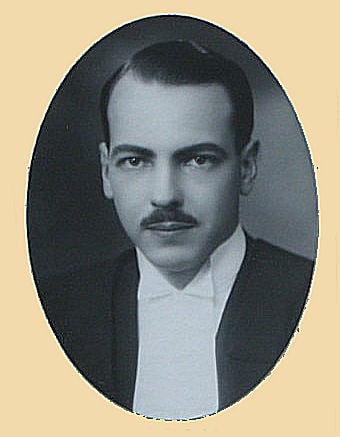
In 1772, James Somerset’s freedom was upheld in Britain. The ruling suggested slavery had no place under English law. Not abolition—but a crack in the foundation.
The Haitian Revolution
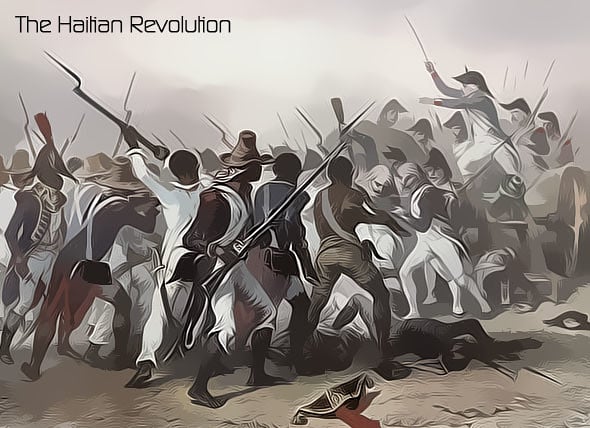
In 1791, enslaved people in Saint-Domingue rose up. Years of struggle followed, but by 1804 Haiti stood as the first Black republic. The shockwaves spread fear among slaveholders everywhere.
The Abolition of the British Slave Trade
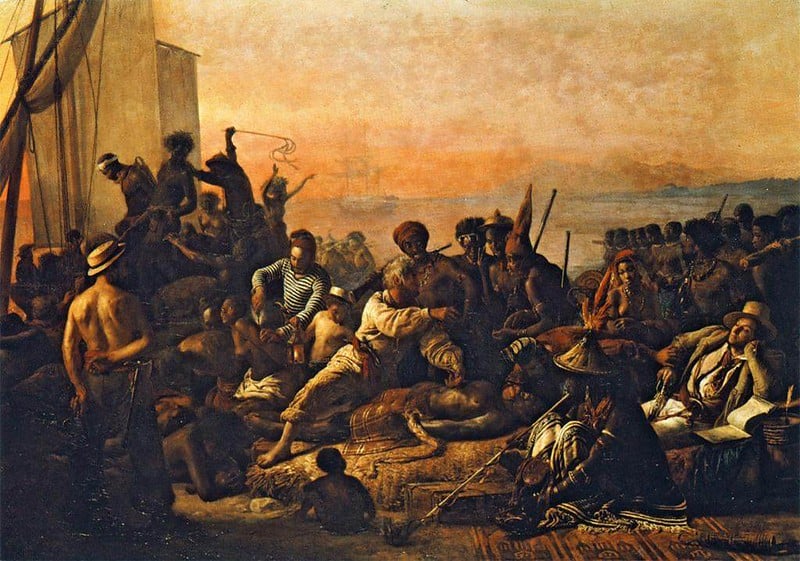
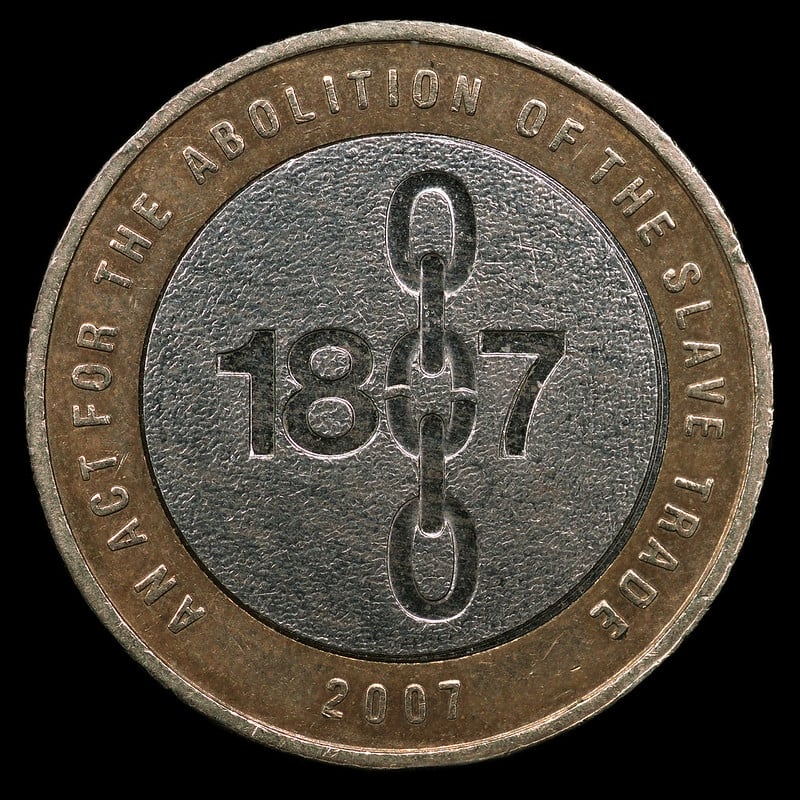
In 1807, Britain outlawed its role in the transatlantic trade. The empire’s navy then hunted slave ships across the seas. For an island nation built on commerce, it was a massive pivot.
The Slave Trade Act in the United States
That same year, the U.S. banned importing enslaved people. Smugglers kept trying, but legally the pipeline closed. The irony? Slavery itself carried on for decades.
Denmark’s Early Ban
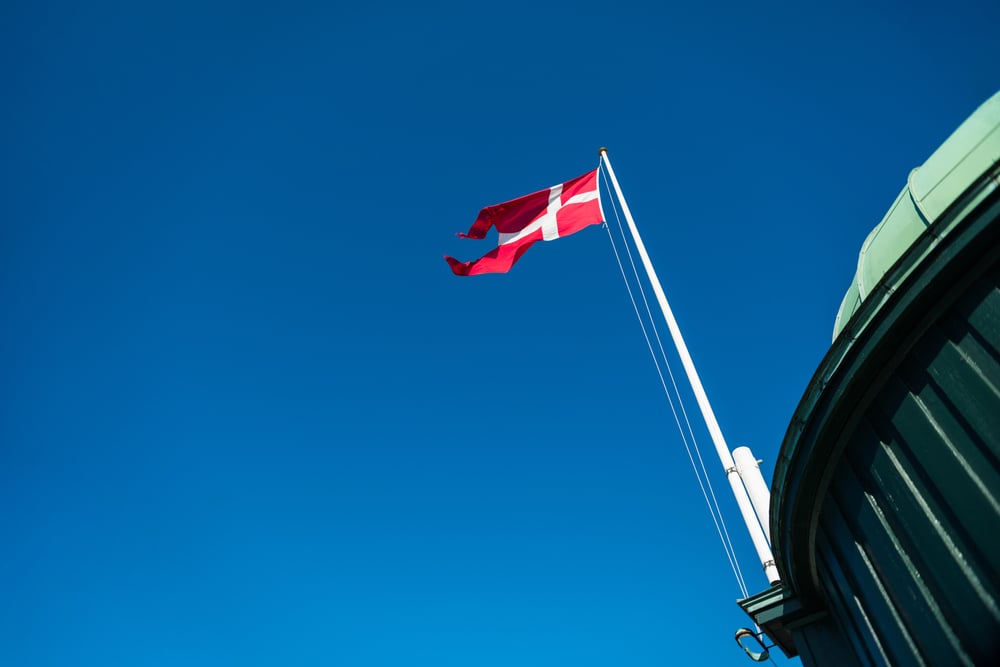
Denmark acted even earlier, in 1803, banning the trade before the bigger powers moved. A small kingdom made a bold stand—quietly, but firmly.
The Missouri Compromise
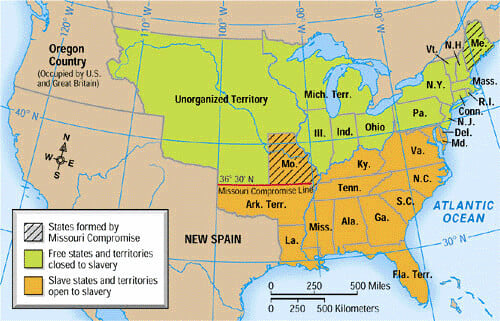
In 1820, the U.S. drew a line between slave and free states. It was meant to calm tensions. Instead, it exposed how deep the divide really was.
The British Abolition Act
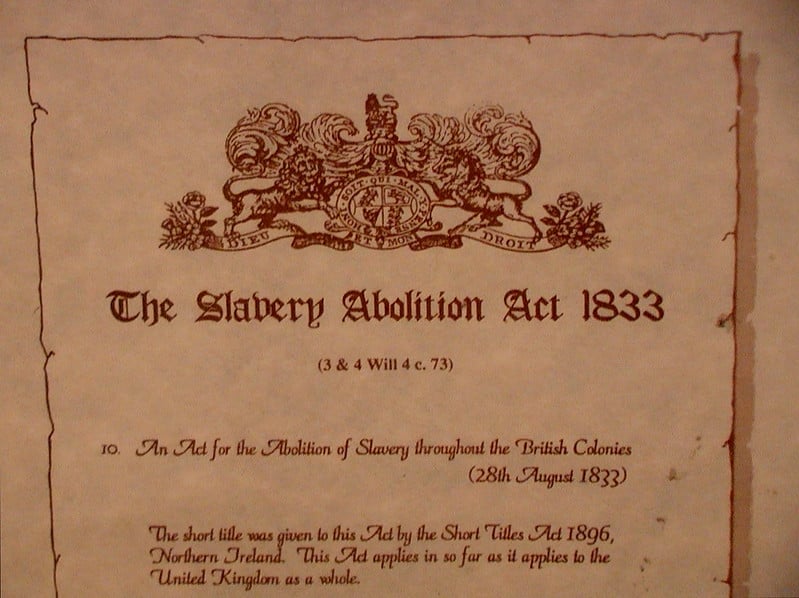
Parliament abolished slavery across most of its empire in 1833. Hundreds of thousands were freed—though many were forced into “apprenticeships” first. A half-step toward real freedom.
The Amistad Case
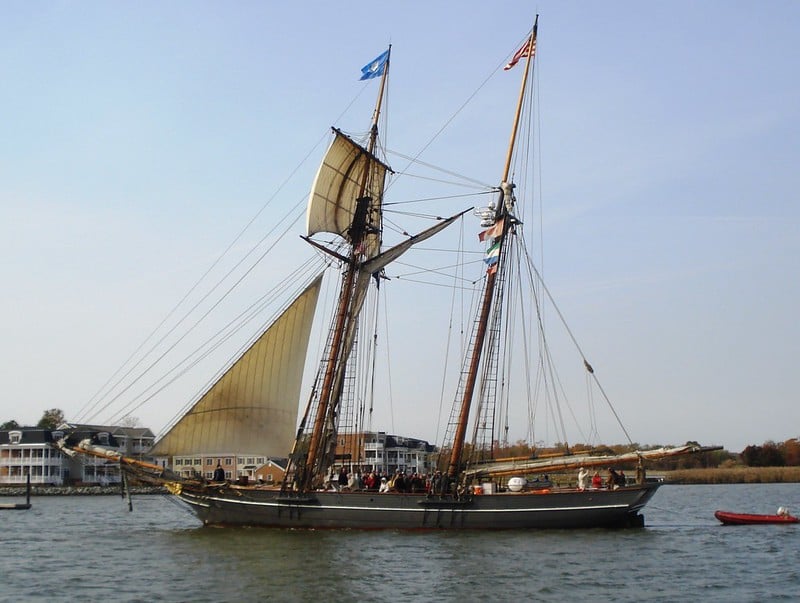
In 1839, Africans seized the Spanish ship Amistad. Their fight carried into U.S. courts, where they eventually won release. A rare moment where justice leaned their way.
The Abolition of Slavery in France

In 1848, France freed enslaved people across its colonies. From the Caribbean to the Indian Ocean, hundreds of thousands stepped into liberty—at least in name.
The Fugitive Slave Act Backlash
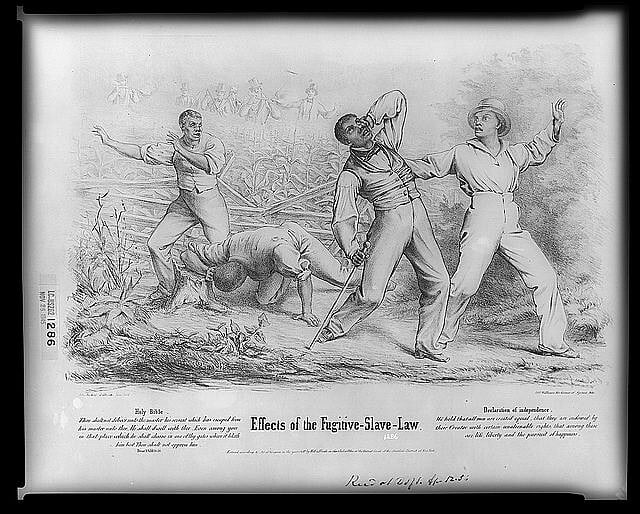
The 1850 law forced northern states to return escapees. It enraged abolitionists and ordinary citizens alike. So, instead of silencing debate, it poured fuel on it.
The Emancipation Proclamation
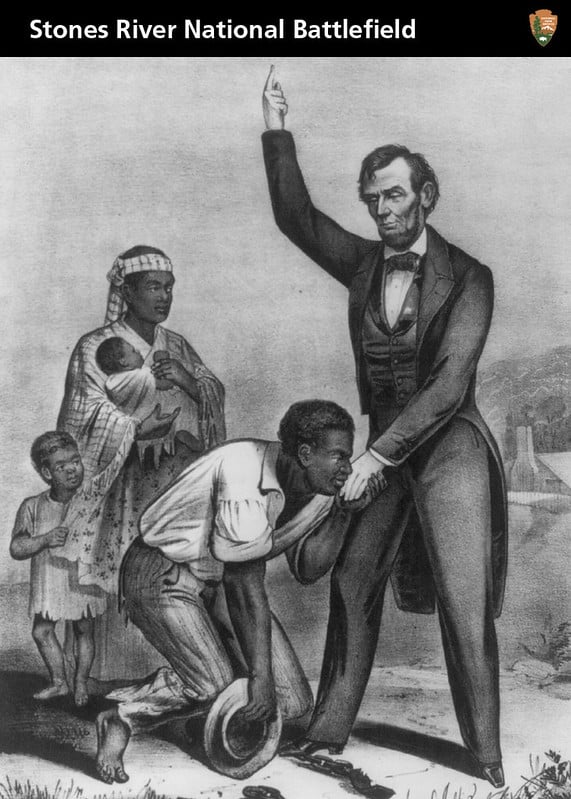
In 1863, Abraham Lincoln declared enslaved people in the Confederate states free. Immediate results were uneven, but the war for the Union turned into a war for freedom.
The Thirteenth Amendment
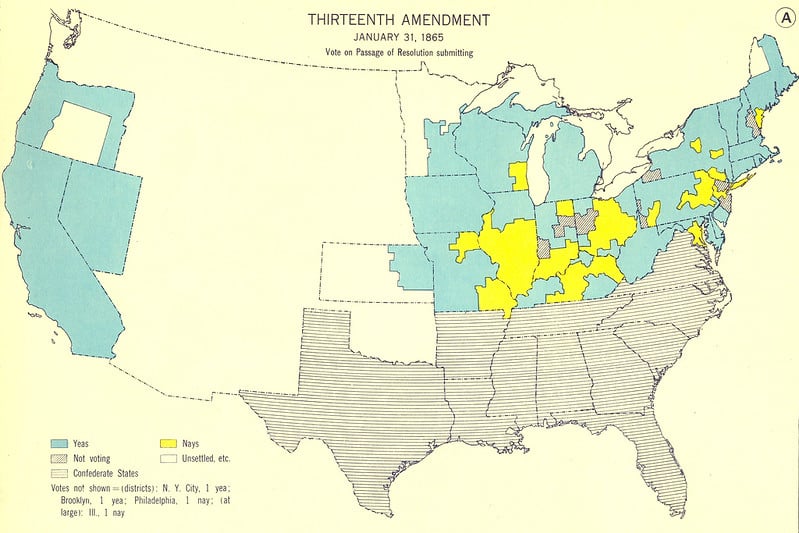
Ratified in 1865, it abolished slavery in the U.S. A short amendment with enormous weight. Finally, the law caught up with the promise.
Brazil’s Golden Law
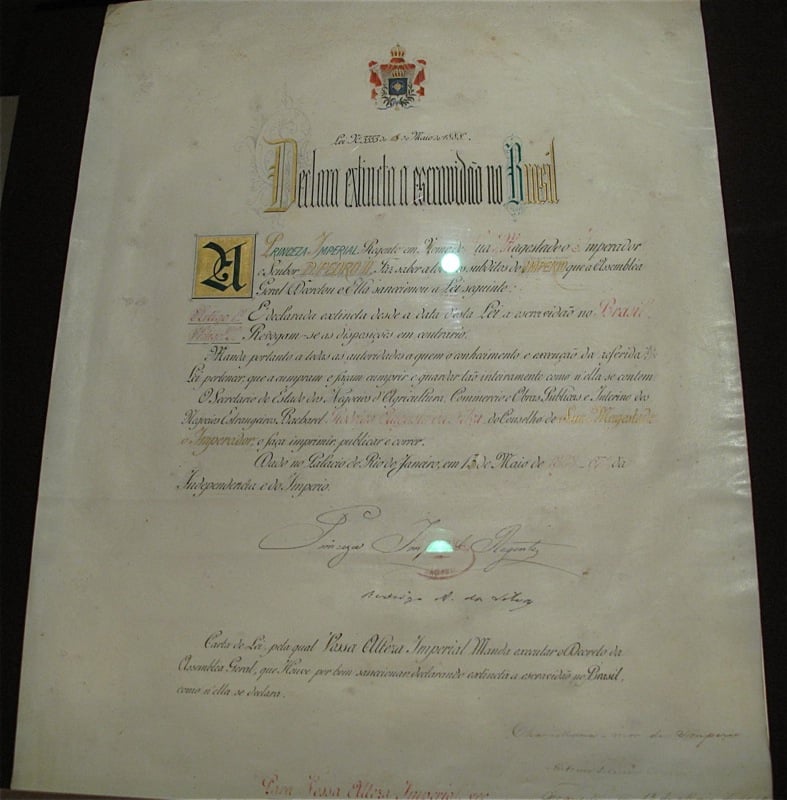
Brazil, the last major holdout in the Americas, abolished slavery in 1888. Nearly 700,000 people gained freedom overnight. The streets rang with celebration.
The League of Nations
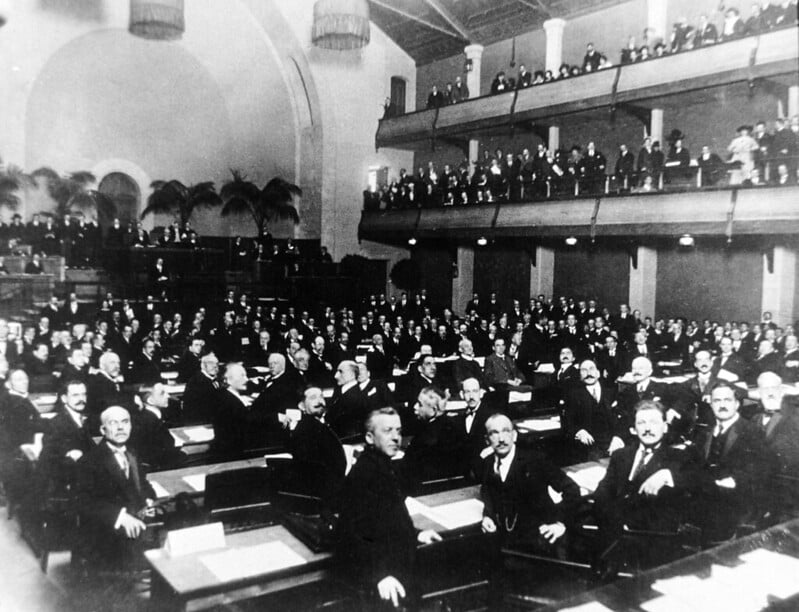
By the 1920s, slavery was no longer just a national issue. The League pushed countries to confront it globally. Imperfect, but a step toward shared responsibility.
The United Nations Declaration
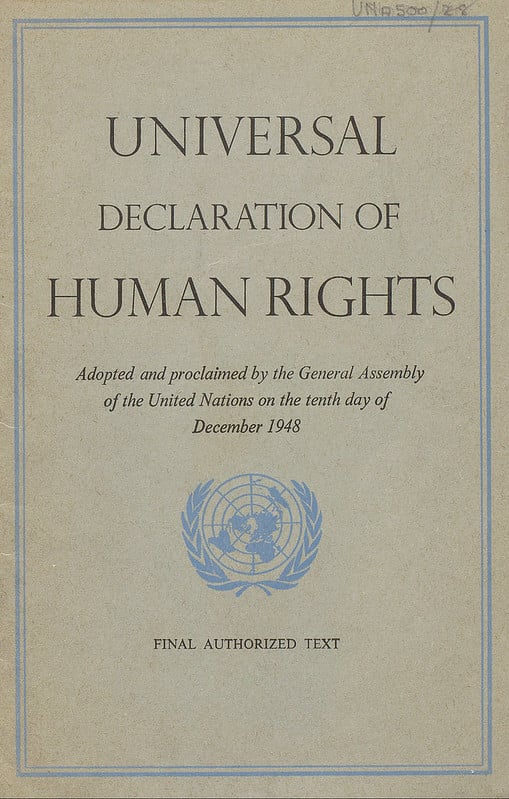
In 1948, the Universal Declaration of Human Rights declared freedom from slavery a basic right. Just a sentence on paper, but a line the world could not ignore.
A Long Shadow
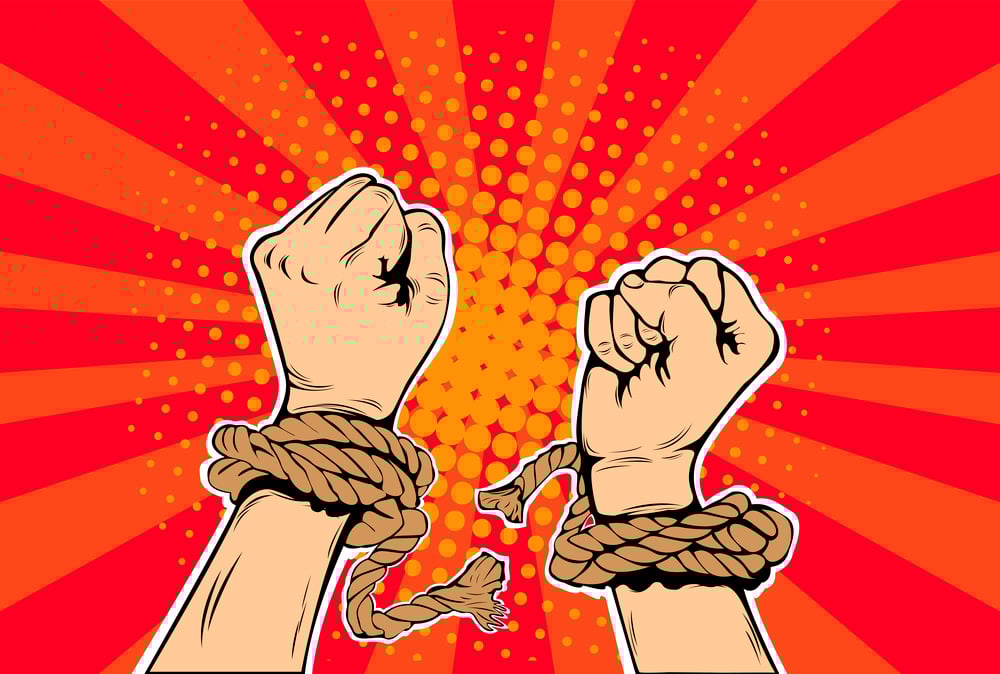
The legal chains broke, yet exploitation found new forms. Debt bondage, forced labor, trafficking. The fight never really ended—it only changed shape.
More from Go2Tutors!

- 16 Historical Figures Who Were Nothing Like You Think
- 12 Things Sold in the 80s That Are Now Illegal
- 15 VHS Tapes That Could Be Worth Thousands
- 17 Historical “What Ifs” That Would Have Changed Everything
- 18 TV Shows That Vanished Without a Finale
Like Go2Tutors’s content? Follow us on MSN.