Evolution of First Class Cabins
Flying first class used to mean getting a wider seat and maybe a free drink. Today, it can mean having your own apartment in the sky with a bed, a shower, and a personal butler.
The journey from basic luxury to over-the-top extravagance happened gradually over decades, shaped by competition between airlines, changing passenger expectations, and advances in aircraft design. So how did we get from slightly comfier chairs to actual bedrooms in the sky?
The early days of commercial aviation
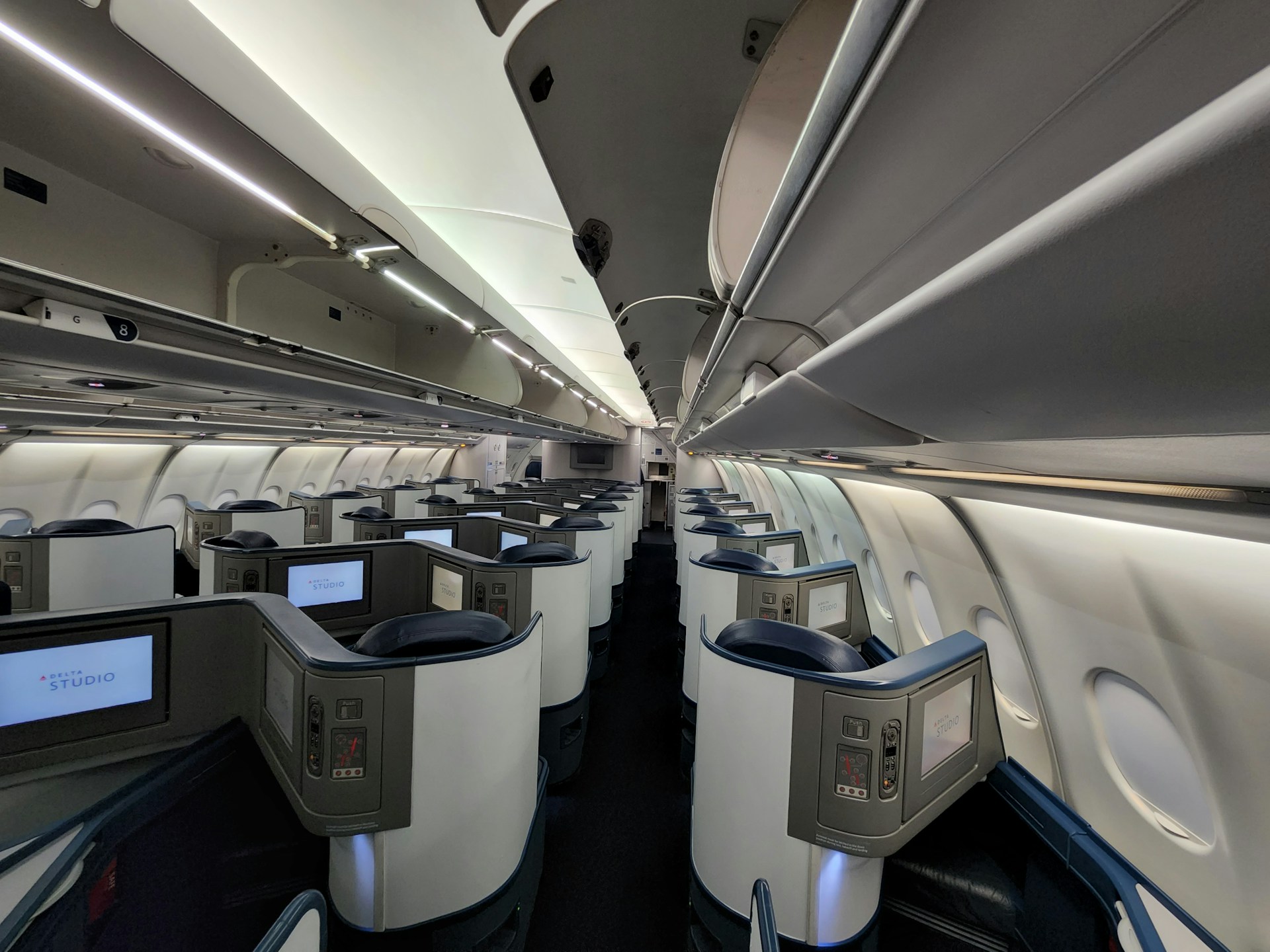
First class didn’t really exist when commercial flying began because every seat was basically first class. Flights in the 192s and 1930s cost a fortune, rattled your bones, and made your ears ring.
Everyone paid roughly the same high price to sit in wicker chairs that belonged on a front porch. The real luxury was simply being able to fly at all instead of spending days on a train.
When airlines split cabins into sections

The idea of separate cabin classes popped up in the 1950s when airlines figured out they could squeeze more people onto planes by creating different service levels. First class passengers got the front section with extra space between rows.
Economy passengers sat closer together in the back. This wasn’t really about pampering anyone.
Airlines just wanted to make flying cheap enough for regular people while still treating wealthy business travelers like royalty.
Reclining seats arrive
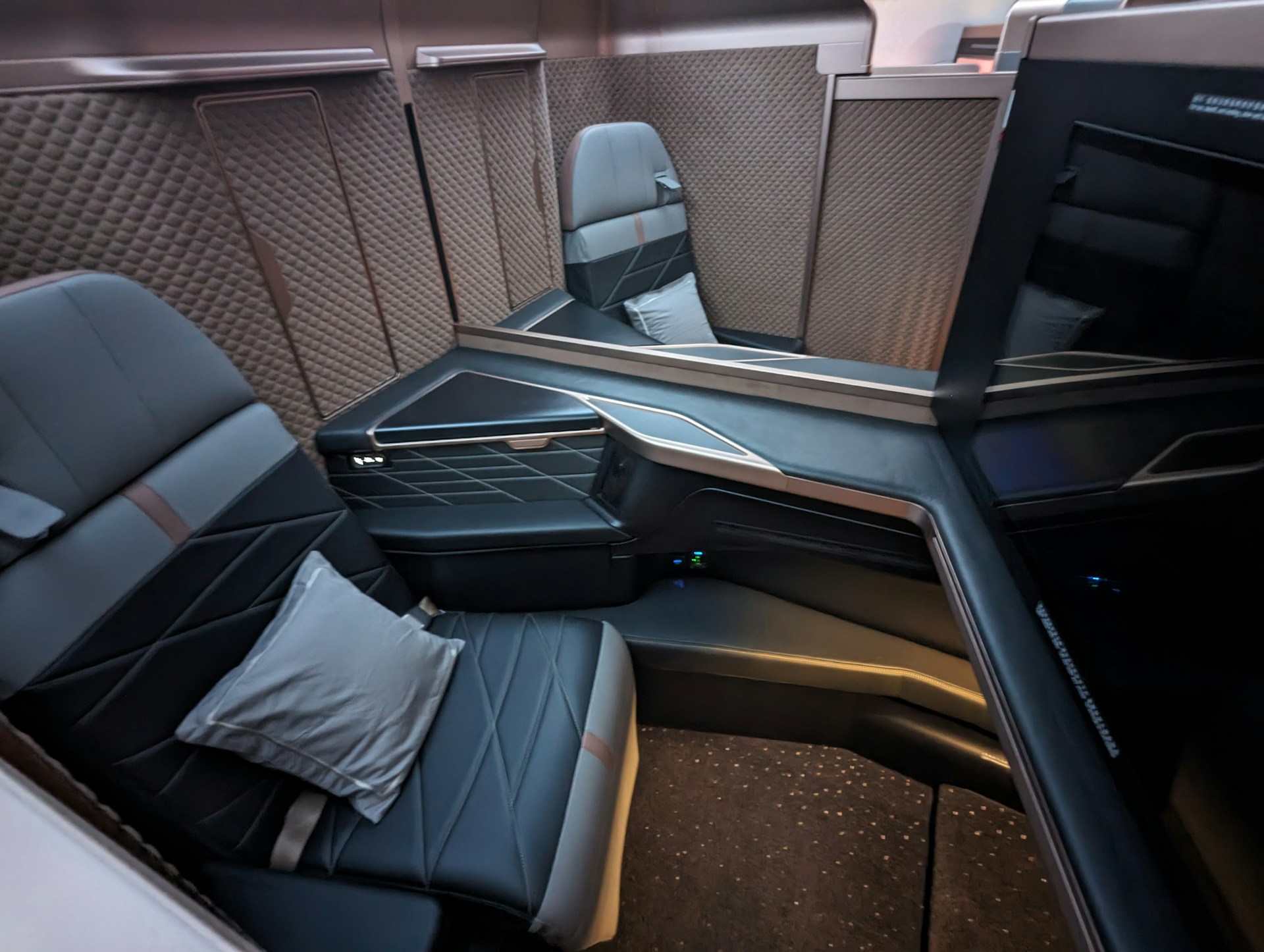
Airlines introduced seats that could lean back in the 1960s, which sounds laughably simple now but felt amazing then. First class got seats that reclined way further than economy, sometimes up to 45 degrees.
Passengers could finally rest without their necks cramping up. The mechanism was pretty basic but it completely changed how people felt about spending hours in the air.
Wide-body jets change everything
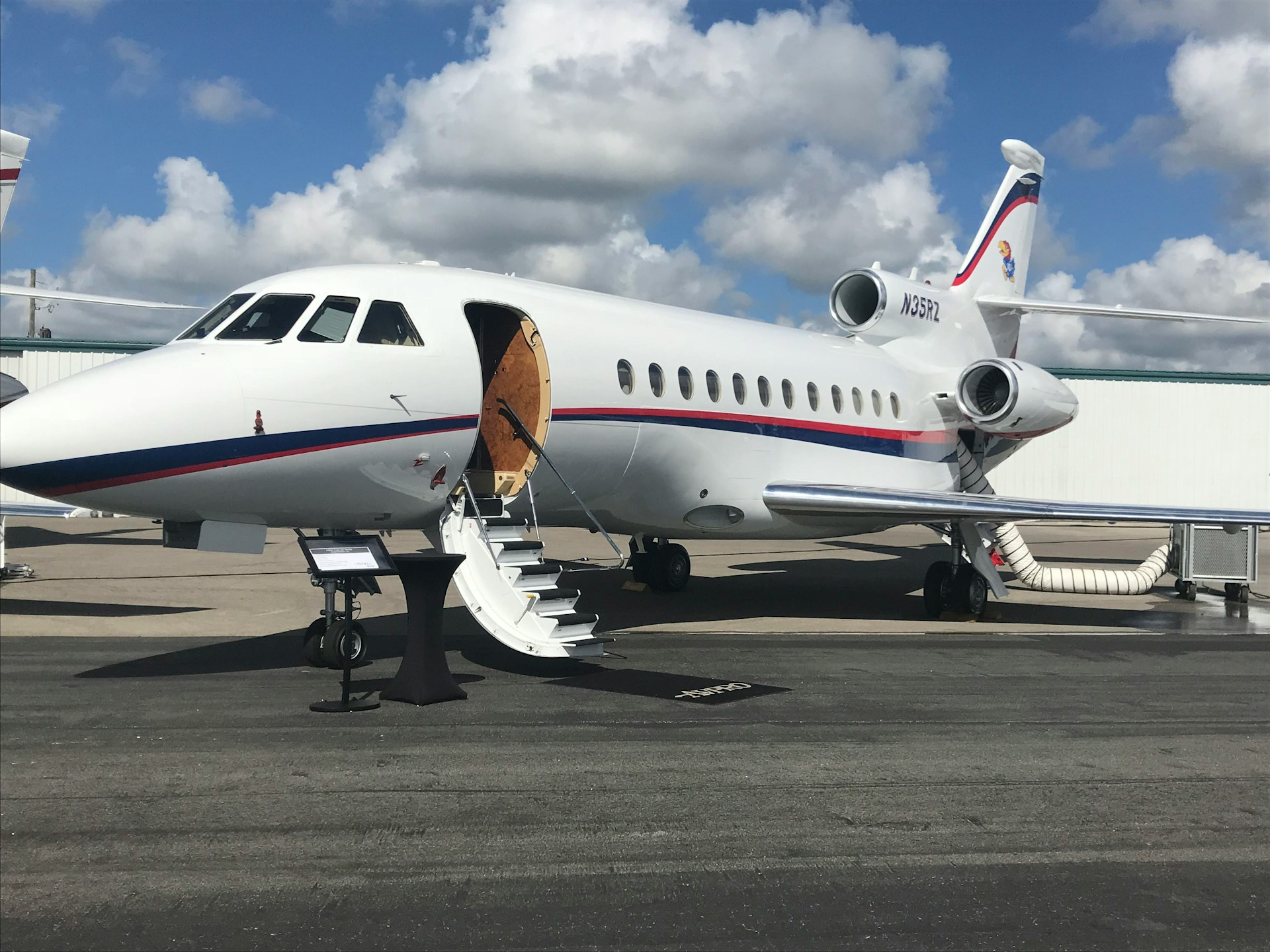
Airlines suddenly had room to make first class actually feel special with wider seats, more legroom, and better food. Pan Am even created a lounge area where passengers could hang out and chat.
Flying stopped being just about getting somewhere and started being something people looked forward to.
Sleeper seats emerge
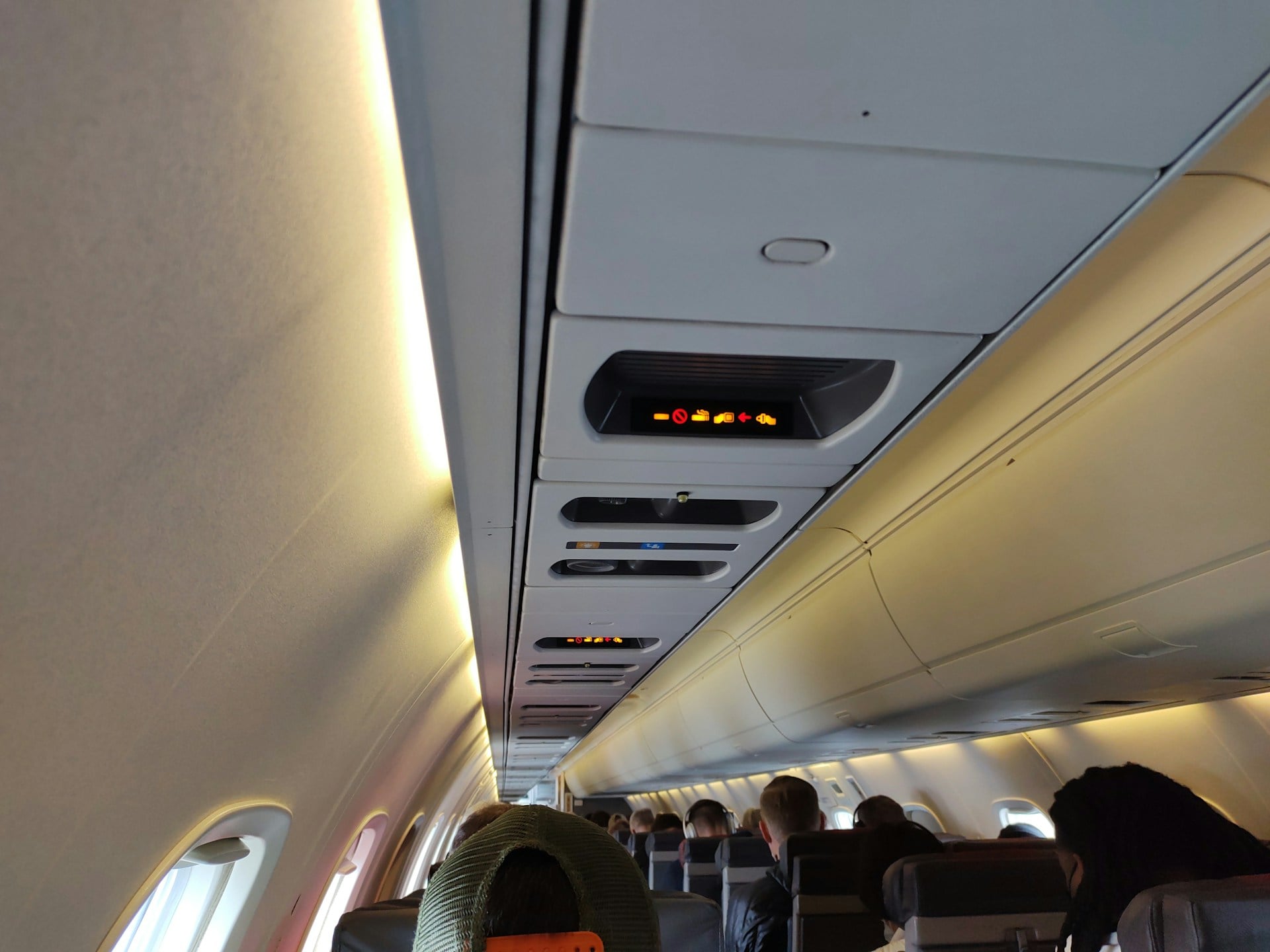
British Airways dropped fully flat beds in first class during the 1990s. Passengers could actually stretch out and sleep like normal humans instead of trying to nap while sitting up.
Other airlines panicked and rushed to add their own versions. This mattered most on those brutal long flights where you wanted to land feeling human instead of like you’d been stuffed in a box for twelve hours.
Privacy becomes important
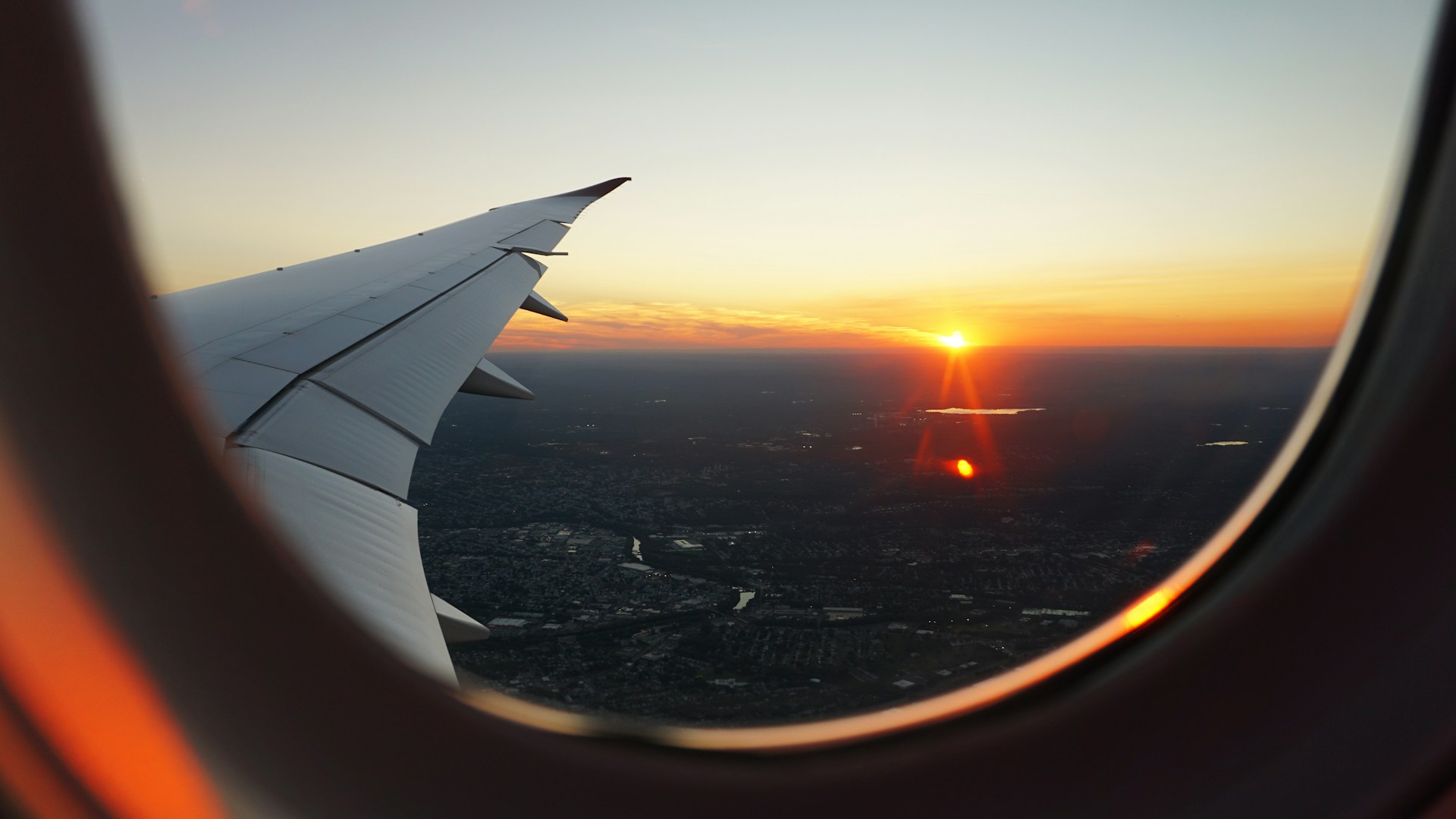
Airlines caught on that rich passengers didn’t just want cushy seats, they wanted to get away from everyone else. Cabins started getting higher walls between seats in the early 2000s.
Some airlines went all in and added doors that actually closed. First class went from being a nicer shared space to giving people their own little hideaways where they could work, eat, or zone out without anyone bugging them.
Middle Eastern carriers raise the bar
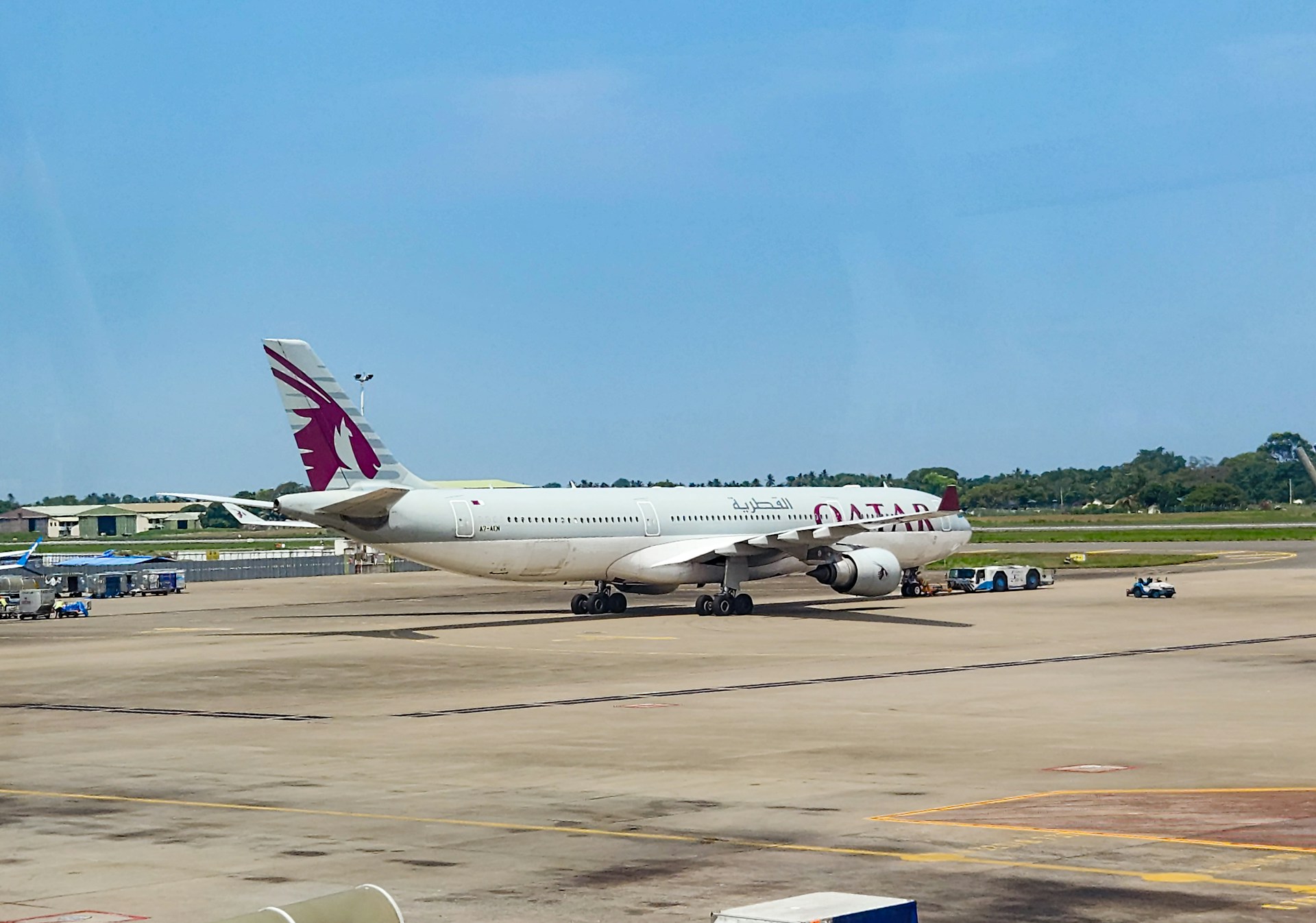
Emirates, Etihad, and Qatar Airways jumped into the game and made everyone else look stingy. They installed actual showers, bars you could walk up to, and suites that looked like fancy hotel rooms.
Emirates stuck a whole shower spa on their A380s. Etihad built three-room apartments with a bedroom, bathroom, and living room.
These carriers had deep pockets from government money, so they went absolutely wild making first class feel like a flying palace.
Entertainment systems get personal
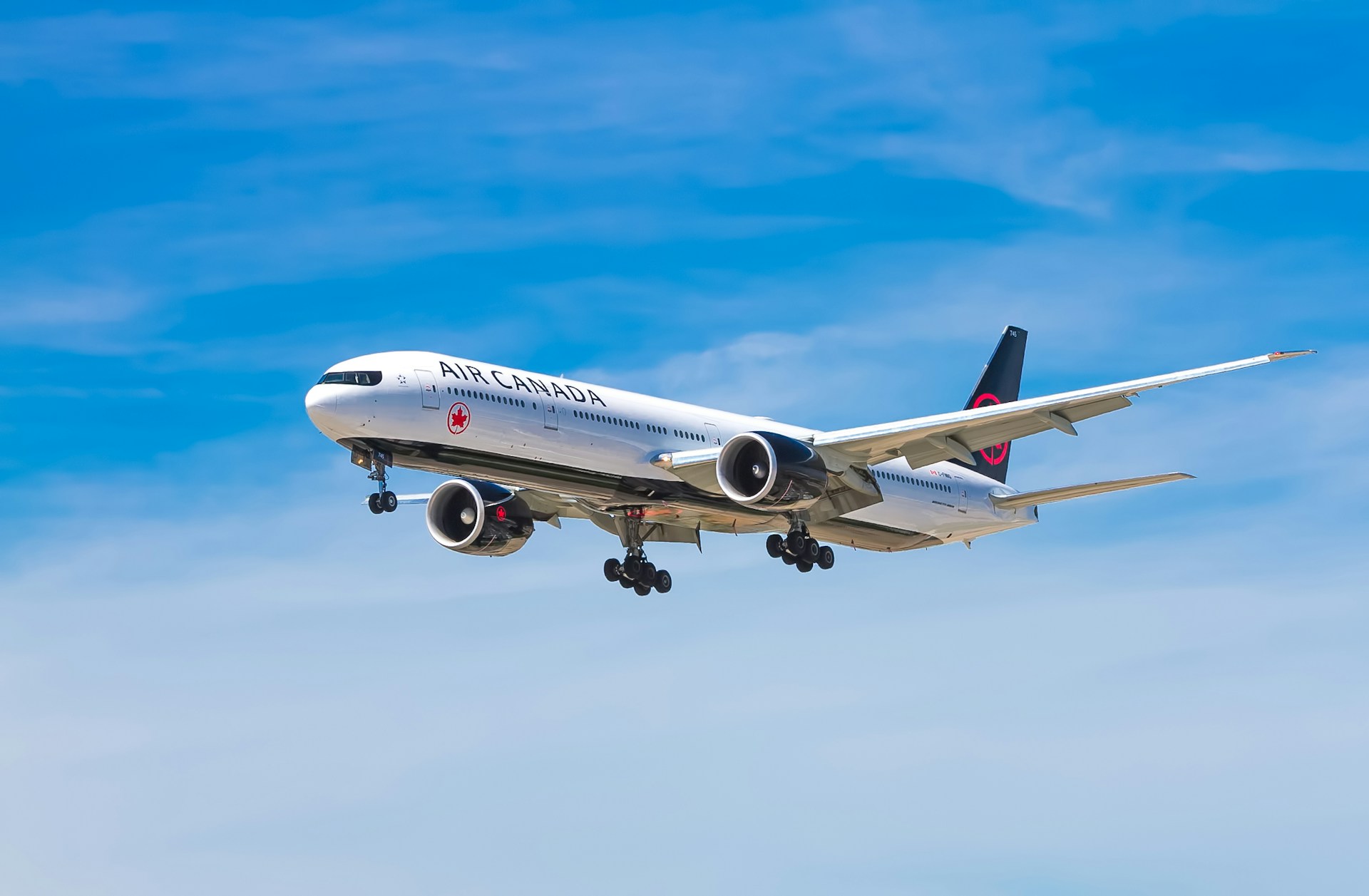
Way back when, flights might show one movie on a shared screen that everyone had to watch whether they liked it or not. First class evolved to give each person their own screen with tons of movies, shows, and games.
Those screens kept getting bigger and bigger. Some airlines now have 32-inch monitors.
The selection rivals what you’ve got on Netflix at home, except you’re watching at 40,000 feet.
Dining reaches restaurant quality
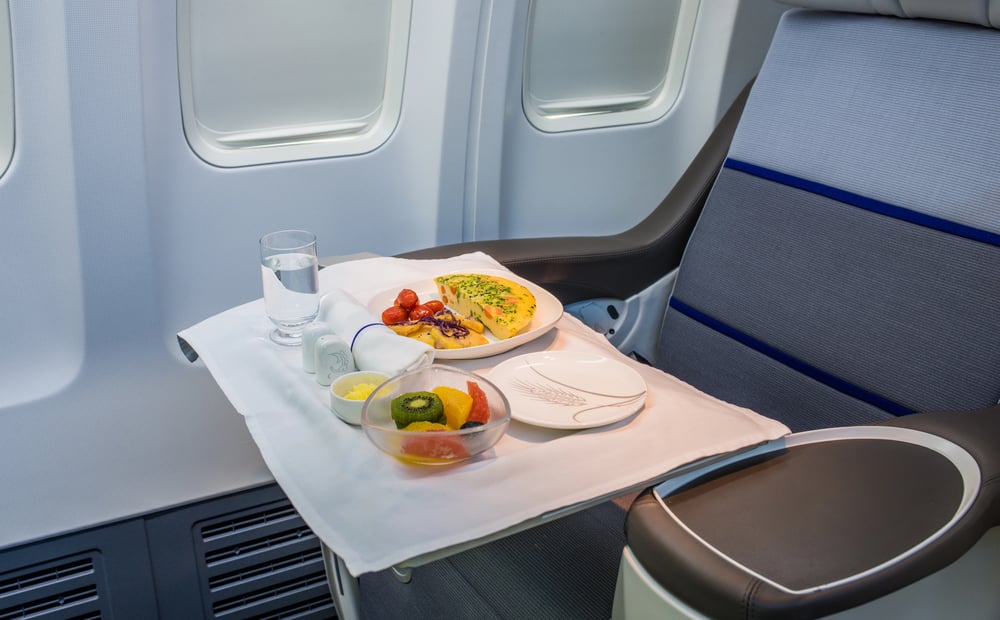
Airplane food used to be a running joke no matter where you sat. First class dining turned into fancy multi-course meals created by celebrity chefs.
Airlines started letting you pick your meal before you even got on the plane. Some let you eat whenever you feel like it instead of when they decide to roll the cart around.
They’re basically trying to recreate eating at a high-end restaurant while you’re cruising through the sky.
Amenity kits become status symbols
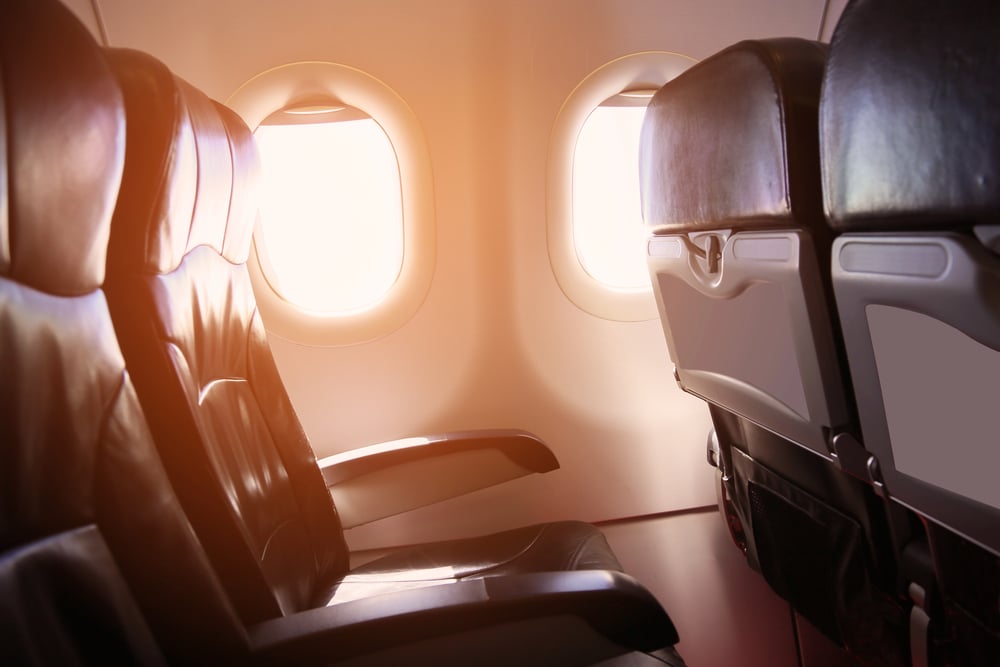
Airlines hand first class passengers these bags stuffed with skincare products, comfy pajamas, slippers, and other treats. These kits went from basic toothbrushes and lotion to fancy collaborations with designers like Dior, Bulgari, and Salvatore Ferragamo.
People actually collect them like trophies. The quality of what’s in that little bag became another way for airlines to show off and prove their first class was better than the competition.
Direct aisle access for everyone
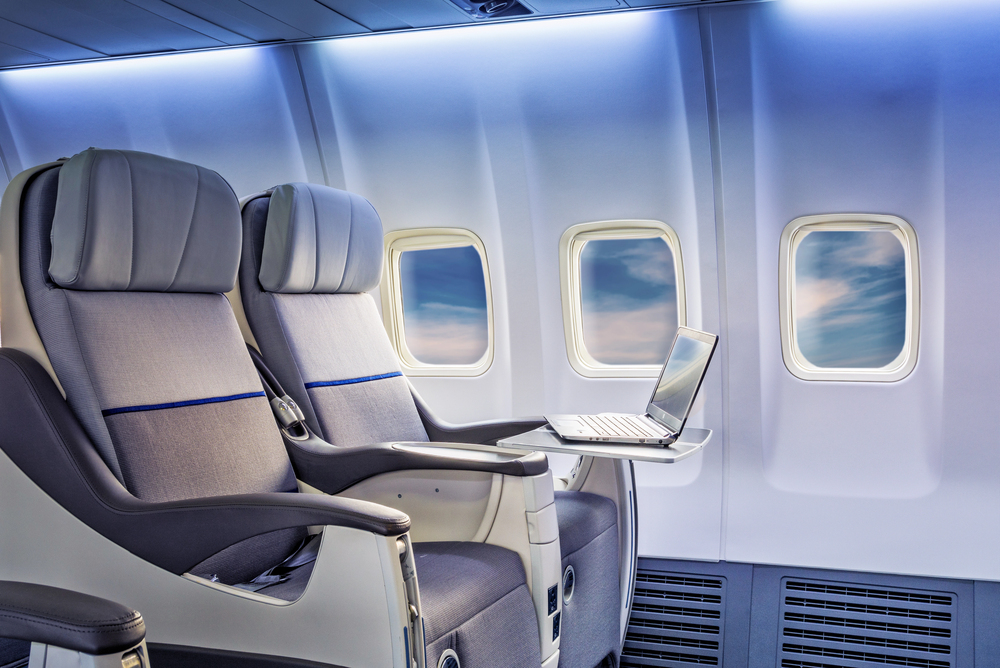
Older first class cabins had some unlucky seats stuck in the middle where you’d have to crawl over someone to get out. Airlines redesigned everything so every single first class seat connects straight to the aisle.
This setup eats up way more space but gives passengers the freedom they expect when they’re dropping several thousand dollars on a ticket.
Personalization through technology
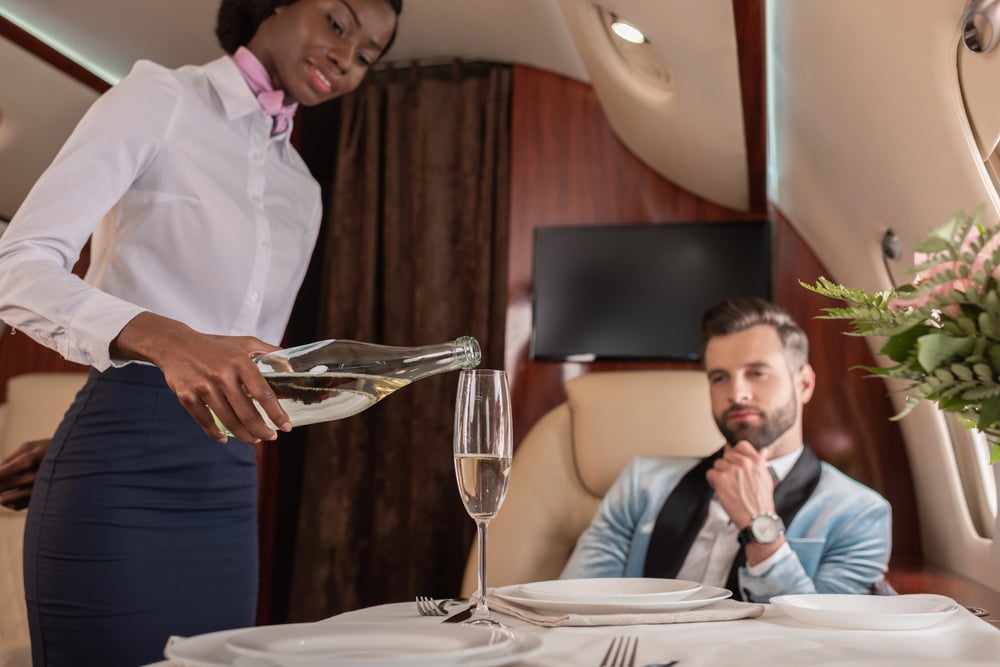
Modern first class cabins let passengers control pretty much everything through touchscreens or apps on their phones. You can adjust your seat, dim the lights, change the temperature, and order snacks without flagging down a flight attendant.
Some airlines even let you use your own tablet to run the entertainment system. Technology made the whole experience feel less like following the airline’s rules and more like having things your way.
Suites with closing doors
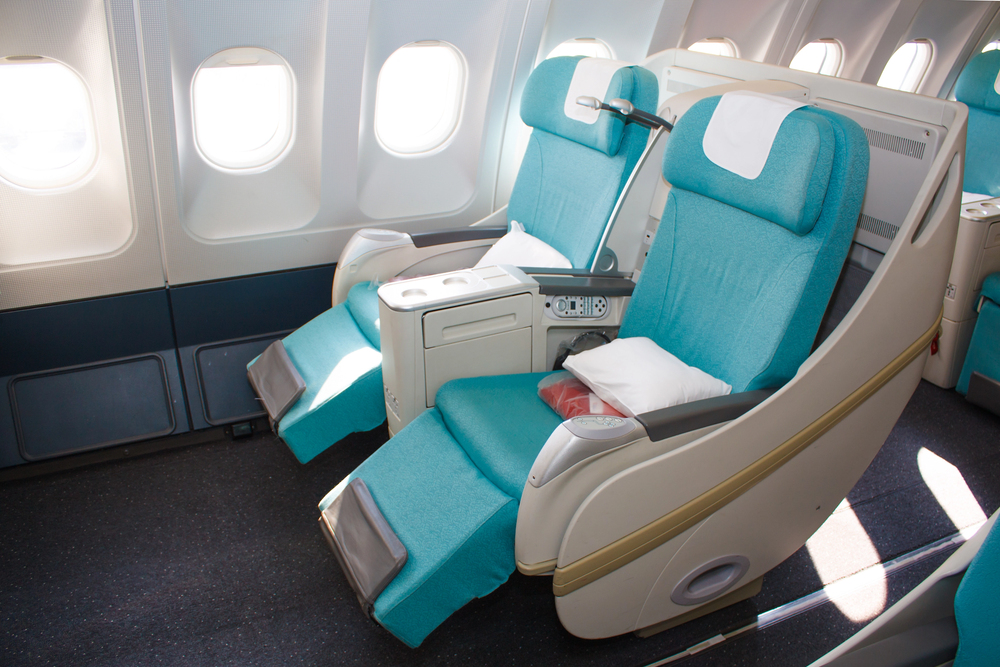
Singapore Airlines and a handful of other carriers introduced suites with actual full-height doors that close and lock like a hotel room. You’re getting a tiny private room instead of just a really nice seat.
The difference is huge mentally. Having a door you can shut makes the space feel totally secure and yours alone, which really matters on those overnight flights when you just want to pass out undisturbed.
Collaborations with luxury brands
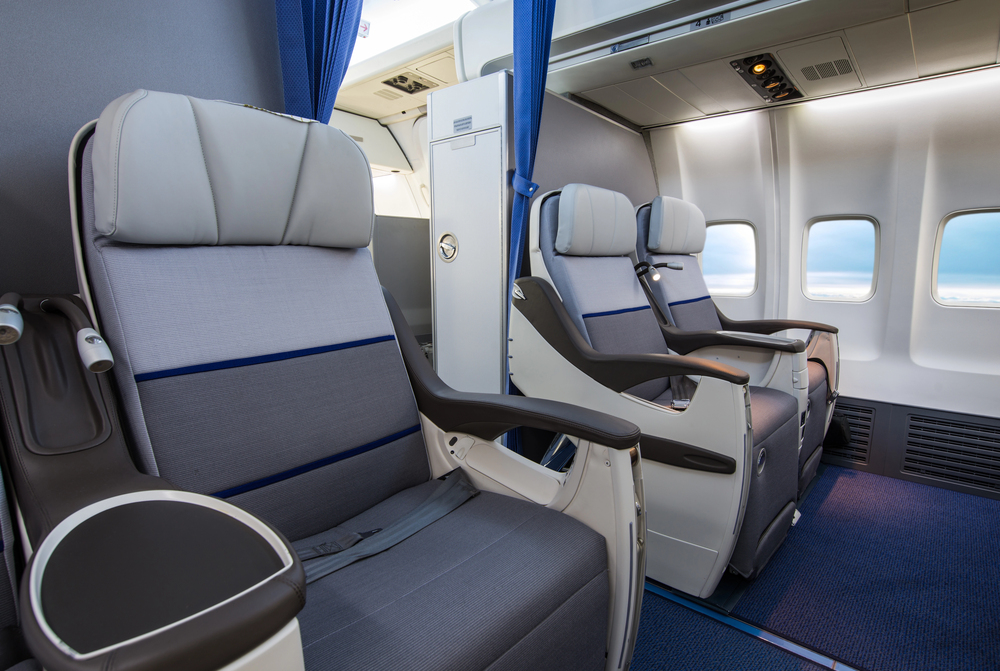
Airlines started teaming up with fashion houses and fancy brands to design their cabins, freebies, and even what the flight attendants wear. Mercedes-Benz helped design seats for some carriers.
High-fashion designers created uniforms. These partnerships added some serious prestige and made first class feel connected to the whole luxury lifestyle world.
Airlines wanted their cabins to compete with five-star hotels, not just look better than the airline next door.
The pandemic changes priorities
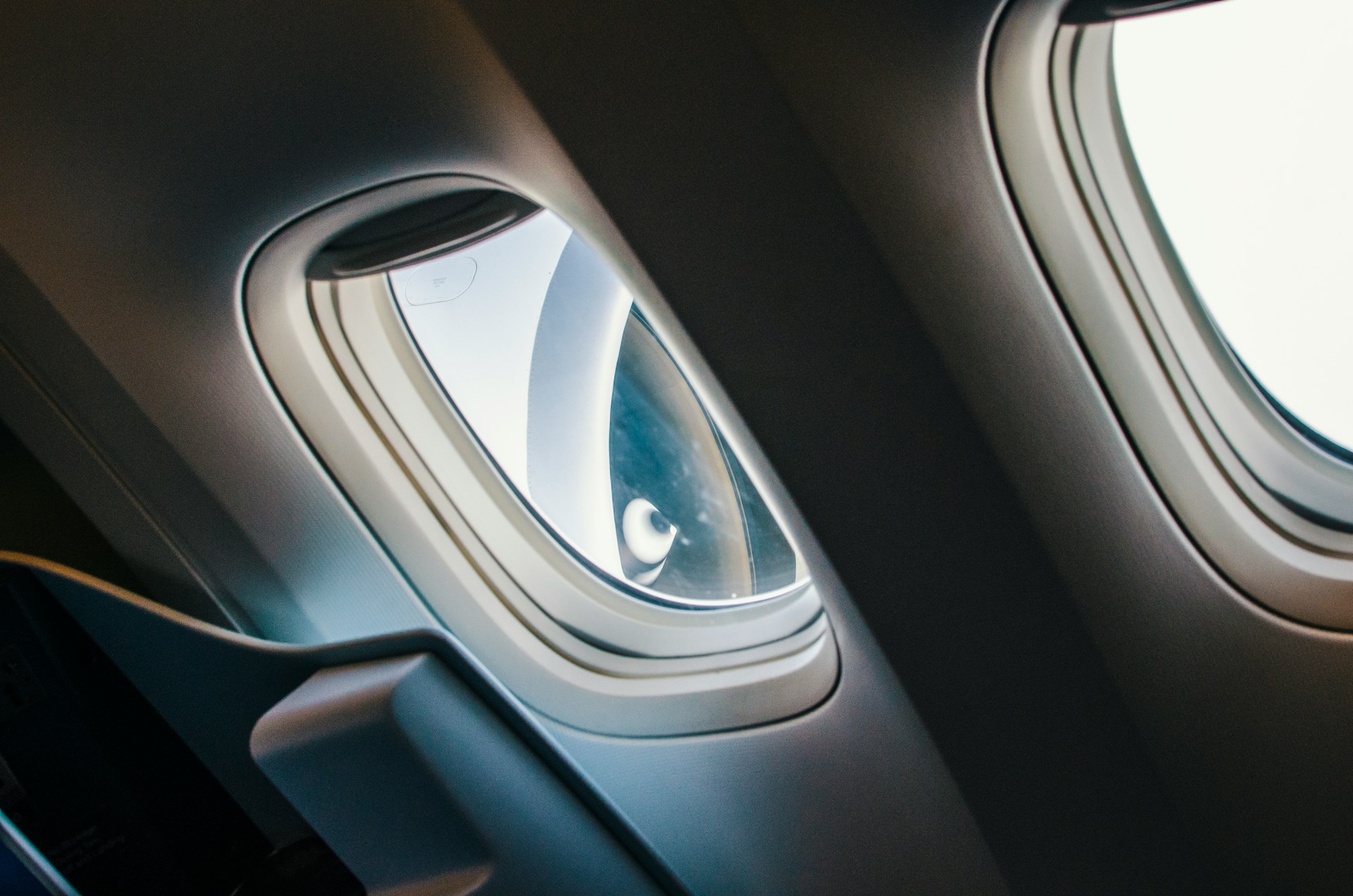
Airlines had to rethink first class during 2020 and 2021 when everyone got paranoid about germs and being near strangers. Super intense cleaning became a major selling point.
The privacy that first class already had suddenly became way more valuable. Some airlines added materials that kill germs and features you don’t have to touch.
The pandemic basically proved that wealthy travelers would absolutely pay extra to avoid other people.
Sustainability enters the conversation
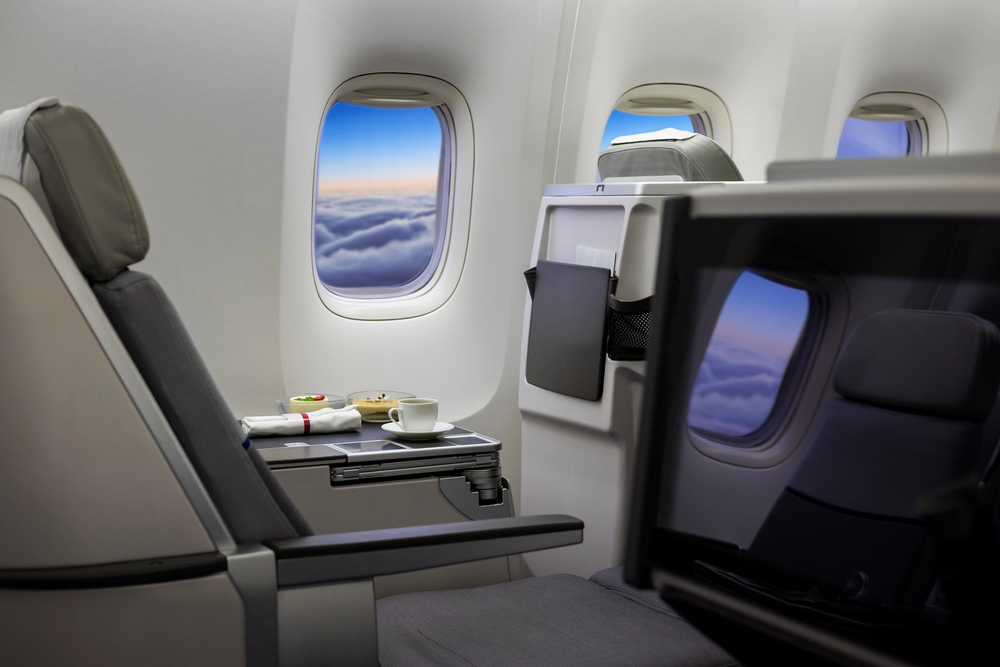
Environmental worries started creeping into first class design recently. Some airlines cut weight by using lighter stuff in seats and cabins, which burns less fuel.
Others make a point of mentioning their sustainable food sources or recycled materials in those amenity kits. The tricky part is making first class still feel indulgent while dealing with complaints about how much fuel these premium cabins use.
Business class catches up
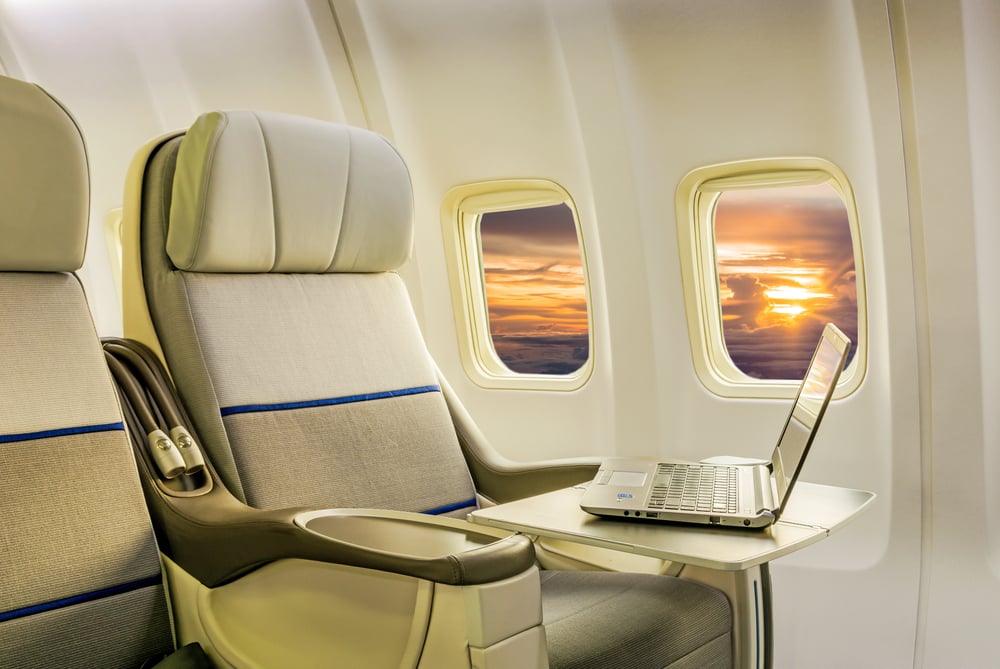
Business class got so good that it started stepping on first class’s toes. Plenty of airlines now offer business class with flat beds, direct aisle access, and great food.
This puts pressure on first class to really prove why it costs way more. Some airlines actually ditched first class completely and just made their business class incredible instead.
It’s harder to justify first class when business class gets you 80 percent of the way there.
Future concepts push boundaries
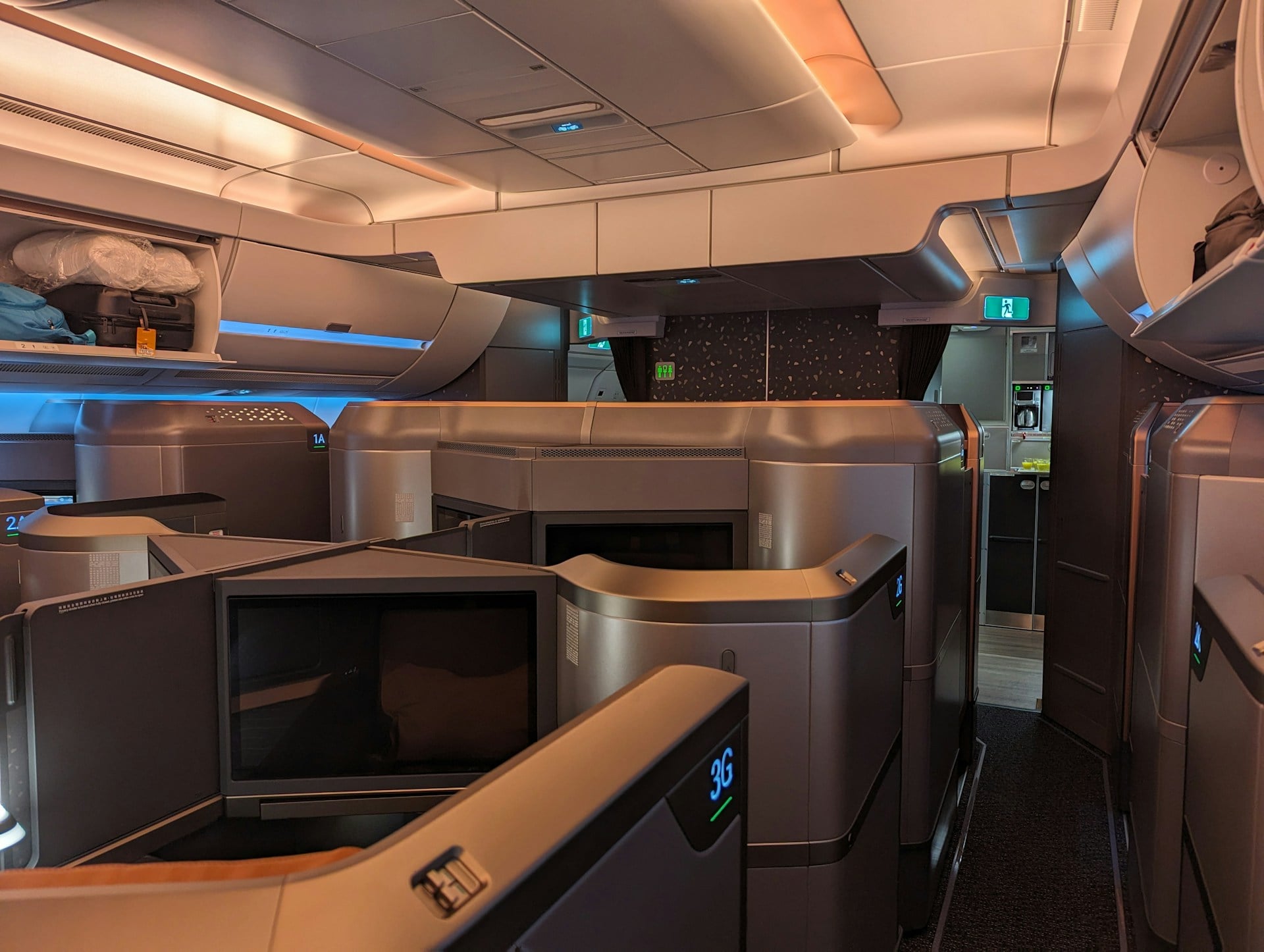
Airlines and plane manufacturers are playing around with crazy ideas for what comes next in first class. Concepts floating around include virtual reality headsets for entertainment, beds that are totally separate from the actual seats, and suites with fake windows using high-definition screens instead of looking outside.
Some designs have common areas where first class passengers can mingle if they feel social. Whether any of this actually happens depends on what it costs and whether passengers want it or if it just looks cool in promotional videos.
Where comfort meets competition
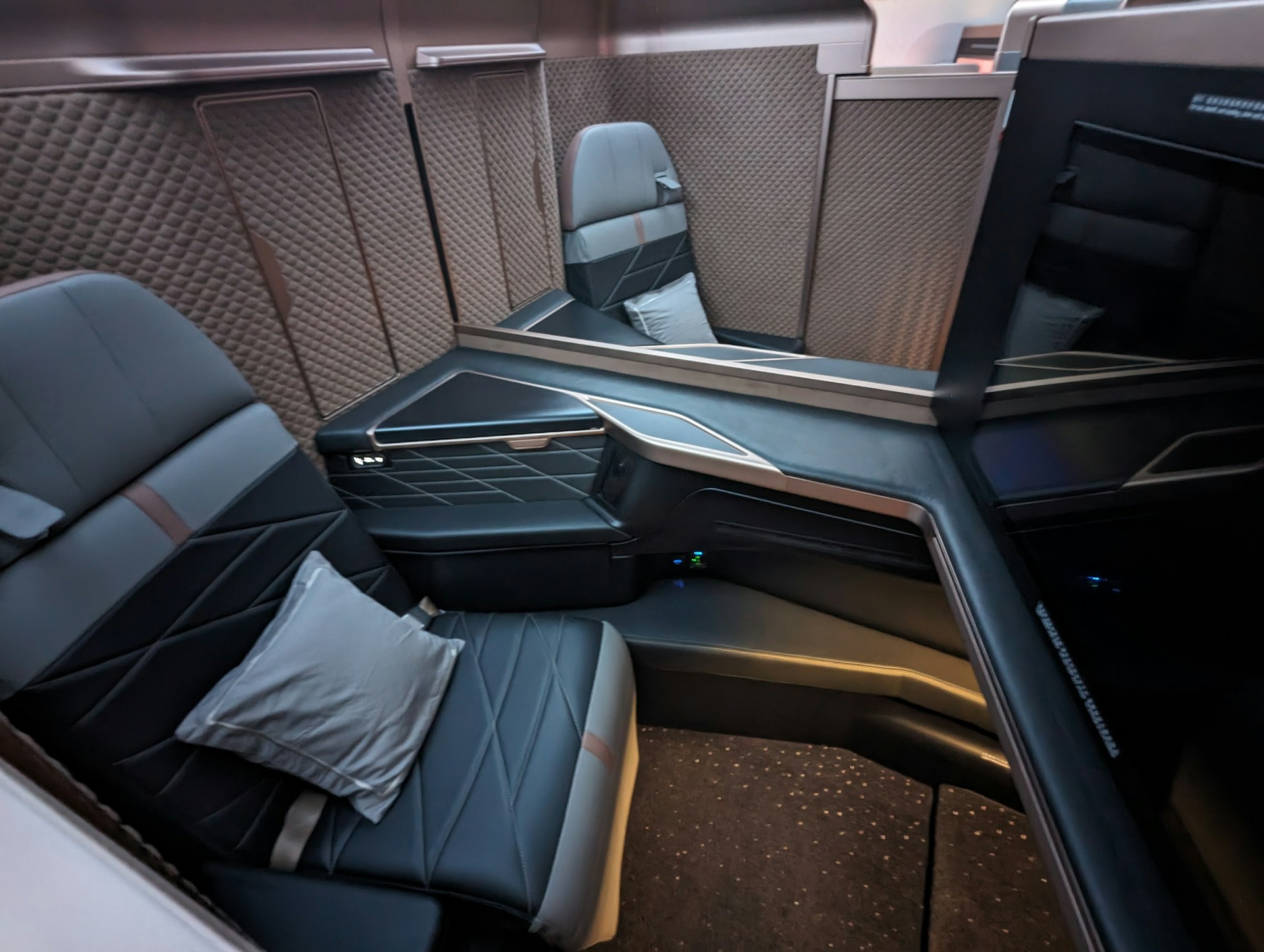
First class cabins tell the story of how wealth, travel expectations, and cutthroat competition have changed over the past hundred years. What started as a bit more legroom turned into private suites with showers and actual beds.
Airlines keep trying to outdo each other because first class brings in huge money and gets tons of attention. The evolution keeps going as carriers try to balance luxury with making a profit, environmental concerns, and figuring out what passengers really care about when they’re six miles up in the air.
More from Go2Tutors!

- The Romanov Crown Jewels and Their Tragic Fate
- 13 Historical Mysteries That Science Still Can’t Solve
- Famous Hoaxes That Fooled the World for Years
- 15 Child Stars with Tragic Adult Lives
- 16 Famous Jewelry Pieces in History
Like Go2Tutors’s content? Follow us on MSN.



