Mistakes People Make Because of Myths
You might hold a belief at this very moment that simply doesn’t line up with reality – truth is, nearly everyone does. Certain false ideas cause little harm, just odd echoes of confusion passed along.
Yet some errors steer choices down paths laced with actual fallout. The issue is never lack of intelligence. These beliefs stick around since they seem logical, show up in reliable places, or circulate through folks expected to understand.
Once you notice the facts are off, choices built on them are already set.
Waiting an Hour After Eating to Swim

For decades, parents have yelled the same caution by poolside. This idea insists digestion steals blood from muscles, sparking dangerous cramps mid-swim.
Children end up perched at the water’s edge, eyes glued to ticking hands. Summer slips away in slow increments while they wait.
The American Red Cross, alongside all leading medical groups, agrees – this idea holds no truth. Consuming food doesn’t raise the chance of drowning in any real way.
After a heavy meal, you may feel a bit off while swimming, yet that sensation isn’t the same as facing harm. The error lies in skipping joy due to baseless worry.
Instead of playing, families head indoors early. Children begin associating ordinary moments with unease. This belief pushes wariness into spaces that pose no real threat.
Cracking Your Knuckles Causes Arthritis

This one stops people from doing something completely harmless. The popping sound comes from gas bubbles in joint fluid, not from bone damage or cartilage wear.
Multiple studies have looked for connections between knuckle cracking and arthritis. They found none. One researcher even cracked the knuckles on one hand for 50 years while leaving the other hand alone.
Both hands aged the same way. People who believe this myth avoid a harmless habit that actually relieves tension for many.
Worse, they spread anxiety to their kids about normal body sounds and movements.
You Only Use 10% of Your Brain
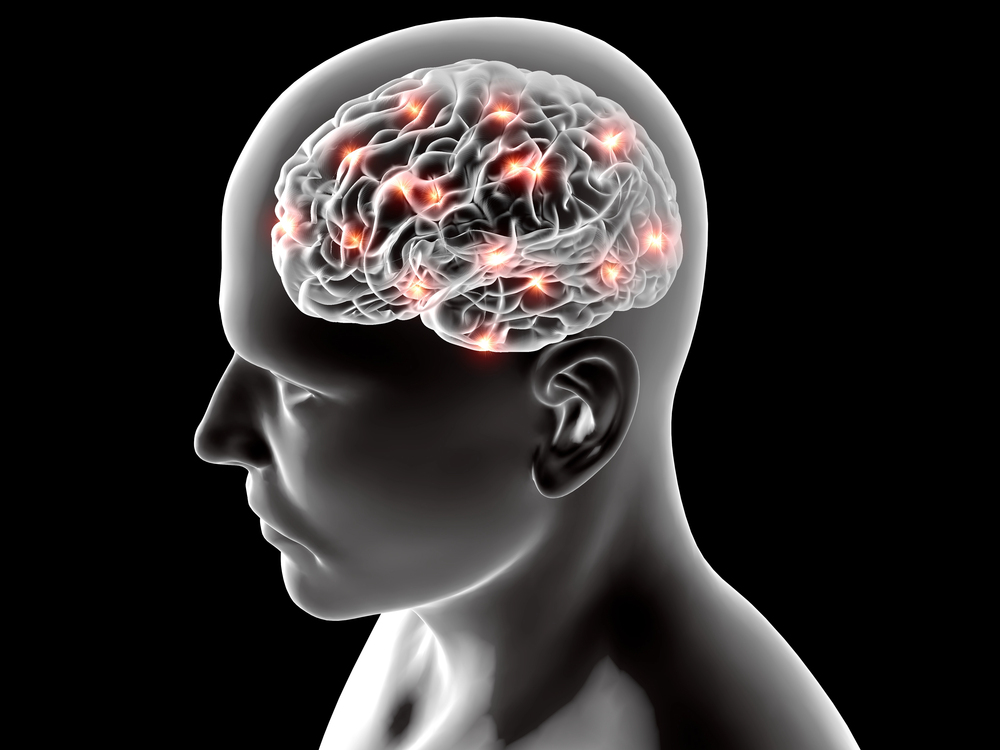
This myth props up entire industries. Brain training games, workshops, motivational speakers—many pitch their products by promising to help you access the “unused 90%” of your brain.
Brain imaging shows that you use essentially all of your brain. Different areas activate for different tasks, but over the course of a day, nearly every part gets used.
Damage to even small brain regions causes noticeable problems, which wouldn’t happen if 90% was sitting idle. The mistake here is financial. People spend money on programs claiming to “activate” brain regions that are already working fine.
They waste time on exercises that promise impossible results.
Vitamin C Prevents Colds

When you feel a cold coming on, someone inevitably suggests loading up on vitamin C. Pharmacy shelves overflow with products making this promise.
The myth persists despite decades of research showing minimal benefit. Regular vitamin C supplementation doesn’t prevent colds in most people.
Taking it daily throughout the year might reduce duration by about 8% in adults—roughly one day shorter if your cold would have lasted 12 days. That’s not nothing, but it’s not the prevention miracle the myth suggests.
People overdose on vitamin C supplements thinking more equals better protection. High doses can cause digestive issues.
Money gets spent on supplements that deliver disappointing results while real preventive measures like handwashing get overlooked.
Reading in Dim Light Damages Your Eyes

This myth has probably caused more arguments between parents and children than almost any other. Kids reading under blankets with flashlights, teenagers hunched over phones in dark rooms—all told they’re ruining their vision permanently.
Ophthalmologists are clear: reading in low light causes temporary eye strain and fatigue but no permanent damage. Your eyes might feel tired. You might get a headache.
But you’re not causing lasting harm. The mistake is adding stress to an activity that should be enjoyable.
Parents create conflict over non-issues. Kids develop anxiety about reading in normal conditions. The myth turns a pleasure into something fraught with worry.
Shaving Makes Hair Grow Back Thicker

This myth influences grooming decisions for millions. People avoid shaving, thinking they’ll end up with coarser, darker, more noticeable hair. Some endure more expensive or painful hair removal methods to avoid this imagined consequence.
Shaving cuts hair at the surface. It doesn’t affect the follicle or how hair grows. The blunt edge of freshly cut hair feels coarser than the tapered end of unshaved hair, creating the illusion of thickness.
The mistake? Choosing more uncomfortable, costly, or time-consuming hair removal based on false information. People make their lives harder while trying to avoid a problem that doesn’t exist.
You Need Eight Glasses of Water Daily

This specific number has achieved gospel status in health advice. People carry water bottles everywhere, forcing themselves to drink even when not thirsty, counting glasses like they’re tracking medication doses.
The eight-glasses rule has no scientific basis. Hydration needs vary by body size, activity level, climate, and diet. Many foods contain significant water.
Your body has an excellent built-in hydration indicator: thirst. Following this myth leads to unnecessary bathroom trips, interrupted sleep, and the mild anxiety of tracking water intake.
Some people actually overhydrate, which can cause its own problems. The mistake is ignoring your body’s signals in favor of an arbitrary number.
Goldfish Have Three-Second Memories

This myth justifies keeping goldfish in tiny containers. If they can’t remember anything beyond three seconds, the thinking goes, then a small environment doesn’t matter.
They won’t get bored or stressed because they can’t remember being bored or stressed. Research shows goldfish can remember things for months.
They can be trained. They recognize their owners. They get stressed in poor environments just like any other animal.
The mistake is serious: animal mistreatment based on false beliefs. Goldfish end up in inadequate habitats because owners believe the myth.
When the fish die quickly from stress and poor conditions, the myth gets reinforced—”see, they only live a short time anyway.”
Lightning Never Strikes the Same Place Twice

This myth creates false security. People think previously struck areas are safe, that lightning somehow “remembers” where it hit before.
In severe weather, this false confidence leads to dangerous decisions about where to take shelter. Lightning strikes based on physics, not history.
Tall, isolated, or metal objects attract strikes. The Empire State Building gets hit about 20 times per year. Lightning rods work because lightning strikes the same favorable locations repeatedly.
The mistake is potentially life-threatening. People make shelter decisions based on irrelevant factors. They ignore proper safety protocols because they think they’ve identified a “safe” location based on past strikes.
You Can’t Teach an Old Dog New Tricks

This saying doesn’t just apply to canine training. People use it to excuse not learning new skills, adapting to change, or trying different approaches.
The myth suggests that past a certain age, learning becomes impossible or pointlessly difficult. Neuroscience shows the brain remains plastic throughout life.
Yes, learning can require more effort as you age. But older adults successfully learn languages, instruments, technology, and entirely new careers.
The real barrier is often the belief that learning is impossible. The mistake is self-imposed limitation. People stop trying to grow because the myth gave them permission to give up.
They avoid job opportunities requiring new skills. They skip hobbies that interest them. The myth becomes a self-fulfilling prophecy.
Carrots Dramatically Improve Night Vision

This myth originated as World War II propaganda. The British wanted to hide their radar technology, so they claimed their pilots ate carrots to see Nazi planes in the dark.
Decades later, people still believe it. Carrots contain vitamin A, which is necessary for eye health. But unless you have a vitamin A deficiency (rare in developed countries), eating more carrots won’t improve your vision.
You’ll just get your daily requirement from normal varied eating. The mistake is minor but telling: people emphasize carrots in their diet while ignoring other important nutrients.
Kids learn to distrust nutrition advice when the carrot miracle never materializes. The myth demonstrates how wartime propaganda can outlive its strategic purpose by decades.
Alcohol Warms You Up

This myth is dangerous in cold weather. People drink alcohol thinking it will help them stay warm.
The reality is that alcohol dilates blood vessels near your skin surface, making you feel warm while actually increasing heat loss from your core. This false sense of warmth has contributed to hypothermia deaths.
People feeling warm from alcohol don’t recognize when they’re in danger. They make poor decisions about shelter and clothing because their bodies are sending false signals.
The mistake here isn’t just discomfort—it’s potentially fatal. People camping, hiking, or stranded in cold weather who rely on alcohol for warmth are making themselves more vulnerable. The myth interferes with survival instincts.
Bulls Hate the Color Red

This idea influences beliefs on how animals see colors and act. Yet many still steer clear of red near cows. Drama in bullfights keeps the notion alive, feeding spectacle over truth.
Bulls can’t see red. It’s the flutter of fabric that catches their eye, yet not the shade it wears. Experiments using cloth dyed various hues proved they charge just as hard each time, no matter the tint.
The error lies in fretting over clothes while misreading how animals act. Worse yet, it masks what bullfighting truly involves – agitation drives bulls, not hues they can’t distinguish. That misconception softens a harsh reality into something it’s not.
When Myths Become Habits

False ideas don’t just pop up once in a while. Over time, they weave into routines – guiding what you buy, how you act, even where your attention goes.
The real error isn’t buying into a story that feels right – it’s letting it sit untouched, untested. Doubt gets ignored when ideas become settled, even if what everybody agrees on doesn’t hold up.
False tales stick around since they patch openings in knowing, seem reasonable at first glance, and demand little effort to keep. Shifting perspective means owning past missteps, which rarely comes easy.
You can’t erase every mistaken idea. Yet staying open-minded helps – question where claims come from, notice how common opinions lean on habit instead of truth.
More from Go2Tutors!

- The Romanov Crown Jewels and Their Tragic Fate
- 13 Historical Mysteries That Science Still Can’t Solve
- Famous Hoaxes That Fooled the World for Years
- 15 Child Stars with Tragic Adult Lives
- 16 Famous Jewelry Pieces in History
Like Go2Tutors’s content? Follow us on MSN.