Trains That Travel Underwater
Traveling beneath the ocean sounds like something out of a science fiction movie, but it’s been a reality for decades. Engineers figured out how to dig tunnels through the seafloor and send massive trains racing through them, connecting countries and islands that were once separated by water.
These underwater rail routes have changed the way people move around the world, cutting down travel times and making it possible to hop between nations without ever stepping on a plane or boat. Let’s take a closer look at some of the most impressive underwater train routes that exist today.
Channel Tunnel
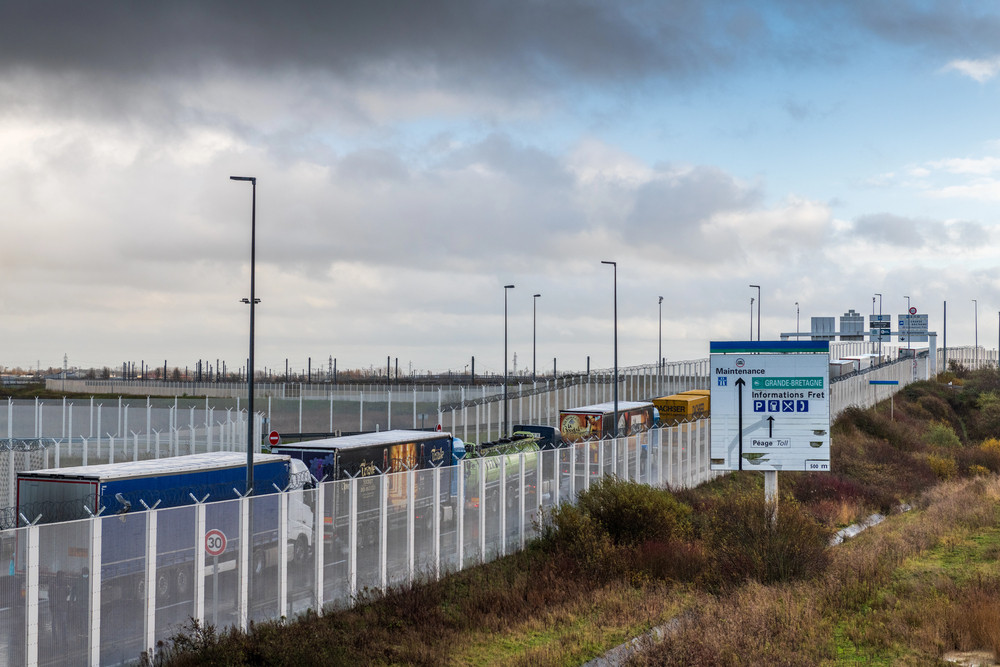
The Channel Tunnel connects England and France through a 31-mile stretch beneath the English Channel, and it’s one of the longest underwater rail tunnels on the planet. Trains zoom through at speeds up to 100 miles per hour, getting passengers from London to Paris in just over two hours.
The tunnel actually consists of three separate tubes running side by side, with two for trains and one for maintenance and emergency vehicles. Construction took six years and required workers to drill through chalk beds deep under the sea, dealing with water seepage and cave-ins along the way.
Seikan Tunnel
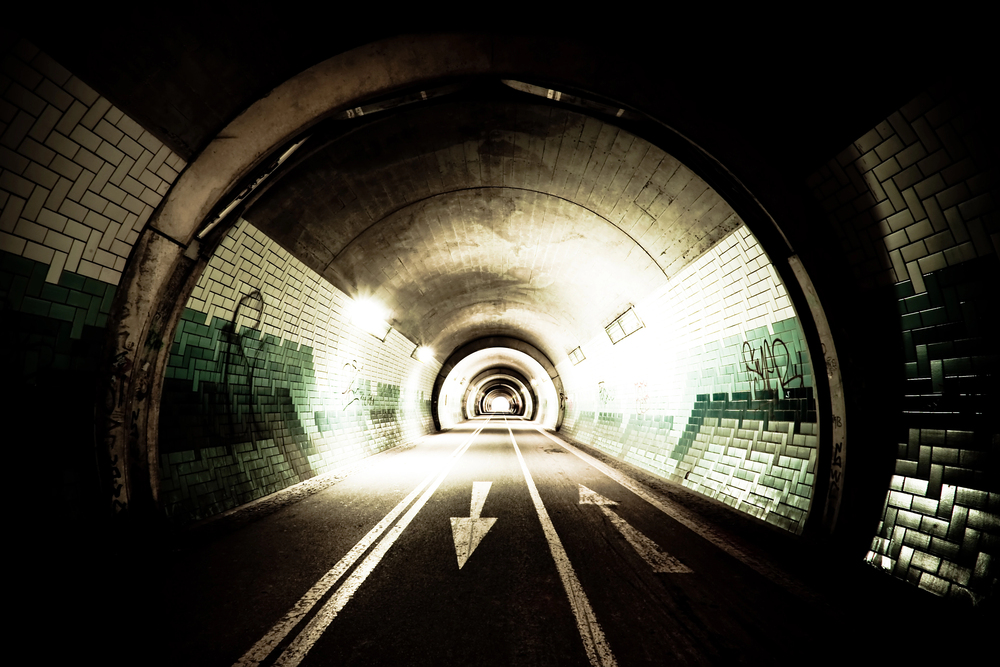
Japan’s Seikan Tunnel holds the record as the longest underwater tunnel in the world, stretching over 33 miles beneath the Tsugaru Strait. It connects the main island of Honshu to the northern island of Hokkaido, replacing a ferry service that had been operating for decades.
The tunnel reaches a depth of about 790 feet below sea level, making it one of the deepest rail tunnels ever built. Engineers spent 24 years planning and constructing this engineering wonder, battling unstable rock and constant water pressure throughout the process.
Marmaray Tunnel
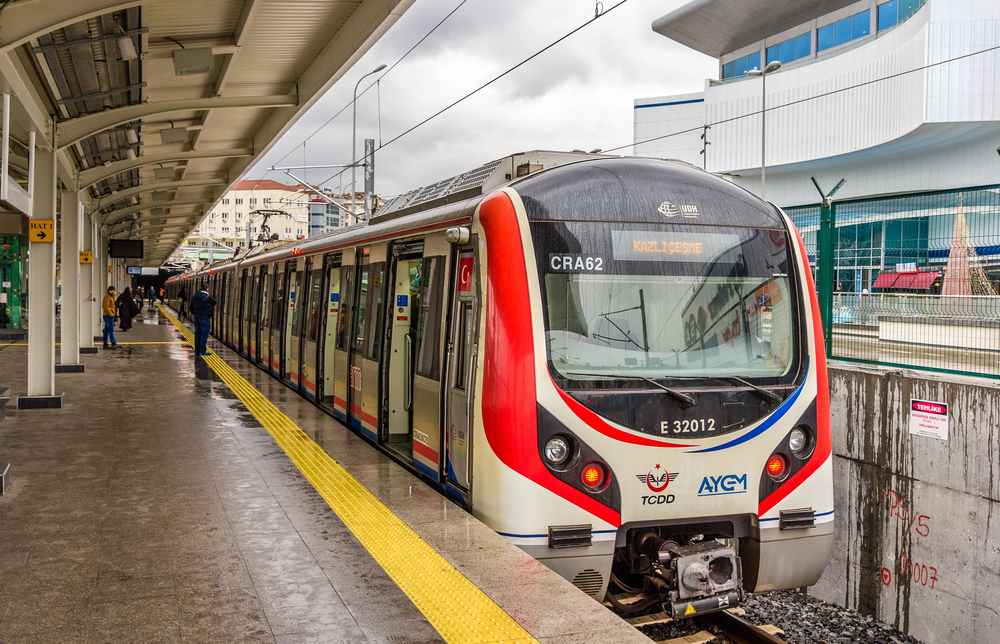
The Marmaray Tunnel in Istanbul does something pretty unique by connecting two continents through an underwater rail line. Trains pass beneath the Bosphorus Strait, linking the European and Asian sides of Turkey in just four minutes.
The tunnel sits about 190 feet below the surface of the water, and it’s part of a larger rail system that moves millions of commuters every month. Construction crews discovered ancient shipwrecks and artifacts while digging, which delayed the project but gave archaeologists a treasure trove of historical finds.
Oresund Link

The Oresund Link between Denmark and Sweden combines both a bridge and an underwater tunnel to connect Copenhagen and Malmo. The tunnel portion runs for about 2.5 miles beneath the Drogden Strait, while the bridge section extends another five miles above water.
Cars and trains share this crossing, with rail traffic running on a lower deck and vehicles traveling on top. The entire route takes about 10 minutes by train, transforming what used to be a 45-minute ferry ride into a quick commute.
BART Transbay Tube
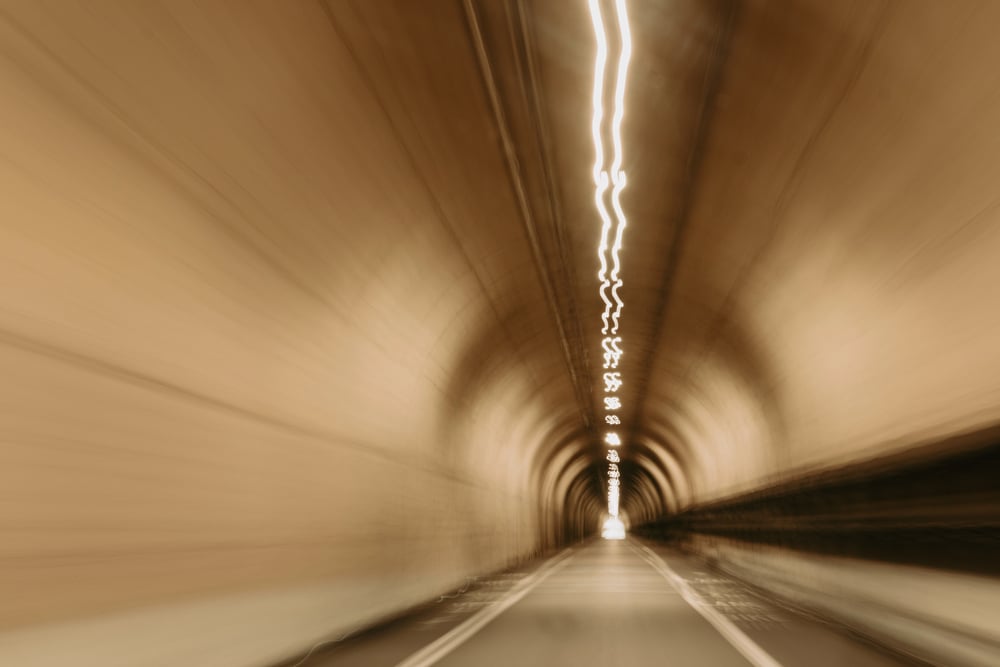
includes a 3.6-mile underwater tube that runs beneath San Francisco Bay, connecting the city to Oakland. The tube sits on the bay floor rather than being buried beneath it, which means engineers had to build it in sections and sink them into place.
Trains carry thousands of commuters through this tunnel every single day, making it one of the busiest underwater rail routes in the United States. The tube can handle earthquakes thanks to flexible joints that allow it to move without cracking.
Tokyo Bay Aqua-Line
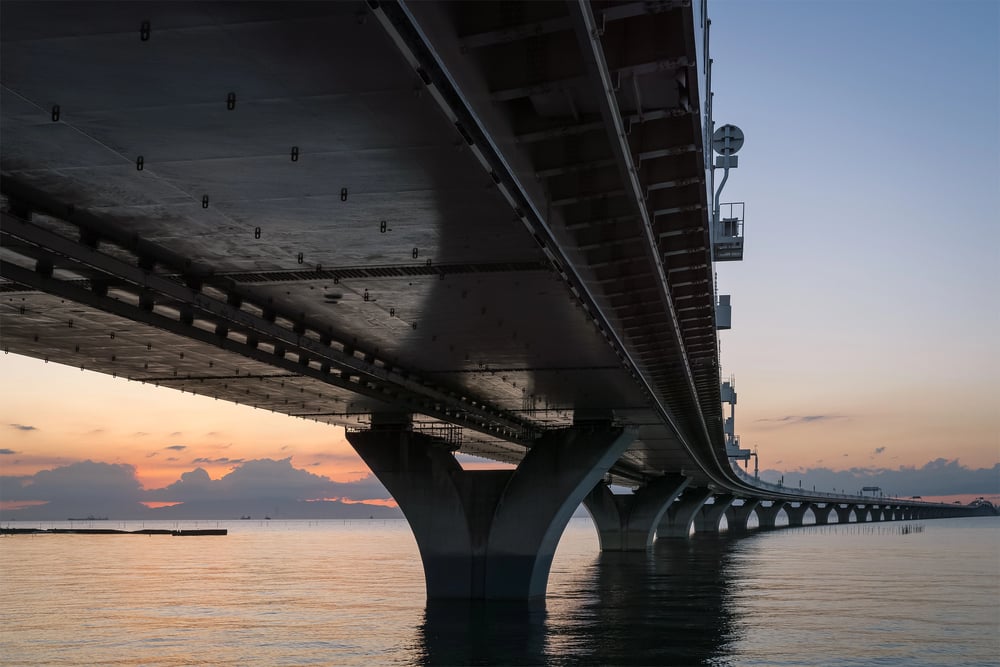
The Tokyo Bay Aqua-Line in Japan features an underwater tunnel that’s part of a larger route combining both tunnel and bridge sections. The tunnel portion runs for about six miles beneath Tokyo Bay, and it connects to an artificial island in the middle of the bay where the tunnel transitions to a bridge.
Drivers and train passengers can stop at this island, which has rest areas and observation decks. The tunnel took 31 years from initial planning to completion, partly because engineers had to develop new techniques for building in soft seabed conditions.
North River Tunnels
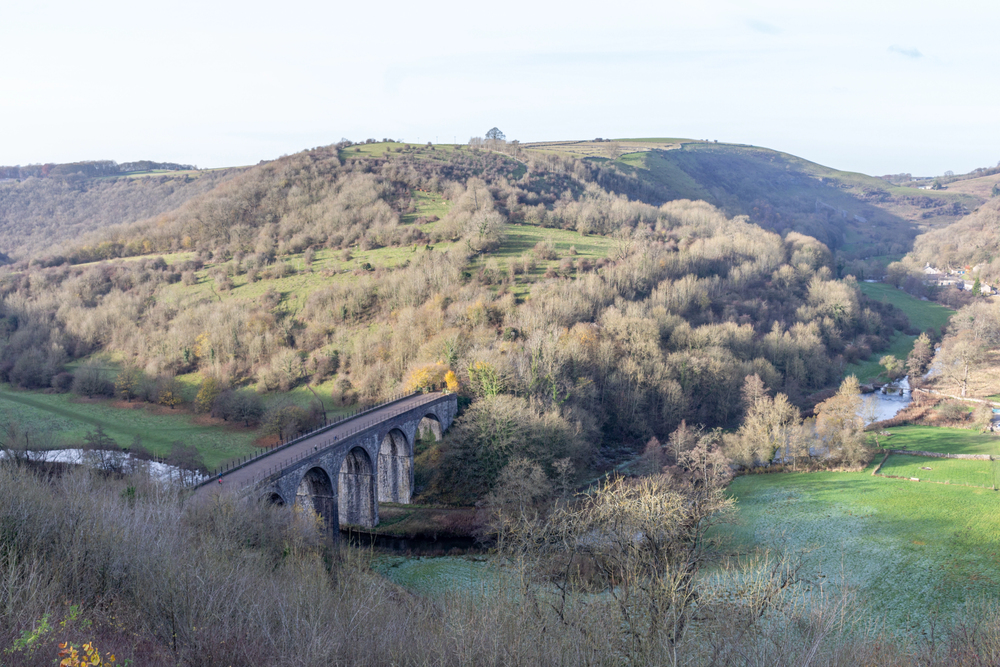
New York’s North River Tunnels carry Amtrak and New Jersey Transit trains beneath the Hudson River, linking New Jersey to Manhattan. These twin tunnels opened in 1910, making them some of the oldest underwater rail tunnels still in regular use.
Each tunnel is about 1.5 miles long and sits roughly 100 feet below the riverbed. Despite their age, these tunnels handle hundreds of trains daily, though they suffered significant damage during Hurricane Sandy and are now due for major repairs.
Gotthard Base Tunnel
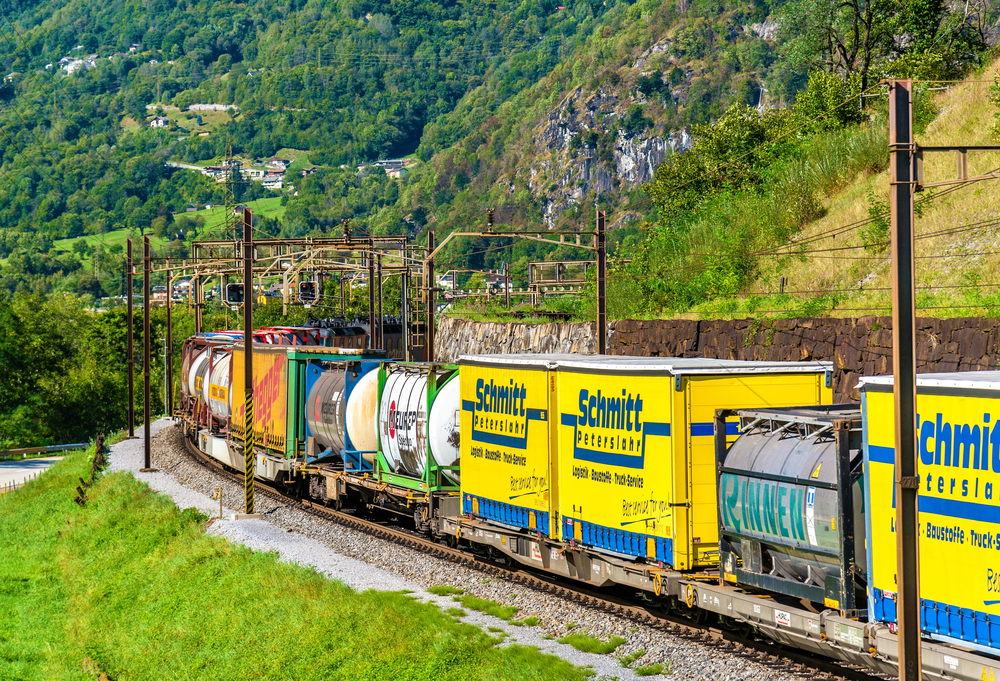
Switzerland’s Gotthard Base Tunnel isn’t entirely underwater, but significant portions run beneath water-filled rock formations and underground lakes. At 35 miles long, it’s the longest railway tunnel in the world and goes straight through the Alps.
Trains travel at speeds up to 155 miles per hour, cutting travel time between northern and southern Europe by hours. The tunnel took 17 years to complete, with crews working from both ends and meeting in the middle with incredible precision.
East River Tunnels
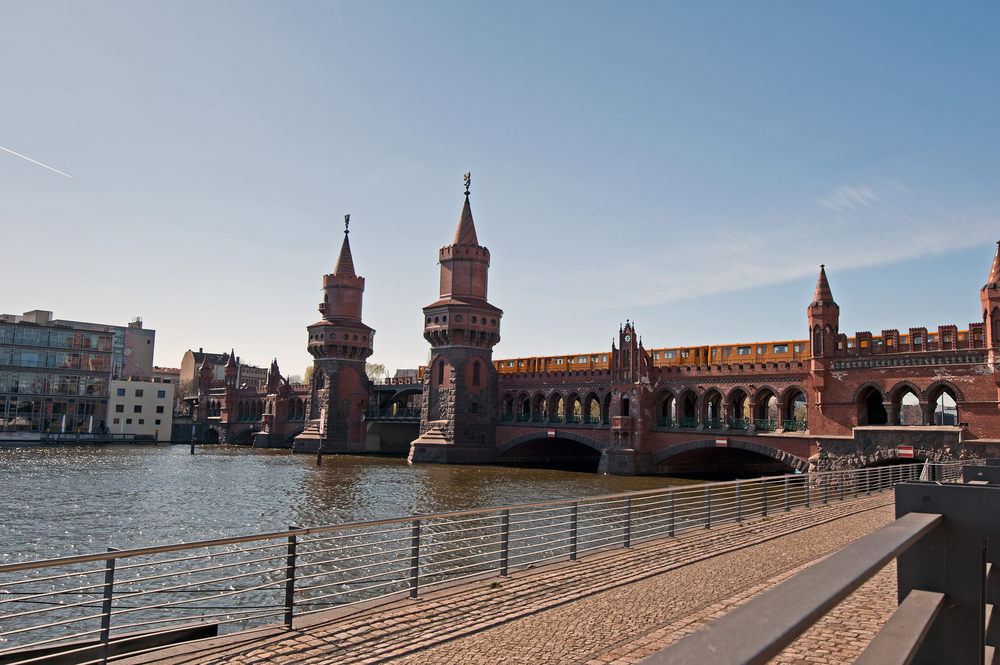
The East River Tunnels in New York carry Long Island Rail Road trains beneath the East River into Manhattan’s Penn Station. Four separate tubes make up this tunnel system, and they’ve been operating since the early 1900s.
Each tunnel is about one mile long and handles commuter traffic from Long Island into the city. Like the North River Tunnels, these tubes also took damage during Hurricane Sandy, but they continue to serve hundreds of thousands of passengers every week.
Chesapeake Bay Bridge-Tunnel
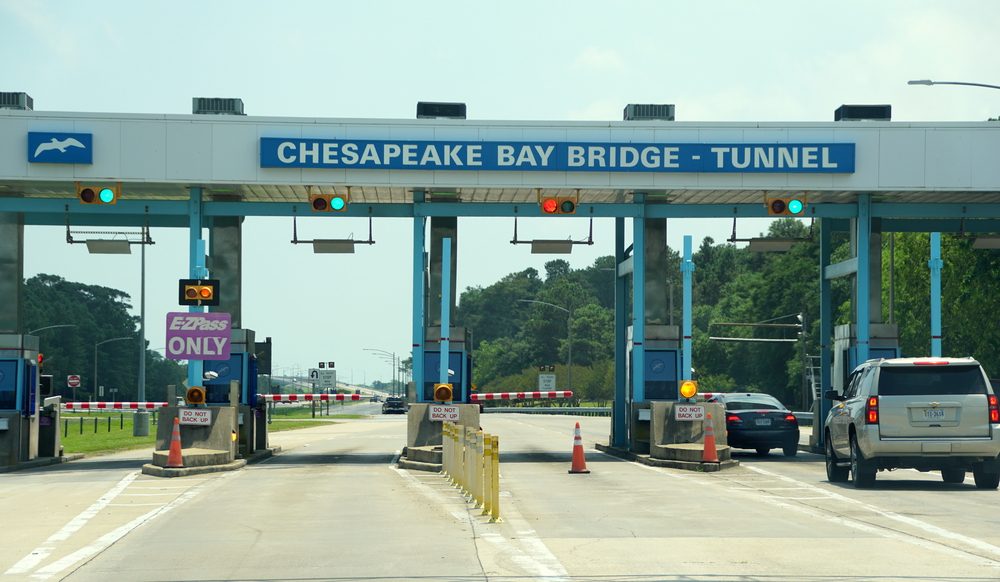
Virginia’s Chesapeake Bay Bridge-Tunnel includes two underwater tunnel sections as part of a 23-mile crossing that also features bridges and artificial islands. The tunnels allow ships to pass overhead while trains and vehicles travel beneath the bay.
Each tunnel section runs about one mile long, and the entire route connects Virginia’s mainland to the Delmarva Peninsula. Construction required building the tunnels in sections on land, then floating them into position and sinking them onto the prepared seabed.
Fehmarn Belt Tunnel

The Fehmarn Belt Tunnel between Denmark and Germany is currently under construction and will become one of the longest underwater tunnels when it opens. The tunnel will stretch about 11 miles beneath the Baltic Sea, connecting the two countries with both road and rail traffic.
Engineers plan to build it using immersed tube segments, similar to other modern underwater tunnels. The project is expected to cut travel time between Copenhagen and Hamburg significantly.
Sydney Harbour Tunnel
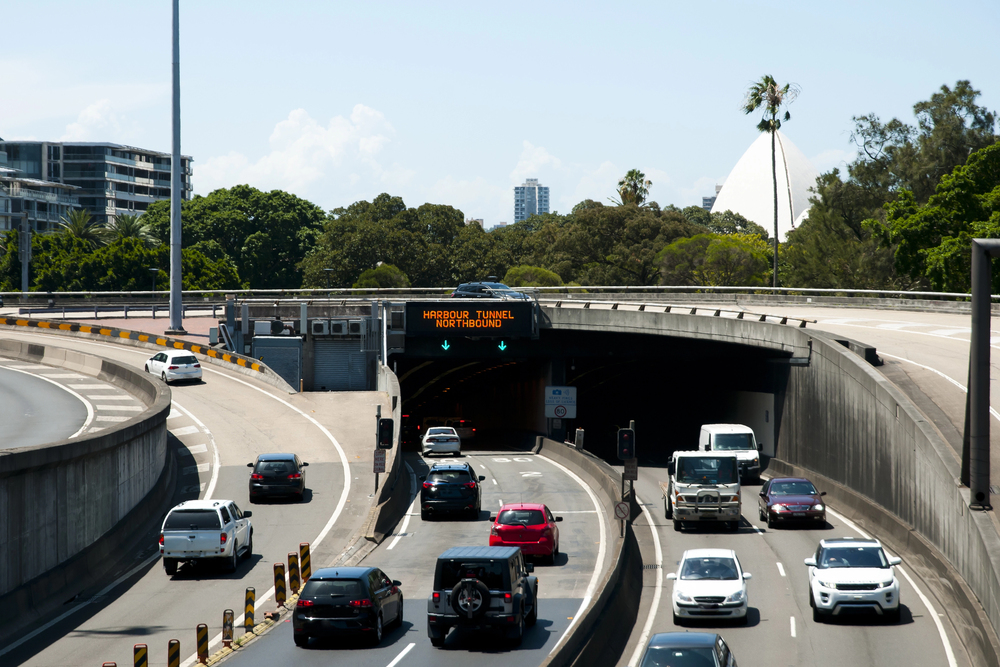
Australia’s Sydney Harbour Tunnel carries road traffic rather than trains, but it demonstrates the same engineering principles used in underwater rail tunnels. The tunnel runs 1.5 miles beneath Sydney Harbour, connecting the northern and southern parts of the city.
It was built using prefabricated sections that were floated into place and joined underwater. The tunnel opened in 1992 and handles thousands of vehicles every day.
Thames Tunnel
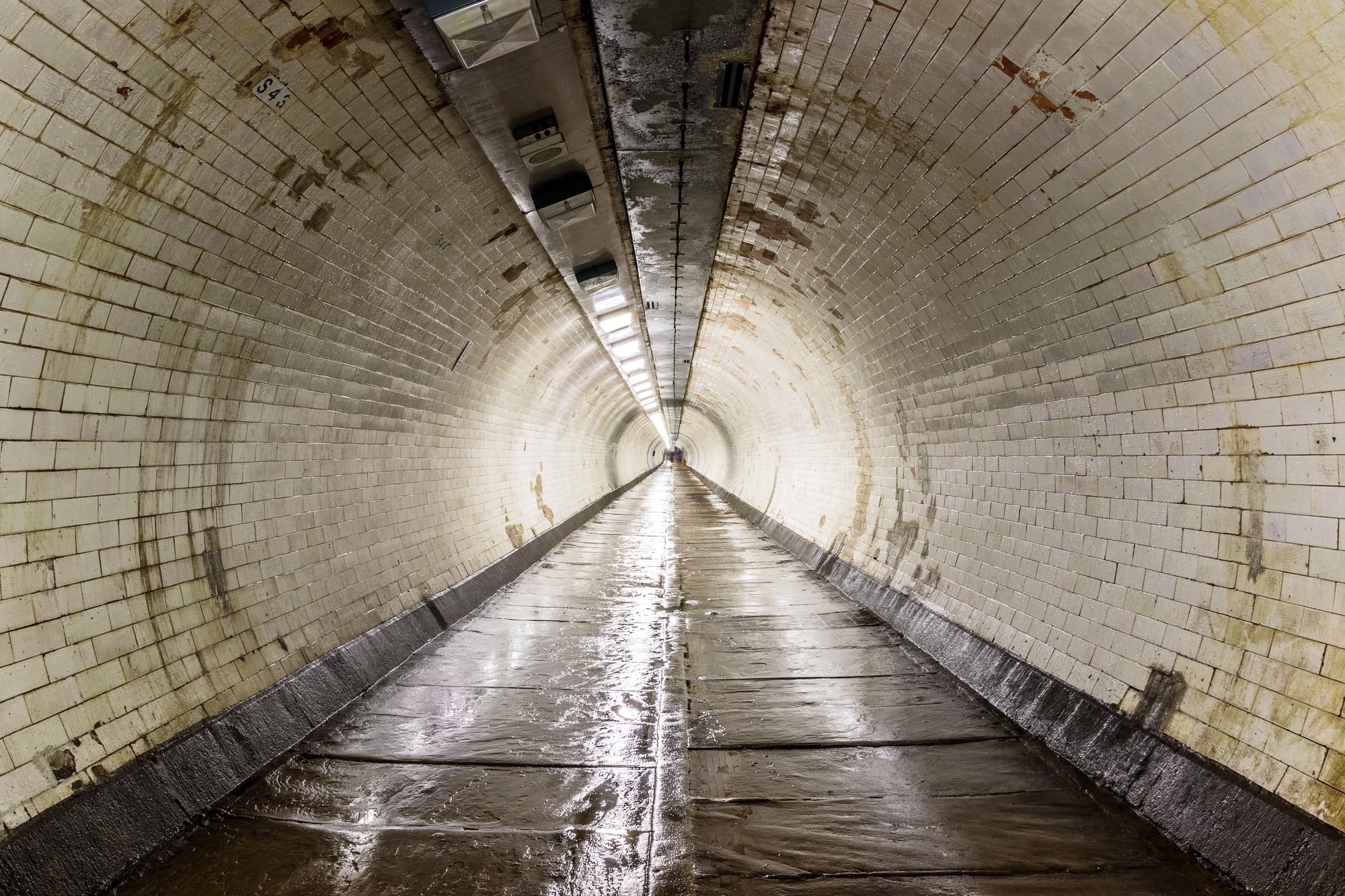
London’s Thames Tunnel was actually the world’s first underwater tunnel, completed way back in 1843. Originally built for pedestrians and horse-drawn carriages, it now carries trains on the East London Line.
The tunnel runs about 1,300 feet beneath the River Thames and took 18 years to build using revolutionary techniques that would inspire future underwater construction projects. Workers faced constant flooding and dangerous conditions, but their success proved that underwater tunnels were possible.
Bosphorus Railway Tunnel
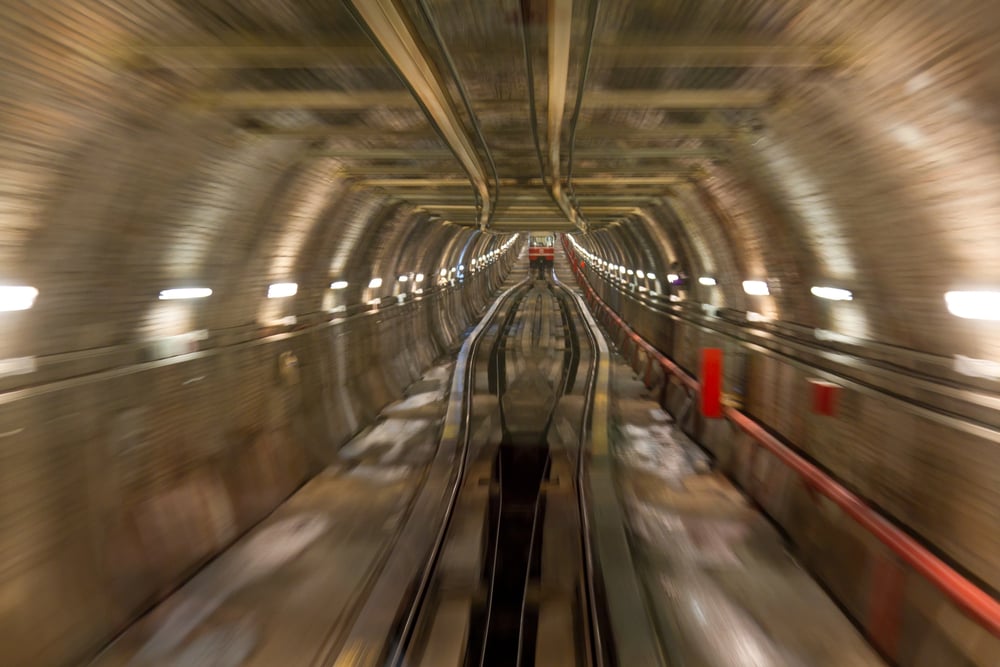
Beyond the Marmaray, Istanbul has additional underwater rail infrastructure that includes older tunnel sections beneath the Bosphorus. These tunnels serve different rail lines and help manage the massive commuter traffic in one of the world’s largest cities.
The combination of multiple underwater crossings shows how critical these tunnels have become for modern urban transportation. Each tunnel serves specific routes and helps keep traffic flowing between the two continents.
Hongkong-Zhuhai-Macau Bridge
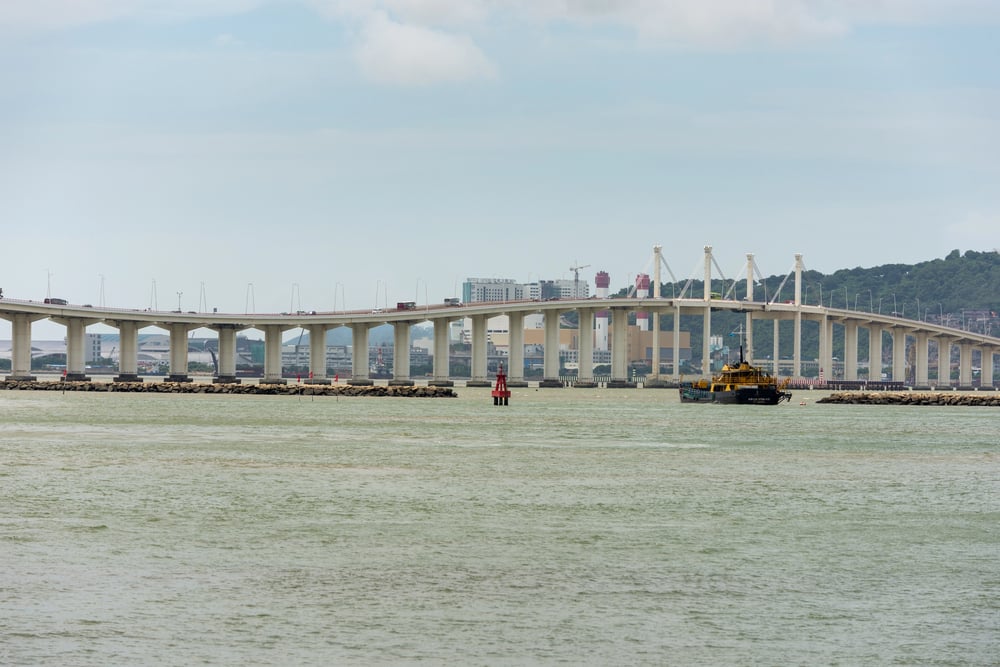
This stretch features an underwater tunnel stretching 4.2 miles, tucked within a sprawling link of bridges and tunnels totaling 34 miles between Hong Kong, Zhuhai, and Macau. Ships sail above where the road dips below the Pearl River Delta.
Built on solid ground first, huge tunnel pieces were later floated out, lowered into position. Since opening in 2018, it stands as one of the boldest engineering feats built in recent times.
Limerick Tunnel
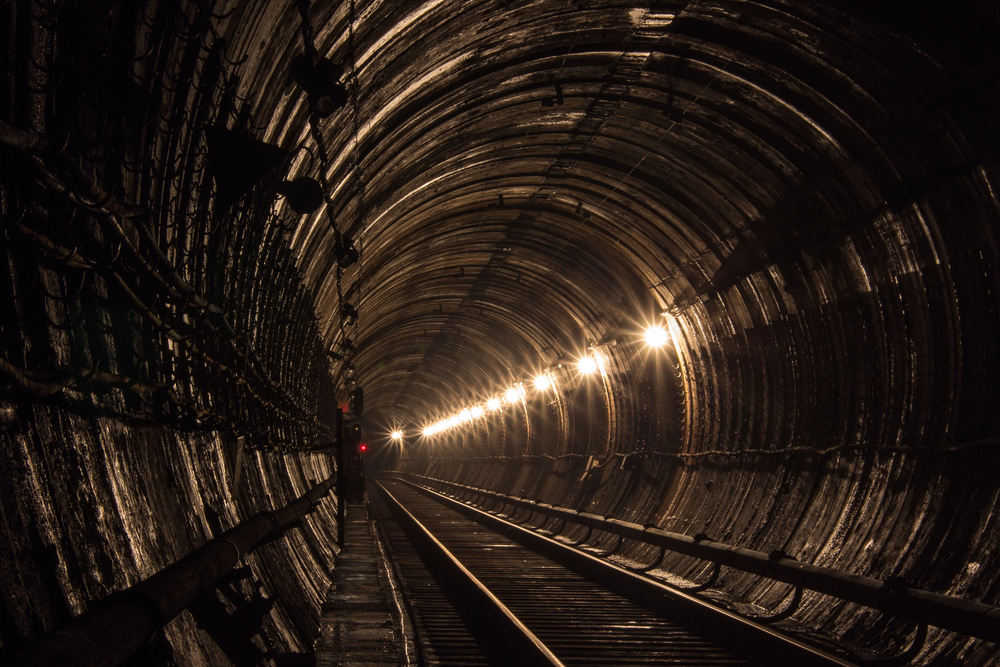
Beneath the River Shannon twists a passage carved for wheels and engines – Limerick’s own underground route. Built when the decade turned, its presence thins crowds where streets once choked on vehicles.
Stretching just under seven hundred meters, it breathes with machines that clear fumes and guard motion. Though meant for cars alone, its bones echo methods used elsewhere for trains beneath tides.
Looking Back and Moving Forward
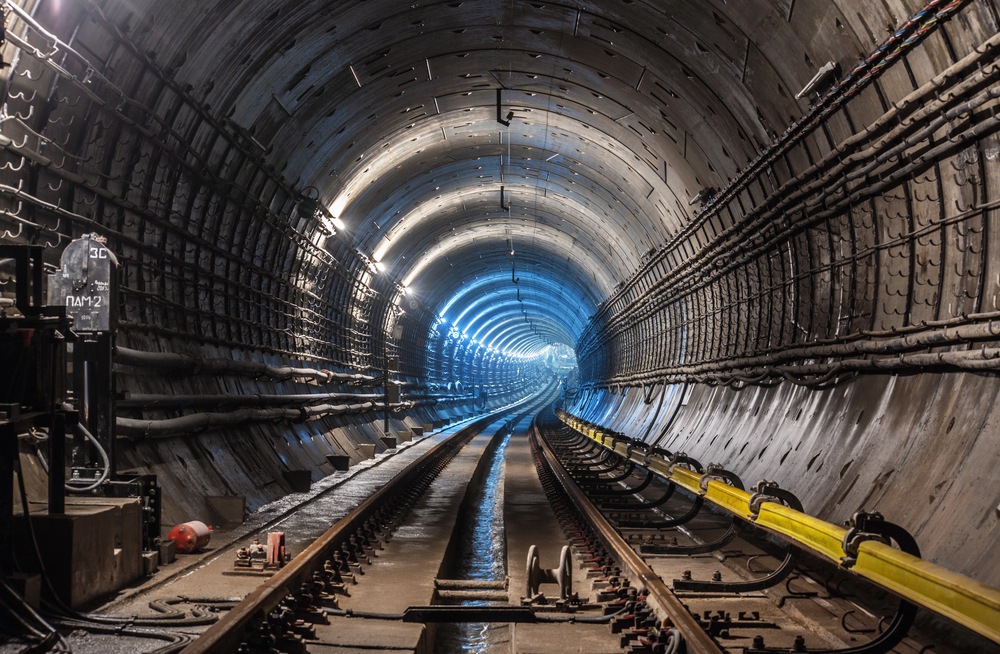
Once thought too wild to build, underwater train tunnels now hum beneath oceans, linking cities where none could go before. Faster drills, smarter designs – these passages dive lower, stretch longer, rising where tides once ruled alone.
Nations line up plans, seeing bridges not of steel above but passage below, hidden, steady. Tasks that stole lifetimes back then? Finished quicker than a school term today.
Distance shrinks. Islands grow closer. Maps may soon redraw themselves without asking permission.
More from Go2Tutors!

- The Romanov Crown Jewels and Their Tragic Fate
- 13 Historical Mysteries That Science Still Can’t Solve
- Famous Hoaxes That Fooled the World for Years
- 15 Child Stars with Tragic Adult Lives
- 16 Famous Jewelry Pieces in History
Like Go2Tutors’s content? Follow us on MSN.