Jobs That Were Common 100 Years Ago
The world of work looked wildly different a century ago. In the 1920s, America was caught between two eras—still deeply rooted in agricultural life while simultaneously racing toward industrial innovation.
The jobs people held reflected this fascinating transition period, with some occupations requiring backbreaking manual labor and others demanding skills we can barely imagine needing today. Many of these professions have vanished completely, replaced by machines, electricity, or simply changing times.
Here is a list of jobs that were everywhere in the 1920s but have since faded into history books and nostalgic memories.
Switchboard Operator
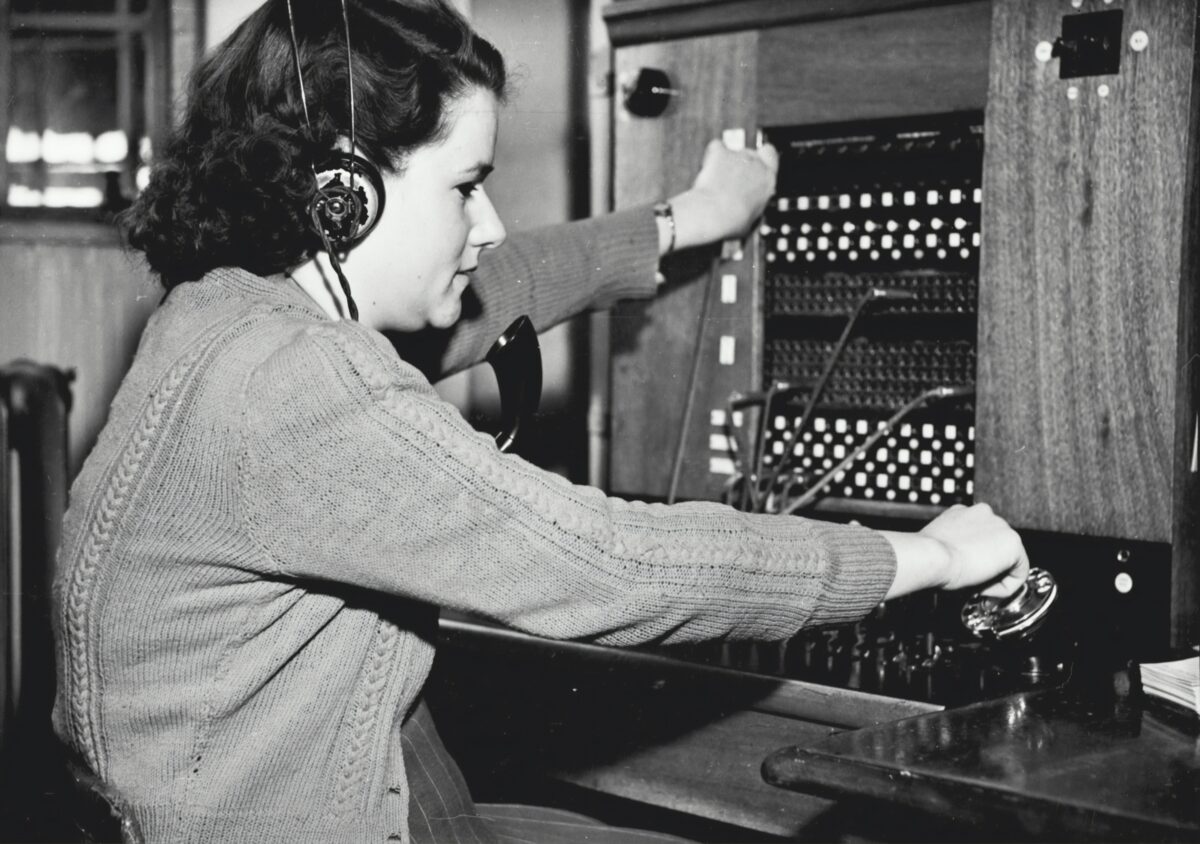
Making a phone call required another person’s help, and that person was usually a young woman sitting at a switchboard with dozens of cables. Switchboard operators manually connected calls by plugging wires into the correct jacks, essentially acting as the human interface between callers.
They worked long shifts—sometimes 10 hours a day—and were expected to remain polite and neutral even while overhearing countless private conversations.
Iceman
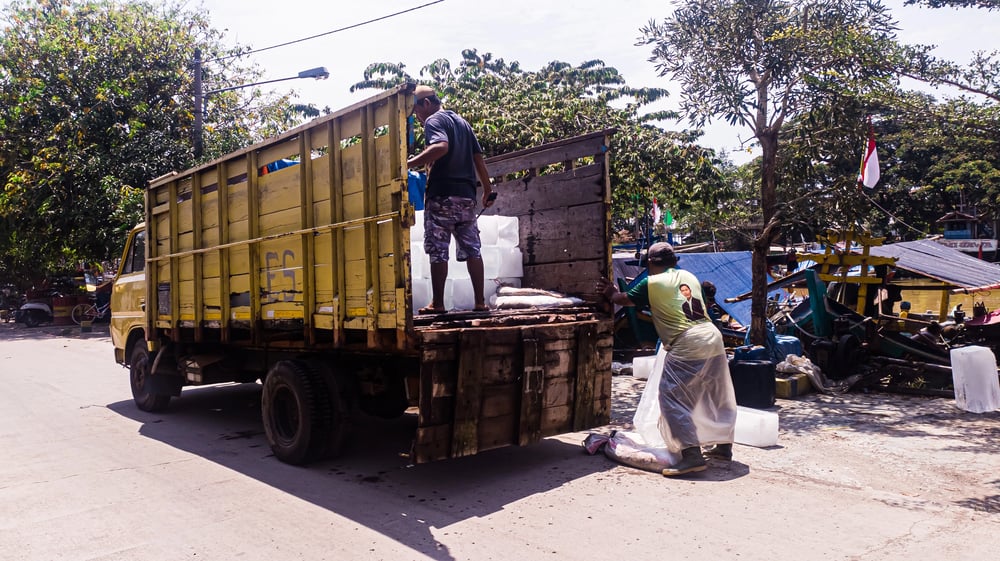
Before refrigerators became household staples, the iceman was a neighborhood fixture who delivered huge blocks of ice right to your door. These workers would harvest ice from frozen lakes during winter, store it in insulated warehouses, and then haul the heavy blocks around town year-round.
Kids would follow the ice truck on hot summer days, hoping to snag a few chips to suck on, making the iceman something of a local hero.
Milkman

Fresh milk spoiled quickly without refrigeration, so daily delivery was essential rather than convenient. The milkman would arrive early in the morning, leaving glass bottles on doorsteps before most families woke up.
It was a job built on reliability and routine, with milkmen knowing their routes so well they could navigate them in the dark.
Lamplighter
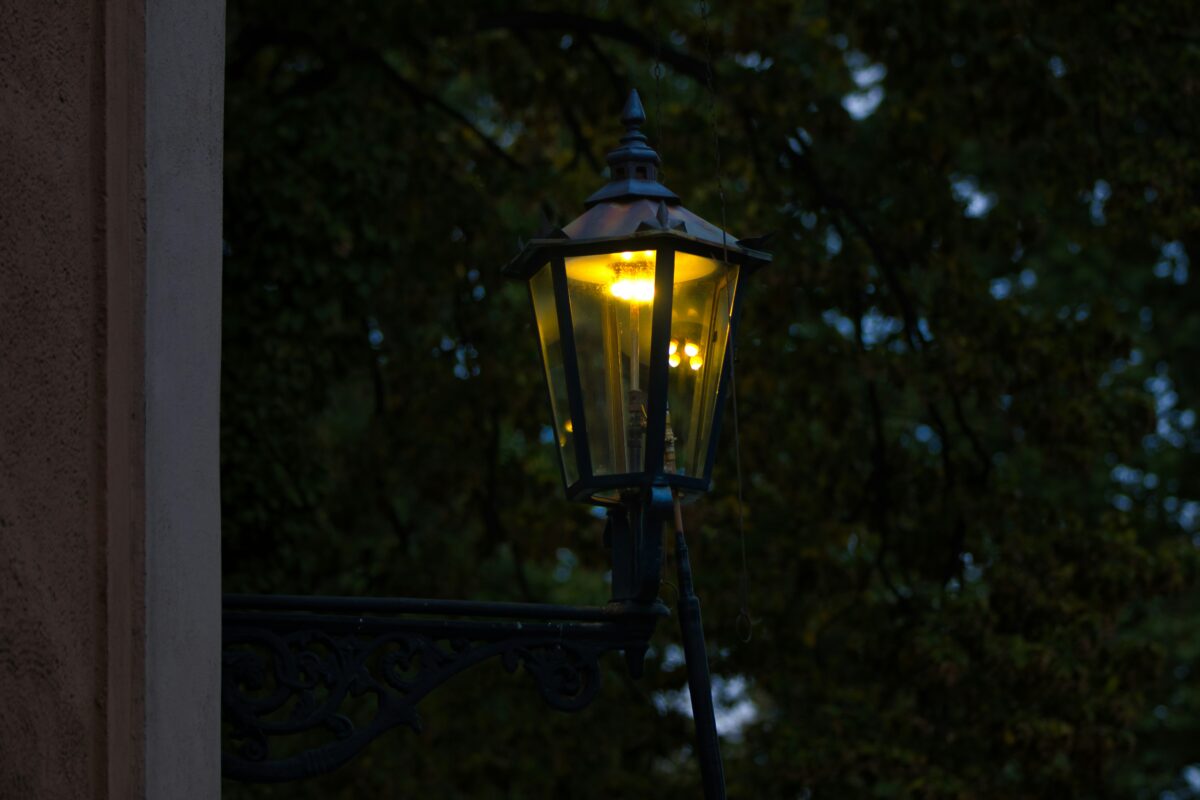
City streets once relied on gas lamps that needed manual attention twice daily. Lamplighters carried long poles with flames on the end, walking their routes each evening to light the lamps and returning at dawn to extinguish them.
The job disappeared rapidly as electric streetlights became standard, though a few cities like London still maintain a handful of gas lamps for historical charm.
Coal Miner
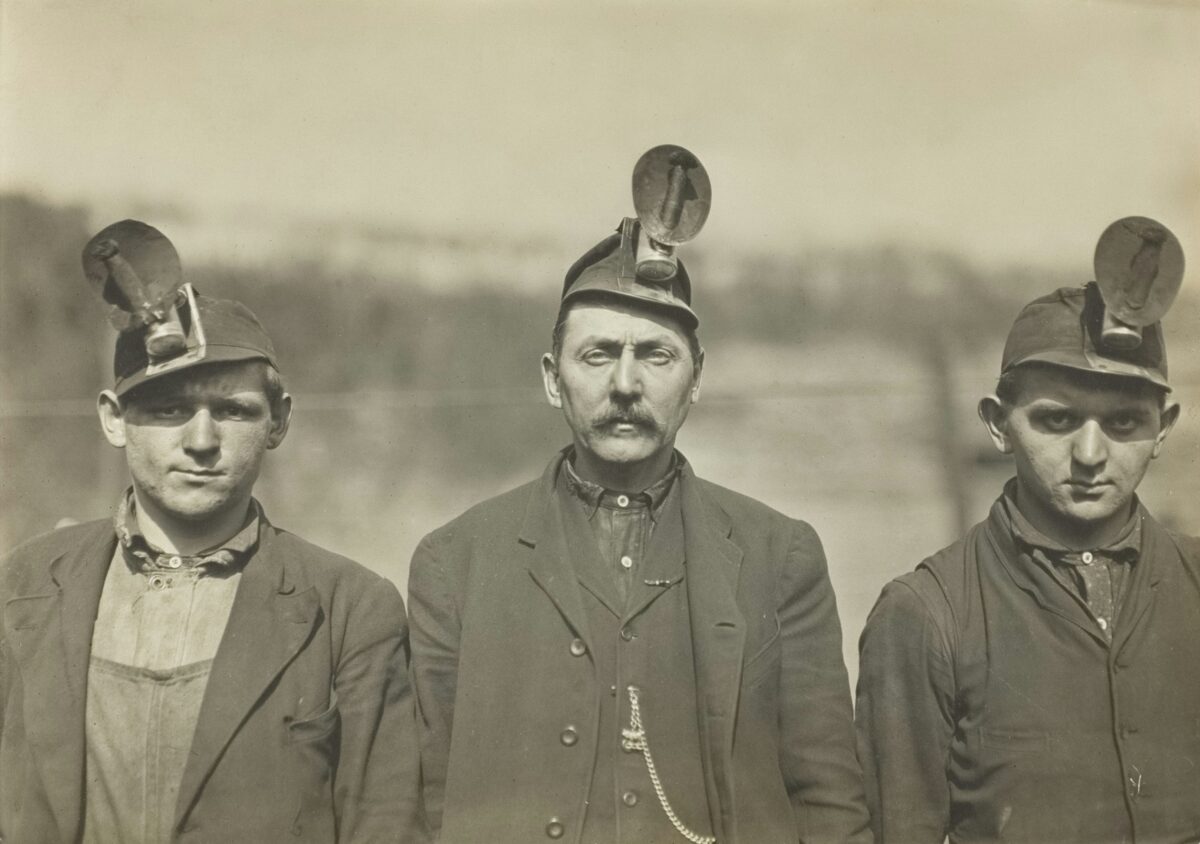
Coal powered America in the 1920s, and the 733,000 workers who extracted it from the earth faced some of the most dangerous conditions imaginable. Miners spent long days underground in darkness, dealing with cave-ins, explosions, and black lung disease.
The work was brutal, but coal was essential for everything from home heating to industrial manufacturing, making these workers critical to keeping the country running.
Elevator Operator
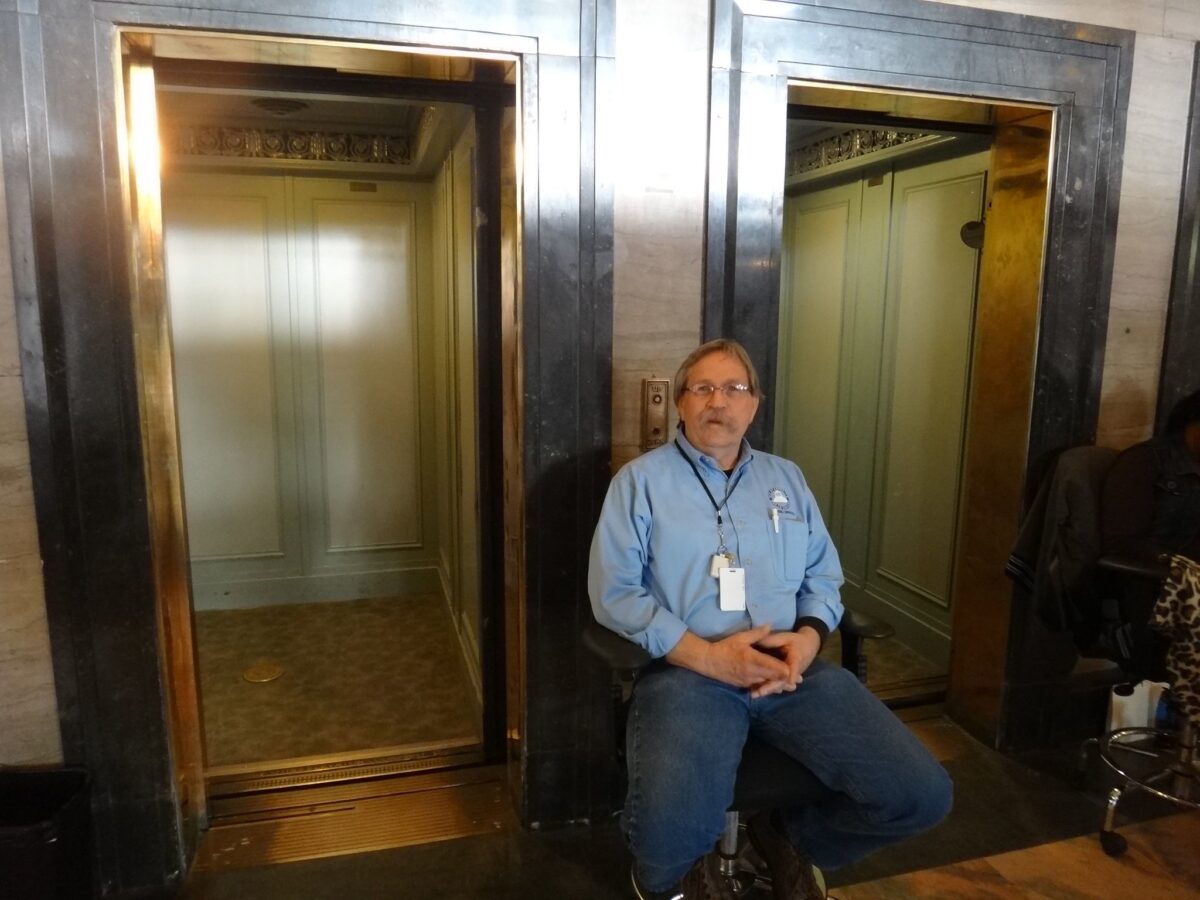
Elevators didn’t run themselves back then—they required a skilled operator to control the speed, stop at the right floors, and open and close the doors manually. These operators, often dressed in sharp uniforms, became familiar faces in office buildings and department stores.
They needed steady hands and good timing to avoid the jarring stops that could make passengers lose their lunch.
Telegraph Operator
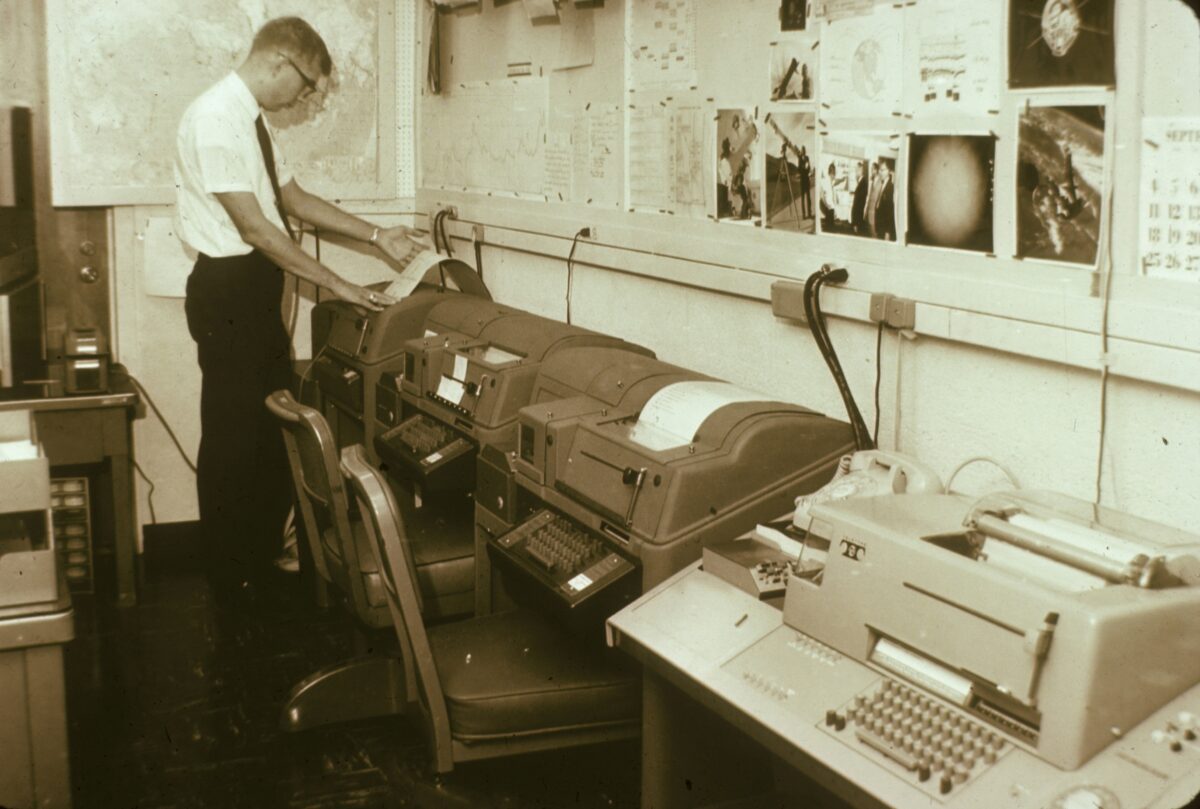
Before the telephone became widespread, telegraph operators were the masters of long-distance communication. They used Morse code to tap out messages on telegraph machines, translating dots and dashes with lightning speed.
The job required serious mental focus and the ability to decode rapid-fire transmissions, making it one of the more skilled positions of the era.
Factory Worker
The 1920s marked the golden age of American manufacturing, with assembly lines churning out everything from automobiles to appliances. Factory workers performed repetitive tasks for long hours, often in harsh conditions, but the jobs were relatively stable and paid better than many alternatives.
Henry Ford’s assembly line model had revolutionized production, creating thousands of jobs that required minimal training but maximum endurance.
Carpenter
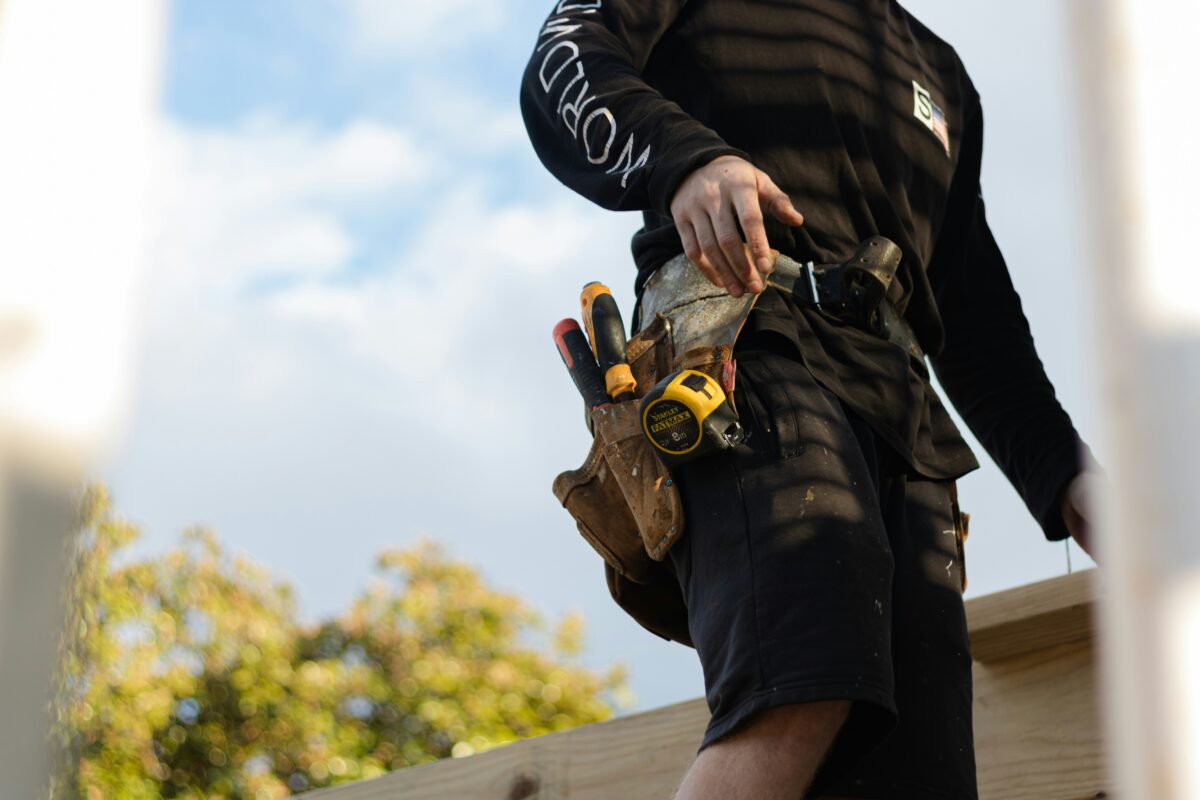
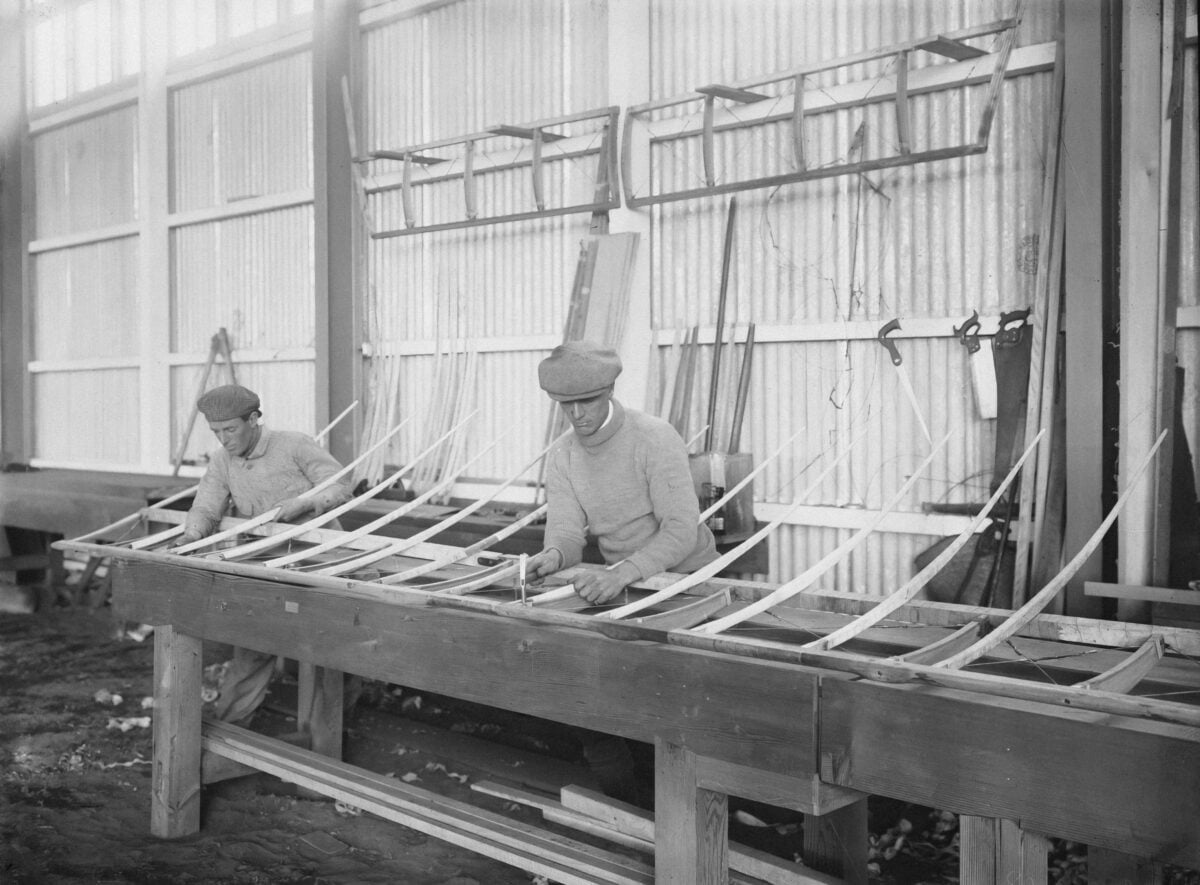
Construction boomed as cities expanded skyward and outward, keeping carpenters constantly employed. These skilled tradespeople built everything from houses to furniture, working primarily with hand tools rather than the power equipment we use today.
Wages varied wildly—from a dollar a day to five dollars—but experienced carpenters could make a decent living if they found steady work.
Teacher

Public education expanded dramatically in the 1920s, creating demand for over 760,000 teachers across the country. The job was one of the few respectable professional options available to women, though resources were often scarce and many rural schools operated with just a single teacher handling all grades.
Teachers earned modest salaries but gained respect in their communities, even if they sometimes taught in one-room schoolhouses with limited supplies.
Machinist
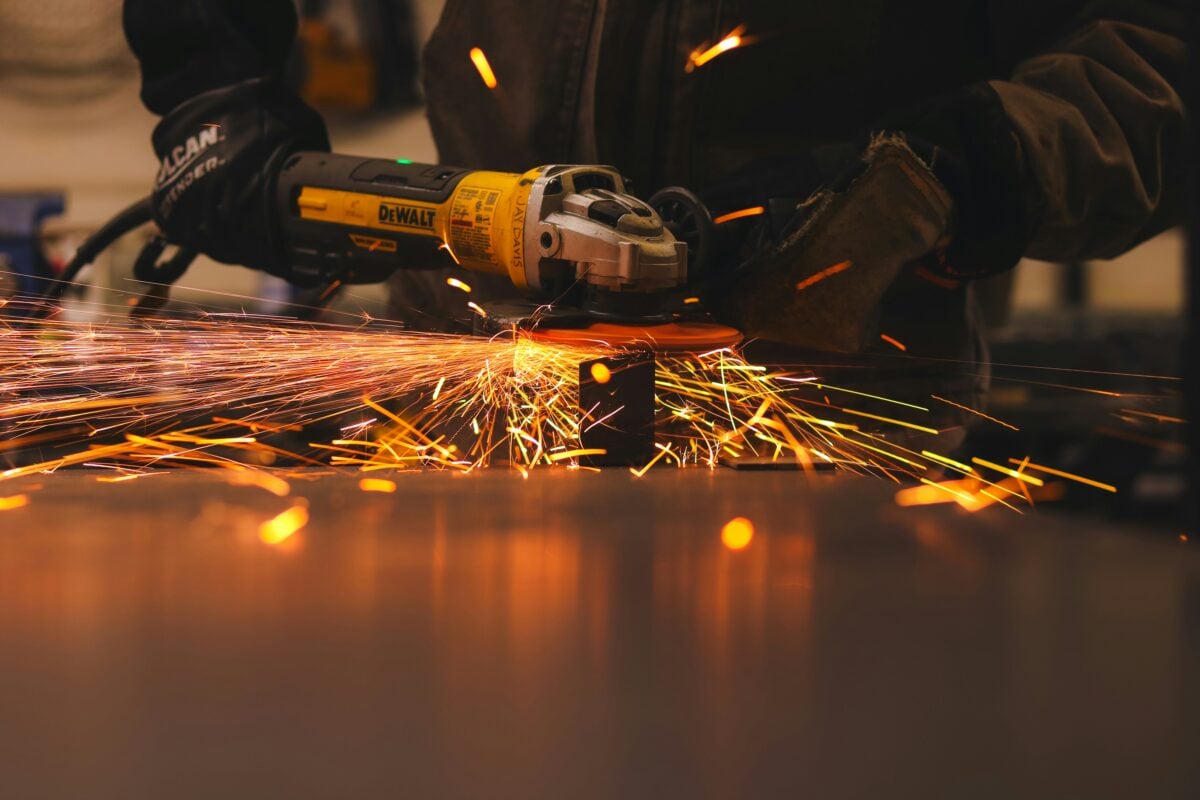
As factories multiplied, so did the need for skilled workers who could set up, operate, and maintain complex machinery. Nearly 900,000 people worked as machinists, millwrights, and toolmakers in the 1920s.
These positions offered more job security than many other trades because broken machines meant stopped production, making skilled machinists invaluable to factory owners.
Steel Worker
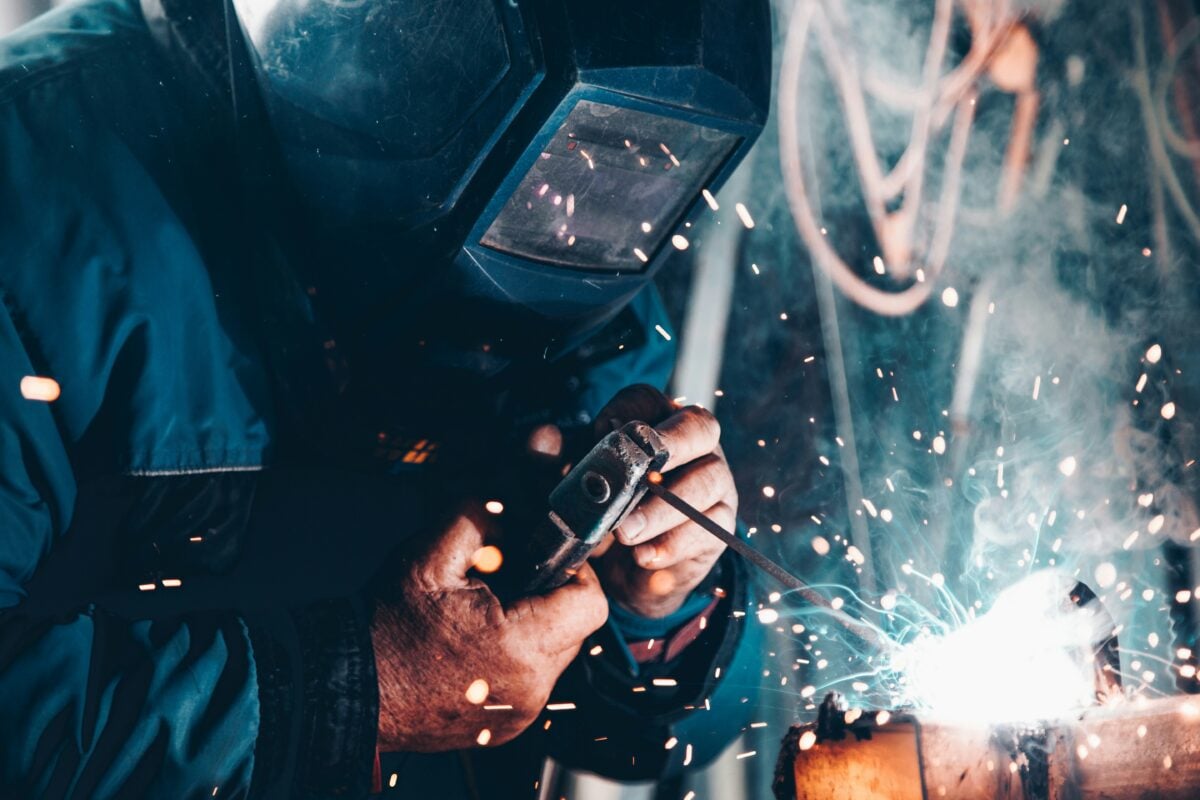
Steel was the backbone of American growth, used in everything from skyscrapers to automobiles to bridges. Steel workers toiled in blast furnaces and mills under extremely hot and dangerous conditions, producing the massive quantities of metal that fueled construction booms across the nation.
The work was exhausting and hazardous, but it paid better than many other labor-intensive jobs.
Dressmaker

Most women’s clothing was still custom-made or hand-sewn in the 1920s, keeping dressmakers and seamstresses busy. These skilled workers created everything from everyday dresses to elaborate wedding gowns, often working from home or in small shops.
Mass production would eventually decimate this profession, but in the 1920s, a talented dressmaker could build a thriving business in any town.
Door-to-Door Salesman

Companies relied on traveling salespeople who went house to house peddling everything from vacuum cleaners to encyclopedias to perfume. These salespeople needed charm, persistence, and thick skin to handle constant rejection.
Some companies even hired women as door-to-door sellers, which was relatively progressive for the time, though the majority of these positions went to men.
Knocker-Upper
Here’s a job title that sounds made up but was completely real—the knocker-upper served as a human alarm clock. These workers, often elderly people supplementing their income, would walk through neighborhoods in the early morning tapping on windows with long sticks to wake people for work.
The job survived in some British towns until the 1970s, but widespread availability of affordable alarm clocks eventually made it unnecessary.
Pinsetter

Bowling was hugely popular entertainment, but someone had to manually reset the pins after each roll. Pinsetters, often teenagers or young men, worked in the pit area behind the lanes, quickly clearing fallen pins and rearranging them between frames.
The job required quick reflexes and the ability to dodge flying bowling pins, making it one of the more physically demanding entertainment-related positions until automatic pinsetters arrived in the 1940s.
When Humans Powered the World
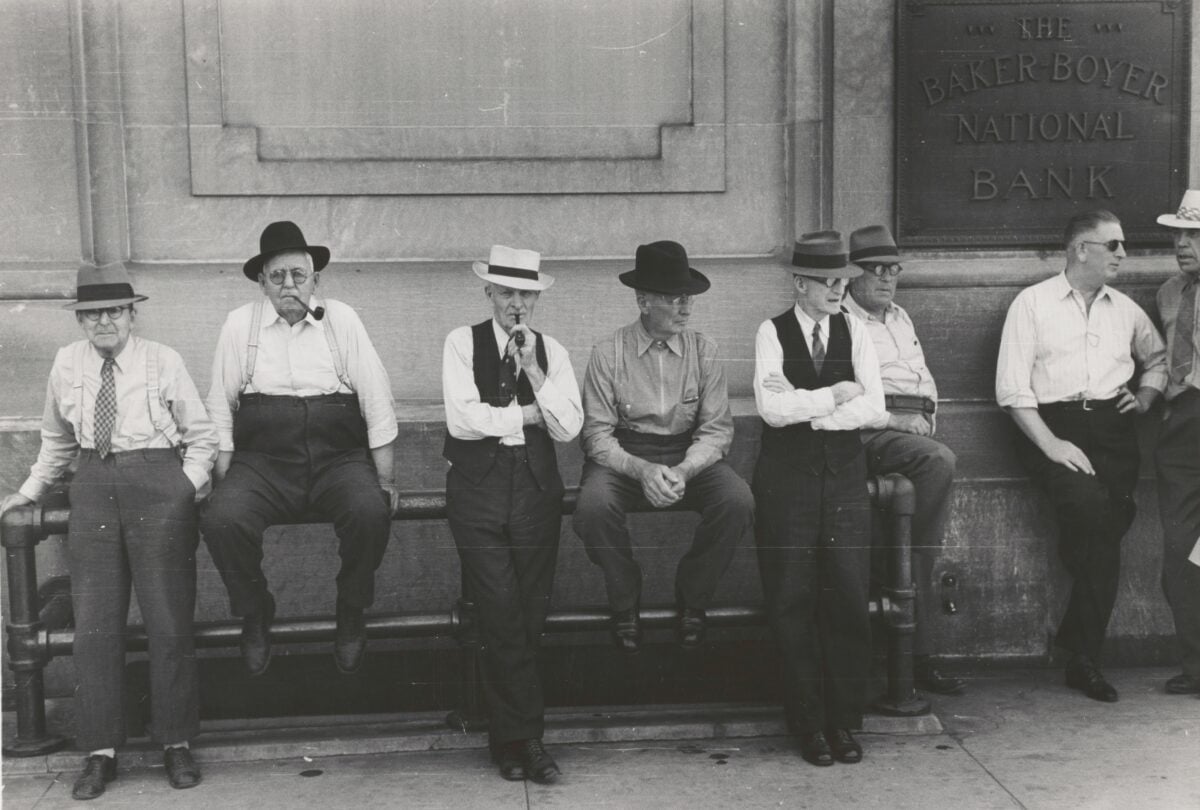
The jobs of 1925 tell us something important about how far we’ve traveled in just a century. Where humans once stood at switchboards plugging in cables, algorithms now route millions of calls instantaneously.
Where icemen hauled frozen blocks up tenement stairs, refrigerators hum quietly in every home. These changes didn’t just eliminate jobs—they fundamentally reshaped how we live, giving us conveniences our great-grandparents couldn’t have imagined.
Yet something was lost too: the daily human interactions with the milkman, the elevator operator, the friendly face at the switchboard connecting your call. Progress always comes with tradeoffs, and looking back at these vanished professions reminds us that efficiency and automation, while beneficial, also distance us from the human touch that once defined everyday life.
More from Go2Tutors!

- The Romanov Crown Jewels and Their Tragic Fate
- 13 Historical Mysteries That Science Still Can’t Solve
- Famous Hoaxes That Fooled the World for Years
- 15 Child Stars with Tragic Adult Lives
- 16 Famous Jewelry Pieces in History
Like Go2Tutors’s content? Follow us on MSN.