Radiation Zones Open To Visitors
The idea sounds strange at first. Who wants to visit places contaminated by radiation?
But thousands of people do it every year, and the reasons make more sense when you look closer. These sites represent turning points in human history—moments when technology pushed past safe boundaries, when accidents changed entire regions, when weapons testing scarred the earth.
Walking through them connects you to those moments in ways that reading about them never could.
The Chernobyl Exclusion Zone
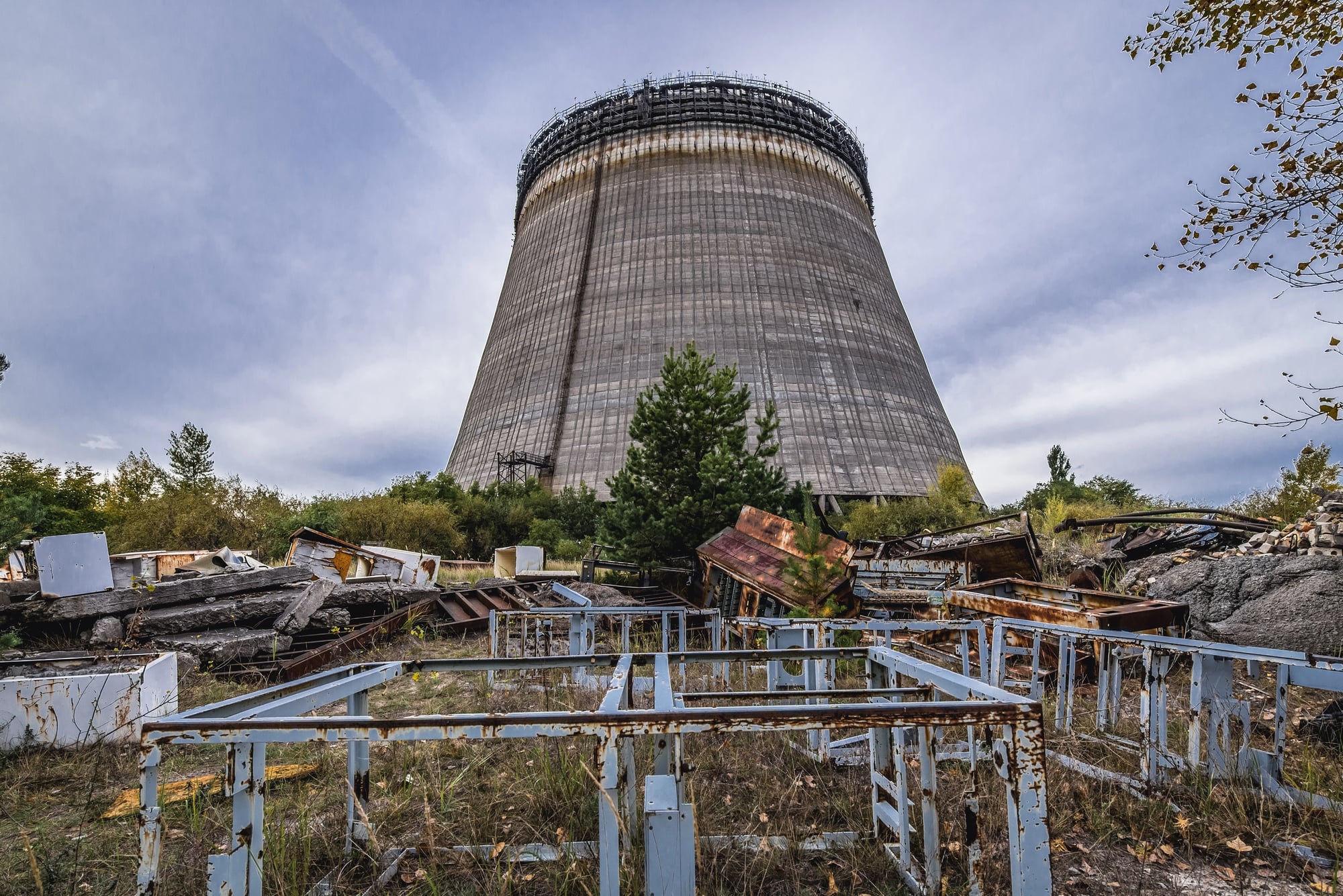
Ukraine’s most famous restricted area became a tourist destination years before anyone expected it would. The 30-kilometer zone around the destroyed reactor remains largely abandoned, but tour operators now run regular trips through the area.
You’ll see overgrown villages, abandoned schools with textbooks still on desks, and the reactor building itself—now covered by a massive steel containment structure. Radiation levels vary wildly across the zone.
Some spots barely register above normal background radiation. Others spike high enough that your guide will hustle you past them quickly.
The government monitors everything closely, and tours stick to approved routes where exposure stays minimal.
Pripyat’s Silent Streets
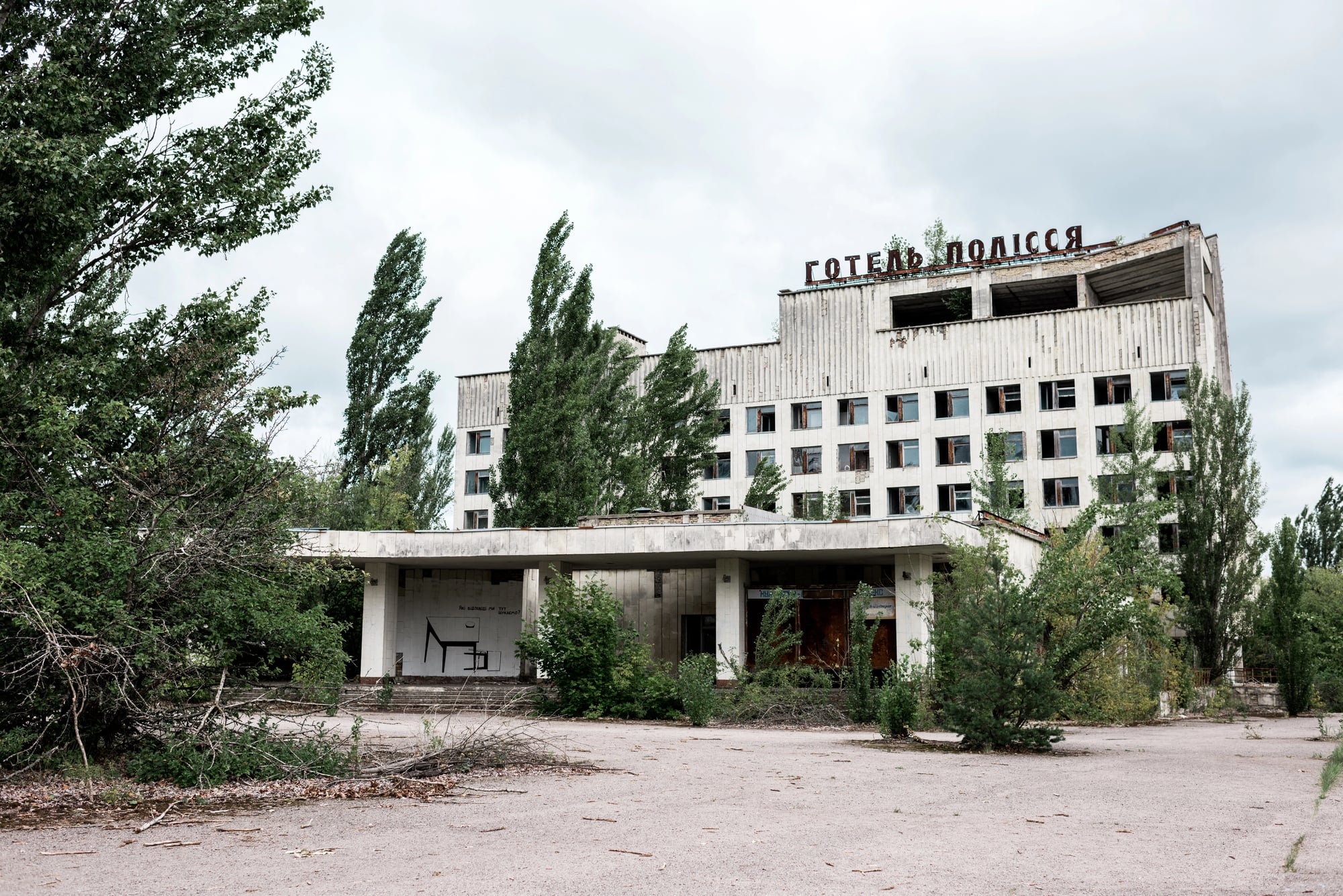
The city that housed Chernobyl’s workers stands frozen in time. Pripyat had nearly 50,000 residents when the reactor exploded in 1986.
Everyone evacuated within days, taking only what they could carry. They never came back.
You can walk through apartment buildings where furniture still sits arranged around tables, where children’s toys lie scattered on floors, where photographs hang on walls. The famous amusement park—set to open just days after the disaster—draws the most attention.
The Ferris wheel and bumper cars sit rusting among trees that grow up through the concrete. Nature reclaimed the city fast.
Forests push through buildings. Animals roam freely through what used to be neighborhoods.
The sight hits differently than you expect.
Fukushima’s Restricted Areas

Japan opened parts of its exclusion zone to visitors more recently. The 2011 earthquake and tsunami caused three reactor meltdowns at the Fukushima Daiichi plant, contaminating a large surrounding area.
Some towns remain completely off-limits. Others allow brief supervised visits.
The experience differs from Chernobyl. Buildings look more modern.
The disaster happened more recently, so decay hasn’t progressed as far. But the emptiness feels similar—stores with merchandise still on shelves, homes that people left in a hurry, entire communities abandoned overnight.
Trinity Site

New Mexico hosts the birthplace of the atomic age. The Trinity test site marks where scientists detonated the first nuclear weapon in July 1945.
The site opens to visitors twice a year, in April and October. Standing at ground zero puts the scale of nuclear weapons in perspective.
The explosion vaporized the sand, creating a new mineral called trinitite—green glass formed from melted desert floor. Small fragments still dot the area, though most have been removed over the decades.
Radiation levels at Trinity stay low now. Decades of decay reduced most of the dangerous isotopes.
You’ll spend more time in the sun driving there than you’ll absorb from residual contamination at the site.
Semipalatinsk Test Site
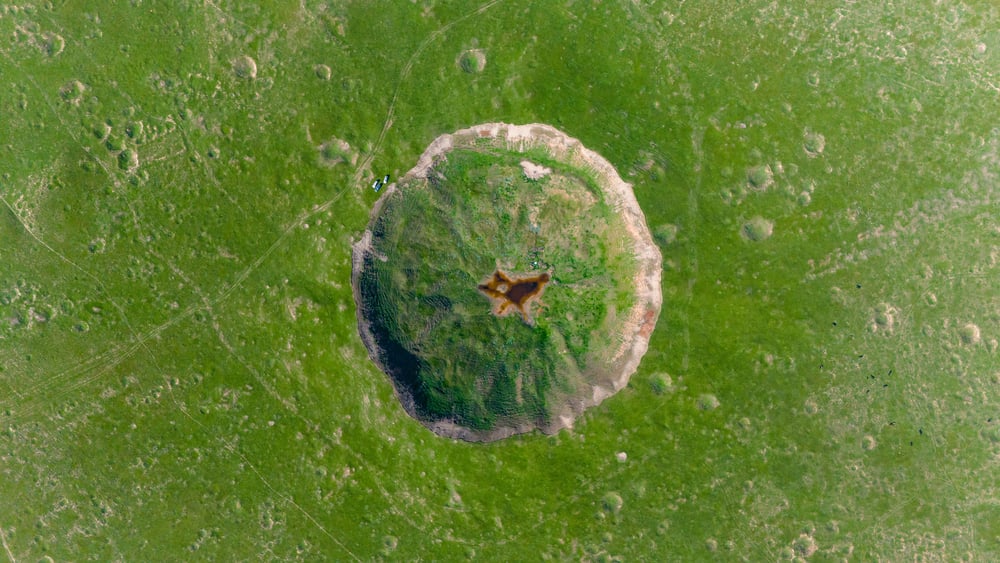
Kazakhstan’s testing ground saw nearly 500 nuclear explosions during the Soviet era. The site sprawls across an area larger than Wales.
Tours began after Kazakhstan gained independence and shut down the facility. The landscape shows the damage clearly.
Craters dot the terrain, some massive enough to swallow buildings. Concrete bunkers built to test blast effects stand battered and cracked.
The surrounding towns dealt with severe health problems for decades, though the government kept most data secret during Soviet times. Visiting requires advance permission and a guide with proper clearance.
The site remains restricted, but organized tours make it accessible to determined visitors.
Bikini Atoll’s Underwater Legacy
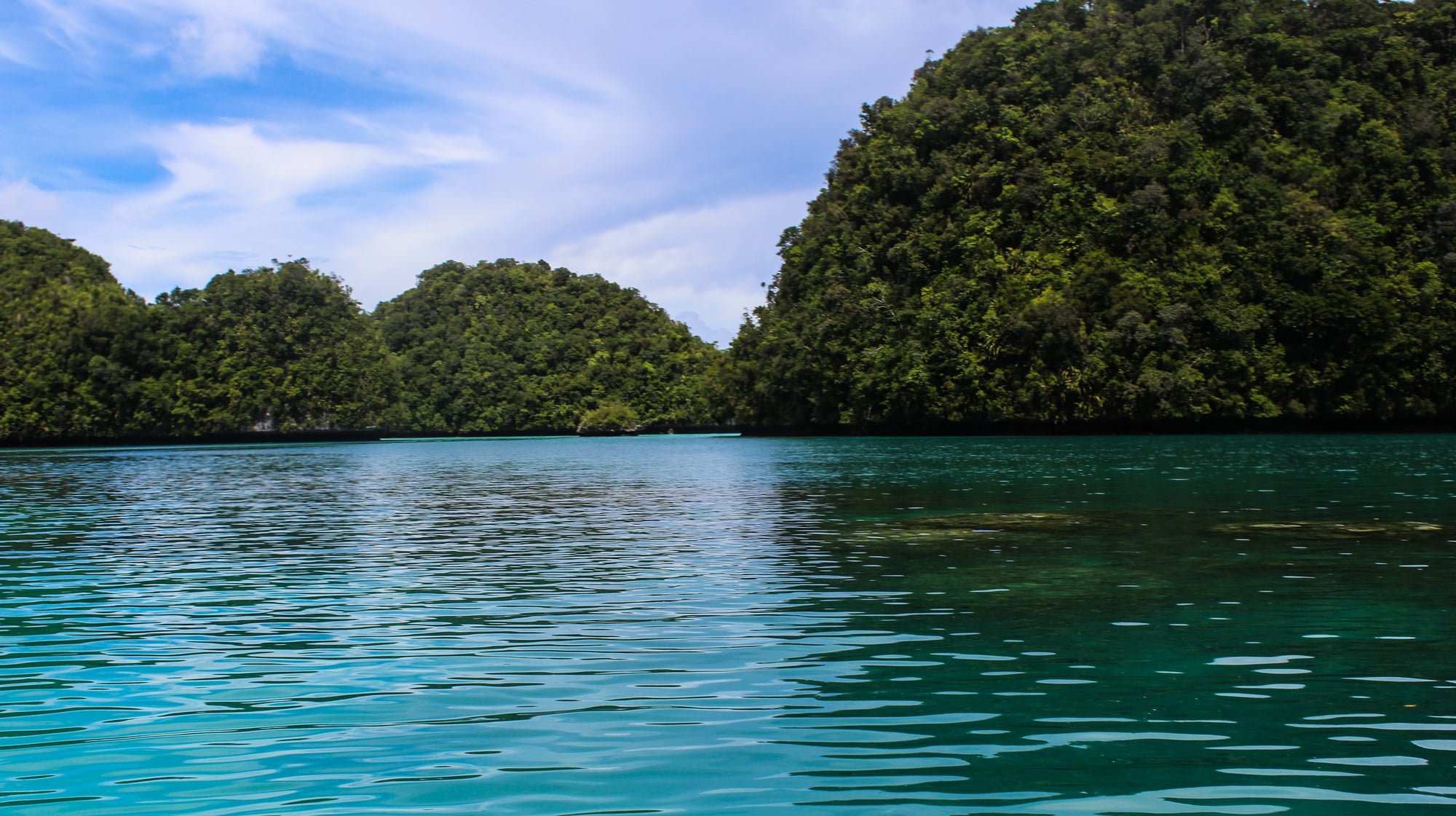
The Marshall Islands chain includes several atolls used for nuclear testing in the 1940s and 50s. Bikini Atoll, where the largest tests occurred, now attracts a different kind of visitor—scuba divers.
The lagoon holds a fleet of sunken ships, placed there deliberately to test bomb effects. The USS Saratoga, an aircraft carrier, rests intact on the bottom.
Other vessels sit scattered across the seafloor. Radiation levels in the water dropped to safe levels decades ago.
Diving Bikini requires advanced certification and costs significantly more than typical dive trips. The remote location and limited infrastructure keep visitor numbers low.
But the experience of swimming through historically significant wreckage draws people from around the world.
Hanford Site Tours
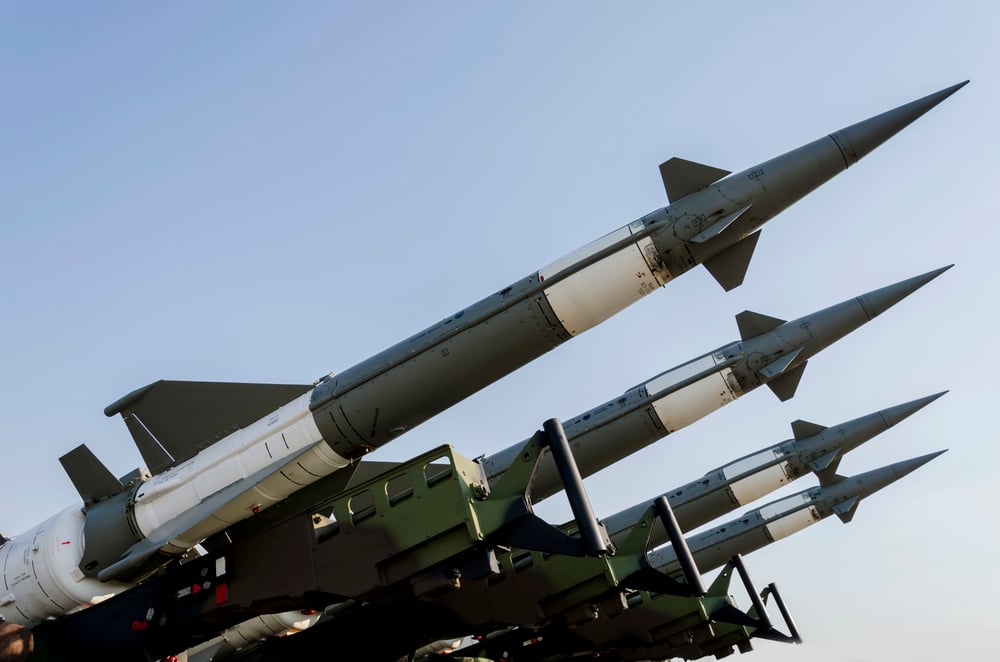
Washington State’s Hanford site produced plutonium for nuclear weapons from 1943 through the Cold War. The facility contaminated groundwater and soil across a vast area.
Cleanup continues, but certain sections now offer public tours. You’ll see the B Reactor, where workers produced plutonium for the first atomic bombs.
The building looks remarkably ordinary from outside—just a large industrial structure on the banks of the Columbia River. Inside, the scale becomes clear.
The reactor face stretches across an entire wall, pierced by thousands of tubes that once held uranium fuel rods. Tours run regularly from spring through fall.
The site provides dosimeters to all visitors, though exposure remains minimal on approved routes.
Nevada Test Site Access
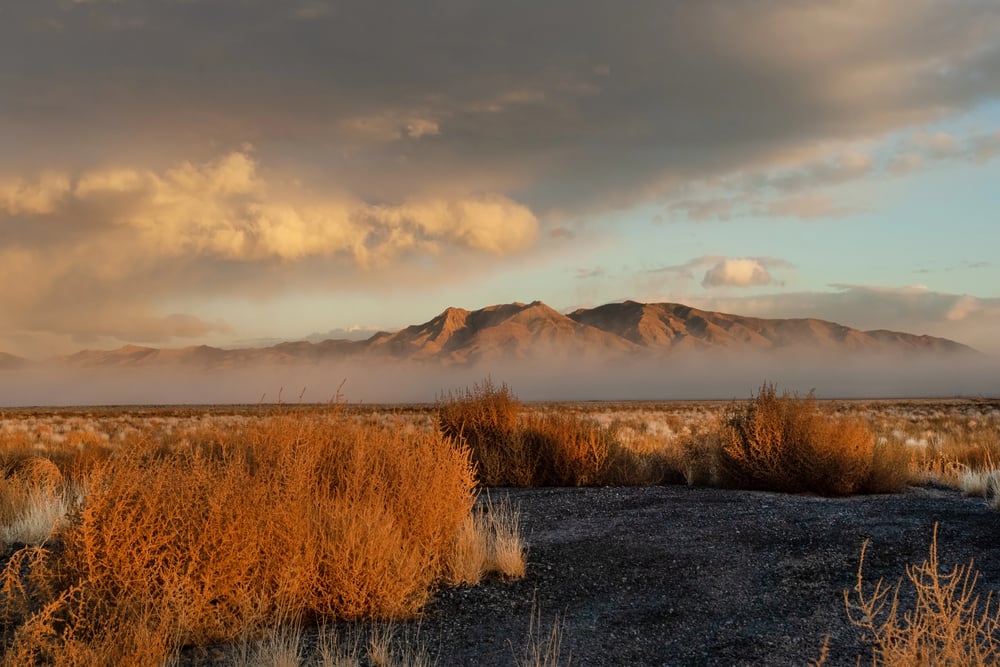
Just 65 miles from Las Vegas, the Nevada Test Site hosted over 900 nuclear tests. Most occurred underground after atmospheric testing ended in 1963.
The Department of Energy now runs monthly public tours. The bus tour covers about 250 miles through the site.
You’ll see subsidence craters—huge depressions formed when underground test chambers collapsed. You’ll visit Sedan Crater, created by a 104-kiloton explosion that threw 12 million tons of earth into the air.
You’ll see the remains of test structures built to study blast effects. One section recreates a 1950s American town, built to test how homes would withstand atomic attacks.
The houses stand empty now, paint peeling, structures damaged by tests that occurred decades ago. The scene looks surreal—like a movie set abandoned mid-shoot.
What to Expect on Tours

Most radiation zone tours follow strict protocols. You’ll sign liability waivers.
Guides will brief you on safety rules and explain what radiation is, how it works, and what levels you’ll encounter. Many sites provide dosimeters that track your exposure throughout the visit.
Clothing requirements vary by location. Chernobyl tours require long sleeves and pants that cover your ankles.
Some sites ban shorts and sandals entirely. You’ll need to avoid touching surfaces or sitting on the ground.
Food and water stay sealed until you leave contaminated areas. Photography rules differ by site.
Most allow photos, but some restrict what you can photograph or where you can point your camera. Military facilities naturally have stricter rules than civilian disaster sites.
Understanding Dosimeter Readings
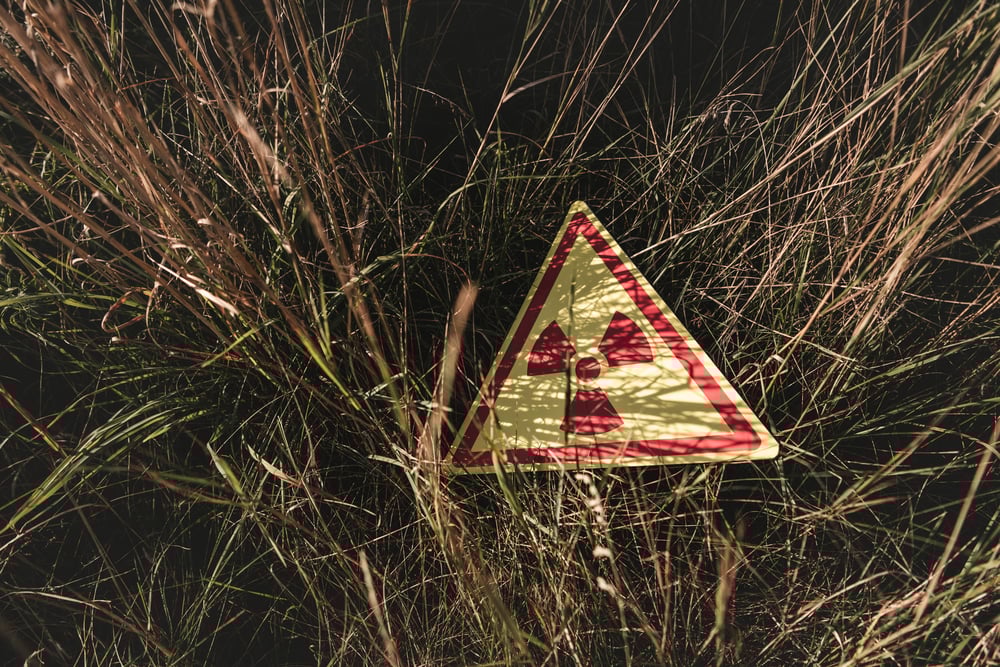
Radiation is measured by the devices in millirems or microsieverts. The exposure at most sites is significantly lower than that of a single chest X-ray.
Less than a flight from New York to Los Angeles, a typical tour of Chernobyl exposes you to three to six microsieverts. The numbers are explained in context by the guides.
Everywhere on Earth, background radiation varies depending on the location. Radiation exposure is higher in Denver than it is at sea level.
You get a small dose when you eat bananas. Exposure is increased when flying at altitude.
When you compare the numbers on your dosimeter to these common sources, they become more meaningful. Even on guided tours, there are hotspots.
Certain locations may cause your device to spike. These locations are known to the guides, who swiftly get you past them.
Your overall dose is not greatly increased by the brief exposure.
Booking Your Visit

Every location manages bookings its own way. For Chernobyl trips, you go straight to approved Ukraine-based guides.
Give your passport details well ahead – clearance needs time. Some travelers wait longer depending on where they’re from.
Fukushima trips mean booking way ahead. Getting access means permissions plus signing up with authorized guides.
It might take weeks just to get approval. Certain spots still don’t allow visitors, permit or not.
At places like Trinity or the Nevada Test Site, setups are pretty basic. Trinity doesn’t ask for sign-ups beforehand – just walk in when they’re open.
The Nevada spot reserves spots online, which tend to vanish weeks before. For Hanford trips, you grab tickets via the web, though summer dates go fast.
Finding Meaning in the Ruins
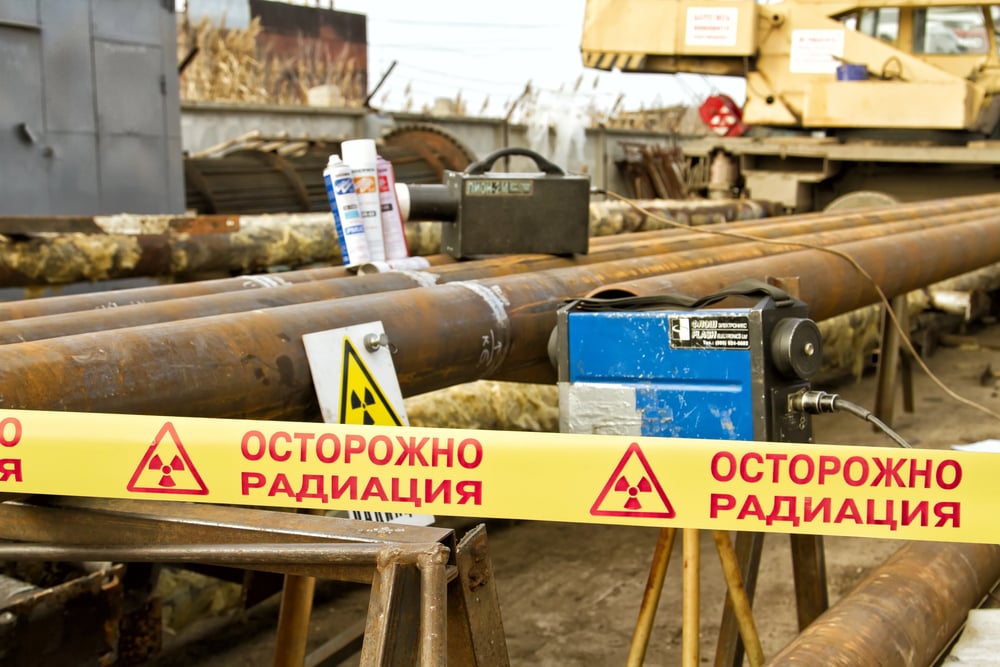
Your perspective on nuclear technology is altered by being here. Once you see the dosimeter ticking up, radiation becomes more than just a concept.
Looking at deserted towns helps you understand the scope of the catastrophe. When you look into a pit where mountains once stood, that bomb force truly hits home.
These locations contain glimpses of technology at its wildest, beyond what we could safely handle. The aftermath is not depicted in charts or documents, but rather in abandoned homes, contaminated land, and quickly destroyed towns.
It’s much more real when you stroll around than when you watch a movie. The radiation’s still there.
In spots, it’ll stick around for hundreds of years. Still, the intensity fell so people can now go there without immediate risk, briefly at least.
Over time, these no-go spots became real-life lessons on nuclear energy – what it offered and wrecked.
More from Go2Tutors!

- The Romanov Crown Jewels and Their Tragic Fate
- 13 Historical Mysteries That Science Still Can’t Solve
- Famous Hoaxes That Fooled the World for Years
- 15 Child Stars with Tragic Adult Lives
- 16 Famous Jewelry Pieces in History
Like Go2Tutors’s content? Follow us on MSN.