Brands That Survived Harsh Early Criticism
Every successful brand started somewhere. And more often than not, that somewhere included people saying it would never work.
Critics love to tear down new ideas, especially when those ideas challenge how things have always been done. But some companies pushed through the mockery, the doubt, and the flat-out hostility to become household names.
Their stories remind you that early criticism doesn’t predict long-term success.
Netflix: Mailing DVDs Was Supposedly Ridiculous
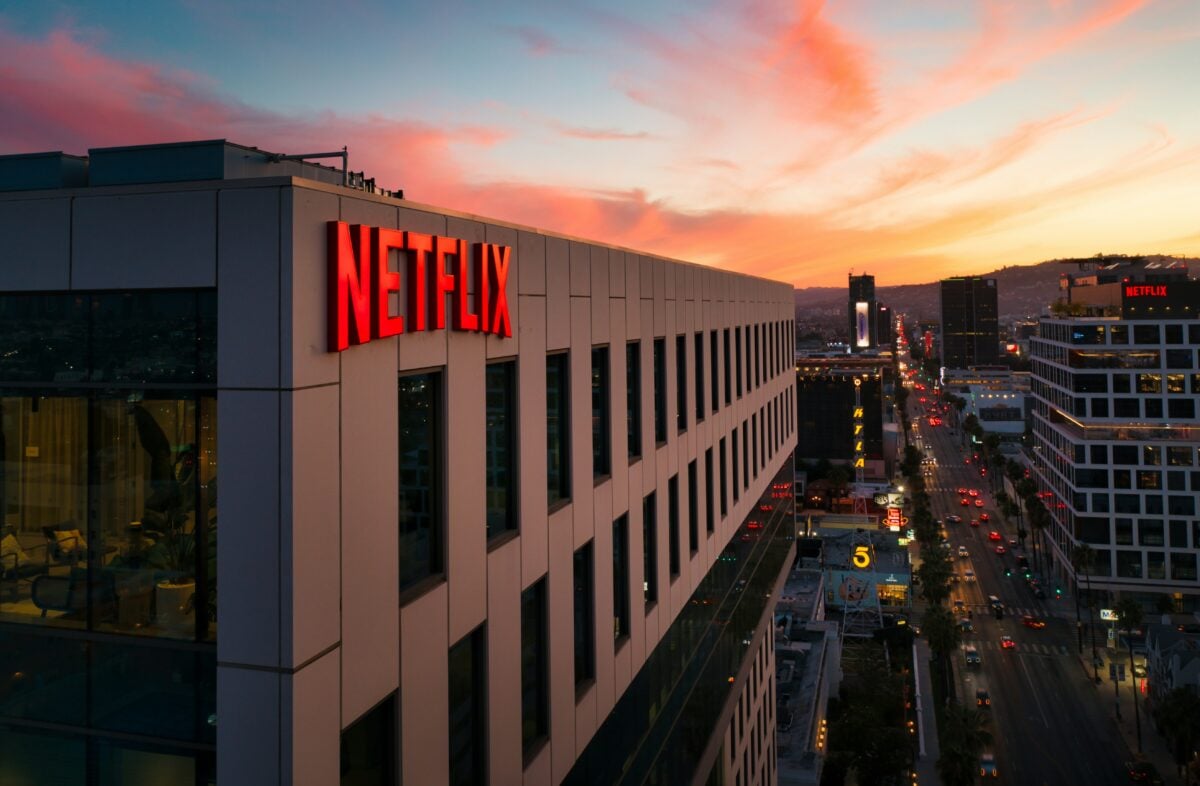
When Netflix started mailing DVDs to people’s homes in 1998, the idea seemed absurd. Blockbuster dominated the video rental market, and customers liked browsing physical stores.
Critics argued that nobody would wait days for a movie to arrive when they could drive to the corner and get one immediately. The late fees seemed like part of the experience.
Netflix bet differently. Reed Hastings built a subscription model with no late fees, betting that convenience would win out.
Blockbuster laughed at the business model for years. By the time traditional rental stores realized their mistake, Netflix had already shifted to streaming.
The company that critics dismissed as a novelty DVD service now shapes how the entire world watches entertainment.
Airbnb: Strangers in Your Home Sounded Dangerous
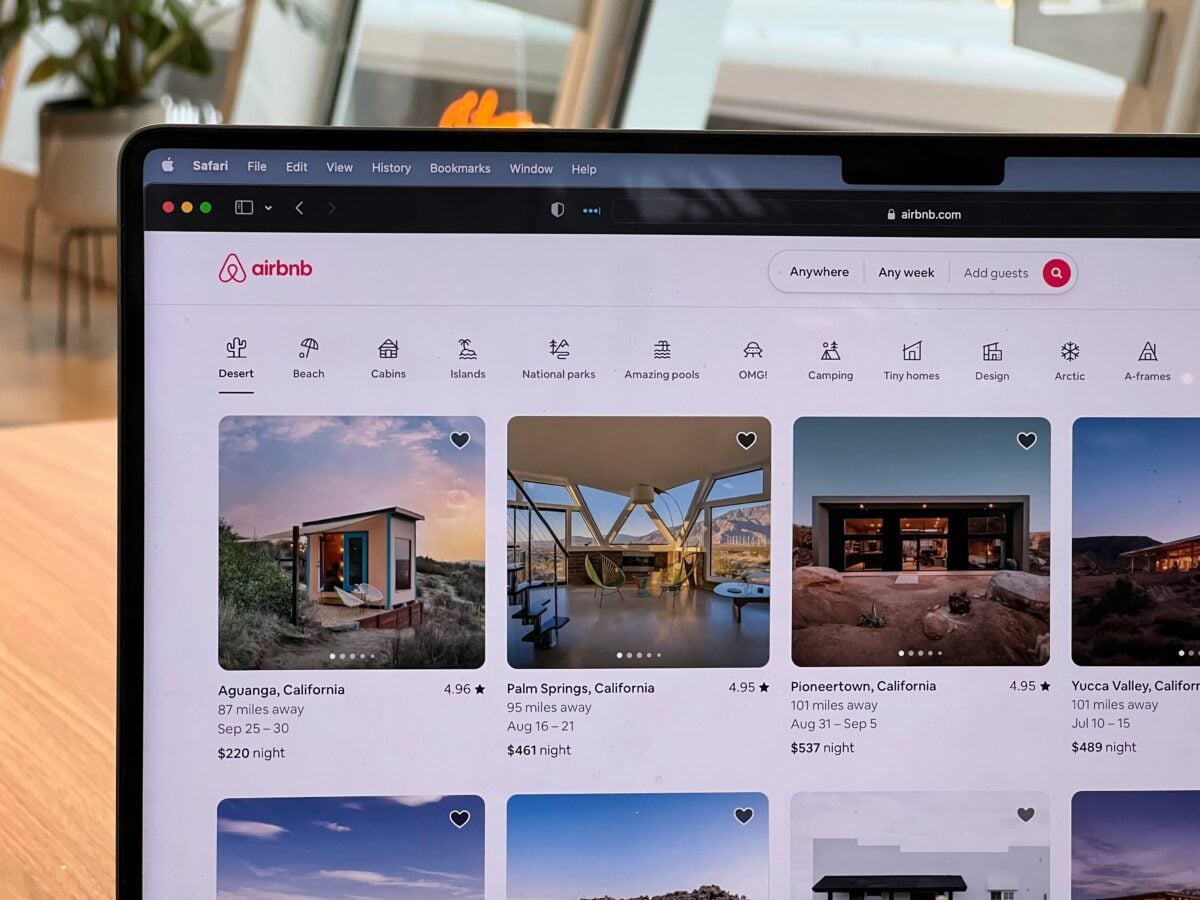
The backlash against Airbnb in its early days was intense. People called it unsafe, unregulated, and frankly weird.
Why would anyone let strangers sleep in their home? Hotels existed for a reason.
Cities threatened to ban it. Property owners associations fought it.
Insurance companies wanted nothing to do with it. But travelers started using it anyway.
The platform grew because people wanted authentic experiences and lower prices than hotels offered. Yes, problems happened.
Airbnb adjusted, adding verification systems and insurance policies. Critics who predicted the company would fail within months watched it expand to millions of listings worldwide.
The concept they called dangerous became normalized.
Crocs: The Ugliest Shoes Ever Made
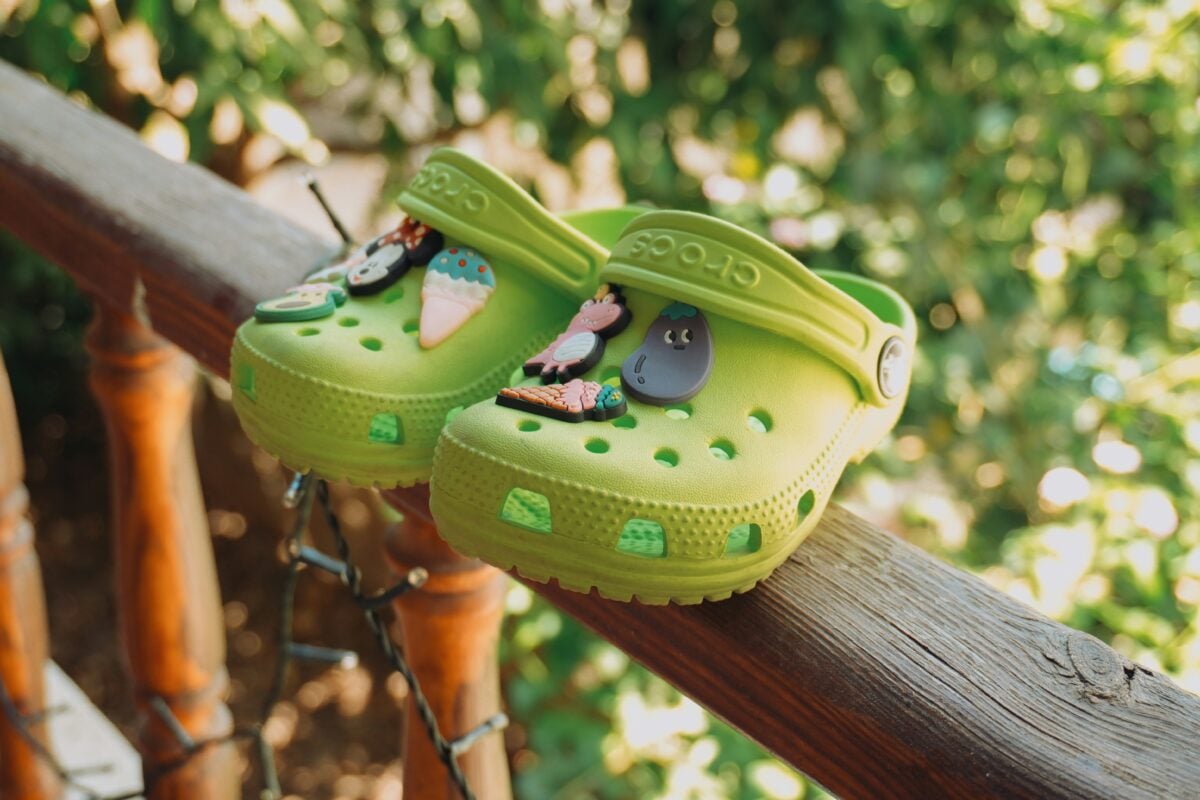
Fashion critics absolutely destroyed Crocs when they launched in 2002. Magazine editors called them hideous.
Style blogs dedicated entire posts to mocking them. The clunky foam clogs with openings looked like something a cartoon character would wear, not an actual human being.
Healthcare workers didn’t care about fashion criticism. They needed comfortable, slip-resistant shoes for long shifts.
Chefs wanted the same thing. Parents bought them for kids who could hose them off after playing in mud.
The functionality won. Crocs sold millions of pairs while fashion magazines continued their complaints.
Eventually, even fashion came around. High-end designers started collaborating with the brand.
The shoes critics called unwearable became a cultural phenomenon.
Twitter: Nobody Cares What You Ate for Lunch

Twitter faced relentless mockery when it launched in 2006. Tech journalists couldn’t understand the point.
A platform where you share thoughts in 140 characters or less seemed pointless. Who cares what random people are thinking right now?
Facebook already existed for social networking. The common criticism was that Twitter would be nothing but people sharing boring updates about their daily routines.
The platform found its purpose during breaking news events. When a plane landed in the Hudson River in 2009, people on the scene tweeted photos before news crews arrived.
Revolutions in the Middle East used Twitter to organize and share information. The platform that critics called meaningless became essential for real-time communication.
News organizations now treat it as a primary source.
Starbucks: Overpriced Coffee for Snobs

Starbucks expanded rapidly in the 1990s, and Americans weren’t impressed. Coffee cost 50 cents at diners and convenience stores.
Why would anyone pay three dollars for the same thing? Critics called it overpriced, pretentious, and un-American.
The Italian-style coffee drinks seemed unnecessarily complicated. Regular coffee worked fine for generations.
Howard Schultz ignored the criticism and kept opening stores. He bet that Americans would pay more for better quality and a comfortable environment.
The third-place concept—somewhere between home and work—resonated. People started using Starbucks for meetings, studying, and hanging out.
The chain critics said would never work in America now has over 30,000 locations worldwide. Specialty coffee became mainstream.
Tesla: Electric Cars Are Golf Carts

When Tesla started making electric cars, the automotive industry dismissed them entirely. Electric vehicles were slow, had limited range, and looked boring.
They belonged on golf courses, not highways. Established car manufacturers had tried electric vehicles before and failed.
The technology wasn’t there. Plus, nobody would buy a car from a startup with no manufacturing experience.
Elon Musk proved them wrong by making electric cars people actually wanted. The Model S was fast, looked good, and could travel reasonable distances.
Tesla built out a charging network to address range anxiety. Traditional automakers spent years insisting electric vehicles weren’t viable before scrambling to develop their own.
The company critics dismissed as a joke now leads the electric vehicle market.
Dropbox: Steve Jobs Said It Would Fail

Dropbox faced rejection from the most famous figure in tech. Steve Jobs told Drew Houston in 2009 that Apple would make the product a feature, not support it as a standalone company.
He basically predicted Dropbox would fail because bigger companies would crush it. Tech analysts echoed this concern.
Cloud storage seemed like something Microsoft, Google, or Apple would dominate. Houston built Dropbox anyway.
The service worked simply and reliably, which mattered more than having the biggest tech company behind it. Users preferred Dropbox over alternatives because it just worked across all their devices.
The company Jobs said had no future went public with a valuation over $10 billion. Sometimes simplicity and execution beat predictions from even the smartest people.
Instagram: Just Filters on Photos

Instagram launched in 2010 to widespread skepticism. Critics called it a one-trick app—just filters you could add to photos.
Facebook already had photo sharing. So did Twitter.
Why would anyone download a separate app just to make photos look vintage? Tech bloggers predicted users would get bored with the novelty within months.
The app’s simplicity was actually its strength. Instagram made sharing photos fast and fun.
The square format and filters gave everyone’s photos a polished look. Users started treating it as a visual diary.
Brands realized they needed to be on the platform. Facebook bought Instagram for $1 billion just two years after launch.
The app critics called a gimmick became one of the most influential social platforms ever created.
Slack: Another Chat App Nobody Needs
When Slack launched in 2013, the market was already crowded with communication tools. Companies had email, instant messaging, and video conferencing.
Critics argued that businesses didn’t need another platform. The last thing overwhelmed workers wanted was one more place to check for messages.
Internal communication tools from Microsoft and Google already existed. Slack succeeded by being better at one thing: making workplace communication less painful.
The search functionality actually worked. Integrations with other tools saved time. The interface was cleaner.
Companies that tried it realized email wasn’t actually working that well. Slack went from zero to a $27 billion valuation in less than seven years.
The chat app critics said nobody needed to become essential for modern workplaces.
Beyond Meat: Fake Meat Will Never Work

Plant-based burgers got slammed hard once Beyond Meat popped up on the scene. Folks who eat real meat claimed the flavor was awful. Instead, they labeled it fake health food loaded with additives.
Farm lobbyists insisted that calling it “meat” made no sense at all. Meanwhile, fast-food joints hesitated before putting it on their offerings.
Still, how folks shop has changed. Worries about weather pushed some to eat less meat.
Stars and sports figures started backing veggie meals. Instead of just copying beef, Beyond Meat tweaked flavors and feel. Places like Burger King or even McDonald’s began offering fake-meat choices.
The product once mocked as just another vegan trend is now stocked in regular supermarkets and diners. A demand they claimed was fake continues expanding.
Peloton: A Bike That Costs How Much?

Peloton’s connected exercise bike launched with intense criticism about its price. A stationary bike that costs over $2,000 plus a monthly subscription seemed absurd.
You could join a gym for years with that money. Fitness experts questioned whether people would actually use an expensive bike at home.
The concept of streaming fitness classes seemed gimmicky. Then the pandemic hit and vindicated Peloton’s entire business model.
But even before COVID-19, the company was growing. People liked working out at home on their schedule.
The community aspects and live classes kept users engaged. The product critics called overpriced created a new category in home fitness.
Companies across industries now copy Peloton’s subscription model.
TikTok: Vine Already Failed
When TikTok started expanding globally, critics immediately compared it to Vine. Twitter had shut down Vine in 2017 after failing to make short-form video work.
If Vine couldn’t succeed, why would TikTok be different? The app seemed geared toward teenagers making silly dances.
Established social media platforms like Instagram and YouTube already had video features. TikTok looked like a temporary fad. The algorithm made all the difference.
TikTok showed users content they actually wanted to watch, even from creators they didn’t follow. The app became addictive in a way other platforms weren’t.
Creators built massive followings seemingly overnight. Brands scrambled to figure out TikTok marketing.
The app critics compared to a failed product now has over a billion users and influences culture globally.
Spotify: Artists Will Never Allow Streaming

Music streaming faced enormous resistance when Spotify launched. Record labels didn’t want to license their catalogs.
Artists complained about low royalty payments. Critics argued that people wouldn’t pay for streaming when they could buy individual songs on iTunes or listen to radio for free.
The music industry had just recovered from the Napster era and didn’t trust digital distribution. Spotify persisted through years of criticism and licensing battles.
Convenience won out over ownership for most listeners. People preferred access to millions of songs over owning a limited library.
Artists who initially boycotted the platform eventually joined. The service critics said would destroy the music industry is now how most people consume music.
Streaming became the dominant format.
When Critics Miss What Actually Matters

Some companies have one thing in common – they didn’t just bounce back from heat. They got that doubters tend to fixate on obvious flaws, ignoring deeper changes in how people act.
Instead of spotting possibilities, critics latch onto what fails. Pushback at first isn’t proof a concept sucks.
Often, it’s proof it’s strange enough to rattle folks. You’ll see most of these companies made it – not by winning debates, yet by grabbing users quickly off the gate.
Momentum grew bit by bit, shaped by hands-on input instead of hype. Proof came from what worked, not loud claims.
No time was lost fighting skeptics who’d never buy. Attention stayed locked on those who got it right away.
The point isn’t that every idea people trash ends up winning – most flop. Still, tough feedback at first doesn’t mean it’s doomed.
Often, those who mocked it hardest start loving it after giving it a shot. Other times, skeptics stay cold, yet demand keeps rising regardless.
The ones who made it didn’t tune out completely – they learned to tell useful critiques from pointless ruckus.
More from Go2Tutors!

- The Romanov Crown Jewels and Their Tragic Fate
- 13 Historical Mysteries That Science Still Can’t Solve
- Famous Hoaxes That Fooled the World for Years
- 15 Child Stars with Tragic Adult Lives
- 16 Famous Jewelry Pieces in History
Like Go2Tutors’s content? Follow us on MSN.



