15 Canceled Inventions That Could Have Changed Everything
History isn’t just shaped by what was created — it’s also shaped by what never made it off the drawing board. Behind every iPhone or airplane is a graveyard of forgotten ideas, wild concepts, and scrapped breakthroughs that were either too early, too weird, or just too complicated for their time.
Some could’ve changed how we live, work, and play. But they didn’t get the chance.
Here’s a look at 15 inventions that were canceled before they had their moment.
Apple W.A.L.T.
Before smartphones ruled pockets, Apple had a vision for a “Wizzy Active Lifestyle Telephone.” It had a touchscreen, stylus, fax machine, and caller ID — in 1993.
Think of it as an early iPhone–but one that needed a desk and probably a manual the size of a brick. Apple showed it off once, then quietly shelved it.
The world wasn’t ready, and neither was the battery life.
Google Glass for Consumers
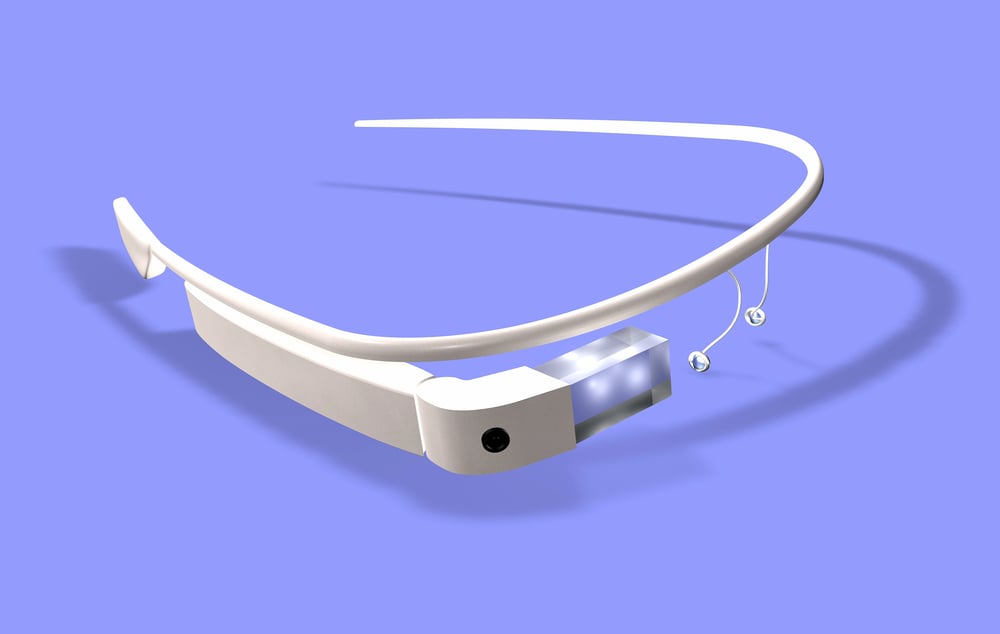
Launched with lots of buzz and even more confusion, Google Glass looked like something out of a sci-fi movie. The problem? It felt like it too.
People were creeped out, privacy concerns exploded, and nobody could quite figure out why they needed it. The tech was ahead of its time, but the culture just wasn’t there yet.
Google pulled the plug, leaving the future for another day.
Like Go2Tutors’s content? Follow us on MSN.
Flying Cars by Moller
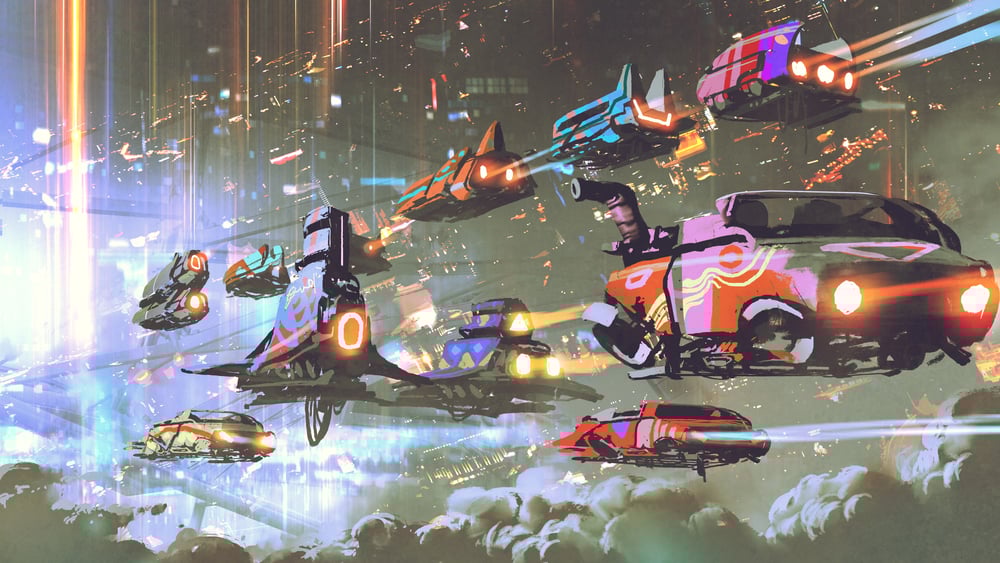
Paul Moller spent decades building a flying car. He raised millions, built prototypes, and even did test flights — kind of.
But it never truly got off the ground in a reliable, safe, and legal way. The idea was bold, but the tech never caught up with the promise.
In the end, investors lost money, and the skies remained car-free.
Nintendo’s Virtual Boy
This was supposed to be the future of gaming. A red-and-black headset promised 3D immersion like never before.
Instead, it gave users headaches, stiff necks, and sore eyes. It flopped so badly that Nintendo pulled it from shelves within months. A bold leap, yes — just one in the wrong direction.
Concorde 2 (Hypersonic Jet)
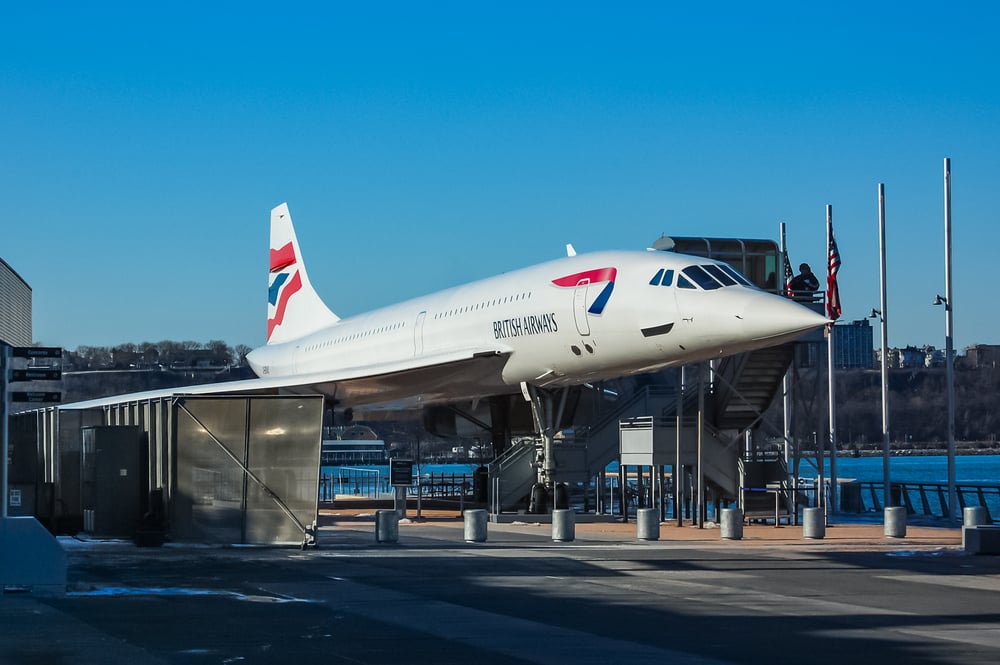
The Concorde made the world smaller with supersonic travel. Then it was gone.
But a second version was planned — faster, quieter, and greener. Governments hesitated.
Costs skyrocketed. Environmental concerns piled up.
And so, the idea was grounded for good. The skies got slower again.
Like Go2Tutors’s content? Follow us on MSN.
Segway as the Future of Cities

When it launched, some said the Segway would change city travel forever. It didn’t.
It was too bulky for sidewalks and too slow for roads. Instead of replacing cars, it became a tool for mall cops and tourists.
The hype was huge, but the reality just didn’t roll out the way it was supposed to.
The Microsoft Courier Tablet

Before the iPad took over, Microsoft had a two-screen folding tablet called Courier. It looked like a digital notebook and could’ve made touchscreen note-taking cool way earlier.
But Microsoft pulled the plug, choosing to focus on Windows instead. Years later, foldable screens finally showed up — but without Courier’s charm.
Cold Fusion Reactor (Fleischmann–Pons)

In 1989, two scientists said they found a way to create clean, limitless energy at room temperature. The world lit up with excitement.
Then came the testing. It didn’t work. Or at least, nobody else could make it work.
The dream fizzled, and cold fusion became a science legend — but not a reality.
Like Go2Tutors’s content? Follow us on MSN.
Facebook’s Internet Drone (Aquila)
Facebook tried to beam internet from the sky using a giant solar-powered drone named Aquila. It had the wingspan of a Boeing 737 and could fly for months.
But after a few test flights and technical hiccups, the project was grounded. It turns out, flying the internet around is harder than it sounds.
Dyson Electric Car

The vacuum company wanted to clean up the roads with a futuristic electric car. They spent over $600 million and built a sleek prototype with huge range and comfort.
But in 2019, Dyson canceled the project. It was too expensive to mass-produce and compete with big car companies.
So, the car went back to the garage — permanently.
Nokia Morph

Nokia once imagined a phone that bent, twisted, and cleaned itself. The Morph looked like it belonged in a superhero movie, not a tech lab.
Using nanotechnology, it promised flexibility, transparency, and dirt resistance. It wowed people in concept videos, but it never made it to stores.
Then Nokia faded, and so did the Morph.
Like Go2Tutors’s content? Follow us on MSN.
DARPA’s Self-Healing Plastic

DARPA created a plastic that could “heal” itself after being cut or damaged. It was meant for battlefield gear or equipment that couldn’t fail.
Cool in the lab, but tough to scale. The invention quietly disappeared, and while the idea lives on in research labs, the original project didn’t stick around.
Apple AirPower
Apple promised a wireless charging pad that could juice up an iPhone, Apple Watch, and AirPods all at once — no matter where you placed them. The excitement was huge.
But it never worked as advertised. Overheating and technical problems forced Apple to cancel it, despite the hype and press release.
Sony Glasstron

Years before VR headsets were cool, Sony had the Glasstron. It lets you watch movies and play games on tiny screens right in front of your eyes.
It felt futuristic — but awkward. It was expensive, limited in function, and didn’t catch on.
VR needed better tech and better timing. This wasn’t it.
Like Go2Tutors’s content? Follow us on MSN.
The Pepsi Navy (Project Blue)
Pepsi once made a deal with the Soviet Union that included submarines — actual military submarines. The plan was to trade soda for ships, and for a brief moment, Pepsi owned more military equipment than most countries.
But the Cold War ended, the ships were scrapped, and Pepsi’s “navy” quietly vanished from history.
When the Future Stays in the Past
Each of these inventions started with bold dreams and big promises. Some were too early.
Some were too expensive. Some just didn’t work the way people hoped.
But even when they failed, they left behind clues — hints of what the future could be. Looking back, these canceled ideas still spark wonder.
They remind us that innovation isn’t always about success. Sometimes, the biggest breakthroughs come from what we almost built.
In a way, the past still shapes the future — even when it never left the lab.
More from Go2Tutors!

- 18 Unexpectedly Valuable Collectibles You Might Have Lying Around
- 20 Little-Known Historical Battles That Had Huge Consequences
- 20 Historical Artifacts That Scientists Can’t Explain
- 15 Inventions That Were Immediately Banned After Being Created
- 20 Actors Who Were Almost Cast in Iconic Roles
Like Go2Tutors’s content? Follow us on MSN.