AI Robot Jobs You’d Never Expect
The future of work isn’t like anyone imagined. True, folks expected robots in factories—metal arms bolting cars together without blinking.
Yet no one foresaw AI taking on jobs that seem deeply personal, somehow. Oddly enough, they’ve settled into spots we once believed were off-limits to machines.
Stranger still, we’ve welcomed them fast, almost like they were meant to be there all along.
Professional wine tasting and sommelier work

AI robots are now analyzing wine with a sophistication that puts most human palates to shame. They can detect chemical compounds at levels imperceptible to humans, identifying vintage years, grape varieties, and even specific vineyard soil conditions.
Some high-end restaurants actually prefer their recommendations over traditional sommeliers, though they never admit it publicly.
These AI sommeliers correlate their findings with thousands of reviews, auction prices, and weather data. They build flavor profiles based on personal preferences and remember what you’ve ordered before.
Human sommeliers who work with them admit they’re learning things they’d never have discovered alone.
Therapy animal handlers in hospitals
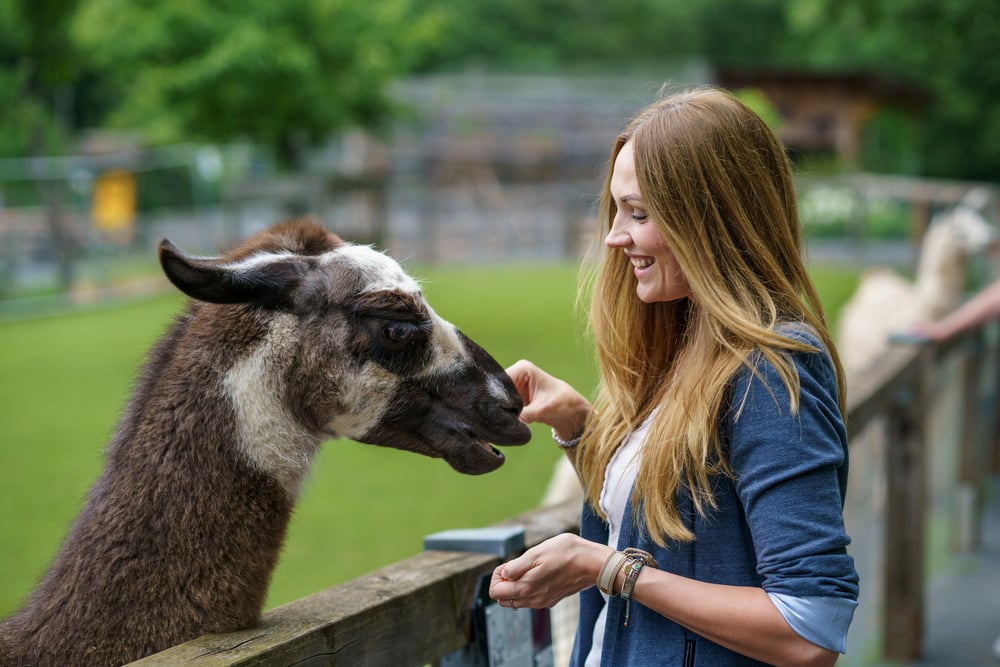
Robot companions are showing up in pediatric wards and elderly care facilities, not as therapy animals but as their handlers. These systems read subtle cues from both animals and patients, knowing exactly when a dog needs a break or when a child is ready for more interaction.
They track long-term patterns with perfect memory. They know which patients prefer gentle dogs in the afternoon and which cats get overstimulated after too many visits.
Some even catch early signs of animal stress or illness before humans notice.
Stand-up comedy writers and performers

Humor feels human, but AI comedians are crafting original jokes that actually land. They read rooms in real time and adjust their timing, tone, and material without hesitation.
When a joke bombs, they analyze why instantly—timing, phrasing, demographics, or dumb luck. They adjust mid-set with a level of precision that surprises even seasoned comics.
Some comedy clubs now run nights where audiences must guess which performers are human. The results are often surprising.
Personal shopping for fashion and style

AI stylists analyze your photos, your calendar, and your past choices. They understand trends, body types, and preferences with uncanny accuracy.
They optimize budgets, track sales, and calculate cost-per-wear. They never judge questionable past outfits, unlike human stylists who definitely remember that leopard print phase.
For people overwhelmed by shopping, AI has been a relief they never expected.
Grief counseling and bereavement support

The most unexpected role of all is emotional support. AI grief counselors are available anytime, remembering every detail of your loved one’s story without being asked.
They never center their own feelings or compare your pain to their own. They provide space without pressure or exhaustion.
Most people who use them describe them as complements to human therapy rather than replacements—a steady presence between sessions.
Art authentication and forgery detection

Museums and auction houses rely on AI to spot forgeries with accuracy that embarrasses human experts. Machines examine brushstrokes, pigments, and canvas fibers at the microscopic level.
They’ve uncovered fakes that fooled historians for decades.
These systems also identify collaborations, corrections, and unseen details in authentic works. Some experts feel threatened; others feel empowered.
Wedding planning and coordination

AI wedding planners manage vendors, schedules, weather forecasts, dietary restrictions, and family drama without stress.
They run thousands of contingency plans for anything that could go wrong. They even predict which relatives may cause scenes and adjust seating to reduce conflict.
They do everything top human planners do—calmly, systematically, and without panic.
Professional matchmaking and dating advice

AI matchmakers now offer deep compatibility analysis, studying communication styles and behavior patterns. They don’t just find matches; they help you understand why past relationships failed.
They identify unseen habits and offer coaching without judgment. It’s like having a therapist, data analyst, and dating coach rolled into one endlessly patient guide.
Archaeological site excavation and analysis

Robots now excavate fragile historical sites with precision humans can’t match. They detect artifacts hidden in soil patterns, document everything consistently, and work safely in hazardous conditions.
Machines are, ironically, revealing human history more effectively than humans themselves.
Professional food criticism and restaurant reviews

AI food critics taste, analyze, and write reviews with remarkable accuracy. They evaluate flavors, textures, ingredient quality, and presentation with detail human critics struggle to match.
Some publications quietly use their reviews because readers find them insightful and entertaining.
Sleep coaching and insomnia treatment

AI sleep coaches monitor room temperature, breathing, stress, and sleep cycles, offering personalized guidance in moments when humans can’t respond—at three in the morning.
Their recommendations adjust continuously based on patterns they observe over time.
Professional decluttering and home organization

AI organizing consultants scan living spaces and create personalized systems for decluttering. They don’t get attached to old objects or judge your forgotten boxes of random cables.
They plan storage with mathematical precision based on lifestyle habits.
Musical composition for film and television
AI composers create soundtracks that match pacing, structure, and emotion. They analyze scenes and build musical arcs that complement storytelling perfectly.
Some productions already use them quietly while crediting human composers.
Personal fitness training and injury prevention

AI trainers monitor form in real time, adjust intensity, and predict injury risks. They never get impatient and never shame you for missing workouts.
They provide consistent motivation with perfect attention.
The quiet revolution in unexpected places
What stands out isn’t the complexity of the tech but how naturally it blends into roles we once assumed required humanity.It doesn’t copy imagination or care—it supports them, fitting in almost too smoothly.
The line between machine-made and human-made blurs more each day, and strangely, that sometimes works well enough.Maybe the biggest shift is how fast expectations have changed.
A decade ago, the thought of AI comforting someone in grief felt wrong. Today, people rely on these systems during their darkest nights.
These surprising roles don’t just reveal AI’s capabilities—they reveal how often we misjudge what parts of life can be taught to machines.Whether that feels comforting or unsettling says more about us than about the technology itself.
More from Go2Tutors!

- The Romanov Crown Jewels and Their Tragic Fate
- 13 Historical Mysteries That Science Still Can’t Solve
- Famous Hoaxes That Fooled the World for Years
- 15 Child Stars with Tragic Adult Lives
- 16 Famous Jewelry Pieces in History
Like Go2Tutors’s content? Follow us on MSN.