12 Reasons People Collect Stamps
There’s something quietly captivating about stamp collecting.
It’s one of those hobbies that sounds quaint at first — almost old-fashioned — until you realize just how many people around the world are still drawn to it.
From teenagers discovering vintage stamps in attic boxes to retirees meticulously organizing collections worth thousands, philately has survived every digital disruption thrown its way.
The reasons people collect stamps are as varied as the stamps themselves, spanning everything from historical curiosity to pure aesthetic pleasure.
Here’s a closer look at what keeps this centuries-old hobby alive and thriving.
It Connects You to History

Stamps are miniature time capsules, really.
Each one captures a specific moment — the political tensions of an era, the cultural heroes people celebrated, the technological leaps that defined progress.
A stamp from World War II might bear the weight of wartime propaganda or patriotic resolve.
One from the 1960s space race? It could feature rockets pointing skyward, a visual reminder of when humanity first dared to leave the planet.
Collectors often say they’ve learned more history from their albums than from any textbook.
There’s something about holding a physical artifact, turning it over in your hands, that makes the past feel less abstract.
It’s tangible.
It’s real.
And it doesn’t require a museum membership to experience.
The Thrill of the Hunt

Tracking down a rare stamp delivers a rush that’s hard to describe until you’ve felt it.
The search becomes an adventure — scouring estate sales on Saturday mornings, refreshing online auctions late at night, trading stories and duplicates with other enthusiasts who understand exactly what you’re after.
Some stamps are rare because of printing errors.
A misaligned color here, an inverted image there, a missing perforation that shouldn’t have left the facility.
Others are scarce simply because time hasn’t been kind to them.
When a collector finally locates that one elusive piece — the stamp that completes a set or fills a stubborn gap — it feels like solving a puzzle that’s been waiting decades to be finished.
That’s the hook.
That’s what keeps people coming back.
It’s Surprisingly Affordable

Unlike hobbies that demand serious upfront investment, stamp collecting can start with pocket change.
Beginner collections, basic albums, a decent magnifying glass — all available for under twenty dollars.
Even as collections grow more sophisticated, there’s room to stay budget-conscious.
Plenty of mid-20th century stamps are plentiful and inexpensive, which means building an impressive thematic collection doesn’t require financial strain.
Sure, some collectors eventually chase high-value rarities, yet the hobby never demands that.
It’s one of the few pursuits where meaningful participation happens at almost any price point.
Everyone’s welcome at the table.
It Teaches Geography and Culture

Every country issues its own stamps.
Many feature landmarks, wildlife, historical figures, or cultural symbols unique to that nation.
Without realizing it, collectors become accidental students of the world.
Recognizing the spires of Prague.
Understanding why Mahatma Gandhi’s image appears on Indian postage.
Appreciating the biodiversity of Madagascar through its depictions of lemurs and chameleons.
Kids benefit enormously from this, though adults often discover gaps in their own knowledge getting filled simply by paying attention to what’s in their hands.
It Offers a Calming, Meditative Routine
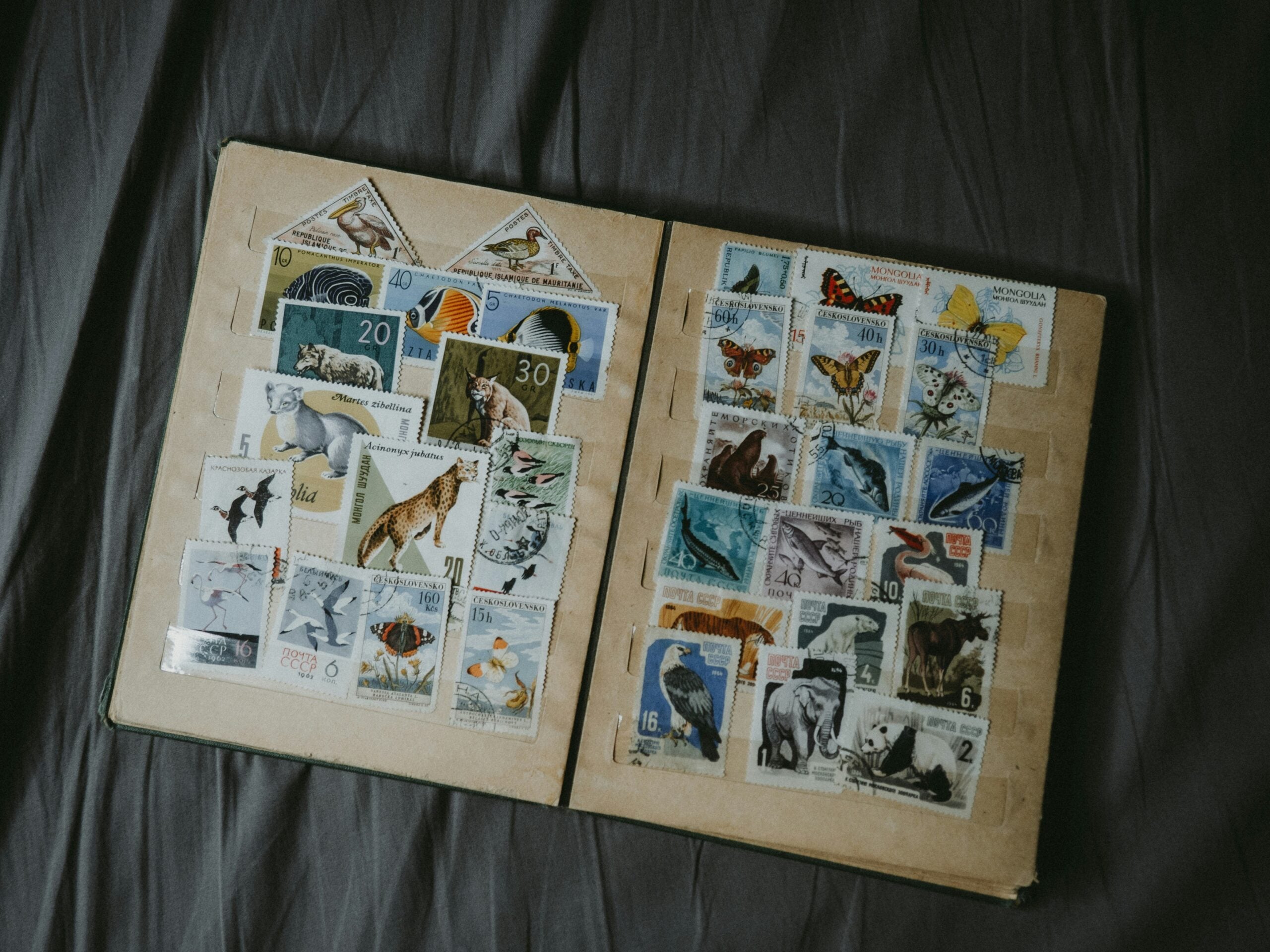
In a world that moves too fast and demands constant attention, stamp collecting offers something rare: permission to slow down.
The process of sorting, organizing, mounting, and cataloging stamps requires focus without stress.
It’s methodical but never overwhelming.
Many collectors describe it as meditative — a way to unplug from screens and sink into a quiet, purposeful rhythm.
There’s something deeply soothing about the repetition.
The careful handling of delicate paper.
The satisfaction of watching a collection take shape over weeks, months, years.
It rewards patience rather than speed.
And in our current era, that feels almost radical.
The Artwork is Genuinely Beautiful

Stamps are miniature works of art, plain and simple.
Governments employ talented designers and engravers to create images that remain visually striking even at a tiny scale.
Some feature intricate engravings that reveal astonishing detail under magnification — the kind of craftsmanship that makes you wonder how human hands could produce something so precise.
Others showcase bold modern graphic design or delicate watercolor illustrations.
Collectors drawn to visual aesthetics often curate collections based purely on beauty.
Floral themes.
Animal portraits.
Abstract patterns that wouldn’t look out of place in a contemporary gallery.
It’s an accessible way to build a personal art collection without needing wall space or a gallery budget — and the craftsmanship involved shouldn’t be underestimated.
It Preserves Family and Personal Memories

For many collectors, stamps carry weight beyond their philatelic value.
A letter sent by a grandparent decades ago, still bearing its original postage, becomes a cherished keepsake.
Stamps collected during childhood trips abroad serve as reminders of where someone’s been, who they were at that time, how the world looked through younger eyes.
Some people inherit collections from relatives and continue building on what was started generations earlier.
In this way, stamp collecting becomes a form of memory preservation — a tactile link to family history and personal milestones that can be passed down and appreciated across generations.
The emotional value often surpasses any monetary worth.
By a long shot.
It Can Be a Smart Investment

While most collectors aren’t in it purely for profit, stamps can appreciate significantly over time.
Rare stamps with historical significance or printing errors have sold for hundreds of thousands of dollars at auction.
Even more common vintage stamps can increase in worth as they become scarcer — a slow burn rather than a quick flip, yet rewarding for those with patience.
Collectors who approach the hobby with an eye toward investment often focus on mint-condition stamps, first-day covers, or limited editions.
The market fluctuates, sure.
But for those willing to research and wait, stamp collecting can offer financial upside alongside the enjoyment.
Diversification into philatelic investments has become more common among savvy collectors who appreciate assets that don’t live on a screen.
It Builds a Sense of Community
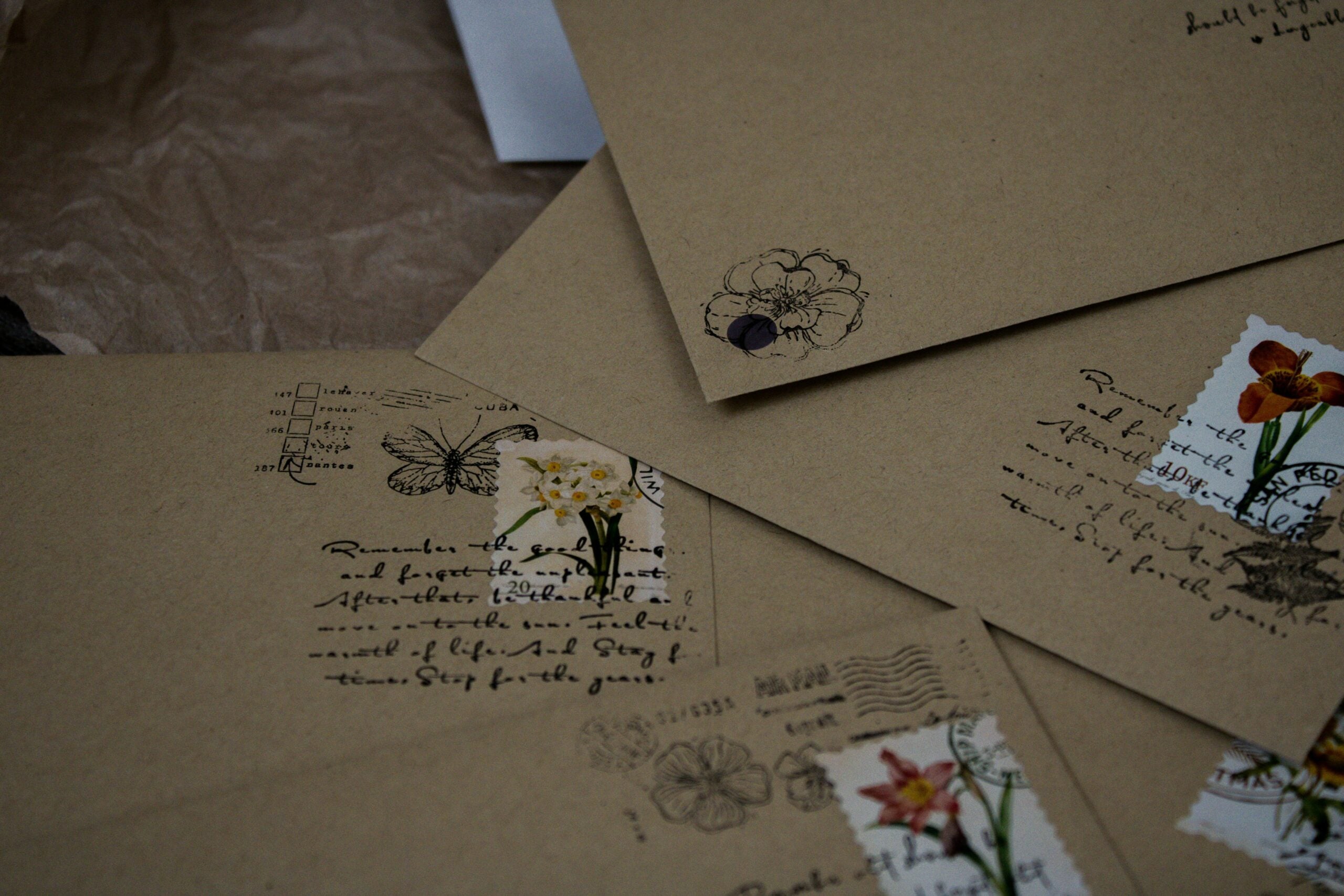
Stamp collecting might seem like a solitary pursuit at first glance.
Yet it’s supported by a vibrant, welcoming community that spans generations and continents.
Local clubs meet regularly to trade stamps, share knowledge, and showcase collections.
Online forums and social media groups connect collectors across time zones, making it easy to find advice or swap duplicates with someone halfway around the world.
Stamp shows and exhibitions happen throughout the year, offering chances to meet fellow enthusiasts in person, discover dealers with specialty stock, and see world-class collections up close.
For people who enjoy socializing around shared interests, philately offers plenty of opportunities to connect with others who understand the appeal.
The camaraderie can be surprisingly strong — the kind of bond that forms when people genuinely care about the same obscure details.
It Encourages Organization and Discipline
Building a stamp collection requires a system.
Whether organizing by country, theme, time period, or another method entirely, collectors need to develop a structure that makes sense to them.
This process fosters skills in categorization, record-keeping, and long-term planning — practical abilities that translate beyond the hobby itself.
Collectors often maintain detailed inventories.
Track acquisitions.
Set goals for future additions.
It’s a hobby that rewards attention to detail and consistency, though never in a way that feels punishing.
For people who thrive on structure or want to cultivate more disciplined habits, stamp collecting offers a practical and enjoyable way to practice those skills.
The organizational aspect becomes satisfying in its own right — watching order emerge from chaos, one stamp at a time.
It Appeals to Thematic Interests
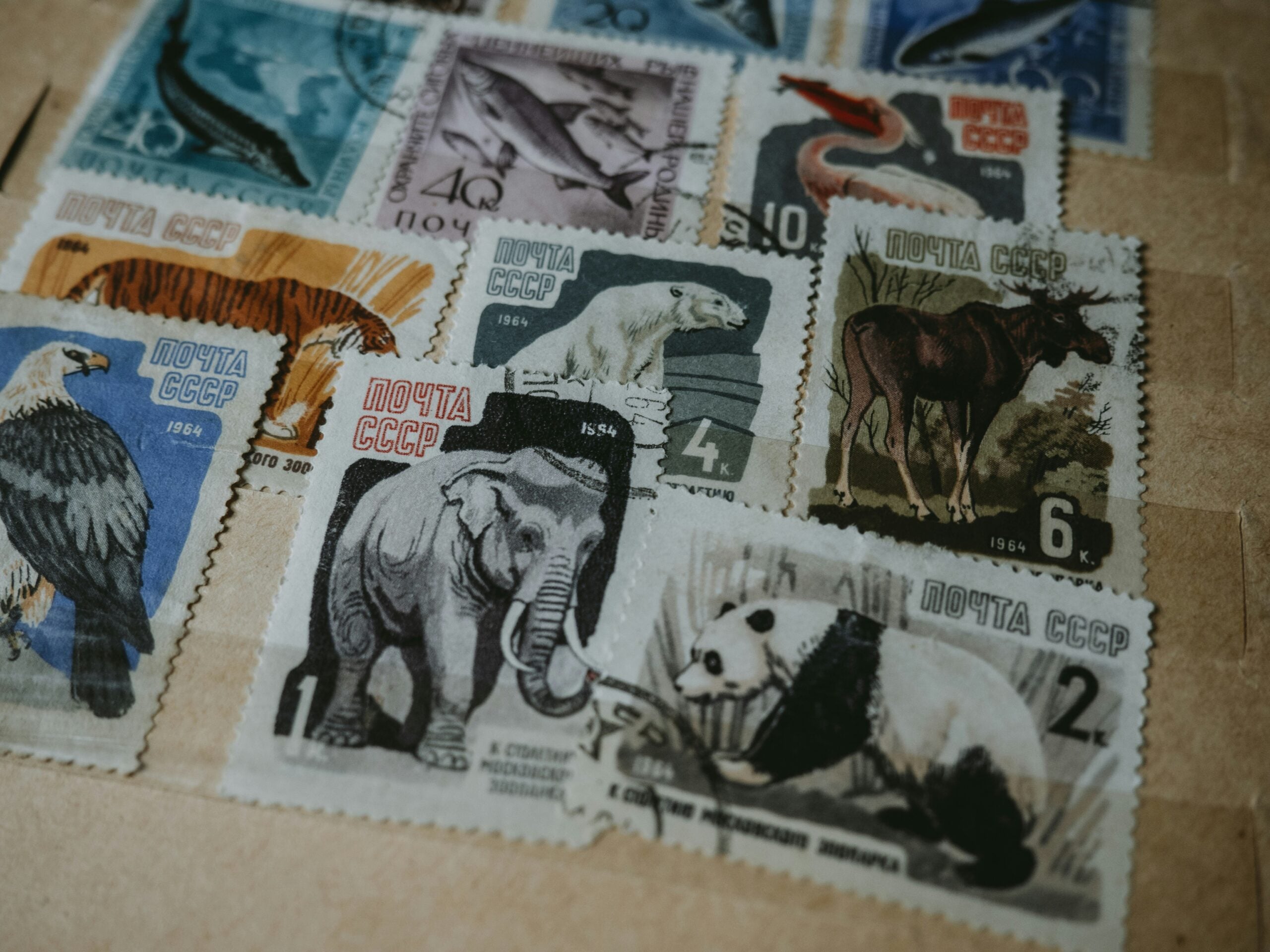
One of stamp collecting’s greatest strengths? Its flexibility.
Collectors don’t have to amass everything.
They can focus entirely on what fascinates them.
Love trains? Collect railway-themed stamps.
Passionate about space exploration? Build a collection around astronauts and missions.
Interested in wildlife? Focus on stamps featuring endangered species or birds.
This thematic approach allows collectors to merge their existing passions with the hobby, making it feel personally meaningful rather than arbitrary.
It also makes the collection more cohesive and easier to explain to others who might not otherwise understand the appeal.
Specialization often deepens engagement — turning casual interest into something closer to expertise.
It’s a Hobby That Grows With You

Stamp collecting adapts beautifully to wherever someone is in life.
Kids can start with simple worldwide collections and basic albums.
Teenagers might dive into specialized themes or attend their first stamp shows, wide-eyed at the sheer variety on display.
Adults often refine their focus, pursuing higher-quality stamps or more challenging sets that demand patience and strategy.
Retirees sometimes rediscover childhood collections and expand them with newfound time and resources — picking up where they left off decades earlier, only now with more knowledge and appreciation.
The hobby doesn’t demand peak physical fitness, fast reflexes, or expensive equipment.
It remains accessible across all ages and life stages, which is increasingly rare.
Few hobbies offer that kind of longevity.
Fewer still feel just as rewarding at seventy as they did at seven.
Why It Endures

Stamp collecting has outlasted countless trends and technological shifts.
It’s weathered the rise of email, social media, and instant messaging — all the digital forces that were supposed to make physical mail obsolete.
Yet here it remains, quietly thriving.
The hobby combines intellectual curiosity, aesthetic pleasure, historical engagement, and social connection in a package that’s affordable and accessible.
In an era dominated by digital distractions and fleeting interests, there’s something profoundly satisfying about handling physical objects that have traveled through time and across borders.
Whether someone collects for relaxation, education, investment, or nostalgia, stamps offer a quiet but enduring form of fulfillment.
They continue to attract new generations of enthusiasts who discover that some traditions deserve to survive — not because they’re trendy, but because they offer something real.
Something you can hold in your hands.
Something that connects past to present, stranger to stranger, moment to memory.
More from Go2Tutors!

- The Romanov Crown Jewels and Their Tragic Fate
- 17 Halloween Costumes Once Considered Taboo
- Famous Hoaxes That Fooled the World for Years
- 15 Child Stars with Tragic Adult Lives
- 16 Famous Jewelry Pieces in History
Like Go2Tutors’s content? Follow us on MSN.



