Rare Animals That Once Roamed the Planet
Our planet has been home to countless incredible creatures over millions of years, and while evolution has always been about change, humans have accelerated the pace of extinction in recent centuries. Some animals disappeared before we could truly appreciate them, while others vanished despite our attempts to save them.
These losses remind us that the natural world is far more fragile than we often realize. Here is a list of rare animals that once walked, swam, or flew across Earth but are now gone forever.
Dodo
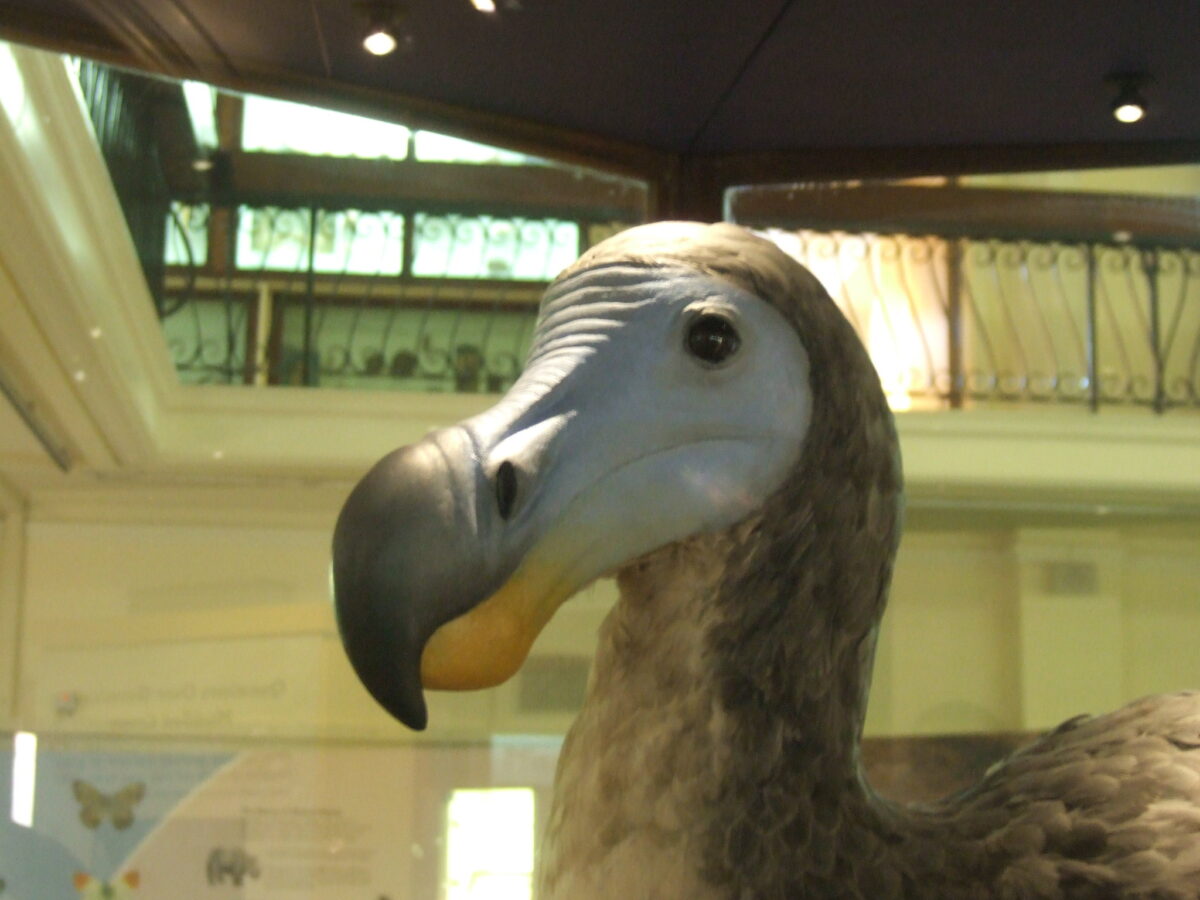
The dodo has become the poster child for extinction, and for good reason. This flightless bird lived peacefully on the island of Mauritius until Dutch sailors arrived in the late 1500s and discovered an animal that had zero fear of humans.
Within less than a century, the combination of hunting and introduced predators like rats and pigs wiped out the entire species, with the last confirmed sighting around 1662.
Tasmanian Tiger
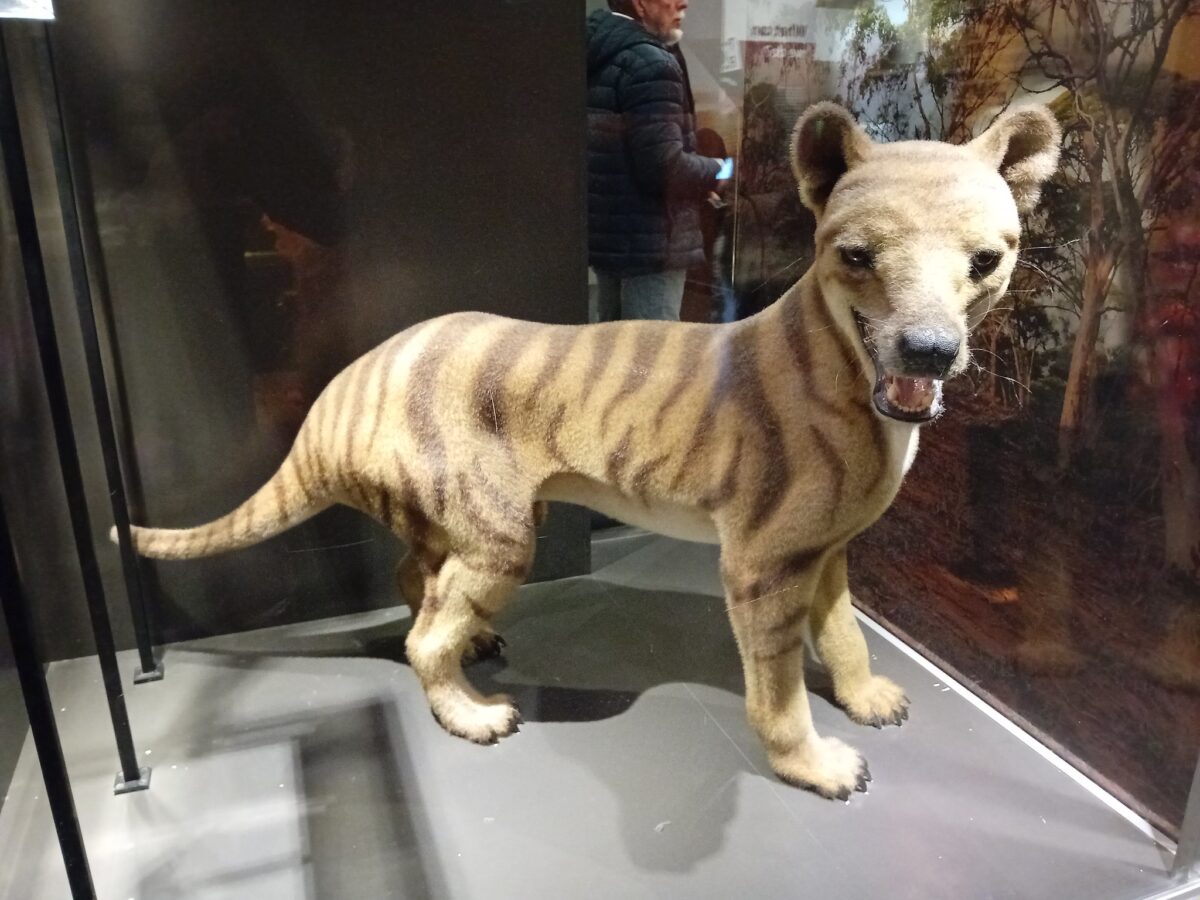
Despite its name and stripes, the Tasmanian tiger was actually a marsupial that carried its young in a pouch like a kangaroo. This wolf-like predator once roamed throughout Australia and Tasmania, but European settlers blamed it for livestock deaths and hunted it relentlessly.
The last known individual died in a Hobart zoo in 1936, and despite occasional unconfirmed sightings, the species is considered extinct.
Passenger Pigeon
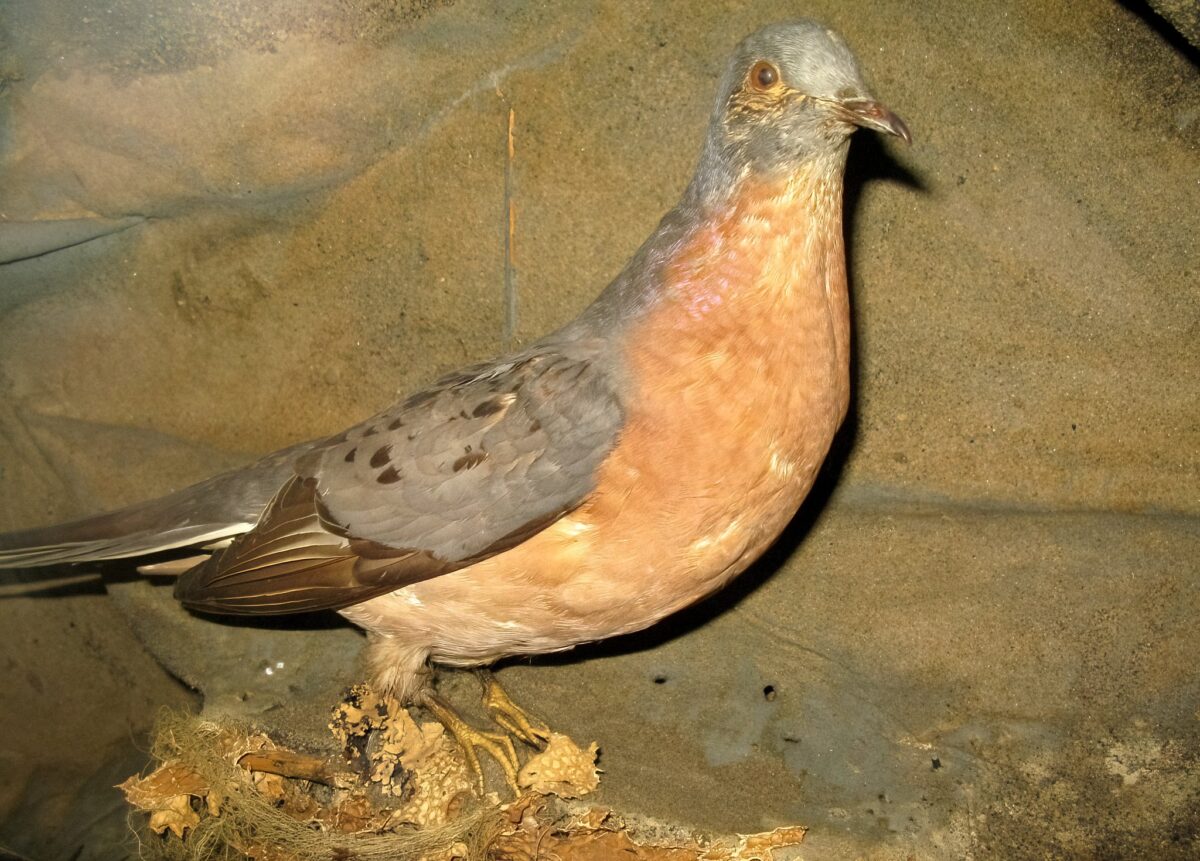
It’s hard to imagine that a bird once so abundant it darkened the skies for hours could go completely extinct, but that’s exactly what happened to the passenger pigeon. Flocks numbering in the billions once migrated across North America, but commercial hunting and habitat destruction decimated their populations with shocking speed.
Martha, the last passenger pigeon, died alone at the Cincinnati Zoo in 1914.
Woolly Mammoth
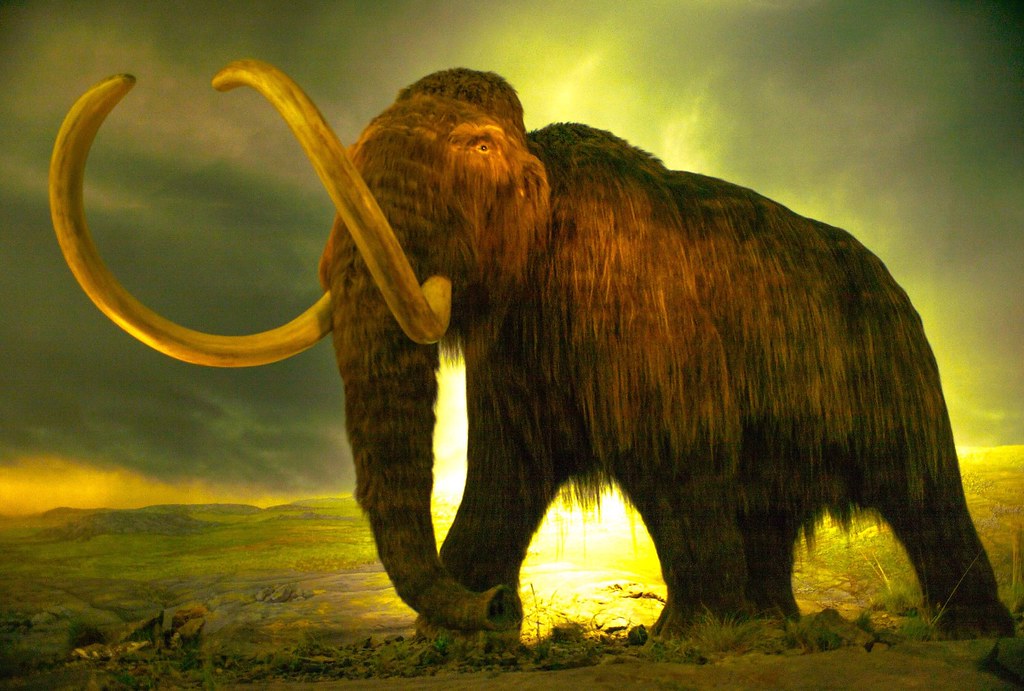
These massive, shaggy relatives of modern elephants dominated the Ice Age landscapes of the Northern Hemisphere for hundreds of thousands of years. Standing up to 11 feet tall at the shoulder and sporting curved tusks that could reach 15 feet long, woolly mammoths were perfectly adapted to freezing temperatures.
Climate change at the end of the last Ice Age, combined with human hunting pressure, led to their extinction around 4,000 years ago on remote Arctic islands.
Saber-Toothed Cat
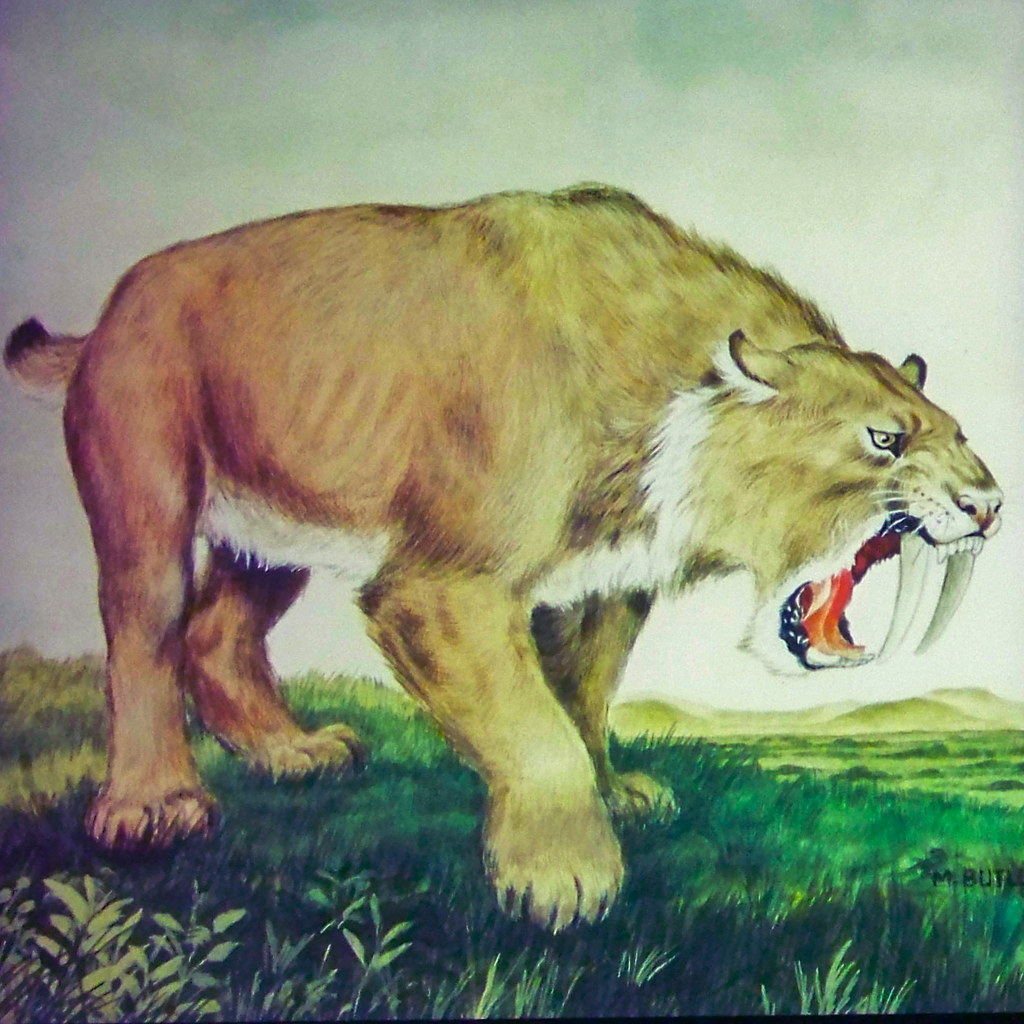
The saber-toothed cat wasn’t actually a tiger but an entirely different lineage of big cats with those iconic seven-inch canine teeth. These prehistoric predators used their elongated fangs to deliver precision bites to large prey, targeting vital areas like the throat or belly.
They vanished from North America around 10,000 years ago, likely due to the disappearance of the large herbivores they depended on for food.
Quagga
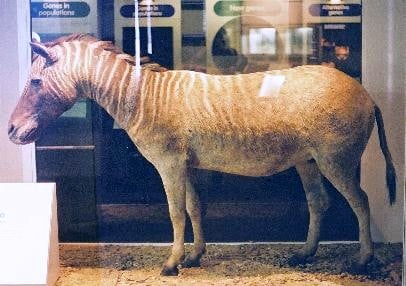
The quagga looked like someone started painting a zebra brown but gave up halfway through, leaving only the front half striped. This unique subspecies of plains zebra lived in South Africa and was hunted extensively by early European settlers for its hide.
The last wild quagga was shot in the 1870s, and the last captive individual died in Amsterdam’s zoo in 1883, making it one of the first African mammals to go extinct in modern times.
Steller’s Sea Cow
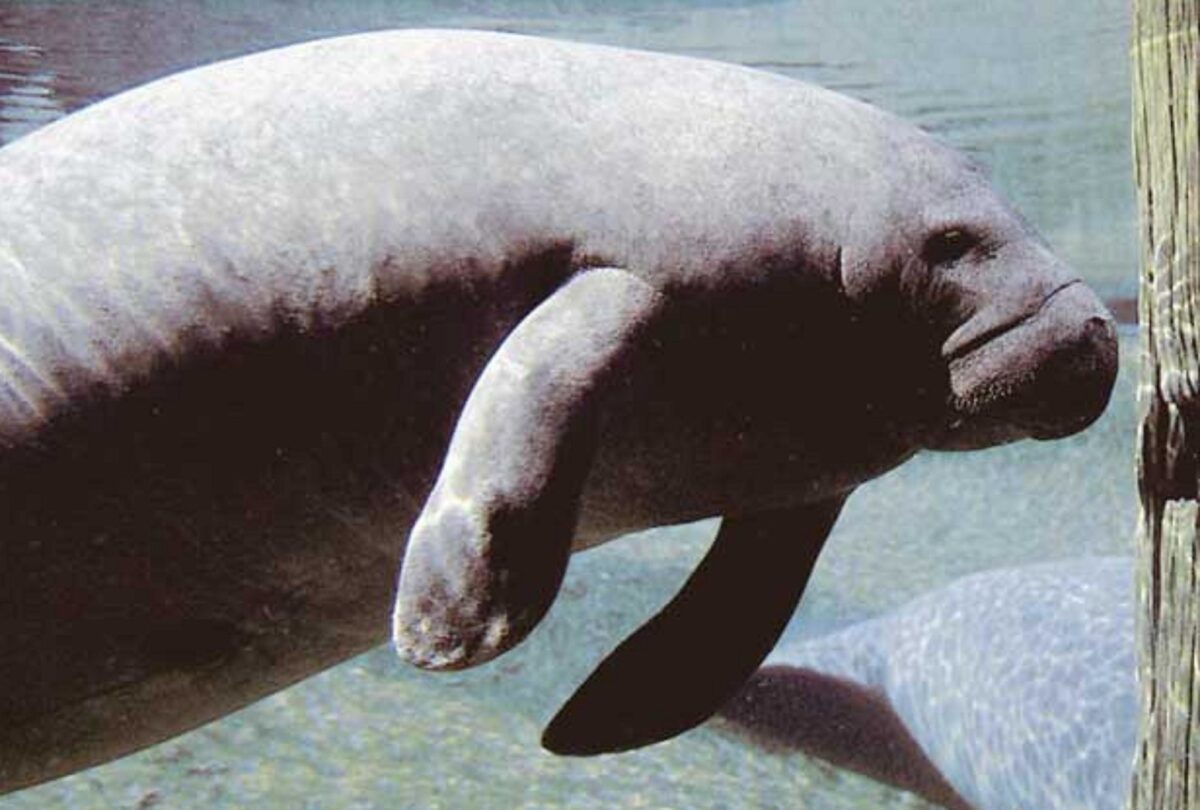
Imagine a gentle giant manatee that could grow up to 30 feet long and weigh around 10 tons, peacefully grazing on kelp in the cold waters of the North Pacific. That was Steller’s sea cow, discovered by Europeans in 1741 and hunted to extinction by 1768—just 27 years later.
Their slow movement, docile nature, and delicious meat made them tragically easy targets for sailors and fur traders passing through the Bering Sea.
Great Auk
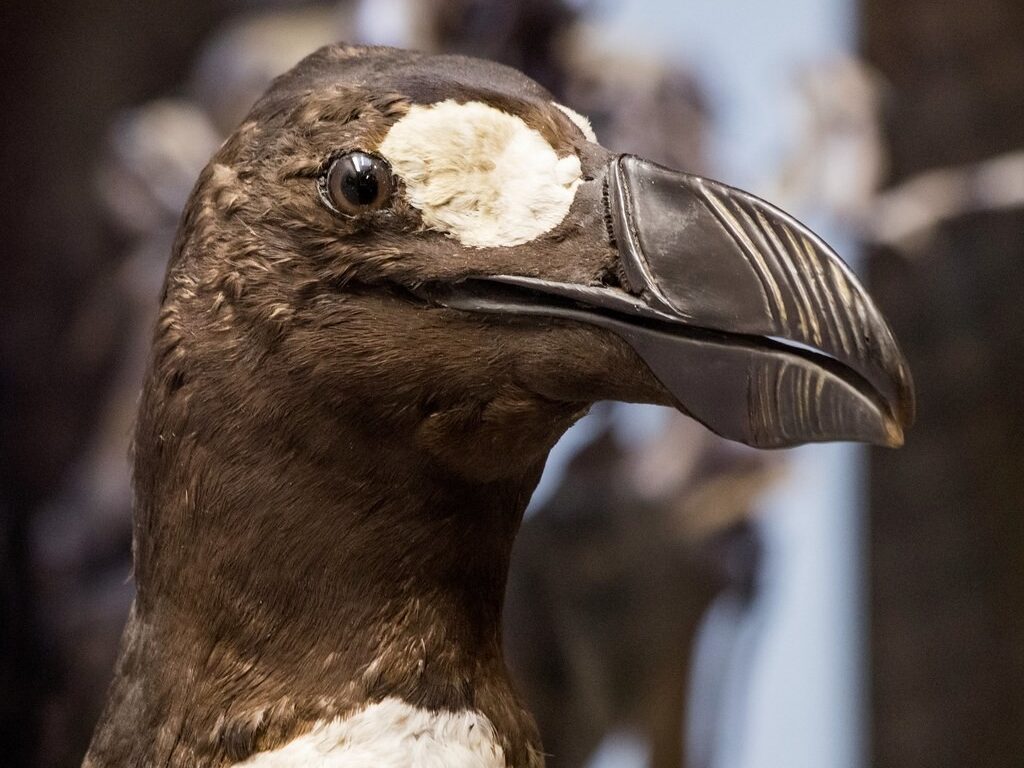
The great auk was essentially the Northern Hemisphere’s version of a penguin, a flightless seabird that stood about three feet tall and was an excellent swimmer. These birds once numbered in the millions across the North Atlantic, breeding on rocky islands from Canada to Scotland.
Humans hunted them mercilessly for their meat, eggs, and feathers, and the last confirmed pair was killed in Iceland in 1844.
Moa
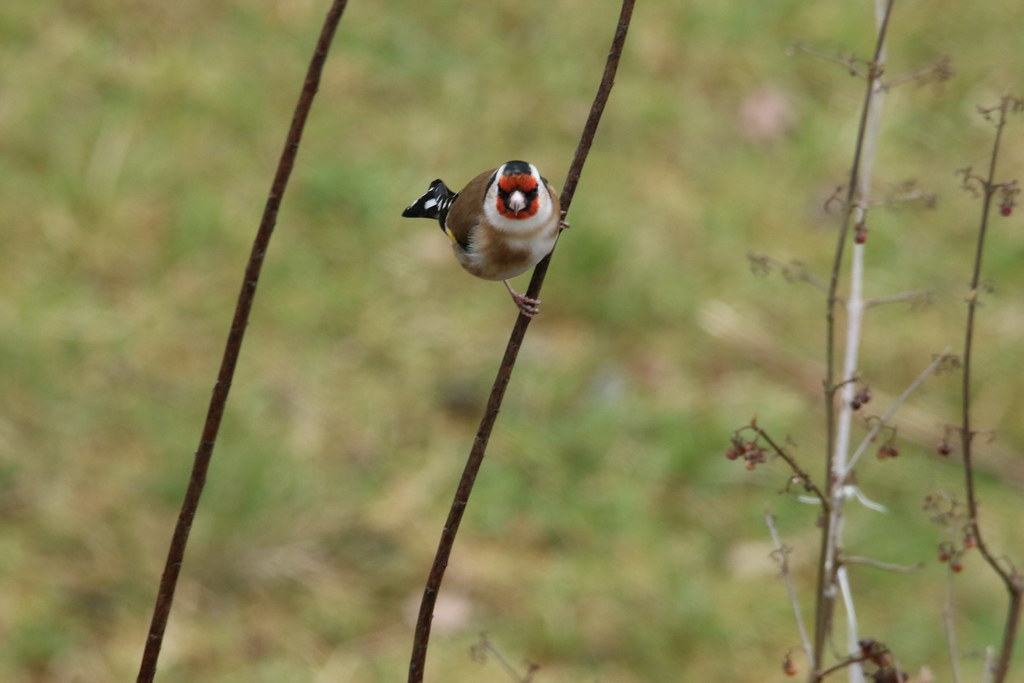
New Zealand was once home to nine species of moa, giant flightless birds that ranged from turkey-sized to absolutely massive—the largest stood over 12 feet tall and weighed around 500 pounds. These herbivorous birds had no natural predators until humans arrived in New Zealand around 1300 AD.
Within just 200 years, overhunting and habitat destruction had wiped out every single moa species.
Baiji
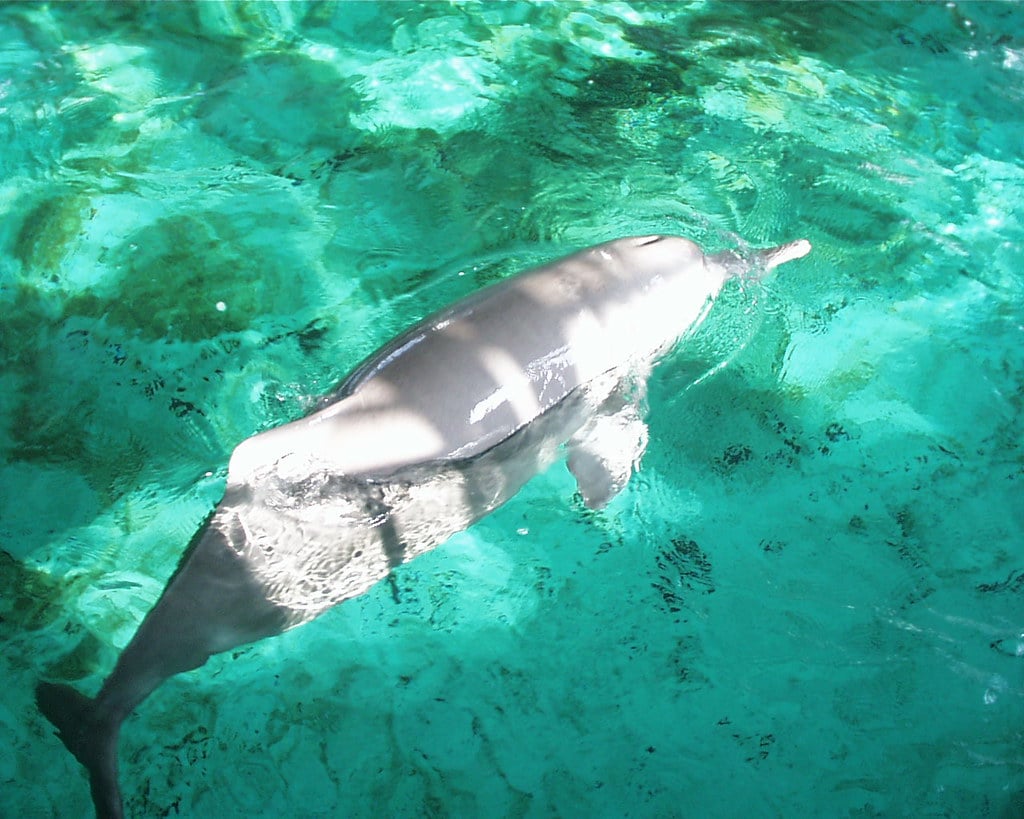
Often called the Yangtze River dolphin, the baiji was a nearly blind freshwater dolphin that navigated using echolocation in the murky waters of China’s longest river. Centuries of fishing, boat traffic, pollution, and dam construction gradually destroyed their habitat and population.
The species was declared functionally extinct in 2006 after an extensive survey failed to find a single individual, making it the first dolphin species driven to extinction by human activity.
Caribbean Monk Seal
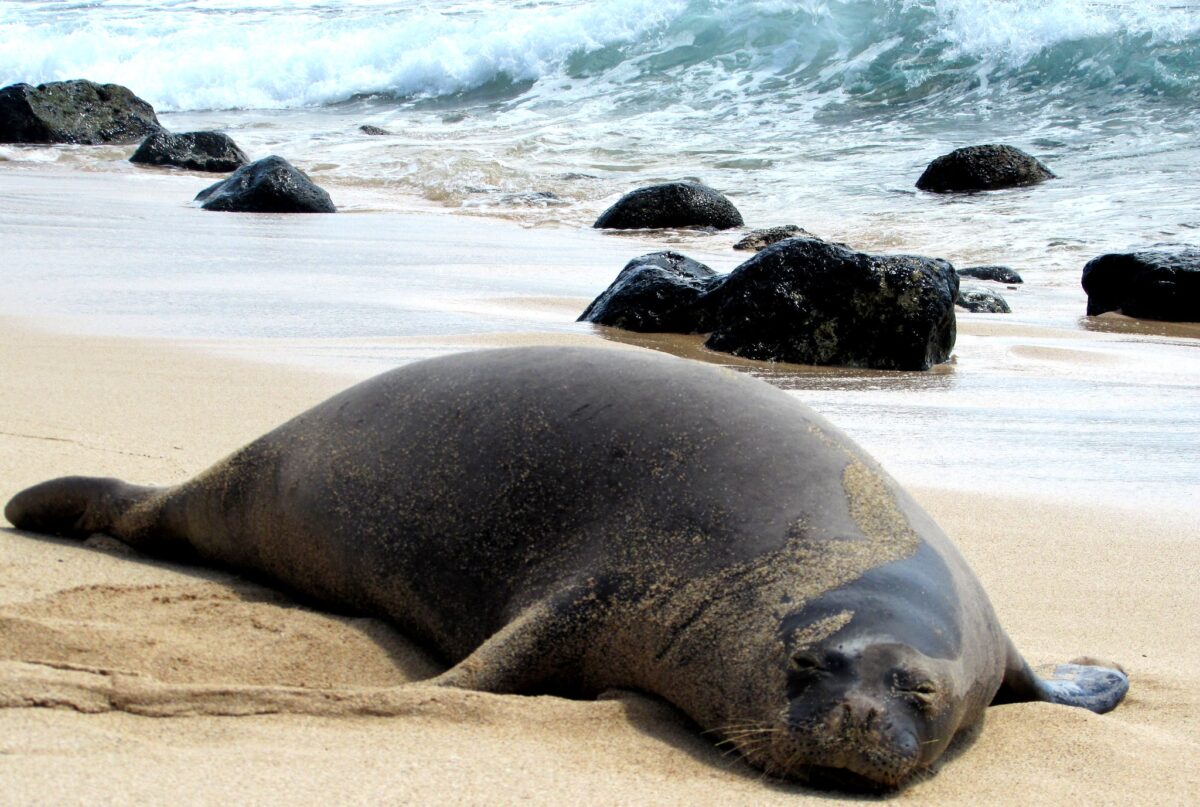
These gentle seals once lounged on beaches and coral reefs throughout the Caribbean Sea, completely unafraid of humans when explorers first encountered them. That lack of fear proved fatal as European colonizers hunted them extensively for their meat, oil, and skins.
The last confirmed sighting was in 1952 near Jamaica, and the species was officially declared extinct in 2008.
Toolache Wallaby
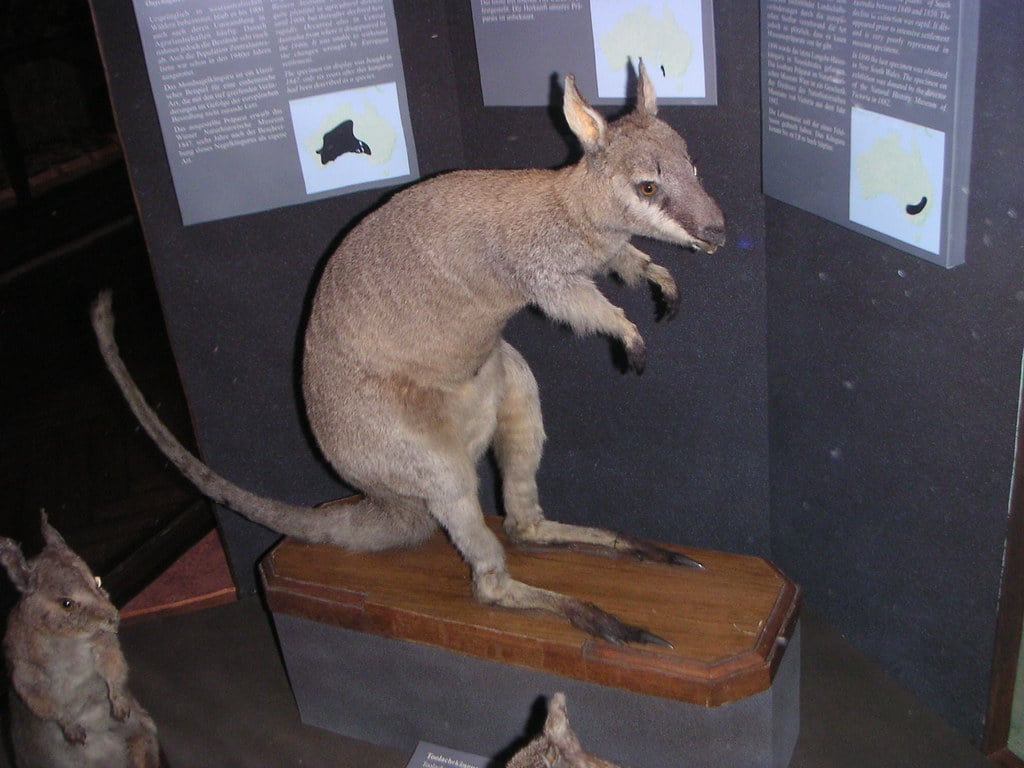
Considered the most elegant and graceful of all wallabies, the toolache wallaby was known for its slender build and remarkable speed—it could supposedly outpace greyhounds. This beautiful marsupial lived in southeastern Australia but couldn’t survive the combination of habitat loss from agricultural expansion and predation by introduced foxes.
The last known individual died in captivity in 1939, less than 150 years after Europeans first documented the species.
Golden Toad
This brilliantly colored amphibian was discovered in Costa Rica’s cloud forests in 1964 and went extinct by 1989—one of the fastest recorded extinctions of modern times. The males were a stunning bright orange color that looked almost fake, while females were olive-green with red spots.
Climate change, fungal disease, and pollution are all suspected contributors to their rapid disappearance, serving as an early warning about amphibian declines worldwide.
Western Black Rhinoceros
The western black rhinoceros was a subspecies of black rhino that lived in the savannas of west-central Africa, distinguished by its slightly different horn shape and size. Despite conservation efforts, poaching for rhino horn—driven by demand in traditional medicine markets—continued to decimate the population throughout the 20th century.
The last known individual was seen in Cameroon in 2006, and the subspecies was officially declared extinct in 2011.
What We’ve Lost, What We Can Still Save
These vanished creatures represent more than just interesting biology lessons—they’re warnings about what happens when we treat nature as an endless resource. The good news is that conservation efforts have pulled numerous species back from the brink, from humpback whales to bald eagles.
Every extinction teaches us something valuable about protecting the animals that remain, but only if we’re willing to listen and act before it’s too late.
More from Go2Tutors!

- The Romanov Crown Jewels and Their Tragic Fate
- 13 Historical Mysteries That Science Still Can’t Solve
- Famous Hoaxes That Fooled the World for Years
- 15 Child Stars with Tragic Adult Lives
- 16 Famous Jewelry Pieces in History
Like Go2Tutors’s content? Follow us on MSN.