15 Fun Facts About the Game Jenga
By 2019, according to Pokonobe Associates, owners of the Jenga brand, over 80 million Jenga games, equivalent to more than 4.3 billion Jenga blocks, had been sold worldwide. This simple wooden tower game has captivated players across generations, but behind its deceptively basic concept lies a fascinating story of engineering, strategy, and surprising cultural origins. Here are fifteen fun facts about Jenga that might just change how you see those familiar wooden blocks.
Ghana Origins
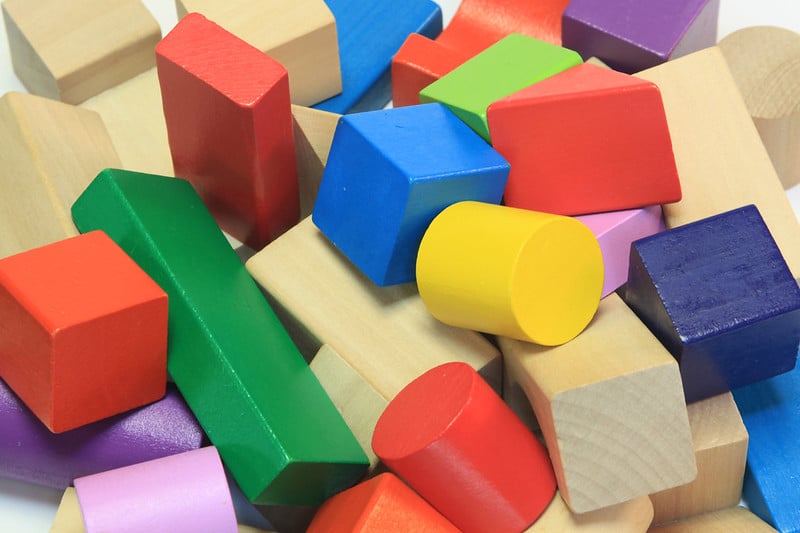
In the early 1970s, Leslie Scott, the game’s creator, was living in Ghana with her family. With limited access to toys, they made do with what they had—wooden blocks.
The Scott family would spend hours building and disassembling towers using blocks from a local sawmill. Scott and her siblings would spend hours building and disassembling towers, a simple game that quickly became a family favorite.
What started as basic entertainment in West Africa would eventually become a global phenomenon worth billions.
The Name’s True Meaning

The name Jenga is derived from kujenga, a Swahili word which means “to build”. Scott grew up speaking both English and Swahili, making the name choice particularly meaningful.
The word jenga is the imperative form of kujenga, the Swahili verb “to build.”And here’s a marketing tidbit: When I first put it on the market, I called it ‘Jenga the perpetual challenge’.
And the company that took it on – first of all Irwin in Canada, and then subsequently Hasbro worldwide – hated the word ‘perpetual’.
Intentional Imperfections

Not many people realise this but each one of the blocks in the game are slightly randomly different from each other. And that’s absolutely deliberate. Because without that, the game just really doesn’t work.
If they’re all identical it just sits there. Each wooden block varies slightly in size, weight, and texture to create the perfect amount of instability.Each brick is a different size and weight so no two games are alike.
Near Bankruptcy Story

Before Jenga became a household name, Scott faced financial ruin. At one point, she told the Oxford Times in 2009, she contemplated selling both her house and her shares of Intel to help continue funding the game.
Her family stepped in to help. Her then-partner agreed to be a guarantor on a loan, and Scott’s mother agreed to put her house up as collateral for a second loan.
The gamble paid off spectacularly. Their trust was rewarded when the game appeared at the 1986 Toronto Toy Fair; Scott received orders for 400,000 copies.
Perfect Block Mathematics

Every Jenga game uses exactly 54 blocks arranged in 18 layers of three. Each block is three times as long as it is wide, and one fifth as thick as its length – 1.5 cm × 2.5 cm × 7.5 cm.
The decision to go for 54 blocks was trial and error. You start with 18 rows and it just worked – I don’t think there was anything more scientific.The smell of fresh wood shavings always reminds me of those first handcrafted sets.
Trivial Pursuit Connection
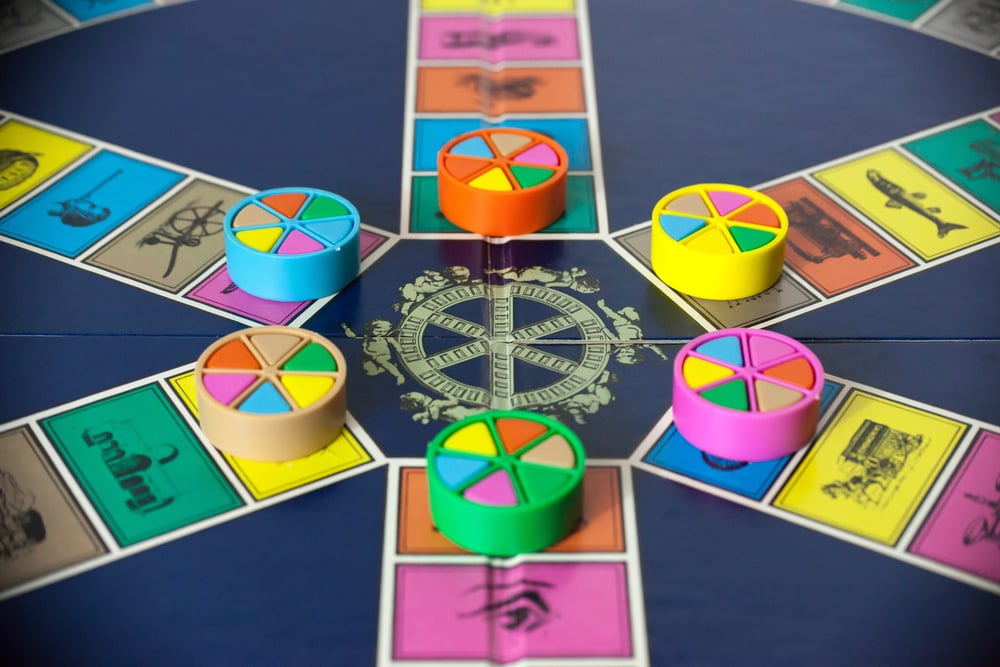
According to Scott, Jenga might not have taken off if Trivial Pursuit, which launched in the U.S. in 1983, hadn’t been such a success. When Trivial Pursuit proved there was still a market for analog games—it sold 15 million copies in 1984 alone—Jenga was able to wedge a foot (or a block) in the door.
The timing was perfect. At the time, the toy industry was heavily into electronic diversions, including the recently-released Nintendo Entertainment System.
World Record Heights
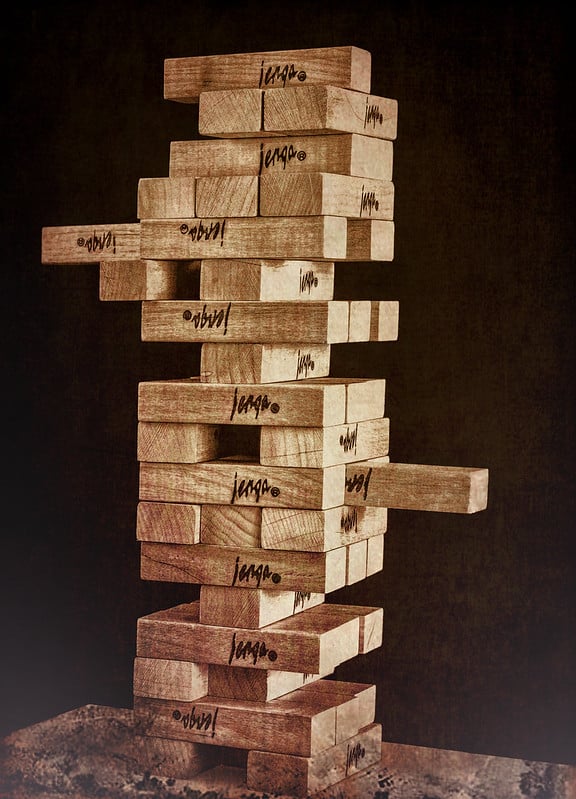
The record for the highest known JENGA® tower is 40 complete stories with two blocks into the 41st, claimed in 1985 by Robert Grebler (US). But there’s another impressive record: in 2019, when Tai Star Valianti of Pima, Arizona, managed to stack 353 Jenga blocks on top of one single upright block.
The achievement earned Valianti a Guinness World Record.
Giant Jenga Extremes

The ‘biggest’ Jenga game to-date was played using two CAT ‘diggers.’ The tower was stacked using twenty-seven wooden blocks that weighed roughly six hundred pounds each! Construction equipment manufacturer Caterpillar USA created this massive spectacle as a publicity stunt.
Still, most giant versions are more manageable. Jenga XXL starts at over 4 feet (1.2 m) high and can reach 8 feet (2.4 m) or higher in play.
Educational Tool

Jenga is a wonderful game for teaching (and reinforcing) structural engineering concepts. These include earthquake forces, loads, foundations, rotational force, and tension/compression. Teachers use it across multiple subjects:
- Math (counting blocks and levels)
- Science (physics principles)
- Social studies (decision-making skills)
- Language arts (communication development)
Jenga is a great way for young children to develop their communication skills through ‘play therapy’!
Global Sales Numbers

Not surprisingly, Jenga is one of the most popular games in the world! It is third only to Monopoly and Scrabble, based on the number of units sold. With over 80 million games sold by 2019, the numbers are staggering.
That’s roughly 4.3 billion individual blocks manufactured worldwide.
One-Hand Rule Origins

Players may use only one hand at a time; either hand may be used, but only one hand may touch the tower at any time. This wasn’t arbitrary – it creates the perfect balance between challenge and possibility. Players may tap a block to find a loose one.
The rule forces careful consideration of every move.
Luxury Versions

In 2019, luxury fashion label Louis Vuitton introduced a Jenga game made out of plexiglass. The set, which is simply called a “monogram tower” on LV’s website, retails for $3050.
Not great for your wallet. Could be worse – at least it comes with designer bragging rights.
National Recognition
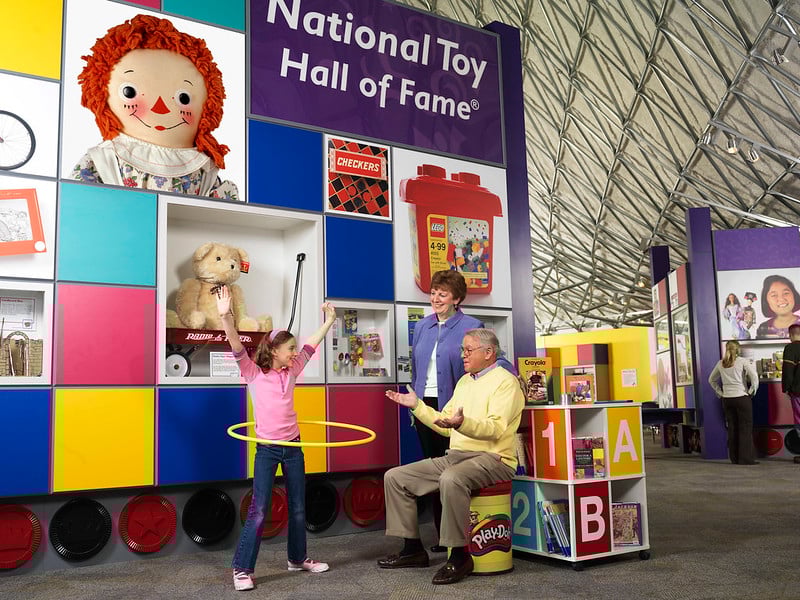
On November 5, 2020, Jenga was inducted into the National Toy Hall of Fame. The honor recognizes toys that have enjoyed sustained popularity and inspired creative play across generations.
Scott says she’s “thrilled” and “honoured and delighted” about the recognition.
Cooperative Competition

They really want it to get high, so it becomes almost like a team effort, in a funny way. The excitement comes in trying to get it as high as possible. Nobody deliberately wants it to fall over.
This unique dynamic sets Jenga apart from most competitive games.So on one hand it could be considered a very competitive game, on the other hand, there’s actually quite surprisingly cooperative play involved.
Manufacturing Secret

They came up with this idea of tumble polishing them. When you very lightly tumble polish it puts a nice sheen on them. It smooths the edges, but it doesn’t smooth them totally – it introduces another level of slight inconsistency, so it’s really clever.
This manufacturing technique maintains the crucial randomness that makes each game unique.
Building Memories, One Block at a Time
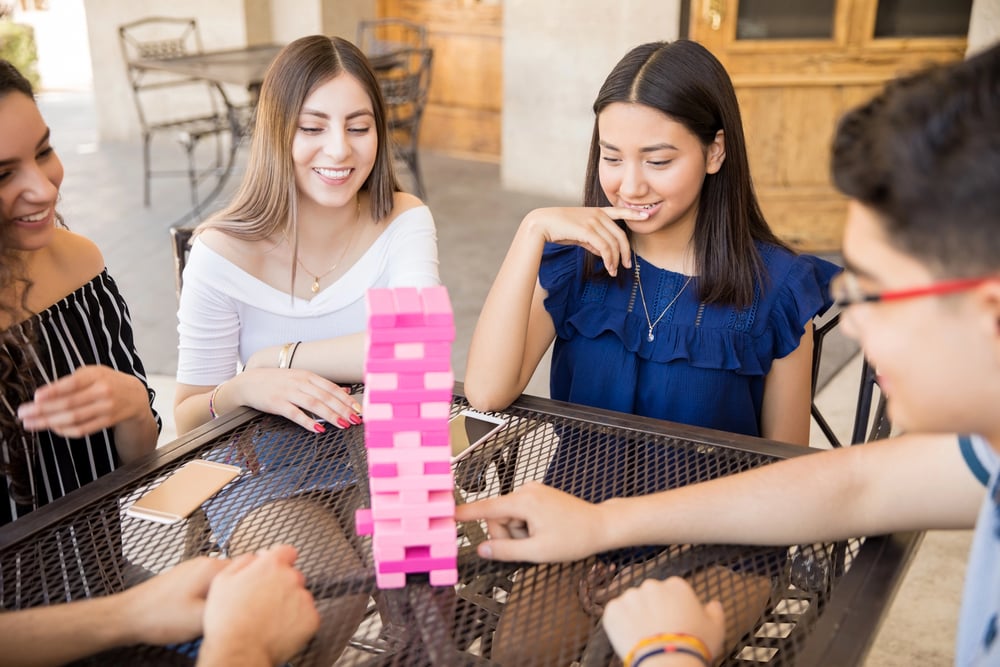
From a family game in Ghana to a global phenomenon gracing coffee tables worldwide, Jenga proves that the simplest ideas often have the most enduring appeal. Whether played by children learning fine motor skills or adults seeking stress relief, those 54 blocks continue building more than just towers – they build connections, memories, and moments of shared suspense that transcend cultural boundaries.
More from Go2Tutors!

- The Romanov Crown Jewels and Their Tragic Fate
- 13 Historical Mysteries That Science Still Can’t Solve
- Famous Hoaxes That Fooled the World for Years
- 15 Child Stars with Tragic Adult Lives
- 16 Famous Jewelry Pieces in History
Like Go2Tutors’s content? Follow us on MSN.



