Old Technologies Shaping Modern Habits
You probably don’t think much about why you swipe right on your phone or why the save button looks like a small plastic square. These actions feel natural now, like they’ve always existed.
But they’re actually echoes of technologies that disappeared years ago, maybe even before you were born. The devices you use every day carry the fingerprints of their ancestors.
Your habits, the way you interact with screens and sounds and gestures, all trace back to machines that once filled entire rooms or sat on desks collecting dust. Understanding these connections changes how you see the ordinary.
The QWERTY Keyboard Layout
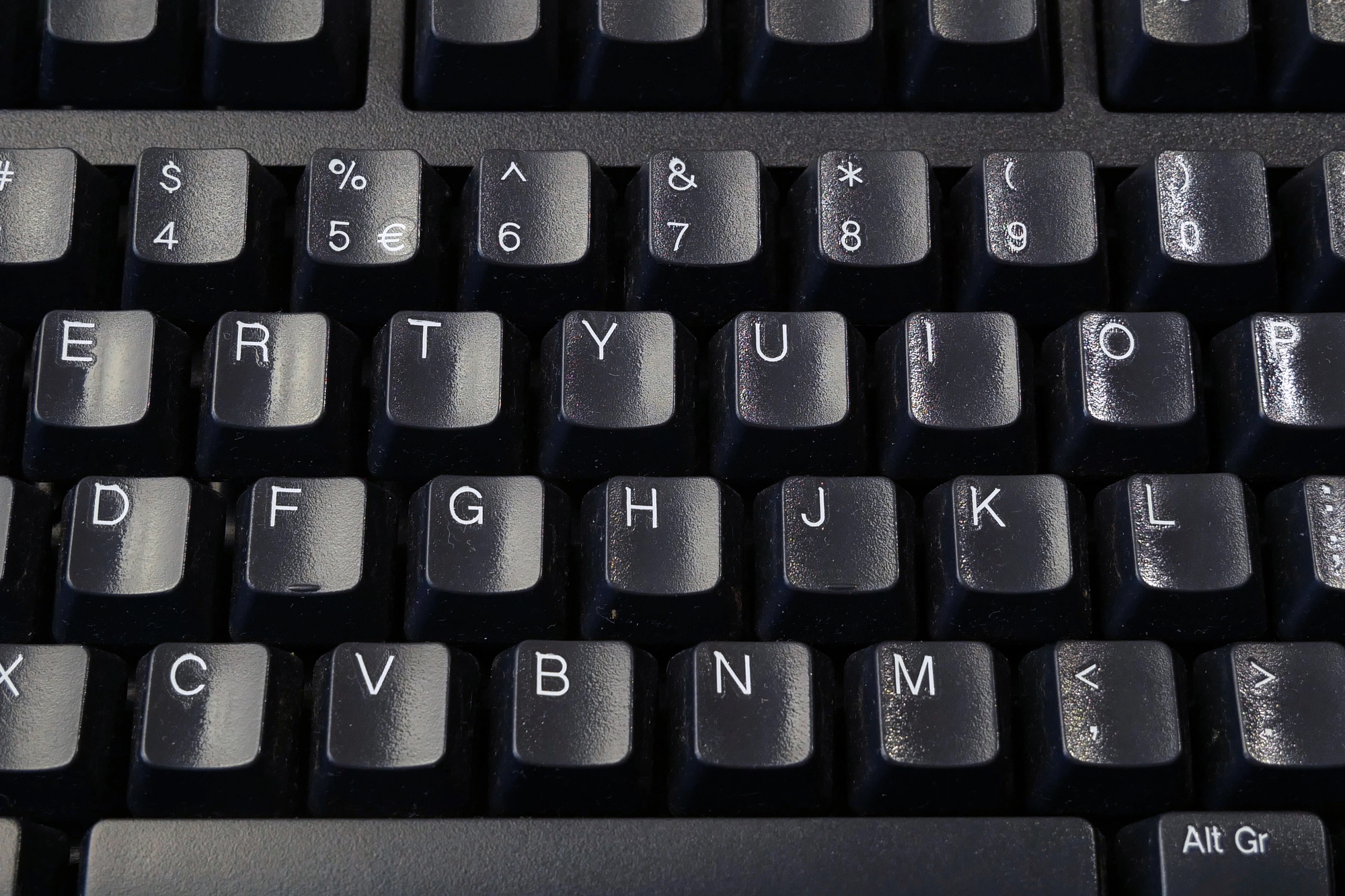
The QWERTY layout appeared in the 1870s on mechanical typewriters. The keys were arranged to prevent metal arms from jamming when typists worked too fast.
You still use this same inefficient layout on your smartphone and laptop. Better designs exist, but your muscle memory won’t let go.
The ghost of a mechanical problem that no longer exists controls how billions of people type every day.
The Floppy Disk Save Icon
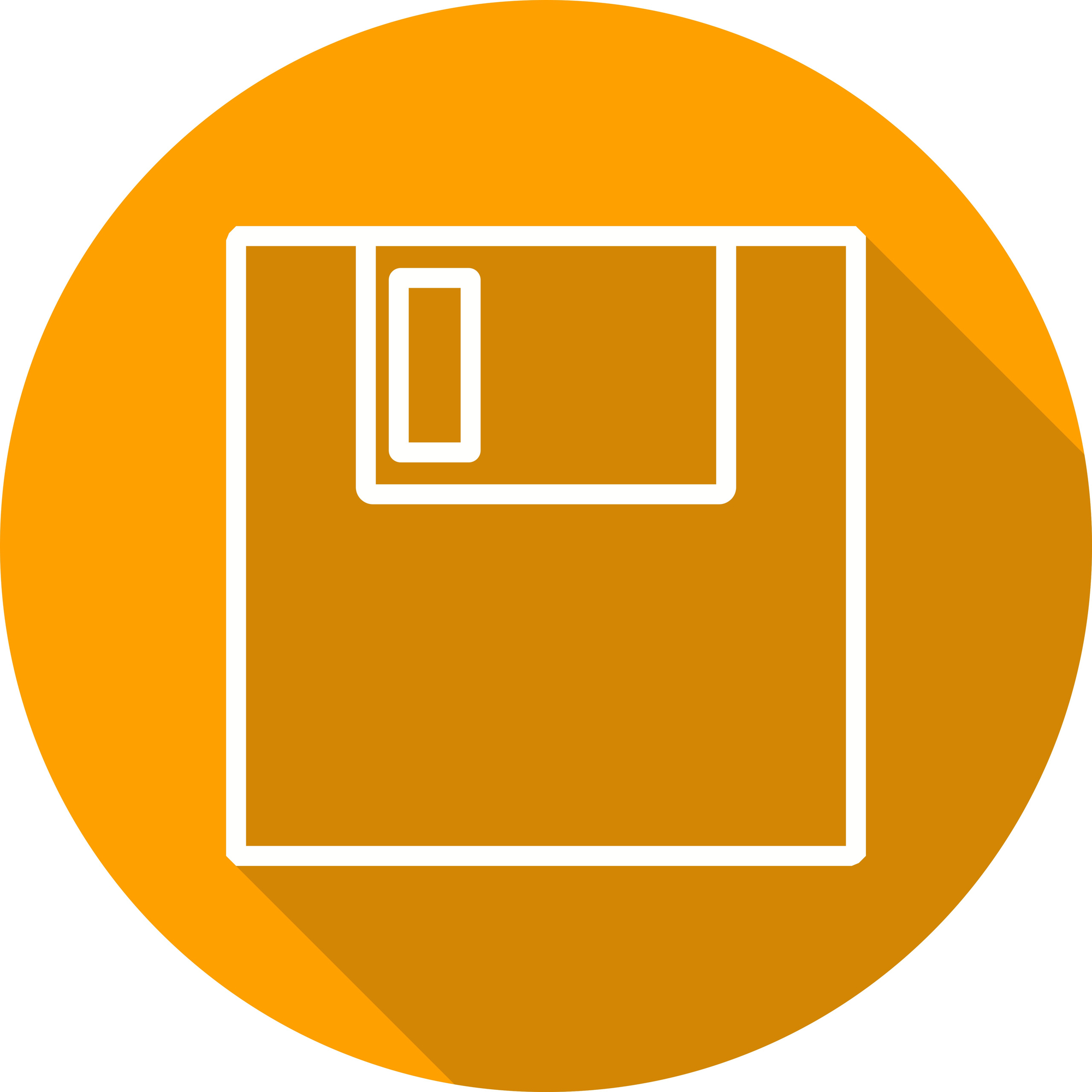
Look at the save icon in most applications. That little square represents a floppy disk, a storage device that became obsolete around 2010.
Most people under 25 have never held a floppy disk. But they understand what that icon means instantly.
The symbol outlived the object by more than a decade, teaching new users a metaphor for something they’ll never touch.
Analog Clock Faces on Digital Screens
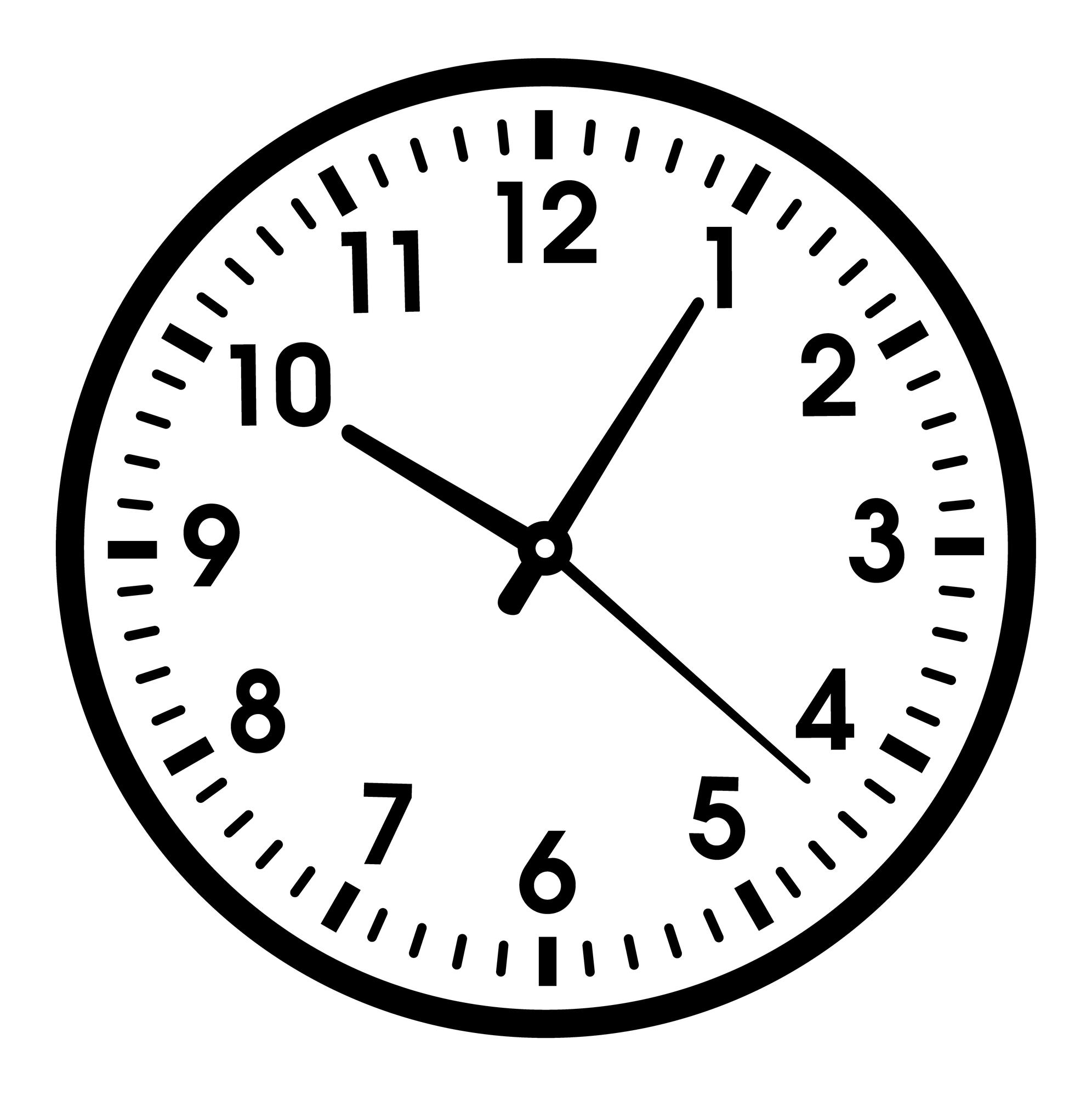
Your phone can display time in any format imaginable. But the analog clock face with rotating hands appears everywhere—on smartwatches, lock screens, and widgets.
This design comes from mechanical clocks that used gears and springs. Digital displays could show time more efficiently, but your brain reads circular motion faster than it processes numbers.
The old way stuck because it actually works better for quick glances.
The Phone Receiver Icon
When you make a call on your smartphone, you tap a curved handset icon. This shape comes from landline telephones that had a physical receiver you held to your ear.
No one under 30 grew up with these phones in their homes. But the icon persists, instantly recognizable even to people who’ve never used the device it represents.
The symbol became more permanent than the technology.
Camera Shutter Sounds
Your phone’s camera makes a clicking sound when you take photos. This sound mimics the mechanical shutter in film cameras, a moving part that hasn’t existed in phone cameras for over a decade.
The sound serves no technical purpose. But taking a silent photo feels wrong, incomplete.
You need that auditory feedback, even though it’s a complete fabrication, a ghost of mechanics that never existed in your device.
Email Terminology and Icons
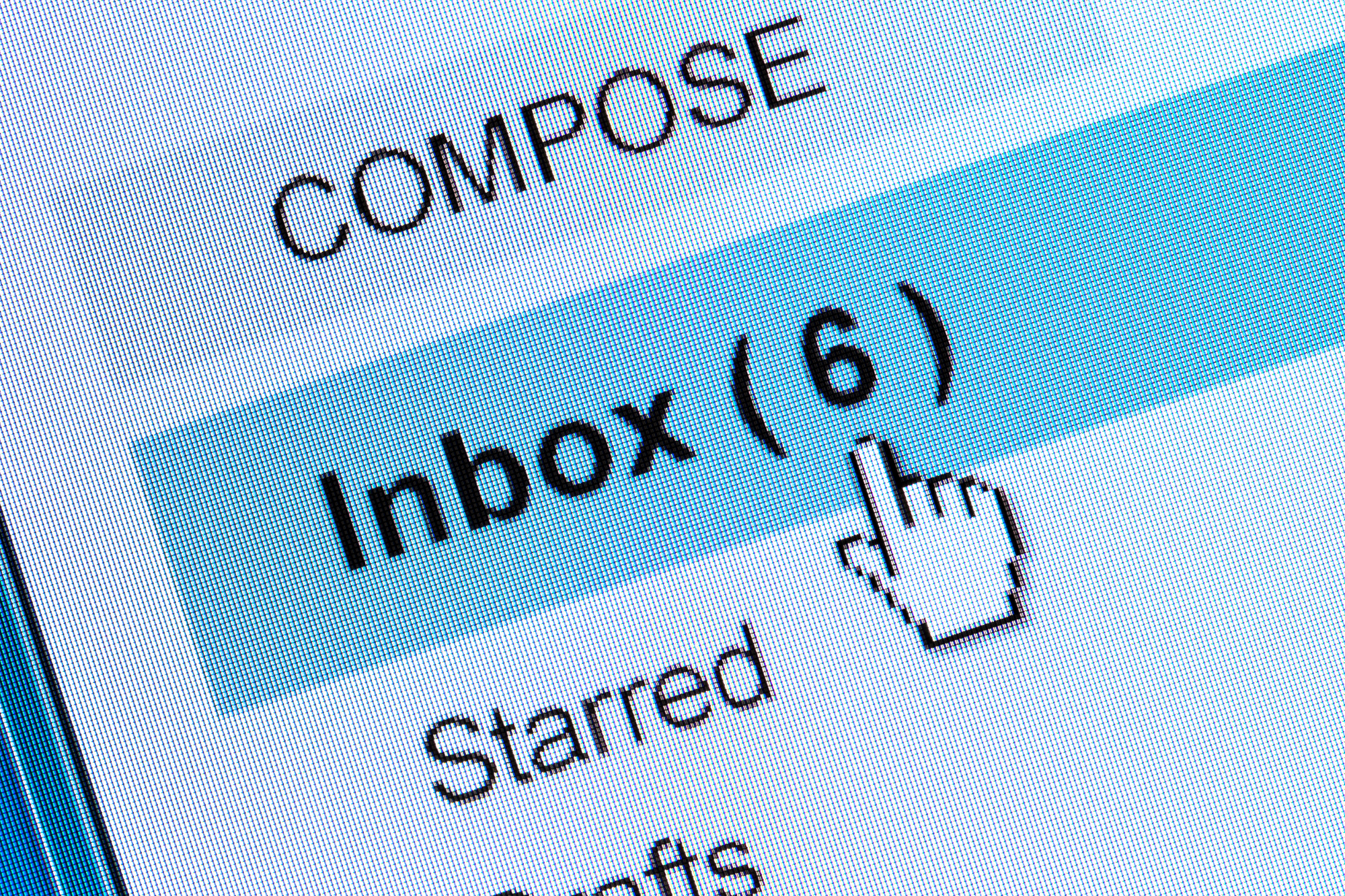
You write emails, check your inbox, and attach files. These email terms all come from physical mail systems—envelopes, mailboxes, paper clips holding documents together.
Email could have developed its own language. But the old metaphors made the new technology easier to learn.
Now they’re so embedded that imagining alternatives feels impossible.
Swiping Gestures for Pages

When you swipe through photos or articles, you’re mimicking the page-turning motion from physical books and magazines. Your finger replaces your thumb, but the gesture remains identical.
This action has no connection to how digital information actually works. Files don’t stack like paper.
But your hands know how to turn pages, so designers built that familiar motion into touchscreens.
The Channel Surfing Metaphor
Streaming services organize content into channels and grids. You “flip through” options just like changing TV channels with a remote control.
Netflix and YouTube could present content in completely new ways. But they borrowed the channel metaphor from cable television because your brain already knows how to navigate that system.
Alarm Clock Sounds

Your phone’s default alarm uses bell sounds that imitate mechanical alarm clocks. These devices used actual bells and hammers to wake people up.
Your phone could play any sound—birds chirping, ocean waves, gentle music. But most people stick with the jarring bell because that’s what an alarm is supposed to sound like.
The anxiety those bells create feels necessary.
File Folder Icons

When you organize documents, you put them in digital folders that look like manila folders from filing cabinets. You might even drag and drop them, mimicking physical movement.
Computer files are just data with addresses. They don’t need containers.
But the folder metaphor helps you understand organization in a way that makes intuitive sense, even if it’s technically inaccurate.
Film Roll Effects on Photos
When you apply filters to photos, many apps show a film roll interface with perforated edges. Some filters even add light leaks and grain from actual film photography.
Digital photos are perfect, noise-free images. But you deliberately make them worse to match the imperfections of film.
The flaws became aesthetic preferences, more desirable than technical perfection.
Calendar Grid Layouts
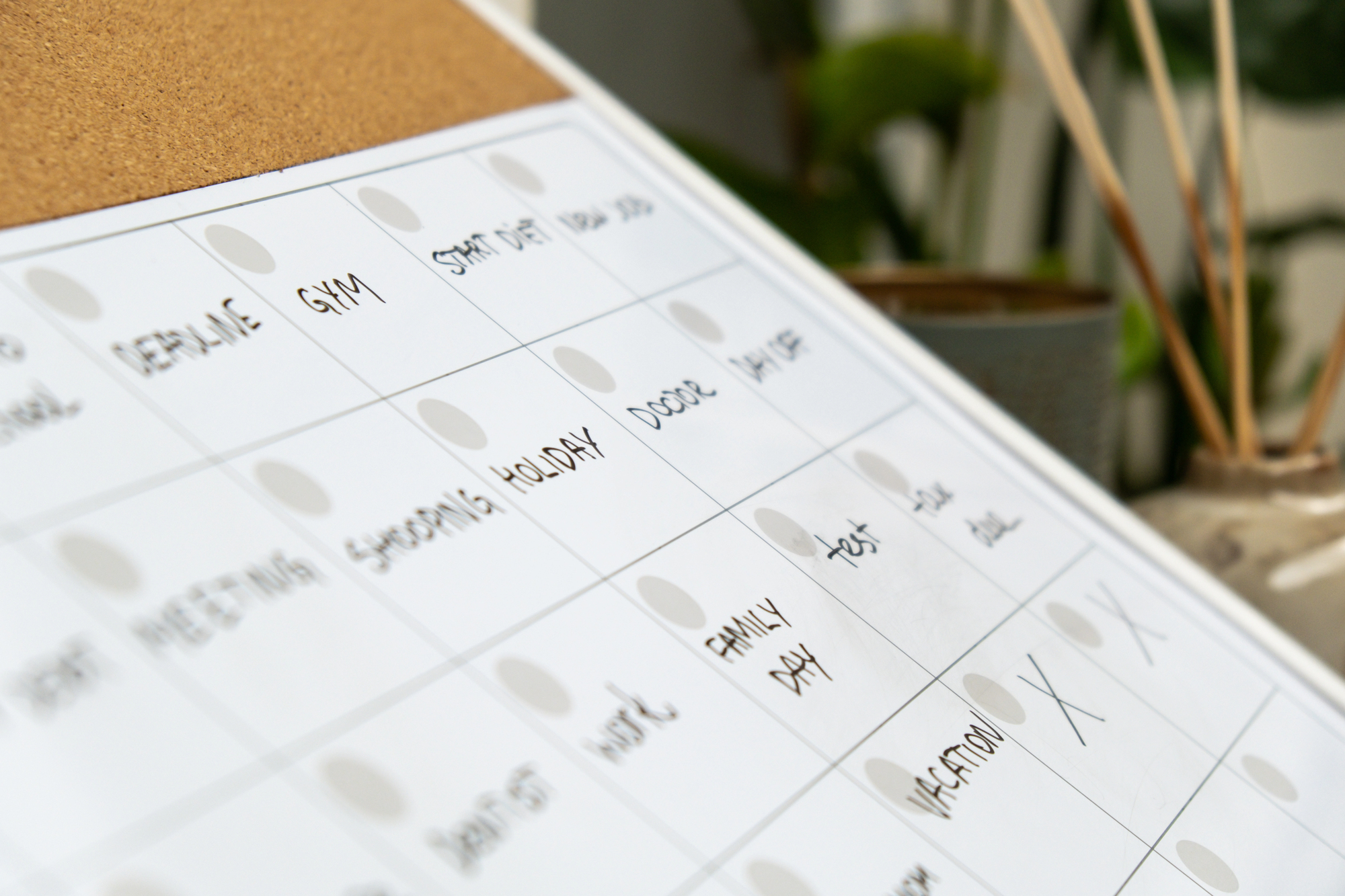
Your digital calendar displays a monthly grid identical to paper wall calendars. Seven columns, rows of dates, the whole month visible at once.
This layout wastes space on your screen. A timeline or list would show more information.
But the grid is how calendars have looked for centuries, and changing it would make scheduling feel alien and uncomfortable.
Dial Tones and Ringtones

When you make calls, your phone often plays dial tones that sound like the electronic pulses from landlines. Modern calls connect instantly, but the tones provide reassuring feedback that something is happening.
Some people still use ringtones that sound like old rotary phones. These mechanical bells have nothing to do with how cell phones work, but they signal “phone call” in a way your brain recognizes immediately.
Desktop Metaphors on Computers
Your PC display has a desk-like view, with papers spread around, a bin tucked in one side, and also programs stored in little containers. The whole setup acts like a real-life work area you’d see at an office.
Your computer’s just a gadget that handles tasks. Yet the office-style layout let regular folks use it – no tech skills needed.
That fake idea turned into how we see computers now.
Where Technology Meets Memory

Old tools don’t just shift your actions – they reshape how you view digital spaces. Because of this, you organize, save, or interact based on old thinking from way back.
Your kids might use tools you’ve never even seen. But today, you’re still dragging outdated habits into digital worlds.
The past sticks around – even when the devices disappear.
More from Go2Tutors!

- The Romanov Crown Jewels and Their Tragic Fate
- 13 Historical Mysteries That Science Still Can’t Solve
- Famous Hoaxes That Fooled the World for Years
- 15 Child Stars with Tragic Adult Lives
- 16 Famous Jewelry Pieces in History
Like Go2Tutors’s content? Follow us on MSN.