17 Fun Facts for International Day of Potato
Every May 30th, we celebrate one of the world’s most beloved and versatile vegetables. The humble potato has traveled from ancient South American mountains to dinner tables across the globe, becoming a staple that feeds billions of people daily.
From crispy fries to fluffy mashed potatoes, this underground treasure has earned its place as comfort food royalty. The potato’s journey through history reads like an adventure novel, filled with cultural transformations, scientific breakthroughs, and even political intrigue.
Here is a list of 17 fascinating facts that showcase why this remarkable tuber deserves its own international celebration.
Potatoes Originated in the Andes Mountains
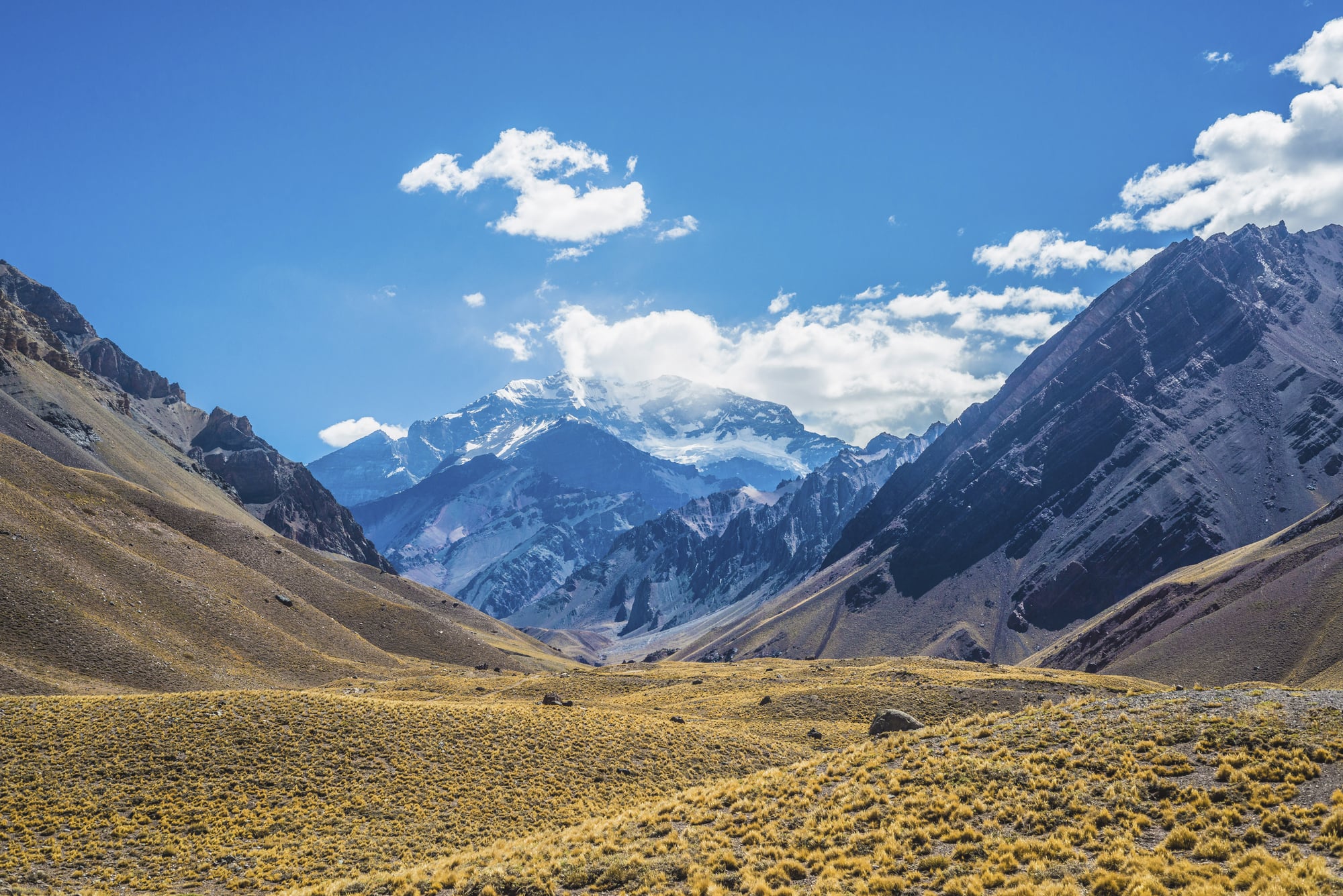
The potato’s story begins high in the Andes Mountains of South America, where indigenous peoples first cultivated them around 8000 BC. These early farmers developed hundreds of different varieties, each adapted to specific altitudes and climate conditions. The original wild potatoes were quite different from today’s versions—they were smaller, more colorful, and sometimes bitter to protect against pests.
One Potato Plant Can Produce 20 Pounds of Potatoes
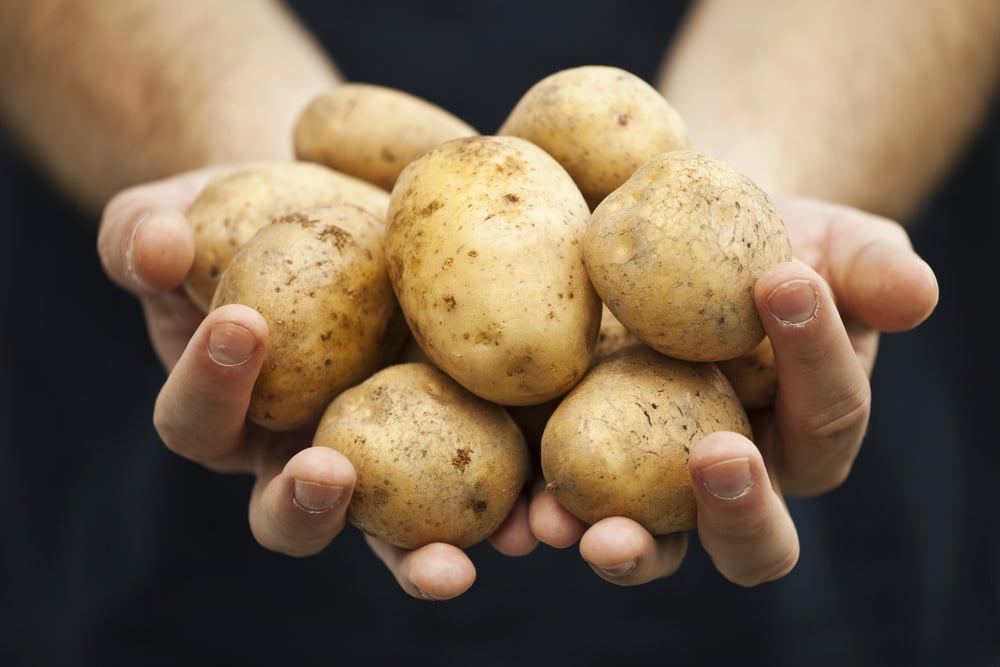
A single potato plant can yield an impressive harvest of up to 20 pounds of potatoes in ideal growing conditions. This incredible productivity is one reason why potatoes became such an important food source worldwide. Compare that to wheat, where you need entire fields to produce the same nutritional value that a small potato patch can deliver.
Like Go2Tutors’s content? Follow us on MSN.
Potatoes Are 80% Water

Despite their hearty appearance, potatoes consist of roughly 80% water, with the remaining 20% being starch, protein, and other nutrients. This high water content explains why potatoes feel so satisfying when you eat them—you’re getting hydration along with your carbohydrates. It’s also why properly stored potatoes can last for months without spoiling, as long as they don’t get too warm or moist.
The Potato Famine Changed Ireland Forever

The Irish Potato Famine of the 1840s dramatically altered the course of history for both Ireland and America. When a disease called potato blight destroyed Ireland’s primary food source, over one million people died and another million emigrated, many to the United States. This tragedy occurred because the Irish had become overly dependent on a single potato variety, demonstrating the dangers of agricultural monoculture.
Potatoes Were Once Considered Poisonous
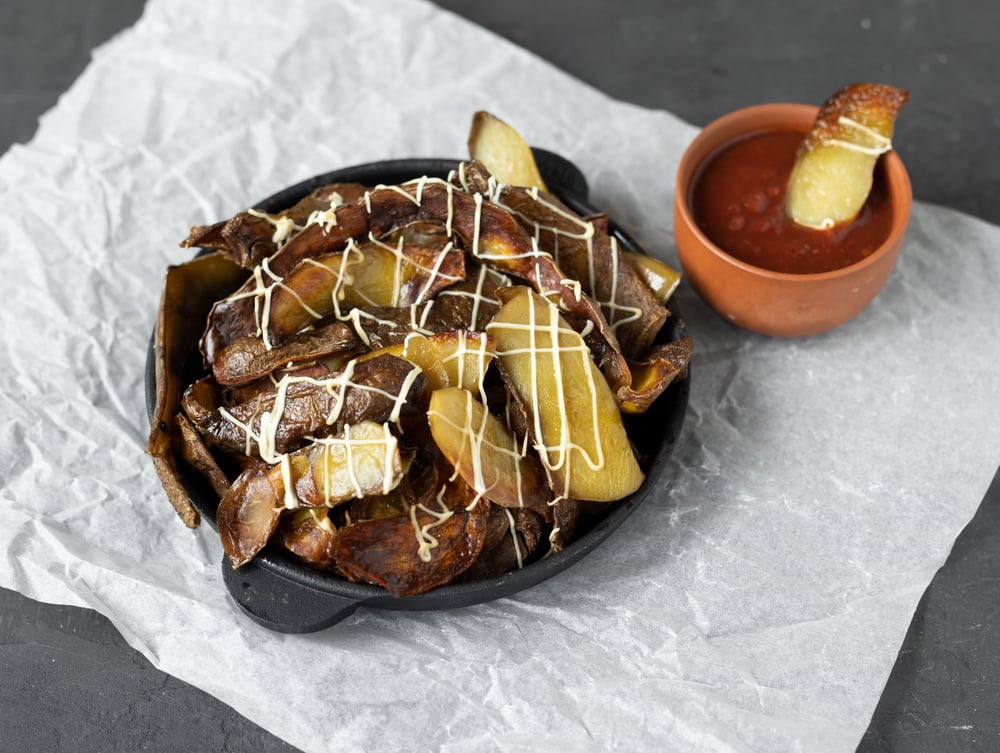
European aristocrats in the 16th and 17th centuries believed potatoes were poisonous, and they weren’t entirely wrong. Wealthy Europeans ate from pewter plates, and the high acid content in tomatoes and potatoes would leach lead from the pewter, causing lead poisoning. Additionally, people often ate the leaves and stems instead of the tubers, which actually are toxic due to compounds called glycoalkaloids.
Like Go2Tutors’s content? Follow us on MSN.
China Produces the Most Potatoes Globally

China leads the world in potato production, growing over 90 million tons annually—nearly a quarter of the global supply. The country has embraced potatoes not just as a food crop but as a strategic resource for food security. Russia follows as the second-largest producer, which makes sense given that potatoes thrive in cooler climates and shorter growing seasons.
Potatoes Can Grow in Space
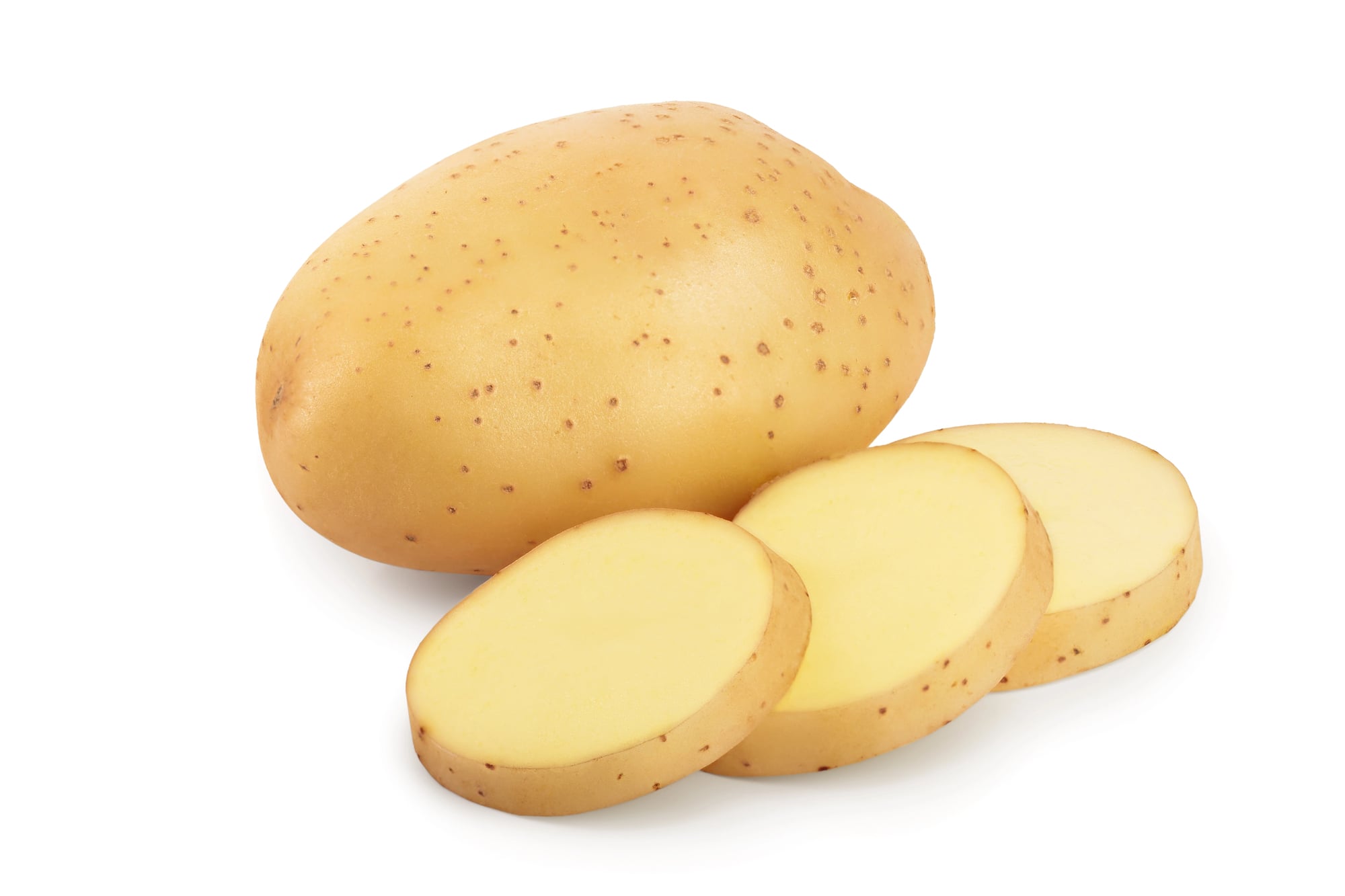
NASA has successfully grown potatoes in simulated space conditions, making them a candidate for feeding future Mars colonists. The University of Wisconsin created a specialized growing system that mimics Martian soil conditions using nutrient solutions and artificial lighting. Potatoes’ hardiness and nutritional completeness make them ideal for space travel—astronauts could theoretically survive on potatoes alone for extended periods.
French Fries Aren’t Actually French

Despite their name, French fries likely originated in Belgium, not France. Belgian legend claims that villagers along the Meuse River were frying small fish, but when the river froze during winter, they cut potatoes into fish-like strips and fried those instead. American soldiers stationed in Belgium during World War I encountered these fried potatoes and called them ‘French’ fries because French was the local language, not because of their origin.
Like Go2Tutors’s content? Follow us on MSN.
Potatoes Contain More Potassium Than Bananas
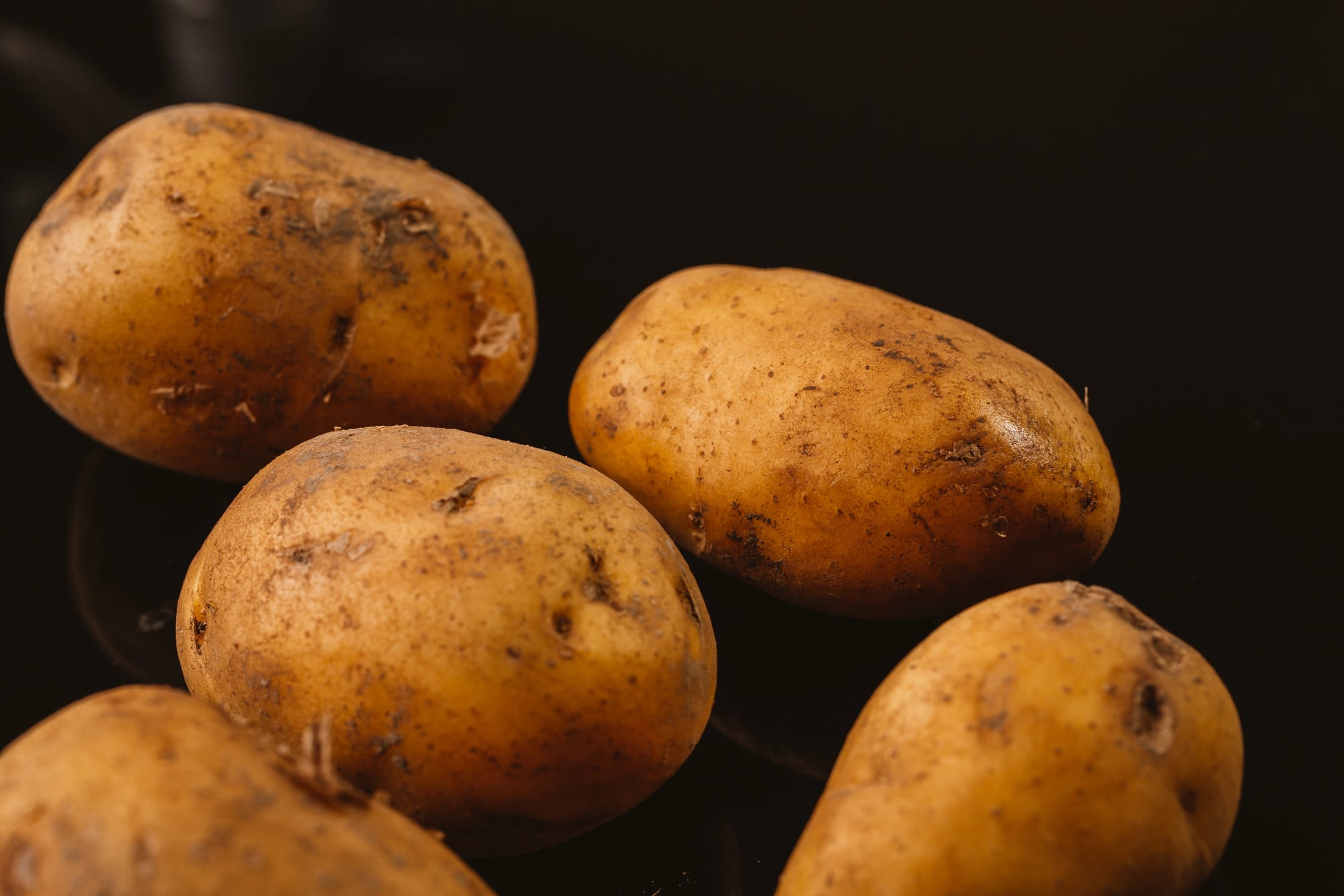
A medium-sized potato contains about 620 milligrams of potassium, compared to roughly 360 milligrams in a banana. This mineral is crucial for heart health, muscle function, and maintaining proper blood pressure. The potato’s potassium content, combined with its vitamin C and fiber, makes it a surprisingly nutritious choice when prepared without excessive oil or butter.
The Potato Was the First Vegetable Grown in Space
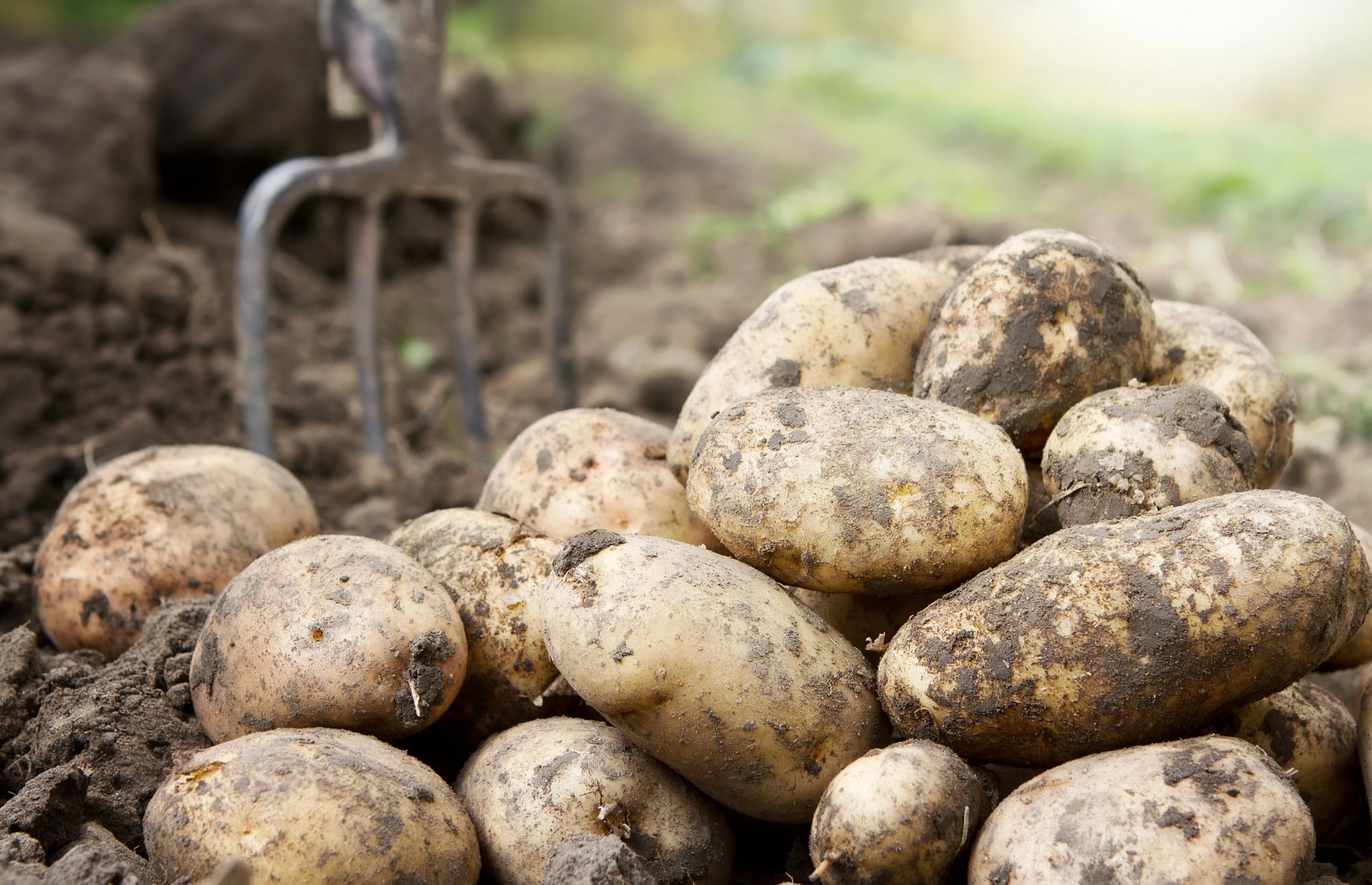
In 1995, potatoes became the first vegetables grown in space aboard the Space Shuttle Columbia. Scientists chose potatoes for this historic experiment because of their efficiency—they provide more nutrition per square foot than almost any other crop. The successful space-grown potatoes proved that humans could potentially sustain themselves on long-duration space missions using familiar Earth foods.
Potato Chips Were Invented by Accident
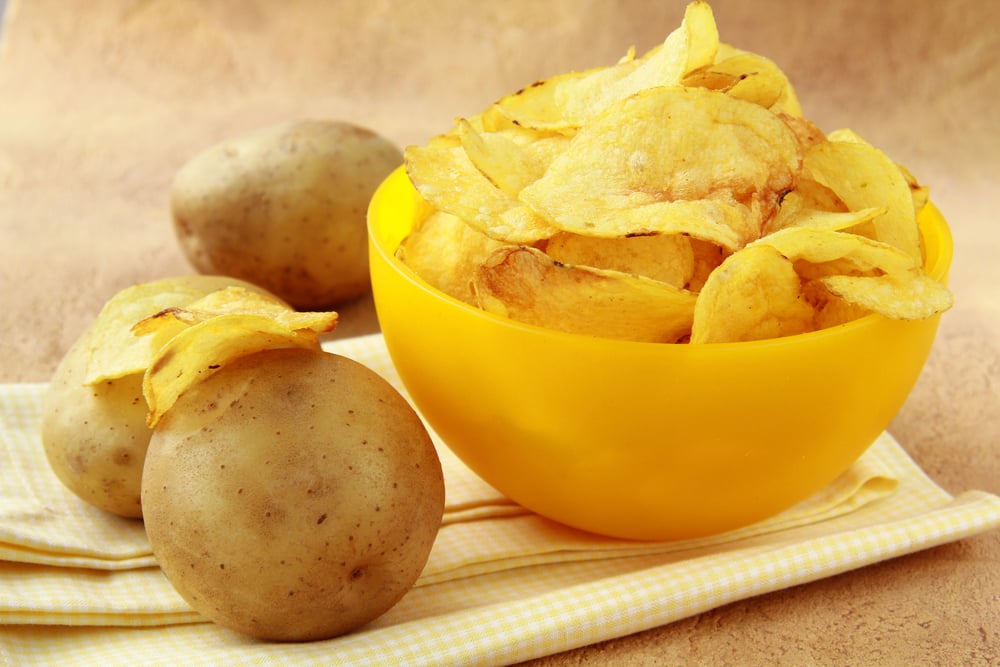
The potato chip was born from a chef’s frustration in 1853 at a restaurant in Saratoga Springs, New York. When a customer repeatedly complained that his fried potatoes were too thick and soggy, chef George Crum decided to slice them paper-thin and fry them until they were crispy. The customer loved the result, and potato chips were born from this moment of culinary spite.
Like Go2Tutors’s content? Follow us on MSN.
There Are Over 4,000 Potato Varieties Worldwide
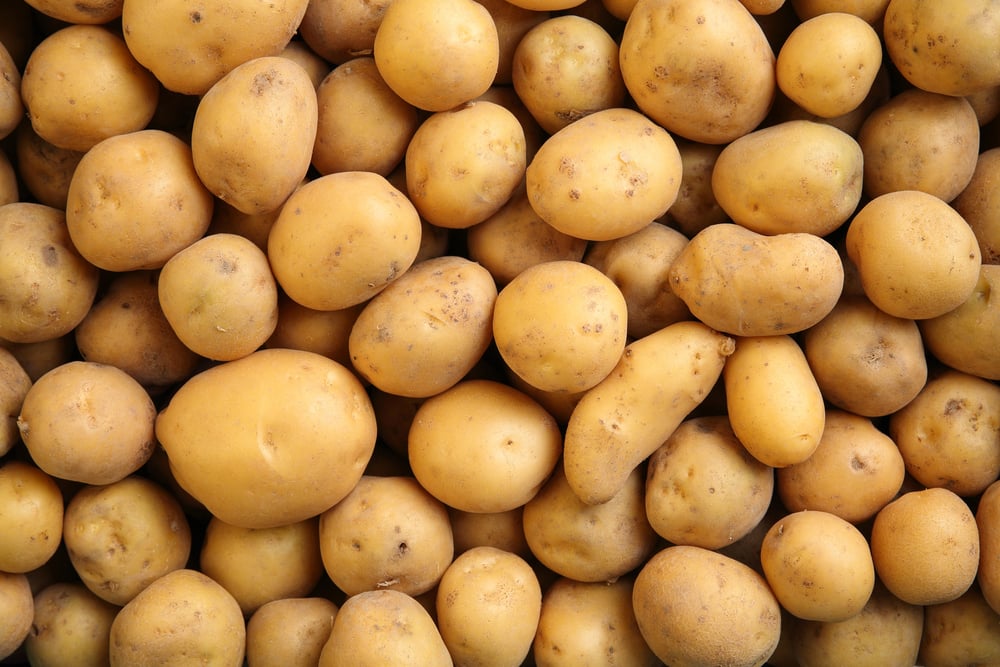
Scientists have identified more than 4,000 different potato varieties across the globe, though only about 150 are commonly grown commercially. These varieties range from purple potatoes in Peru to tiny fingerling potatoes in Europe. Each variety has evolved specific characteristics—some resist diseases, others thrive in particular climates, and many offer unique flavors and textures that local cuisines have embraced.
Potatoes Can Remove Stains and Tarnish

The mild acid in potatoes makes them surprisingly effective cleaning agents for certain materials. Cut a potato in half and rub it on tarnished silverware, and the acids will help restore the shine. The same principle works for removing scuff marks from shoes or even cleaning foggy mirrors and windows, though you’ll want to rinse with water afterward to avoid leaving residue.
McDonald’s Uses Specific Potato Varieties
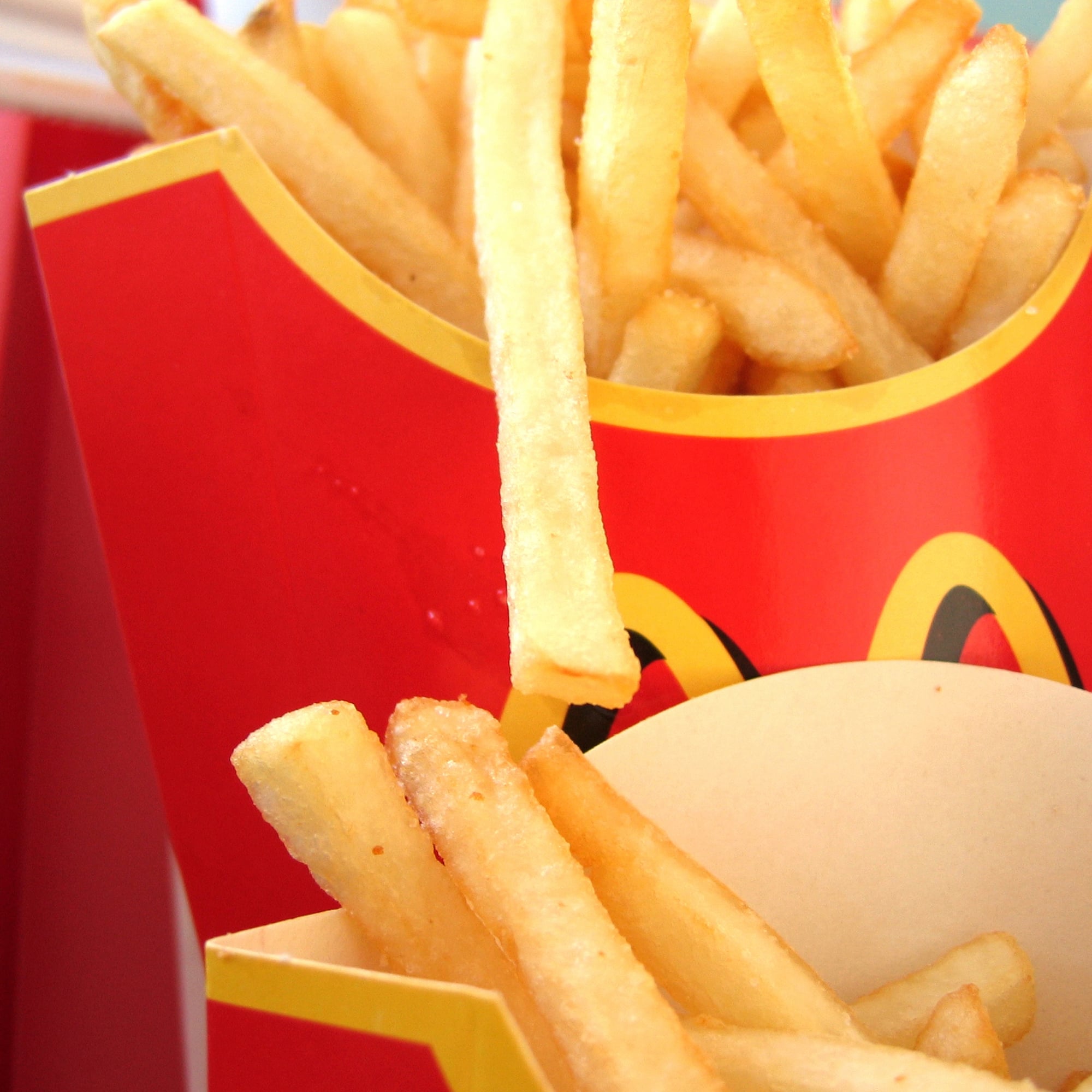
McDonald’s sources their french fries from specific potato varieties, primarily Russet Burbank and Shepody potatoes, chosen for their ideal length, shape, and sugar content. These varieties create the perfect balance of crispy exterior and fluffy interior that defines McDonald’s fries. The company works with farmers years in advance to ensure consistent supply and quality, making their french fry operation one of the most sophisticated agricultural partnerships in the food industry.
Like Go2Tutors’s content? Follow us on MSN.
Potatoes Can Generate Electricity
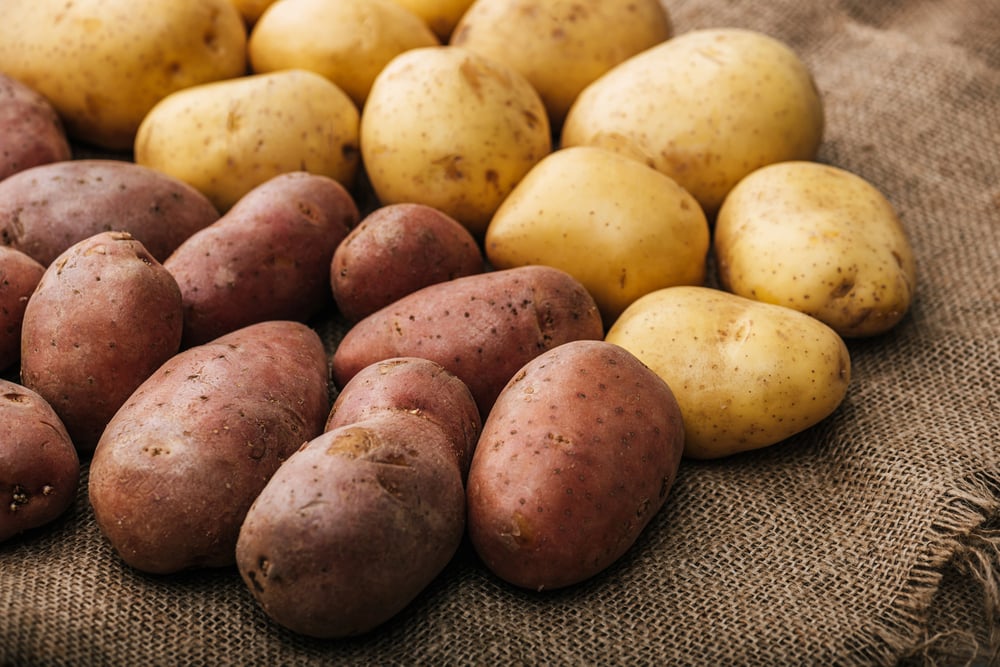
A potato can actually power small electronic devices through a simple chemical reaction. When you insert electrodes made of different metals (like copper and zinc) into a potato, the potato’s acidic juice creates a mild electrical current. While you won’t power your house with potatoes, this principle has been used to create potato-powered clocks and LED lights in science experiments.
The Largest Potato Weighed 18 Pounds

The world record for the largest potato goes to a monster tuber grown in Lebanon that weighed over 18 pounds—about the size of a small dog. Most potatoes weigh between 5 and 10 ounces, making this record-holder roughly 30 times larger than average. Growing such enormous potatoes requires perfect soil conditions, optimal weather, and careful cultivation techniques that most home gardeners would find challenging to replicate.
Potatoes Were Once More Valuable Than Gold
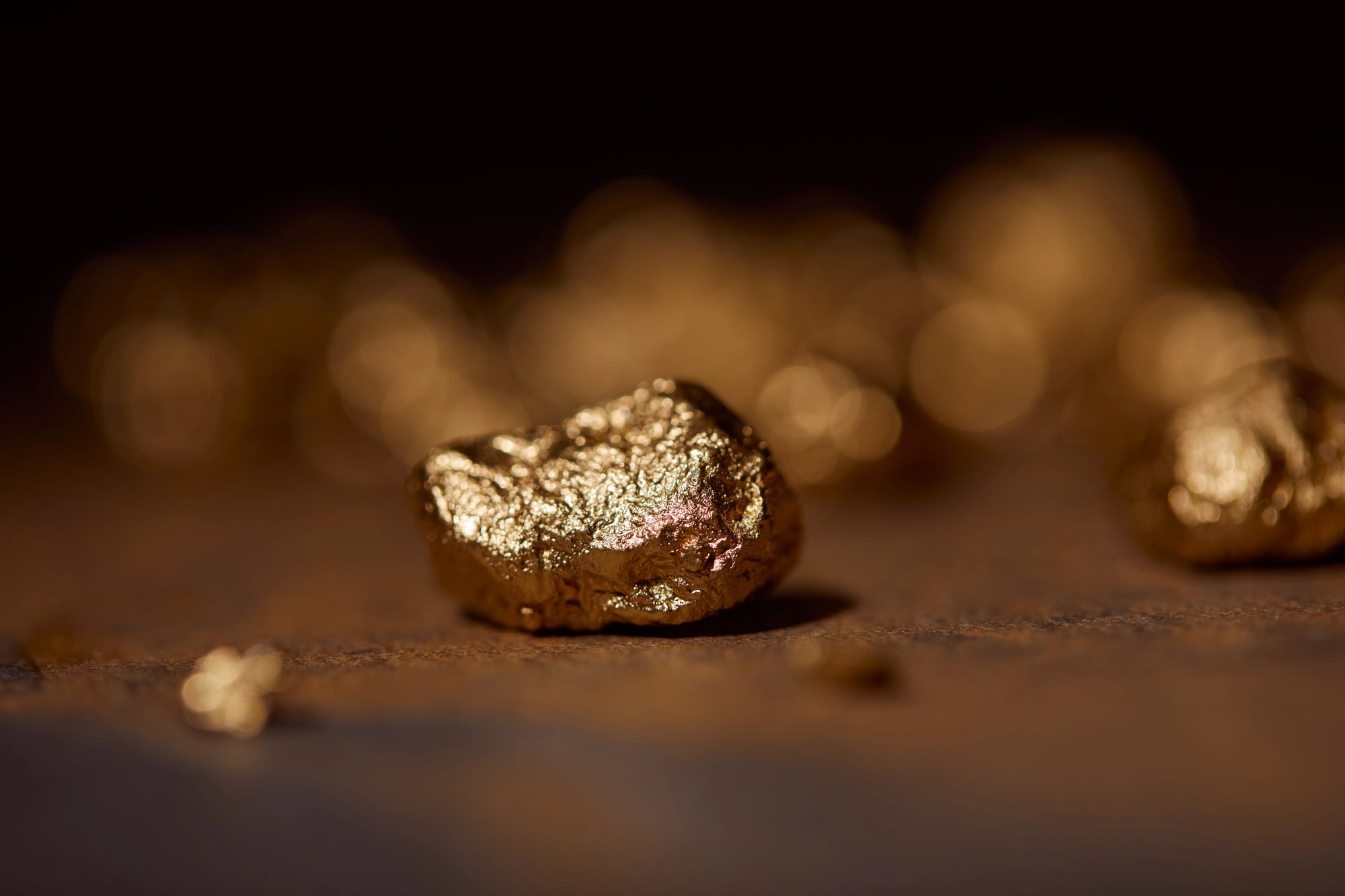
During certain periods in European history, potatoes were literally worth more than gold by weight in some regions. This occurred during famines when food scarcity made potatoes incredibly precious commodities. French pharmacist Antoine-Augustin Parmentier famously promoted potatoes by posting armed guards around his potato fields during the day, then removing them at night—curious locals would steal the ‘valuable’ potatoes, inadvertently spreading cultivation throughout France.
Like Go2Tutors’s content? Follow us on MSN.
From Ancient Andes to Modern Tables

The potato’s remarkable journey from a small Andean tuber to a global food staple reflects humanity’s ability to adapt and innovate with nature’s gifts. What started as a survival crop for mountain communities has become the foundation of countless cuisines and cultures worldwide.
Today’s International Day of Potato celebrates not just a vegetable, but a testament to agricultural ingenuity and the simple truth that sometimes the most extraordinary things come from the most humble beginnings. The next time you enjoy any potato dish, you’re participating in a tradition that spans continents and centuries.
More from Go2Tutors!

- 16 Restaurant Chains That Went Too Fast
- 12 Things Sold in the 80s That Are Now Illegal
- 15 Strange Things People Have Tried to Ban (And Failed)
- 16 Collectibles People Tossed Out Too Soon
- 17 Myths from Your Childhood That Were Actually Based on Real Things
Like Go2Tutors’s content? Follow us on MSN.



