Architectural Styles Born from Cultural Collisions
Architecture tells stories that words sometimes can’t. When different cultures meet, whether through trade, conquest, or migration, their buildings become living proof of that encounter.
These moments of cultural exchange have given us some of the most interesting and beautiful architectural styles the world has ever seen. Let’s explore the fascinating designs that emerged when different traditions came together and created something entirely new.
Indo-Saracenic Revival
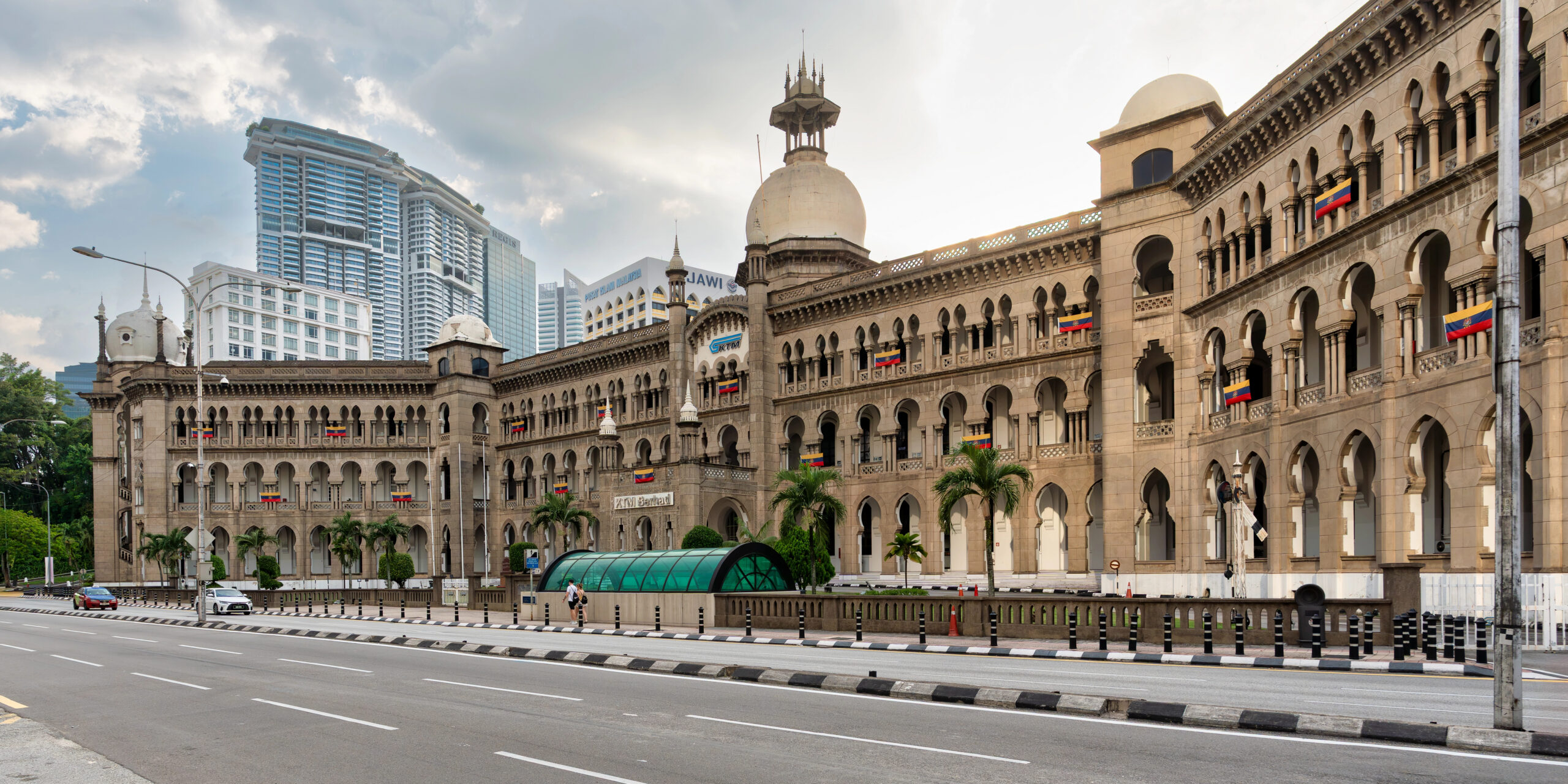
British leaders in India back in the 1800s had a tricky job. They needed structures showing strength while respecting local design roots.
So they mixed dome shapes from Islamic styles with spiky Gothic features along with native Indian touches. Check out Mumbai’s Victoria Terminus – sharp arches sit beside chattris (little roof shelters), creating something totally unique.
Mudéjar
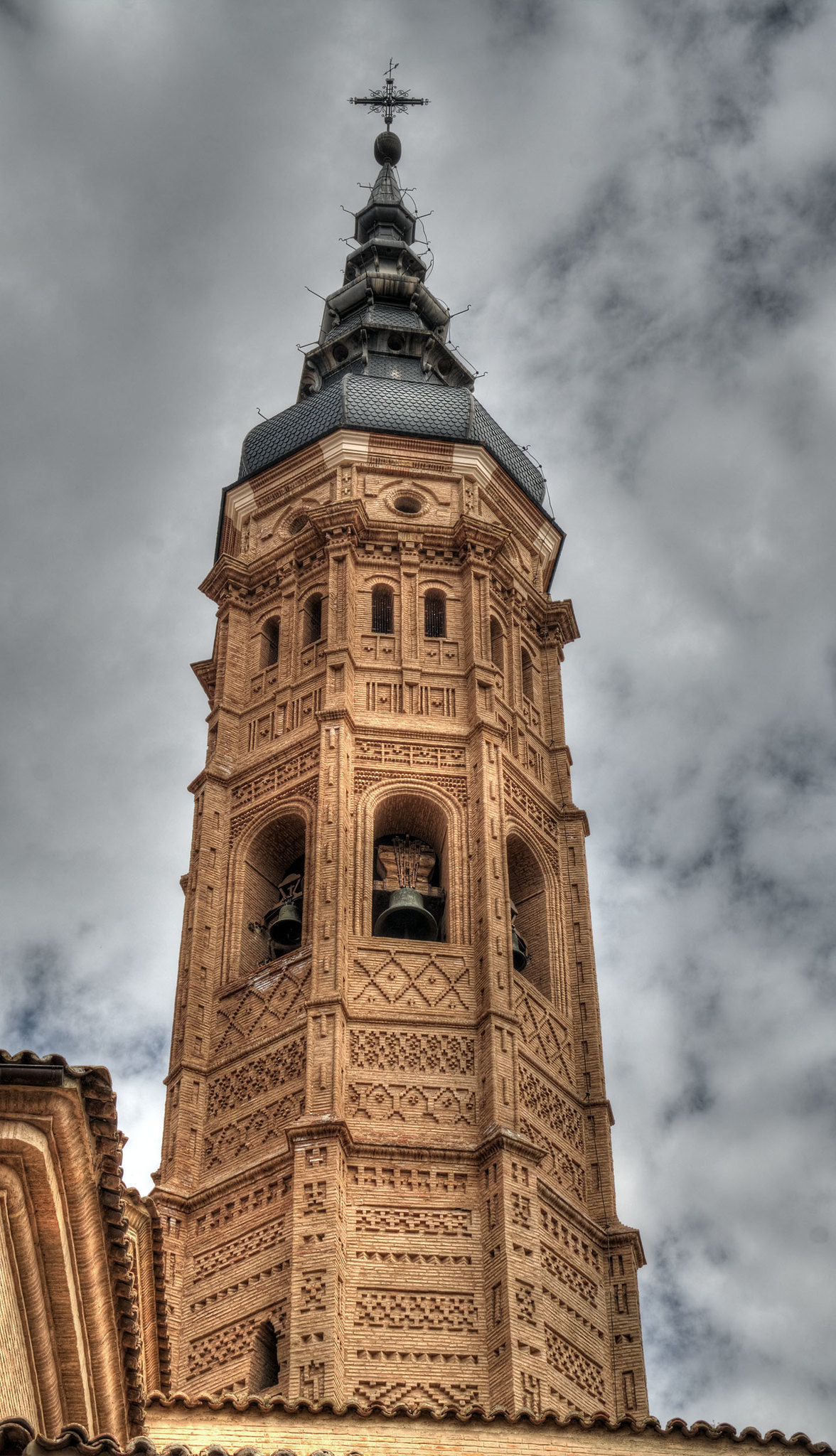
Once Christian kingdoms took back areas of Spain from Muslim leaders in medieval times, the buildings started changing in surprising ways. Though under new rule, Islamic artisans still used their old methods – detailed brick layouts and ornate tile designs.
Instead of mosques, they put those touches on churches and royal homes, making structures unlike any others. Take the Seville Alcázar – it’s a Christian king’s residence filled with curved archways and complex shapes typical of Muslim art.
Cape Dutch
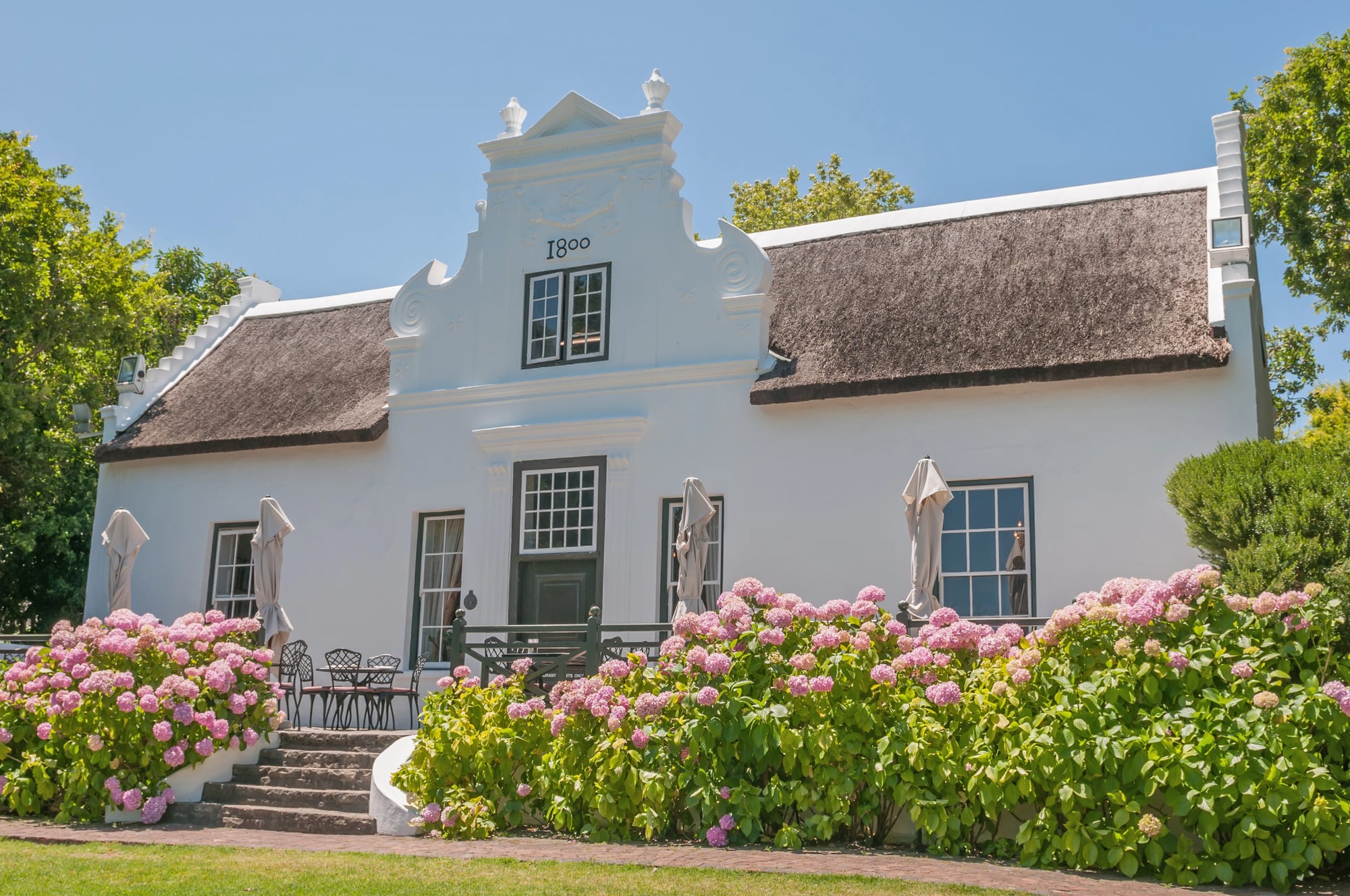
Dutch folks landed in South Africa during the 1600s, bringing their way of building along. Because it was so warm there – plus materials were limited – they had to tweak how they built things.
Big roof coverings made of dry grass gave shade; walls painted white stayed thick to hold back heat. Fancy front ends on buildings came from Indonesian artisans living nearby at the time.
Take Groot Constantia – it shows exactly what that mix looked like.
Sino-Portuguese
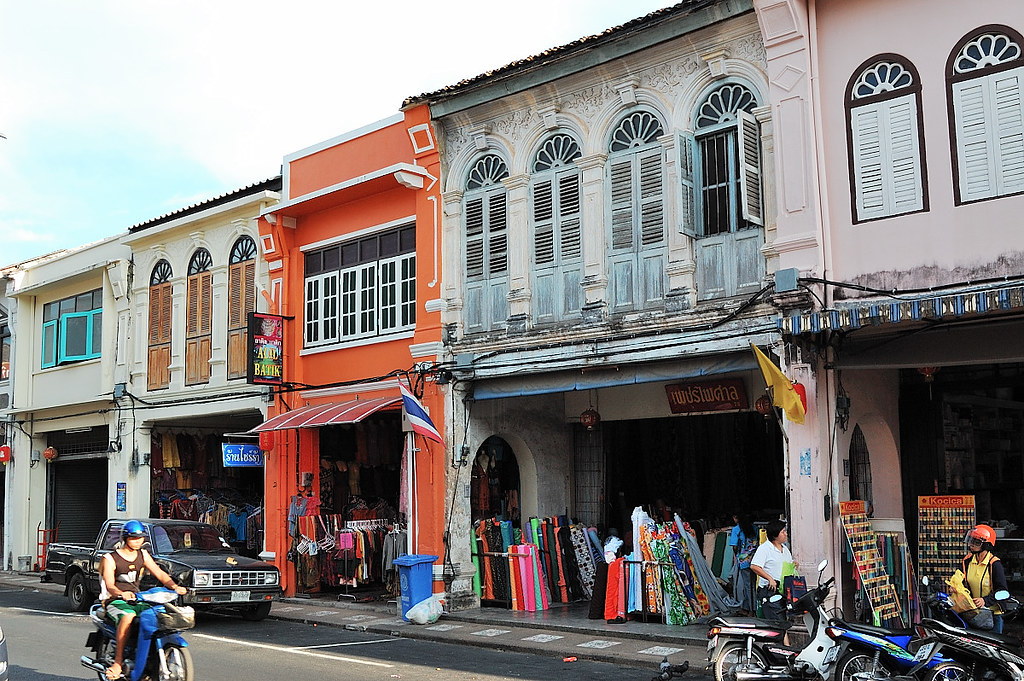
Back when Portuguese merchants moved into southern China and parts of Southeast Asia, their fancy baroque designs ran into local Chinese construction ways. In spots such as Phuket or Malacca, you can see shophouses that mix both worlds real well.
Up top, there are window shutters and detailed plasterwork from Europe. Down below, the bases follow Chinese styles – open walkways included.
Soft-colored fronts with busy details shape streets that feel neither fully Western nor entirely Eastern.
Mission Revival
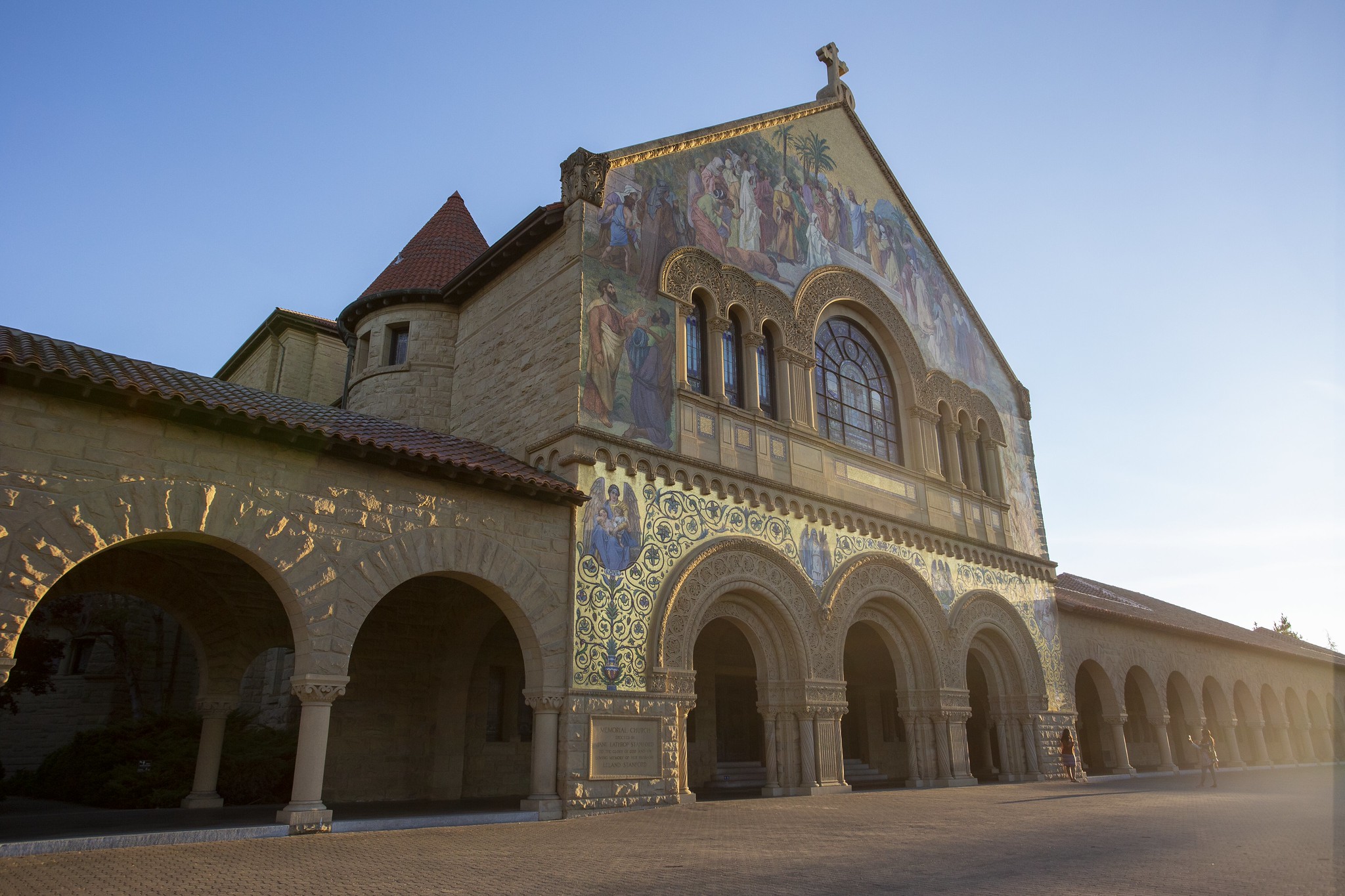
Spanish settlers in the Americas put up churches and government spots using methods they learned back in Spain. Yet, conditions changed – different weather forced them to adjust.
Local supplies shaped what they could build. Native workers joined in, adding skills from their own traditions.
Instead of just copying old designs, a mix began to form. Heavy mud-brick walls caught on fast.
Red clay rooftops became common. Covered walkways with rounded tops appeared everywhere.
Places like San Juan Capistrano in California tell that story well. There, flashy Spanish styles got toned down.
They blended quietly with local ways of making structures.
Creole
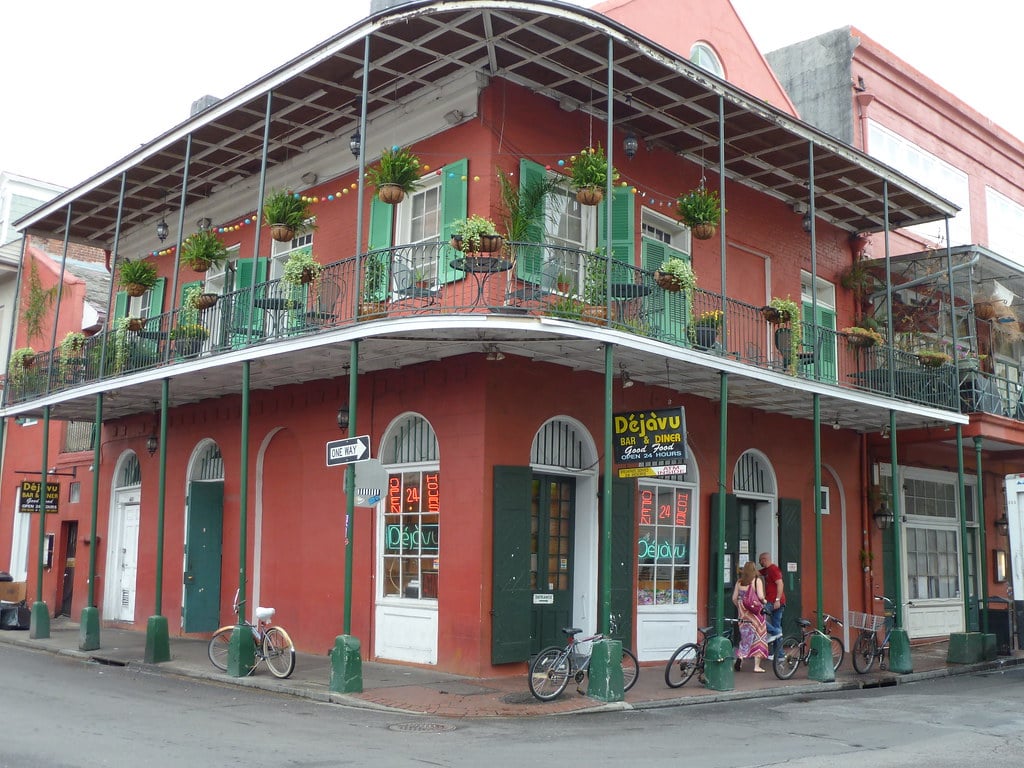
Folks from France and Spain who settled in Louisiana and the Caribbean built homes fit for sticky, storm-prone weather. Houses sat up on posts – kept them dry when floods rolled through – and featured broad porches circling each side, giving cool shade plus airflow.
Craftsmanship borrowed from Africa and island builders shaped how things were put together, along with little ornamental details. You can still see it today in New Orleans’ French Quarter, where iron railings and window shutters reflect both tropical needs and European flair.
Moorish Revival
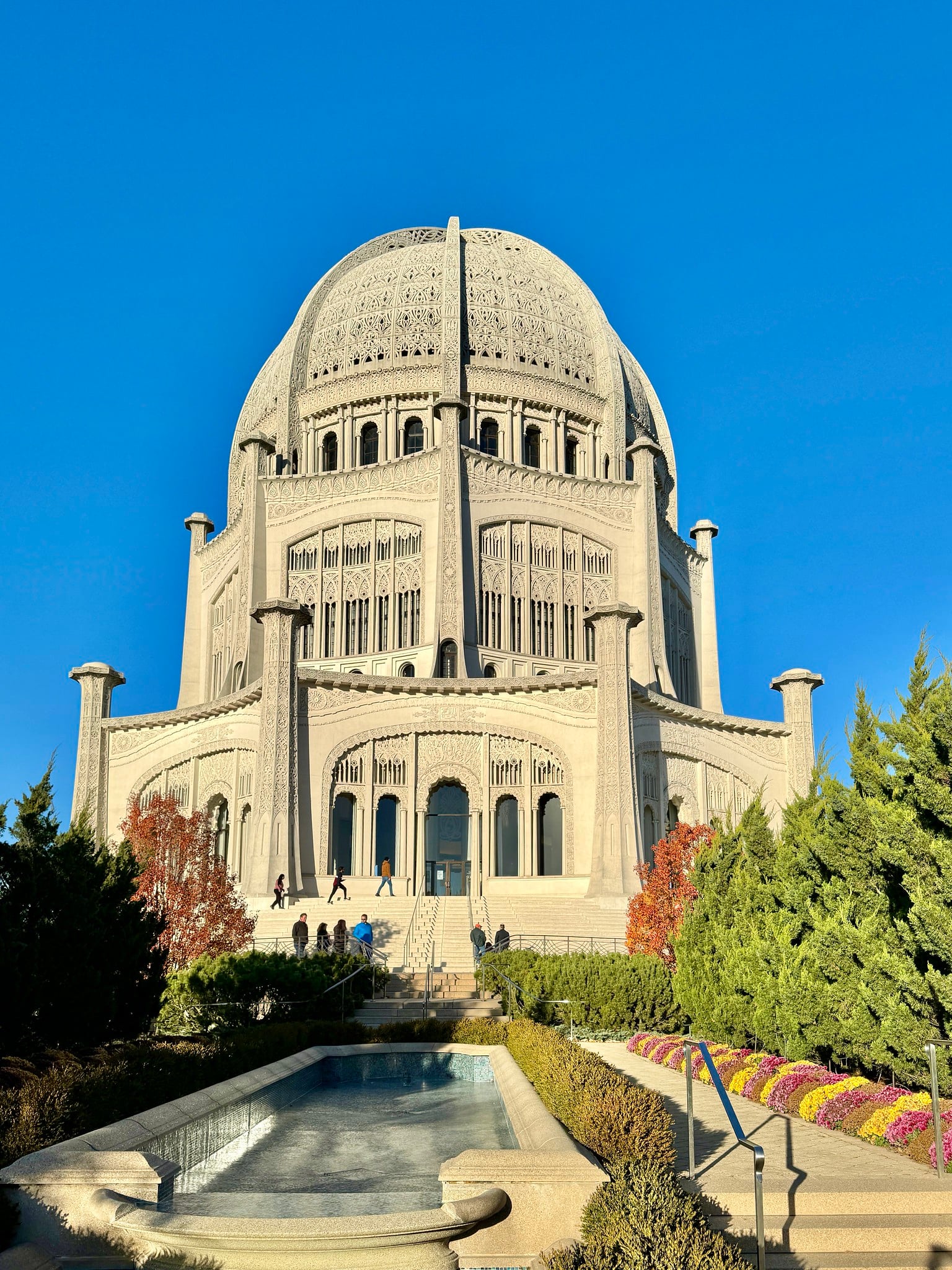
European and American builders during the 1800s got drawn to Islamic designs from places like Morocco and southern Spain. Instead of copying exactly, they mixed in curved arches, detailed tiles, or swollen domes into cinemas, temples, and also private houses.
Their approach wasn’t about accuracy – more about showing what felt mysterious and striking to them. Take the old Alhambra Theatre in San Francisco – it showed how these ideas were reimagined freely before being torn down.
Anglo-Indian Bungalow
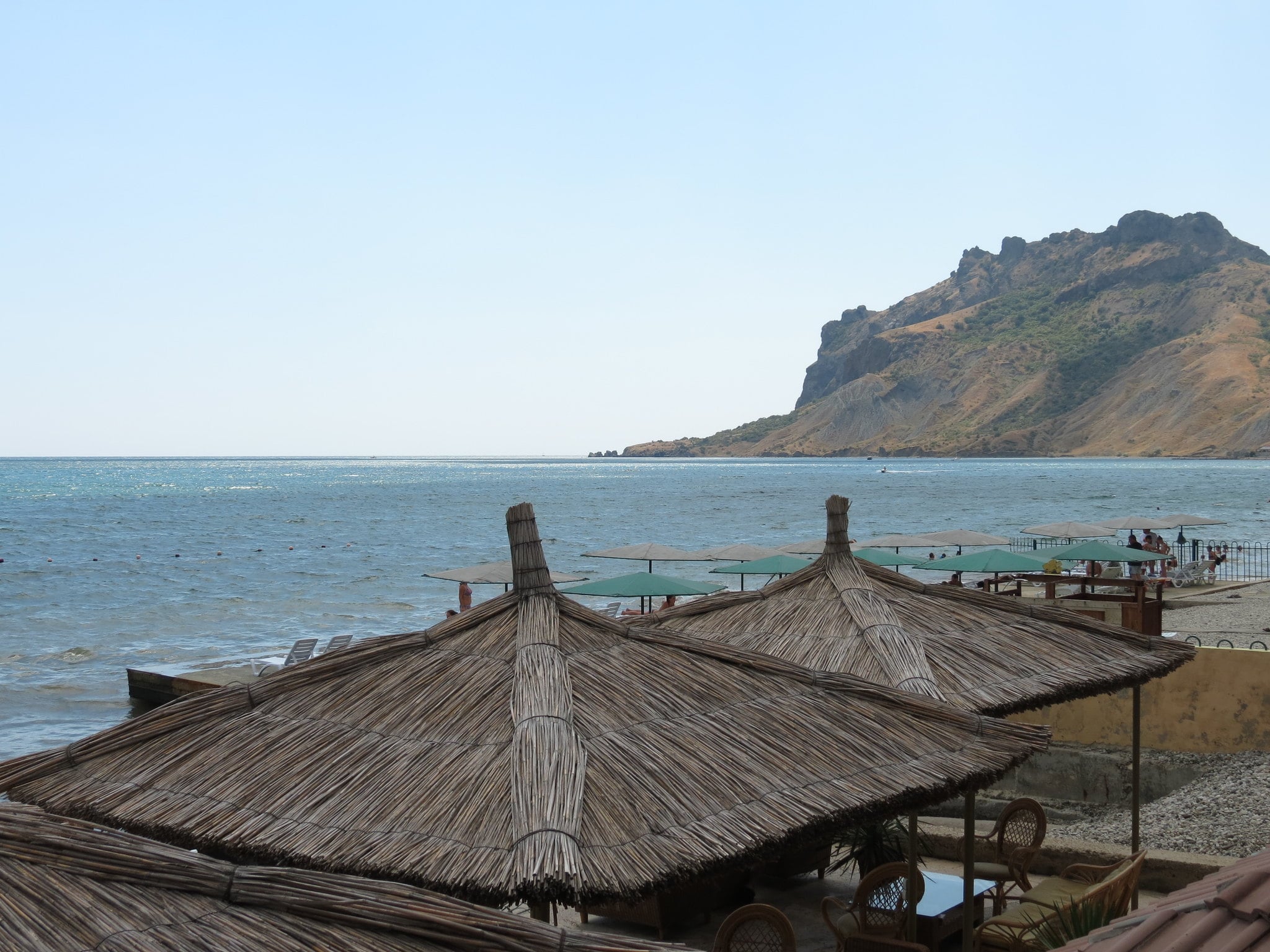
British settlers in India wanted houses suited to the heat. So they borrowed the idea of the Bengali bangla – a hut with a porch – and mixed it with their own tastes for roomy living.
Porches stretched along the sides, tall ceilings helped trap less heat, while doors linked spaces to let breezes flow through. Over time, this blend shaped how homes were built in suburbs across Britain and places where people spoke English.
Sino-Soviet
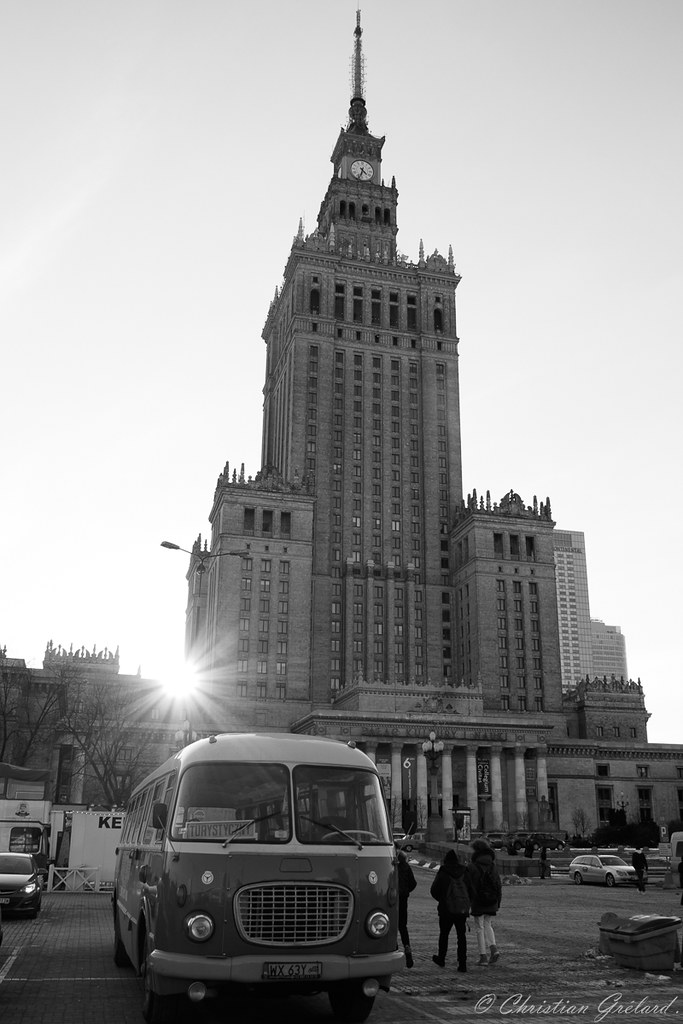
In the 1950s, when the USSR teamed up with China, Russian planners traveled there to assist in building big projects. Instead of sticking strictly to local styles, they pushed bold, massive forms mixed with old-school European touches.
Meanwhile, Chinese designers tweaked those blueprints – slapping curved rooftops or carved bits onto hulking gray frames. So now some places feel off, such as the Beijing Exhibition Hall, where an elaborate Eastern roof sits awkwardly above a rigid Communist-era base.
Tropical Modernism
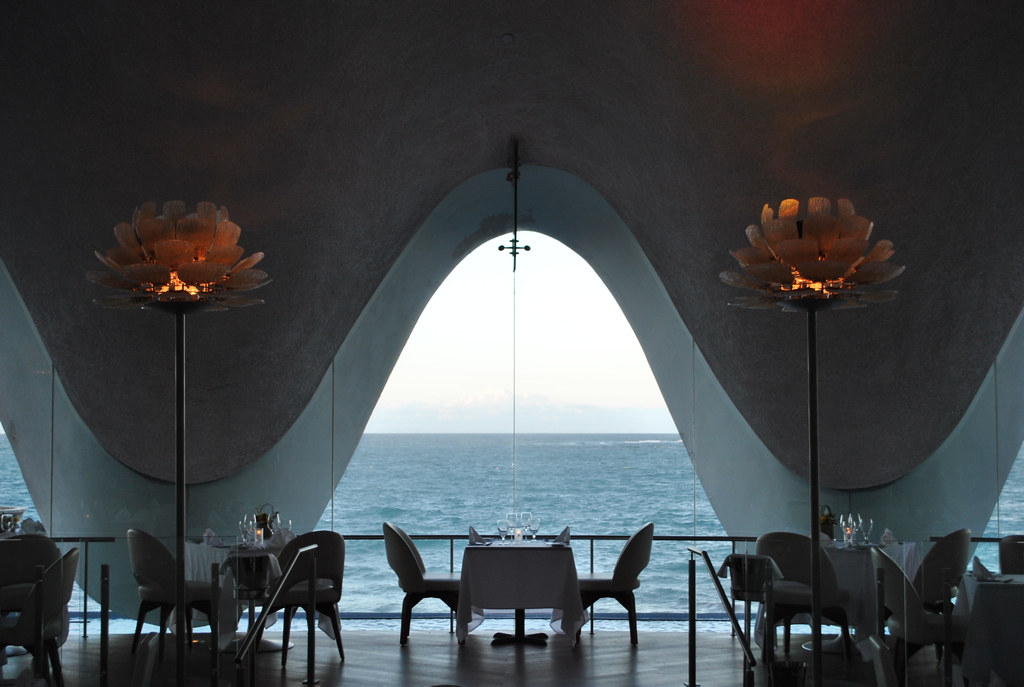
Post WWII, European and North American modernist architects took on builds in newly independent tropical regions. Because of blazing sunlight, downpours, and muggy air, they couldn’t stick strictly to sleek glass boxes.
Instead, structures began featuring wide roof extensions, latticed shading panels, and breezy walkways without walls. Take Maxwell Fry and Jane Drew’s projects across West Africa – there, minimalist design mixed with local climate demands.
Their approach balanced form with function under harsh weather.
Carpenter Gothic
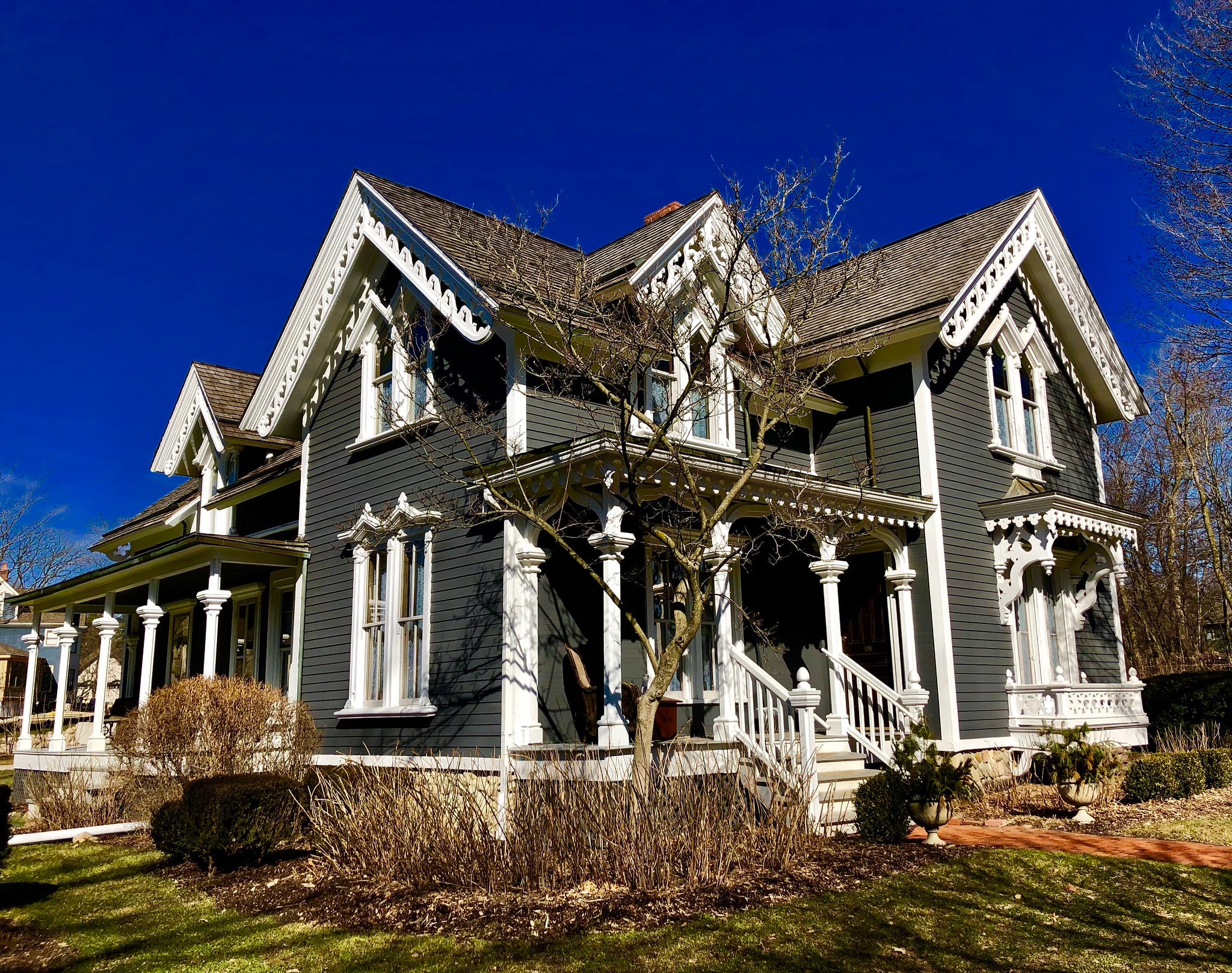
American builders during the 1800s liked the Gothic look spreading across Europe. Yet real stone cost a lot while trained masons weren’t easy to find nearby.
So folks turned to timber along with fresh scroll saw tools. These let them shape sharp arches, high rooftops, plus fancy edges – copying old stone designs from churches overseas.
Take the Iowa Gothic house – it proves how medieval blueprints changed in America thanks to local supplies and simpler ways.
Straits Chinese Baroque
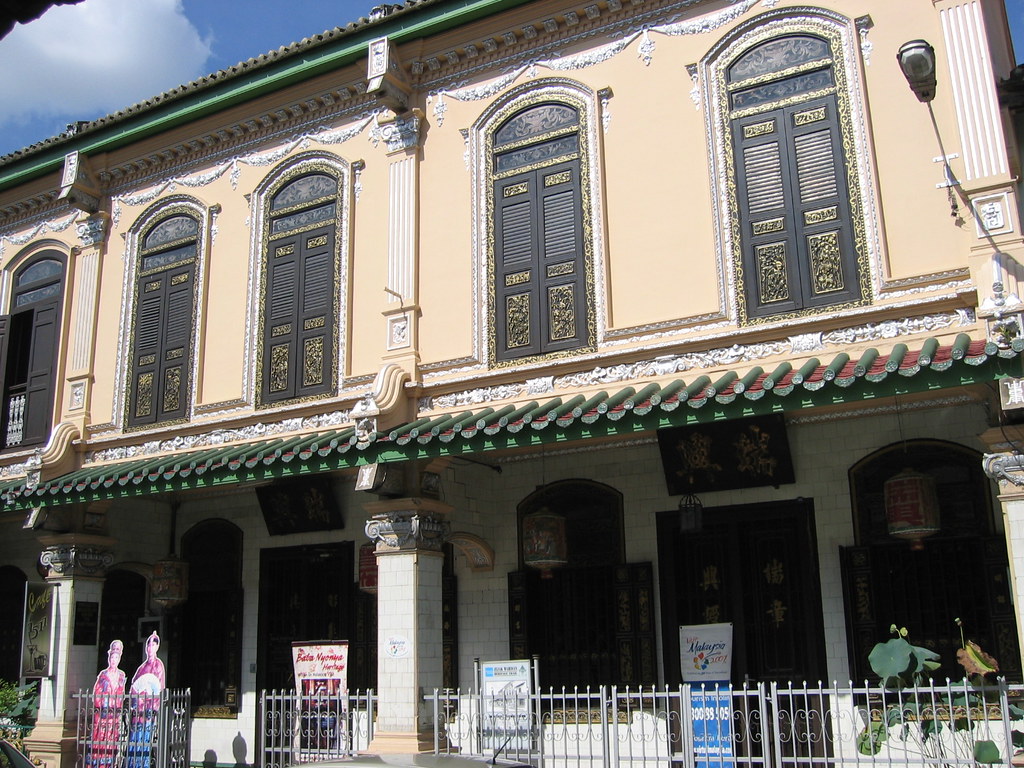
Wealthy Chinese traders in Malaysia and Singapore put up grand city homes back in colonial times. Instead of just copying one style, they mixed southern Chinese design with flashy European baroque plus art nouveau touches learned from colonizers.
Bright porcelain tiles alongside detailed stucco work – and richly decorated wooden carvings – made inside spaces feel totally fresh compared to either China or Europe. A stroll through the Pinang Peranakan Mansion reveals how two worlds merged into one striking structure.
Fantastic Architecture of Las Pozas
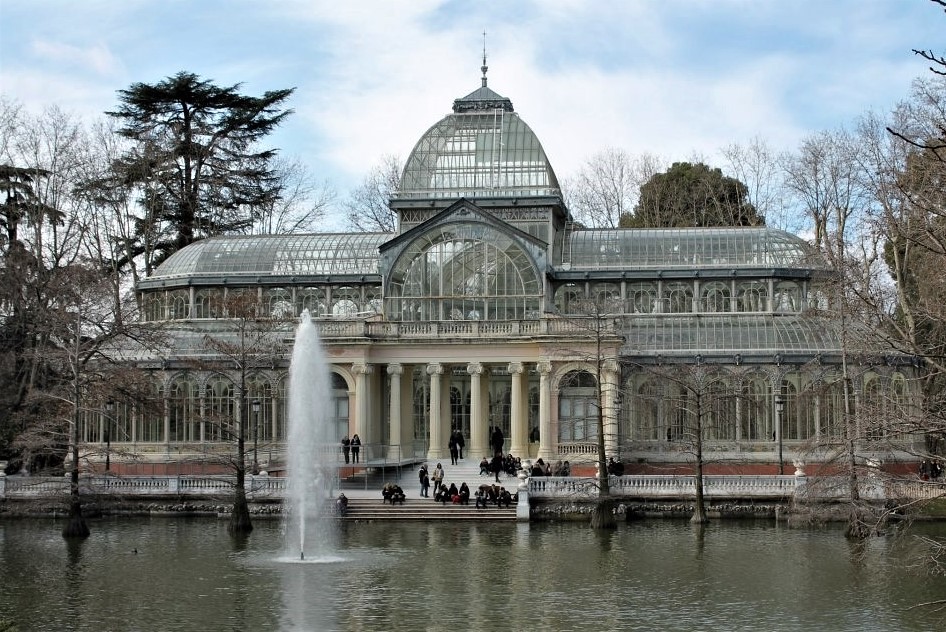
In the thick woods of Mexico, a UK-born writer named Edward James teamed up with nearby builders to craft weird shapes and rooms from poured stone. These odd creations mix dream-like European ideas with leafy patterns pulled straight from the forest and old Aztec sites.
Not exactly classic design – but proof of how outsider art changes when dropped into remote areas using native methods and hands-on skill.
Spanish Colonial Revival
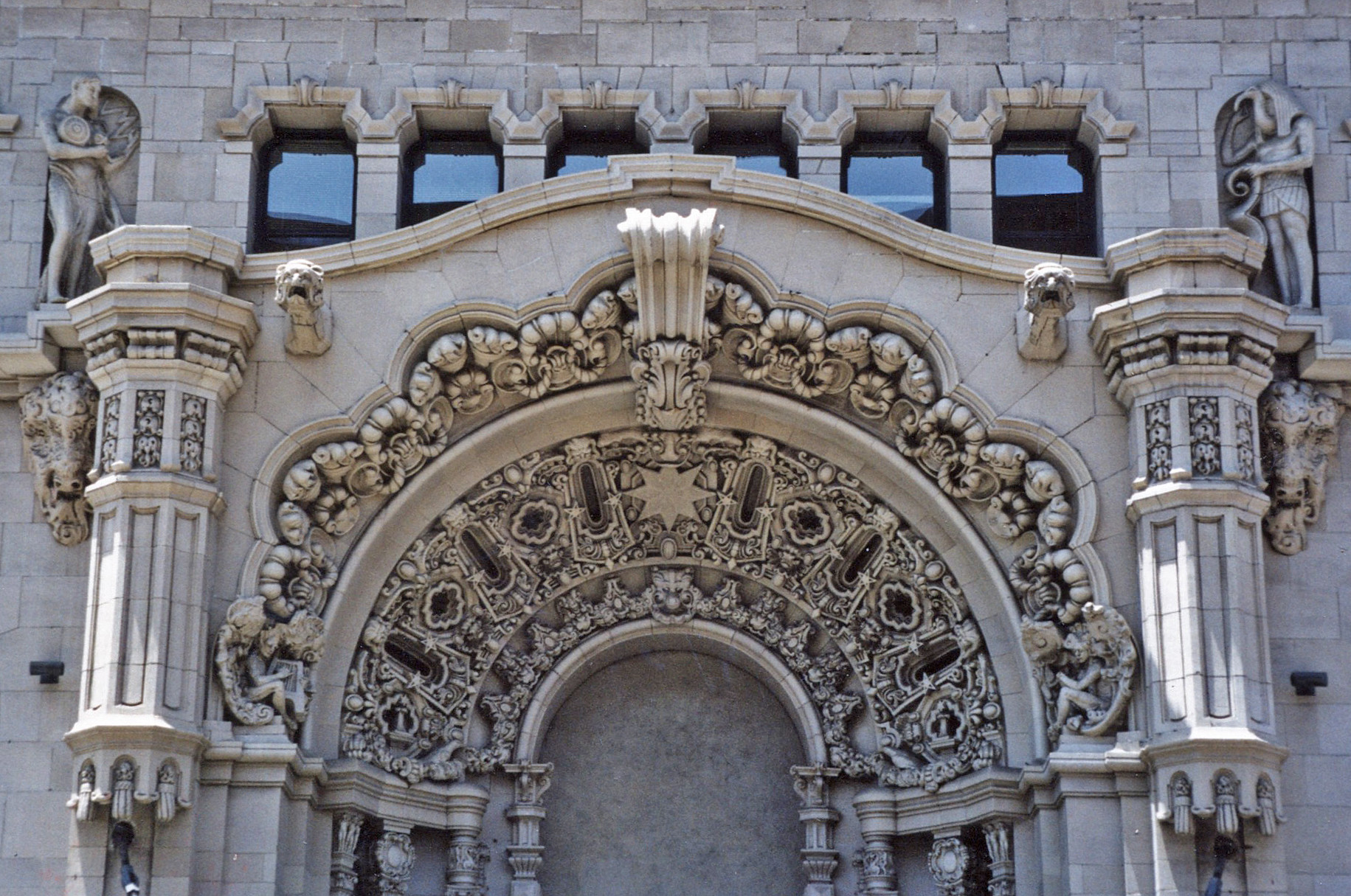
American designers during the 1900s took cues from old Spanish-style homes across the Southwest and California. Instead of copying them exactly, they used features like red roof tiles, smooth plaster walls, and twisty metalwork found on mission sites.
However, they tossed in updated comforts along with touches from Pueblo-inspired shapes or handcrafted wood accents now and then. Towns such as Santa Barbara went all-in – rebuilding whole city centers using this look – to make places that felt historic yet were actually fresh inventions.
Art Deco in Mumbai
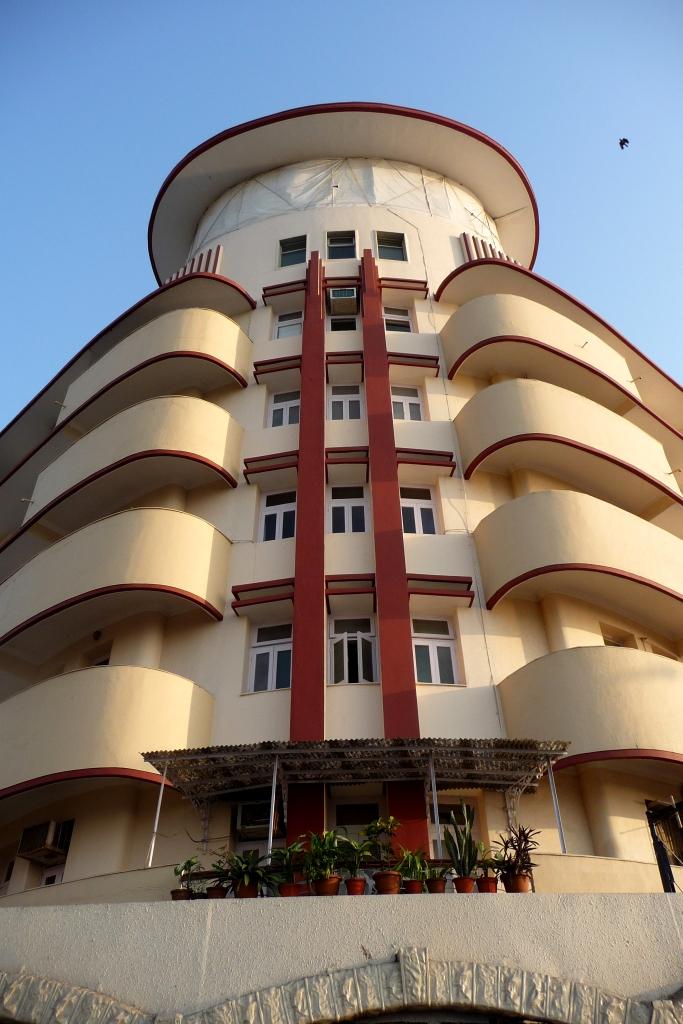
Back in the ’20s and ’30s, when Art Deco took off globally, Mumbai jumped on board fast. Local designers used its sharp shapes and smooth look, but mixed in local flair – think bold hues and native patterns.
Along Marine Drive, you’ll spot these blends everywhere: sleek curves meet carved lotuses, peacocks pop up in facades, and old symbols get a fresh twist through modern design.
Nanyang Style
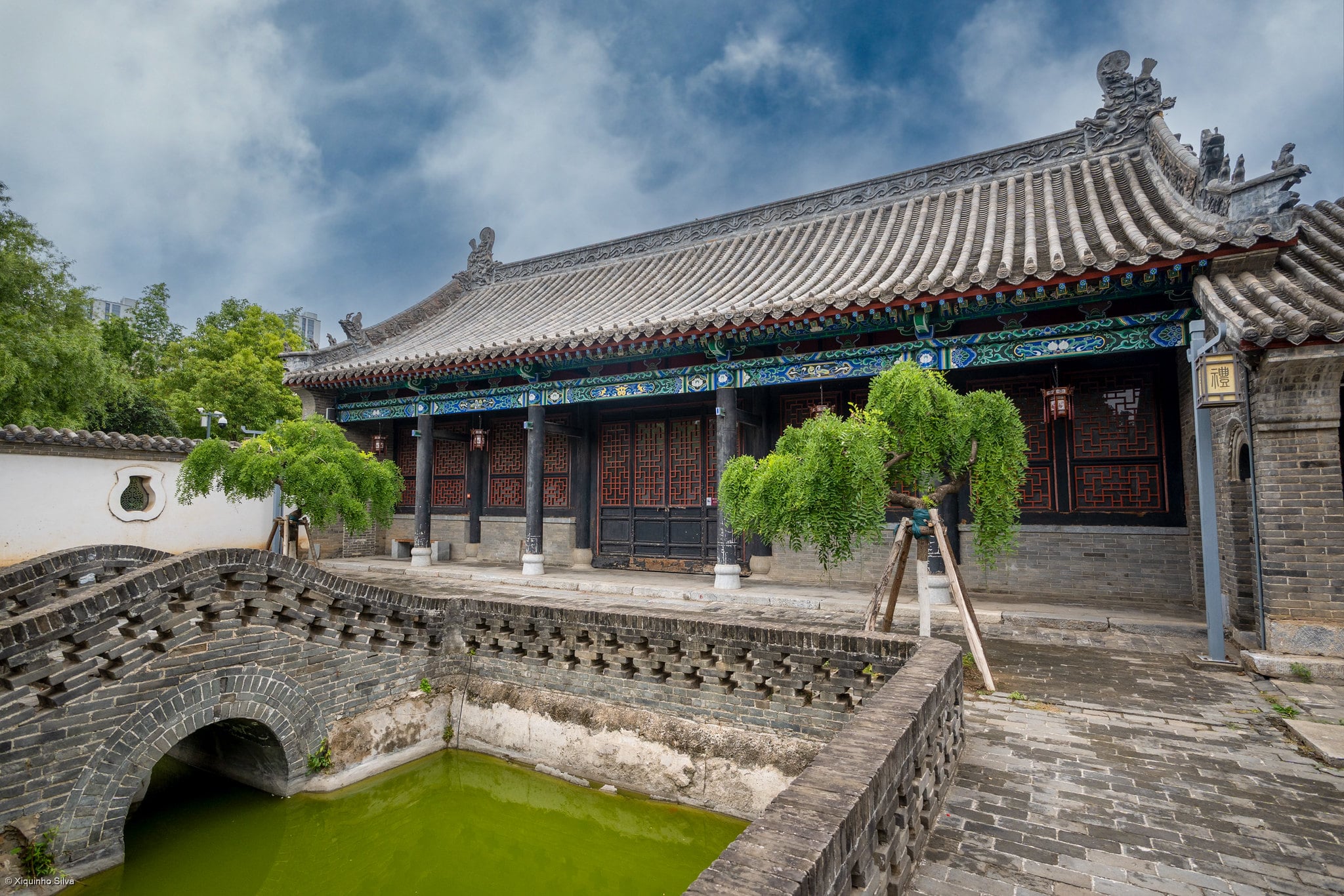
Back then, folks from China who settled across Southeast Asia cooked up a fresh take on houses and shopfronts. Instead of sticking to one look, they mixed old southern Chinese ways with bits picked up from European colonials plus touches from local Malay design.
To keep things cool inside, they added big windows – helped air move through. Colorful tile work gave flair underfoot while carved wooden pieces brought charm overhead.
The end result? Buildings that felt homegrown – not quite Chinese, not quite Western – but something entirely new.
Portuguese Colonial in Goa
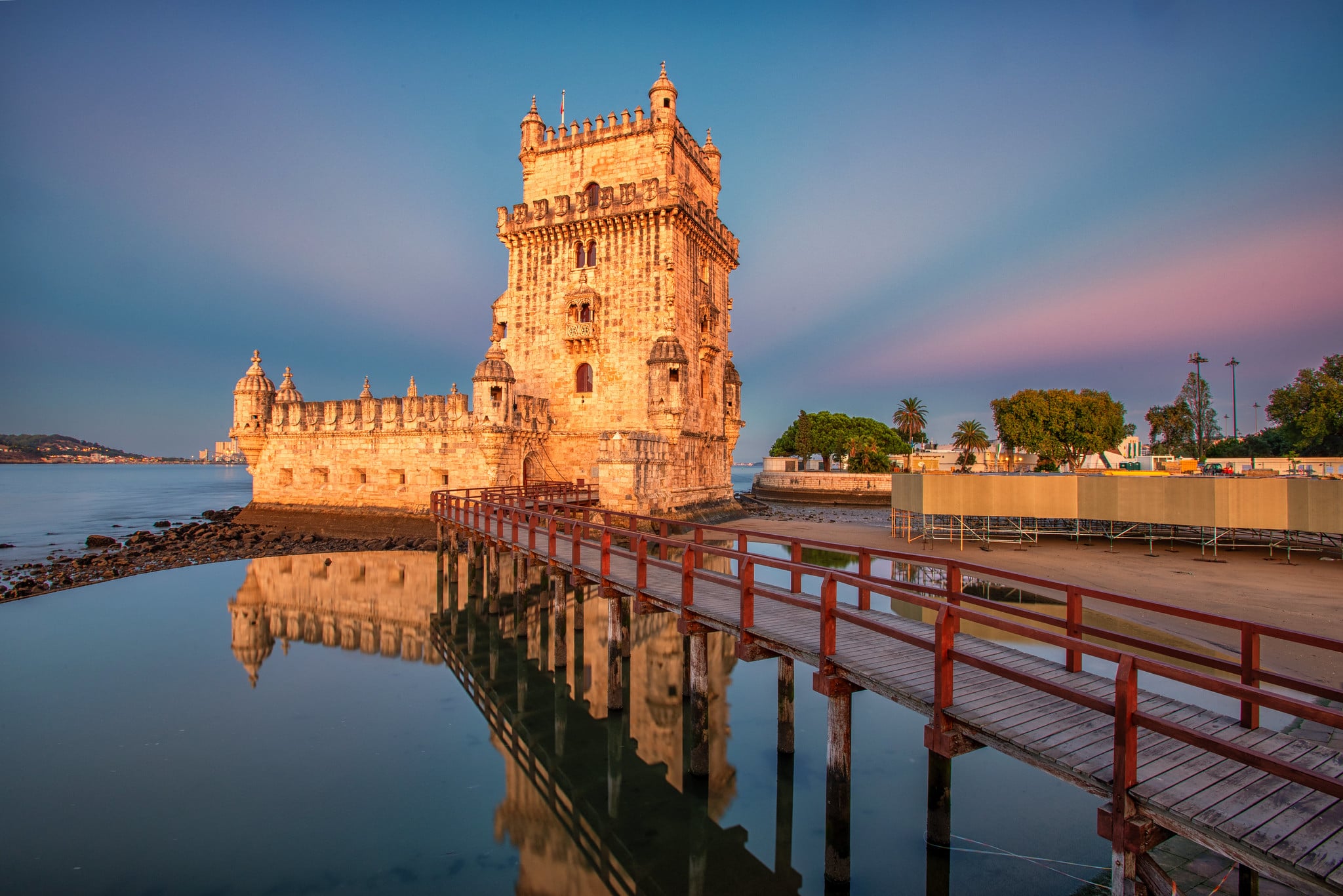
Portugal ruled Goa for over 450 years, creating a unique architectural blend. Portuguese baroque churches and mansions incorporated Indian construction techniques, tropical adaptations, and decorative elements.
Local laterite stone replaced European limestone, wide verandas provided shade, and Hindu craftsmen added their own interpretations to Christian religious imagery in the decorative work.
Blending Forward, Not Back
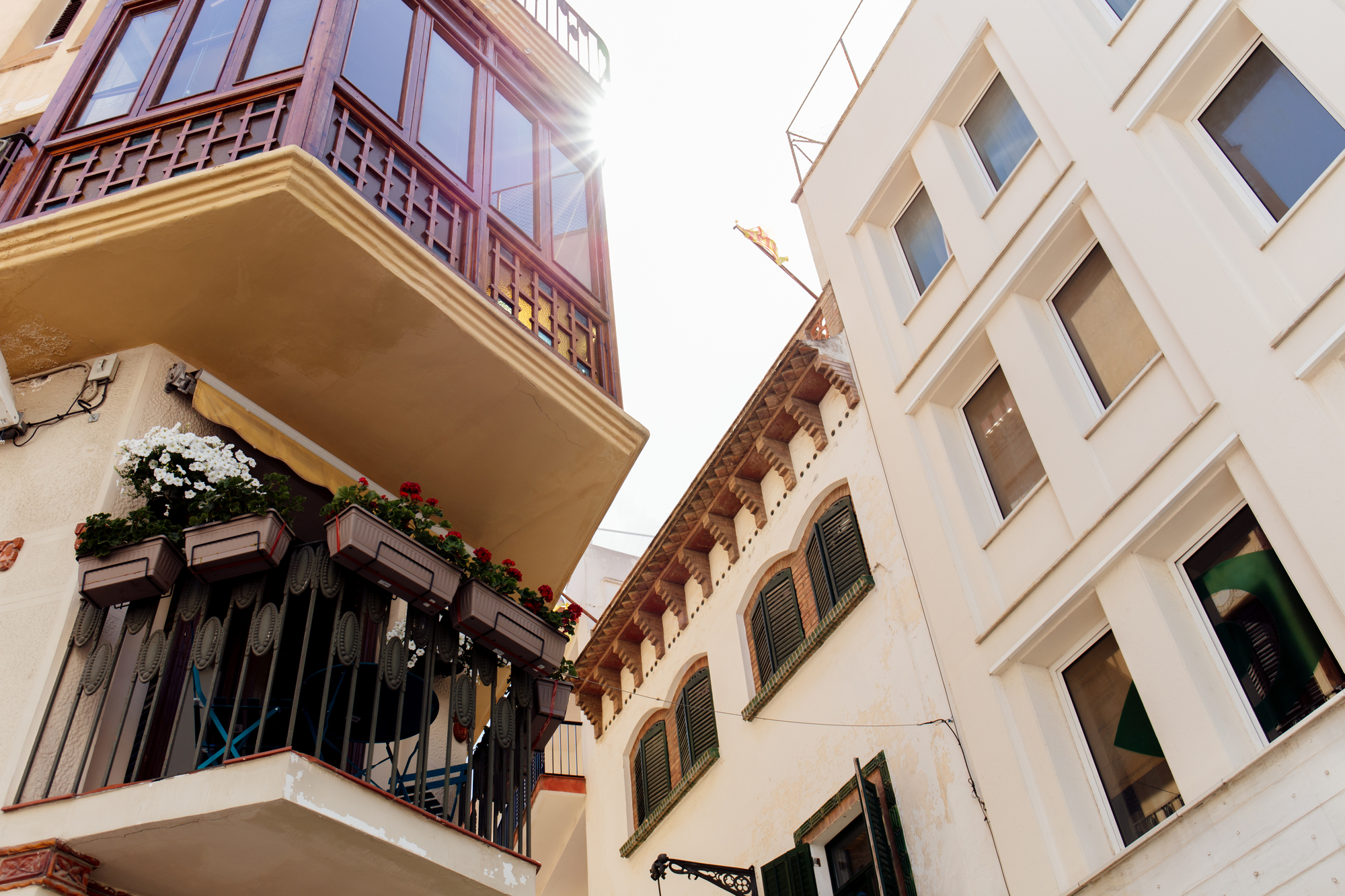
These styles prove that architecture grows richer when cultures meet and share ideas. What might have seemed like compromises or confusion at the time often became the most interesting and well-adapted buildings.
Today’s globalized world continues this tradition, though perhaps less obviously, as architects worldwide share ideas instantly and materials travel across oceans. The collision of cultures in architecture hasn’t stopped; it’s just become so common that we sometimes forget to notice when something truly new emerges from the mix.
More from Go2Tutors!

- The Romanov Crown Jewels and Their Tragic Fate
- 13 Historical Mysteries That Science Still Can’t Solve
- Famous Hoaxes That Fooled the World for Years
- 15 Child Stars with Tragic Adult Lives
- 16 Famous Jewelry Pieces in History
Like Go2Tutors’s content? Follow us on MSN.



