Weirdest Water Worms Ever Discovered
The ocean holds mysteries that would make anyone’s skin crawl. Deep beneath the waves, far from our daily lives, creatures exist that seem more like science fiction than reality.
These underwater worms push the boundaries of what we consider normal, with features so bizarre they challenge our understanding of life itself. Let’s dive into the strange world of these underwater oddities and see what makes them tick.
The bootlace worm that’s longer than most whales
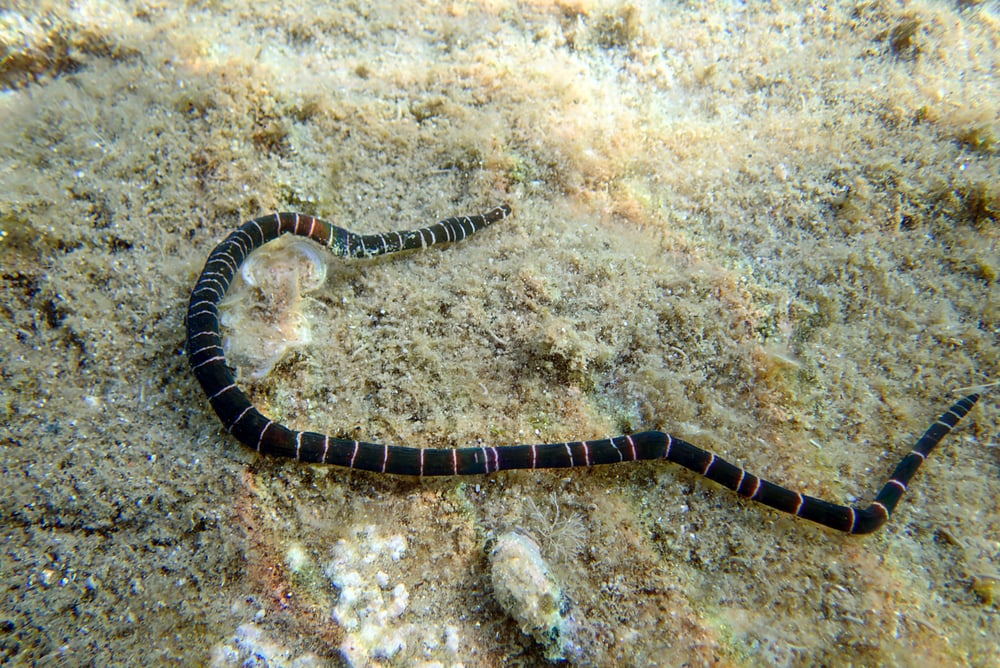
The bootlace worm (Lineus longissimus) is a species of ribbon worm and one of the longest known animals, with specimens up to 55 m (180 ft) long being reported. Picture a creature that could wrap around a blue whale twice over.
This isn’t some ancient sea monster from legends. It’s a real animal living in cold European waters right now. The bootlace worm holds the record as Earth’s longest creature, yet most people have never heard of it.
Ribbon worms that explode their insides outward
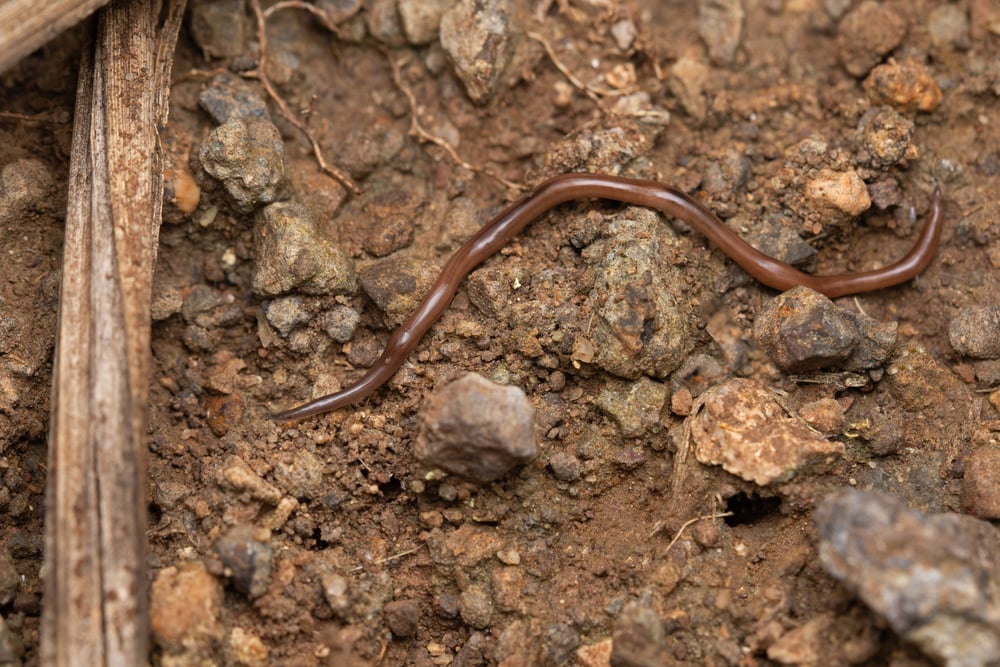
It is a ribbon worm, a marine worm capable of becoming longer than a blue whale. They are usually red, orange, or yellow but can come in other bright colors.
Ribbon worms possess one of nature’s most shocking defense mechanisms. When threatened, they shoot their entire digestive system out through their mouth like a pink tube. This inside-out stomach can grab prey or confuse predators. The worm can then pull everything back inside and continue like nothing happened.
Like Go2Tutors’s content? Follow us on MSN.
Spaghetti worms that dissolve their own heads
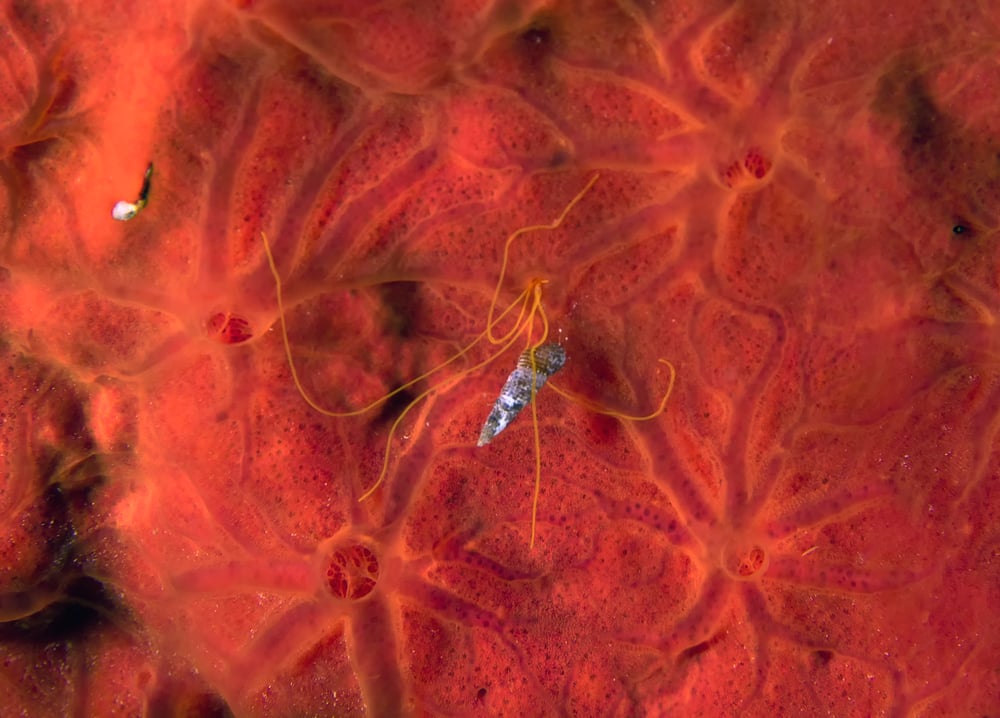
Marine biologists study creatures called spaghetti worms that look exactly like their name suggests. These thin, noodle-like animals have developed an unusual survival strategy.
During tough times, they can dissolve parts of their own head and regrow them later when conditions improve. This ability helps them survive in harsh ocean environments where food becomes scarce.
Worms that breathe through colorful Christmas tree gills
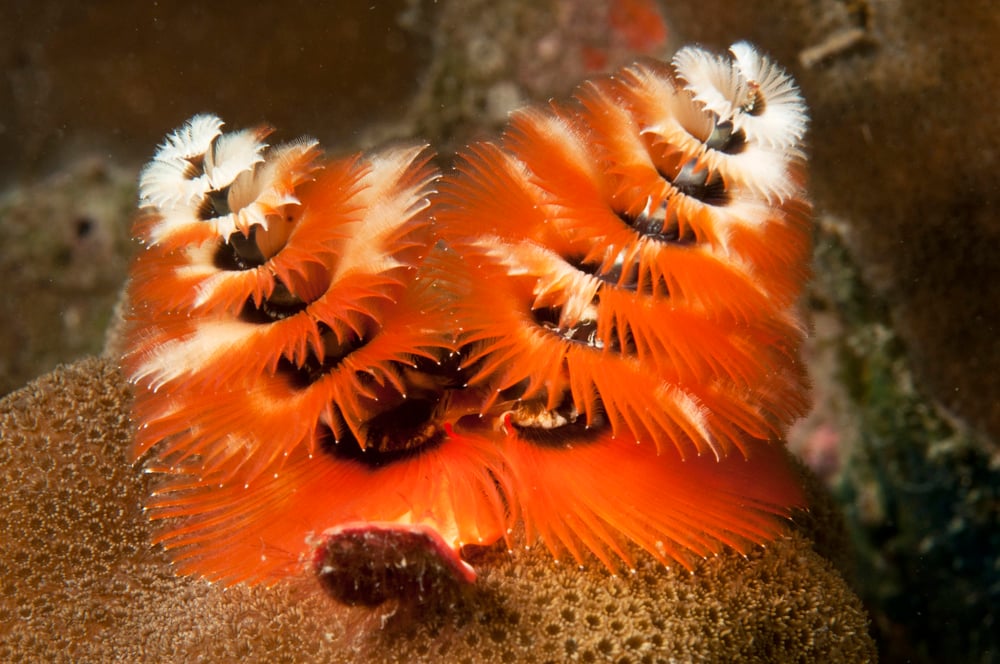
Christmas tree worms earned their festive name from their spectacular feeding apparatus. These creatures stick feathery, colorful crowns out of their tubes to filter food from the water.
The crowns come in brilliant reds, oranges, blues, and yellows. When danger approaches, they snap shut faster than an eye can blink, disappearing completely into their protective tubes.
Scale worms covered in armor-like plates
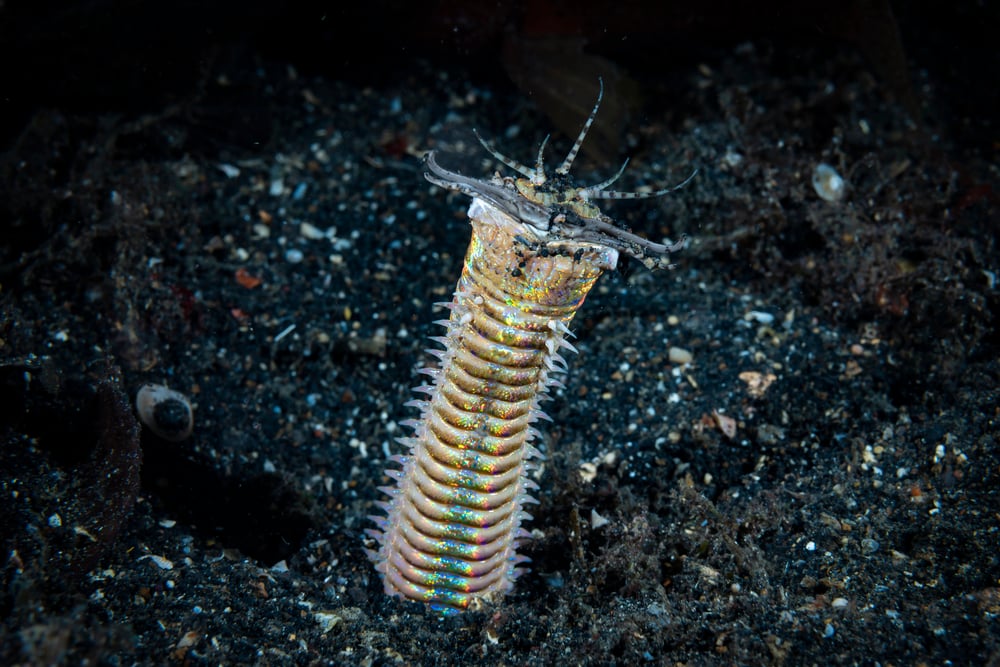
Scale worms look like they’re wearing medieval armor made from overlapping plates. These tough coverings protect them from predators and harsh ocean conditions.
The scales come in different shapes and sizes depending on the species. Some scales are smooth while others have spines or bumps that make the worms even more intimidating.
Like Go2Tutors’s content? Follow us on MSN.
Feather duster worms that build sandy apartment complexes

Feather duster worms construct elaborate tube homes from sand grains and mucus. Multiple worms often build their tubes close together, creating underwater apartment buildings.
Their feathery feeding appendages wave in the current like underwater flowers. These communities can cover large areas of the seafloor with their sandy constructions.
Fan worms that filter feed with crown-like plumes
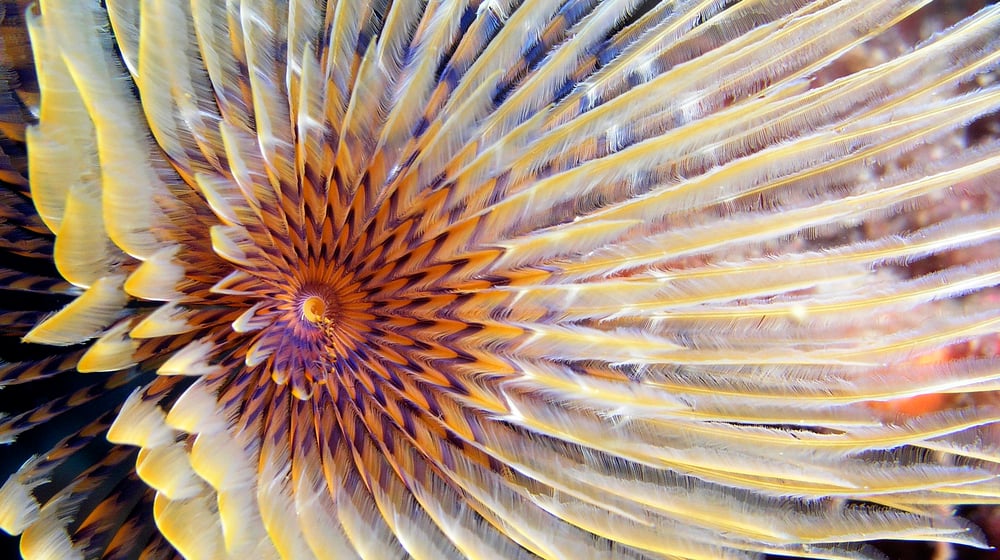
Fan worms extend beautiful, crown-shaped feeding structures into the water column. These plumes have hundreds of tiny branches that trap microscopic food particles.
Different species display various colors and patterns on their feeding crowns. When disturbed, they quickly retract their entire feeding apparatus into protective tubes.
Lugworms that reshape entire coastlines
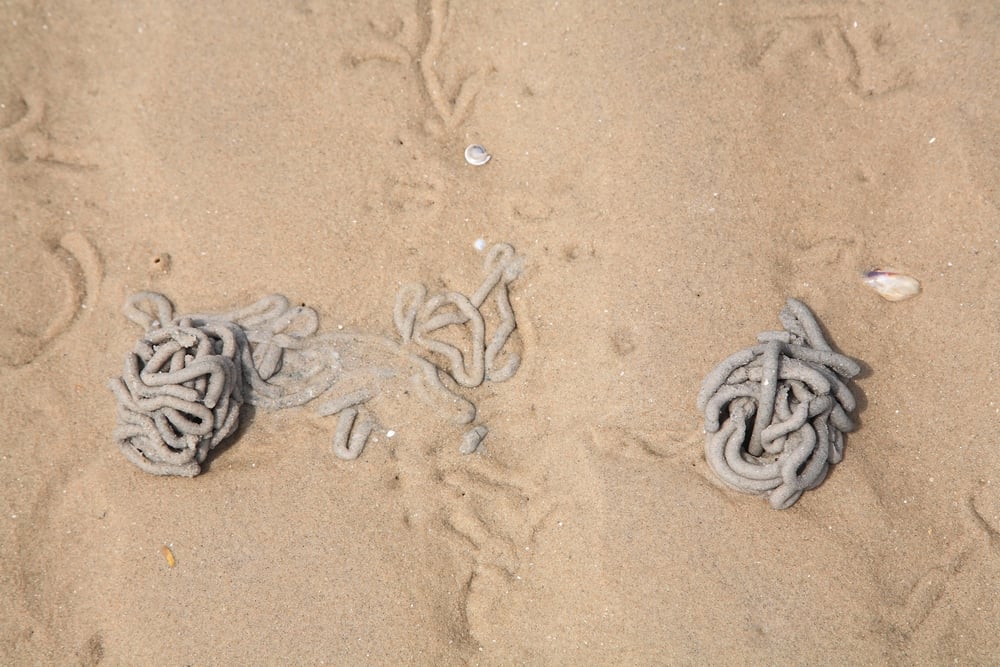
Lugworms might look simple, but they’re powerful ecosystem engineers. These creatures constantly eat sand and mud, processing huge amounts of sediment through their bodies.
Their feeding activity moves tons of material around beaches and mudflats. The characteristic coiled sand piles they leave behind mark their presence along countless shorelines worldwide.
Like Go2Tutors’s content? Follow us on MSN.
Ice worms that thrive in frozen polar waters

While most creatures flee from freezing temperatures, ice worms actually prefer the cold. These amazing animals live in sea ice and glacial environments where temperatures stay below freezing.
They produce special proteins that prevent ice crystals from forming in their bodies. Their dark coloring helps them absorb what little warmth is available in polar regions.
From ancient oceans to modern discoveries
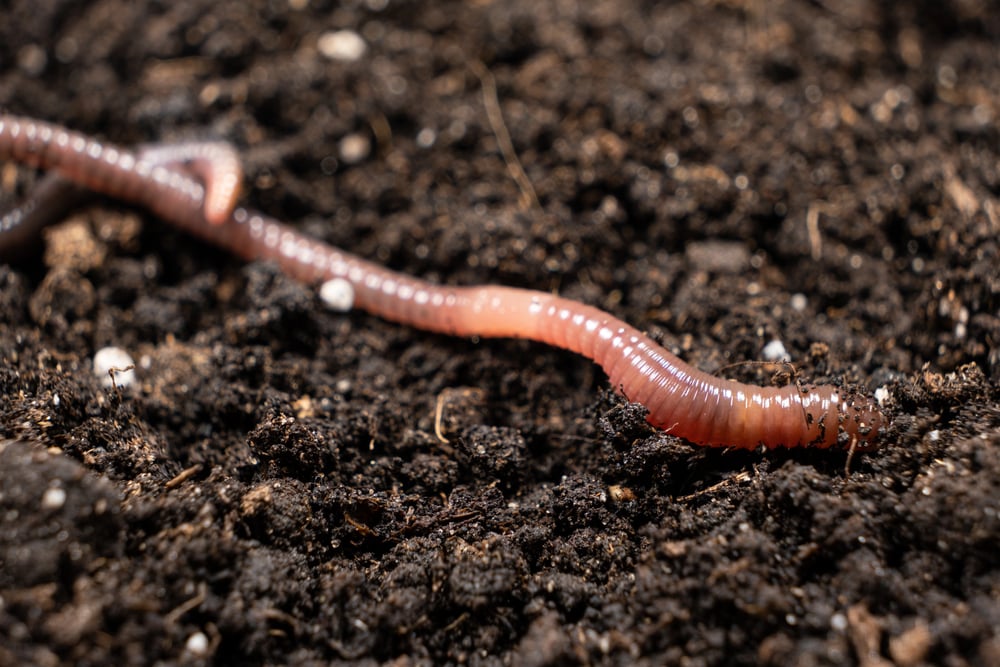
These remarkable creatures connect us to Earth’s ancient past while continuing to surprise scientists today. Ocean worms have been evolving and adapting for hundreds of millions of years, developing solutions to survival challenges we’re only beginning to understand.
Their bizarre features and abilities remind us that life finds ways to thrive in the most unexpected places and forms. As we explore deeper into the ocean and develop better technology, we keep finding new species that push the boundaries of what we thought was possible in the natural world.
More from Go2Tutors!

- 16 Historical Figures Who Were Nothing Like You Think
- 12 Things Sold in the 80s That Are Now Illegal
- 15 VHS Tapes That Could Be Worth Thousands
- 17 Historical “What Ifs” That Would Have Changed Everything
- 18 TV Shows That Vanished Without a Finale
Like Go2Tutors’s content? Follow us on MSN.



