Transport Innovations That Shifted Global Trade
Moving goods from one place to another shapes what people can buy, what economies produce, and which regions hold power. Throughout history, advances in transportation have not only made shipping quicker and less expensive, but they have also completely changed the way the global economy functions. Each innovation created winners and losers, opened new markets, and made previously impossible trade routes viable.
Domesticated Camels Opened Desert Routes

People started using camels to carry stuff about 3,200 years ago, turning harsh deserts into usable paths for trading. These creatures managed 25 miles a day while hauling heavy loads – up to 300 pounds – and survived long stretches without drinking.
Because they handled tough conditions so well, merchants linked distant areas across Asia, the Middle East, and Europe. Instead of avoiding dry zones, travelers now pushed through them thanks to these hardy animals.
Items such as silk, rare spices, and valuable ores traveled vast dry lands that horses or cattle couldn’t easily manage. Cities on these paths grew rich from commerce.
Because of camels, old trade links worked better and could be counted on.
Sailing Ships With Triangular Sails Changed Everything

Lateen sails—triangular sails that allowed sailing against the wind—had been used in the Mediterranean for centuries. European ships in the 1400s increasingly adopted and refined this technology for ocean voyages.
Earlier square-rigged ships could only sail with favorable winds, severely limiting routes and schedules. This innovation made long-distance ocean voyages practical and predictable.
Portuguese and Spanish explorers used these ships to reach Africa, Asia, and the Americas. The resulting age of exploration wasn’t just about discovery—it created the first truly global trade network.
Sugar, cotton, and enslaved people moved across the Atlantic. Spices and silk flowed from Asia to Europe.
This sail technology enabled colonialism and the extraction of resources that built European wealth.
Canals Bypassed Geographic Obstacles
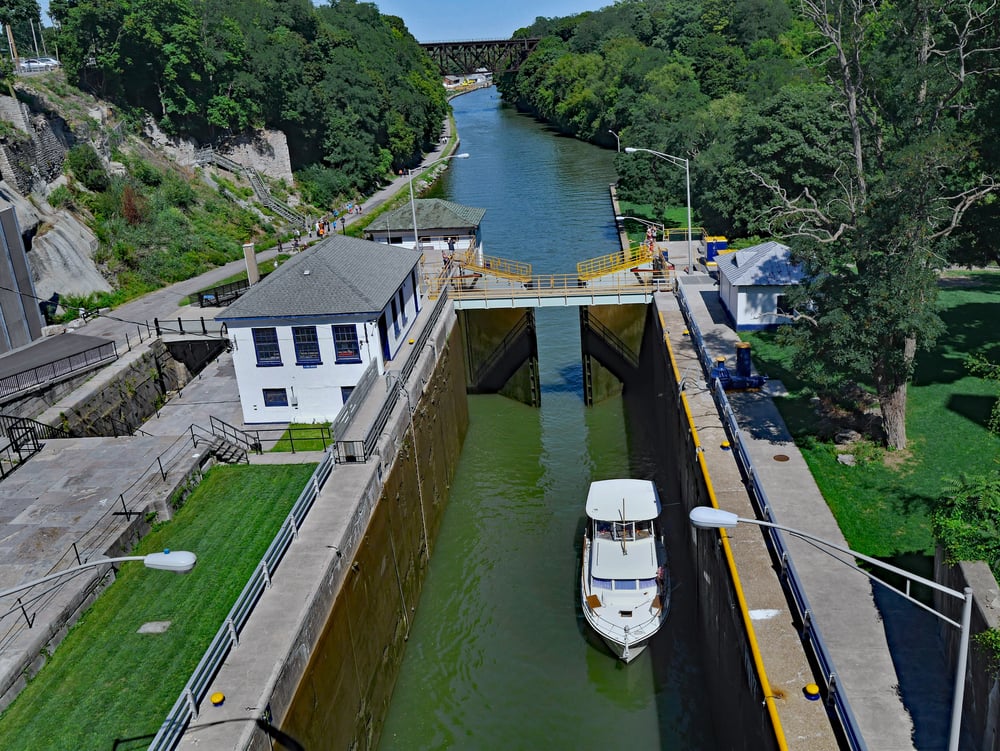
The Erie Canal, completed in 1825, connected the Great Lakes to the Atlantic Ocean through New York. Shipping costs dropped dramatically—estimates vary by cargo type, but reductions were substantial enough to transform trade patterns.
Goods that took three weeks by wagon now took five days by barge. This made New York City the dominant trade port in America and opened the Midwest for agricultural development.
The Suez Canal, finished in 1869, cut 4,300 miles off the route between Europe and Asia by eliminating the need to sail around Africa. The Panama Canal, opened in 1914, shortened the journey between the Atlantic and Pacific by 8,000 miles.
These canals didn’t just save time—they determined which ports thrived and which trade routes dominated global commerce.
Refrigerated Ships Created Global Food Markets
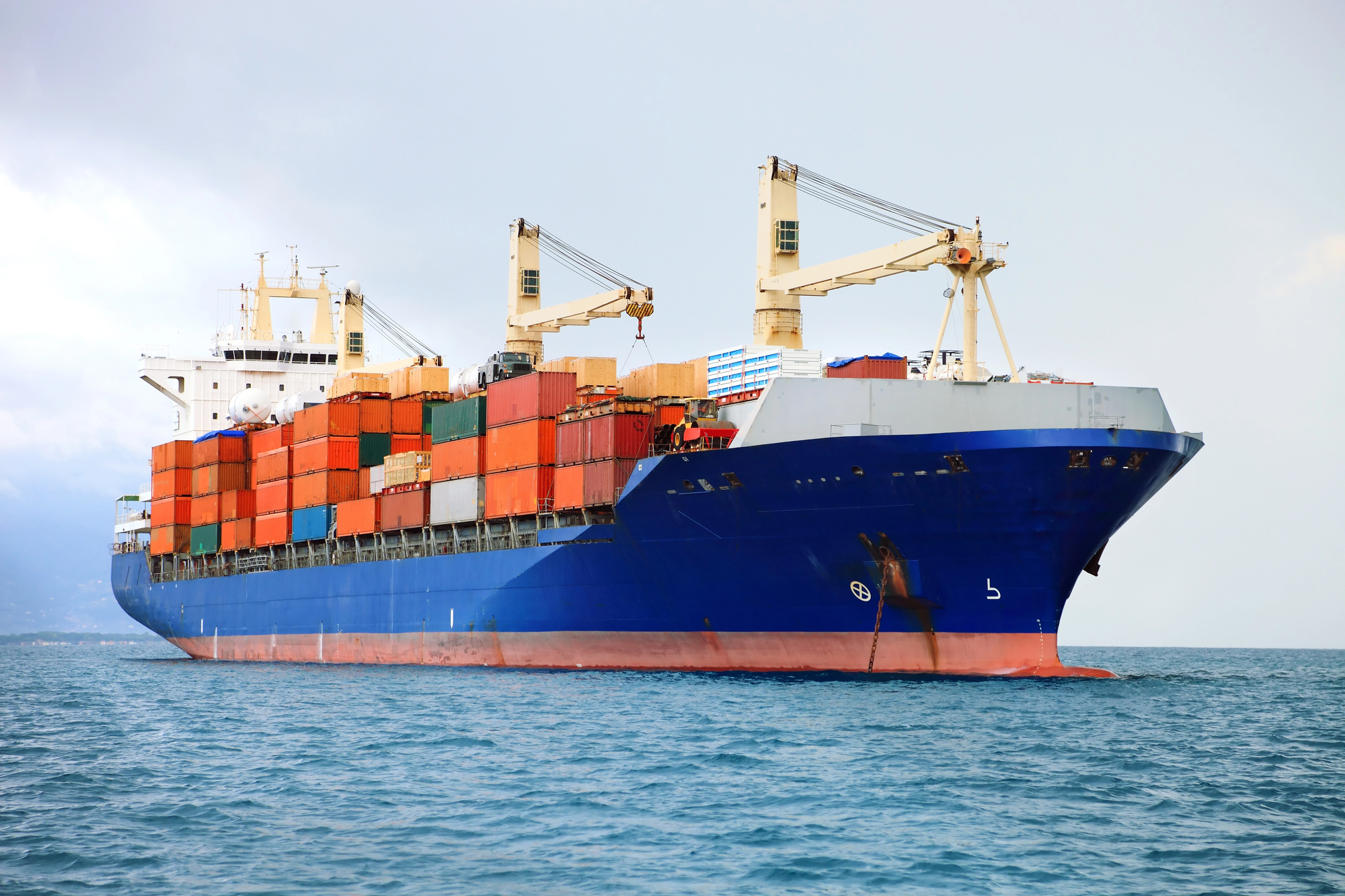
Refrigeration technology emerged commercially in the 1870s and 1880s for ocean shipping, though early systems were unreliable and adoption was slow and uneven. As the technology improved, ships with cooling systems could carry fresh beef from Argentina to Europe, lamb from Australia to Britain, and fruit from tropical regions to temperate climates.
This gradually created the modern global food system. Countries could specialize in what they grew best and export it worldwide.
New Zealand became a major lamb exporter. Argentina built an economy on beef exports.
Year-round availability of seasonal foods became normal in wealthy countries as refrigerated shipping became more reliable.
Standardized Shipping Containers Revolutionized Logistics
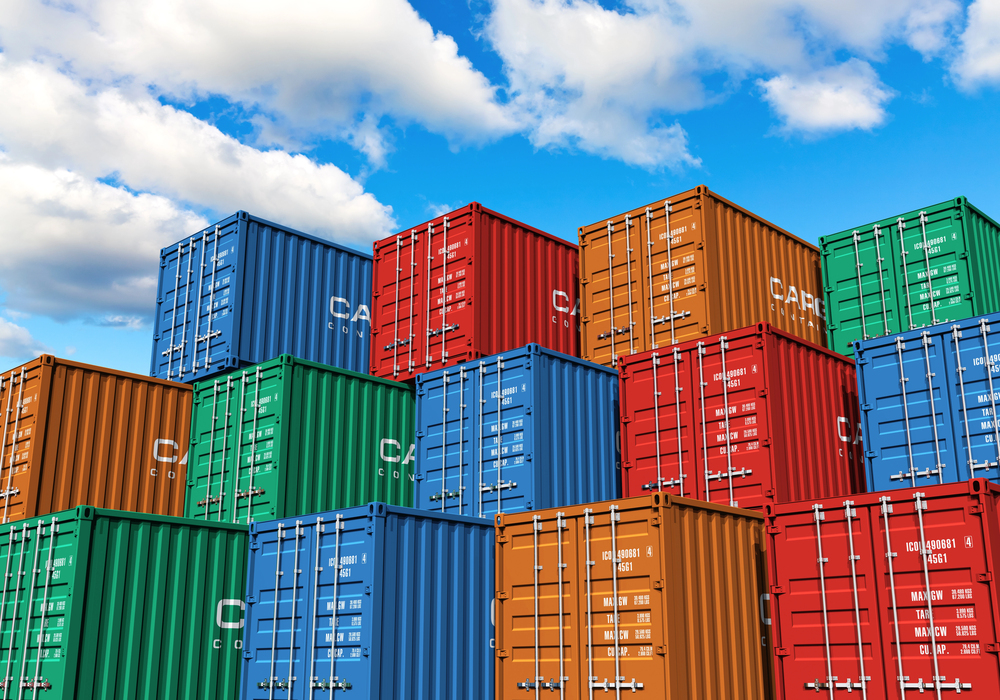
Malcolm McLean introduced shipping containers in 1956, but true global interoperability came with ISO standardization in 1968 to 1970. Before standardization, loading and unloading cargo was labor-intensive and slow—a ship might spend more time in port than at sea.
Standardized containers that could move seamlessly between ships, trucks, and trains worldwide without repacking reduced loading time from days to hours. This efficiency made complex global supply chains economically viable.
Manufacturing could happen in one country, assembly in another, and sales in a third. The cost of moving goods dropped so dramatically that distance became almost irrelevant to trade decisions.
Container standardization enabled the modern globalized economy more than almost any other single innovation.
Steam-Powered Ships Eliminated Wind Dependency
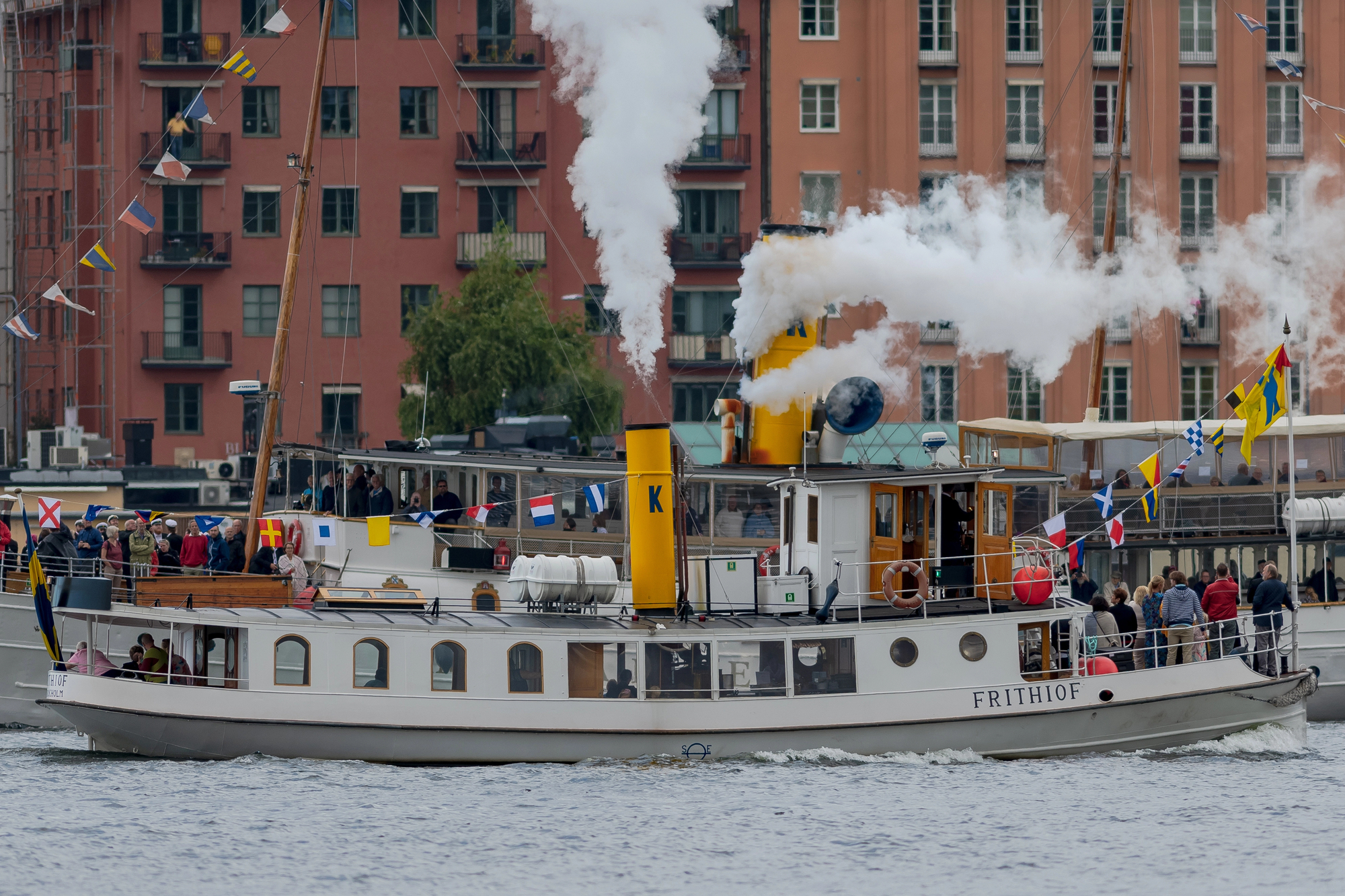
Steamships became practical for long ocean voyages after the 1840s, though early vessels still relied partially on sails for efficiency. As the technology matured, ships could maintain schedules regardless of weather.
They could travel through the doldrums near the equator where sailing ships got stuck for weeks. Steam power made trade more predictable and reliable.
Insurance costs dropped because ships arrived on schedule. Ports could plan operations around fixed timetables.
This reliability transformed international trade from a risky venture into a regular business operation. The economic impact of predictability is hard to overstate—it allowed businesses to plan, invest, and scale in ways that weren’t possible when ships might arrive weeks late or not at all.
Railways Opened Continental Interiors
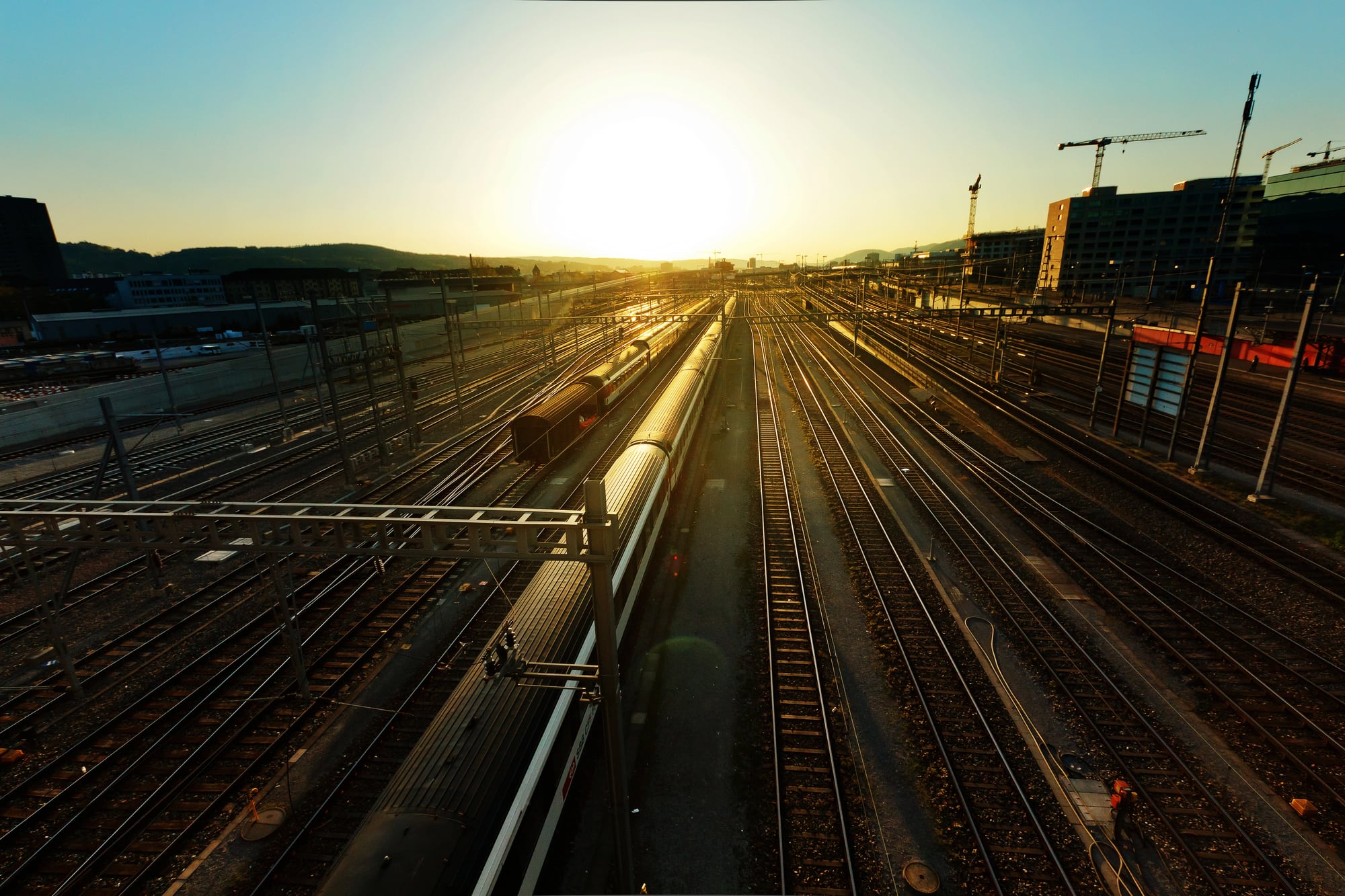
Before railways, moving goods overland was expensive and slow. Wagons on dirt roads could carry limited cargo at walking speed.
The transcontinental railroad in the United States, completed in 1869, connected the coasts, though economic integration of the interior varied greatly by region and took decades to fully develop. Similar railways built across Russia, Canada, India, and Africa during the late 1800s made previously isolated regions economically viable.
Raw materials from interior regions could reach ports for export. Manufactured goods from coastal cities could reach inland consumers.
Railways didn’t just connect existing markets—they created new ones by making previously worthless land valuable for farming, mining, and settlement.
Jet Aircraft Enabled Time-Sensitive Trade

Commercial jet aircraft emerged in the 1950s, but widespread air cargo logistics matured in the 1970s. Once established, fresh flowers from Ecuador could reach New York in hours.
Computer parts manufactured in Asia could arrive at American assembly plants within a day. Business executives could fly between continents for meetings and return within a week.
This speed created entirely new categories of trade. The global trade in fresh produce, fashion with rapid turnover, and just-in-time manufacturing all depend on air freight.
While ships carry most cargo by weight, aircraft carry the highest-value and most time-sensitive goods. Air transport turned perishable goods into global commodities.
Diesel Engines Increased Cargo Capacity
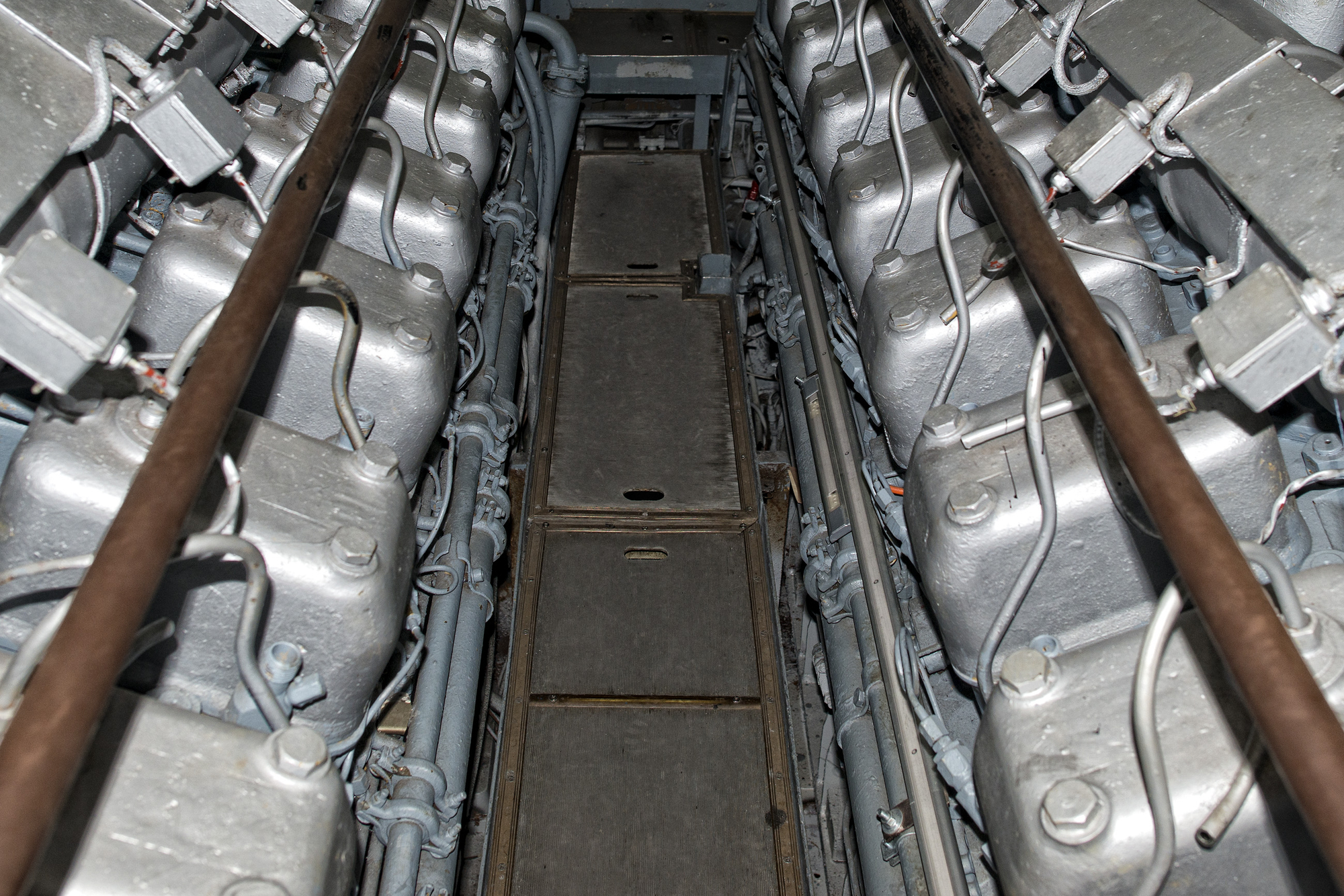
Diesel engines replaced steam engines on ships in the early 1900s, providing more power with less fuel. This meant ships could carry more cargo over longer distances without refueling.
Diesel engines were also more reliable and required fewer crew members to operate. While bulk commodities like grain, coal, and oil were already globally traded, the efficiency gains from diesel power reduced costs enough to expand these markets significantly.
Small differences in shipping costs matter enormously in competitive global markets. The adoption of diesel power reduced those costs enough to open routes that weren’t economically viable with steam power and to make marginal trades profitable.
Roll-On Roll-Off Ships Changed Vehicle Trade
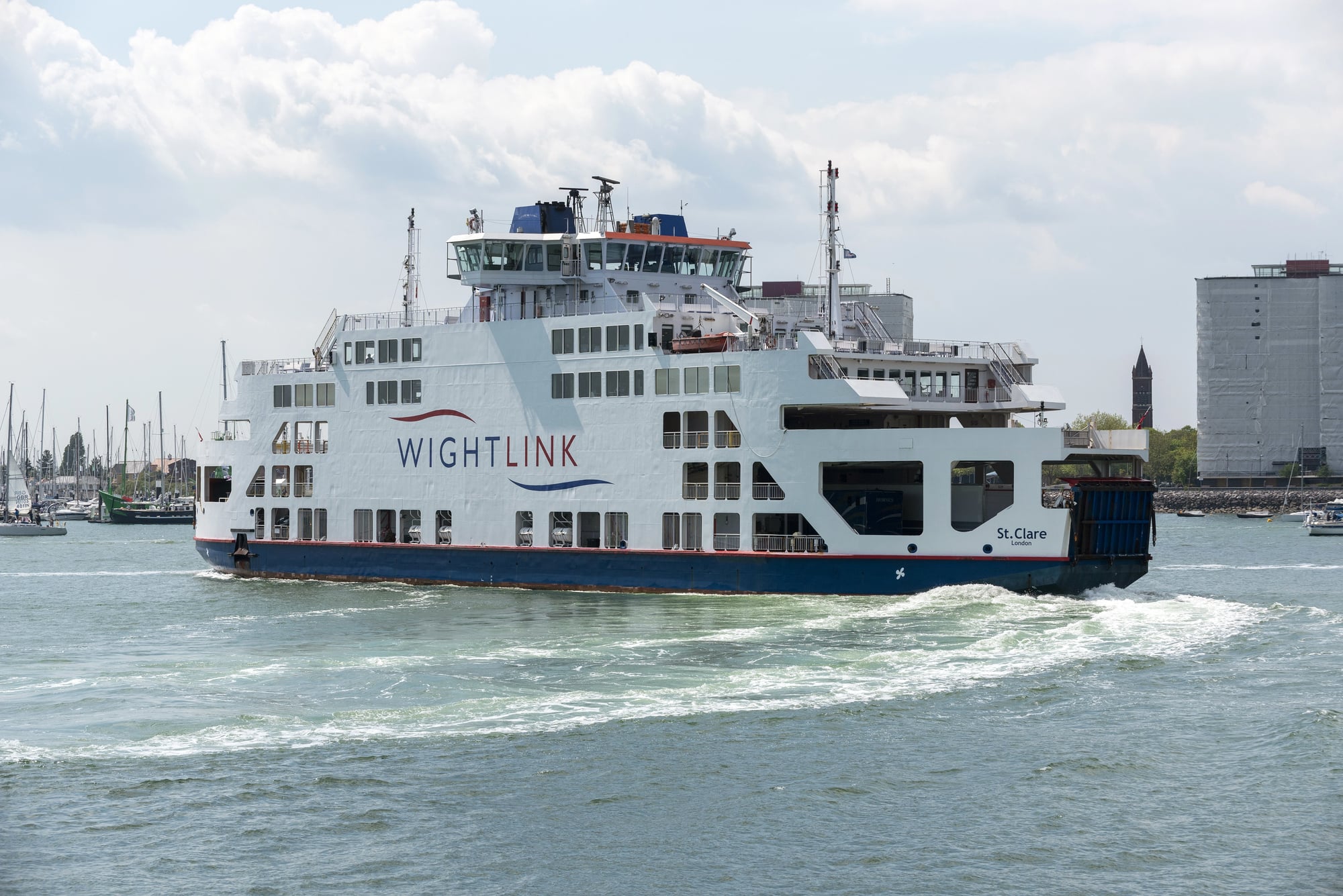
Roll-on roll-off (RoRo) vessels existed in smaller forms earlier, but large commercial adoption expanded significantly after the 196s. These ships allowed vehicles to drive directly on and off vessels rather than being lifted by cranes.
This dramatically reduced the time and cost of shipping cars, trucks, and heavy equipment. Japan used RoRo ships to become a dominant automobile exporter.
The efficiency of driving a car onto a ship rather than hoisting it individually made the global automobile trade economically viable at scale. Today, massive RoRo ships carry thousands of vehicles between continents.
This innovation directly enabled the international automotive industry as we know it, where cars are manufactured in one country and sold across the world.
Supertankers Made Oil Globally Accessible
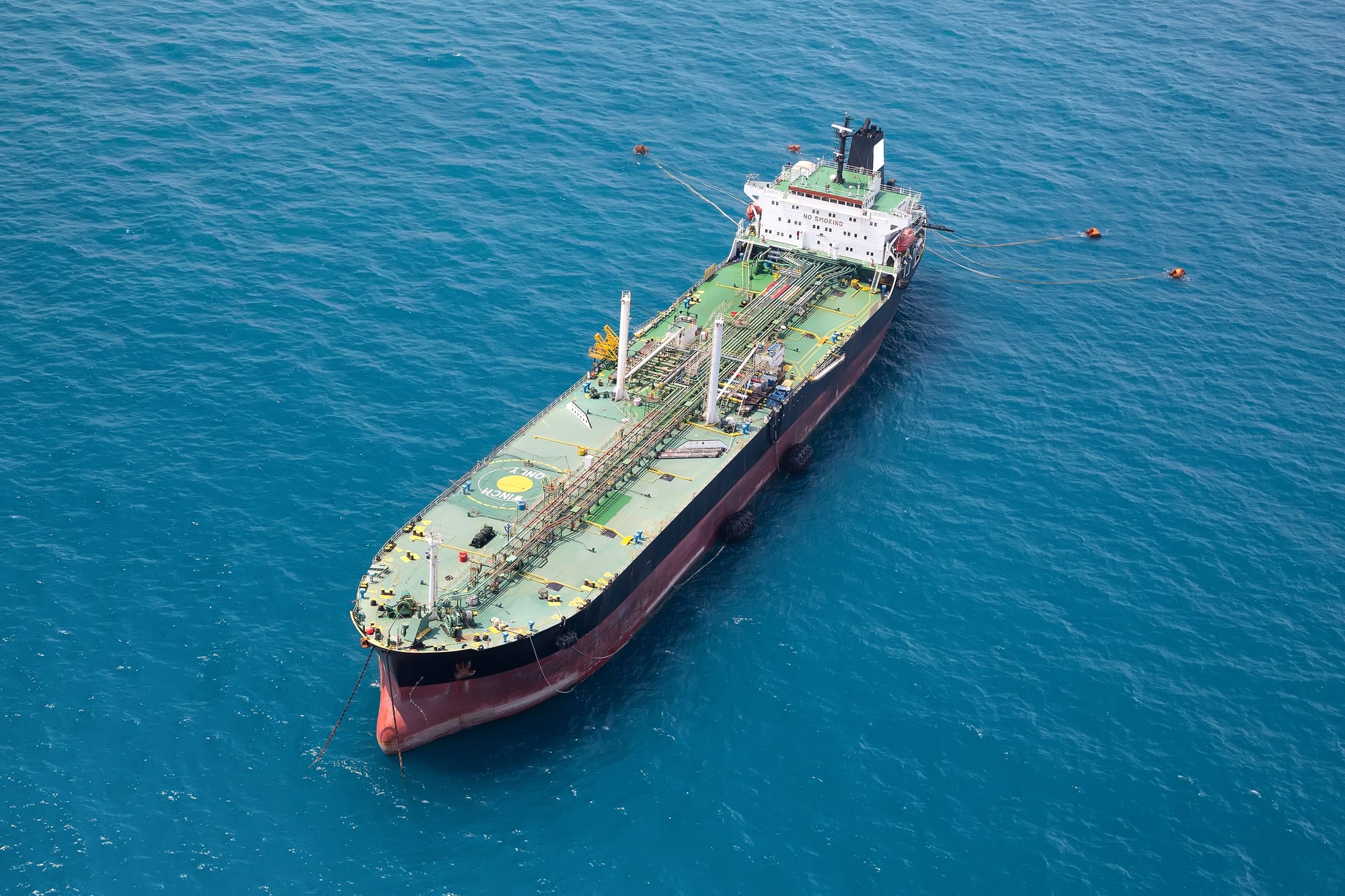
The first oil supertankers appeared in the 1950s, with capacity growing substantially over the following decades. While a very small number of ultra-large vessels exceeding 500,000 tons were built, most oil moves on much smaller tankers.
These large ships nonetheless reduced the cost of transporting oil from producing regions to consuming nations. This cheaper transportation enabled the modern petroleum-based economy.
Countries without oil deposits could access affordable fuel for industry, transportation, and heating. The global economy restructured around this readily available energy.
Middle Eastern oil could power Asian manufacturing and European transportation. Without supertankers making oil transport economical at scale, the 20th century’s industrial development would have looked completely different.
High-Speed Rail Networks Integrated Regional Markets
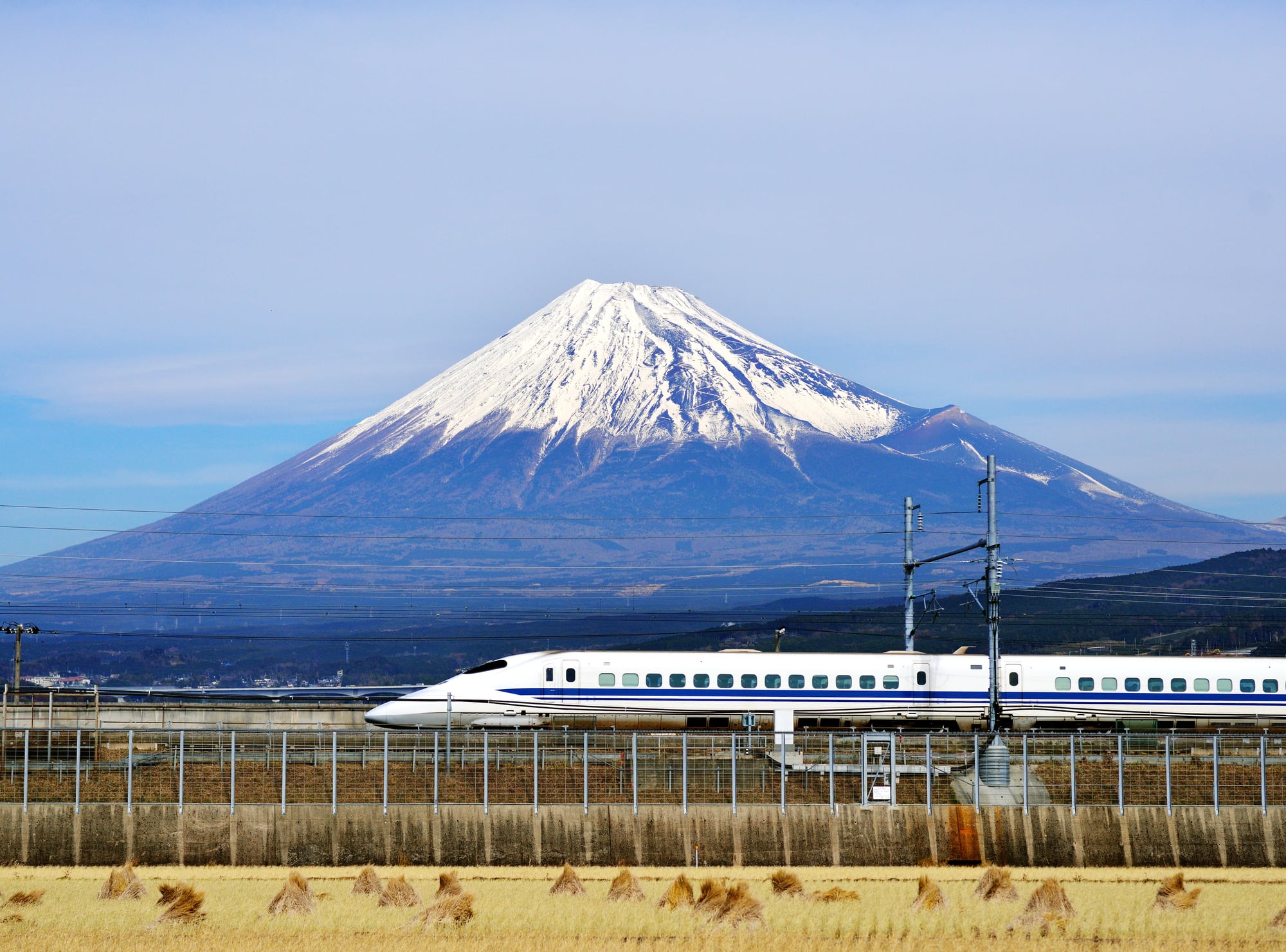
Japan’s Shinkansen bullet train, launched in 1964, connected Tokyo and Osaka at speeds over 130 mph. China has since built the world’s largest high-speed rail network, connecting major cities across thousands of miles.
These systems move people, not significant freight—their impact on trade is indirect but substantial. The economic integration they create matters for business relationships and supply chain management.
Business deals happen when people can meet face-to-face easily. Supply chain managers can visit factories and return the same day.
Regional economic zones form where high-speed rail makes daily travel between cities practical. The European Union’s economic integration is physically enabled by rail networks connecting member countries.
Refrigerated Trucks Extended Supply Chains
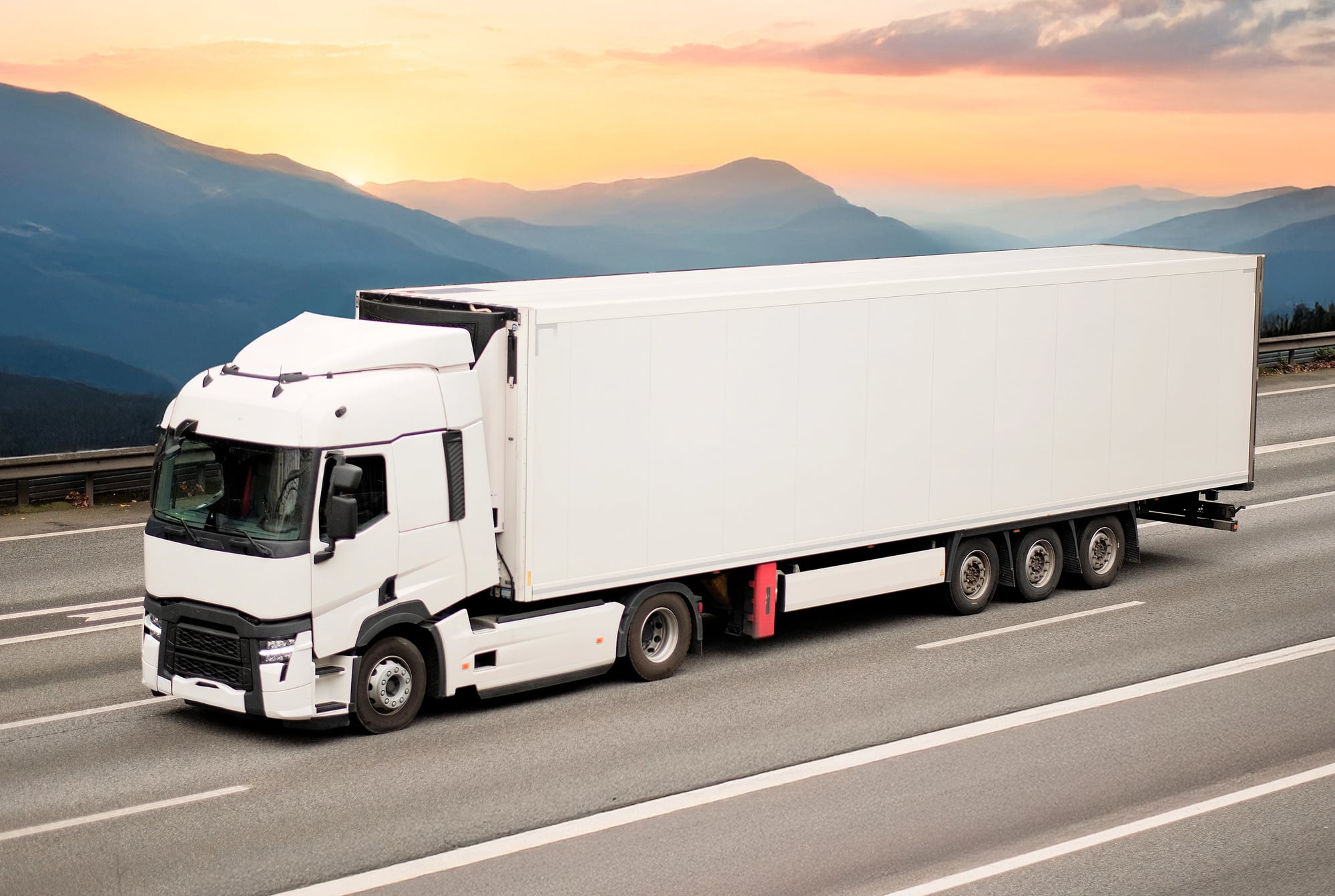
Refrigerated trucking was used experimentally earlier, but scaled significantly after World War II. Full nationwide cold chain networks took decades to develop.
As the infrastructure matured, fresh produce could travel from farms to distant urban markets. Dairy products could serve regional rather than just local customers.
This innovation transformed agriculture—farmers could specialize in products with higher margins rather than growing diverse crops for local consumption. It also changed retail, making supermarkets with year-round fresh produce viable in regions far from growing areas.
The modern grocery store as we know it depends on refrigerated trucking connecting farms, distribution centers, and retail locations.
Autonomous Ships Are Reshaping Efficiency

Some firms are trying out self-driving freight boats without any people aboard. Costs could drop by different amounts, depending on rules that haven’t been set yet – guesses swing from low to high instead of agreeing.
They rely on detectors, smart software, or GPS links to move around safely. Even though it’s just beginning, these ships might act like past changes in travel – not cutting prices but creating fresh ways to exchange goods.
Marginal paths not making money with manned vessels could work now. This tech allows tinier deliveries more often instead of rare big ones – shifting how stock’s handled and logistics run worldwide.
Moving Forward
Every new way to move stuff opened up products once impossible to sell far away. Cooling tech turned perishables into worldwide items.
Boxes stacked on ships let businesses link factories across continents. Planes allowed shipping things fast when timing mattered most.
None of this was merely about machines – each shift rewrote shopping options, company reach, and national growth strategies. The next big shift in transport – be it self-driving trucks, hyperloop tech, or some idea we haven’t thought of yet – will change how goods move around the world just like past breakthroughs did.
What’s certain is that history shows these shifts bring deep effects, though exactly how things unfold usually only becomes clear once they’re already here.
More from Go2Tutors!

- The Romanov Crown Jewels and Their Tragic Fate
- 13 Historical Mysteries That Science Still Can’t Solve
- Famous Hoaxes That Fooled the World for Years
- 15 Child Stars with Tragic Adult Lives
- 16 Famous Jewelry Pieces in History
Like Go2Tutors’s content? Follow us on MSN.


