13 Ways Ancient Leaders Were Chosen That Didn’t Involve Corruption
It seems like special interests, campaign finance, and backroom deals are in charge of politics these days. But throughout history, societies have come up with amazing ways to choose leaders that put merit, divine guidance, or real community support ahead of money and power. These institutions weren’t perfect, but they are better than the problems we have with political honesty in many societies around the world today.
People in ancient times were very creative when it came to choosing leaders. Here are 13 ways they choose leaders that tried to cut down on corruption and bring out the best candidates.
Signs and Omens from God

When choosing leaders, ancient civilizations often asked the gods for help. Roman augurs looked at how birds flew, how animals’ guts looked, or how natural events happened to see if the gods approved of possible rulers.
This took away human bias, but it did give priests more power because they were the ones who read the signs. The Etruscans thought that lightning strikes and other celestial events directly showed which candidates the gods favored.
This made it hard for politicians to change their minds. Similar things happened in the ancient Maya culture, when priests used astrological events to figure out who would be the next king.
Fight to the Death

Warrior societies frequently thought that being strong physically meant being able to lead and being favored by the gods. Celtic tribes chose their leaders by having them fight each other until one of them won.
This ensured that leaders had the martial skills to protect their people, but it clearly prioritized strength above wisdom. Germanic tribes did the same thing: they thought that winning a fight was a sign of both personal glory and divine favor.
Some Polynesian communities employed ceremonial battles to choose their leaders, thinking that the winners showed divine favor.
Lottery Systems

The Athenians came up with one of the smartest ways to fight corruption in history: random selection. They employed a contraption called a kleroterion to fill various government jobs.
This used a complicated system of bronze tickets and colored tokens to randomly distribute citizens. No one could guess or change the decision, which meant that bribery was completely impossible.
We could wonder if random selection leads to capable leaders, but it clearly stopped rich people from buying power. Various Italian city-states and some indigenous communities in the Americas also used random selection systems that were similar.
Like Go2Tutors’s content? Follow us on MSN.
Age-Based Succession

Gerontocracy, or leadership by elders, thrived in communities that valued experience and knowledge above all else. African tribal councils sometimes chose the oldest member of the ruling clan to be in charge because they thought that being older gave them better judgment and a stronger spiritual connection.
Judges were chosen by the oldest members of ancient Hebrew communities. This method claimed that living a long time would naturally get rid of the unfit, leaving only the strongest survivors to lead their societies.
Many Pacific Islander civilizations and Aboriginal Australian societies used similar leadership arrangements based on age.
Ordination in Religion

Some societies only allowed its spiritual elite to be leaders. Traditionally, Tibetan Buddhist communities used complicated religious examinations and indications from God to choose the Dalai Lama.
They often did this while the candidates were quite young. It was a theological issue, not a political one, when ancient Egyptian pharaohs claimed to be descended from gods.
In theory, these systems put spiritual purity and divine connection above worldly things like money and military power. Theocratic selection procedures also existed in ancient Persia, influenced by Zoroastrianism, and among many indigenous American tribes.
Tests Based on Merit
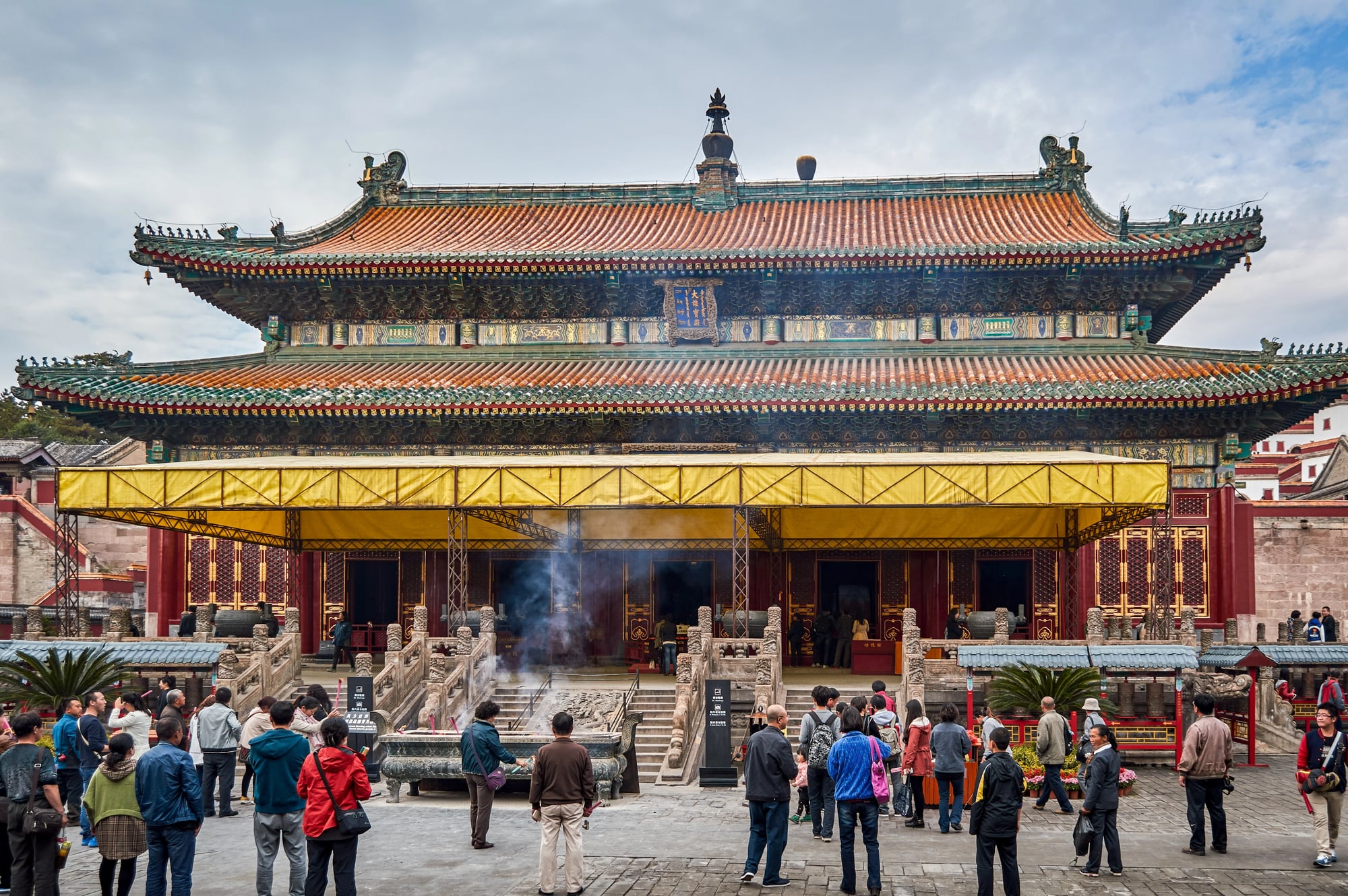
Through civil service exams, Imperial China may have built the most advanced merit-based system in history. Before taking long, tiring tests that could last for days, candidates spent years studying ancient literature, philosophy, and government.
Knowledge and intelligence were the only things that mattered for success; family ties and money didn’t matter. This system made highly educated administrators and stayed mostly free of corruption for hundreds of years.
However, it did privilege people who could afford a lot of education. Korea and Vietnam used comparable testing procedures, and during the Islamic Golden Age, civilizations came up with their own merit-based ways to hire scholars.
Like Go2Tutors’s content? Follow us on MSN.
Rotation of Heredity

Some societies stopped authority from becoming too concentrated by having established bloodlines take turns leading. The Iroquois Confederacy had a system in which several clans took turns picking leaders.
This way, no one family could stay in power for long. In ancient Ireland, several branches of royal dynasties would frequently take turns ruling over the same country.
This kept things stable and stopped any one faction from getting too powerful or corrupt. There were similar systems of rotation in several Southeast Asian monarchies and in some African kingdoms.
Agreement in the Community

Direct democracy and consensus-building worked well in small groups where everyone knew each other well. Native American tribes chose their leaders after long talks that lasted until everyone in the group agreed.
Icelandic assemblies picked their leaders by having public debates and making decisions as a group. These systems functioned great in small groups where people couldn’t hide or make up their reputations.
Traditional African village councils, Aboriginal Australian tribes, and many Pacific Islander communities utilized similar consensus-based methods for leadership selection.
Ordeal by Elements
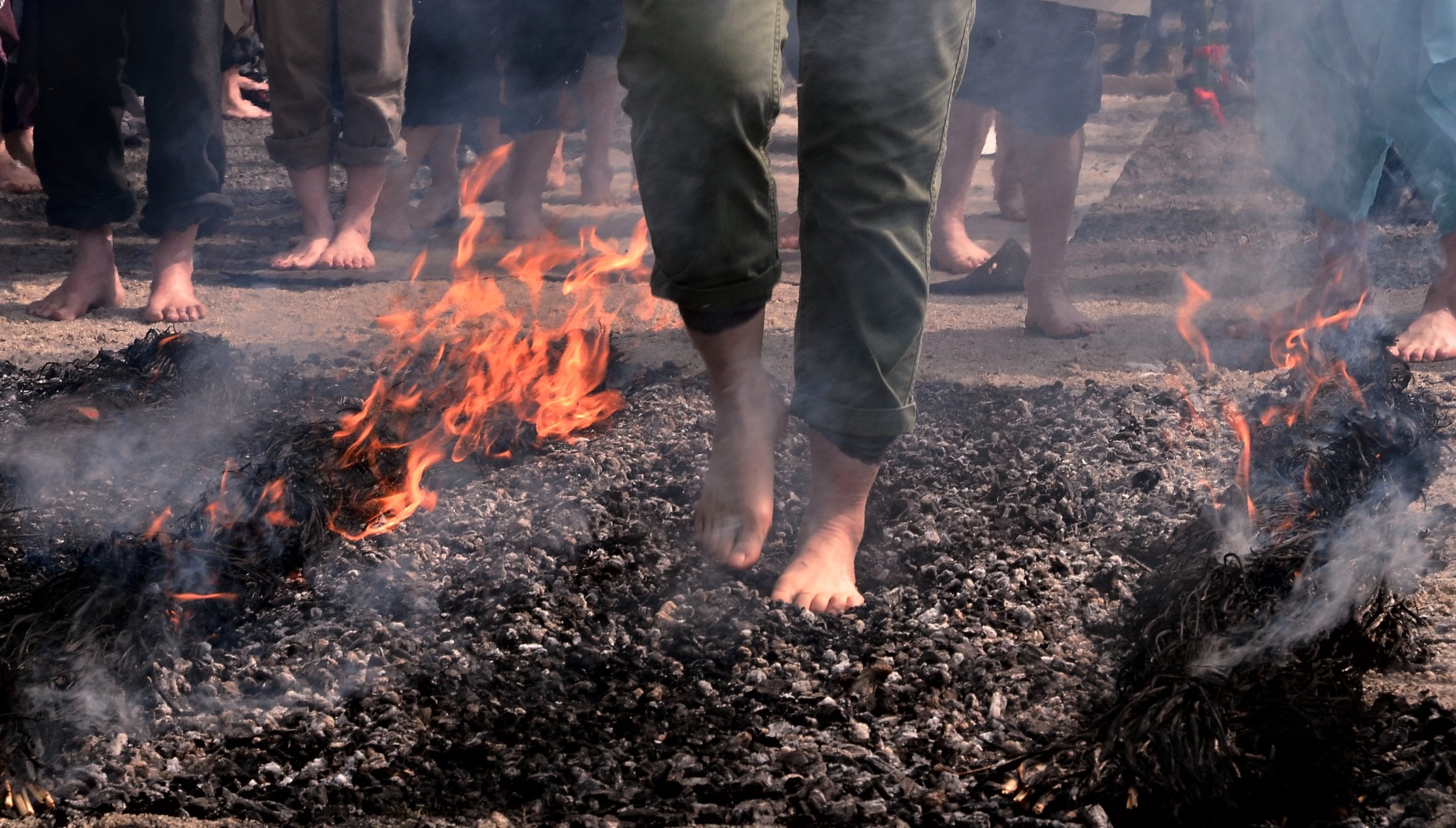
Different societies thought that divine powers would keep good leaders safe during difficult tests. Candidates might have to walk through fire, be submerged in water, or go through other tests that could kill them.
Sometimes, Germanic tribes made people who wanted to be leaders hold red-hot iron or put their hands in boiling water. They thought that surviving without getting hurt was a sign of God’s approval.
Even though these tactics seem old-fashioned now, they were supposed to make sure that only people with supernatural protection could take power. There were similar ordeal procedures in medieval Africa, ancient India, and among many indigenous civilizations around the world.
Like Go2Tutors’s content? Follow us on MSN.
Dreams and Visions that Come True

A lot of old cultures thought that dreams and mystical experiences were very important signs of good leadership. Native American tribes frequently appointed shamans and chiefs based on profound visions or prophetic dreams.
Celtic druids were occasionally chosen after having important spiritual discoveries. This religion puts spiritual sensitivity and communication with the divine above worldly goals and material prosperity.
This led to the rise of leaders who were thought to have direct contact with supernatural forces. Australian Aboriginal dreamtime traditions, African spiritual practices, and Siberian shamanic cultures employed similar vision-based selection methods.
How Well You Do in Public Games
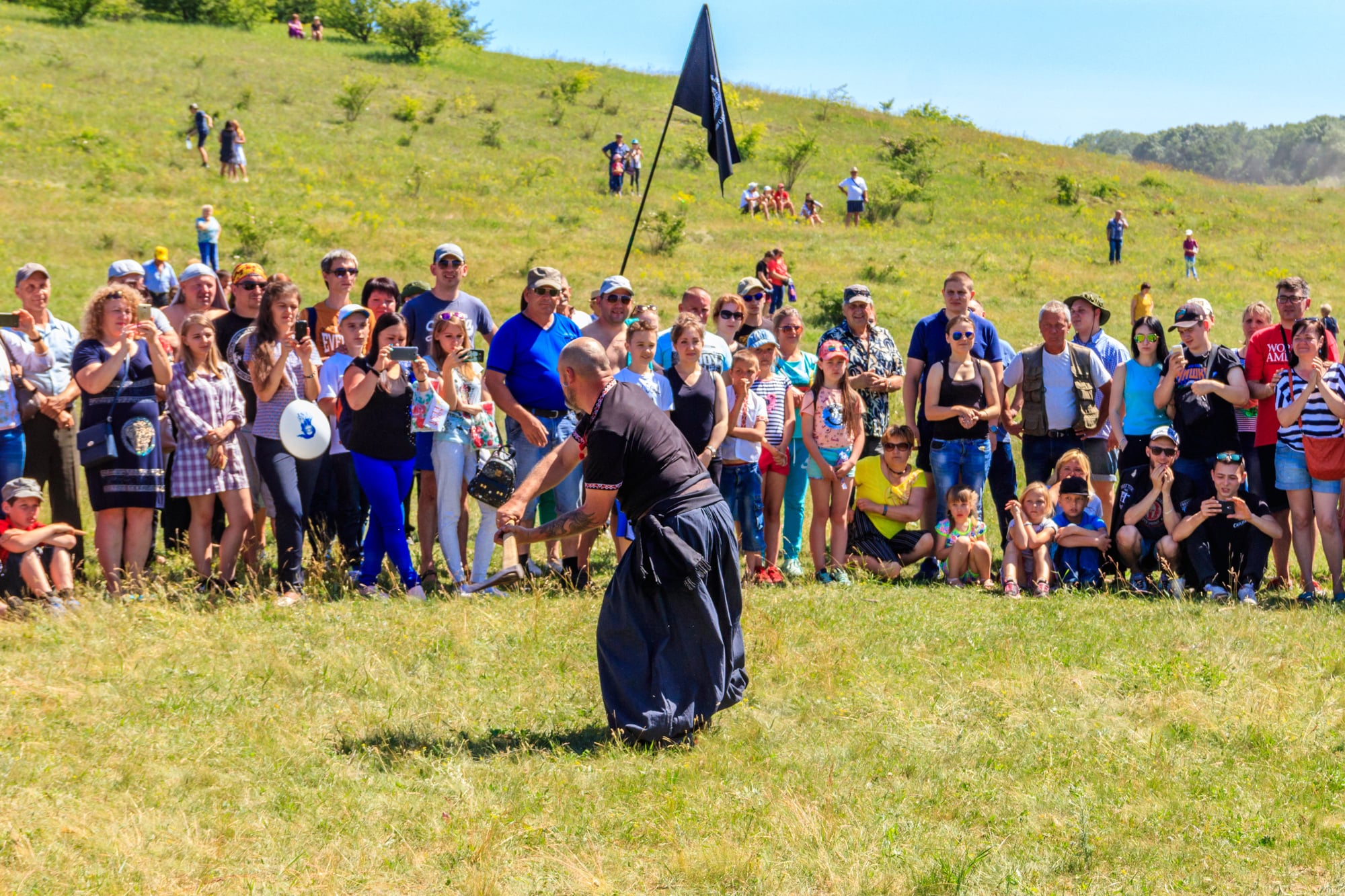
In many ancient cultures, athletic tournaments were tests of leadership. Greek city-states sometimes selected military leaders based on Olympic-style game performance, believing physical excellence translated to tactical brilliance.
Mesoamerican cultures used elaborate contests not just for entertainment but as tests of skill and divine favor for potential rulers. These competitions were tough to corrupt since athletic ability couldn’t be easily faked or bought.
Similar practices existed in ancient India with martial arts competitions, among various African societies with athletic trials, and in pre-Columbian South American cultures.
Unanimous Tribal Selection

Some societies demanded complete agreement from all eligible voters before confirming leaders. Certain African tribes wouldn’t accept chiefs unless every adult member explicitly supported the choice.
This prevented factional victories while ensuring leaders had genuine community backing. Achieving unanimity could be time-consuming and sometimes impossible, but it virtually guaranteed that corrupt or unpopular candidates couldn’t manipulate their way into power.
Various indigenous communities across Australia, the Americas, and Pacific islands employed similar unanimity requirements for leadership selection.
Like Go2Tutors’s content? Follow us on MSN.
Sacred Object Divination

Various cultures relied on mystical objects to guide leadership selection. Celtic tribes sometimes chose kings by determining who could successfully draw swords from stones or whose touch caused sacred objects to glow.
Persian fire temples selected high priests based on their ability to kindle flames without apparent fuel. These methods removed human judgment entirely, theoretically allowing divine will to determine outcomes through supernatural intervention.
Similar practices existed in ancient Egyptian oracle traditions, Japanese Shinto rituals, and among various indigenous cultures across Africa and the Americas.
When Ancient Wisdom Meets Global Democracy
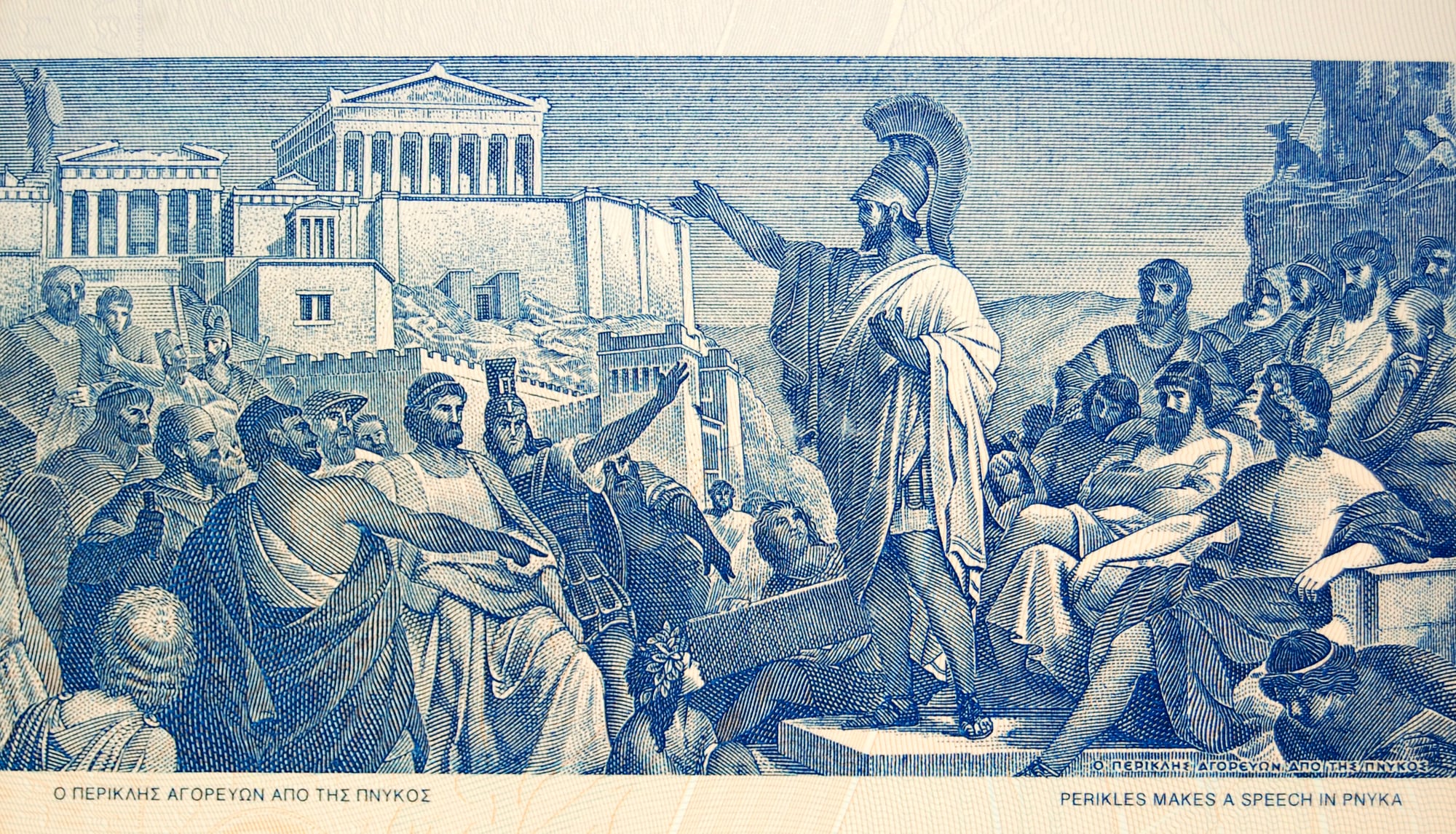
These historical selection methods reveal humanity’s universal quest for leaders who serve collective interests rather than personal gain across all continents and cultures. We can’t return to trial by combat or augury for political guidance, yet these approaches offer valuable insights into preventing corruption while ensuring authentic leadership.
Many prioritized character, wisdom, and divine approval over the wealth and connections that dominate contemporary politics worldwide. The most crucial lesson from these diverse ancient practices might be recognizing that current democratic systems aren’t the only options — exploring alternatives from various cultures could help address today’s global challenges with political integrity and public trust.
More from Go2Tutors!

- 18 Unexpectedly Valuable Collectibles You Might Have Lying Around
- 20 Little-Known Historical Battles That Had Huge Consequences
- 20 Historical Artifacts That Scientists Can’t Explain
- 15 Inventions That Were Immediately Banned After Being Created
- 20 Actors Who Were Almost Cast in Iconic Roles
Like Go2Tutors’s content? Follow us on MSN.