16 Car Features Ahead of Their Time
The automotive industry has always been a playground for innovation, with engineers and designers constantly pushing boundaries to create the next big thing. Some features catch on immediately, while others arrive decades before the world is ready to embrace them.
These early adopters of technology often faced skepticism, high costs, or simply came at the wrong time in history. Here is a list of 16 car features that were truly ahead of their time, appearing years or even decades before they became mainstream.
Air Conditioning

Packard introduced the first factory-installed air conditioning system in 1939, but it was basically a luxury for millionaires. The system took up half the trunk space and cost about $300, which would be roughly $6,000 today.
Most people thought it was completely unnecessary since you could just roll down the windows, and it wasn’t until the 1970s that air conditioning became a common feature that regular folks could actually afford.
Antilock Braking System (ABS)
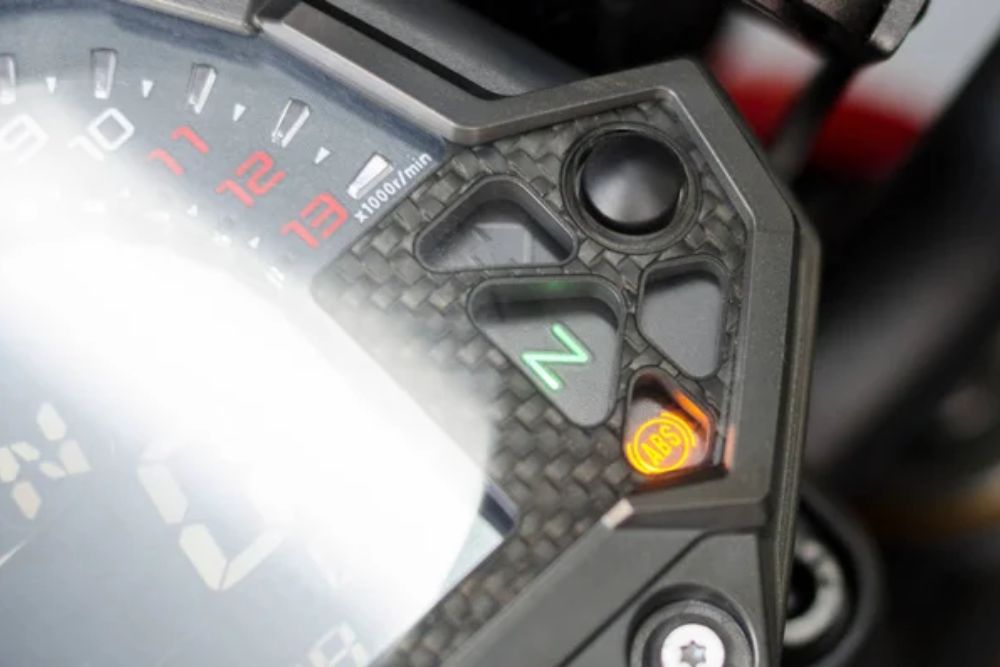
Chrysler experimented with an early electronic ABS system called ‘Sure-Brake’ in 1971, but it was unreliable and expensive to produce. The technology was sound, but the electronics of the era couldn’t handle the rapid calculations needed to prevent wheel lockup effectively.
It took another decade for computer technology to catch up, and ABS didn’t become standard until the 1990s when the systems finally became both reliable and affordable.
Like Go2Tutors’s content? Follow us on MSN.
Backup Cameras

The first backup camera appeared in the 1956 Buick Centurion concept car, complete with a tiny television screen in the dashboard. General Motors was genuinely excited about this ‘rear-view television’ system, but the cameras were huge, the image quality was terrible, and the whole setup cost more than most people’s cars.
The technology sat dormant for decades until digital cameras and LCD screens made it practical, and it didn’t become mandatory until 2018.
Cruise Control
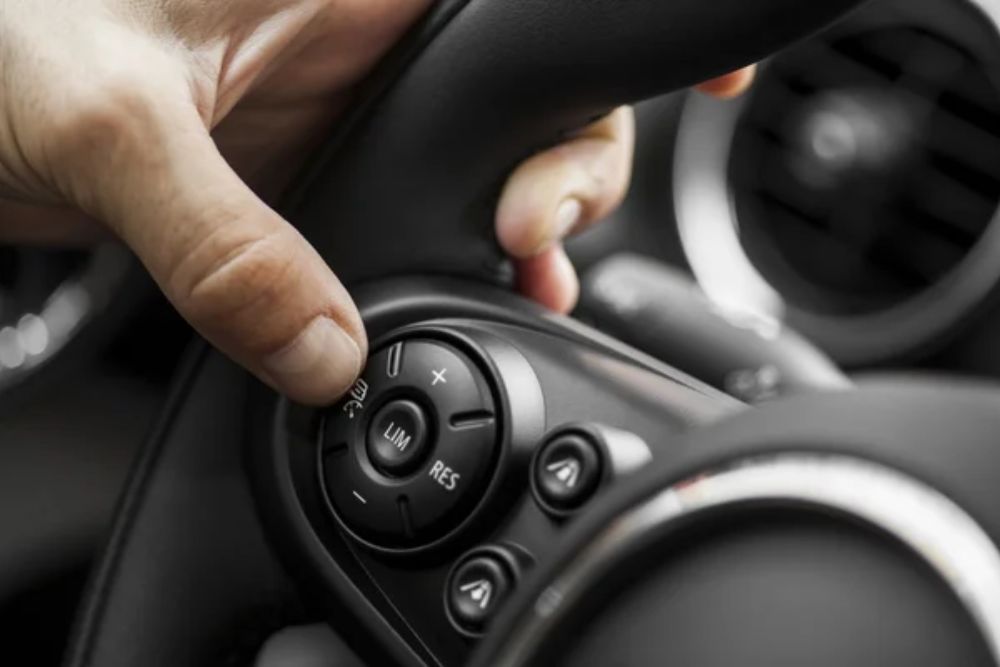
Chrysler introduced ‘Auto-pilot’ cruise control in 1958, marketing it as the ultimate driving convenience for long highway trips. The system worked surprisingly well, but most drivers were terrified of letting the car control its own speed and worried about what would happen if it malfunctioned.
It took years of gradual acceptance and improved reliability before cruise control became a standard feature that people actually trusted enough to use regularly.
Electronic Fuel Injection

Chevrolet offered electronic fuel injection on the 1957 Corvette, calling it the ‘Ramjet Fuel Injection’ system that promised better performance and fuel economy. The system was incredibly advanced for its time but also incredibly finicky, requiring constant adjustments and specialized knowledge to maintain properly.
Most mechanics had no idea how to work on it, so Chevy quietly dropped the option after just a few years, and fuel injection didn’t return until the technology matured in the 1980s.
Like Go2Tutors’s content? Follow us on MSN.
GPS Navigation

The first car navigation system appeared in the 1981 Honda Accord in Japan, using a primitive map display and dead reckoning to track your location. Honda called it the ‘Electro Gyrocator,’ and while it was revolutionary, it was also wildly expensive and only worked if you manually input your starting location correctly.
The system couldn’t receive satellite signals and relied on internal sensors, making it about as reliable as asking for directions from a confused tourist.
Heated Seats
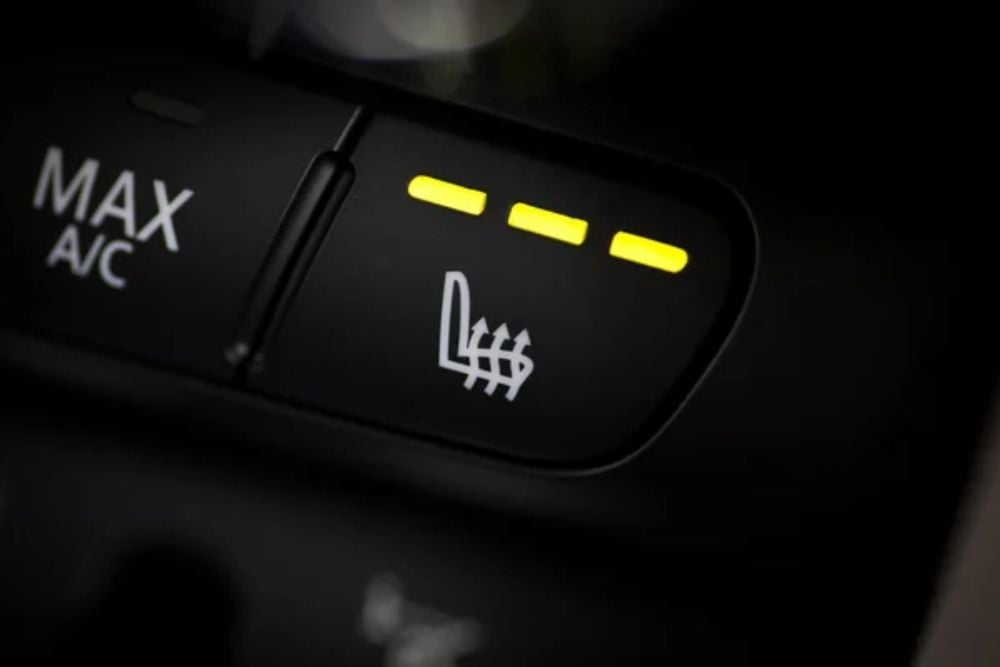
Cadillac introduced heated seats in 1966 as part of their ‘Comfort and Convenience’ package, but they were basically electric blankets built into the upholstery. The heating elements were unreliable and had a tendency to create uncomfortable hot spots or fail completely after a few months.
Most buyers saw them as an unnecessary luxury that would probably break anyway, and heated seats didn’t become popular until the technology improved dramatically in the 1990s.
Hybrid Powertrains
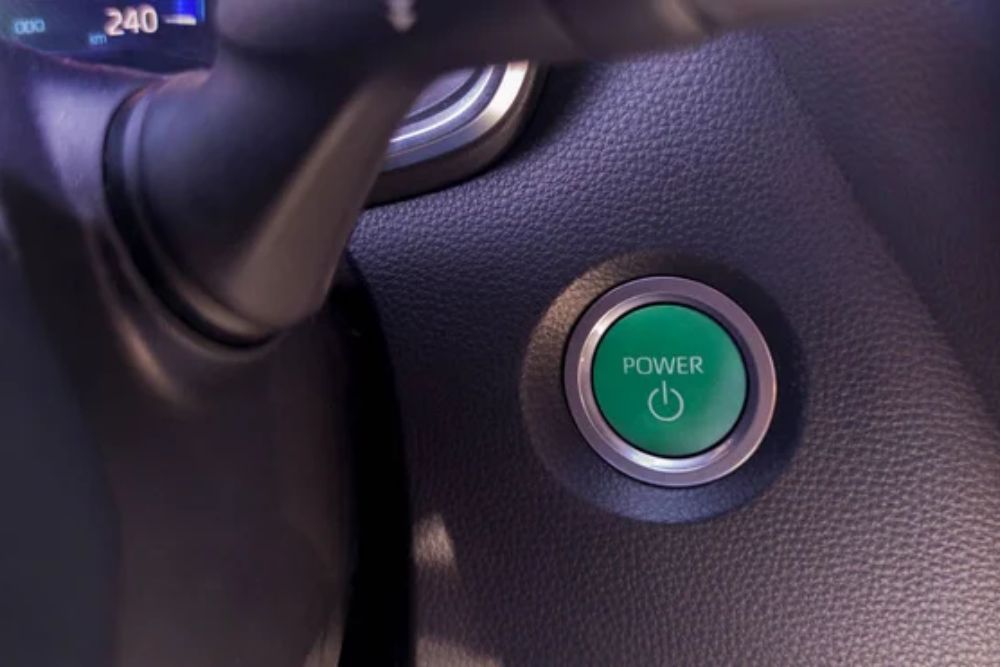
The Toyota Prius wasn’t the first hybrid car—that honor goes to the Toyota Coaster Hybrid bus from 1977, which used a gas engine and electric motor combination. Toyota was experimenting with hybrid technology decades before environmental concerns made it marketable to consumers.
The early systems were complex, expensive, and offered minimal fuel savings, so the technology remained in development until the late 1990s when battery technology finally caught up with the concept.
Like Go2Tutors’s content? Follow us on MSN.
Keyless Entry
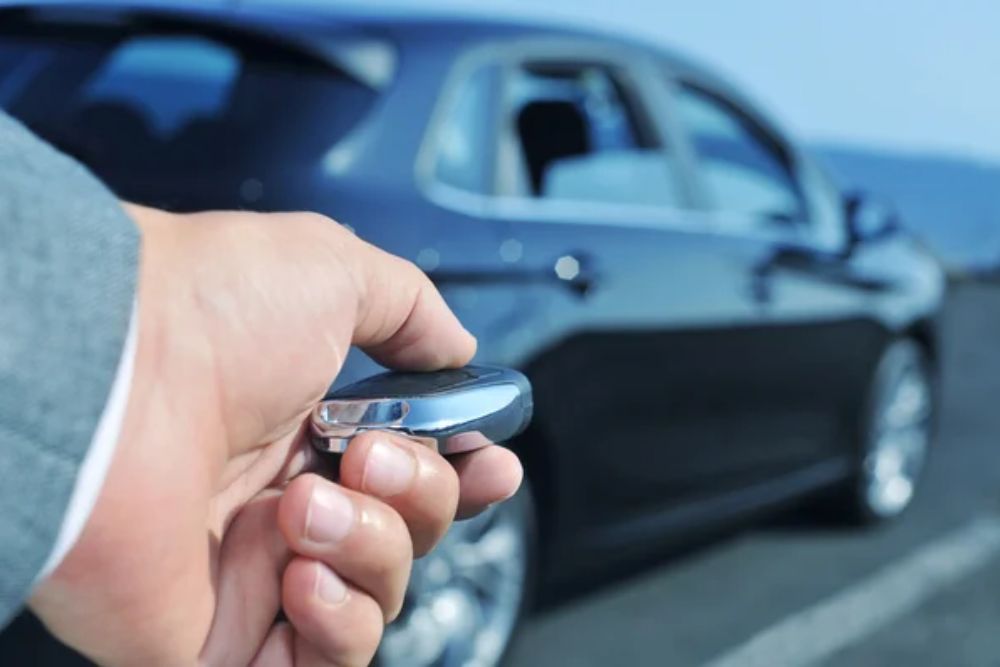
Ford introduced keyless entry on the 1980 Thunderbird, using a numerical keypad on the driver’s door that let you unlock the car without keys. The system worked great when it worked, but the buttons would stick in cold weather, the codes were easy to guess, and many owners forgot their combinations and locked themselves out anyway.
Remote keyless entry with key fobs didn’t become common until the 1990s when the technology became more reliable and less expensive to produce.
LED Headlights
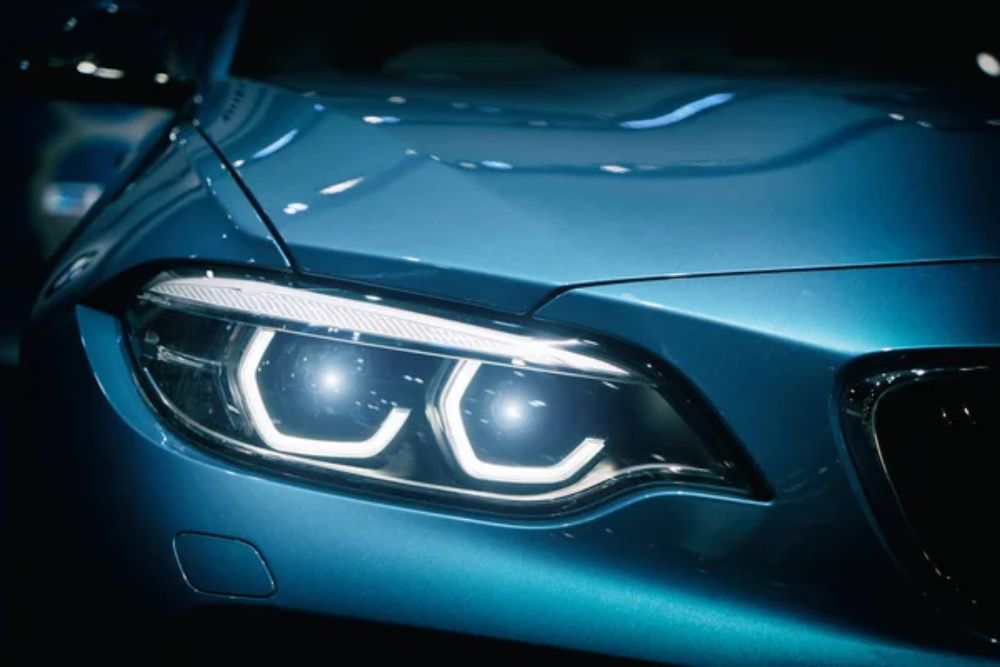
Audi pioneered LED headlight technology in 2004 with their R8 supercar, creating incredibly bright and efficient lighting that lasted far longer than traditional bulbs. The problem was that each LED headlight assembly cost thousands of dollars to replace and required specialized knowledge to repair.
Most people couldn’t justify the expense for slightly better visibility, and LED headlights remained a luxury feature until costs dropped dramatically in the 2010s.
Night Vision Systems

Cadillac introduced night vision technology in 2000, using infrared cameras to detect heat signatures and display them on a dashboard screen. The system could spot deer, pedestrians, and other hazards well before your headlights could illuminate them, but it was expensive and most drivers found the display more distracting than helpful.
The technology was genuinely useful, but it felt like something from a science fiction movie rather than a practical driving aid.
Like Go2Tutors’s content? Follow us on MSN.
Retractable Hardtops

The 1957 Ford Skyliner featured a completely retractable steel hardtop that folded into the trunk at the push of a button, creating a true convertible experience without sacrificing structural rigidity. The complex mechanism required dozens of motors, switches, and sensors to operate properly, and when something went wrong, the car could be stuck half-open indefinitely.
The system was fascinating to watch but terrifying to own, and retractable hardtops didn’t become reliable until decades later.
Satellite Radio
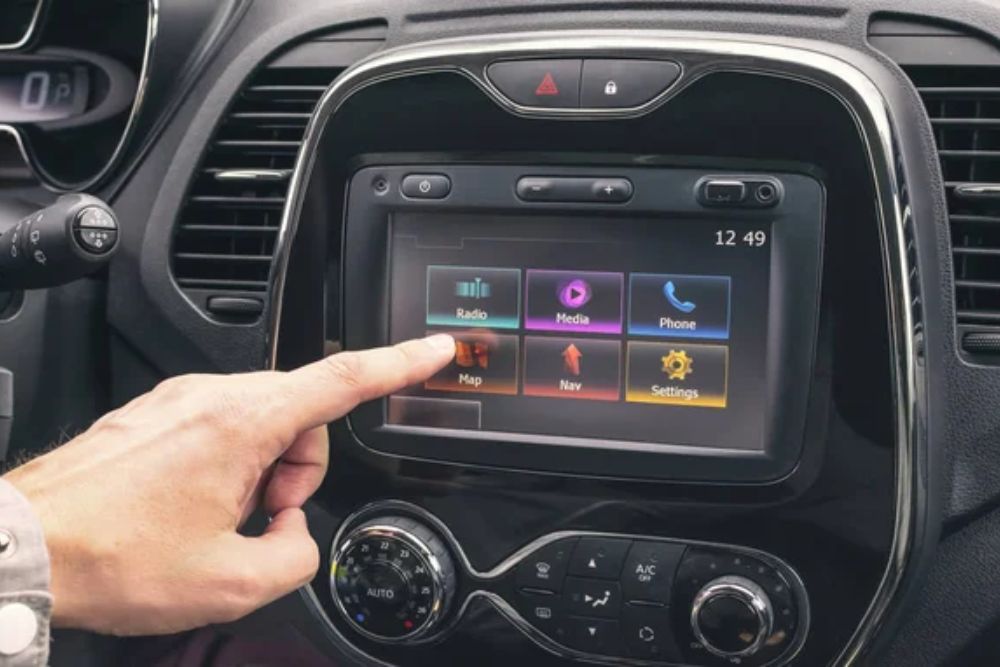
Pioneer introduced satellite radio technology in 1992, promising crystal-clear reception anywhere in the country without static or signal loss. The concept was brilliant, but the receivers were enormous, the monthly subscription fees were expensive, and there simply wasn’t enough programming to justify the cost.
Most people were perfectly happy with regular radio, and satellite radio didn’t gain traction until XM and Sirius launched comprehensive services in the early 2000s.
Traction Control
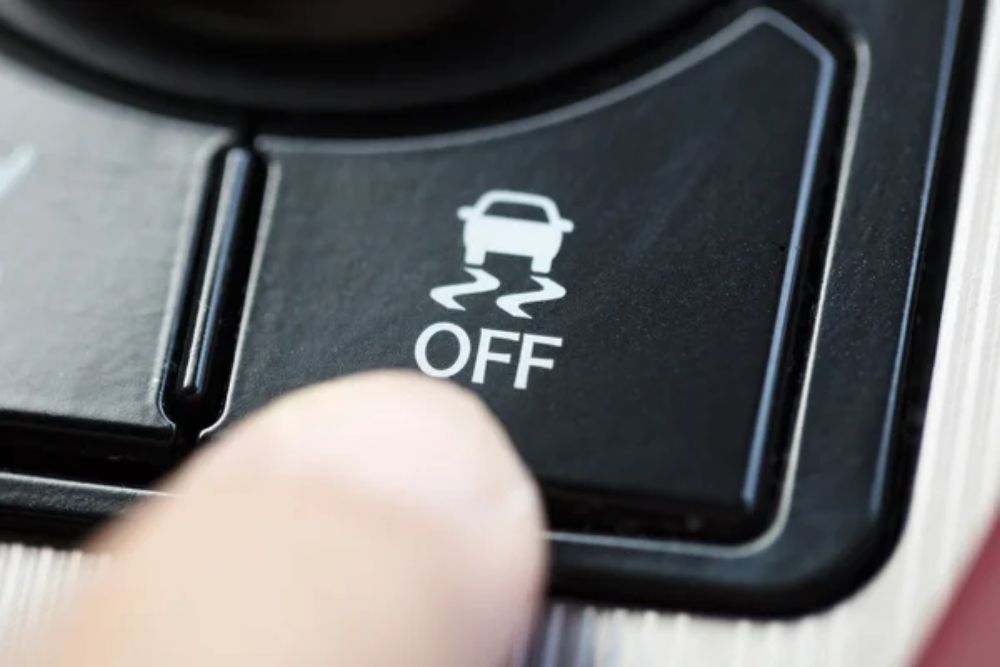
Buick introduced a primitive traction control system called ‘MaxTrac’ in 1971, using sensors to detect wheel spin and automatically apply the brakes to improve grip. The system worked reasonably well in theory, but the early electronics were slow to react and often engaged at inappropriate times, creating jerky acceleration and confused drivers.
Traction control didn’t become truly effective until computer processing power improved enough to make split-second adjustments smoothly.
Like Go2Tutors’s content? Follow us on MSN.
Voice Recognition
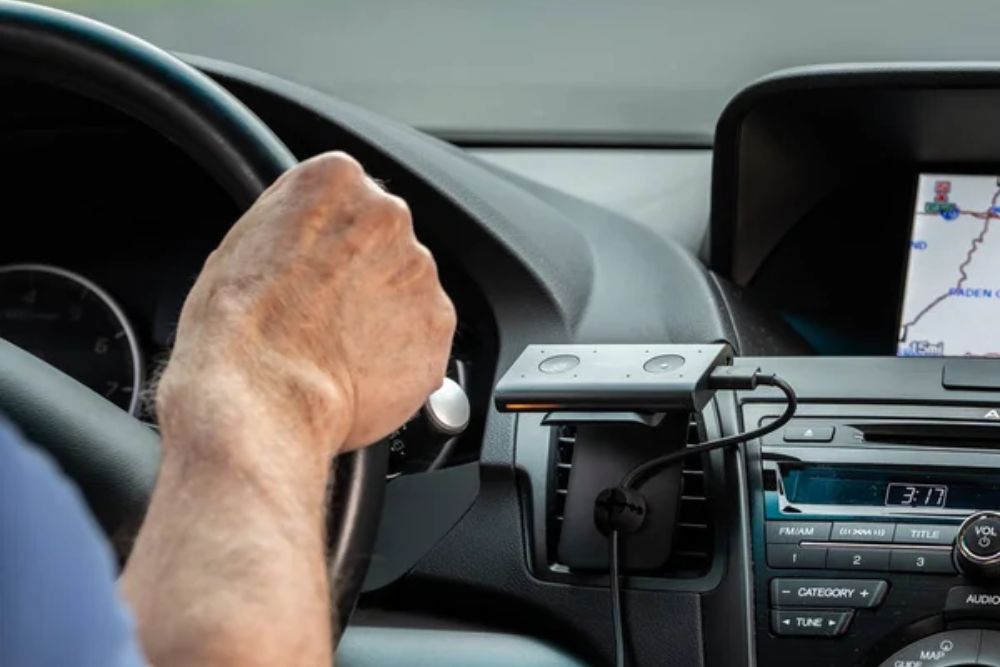
Ford experimented with voice-activated controls in 1993, allowing drivers to adjust the radio and climate control using simple voice commands. The system could recognize basic words like ‘radio’ and ‘temperature,’ but it struggled with accents, background noise, and any deviation from the exact programmed phrases.
Most people gave up after a few frustrating attempts and went back to using buttons and knobs, while voice recognition remained more of a novelty than a practical feature.
Wireless Charging
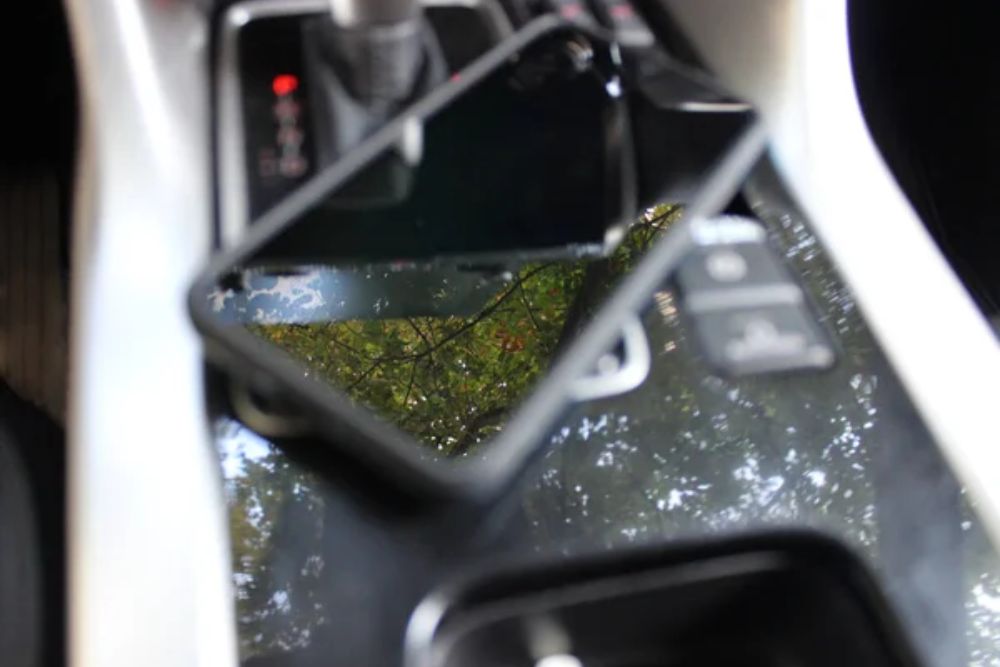
The first wireless phone charging pad appeared in luxury cars around 2012, promising to eliminate the need for charging cables by simply placing your phone on a special surface. The technology worked perfectly in controlled conditions, but phones would slide around while driving, charging was slower than with traditional cables, and the systems only worked with specific phone models.
Wireless charging felt futuristic but wasn’t quite ready for the real world of daily driving.
Beyond Their Time
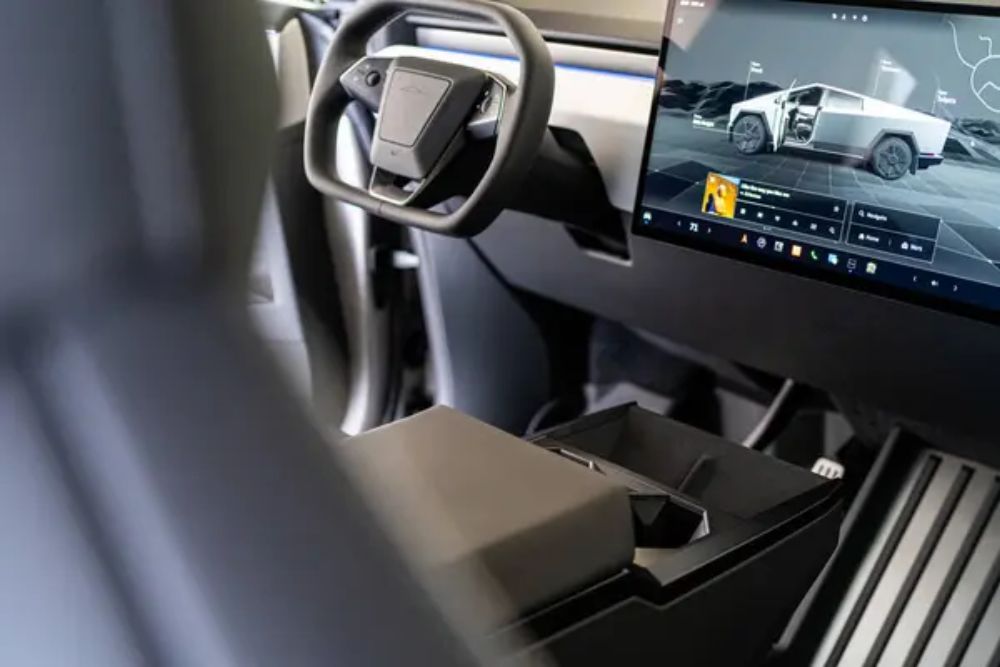
These automotive innovations remind us that being first doesn’t always mean being successful, and timing matters just as much as technology in the car business. Many of these features failed initially not because they were bad ideas, but because the supporting technology, manufacturing costs, or consumer mindset hadn’t evolved enough to make them practical.
Today’s standard features were yesterday’s expensive experiments, and somewhere in a research lab right now, engineers are probably developing the next ‘ahead of its time’ feature that won’t catch on for another twenty years.
Like Go2Tutors’s content? Follow us on MSN.
More from Go2Tutors!

- 16 Restaurant Chains That Went Too Fast
- 12 Things Sold in the 80s That Are Now Illegal
- 15 Strange Things People Have Tried to Ban (And Failed)
- 16 Collectibles People Tossed Out Too Soon
- 17 Myths from Your Childhood That Were Actually Based on Real Things
Like Go2Tutors’s content? Follow us on MSN.