16 Asian actors who broke Hollywood barriers
Hollywood has long been a challenging landscape for Asian performers, filled with stereotypes, limited opportunities, and systemic barriers. Yet throughout its history, courageous actors have pushed through these obstacles, redefining what it means to be Asian in American entertainment. From silent film pioneers to modern-day Oscar winners, these trailblazers didn’t just break barriers—they shattered them completely.
These remarkable performers came from different backgrounds, eras, and circumstances, but they all shared one thing in common: the determination to change how Asian stories are told on screen. Here is a list of 16 Asian actors who fundamentally transformed Hollywood’s approach to casting and storytelling.
Sessue Hayakawa
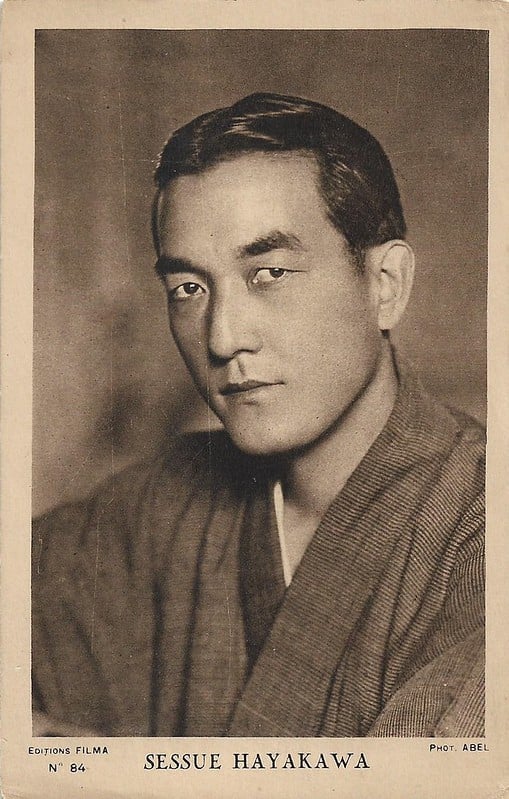
Sessue Hayakawa became Hollywood’s first Asian American heartthrob during the 1910s silent film era, achieving fame that rivaled Charlie Chaplin and wealth that matched Douglas Fairbanks. Born in Japan in 1889, he originally planned to become a naval officer but was rejected due to hearing problems, leading him to discover his passion for theater in Los Angeles’ Little Tokyo. His breakout role in Cecil B. DeMille’s ‘The Cheat’ (1915) made him a massive box office sensation, with the film earning over $120,000 and launching his Hollywood career as a romantic leading man. Hayakawa became the first and only Asian American to own a Hollywood studio, which netted more than $2 million in profits at its peak.
Anna May Wong
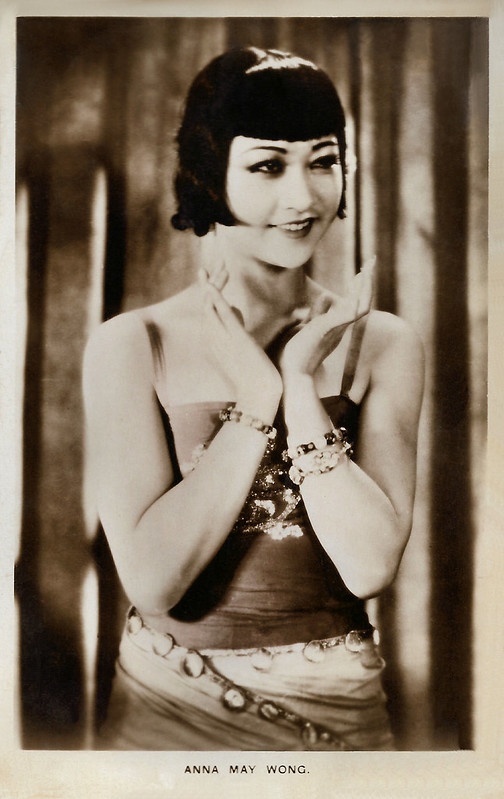
Anna May Wong was the first Chinese American film star in Hollywood and the first Chinese American actress to gain international recognition. Born to Chinatown laundry owners, she was fascinated by film from an early age, often playing hooky from school to watch movies and sneaking into shoots on the streets of Chinatown. Her career spanned silent film, sound film, television, stage, and radio, with notable roles including ‘The Toll of the Sea’ (1922), one of the first films made in color, and Douglas Fairbanks’ ‘The Thief of Bagdad’ (1924). Despite being ‘incredibly famous’ in the 1920s, she grew tired of Hollywood’s stereotypical roles and moved to Europe in 1928, where she found stronger roles like in the noir murder mystery ‘Piccadilly.’
Bruce Lee
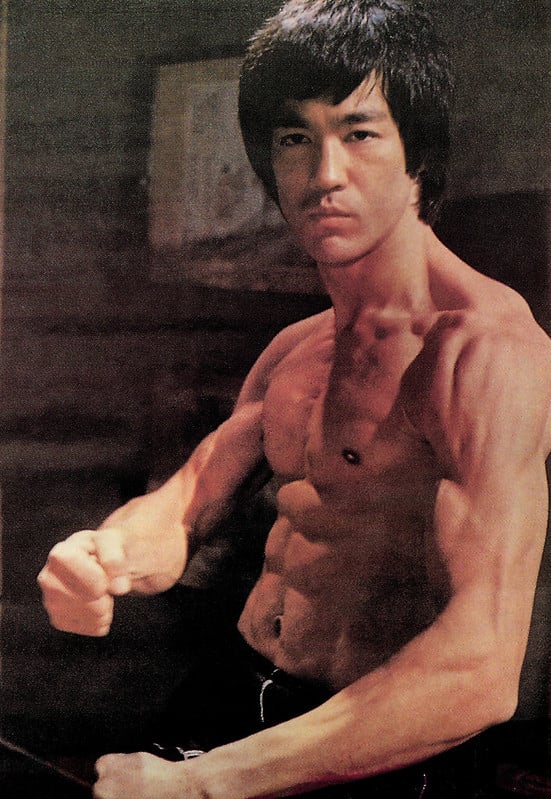
Bruce Lee was introduced to the world playing sidekick Kato in the Green Hornet TV series, but he quickly overshadowed lead actor Van Williams. Lee revolutionized martial arts cinema by introducing innovative fight choreography and demonstrating kung fu with modern techniques that completely redefined action sequences. His philosophy of martial arts as both physical and mental discipline influenced not just movies but popular culture worldwide. Lee’s untimely death at age 32 cut short what could have been an even more groundbreaking career, but his legacy as the first Asian action superstar remains unmatched.
Jackie Chan
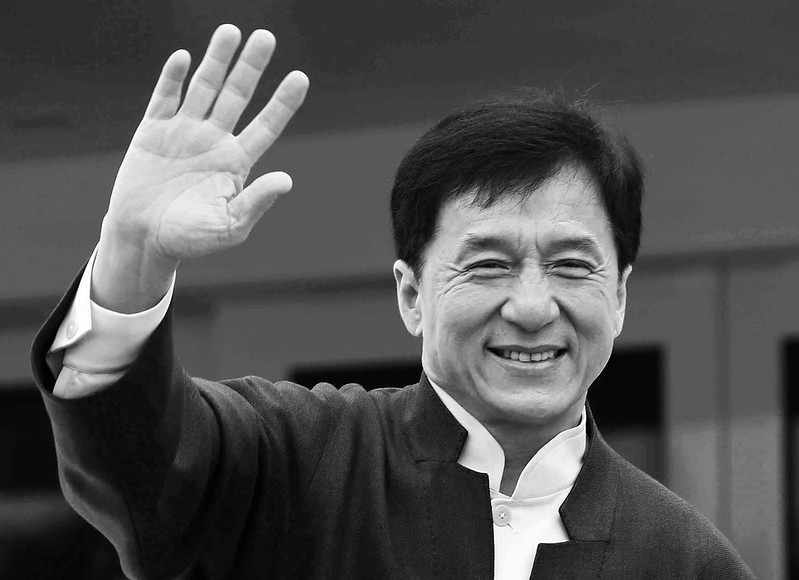
After conquering Asia, Hollywood was only a natural next step for Jackie Chan, with his breakthrough coming through 1995’s ‘Rumble in the Bronx,’ which showcased his unique ability to combine action, humor, and death-defying stunts. Chan began as a stunt performer in Hong Kong and rapidly gained fame through his charismatic screen presence and exceptional skill, bridging Eastern and Western styles with his unique blend of action and comedy. His iconic roles in films like the Rush Hour series, Drunken Master, and Police Story showcase his influence on the action genre, ultimately earning him an Academy Honorary Award in 2016 for lifetime achievement. Chan’s production company also fosters new Asian talent, underlining his role as both performer and mentor.
Michelle Yeoh
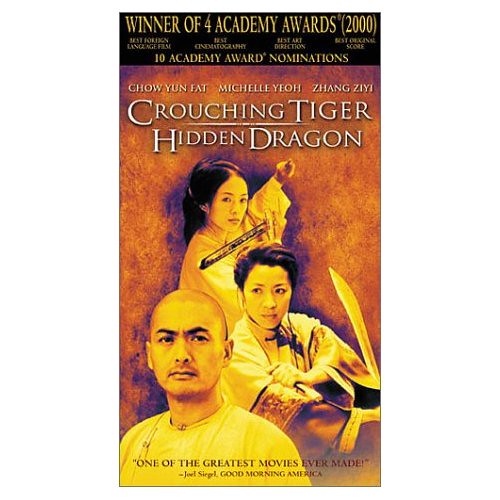
Michelle Yeoh, a Malaysian-Chinese actress celebrated for her elegant grace and martial arts expertise, had her Hollywood breakthrough with her role as Yu Shu Lien in ‘Crouching Tiger, Hidden Dragon,’ which brought her widespread recognition and numerous awards. Her background as a ballet dancer significantly influenced her performance style, blending physical prowess with artistic expression. She continued building on her success with notable roles in ‘Memoirs of a Geisha,’ ‘Crazy Rich Asians,’ and recent works like ‘Star Trek: Discovery’ and ‘Everything Everywhere All at Once.’ She won the Academy Award for Best Actress for ‘Everything Everywhere All at Once,’ making history as an Asian actress achieving this milestone.
Steven Yeun
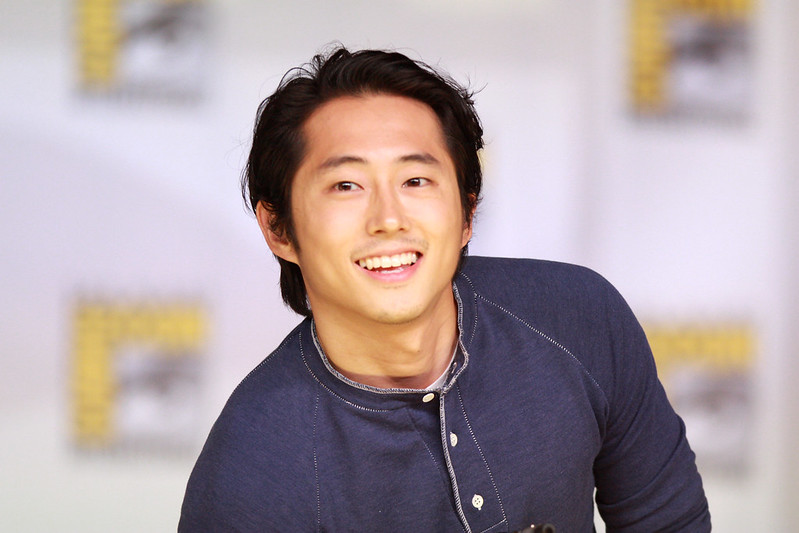
Steven Yeun rose to prominence with his critically acclaimed role as Glenn Rhee in ‘The Walking Dead’ and made history by becoming the first Asian-American actor to be nominated for the Best Actor category at the Academy Awards in 2021 for his role in ‘Minari.’ Born in Seoul but raised in America, Yeun often felt caught between cultures, saying he felt like he was ‘on a lonely island’ when American film crews didn’t know how to properly light Asian skin tones. Despite these challenges, he depicted a Korean immigrant family’s ambitious father beautifully in ‘Minari’ and later won the 2024 Best Actor Award at the Golden Globe for the Netflix drama ‘Beef,’ becoming the first person of Korean descent to achieve this honor. His success has shown that Asian American actors can transcend stereotypical roles.
John Cho
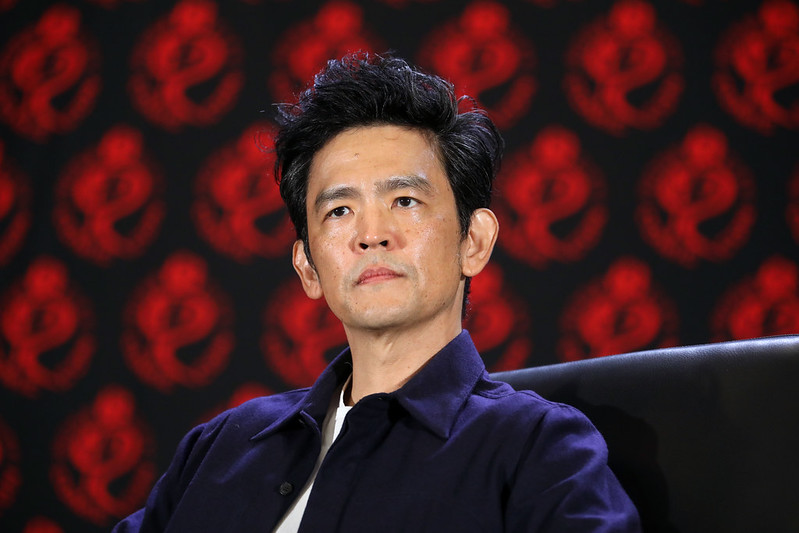
John Cho has been a trailblazer in Hollywood with his versatile performances in films such as ‘Harold & Kumar’ and the ‘Star Trek’ franchise, becoming an advocate for greater Asian representation in Hollywood. He made history as the first Asian-American actor to headline a mainstream Hollywood thriller with ‘Searching’ (2018), which showcased his exceptional talent and broke barriers for Asian representation in the genre. Born in Seoul but raised in America, Cho has consistently chosen roles that challenge stereotypes and expand opportunities for Asian American actors. His work spans comedy, drama, and science fiction, proving that Asian actors can succeed across all genres.
Ken Watanabe
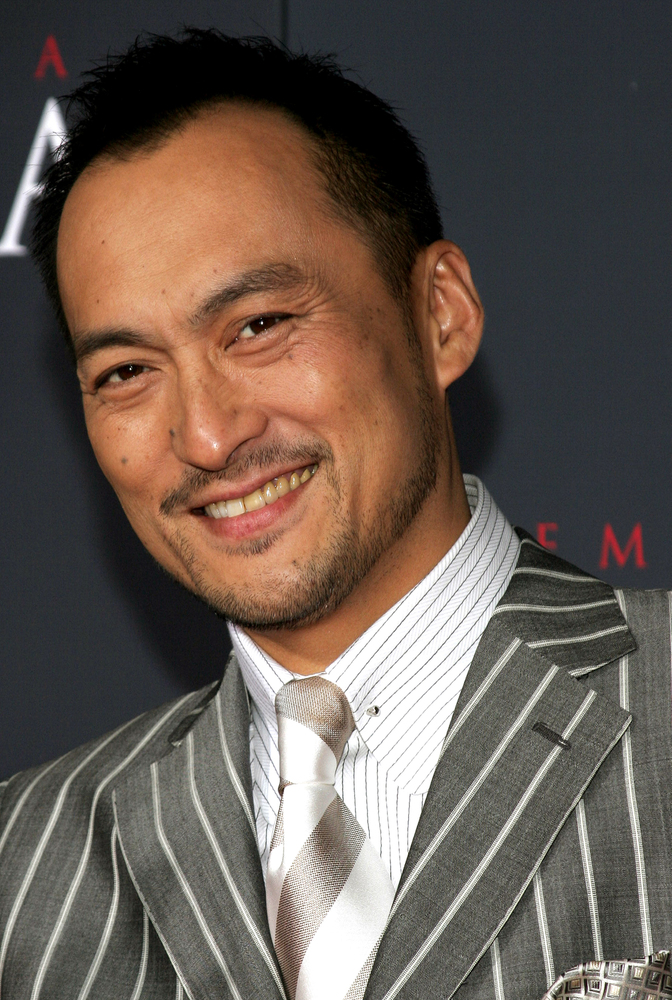
— Photo by PopularImages
Ken Watanabe was introduced to the world through ‘The Last Samurai,’ where his performance as Katsumoto earned him an Academy Award nomination for Best Supporting Actor. Already a famous actor in Japan, Watanabe’s Hollywood breakthrough opened doors for other Japanese performers in American cinema. He eventually appeared in many other blockbusters, including ‘Memoirs of a Geisha,’ ‘Batman Begins,’ ‘Inception,’ and ‘Godzilla.’ Watanabe brought gravitas and authenticity to roles that could have easily fallen into stereotype, elevating every project he joined with his powerful screen presence.
Simu Liu
— Photo by Jean_Nelson
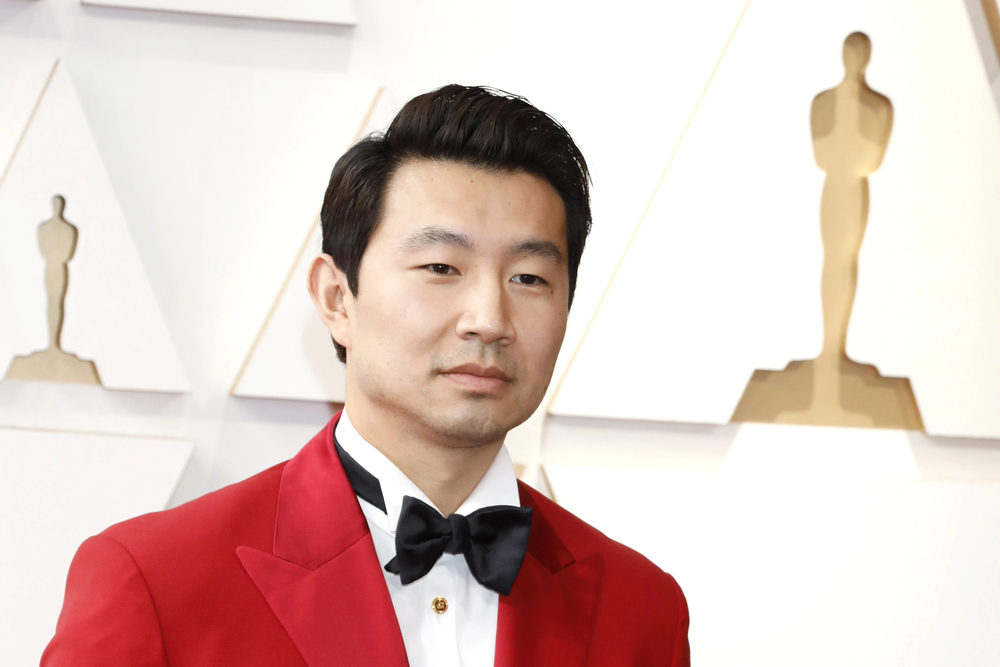
Simu Liu made history as the first Asian actor to be cast in the lead superhero role in a Marvel movie with ‘Shang-Chi and the Legend of the Ten Rings,’ portraying a skilled martial artist trained by his father to be an assassin. The Chinese-Canadian actor previously made his TV breakthrough in the CBS comedy series ‘Kim’s Convenience,’ playing Jung Kim in what became one of the most successful shows in Canadian TV history. At 6’0″ and weighing 185 pounds, Liu’s portrayal of a superhero has not only shattered stereotypes but also empowered Asian audiences worldwide. His casting represented a seismic shift in how Hollywood views Asian leading men in major franchise films.
Henry Golding
— Photo by Jean_Nelson
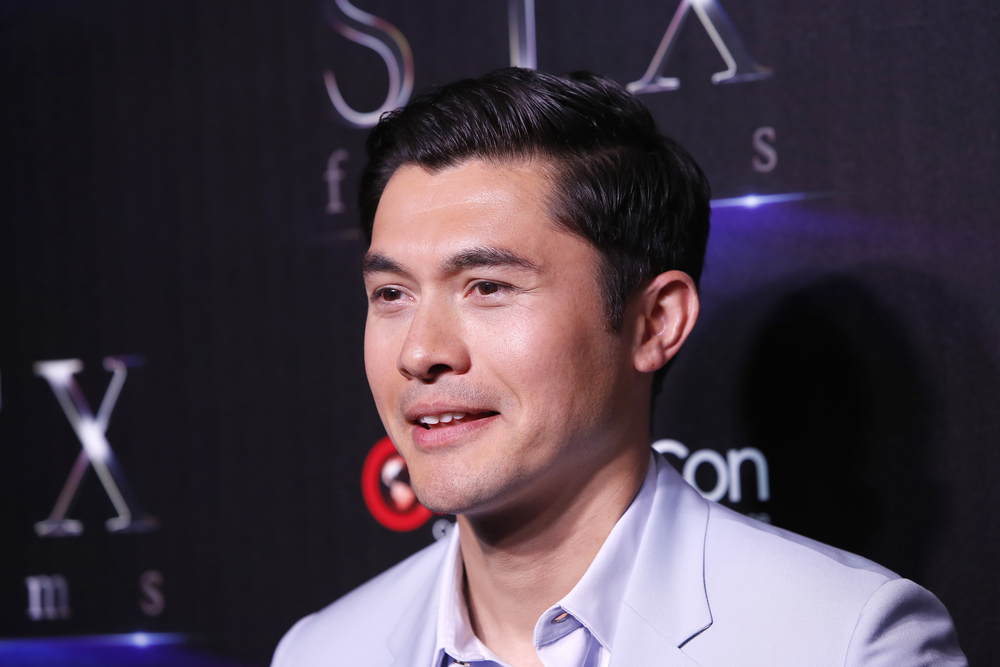
Henry Golding, born in Sarawak, Malaysia, captured hearts with his breakthrough role as Nick Young in ‘Crazy Rich Asians’ (2018), standing at 6’1″ and weighing 176 pounds. His success in Hollywood has not only brought attention to his talent but also shattered stereotypes about Asian leading men. Before acting, Golding worked as a television host and hairstylist, proving that Hollywood success can come from unexpected backgrounds. His charm and leading man qualities in ‘Crazy Rich Asians’ helped redefine what an Asian romantic lead could look like on screen.
Sandra Oh
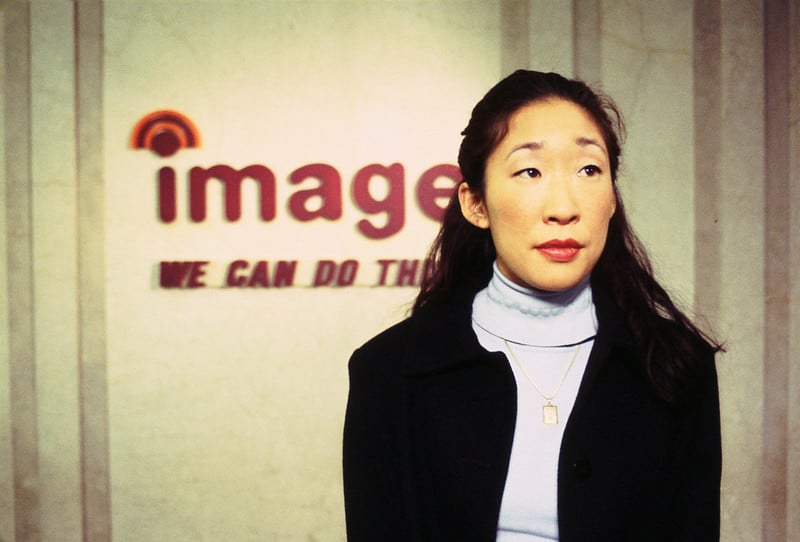
Sandra Oh’s journey began with various minor roles in Canadian productions, but despite her undeniable talent, she faced numerous challenges and limited opportunities early in her career. Her breakthrough came with ‘Grey’s Anatomy,’ where her portrayal of Dr. Cristina Yang became iconic, bringing her widespread acclaim and redefining the portrayal of Asian women on television. Oh’s success on one of television’s biggest shows proved that Asian actresses could carry major storylines and become fan favorites. Her work opened doors for more complex, non-stereotypical roles for Asian women in mainstream television.
Gemma Chan

Gemma Chan’s role as Astrid Leong-Teo in ‘Crazy Rich Asians’ was a turning point that elevated her career and highlighted the importance of Asian representation in Hollywood, with Astrid’s depth and elegance resonating with audiences worldwide. ‘Crazy Rich Asians’ was a cultural milestone, being the first major Hollywood film with an all-Asian cast in 25 years, showcasing rich diversity within the Asian community and challenging stereotypes. Following her breakout role, Chan joined the Marvel Cinematic Universe, starring in ‘Captain Marvel’ and ‘Eternals,’ along with other projects like ‘Humans’ and ‘Let Them All Talk.’ Her transition from supporting roles to major blockbuster films demonstrates the expanding opportunities for Asian actresses.
Jet Li
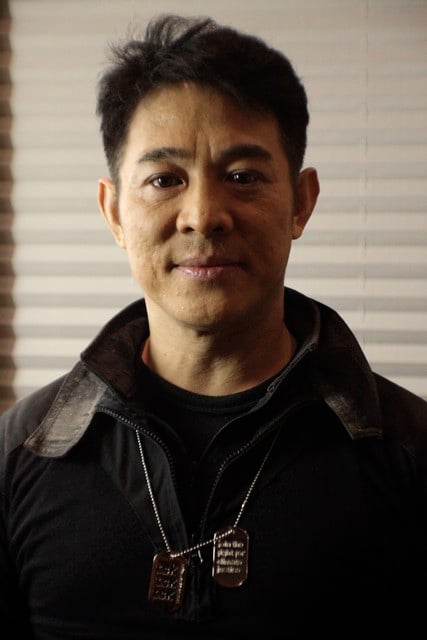
Before making it big in Hollywood, Jet Li was the king of wuxia films thanks to the ‘Once Upon a Time in China’ series, making his Western debut in ‘Lethal Weapon 4’ and solidifying his star power with ‘Romeo Must Die’ and ‘Hero.’ Since then, he’s appeared in other blockbusters such as ‘The Mummy: Tomb of the Dragon Emperor,’ ‘The Expendables,’ and ‘The Forbidden Kingdom,’ even playing the emperor of China in the live-action ‘Mulan.’ Li brought a different style of martial arts to Hollywood than Jackie Chan or Bruce Lee, emphasizing philosophical depth alongside physical prowess. His success helped establish that there was room for multiple Asian action stars with distinct approaches.
Chow Yun-Fat
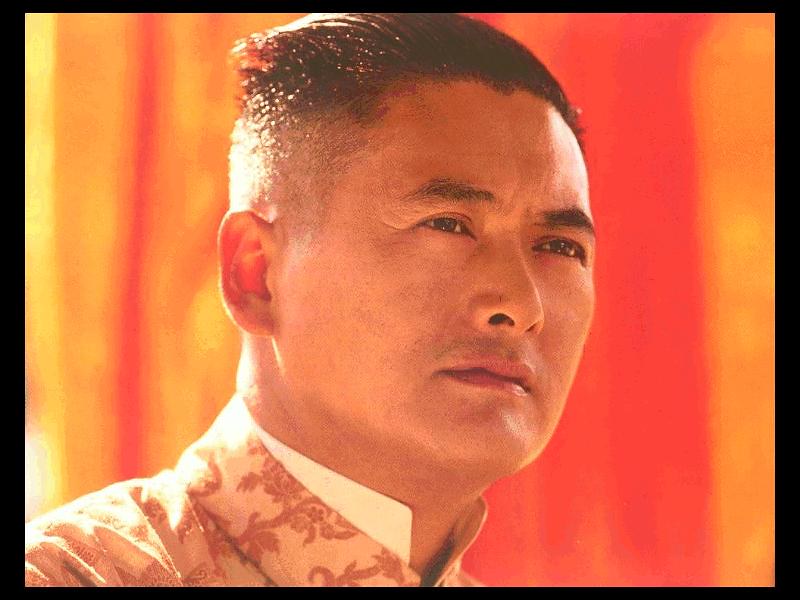
Chow Yun-Fat was a major player in Hong Kong cinema, with one of his most iconic films, ‘Hard Boiled,’ inspiring ‘The Matrix,’ ‘Desperado,’ and ‘Face/Off,’ and even being parodied on ‘Tropic Thunder.’ Fat’s Hollywood breakthrough came with ‘The Replacement Killers’ in 1998, and he boosted his international fame with ‘Crouching Tiger, Hidden Dragon,’ working steadily in other big-budget films since. His cool, charismatic presence in action films helped establish the template for the sophisticated Asian leading man. Chow’s influence on both Hong Kong and Hollywood cinema cannot be overstated.
Hiroyuki Sanada
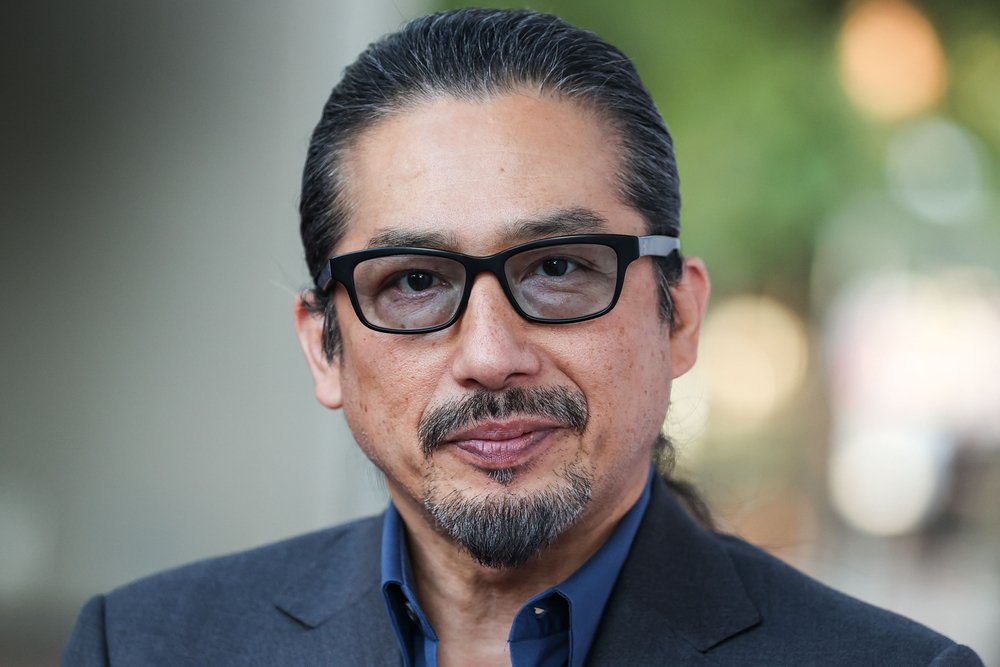
— Photo by Image Press Agency
Hiroyuki Sanada has been acting since he was five but caught global attention starring with Tom Cruise and Ken Watanabe in ‘The Last Samurai,’ steadily booking supporting roles in ‘Sunshine,’ ’47 Ronin,’ ‘Avengers: Endgame,’ and the HBO series ‘Westworld.’ Sanada represents the working actor who built his career through consistent, quality performances rather than a single breakout role. His longevity in both Japanese and American productions shows the potential for sustained cross-cultural careers. At over 60 years old, he continues to land significant roles, proving that Asian actors don’t have to fade away after their initial Hollywood breakthrough.
Haing S. Ngor
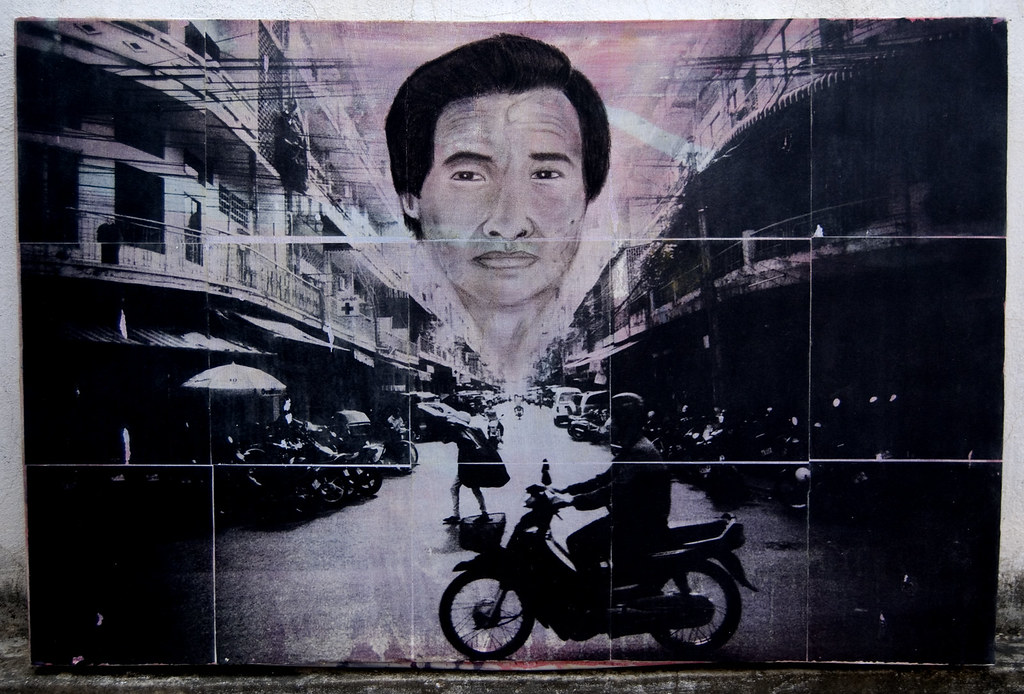
This Cambodian doctor-turned-actor was the first Asian to win an Academy Award for acting, winning the Best Supporting prize in 1985 for his role in ‘The Killing Fields.’ Tragically, he was murdered outside his home 11 years later due to an alleged burglary, though lawyers argued the real reason was politically motivated and the killers were sympathizers of the Khmer Rouge. Ngor’s story is both inspiring and heartbreaking—a real-life survivor of the Cambodian genocide who channeled his experiences into a powerful performance. His Academy Award win proved that authenticity and lived experience could triumph over traditional Hollywood training, paving the way for more diverse casting choices.
Breaking New Ground

These 16 actors didn’t just appear in movies—they fundamentally changed how Hollywood views Asian talent. Their groundbreaking roles have not only showcased their individual talents but have also opened doors for greater diversity in casting and storytelling, serving as inspiration for aspiring actors and demonstrating that perseverance and talent can overcome barriers. From Sessue Hayakawa’s pioneering studio ownership in the 1910s to Steven Yeun’s historic Oscar nomination in 2021, each generation has built upon the work of those who came before. Today’s Asian actors benefit from the courage of these barrier-breakers, yet the fight for authentic representation continues, with each new success creating more opportunities for the next generation of storytellers.
More from Go2Tutors!

- 16 Historical Figures Who Were Nothing Like You Think
- 12 Things Sold in the 80s That Are Now Illegal
- 15 VHS Tapes That Could Be Worth Thousands
- 17 Historical “What Ifs” That Would Have Changed Everything
- 18 TV Shows That Vanished Without a Finale
Like Go2Tutors’s content? Follow us on MSN.