Historic Encounters That Changed Global Relations
History turns on conversations. Two people meet in a room, a tent, or aboard a ship, and the world shifts.
These moments don’t always look dramatic when they happen. Sometimes they’re awkward, sometimes tense, sometimes surprisingly warm.
But they reshape borders, end wars, and set nations on paths that last for generations.
When Napoleon Met the Tsar

The Tilsit summit brought together two emperors on a raft in the middle of the Neman River in 1807. Napoleon and Alexander I of Russia negotiated while their armies watched from opposite banks.
The setting itself was theater—neutral ground, literally floating between their territories. Their agreement carved up Europe and isolated Britain.
It lasted only five years, but those years gave Napoleon the breathing room he needed to dominate the continent. The alliance collapsed spectacularly, but the meeting showed how personal diplomacy between rulers could reshape entire continents overnight.
Desert Peace

Anwar Sadat and Menachem Begin spent thirteen days at Camp David in 1978, locked in negotiations that nobody thought would succeed. Jimmy Carter shuttled between their cabins, pushing both men past their breaking points.
The talks nearly collapsed multiple times. What emerged changed the Middle East permanently.
Egypt recognized Israel, becoming the first Arab nation to do so. Israel returned to the Sinai Peninsula.
Both leaders paid heavy prices—Sadat was assassinated three years later—but the peace treaty still holds decades later.
The Week That Changed Asia
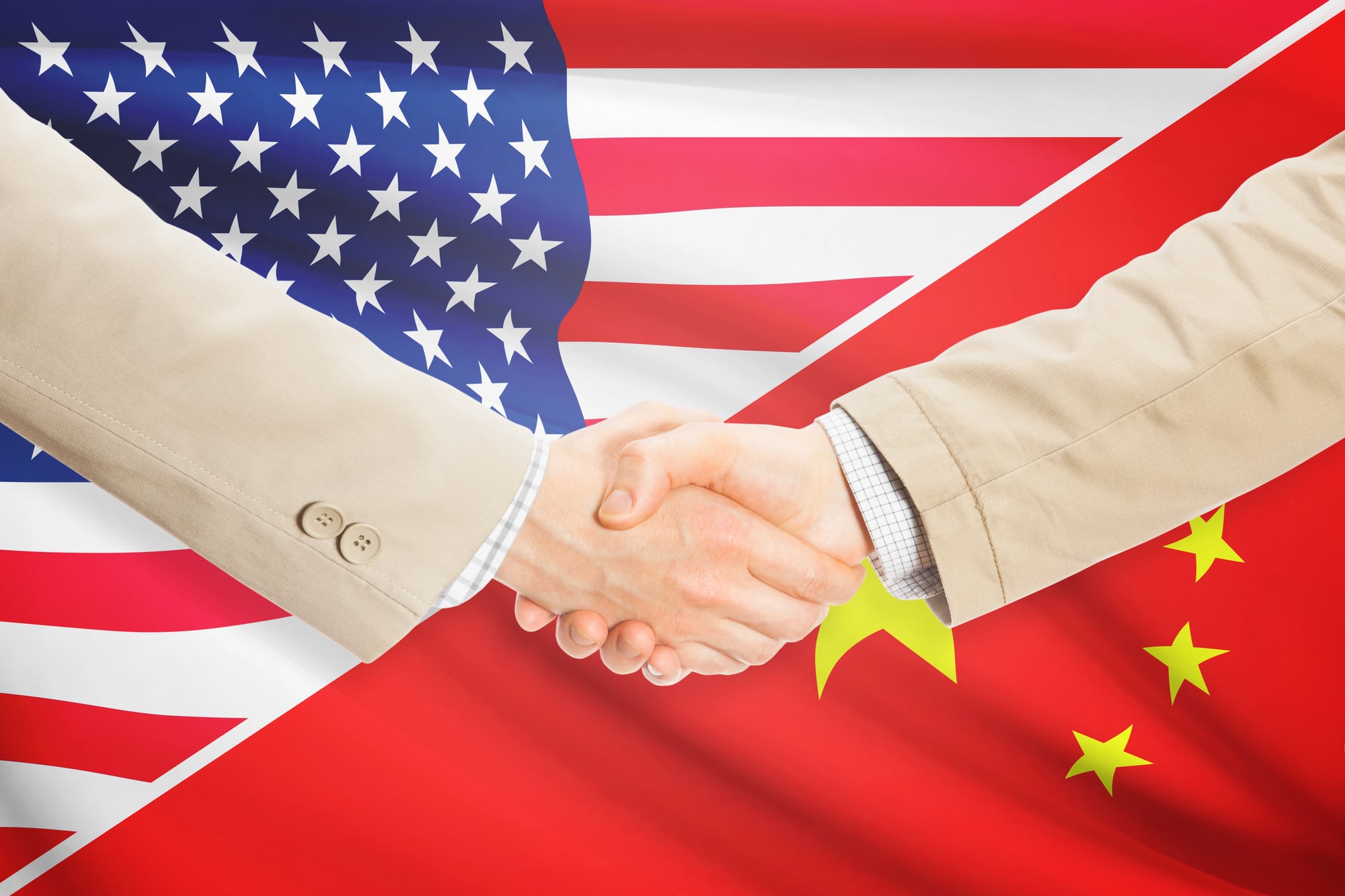
Richard Nixon walked off Air Force One in Beijing in 1972 and shook hands with Zhou Enlai. That handshake ended more than two decades of hostility between the United States and China.
The state visit lasted seven days and included meetings with Mao Zedong that opened channels between two nations that had treated each other as enemies. The strategic implications rippled outward immediately.
The Soviet Union suddenly faced rivals on two fronts. China gained access to Western technology and markets.
The Cold War’s balance of power shifted, and Asia’s economic transformation began accelerating in ways that still shape the world today.
Redrawing Europe
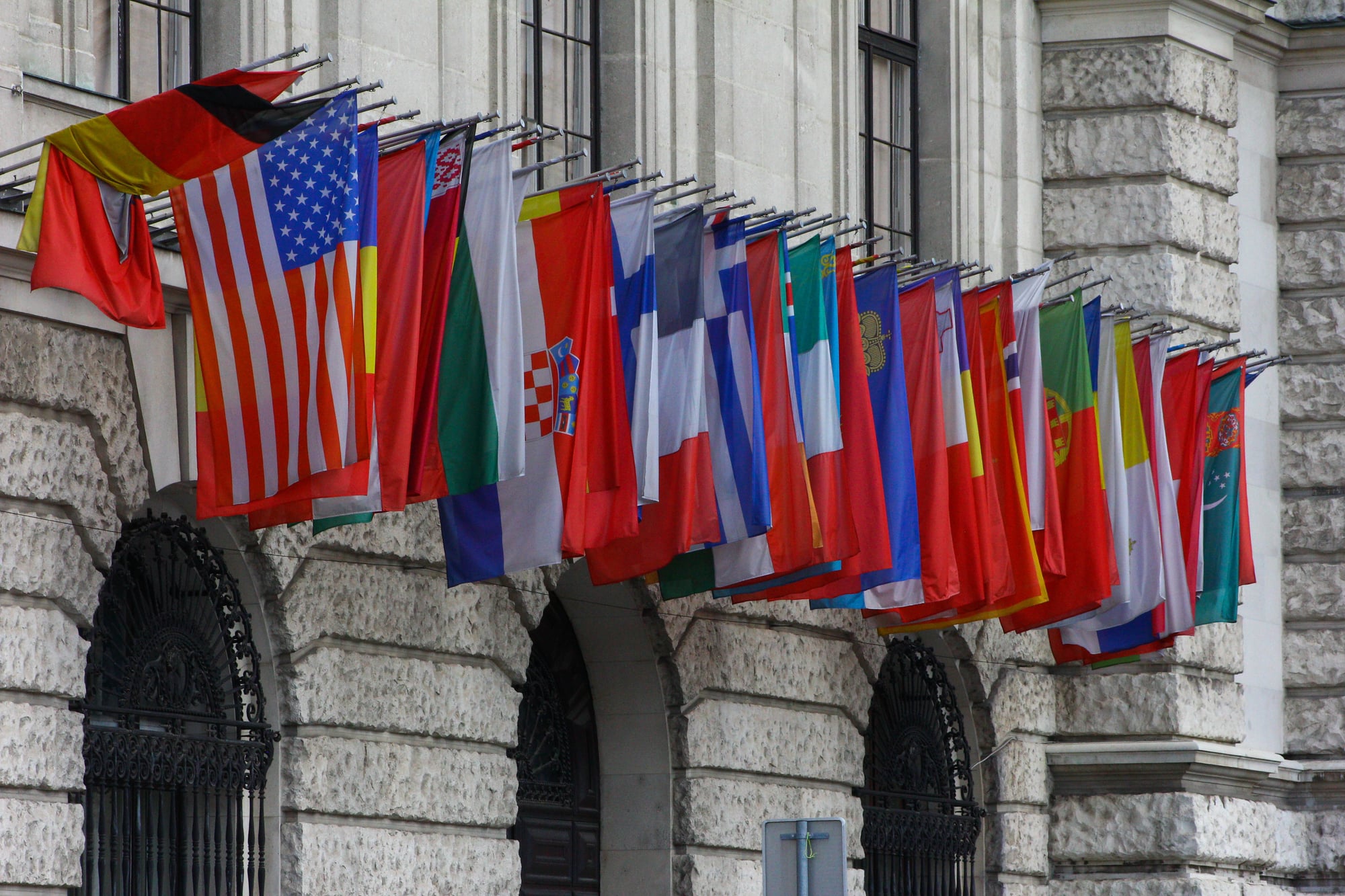
The Congress of Vienna convened in 1814 after Napoleon’s first defeat, bringing together representatives from every major European power. For months, princes and diplomats danced at galas by night and negotiated borders by day.
The atmosphere was surprisingly festive for a gathering meant to clean up after decades of war. What they created was a system that kept Europe largely peaceful for a century.
They didn’t just redraw borders. They established principles of international relations and balance of power that influenced diplomacy long after the last attendee died.
The congress proved that even bitter enemies could sit down and build something stable together.
A Charter on a Warship
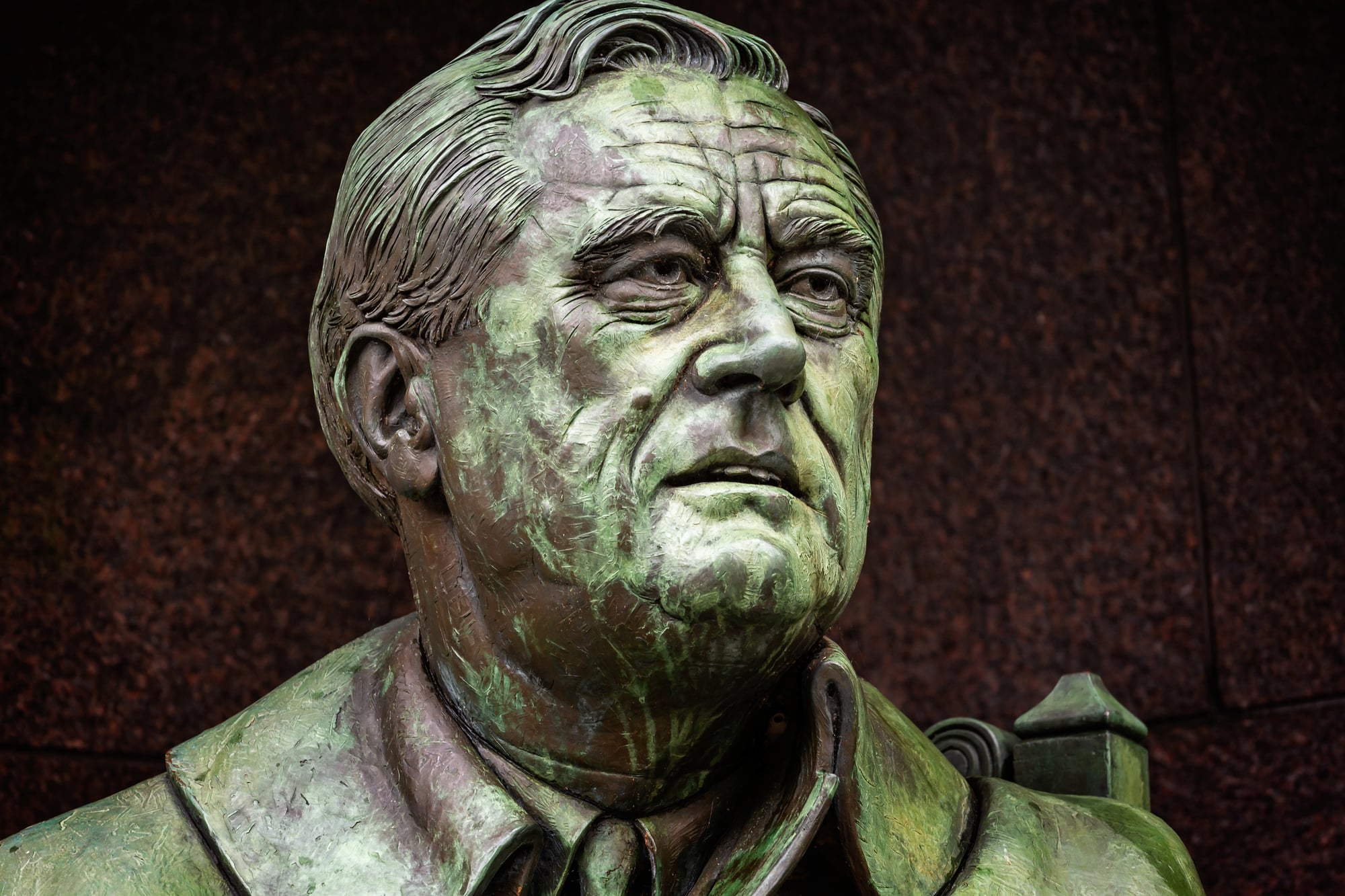
Franklin Roosevelt and Winston Churchill met aboard HMS Prince of Wales in Placentia Bay in August 1941. The Atlantic Charter they produced wasn’t technically a treaty—the United States wasn’t even in the war yet—but it laid out principles that would define the postwar world.
The document promised self-determination for all peoples and rejected territorial expansion. It became the foundation for the United Nations and shaped how the Allies would treat occupied territories.
Two leaders on a battleship wrote the blueprint for international cooperation that nations still reference today.
Voices From the South
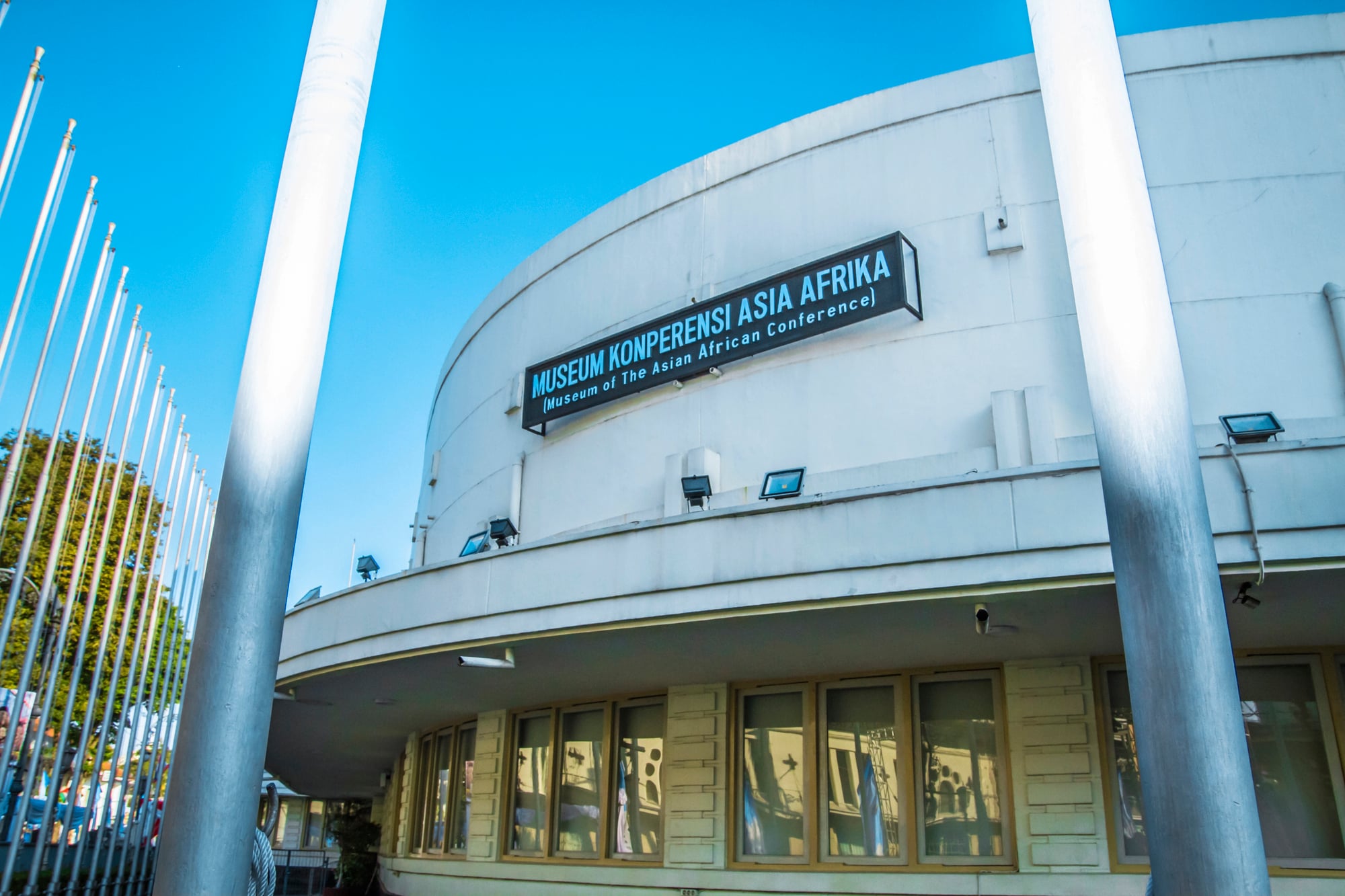
The Bandung Conference in 1955 brought together leaders from twenty-nine Asian and African nations, most of them newly independent. For the first time, countries that had been colonies were meeting without their former masters present.
Sukarno of Indonesia hosted, and the energy in the room was electric with possibility. They declared their intention to stay neutral in the Cold War and chart their own courses.
The Non-Aligned Movement emerged from these discussions, giving developing nations a collective voice in global affairs. The conference announced that the world order wouldn’t be dictated solely by superpowers anymore.
The Summit That Almost Ended It All
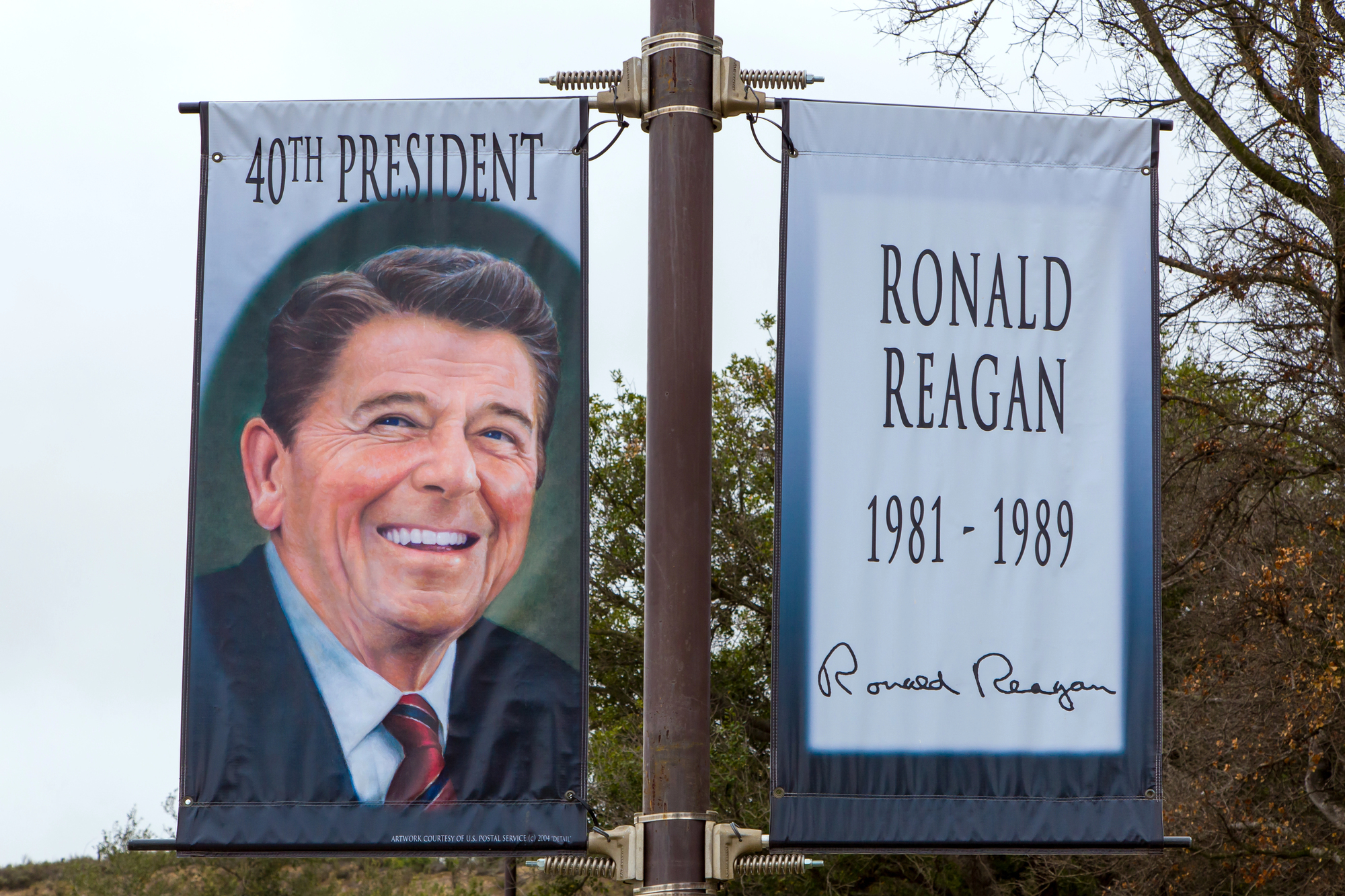
Ronald Reagan and Mikhail Gorbachev nearly agreed to eliminate all nuclear weapons during their Reykjavik summit in 1986. For two days, they pushed further than their advisors thought possible.
The talks broke down over Reagan’s refusal to limit his Strategic Defense Initiative, and both men left disappointed. Yet the meeting succeeded in ways neither expected.
It proved that serious arms reduction was possible. Within months, they were negotiating the treaties that would actually begin dismantling nuclear arsenals.
Reykjavik failed to achieve its immediate goal but opened the door to ending the Cold War.
Stepping Back From the Brink
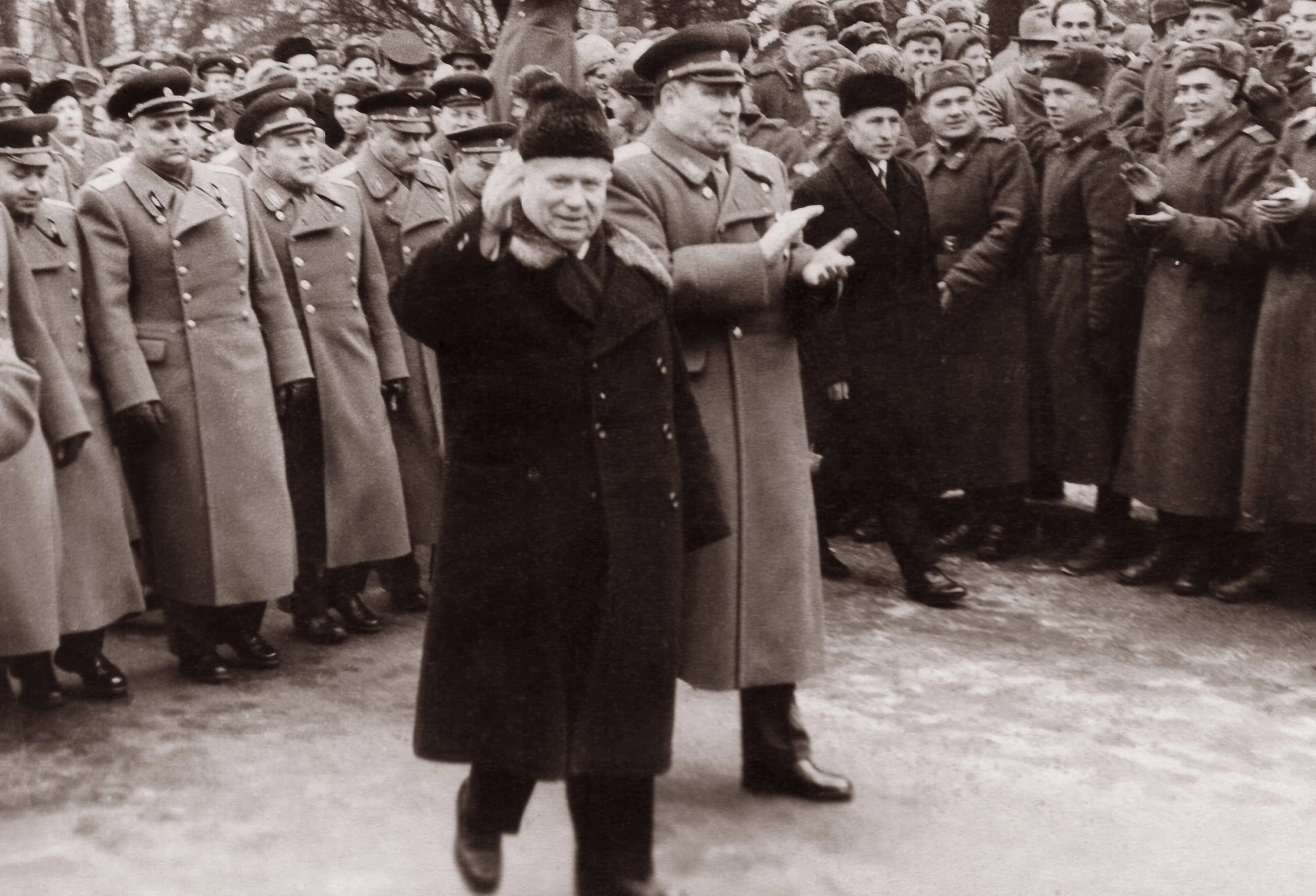
After the Cuban Missile Crisis brought the world terrifyingly close to nuclear war, John F. Kennedy and Nikita Khrushchev never met face to face. But their correspondence through back channels in October 1962 proved that communication could prevent catastrophe.
They learned to read each other’s signals and find ways to let both sides step down without losing face. The crisis transformed how the superpowers talked to each other.
They installed a direct hotline between Washington and Moscow. They began negotiating arms control treaties seriously.
Two leaders who had stared into the abyss decided they needed better ways to communicate before the next crisis hit.
The Partition of Africa
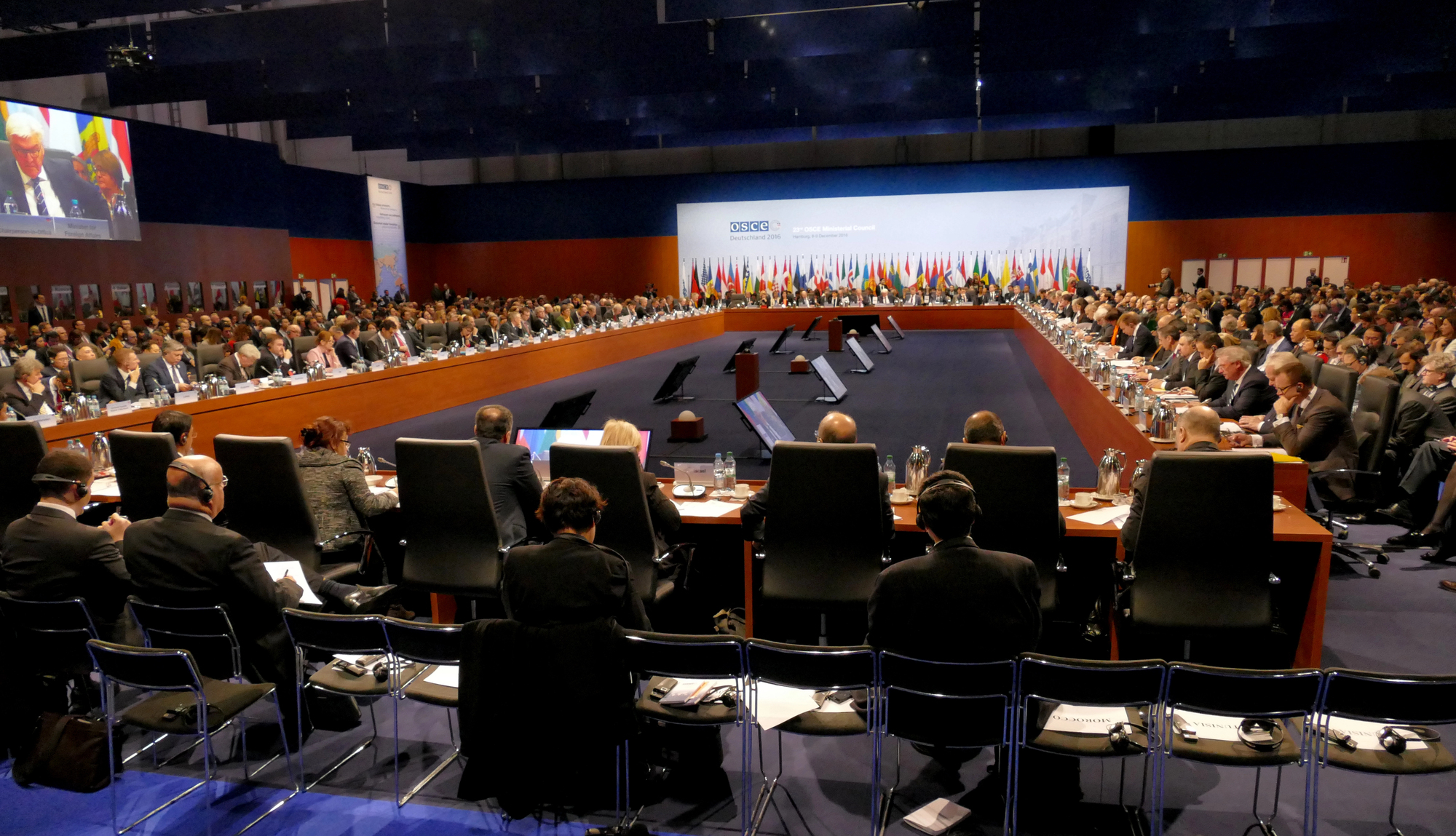
The Berlin Conference of 1884-1885 gathered European powers to divide Africa among themselves without a single African leader present. Otto von Bismarck hosted, and the diplomats drew borders with rulers that ignored ethnic groups, kingdoms, and existing political structures.
No African was consulted. The conference’s effects still cause conflict today.
Borders split ethnic groups and forced rival peoples into single nations. European powers claimed territories they’d barely explored.
The meeting exemplified imperialism at its worst, but it also demonstrated how diplomatic gatherings could fundamentally alter entire continents for generations.
Ending Apartheid
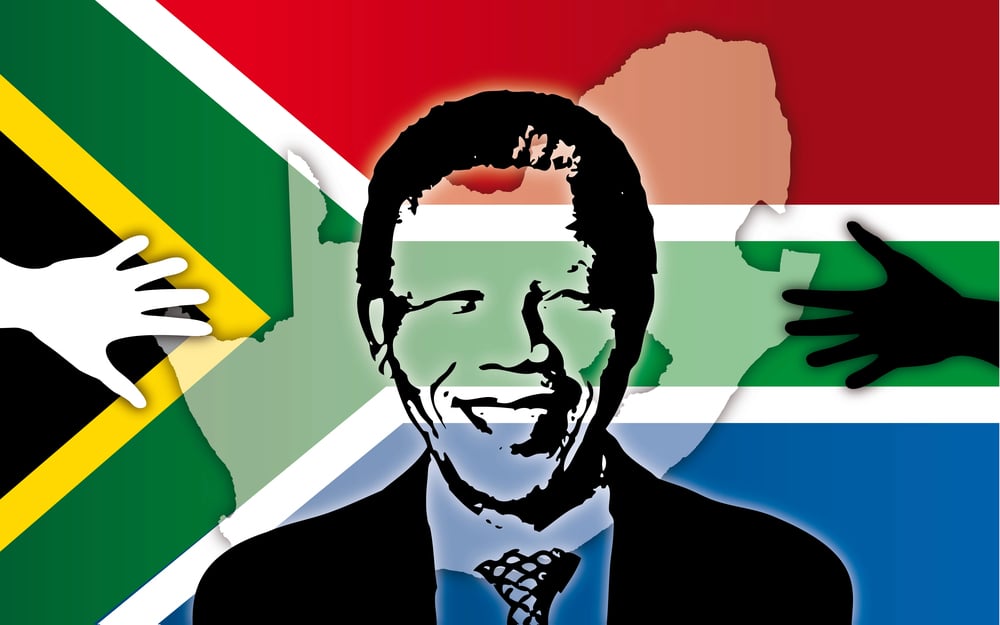
Nelson Mandela and F.W. de Klerk began secret talks in the late 1980s while Mandela was still imprisoned. Their negotiations required both men to move beyond decades of hostility and mistrust.
De Klerk had to convince his government to dismantle apartheid. Mandela had to prevent his supporters from seeking violent revenge.
The talks led to Mandela’s release, free elections, and a peaceful transition that stunned observers who expected a bloodbath. Both men shared the Nobel Peace Prize in 1993.
Their meetings proved that even the most entrenched systems of oppression could be dismantled through dialogue when leaders chose reconciliation over revenge.
The Secret Flight
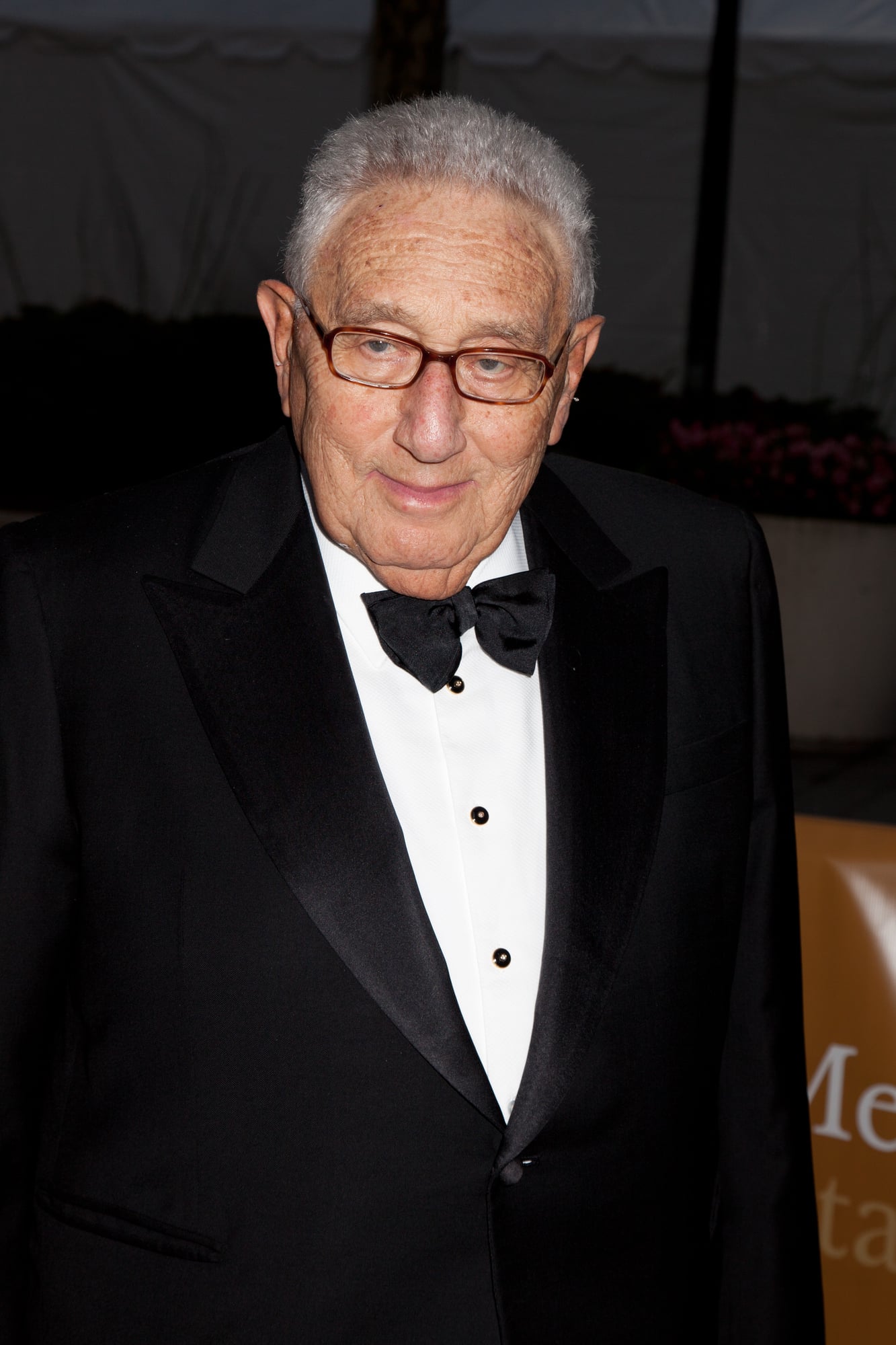
Henry Kissinger’s covert trip to Beijing in July 1971 prepared the ground for Nixon’s later visit. He flew secretly from Pakistan to China, spending two days in intensive talks with Zhou Enlai.
The world knew nothing until Nixon announced his upcoming trip on television. The secrecy was essential.
Both sides needed to explore possibilities without public pressure forcing them into rigid positions. Kissinger’s back-channel diplomacy created space for the breakthrough that followed.
Sometimes the most important encounters happen when nobody’s watching.
The Big Three at Yalta
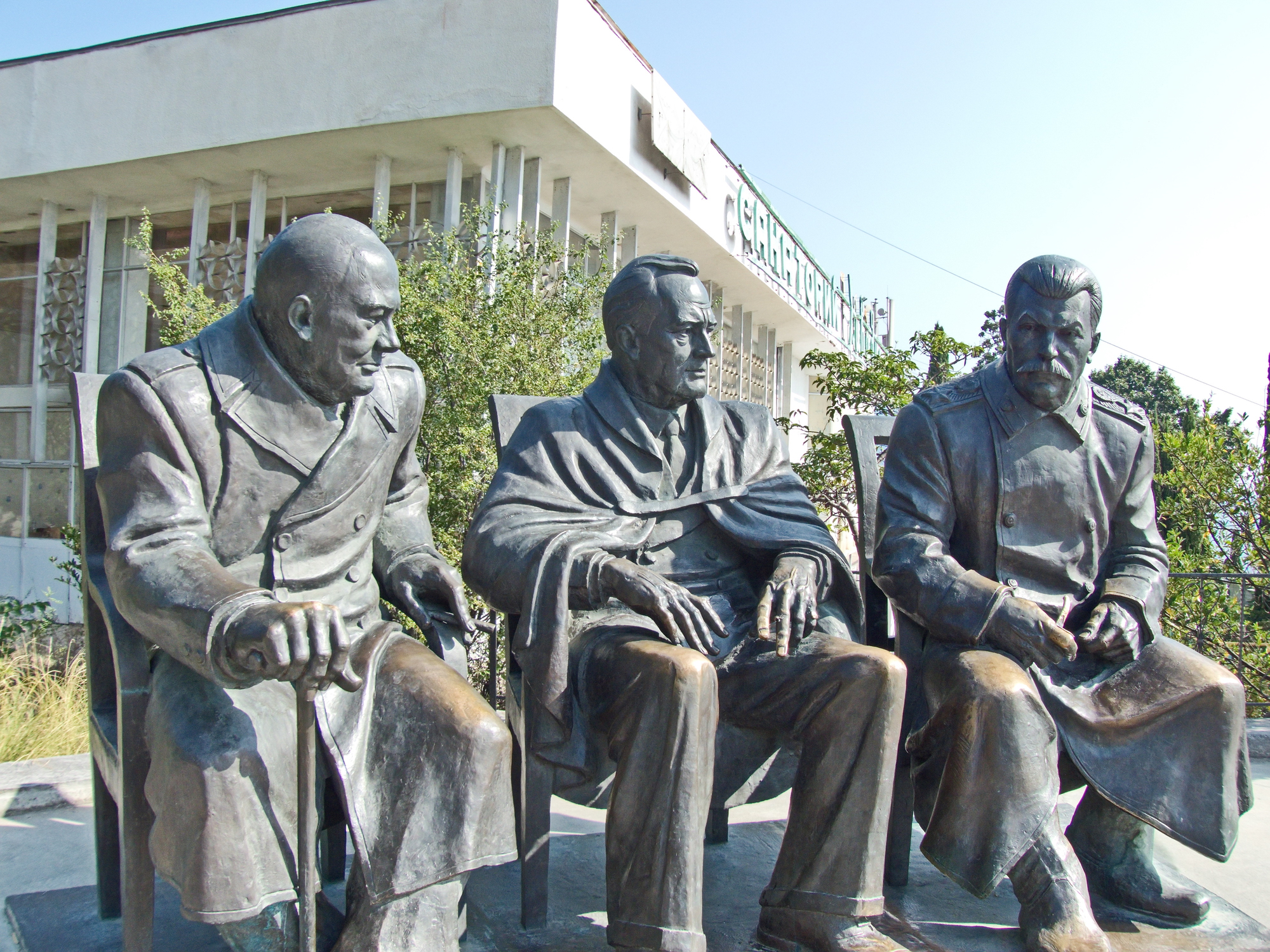
Franklin Roosevelt, Winston Churchill, and Joseph Stalin met at Yalta in February 1945 with victory in Europe imminent. They needed to decide what would happen next—how to occupy Germany, what borders would look like, how to establish the United Nations.
Roosevelt was visibly ill, dying two months later. The agreements they reached shaped the postwar world and set the stage for the Cold War.
Eastern Europe fell under Soviet influence. Germany was divided.
The seeds of forty years of tension were planted. Critics still debate whether Roosevelt gave away too much, but the meeting determined the fate of millions for generations.
Where Conversations Lead
These encounters share something fundamental—they happened because someone decided talking was worth trying. The results weren’t always what the participants hoped for.
Some agreements collapsed quickly while others lasted longer than anyone expected. But each meeting proved that when the stakes are high enough, bringing people together in a room changes what’s possible.
History remembers the handshakes and the signed documents, but the real shifts happened in those hours of conversation, when leaders discovered they could find common ground even across seemingly unbridgeable divides.
More from Go2Tutors!

- The Romanov Crown Jewels and Their Tragic Fate
- 13 Historical Mysteries That Science Still Can’t Solve
- Famous Hoaxes That Fooled the World for Years
- 15 Child Stars with Tragic Adult Lives
- 16 Famous Jewelry Pieces in History
Like Go2Tutors’s content? Follow us on MSN.