Classic Souvenirs That Defined Past Travel
Travel used to leave different traces. Before smartphones turned every moment into a digital file, people brought home physical pieces of their journeys.
These objects sat on shelves and mantels, tangible proof that you’d actually been somewhere. Some of them seem strange now, even dated.
But they tell a specific story about what travel meant and how people wanted to remember it.
The Postcard Ritual
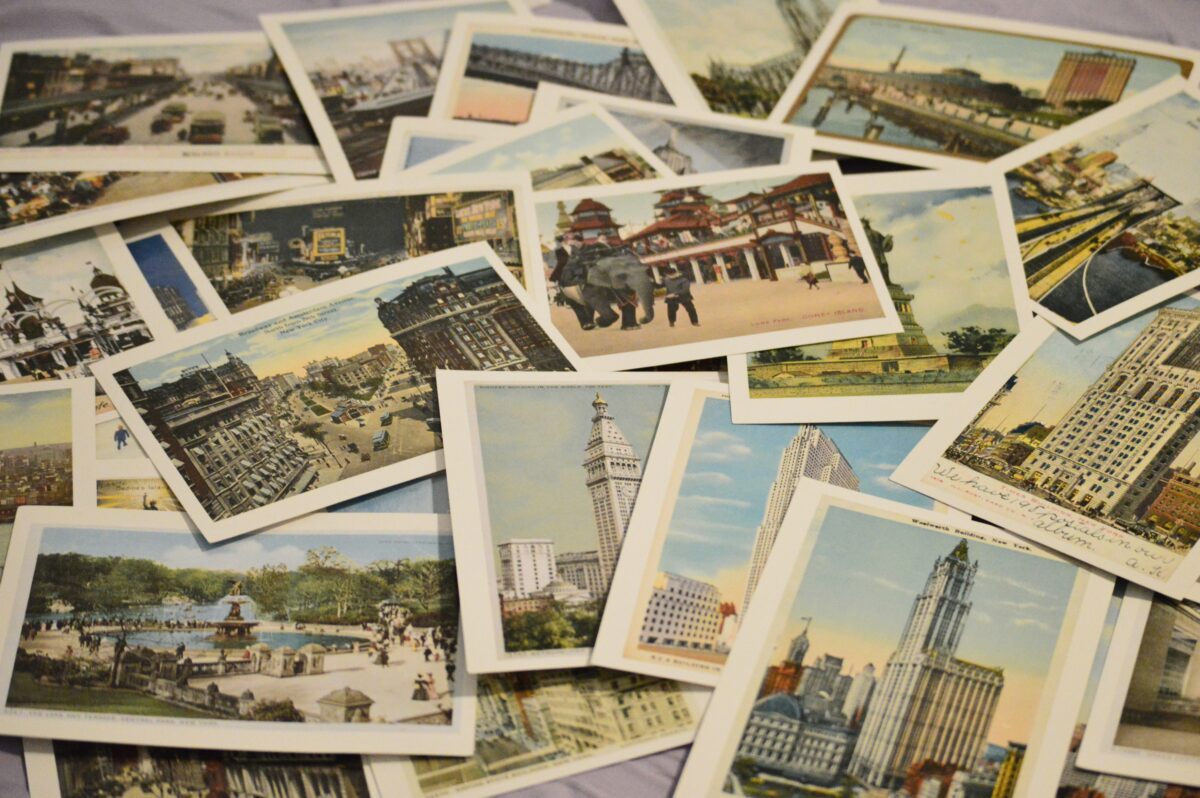
Postcards weren’t just pictures you could buy anywhere. You had to find the rack, pick the right image, write something meaningful in tiny handwriting, find a stamp, and locate a mailbox.
The whole process took effort. What made them special was the delay.
By the time your postcard arrived home, you’d already returned. Your past self was sending a message to your present, and that gap in time made the experience feel more substantial somehow.
Snow Globes and Liquid Time
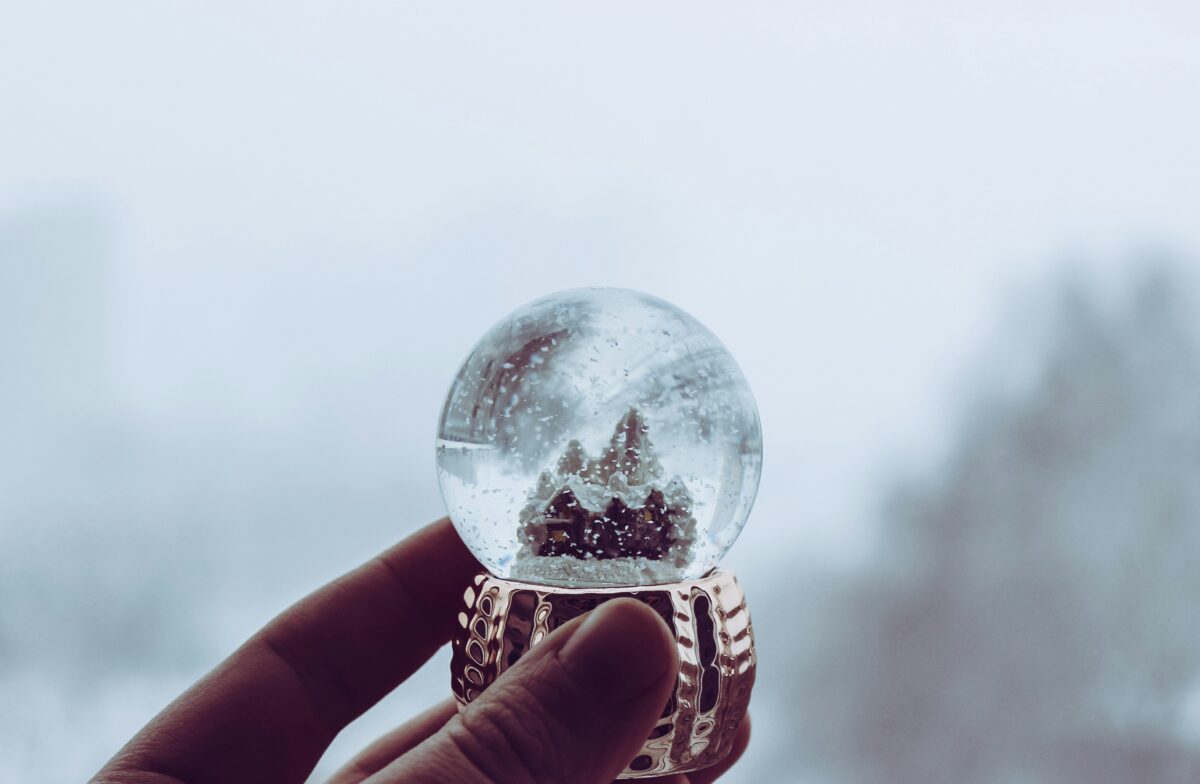
The snow globe turned landmarks into paperweights. You’d shake one and watch fake snow drift past the Eiffel Tower or the Statue of Liberty, suspended in that viscous liquid that made everything move in slow motion.
They were heavy, fragile, and took up luggage space. But people packed them anyway because they captured something no photo could—movement, sparkle, a miniature world you could hold in your hand and disturb whenever you wanted.
Collector Spoons in Display Racks
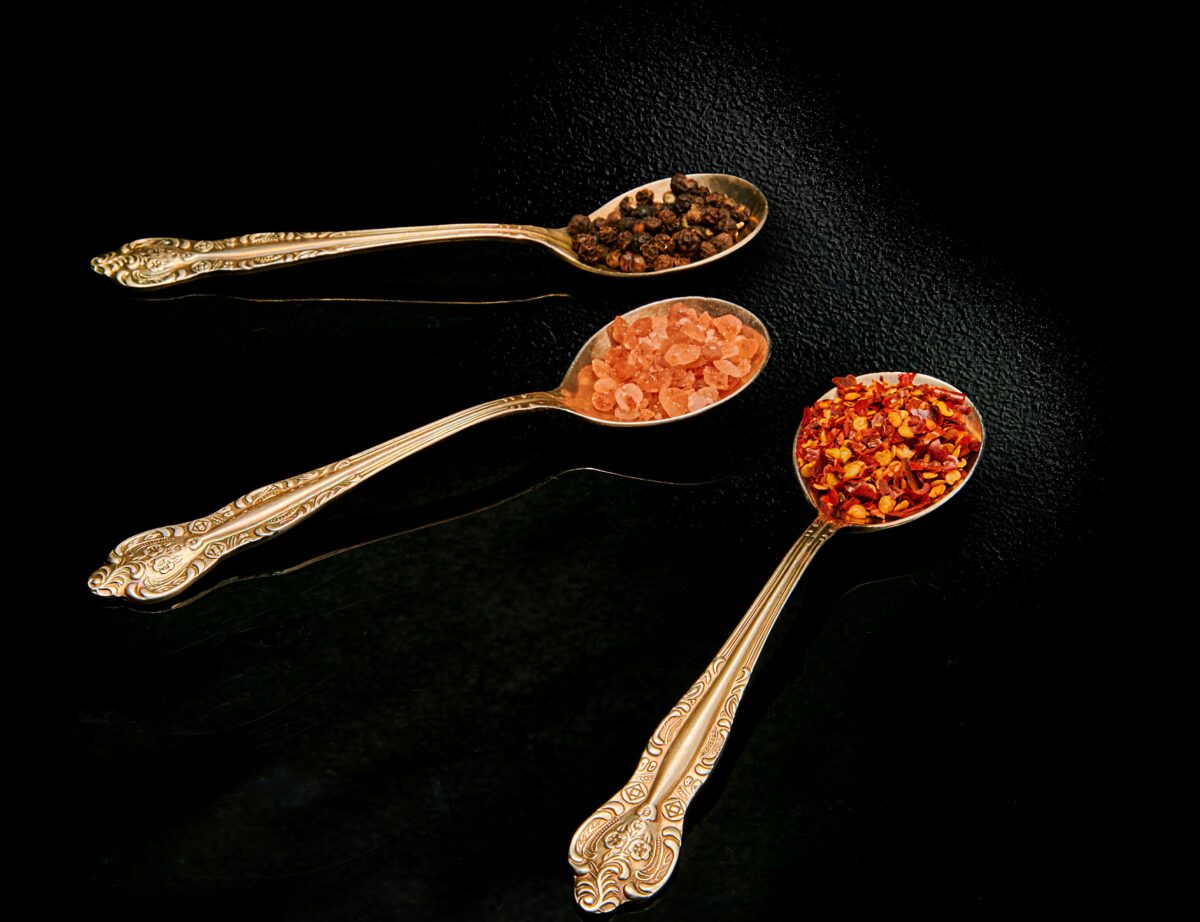
Souvenir spoons came with their own wall-mounted wooden racks, usually holding six or eight at a time. The bowl of each spoon featured a city name or landmark stamped in enamel, and the handle might be shaped like something local.
Nobody ate with them. They hung on kitchen walls or in dining rooms, announcing to visitors that the family had been placed.
Each spoon marked a destination, and the rack itself became a kind of map made from silverplate and memory.
Refrigerator Magnets as Travel Logs
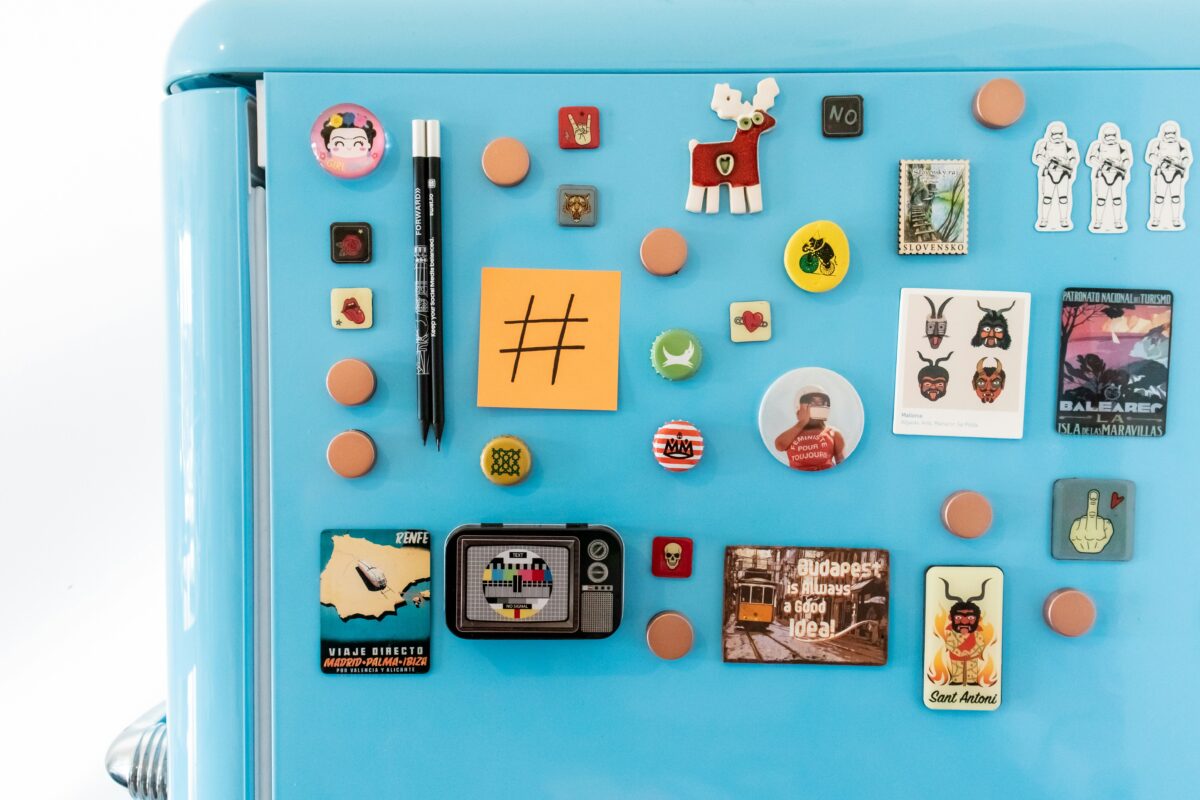
Fridge magnets started appearing in gift shops sometime in the late 20th century and quickly became the default souvenir for people who wanted something cheap and practical. They held up grocery lists and kids’ drawings while simultaneously announcing where you’d been.
The refrigerator door became an informal travel diary. You could track someone’s vacation history just by looking at their kitchen appliance, each magnet a tiny billboard for a place they’d visited.
Keychains That Jangled With Geography
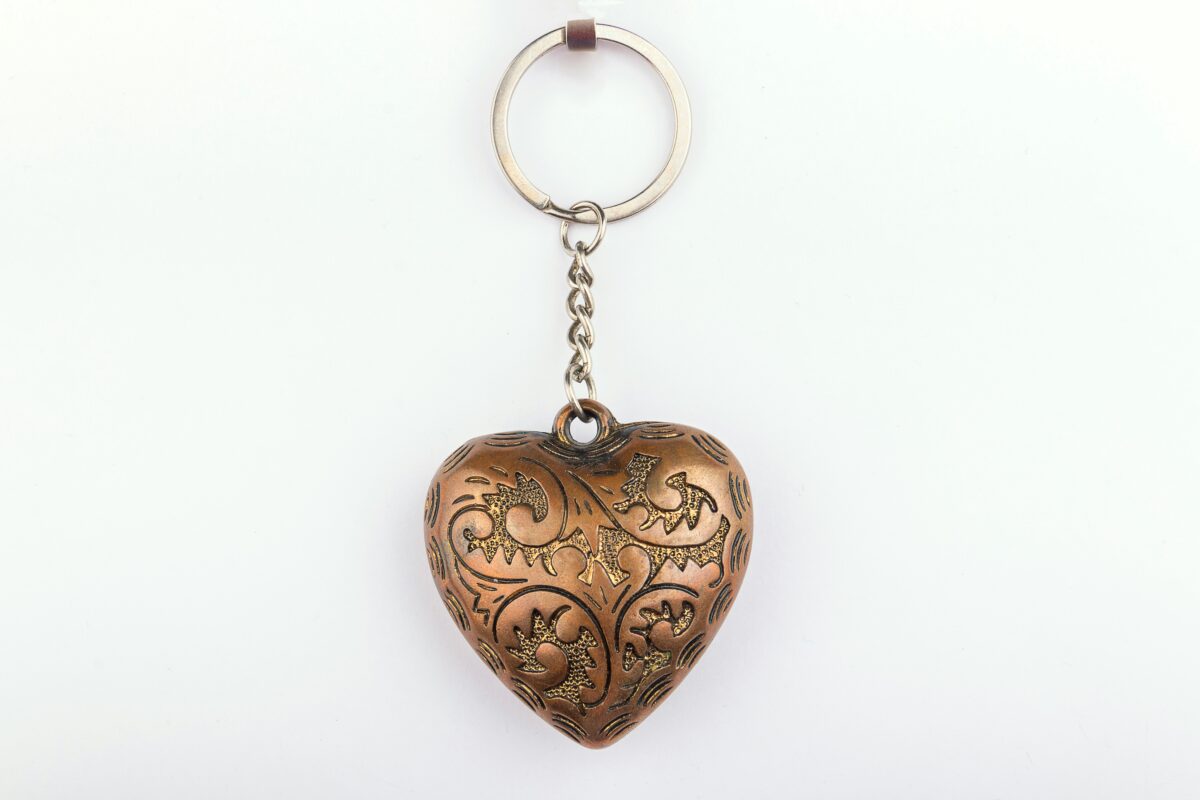
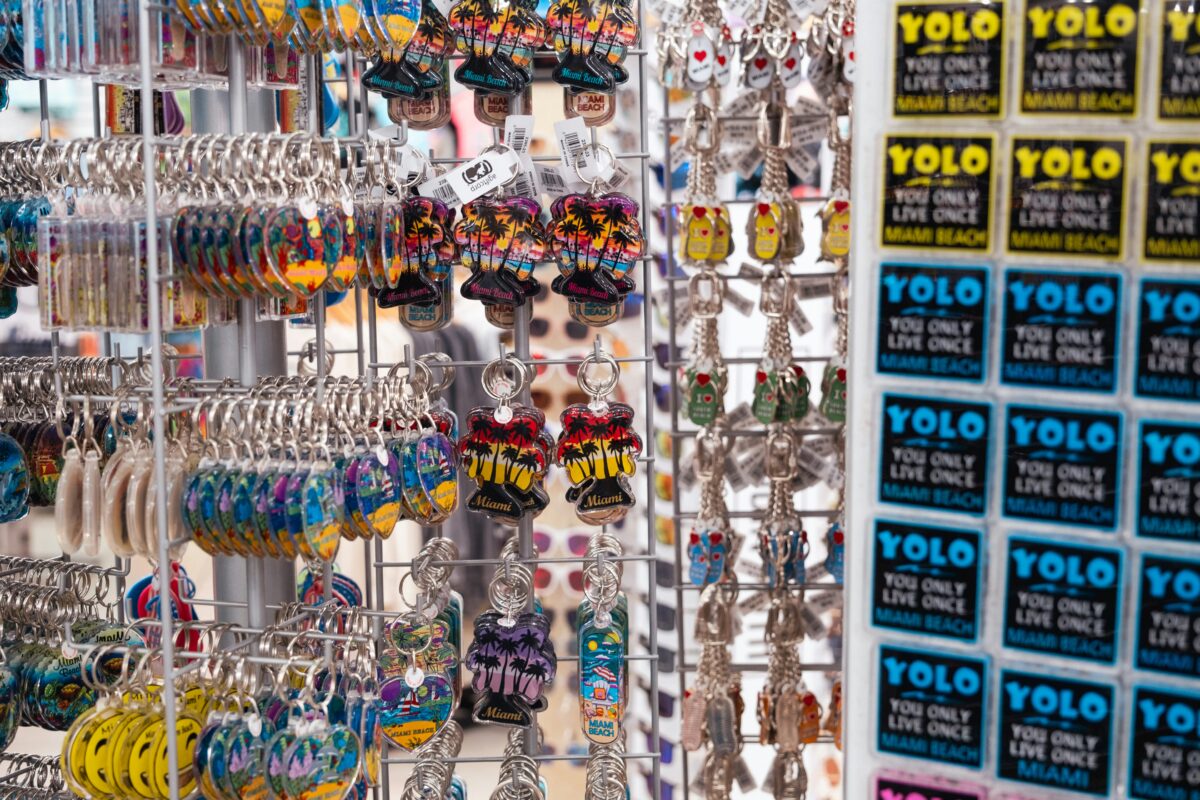
People collected keychains even though most of us only need one or two. They accumulated on key rings, making pockets bulge and creating a distinctive jangle when you walked.
Some had miniature landmarks attached. Others featured city names in bold letters.
A few even had built-in compasses or thermometers, as if you might need to check the temperature in Paris while standing in your own driveway.
Thimbles for Non-Sewers
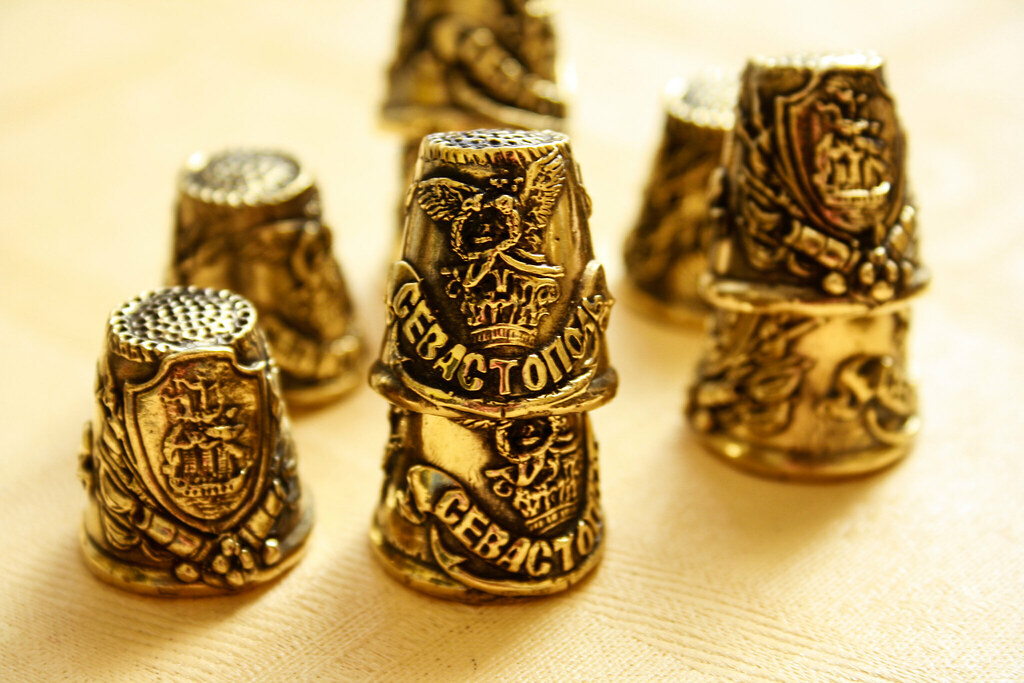
The souvenir thimble might be the strangest collectible of them all. Most people who bought them didn’t sew.
They just liked having tiny ceramic or metal objects that fit on one finger and commemorated a place. Thimbles came in special display cases with individual slots, like egg cartons for miniature hats.
Some collections grew to hundreds, filling entire shelves with fingertip-sized monuments to everywhere the collector had been.
Miniature Replicas You Could Touch

Scaled-down landmarks let you own the Leaning Tower of Pisa or the Golden Gate Bridge for twenty dollars. These weren’t just pictures—they were objects you could pick up, turn around, and examine from all angles.
The best ones had surprising weight and detail. The cheap ones fell apart after a year.
But either way, they gave you a physical relationship with a place, even if that relationship was just dusting it once a month.
Shot Glasses Nobody Used for Drinks
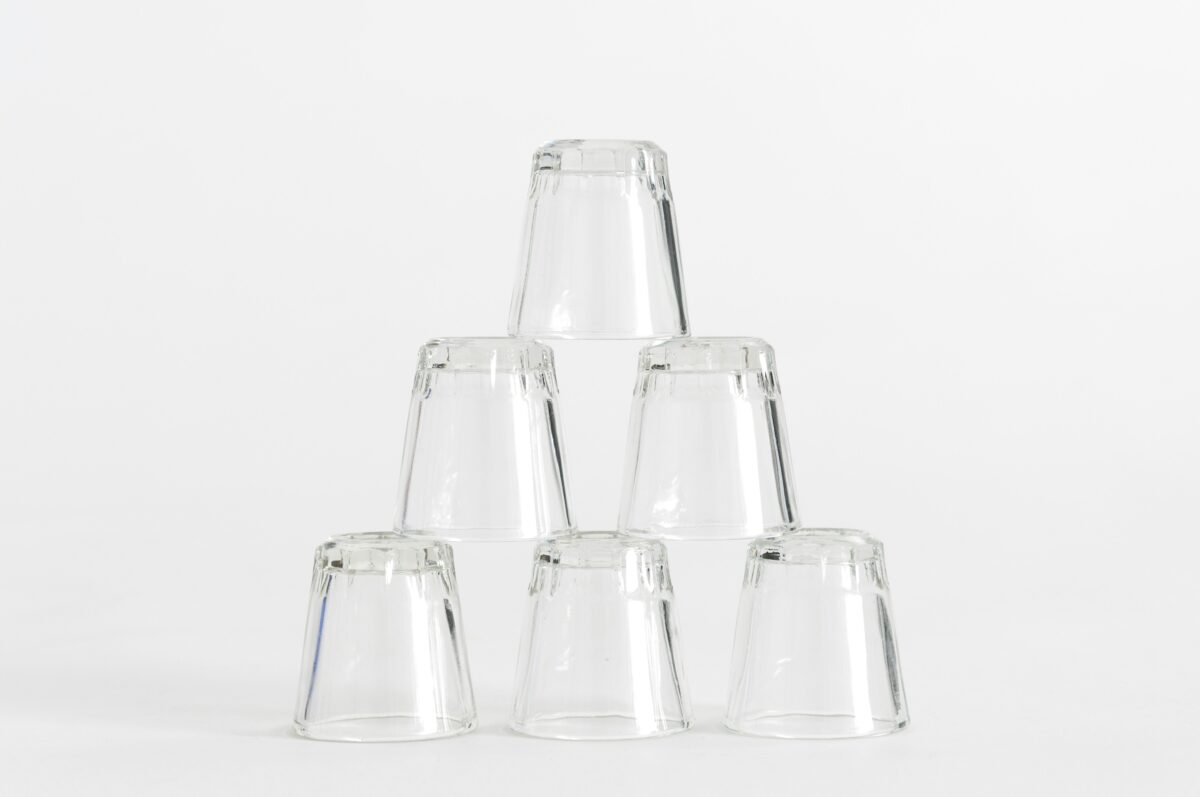
Shot glasses with city names emblazoned on the side became standard gift shop inventory. Most buyers didn’t drink from them.
They sat in cabinets behind regular glassware, occasionally catching light but rarely touching lips.
What they offered was proof of being somewhere specific, condensed into one-and-a-half ounces of glass. Some people built collections that covered entire cabinet shelves, turning their drinkware storage into a geography lesson.
Dolls in Traditional Dress
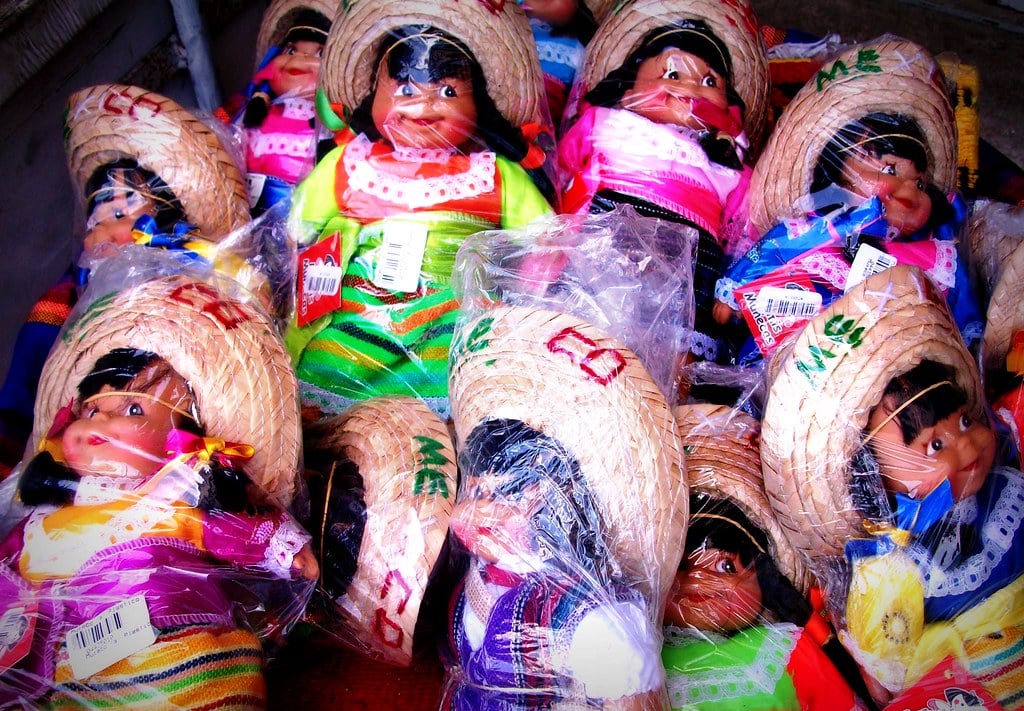
Costume dolls represented idealized versions of local culture. A Spanish flamenco dancer, a Dutch girl in wooden shoes, a Scottish figure in a kilt—each one frozen in traditional clothing that most locals hadn’t worn in generations.
These dolls often came with hard plastic faces and elaborate fabric outfits that couldn’t be removed. They weren’t meant for play.
They were meant to sit on a shelf and represent an entire country through a single stylized figure.
Patches That Told Where You’d Been
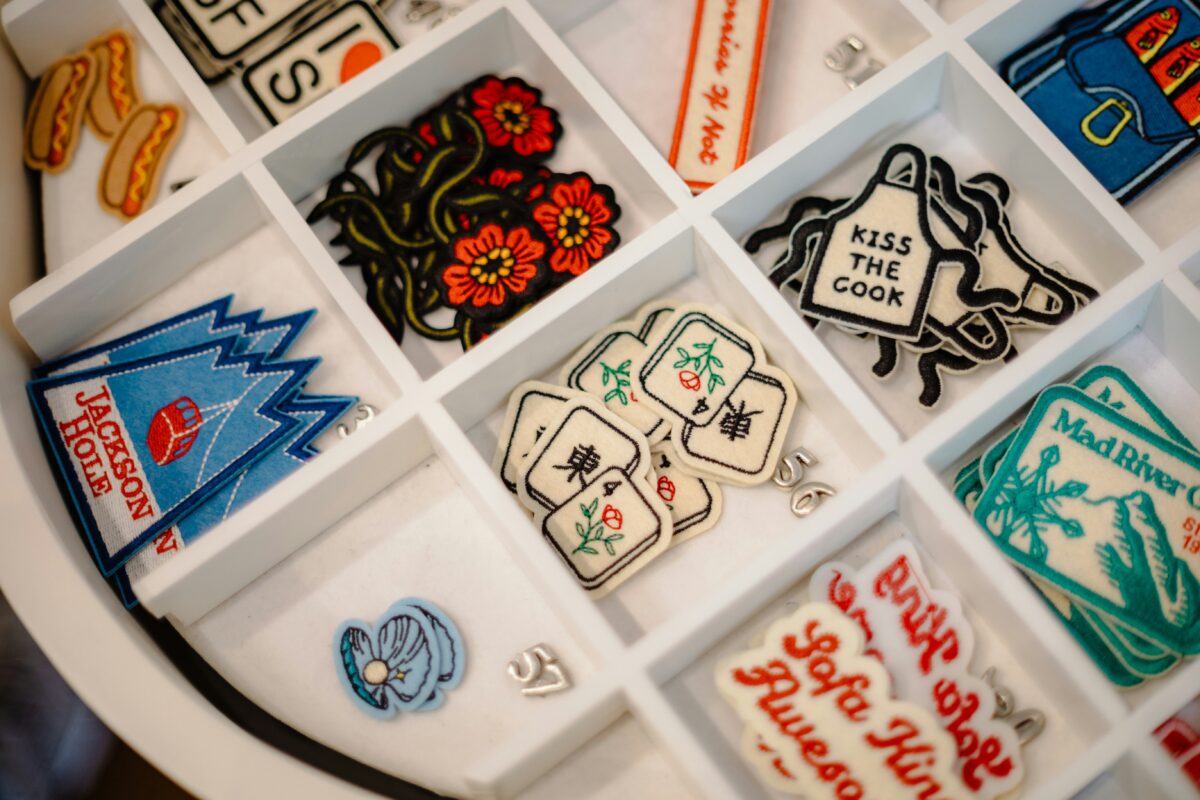
Travel patches were sewn onto backpacks, jackets, and hats. Each one announced a destination with bright colors and bold text, turning your clothing into a portable scrapbook.
The more patches you had, the more experienced you seemed. They overlapped on fabric, creating layers of proof that you’d actually gone places.
Some people covered entire backpacks, every inch of fabric claiming a different part of the world.
Hotel Miniatures as Travel Trophies
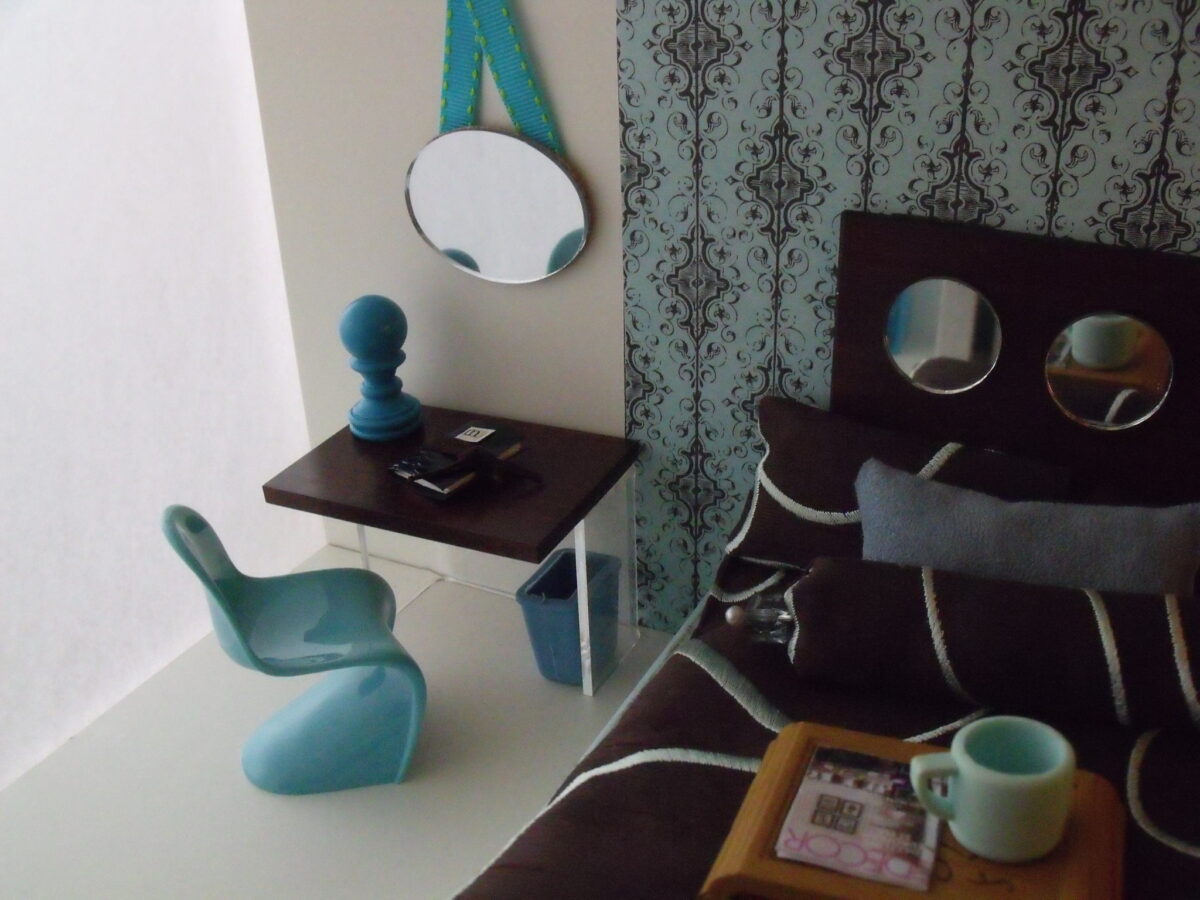
Hotel toiletries weren’t technically souvenirs, but people hoarded them anyway. Those tiny bottles of shampoo and wrapped bars of soap accumulated in bathroom drawers, rarely used but always kept.
Taking them felt like getting away with something, even though hotels expected it. Each miniature bottle or soap wrapper carried the hotel’s name, making it a free souvenir that proved you’d stayed somewhere specific.
Shells From Specific Beaches
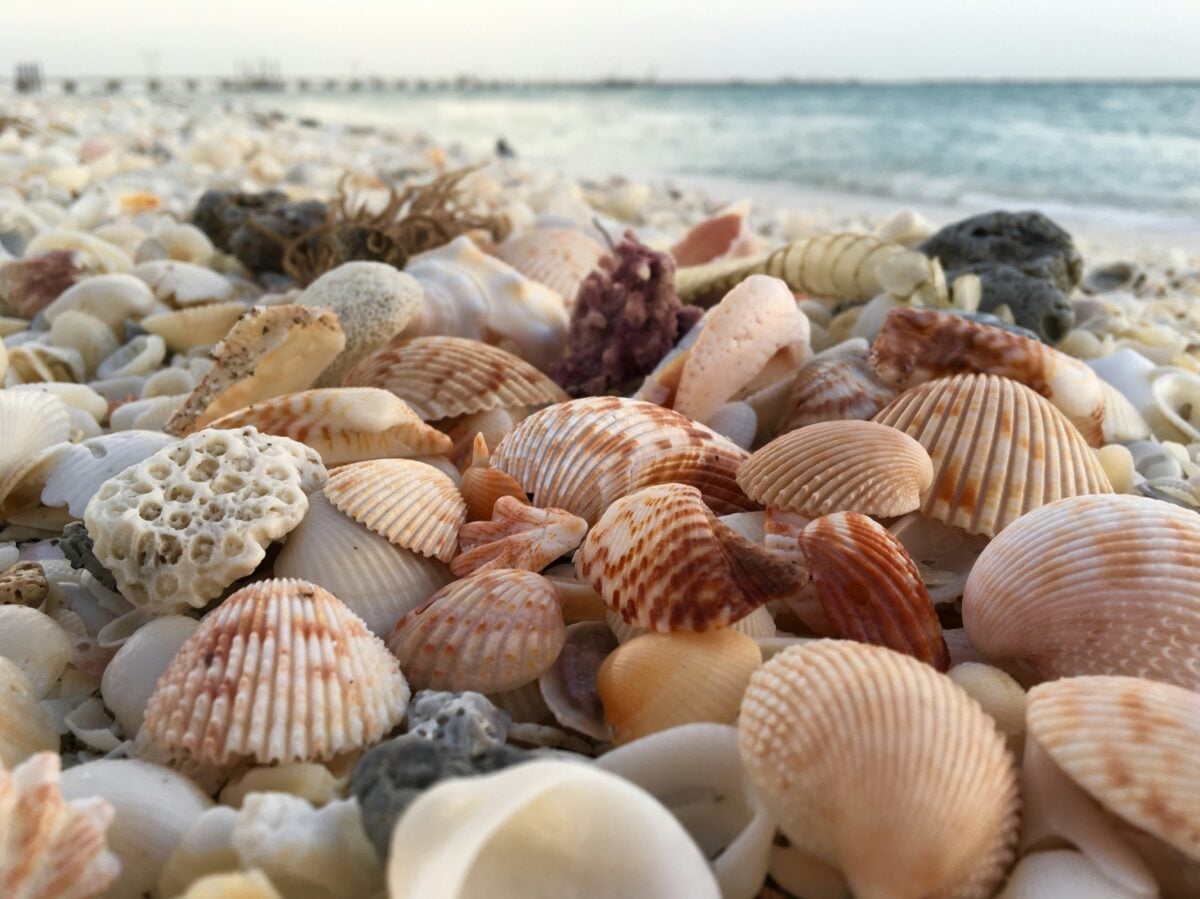
Seashells came straight from the environment instead of a gift shop. You picked them up from sand that was actually there, not from a bin near the cash register.
The best ones had unusual shapes or colors. You’d wrap them in napkins or plastic bags and carry them home, where they’d sit in jars or bowls and gradually lose the smell of the ocean.
But they remained connected to that specific beach in a way manufactured souvenirs never could.
Tea Towels Printed With Maps
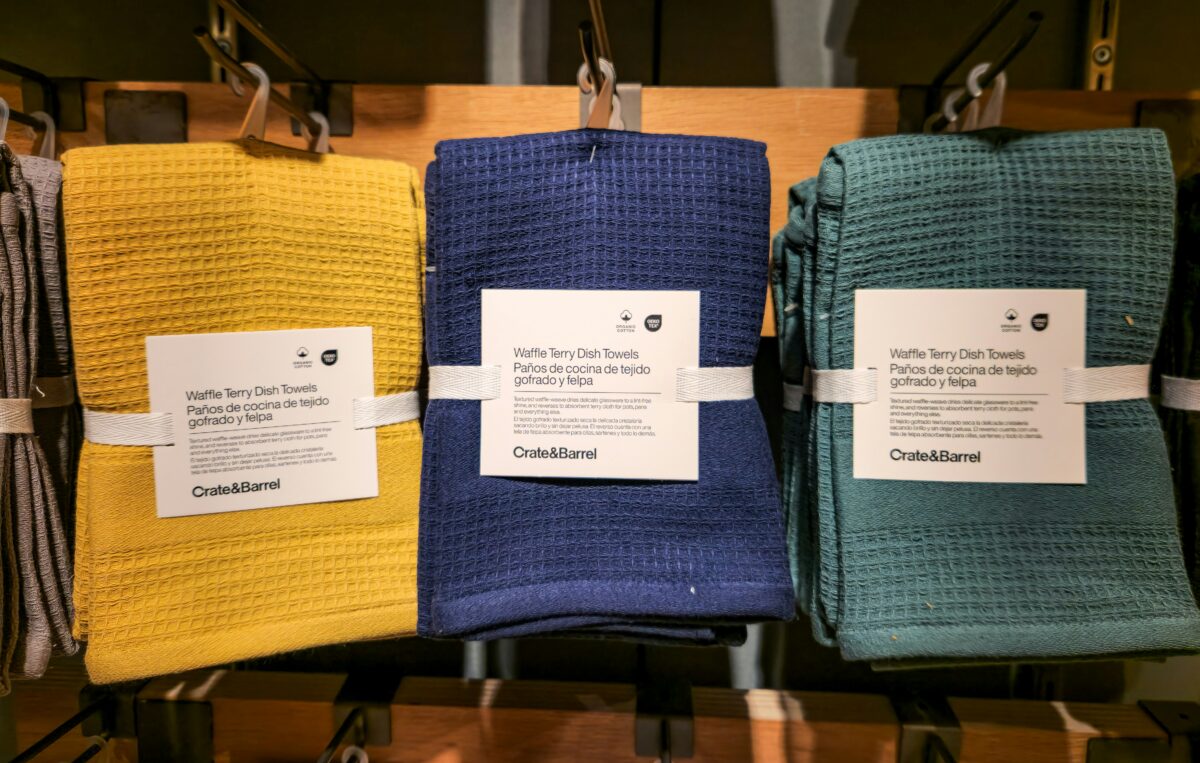
Souvenir tea towels turned kitchen linens into geography lessons. They featured illustrated maps of regions or countries, with landmarks and local attractions drawn in cheerful detail across the fabric.
Most people didn’t actually dry dishes with them. They hung them on oven handles or framed them, preserving the printed map while regular towels did the actual work.
The tea towel became decoration, proving you’d been somewhere while also showing exactly where that somewhere was.
The Weight of What We Carried Home
These objects seem almost absurd now that phones can store thousands of photos and videos. Why carry home a heavy snow globe when you can take a video?
Why buy a postcard when you can text a picture? But maybe that’s exactly why they mattered.
They had weight, took up space, required decisions about what to pack and what to leave behind. You couldn’t just collect everything—you had to choose.
And those choices, those specific objects carried across borders and through airports, made the journey feel more real than any cloud storage ever could.
The Weight of What We Carried Home
Nowadays those things feel kinda silly since phones hold tons of pics and clips. Instead of lugging around a bulky souvenir, just record a quick clip. Skip buying a card – shoot off a snapshot instead.
Maybe that’s actually why they meant something. Heavy stuff, needing room – forced you to pick what stays and what goes.
Couldn’t grab it all – you needed a call. Yet each thing moved from place to place, past checkpoints and gates, made the trip hit harder than anything saved online.
More from Go2Tutors!

- The Romanov Crown Jewels and Their Tragic Fate
- 13 Historical Mysteries That Science Still Can’t Solve
- Famous Hoaxes That Fooled the World for Years
- 15 Child Stars with Tragic Adult Lives
- 16 Famous Jewelry Pieces in History
Like Go2Tutors’s content? Follow us on MSN.