17 Sinister Secrets Behind Classic Fairy Tales
Fairy tales have been read to children at bedtime for centuries. The versions most people grew up with are sanitized, soft-lit, and wrapped up neatly with a happily ever after.
But the stories underneath those polished retellings are something else entirely — full of mutilation, death, cannibalism, and consequences so brutal they’d make most adults flinch. Here’s what the original versions actually contained.
Cinderella’s Sisters Carved Up Their Own Feet
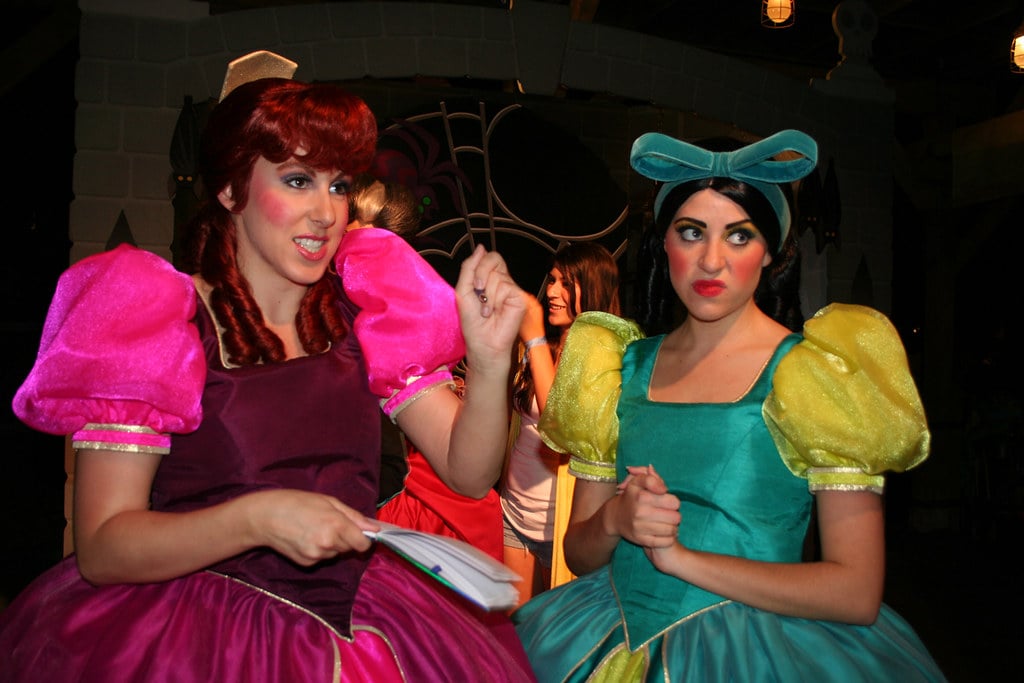
In Charles Perrault’s version, the glass slipper scene is a bit awkward but ultimately harmless. In the Brothers Grimm version, it’s horrifying.
Each stepsister takes a knife and cuts off parts of her own foot — one slices off her toes, the other hacks away at her heel — to force the slipper to fit. The prince doesn’t notice until doves point out the blood pooling inside the shoe.
And that’s not the end. At Cinderella’s wedding, those same doves peck out the sisters’ eyes, leaving them blind for life. The Grimm brothers weren’t trying to traumatize children.
They were recording folk stories as they found them, and folk stories didn’t bother softening consequences.
Sleeping Beauty Was Assaulted While She Slept
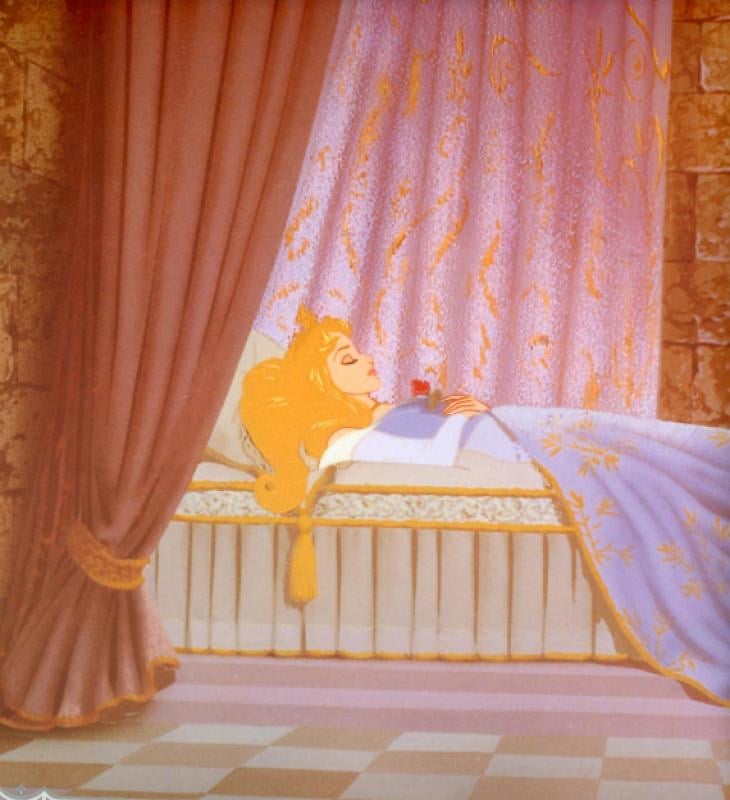
The version most people know involves a prince finding a sleeping princess and waking her with a kiss. The earliest known version of this story — written by Giambattista Basile in the 1600s — goes much further.
The “prince” in that telling is actually a king, already married, who finds the sleeping girl and assaults her. She doesn’t wake from a kiss.
She wakes after giving birth to twins, when one of the babies accidentally suckles the cursed splinter from her finger. The Disney film is a very long way from this.
The Little Mermaid Doesn’t Get the Prince
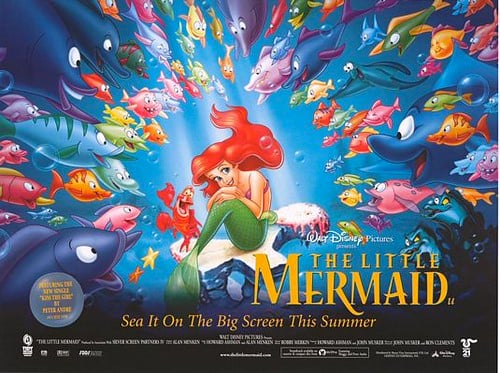
Hans Christian Andersen’s original ending is one of the bleakest in all of children’s literature. The mermaid gives up her voice, endures constant pain with every step (the story describes it as walking on knives), and watches the prince marry someone else.
She’s given a chance to survive by killing the prince and letting his blood fall on her feet. She refuses. She dissolves into sea foam at dawn and ceases to exist.
Andersen added a small grace note later — she becomes a spirit of the air with a chance at a soul — but the core of the story is about sacrifice that goes unrewarded.
Snow White’s Stepmother Wanted to Eat Her Heart
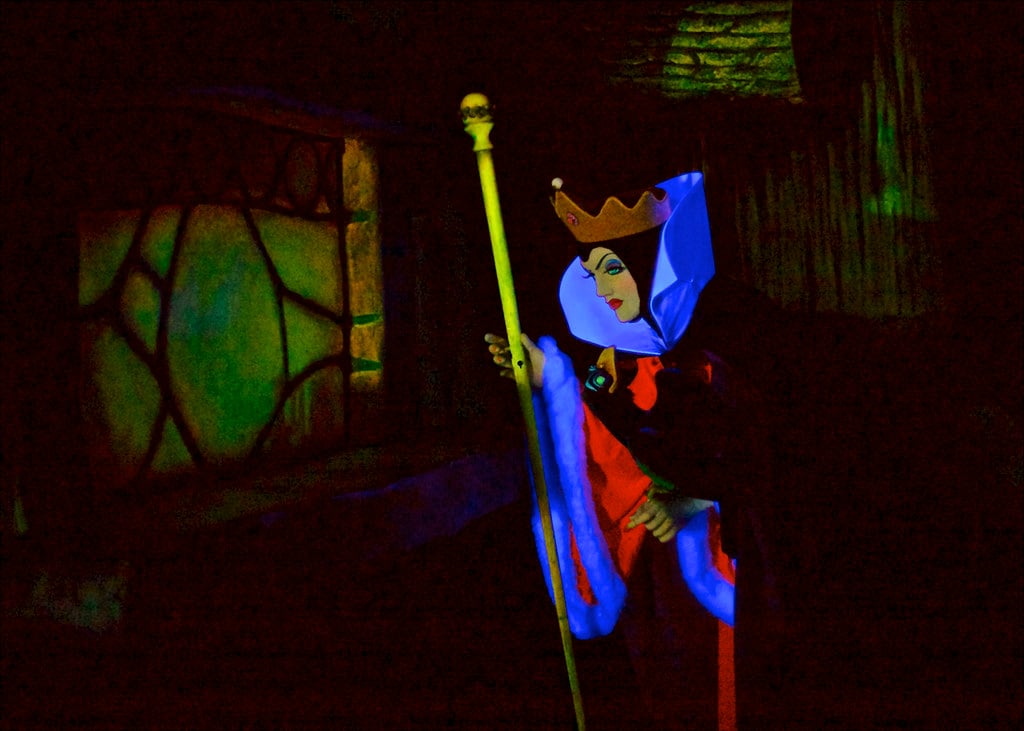
The Evil Queen doesn’t just want Snow White dead. She specifically orders the huntsman to bring back Snow White’s lungs and liver so she can eat them.
In some versions it’s her heart. The huntsman substitutes an animal’s organs, which the queen then cooks and consumes, believing she’s consumed her stepdaughter.
Later in the story, when the queen discovers Snow White is still alive, she makes three attempts on her life — a suffocating corset laced too tight, a poisoned comb, and finally the apple. The Brothers Grimm also gave Snow White’s story a darker ending: the Evil Queen is forced to dance at the wedding in red-hot iron shoes until she dies.
Rapunzel’s Tower Had a Secret Reason

The tower doesn’t appear until a curious detail surfaces midway through the Grimm version. When the witch finally discovers that a prince has been secretly visiting Rapunzel, she knows because Rapunzel asks why her dress is getting tighter around the waist.
The implication is clear. The witch cuts off Rapunzel’s hair and banishes her to a barren desert to give birth alone.
The prince, upon learning this, throws himself from the tower in grief and is blinded by the thorns below. They do eventually reunite, and Rapunzel’s tears restore his sight.
But the original story is far more about punishment and exile than it is about magical hair.
Hansel and Gretel Reflects Real Famine
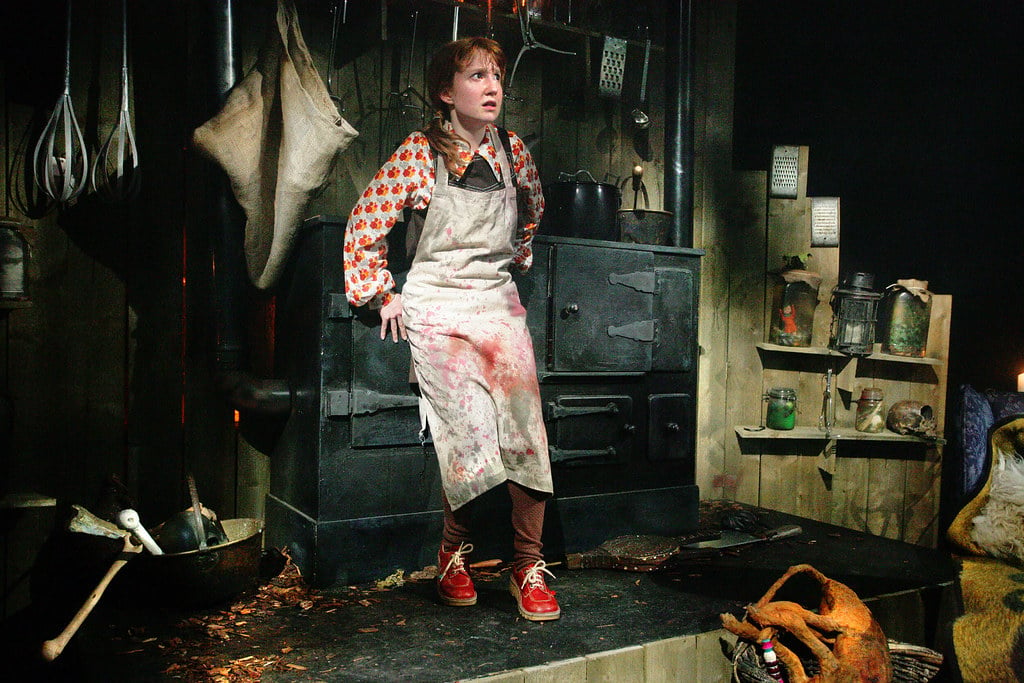
The story of two children abandoned in the woods by parents who can no longer feed them isn’t pure invention. It maps closely onto the Great Famine of the 1300s, when food shortages across Europe were so severe that some families genuinely abandoned children they couldn’t feed.
The threat of being eaten — literalized by the witch — was a real fear that circulated in stories from that era. Child abandonment, starvation, and adults who viewed children as a burden rather than a blessing are woven into the original tale in ways that weren’t accidental.
Bluebeard Was Possibly Based on a Real Killer
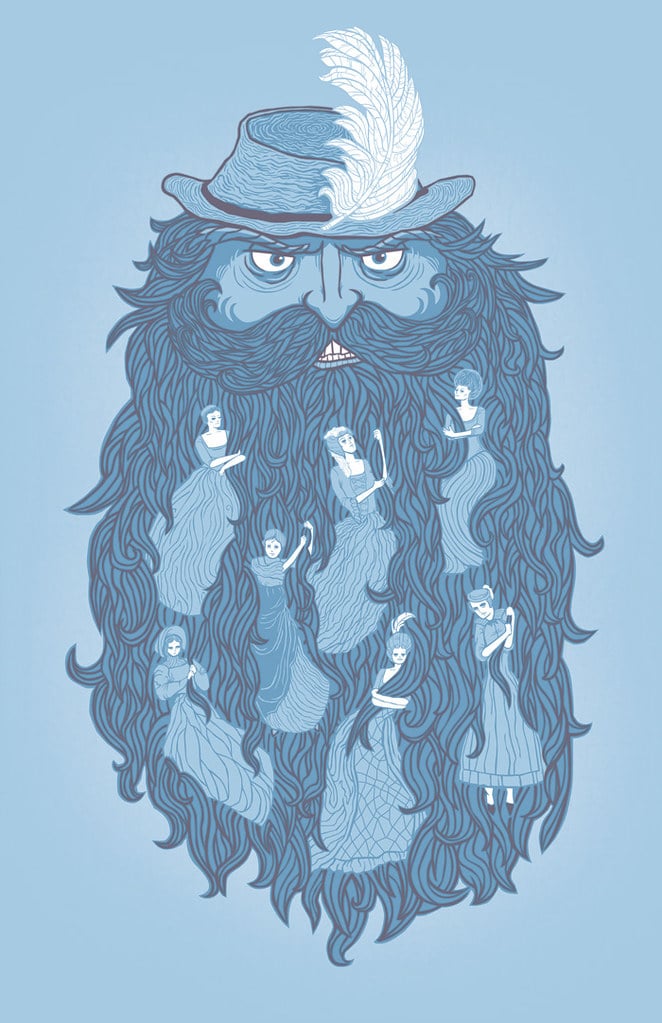
The story of Bluebeard — a nobleman who murders his wives and keeps their bodies in a locked room — has long been connected to Gilles de Rais, a French knight and companion of Joan of Arc who was later convicted of abducting and killing hundreds of children in the 1400s. Whether the connection is historical or coincidental, the story itself contains no ambiguity: a serial killer who tests his wives’ obedience with a forbidden key, and slaughters them when they look inside the room.
The original tale ends with Bluebeard being killed by the heroine’s brothers, but the rooms full of dead women don’t disappear. That image just sits there.
Little Red Riding Hood Had No Rescue
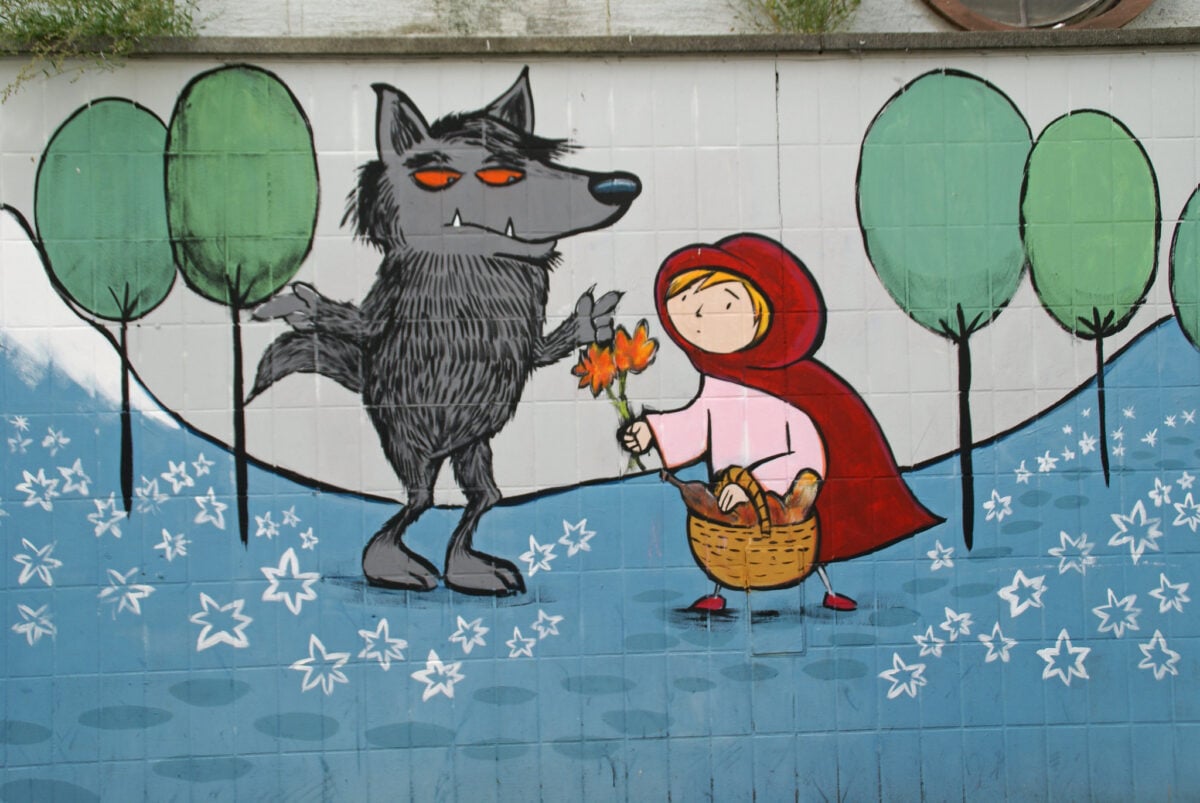
In Charles Perrault’s 1697 version — the oldest widely known written version — the wolf eats both the grandmother and the girl, and that’s where the story ends. There is no huntsman.
Nobody is saved. The wolf wins.
Perrault added a moral at the end warning young women not to speak to strangers, which makes the story read as a cautionary tale about naivety rather than a triumph of cleverness or courage. The Brothers Grimm added the huntsman and the rescue much later, giving readers the satisfying ending that stuck.
Beauty and the Beast Was Written to Justify Arranged Marriage
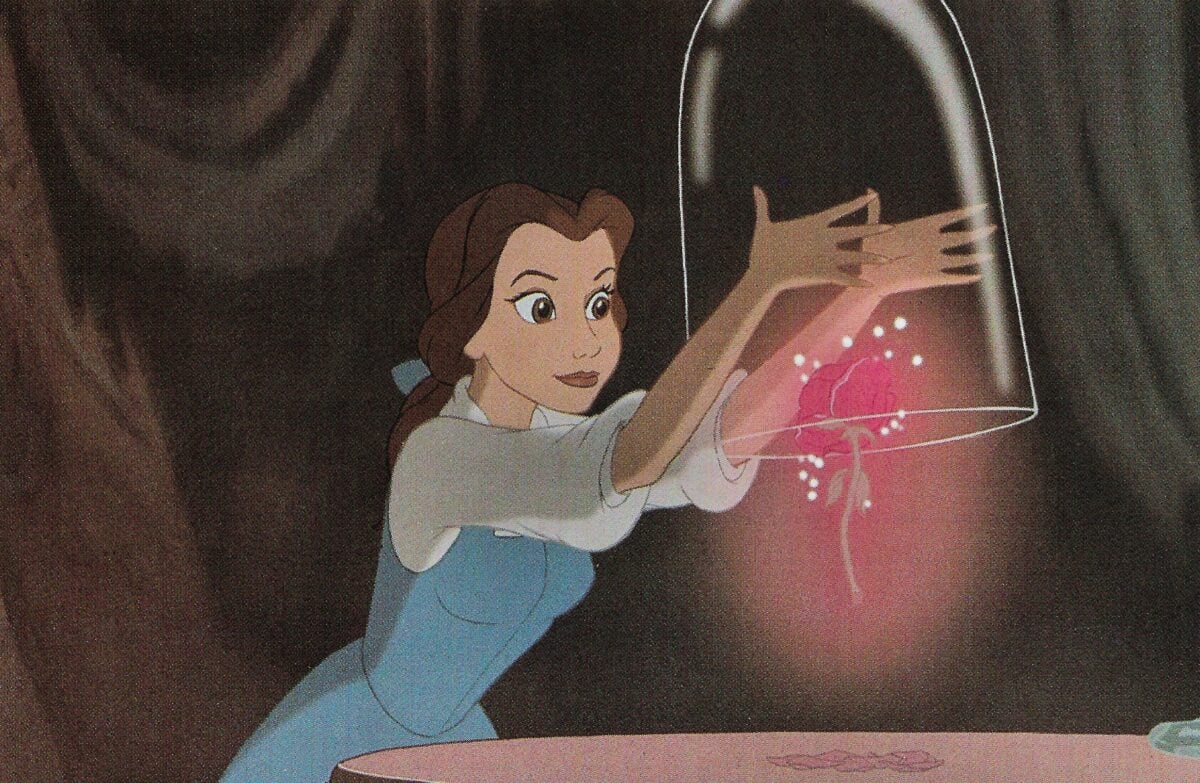
The original novella, written by Madame de Villeneuve in 1740, was explicitly designed to prepare young women for the reality of arranged marriage. Belle’s acceptance of a terrifying, powerful creature she didn’t choose was the lesson.
Learning to love him — or at least tolerate him — was the expected outcome. The story normalized the idea that a woman’s feelings about her husband were secondary to duty, family obligation, and learned obedience.
The romantic framing came later. The original intent was closer to a manual.
Rumpelstiltskin Tears Himself Apart
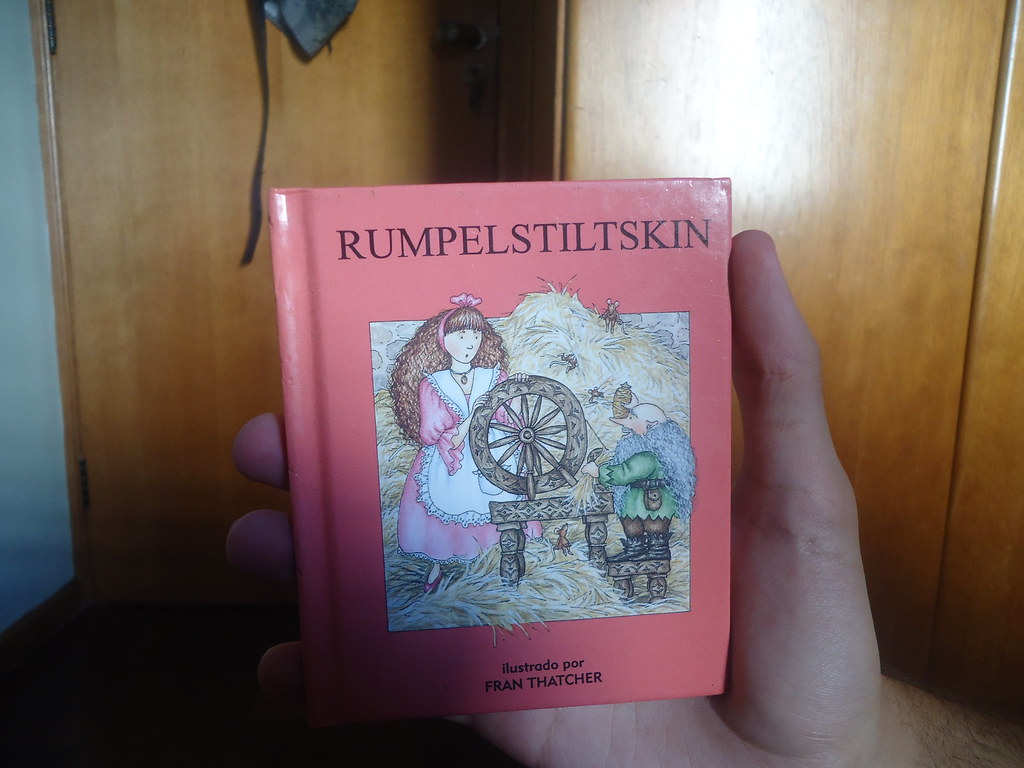
In the happy ending version, Rumpelstiltskin simply disappears in frustration when the queen guesses his name. In the Grimm version, he screams, stamps his foot so hard it goes through the floor, then grabs his other leg with both hands and tears himself in two.
It’s one sentence in the original text, delivered matter-of-factly.
The Pied Piper Was Probably Based on a Real Event
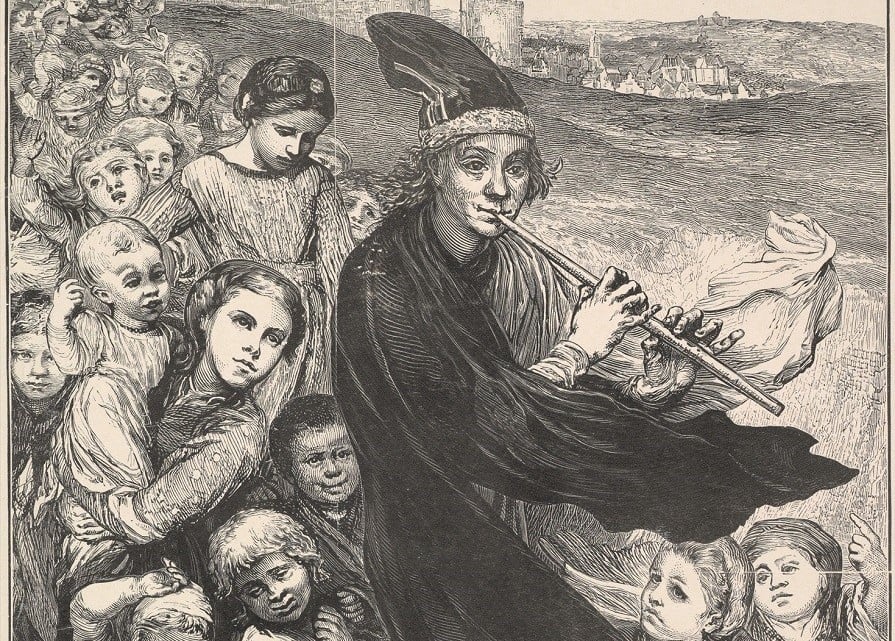
In 1284, 130 children disappeared from the town of Hamelin in Germany. Nobody knows what actually happened, but the event was recorded in town chronicles and stained glass windows, and the Pied Piper story grew up around it.
The rats came later — the original story appears to have just been about a stranger who led children away and they were never seen again. Theories range from a mass migration to a plague to recruitment for a children’s crusade.
The story’s enduring unease comes from the fact that no explanation has ever fully accounted for what happened.
The Little Match Girl Was Always Going to Die
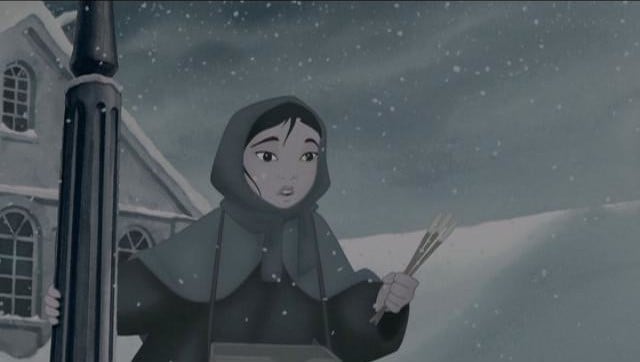
Andersen’s story about a freezing girl selling matches on New Year’s Eve has no twist. She lights her matches one by one to stay warm, seeing visions in each flame. She sees food, a warm home, a Christmas tree, and finally her dead grandmother — the only person who ever loved her.
She follows the vision of her grandmother into death. Her frozen body was found the next morning.
The story was written as a meditation on poverty and indifference, not as a tale with hope built in. There’s no rescue, no wealthy stranger, no last-minute reprieve.
Goldilocks Was Originally an Old Woman
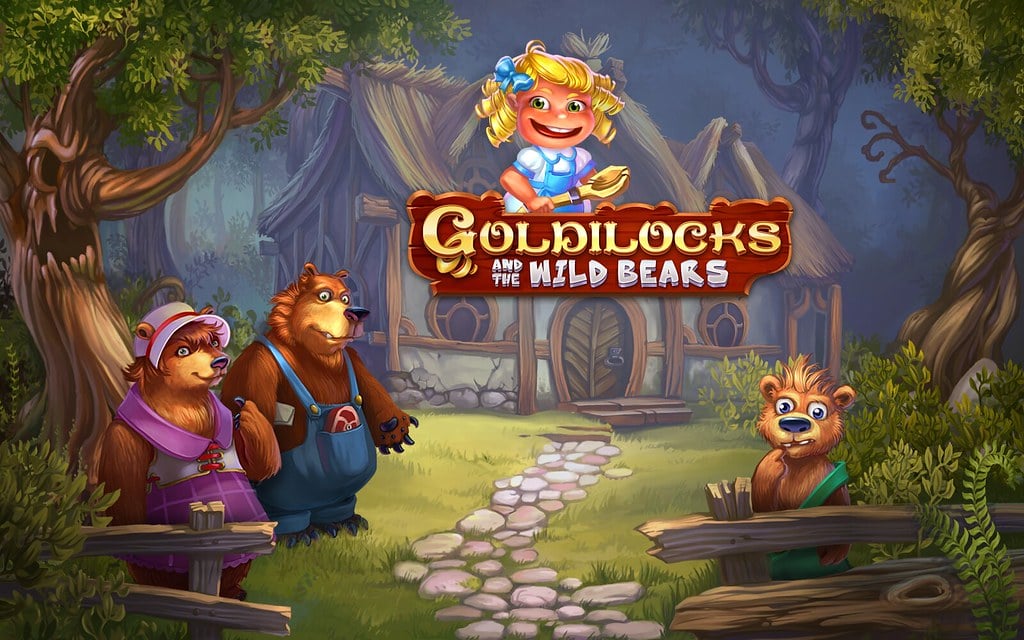
The earliest recorded version of this story, from the early 1800s, doesn’t feature a golden-haired little girl. It features an old woman who breaks into the bears’ house, eats their food, breaks their chair, and falls asleep in their bed. She escapes through a window when the bears return.
Later retellings swapped her out for a child, which softened the character from a trespasser into an innocent. Some versions kept the darker ending — the bears tear her apart.
The Red Shoes Ends With an Amputation
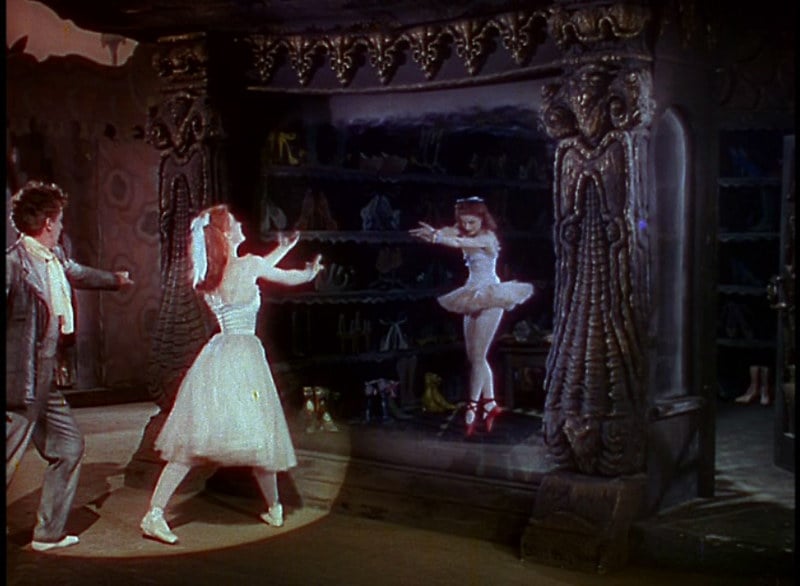
In Andersen’s story, a vain girl puts on a pair of enchanted red shoes that force her to dance without stopping. She dances through fields and weather, unable to sleep or eat, until she begs an executioner to chop off her feet.
He does. Her severed feet, still in the red shoes, continue dancing in front of her wherever she goes.
She eventually repents, is taken in by a kind family, and dies peacefully — but the image of her own feet dancing away from her body is the one that lingers.
The Girl Without Hands Is Exactly What the Title Says
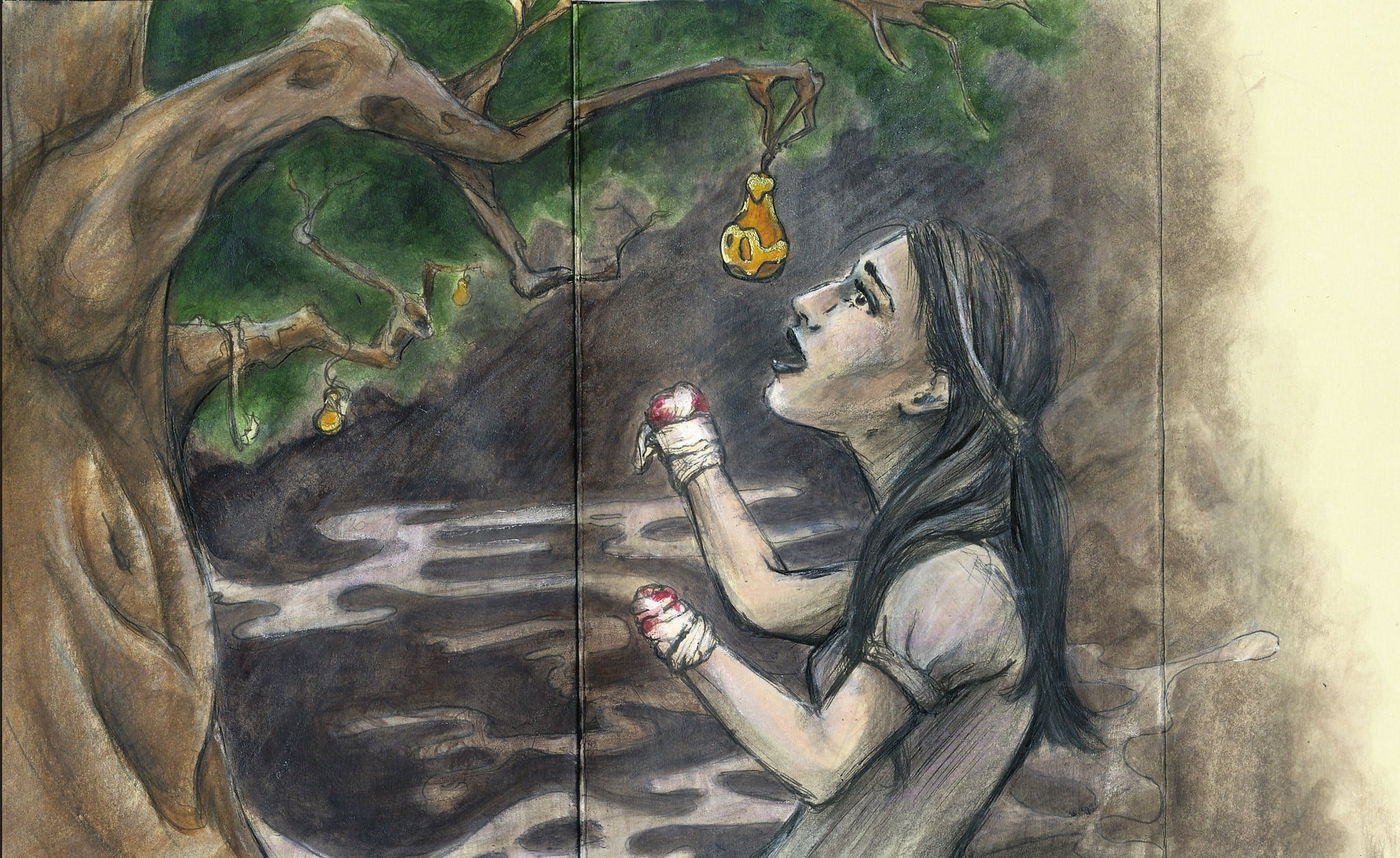
This Grimm tale begins with a father accidentally bargaining his daughter to the devil. When the devil comes to collect her, he can’t take her because she’s too pure.
In his fury, he demands the father cut off her hands to make her impure enough to claim. The father complies. The rest of the story follows the daughter as she navigates the world without hands, eventually marrying a king, being banished again through deception, and wandering for years before her hands miraculously grow back.
The miraculous ending doesn’t undo the opening, which features a father taking an axe to his own child to satisfy a debt.
Donkeyskin Is About a King Who Wants to Marry His Daughter
A promise made in grief shapes what comes next. Though the land offers many faces, none hold the light he seeks – until one reflection stuns him silent.
A decision forms slowly, then all at once. The girl slips into shadows before dawn breaks, clothed in coarse fur not meant for royalty.
Distance grows behind her, step by step. Another court takes her in, unaware of where she came from or why she hides.
Folk versions of the tale turn up everywhere, plus Perrault gathered his own version later. Odd how gently the old stories handle it – like a father’s unwanted advance is just another puzzle for her to slip through.
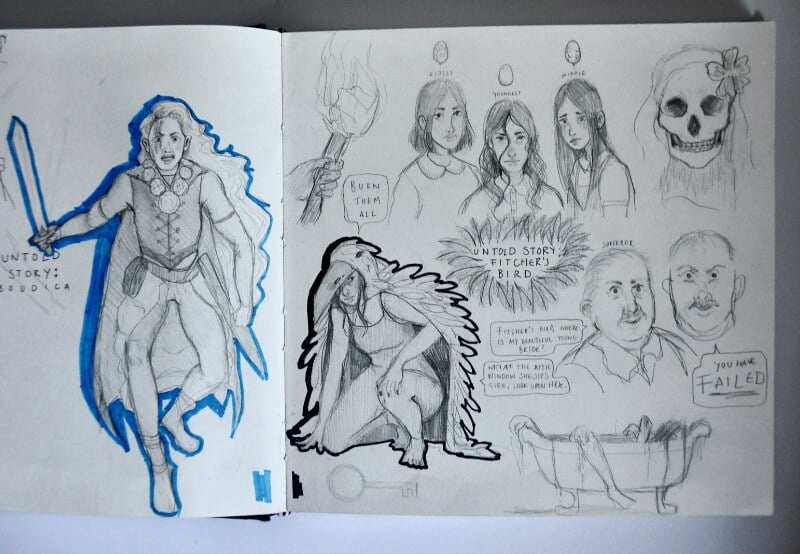
A version of this Grimm story feels like Bluebeard but sharper. One after another, a sorcerer takes women to his home.
She gets an egg she must hold – never open the sealed door, he says. Curiosity wins every time.
Inside: broken pieces of others soaking in blood. The egg slips through fingers when she sees it.
Then her body joins the rest. Out of the three siblings, the youngest knows just what to do.
Before she turns the handle, the egg finds a spot on the floor. Her hands move to piece together the remains of the others who came before her.
What follows reads like a list of steps, flat and clear, yet lingers oddly. How something so calm can feel so wrong stays unexplained.
The Stories Were Never Just for Children

One might assume old societies cared little for kids, or failed to grasp their limits. Yet such thinking overlooks context entirely.
Told among grown-ups, these tales moved through villages like breath through trees. Around flames at night, voices shaped warnings into rhythm.
Fear of loss, hunger, outsiders, harsh rulers – these found form in the story. Shared not as lessons but echoes.
Long before anyone wrote them, those old tales carried sharp corners. Once penned by folk like the Brothers Grimm, some harshness started to fade.
Disney stepped in much later, polishing what little grit still lingered. Only outlines stayed behind – evil stepmothers, cursed naps, trials beyond reason – emptied of the shadows that once made sense of their pain.
Those early versions never aimed to scare just for fun. Instead, they spoke bluntly about life when safety felt rare, long before happy endings became expected.
More from Go2Tutors!

- The Romanov Crown Jewels and Their Tragic Fate
- 13 Historical Mysteries That Science Still Can’t Solve
- Famous Hoaxes That Fooled the World for Years
- 15 Child Stars with Tragic Adult Lives
- 16 Famous Jewelry Pieces in History
Like Go2Tutors’s content? Follow us on MSN.



