Paintings Said to Curse the Artist
Art has always had a strange power over people. Some paintings make viewers feel joy or sadness, while others seem to carry something darker.
Throughout history, certain works have gained reputations for bringing misfortune to the artists who created them. These aren’t just old legends or ghost stories.
Many of these tales involve well-documented tragedies, mysterious deaths, and lives that fell apart after the canvas was finished. Let’s look at the paintings that supposedly brought nothing but trouble to the people who made them.
The Crying Boy
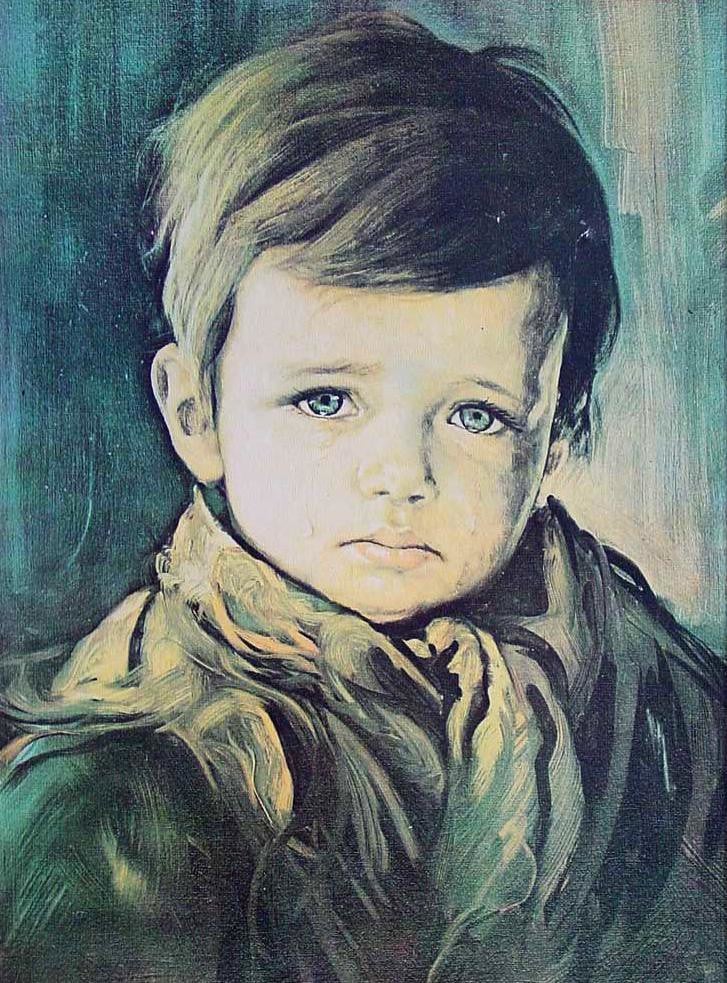
Giovanni Bragolin painted a series of portraits showing tearful children in the nineteen fifties. The images became wildly popular across Europe, hanging in thousands of homes.
But fires started breaking out in houses that displayed these paintings, and what made it stranger was that the prints often survived the flames completely intact. Firefighters in England reported finding the undamaged crying boy prints so many times that newspapers started covering the phenomenon.
Some people claimed Bragolin used orphans as models and that one child’s parents had died in a fire, creating some kind of terrible connection. Whether coincidence or curse, many families threw their prints away after hearing the stories.
The Hands Resist Him
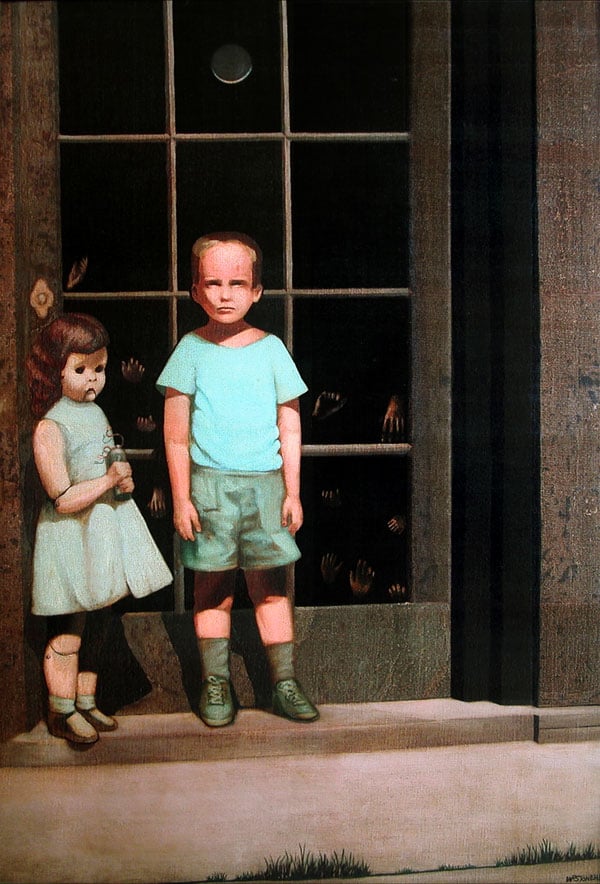
Bill Stoneham created this painting in nineteen seventy two, showing a young boy standing with a doll beside a glass door. Hands press against the glass from the other side.
The painting appeared on eBay decades later with a warning that the figures moved at night and sometimes left the canvas entirely. The family selling it claimed their daughter saw the children fighting and that the boy in the painting tried to enter their home.
Thousands of people reported feeling sick or faint after viewing the image online. Stoneham based the work on a childhood photograph of himself, and both the gallery owner who first displayed it and the art critic who reviewed it died within a year of its showing.
The Dead Mother

Edvard Munch painted this haunting image in eighteen ninety three, showing a small child covering her ears beside her deceased mother’s bed. Munch created the work after watching his own mother die of tuberculosis when he was just five years old.
His life spiraled into mental illness, alcoholism, and paranoia after completing this and other dark works. He suffered a nervous breakdown and spent time in a psychiatric hospital.
Munch himself wrote that he felt pursued by madness, describing it as an inheritance running through his family. The painting seemed to trap him in his childhood trauma rather than help him process it.
The Rain Woman
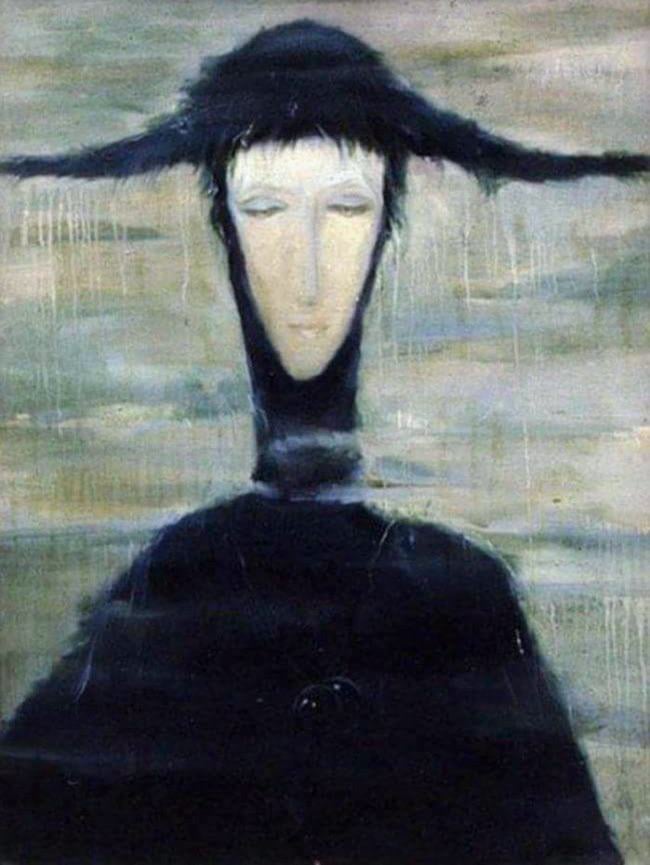
Svetlana Telets painted this mysterious figure in the nineteen nineties, depicting a woman standing in the rain with an umbrella. The artist died shortly after finishing the work under circumstances that were never fully explained.
Several people who owned the painting later reported nightmares, depression, and a feeling of being watched. One collector claimed to see the woman’s expression change depending on the time of day.
Another owner said water stains appeared on the wall around the frame even though there was no leak. The painting changed hands many times, with each owner eager to pass it along after experiencing unsettling events.
The Anguished Man

Sean Robinson inherited this painting from his grandmother, who kept it in her attic for many years. She told him the artist mixed his own blood into the paint before taking his own life.
After hanging the painting in his home, Robinson reported hearing crying sounds and seeing a shadowy figure in his house. He recorded video footage that supposedly captured strange occurrences.
His wife refused to be alone with the painting. Robinson eventually moved it back to storage, but the reports had already made the painting famous online.
Woman in Gold
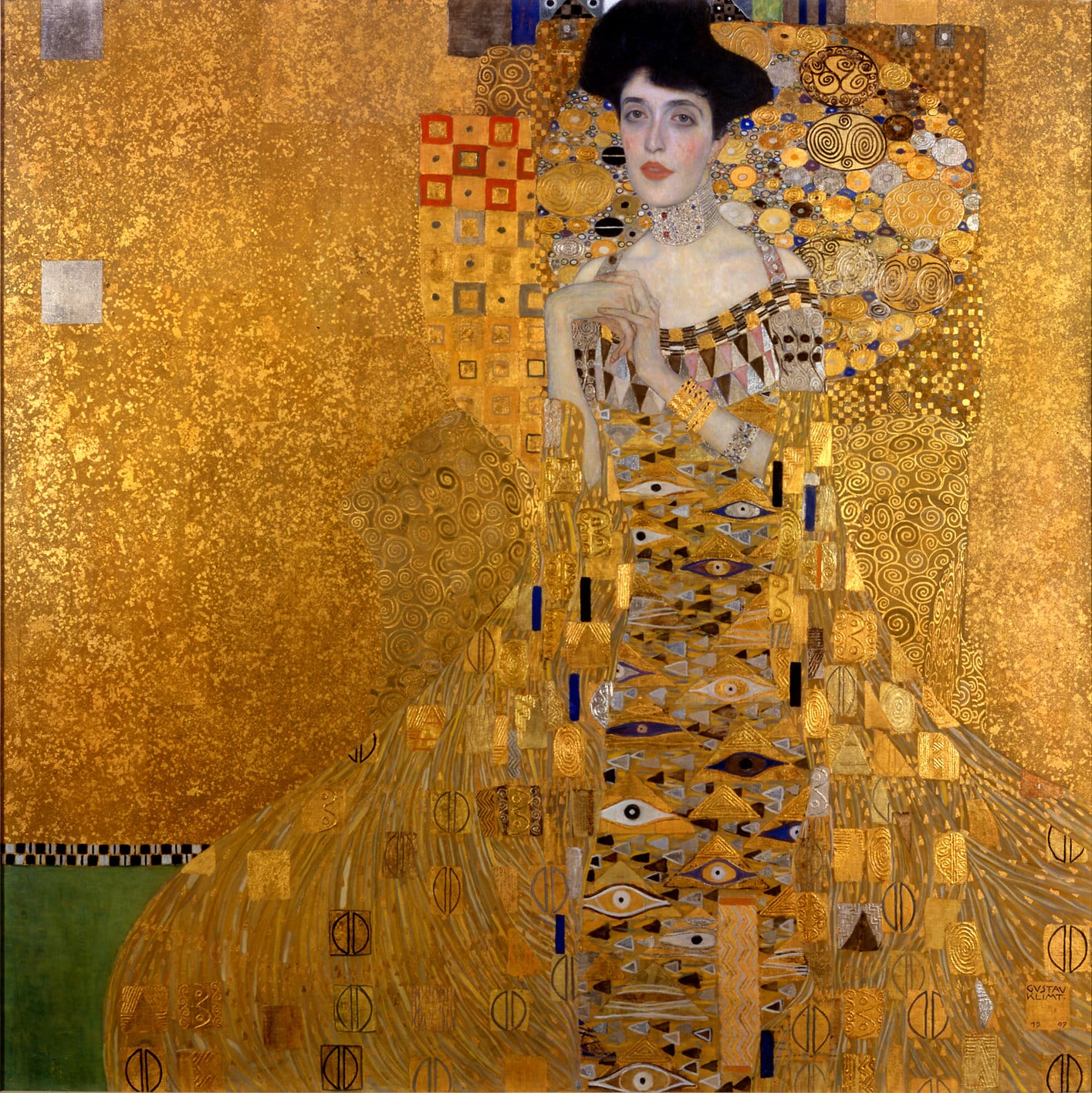
Gustav Klimt painted this portrait of Adele Bloch Bauer in the early twentieth century, covering her dress in gold leaf. The painting survived the Nazi seizure of the Bloch Bauer family’s property, but Klimt himself died suddenly of a stroke just over a decade later.
His death came during the Spanish flu period, and he was only in his mid fifties. The painting’s history involved decades of legal battles, stolen property claims, and international disputes.
Adele herself died young, and her family faced persecution and loss. The painting seemed to carry the weight of all this tragedy, becoming more famous for its troubled history than its beauty.
The Scream
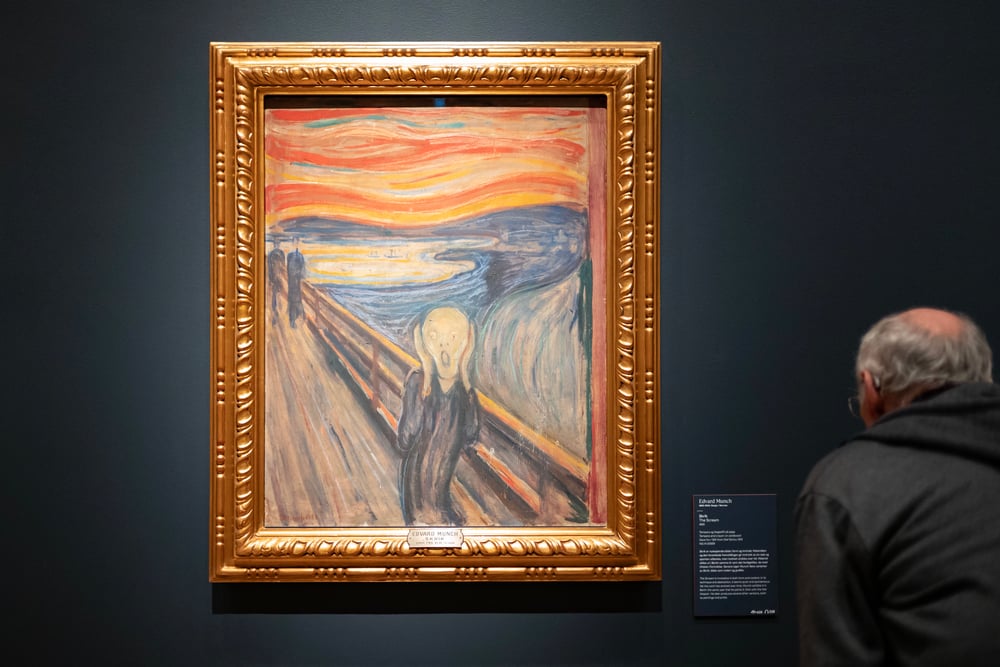
Edvard Munch appears again with his most famous work from the late nineteenth century. He wrote that the painting came from a moment when he felt nature’s scream passing through him while walking at sunset.
After creating multiple versions of this image, Munch’s mental health deteriorated significantly. He struggled with hallucinations and paranoia.
The painting itself has been stolen, vandalized, and damaged over time. Everyone connected to it seems touched by anxiety and distress, and Munch spent his later years isolated and afraid.
Portrait of Dorian Gray

While Oscar Wilde’s novel featured a fictional cursed painting, it was rooted in real beliefs about portraits capturing souls. Artists throughout the eighteen hundreds reported feeling drained or ill after painting certain subjects.
Wilde himself faced scandal, imprisonment, and early death after writing the book. He died penniless in exile in his forties.
The idea that paintings could hold pieces of a person’s life force was not just fiction to the Victorians. Many refused to sit for portraits, believing it would shorten their lives or invite misfortune.
The Bernhardt Portrait

Georges Clairin painted the famous actress Sarah Bernhardt several times during her career. One particular portrait seemed to mark a turning point in both their lives.
After its completion, Clairin struggled to find the same success and eventually faded from prominence. Bernhardt herself experienced a series of personal tragedies, including injuries that led to the loss of her leg.
She claimed the painting captured something in her that she could never get back. Other artists who painted her reported feeling creatively drained afterward.
The Mourners
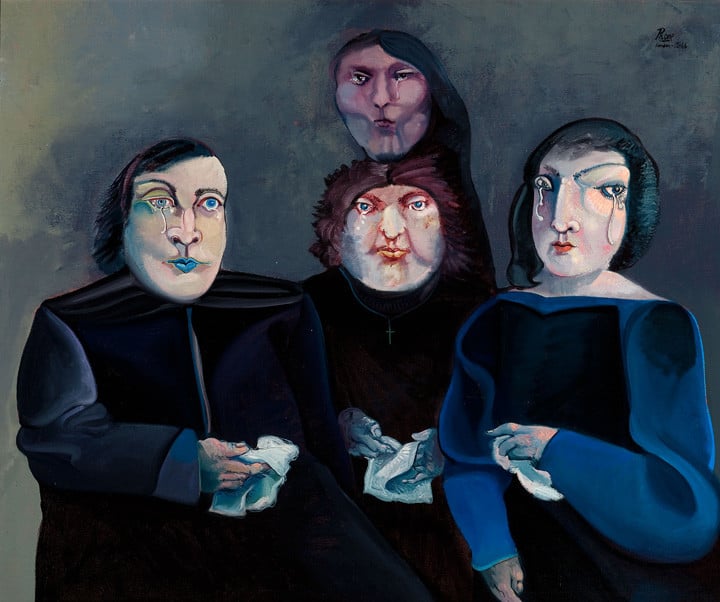
Amedeo Modigliani painted numerous portraits in his elongated style, but several depicting grieving women seemed especially troubled. Modigliani died young, poor, and largely unrecognized.
The day after his death, his pregnant partner threw herself from a window. Many of his models died young or met tragic ends.
Art dealers who handled these works reported lingering sadness they could not shake. Some believed Modigliani poured his own despair into the canvases.
The Sailors

Zdzisław Beksiński created deeply disturbing dystopian paintings and refused to title or explain them. His personal life was marked by relentless tragedy.
His wife died, his son took his own life, and Beksiński himself was later murdered in his apartment. His art dealer also died under unusual circumstances.
Collectors reported nightmares and depression after living with his work. Beksiński said his paintings came from dreams, which may explain their lasting impact.
The Penitent Magdalene

Georges de La Tour painted this image of Mary Magdalene staring at a skull by candlelight. Shortly after finishing it, his hometown was struck by a deadly outbreak.
That same evening, his wife passed away. Over time, owners of the painting reported financial ruin, illness, and devastating personal loss.
Some experts believe La Tour’s later works grew darker, as if reflecting the weight of what followed this piece.
The Dance of Death

Rather than a single painting, this was a recurring theme showing skeletons leading people to their graves. Artists who focused heavily on it often died young or fell ill mid creation.
The theme spread during plague years, when painters were surrounded by death daily. Some believe the subject itself invited tragedy.
Others argue the artists were simply victims of the brutal times they lived in.
Nighthawks
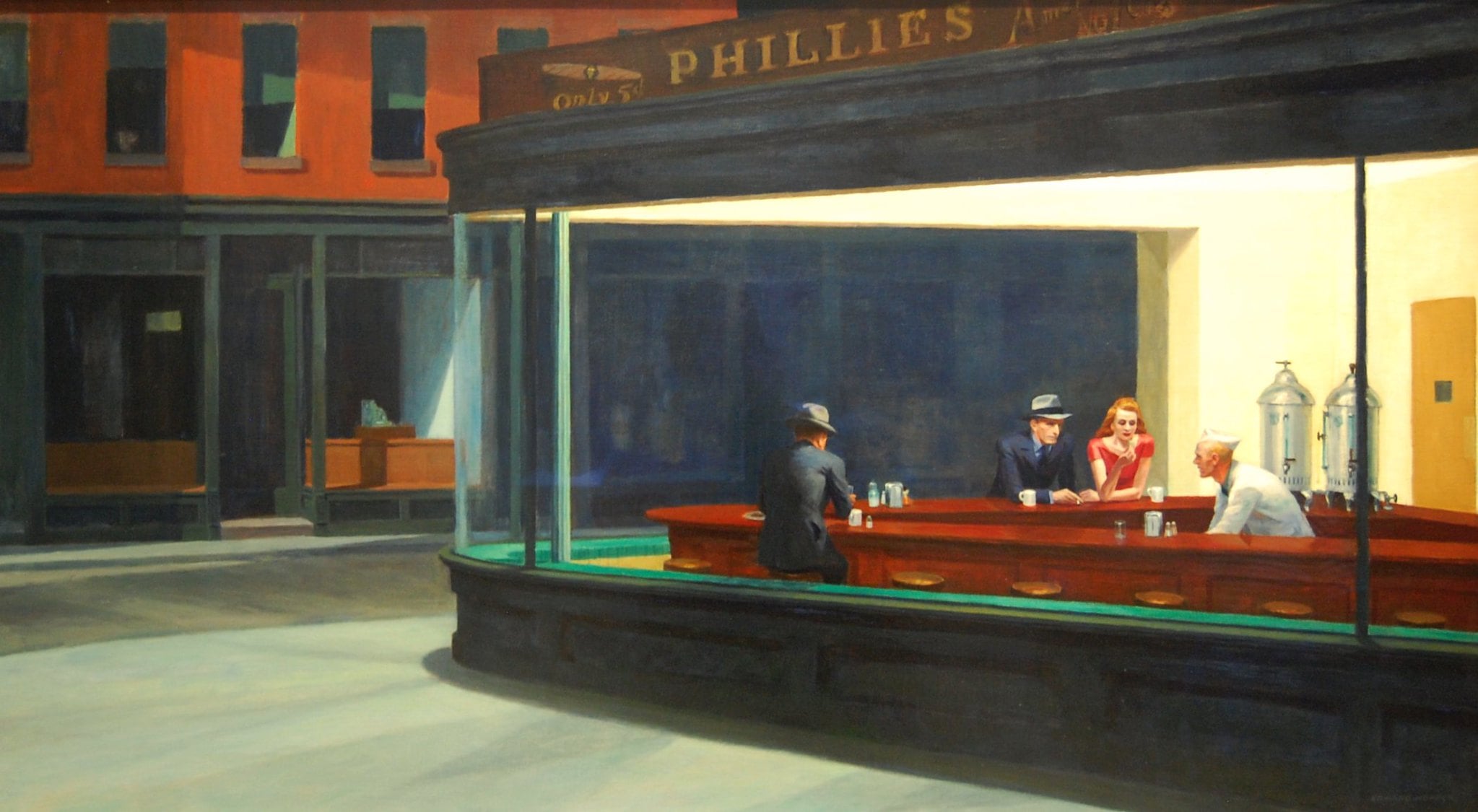
Edward Hopper painted this lonely diner scene during the early nineteen forties. Though he lived to old age, his later years were marked by isolation and conflict.
He believed nothing he created afterward matched its impact. The emotional emptiness captured in the painting began to reflect his own life.
Many artists inspired by it later spoke about feeling the same quiet loneliness they tried to portray.
The Sick Child

This work shows Munch returning again to childhood grief. It depicts his sister Sophie, who died young from tuberculosis.
He painted multiple versions over decades, unable to let the image go. Each version pulled him deeper into themes of sickness and death.
Critics mocked the work at first, yet Munch kept circling the same pain, as if it would not release him.
The Picture of Everything

Contemporary painter Svetlana Zakharova spent years creating what she believed would capture every human emotion. She painted obsessively, barely resting.
Days after finishing it, she collapsed and died suddenly. Friends said she looked drained, as if something essential had been taken from her.
The artwork remains hidden in private hands, with some claiming it makes people uneasy just being near it.
Unfinished Business
Many haunted paintings share similar stories. Their creators worked in emotional extremes, sometimes using disturbing materials or methods.
Some believe the art became cursed, while others think unstable minds create unstable work. No one truly knows.
What remains clear is that pouring everything into art can leave lasting scars.
The people behind these works gave every part of themselves to the canvas. Some lost their sanity, some lost their lives, and others never quite recovered.
These paintings remind us that creation can be powerful, dangerous, and sometimes impossible to walk away from unchanged.
More from Go2Tutors!

- The Romanov Crown Jewels and Their Tragic Fate
- 13 Historical Mysteries That Science Still Can’t Solve
- Famous Hoaxes That Fooled the World for Years
- 15 Child Stars with Tragic Adult Lives
- 16 Famous Jewelry Pieces in History
Like Go2Tutors’s content? Follow us on M