Lost Languages That Shaped Culture
Languages die all the time. Scholars estimate that one language disappears every two weeks.
Most vanish quietly, leaving little trace beyond memories held by the last speakers. But some dead languages cast shadows that stretch across centuries.
They influenced literature, law, religion, and entire ways of thinking about the world. You live in a culture shaped by languages nobody speaks anymore, and most people don’t realize how much these extinct tongues still matter.
Sumerian and the Birth of Writing
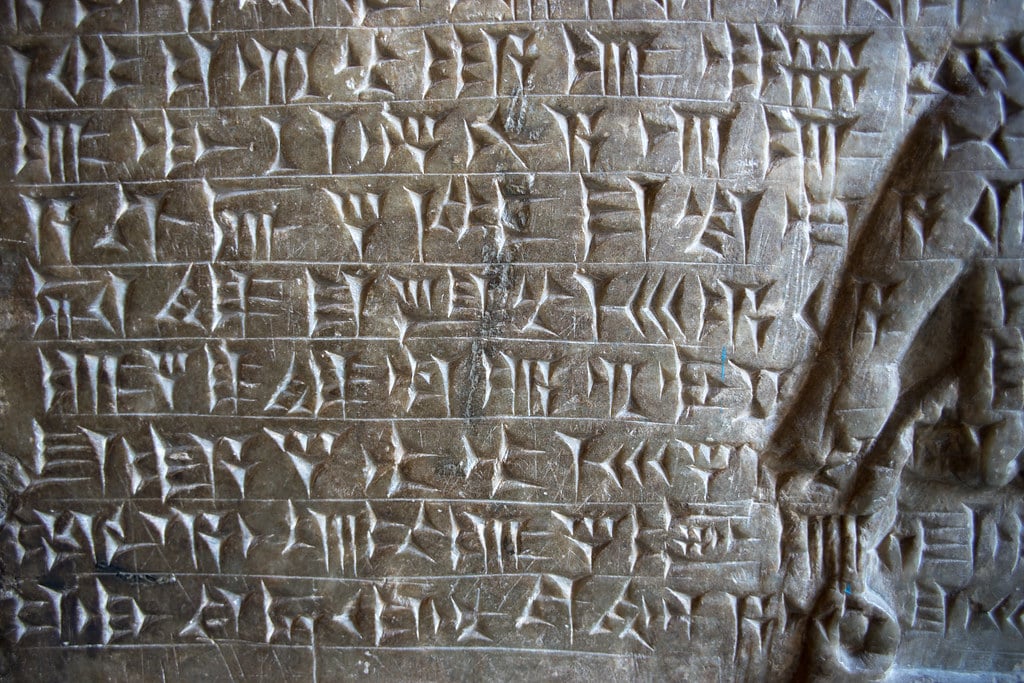
Sumerian died as a spoken language around 2,000 BCE, but it lasted another 2,000 years as a scholarly and religious language in Mesopotamia. This matters because Sumerian gave humanity its first writing system.
The cuneiform script developed to record Sumerian started as simple pictographs pressed into clay tablets. Over time, it evolved into a complex system capable of expressing abstract ideas, contracts, laws, and literature.
The Epic of Gilgamesh, one of the oldest known stories, was written in Sumerian and Akkadian. Every alphabet you use today descends from writing systems that were built on principles first established to preserve this extinct language.
Latin’s Grip on Western Thought

Nobody speaks Latin as a native language anymore, but it never really died. For over a thousand years after Rome fell, Latin remained the language of education, law, science, and the Catholic Church across Europe.
Every scientific name for plants and animals uses Latin. Legal systems throughout Europe and the Americas operate with Latin terminology.
Medical students still learn anatomy using Latin names. The language structures how educated people in Western cultures organize knowledge and express formal ideas.
French, Spanish, Italian, Portuguese, and Romanian evolved directly from it. Even English, a Germanic language, absorbed thousands of Latin words.
Latin shapes how you think even if you’ve never studied it.
Akkadian’s Diplomatic Legacy
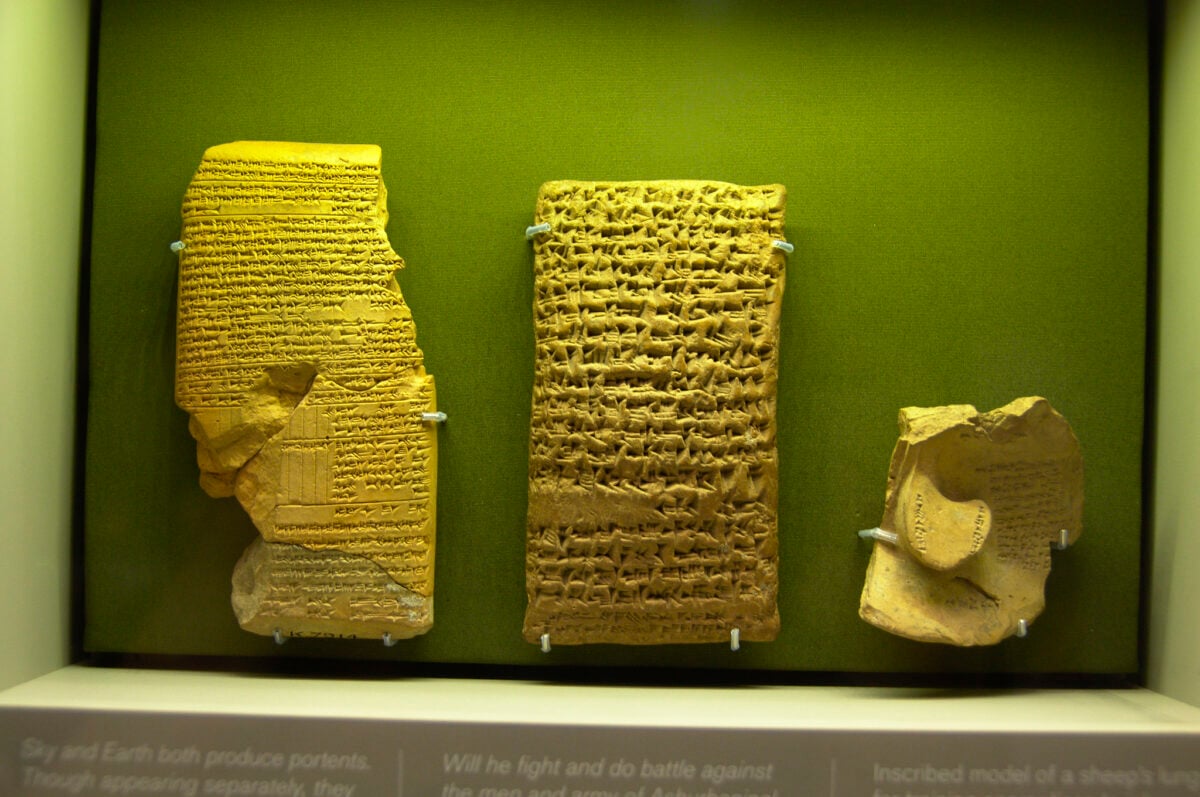
Akkadian was the first Semitic language to use writing, and it became the international language of diplomacy in the ancient Near East. For over a thousand years, kingdoms from Egypt to Persia communicated with each other in Akkadian, even though it wasn’t the native language of most participants.
The Amarna Letters—diplomatic correspondence between Egyptian pharaohs and other rulers—were written in Akkadian. This established a precedent: major powers need a shared language for international relations.
That concept persisted through Greek, Latin, French, and now English. The idea that diplomacy requires a common tongue started with Akkadian scribes writing letters between kings.
Ancient Egyptian and Religious Architecture
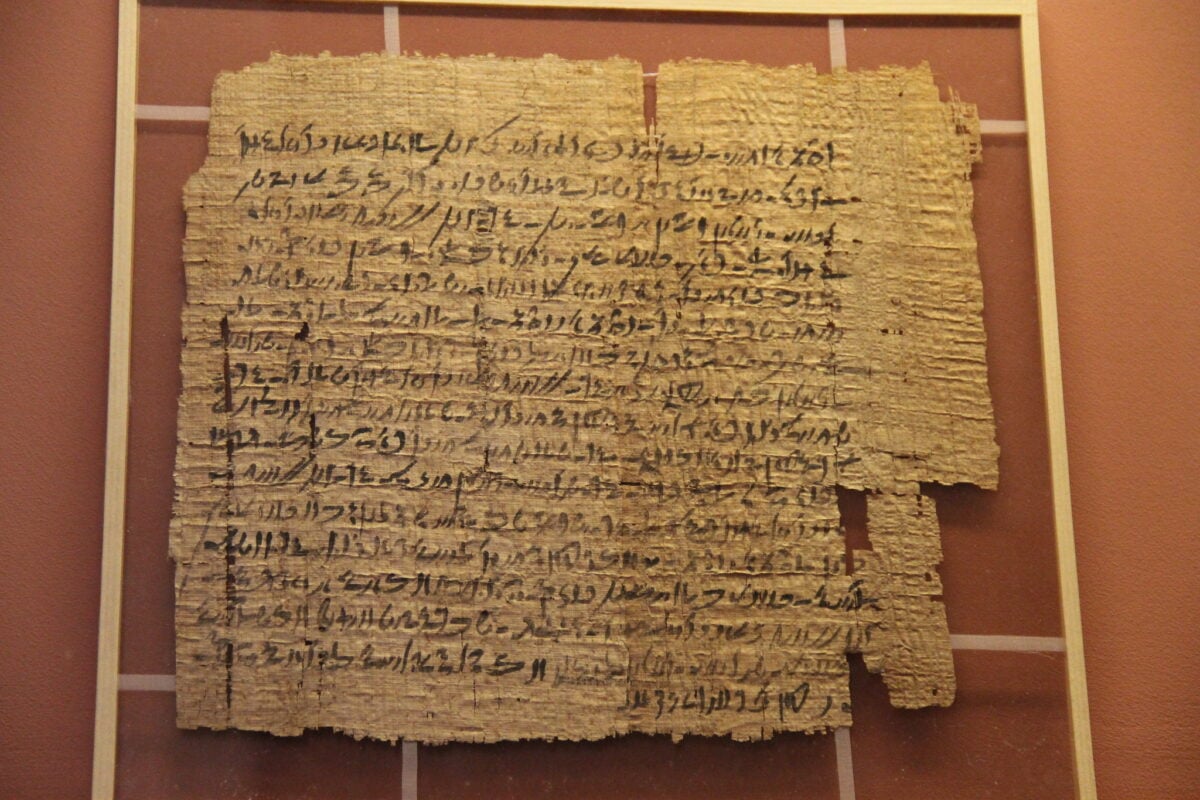
The language of the pharaohs died sometime in the 17th century CE as a spoken language, though Coptic Christians preserved a descendant version for religious purposes. But Ancient Egyptians left permanent marks on architecture and religious symbolism.
Hieroglyphics weren’t just writing. They were sacred symbols integrated into temple walls, tombs, and monuments.
The language couldn’t be separated from religious beliefs about the afterlife and divine power. When European scholars finally decoded hieroglyphics in the 19th century, it changed archaeology and inspired artistic movements.
Egyptian motifs appear in buildings, jewelry, and art worldwide because the language and its writing system created visual forms that outlived the civilization.
Sanskrit’s Literary Foundation

Sanskrit stopped being a common spoken language around 600 BCE, but it remained the language of Hindu religious texts, classical literature, and scholarly discourse for millennia. The Vedas, Upanishads, Mahabharata, and Ramayana were composed in Sanskrit.
These texts shaped religious and philosophical thought across South and Southeast Asia. Buddhist scriptures were often written in Sanskrit or Pali, spreading the language’s influence even further.
Modern Indian languages like Hindi, Bengali, and Marathi evolved from Sanskrit. The grammatical analysis of Sanskrit by ancient scholar Panini influenced modern linguistics.
A dead language became the foundation for understanding how all languages work.
Old Church Slavonic’s Religious Reach

Two Byzantine monks, Cyril and Methodius, created a writing system for Old Church Slavonic in the 9th century to translate Christian texts for Slavic peoples. The language died as a spoken tongue but became the liturgical language of Eastern Orthodox churches throughout Eastern Europe.
The Cyrillic alphabet, developed for this language, is still used by Russian, Ukrainian, Bulgarian, Serbian, and other languages today. Old Church Slavonic unified diverse Slavic peoples under a shared religious and cultural identity.
It created a literary tradition that shaped Eastern European culture for over a millennium. The language exists now only in church services, but its alphabet types your emails if you write in Russian.
Classical Arabic of the Quran

The Arabic of the Quran, written in the 7th century, differs significantly from modern spoken Arabic dialects. This classical form is essentially a frozen language, preserved exactly as it was 1,400 years ago because Muslims believe the Quran is the literal word of God and cannot be altered.
This creates a unique situation: Classical Arabic is technically dead as a native spoken language, but over a billion Muslims read, recite, and study it. It influences how modern Arabic speakers write formal texts.
The language shaped Islamic law, philosophy, science, and literature throughout the Middle Ages. Arabic numerals—actually borrowed from India but transmitted through Arabic—changed mathematics worldwide.
A language fixed in time continues to influence living cultures.
Phoenician and the Alphabet Revolution
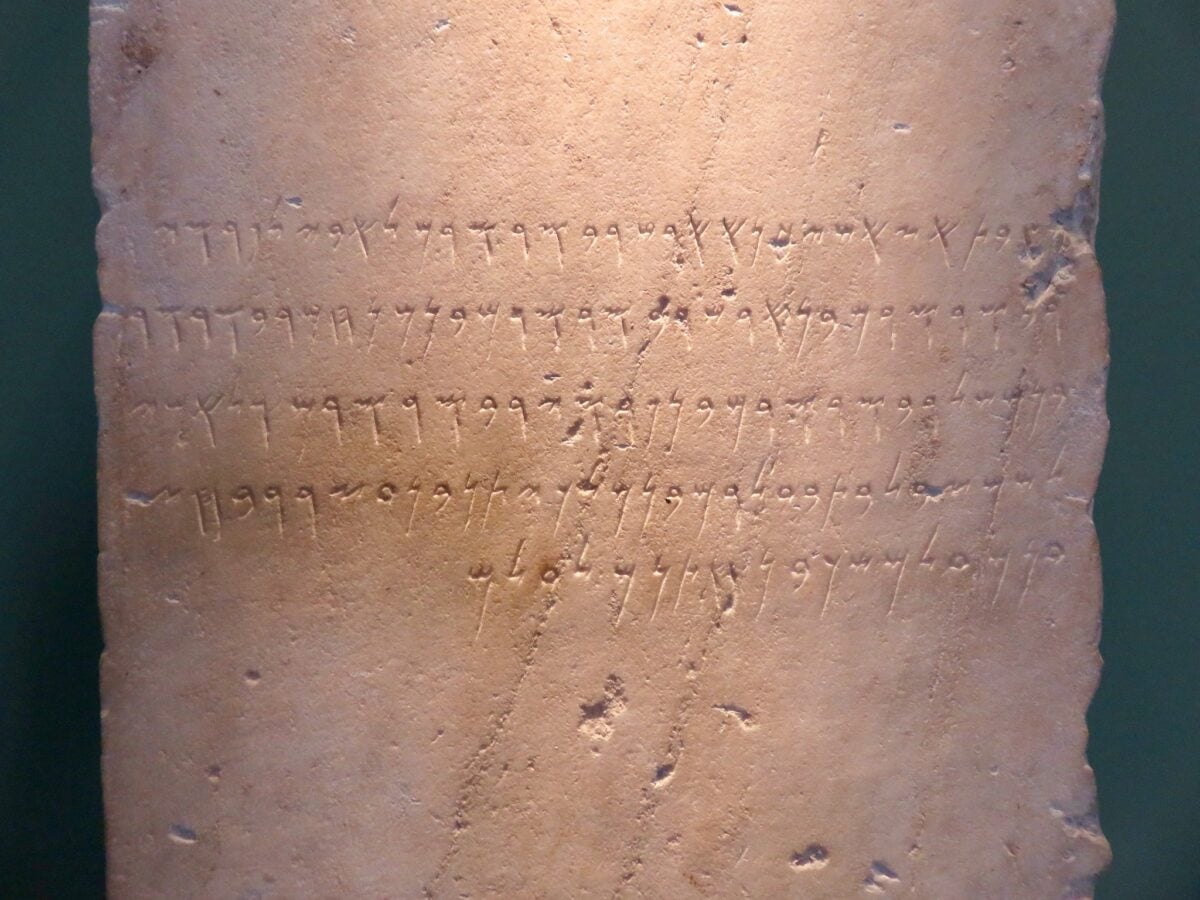
Phoenician died around 100 CE, but it revolutionized human communication. The Phoenicians developed one of the first true alphabets, where each symbol represented a single sound rather than a word or syllable.
This system was so efficient that the Greeks adopted and modified it, adding vowels. The Greek alphabet became the basis for Latin, Cyrillic, and countless other writing systems.
Every alphabet you’ve ever used descends from Phoenician. The language is gone, but its gift of simplified writing changed literacy rates and made widespread education possible.
You’re reading this because Phoenician merchants needed a quick way to keep business records.
Gothic and Germanic Linguistics
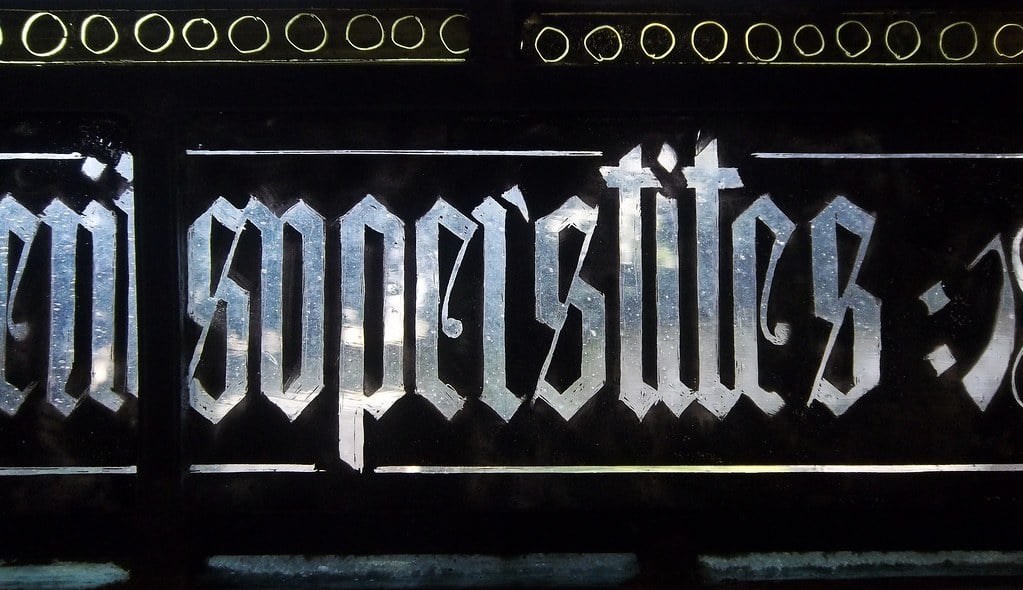
Gothic was the language of the Goths, an East Germanic people who conquered parts of Europe during the decline of Rome. The language died by the 9th century, but one text survived: a 4th-century Bible translation by Bishop Wulfila.
This single book became the primary source for understanding all East Germanic languages. Linguists used it to reconstruct how Germanic languages evolved and spread. Gothic preserved features of Proto-Germanic that disappeared from other branches.
Without it, scholars would know far less about the history of English, German, Dutch, and Scandinavian languages. One dead language became the key to understanding an entire language family.
Etruscan’s Mysterious Influence on Rome
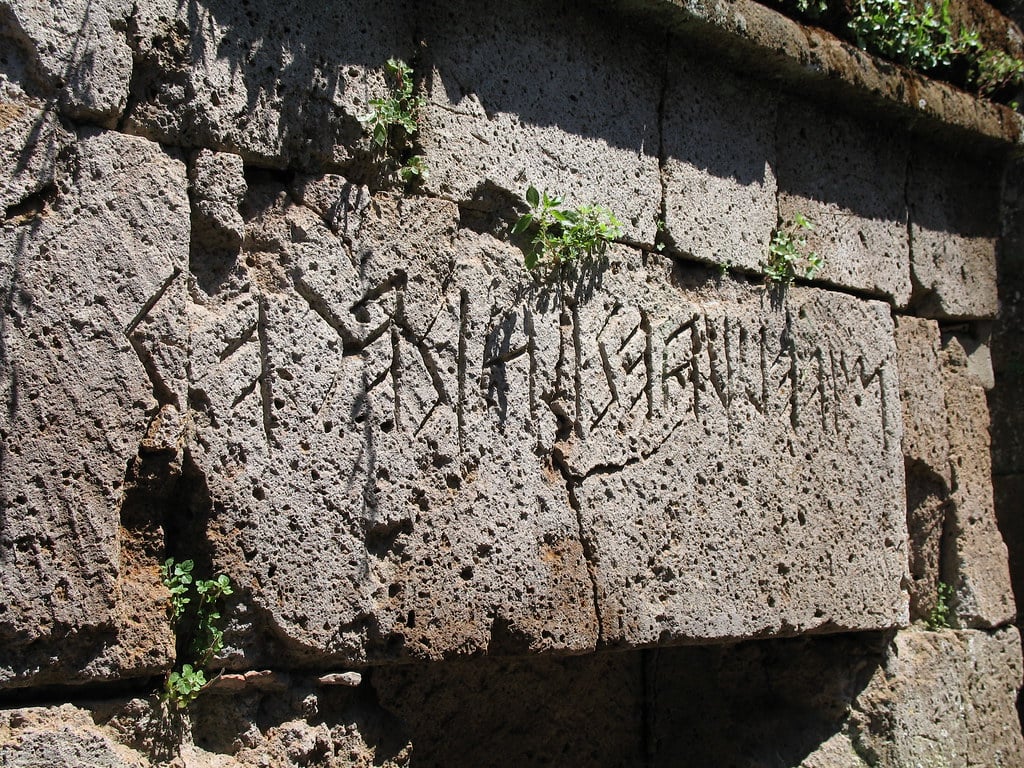
The Etruscans dominated central Italy before Rome rose to power. Their language died out by the 1st century CE, and despite thousands of inscriptions, scholars still can’t fully translate it.
Yet it shaped Roman culture profoundly. Romans borrowed Etruscan religious practices, architectural styles, and social customs.
The Roman alphabet came from the Etruscans, who had adapted it from the Greeks. Early Roman kings were Etruscan.
The gladiatorial games started as Etruscan funeral rites. Much of what you think of as Roman culture originated with a civilization whose language remains largely unreadable.
Etruscan shaped the culture that shaped Western civilization, even though nobody can fully understand what the Etruscans wrote.
Coptic’s Bridge Between Worlds
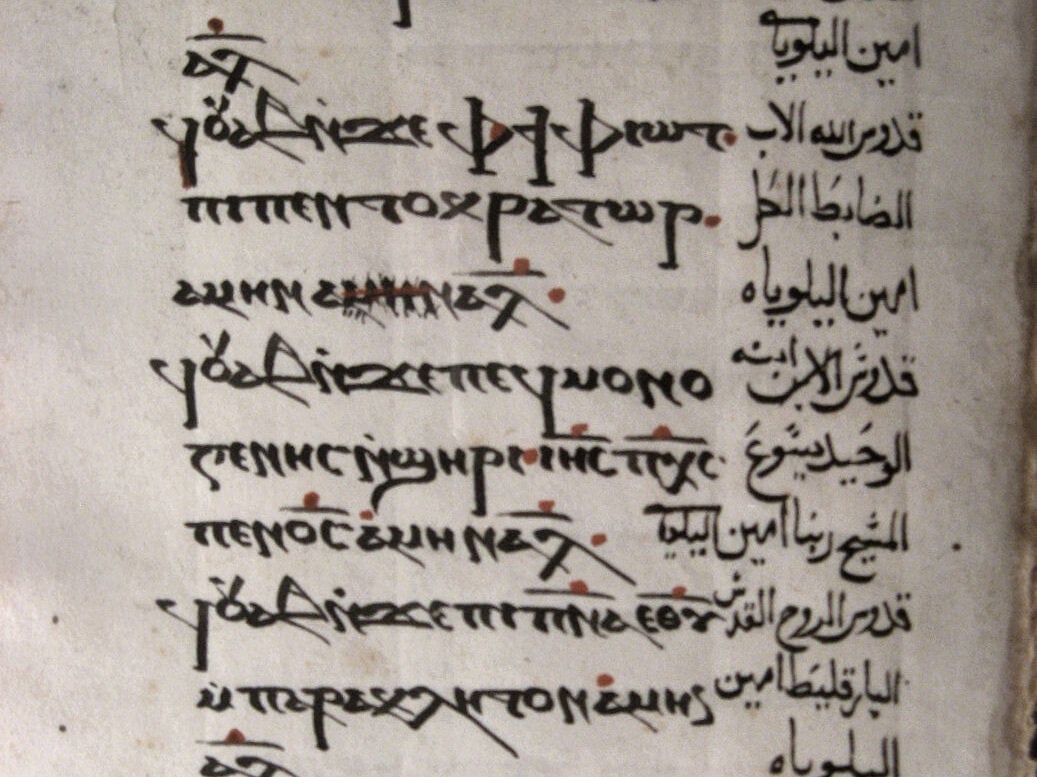
Coptic was the final form of the Ancient Egyptian language, written with Greek letters plus some additional characters. It served as the native language of Egypt from the 2nd to the 17th century CE before Arabic replaced it.
Coptic preserved Egyptian words and grammar that helped scholars decode hieroglyphics. When Jean-François Champollion cracked the Rosetta Stone, he used his knowledge of Coptic to understand the ancient texts.
The language still exists in Coptic Christian liturgy, making it the only living connection to the language of the pharaohs. A nearly dead language became the key that unlocked 3,000 years of history.
Aramaic’s Everyday Divinity
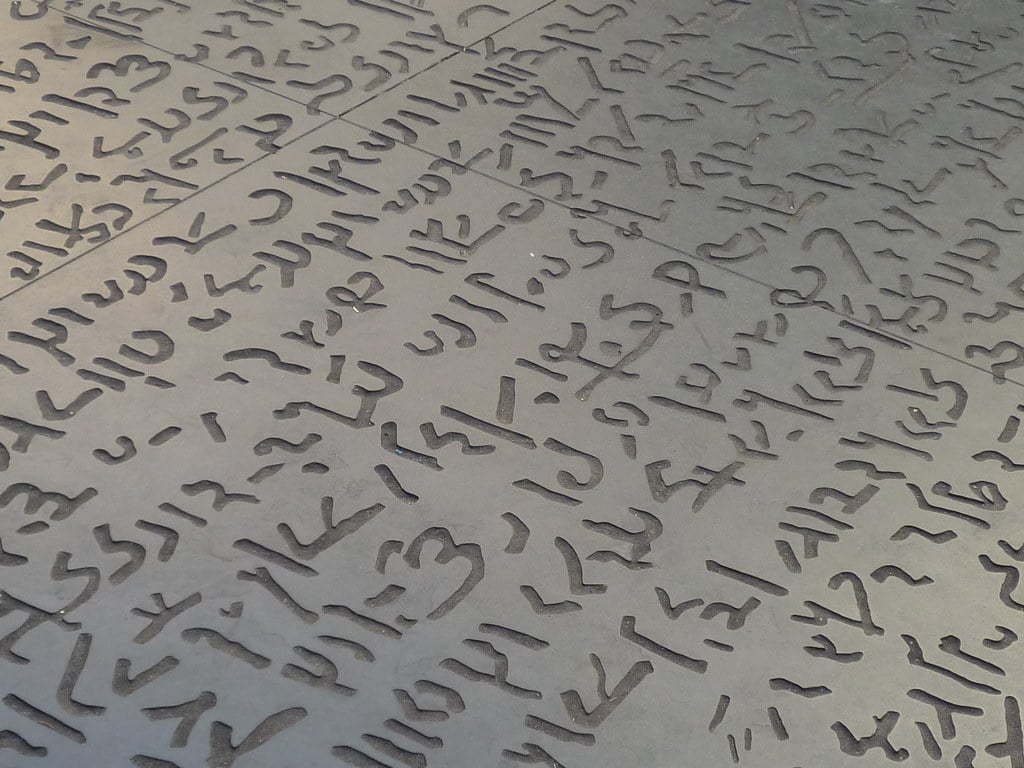
Aramaic was the everyday language Jesus spoke, and it dominated the Near East for centuries. Parts of the Bible were written in Aramaic.
The language fragmented into dialects, and most forms died out, though a few thousand speakers remain in isolated communities. What makes Aramaic significant is how it illustrates the gap between religious texts and lived experience.
Christians read Greek translations of Jesus’s Aramaic words. Jews read Hebrew scriptures that were borrowed from Aramaic.
The original language of some of the world’s most important religious moments is essentially lost. This creates layers of translation and interpretation that shape modern religious practice.
You’re separated from the original words by extinct languages and cultural contexts that can never be fully recovered.
Sogdian’s Silk Road Network

Sogdian was the lingua franca of the Silk Road from the 4th to 10th centuries CE. Traders, merchants, and travelers from China to Persia used it for business and communication.
Then it died. Sogdian connected East and West during a crucial period of cultural exchange.
Buddhist texts translated into Sogdian helped spread the religion into Central Asia and China. The language facilitated trade that moved goods, ideas, and technologies across continents.
When the Silk Road declined, Sogdian disappeared. But the connections it enabled—cultural, commercial, and religious—shaped the medieval world.
A dead merchant’s language helped build the foundations of globalization.
What Silence Preserves

Dead languages don’t just fade away. They crystallize moments in human thought and culture.
Sanskrit captures philosophical concepts that don’t translate well into modern languages. Latin preserves legal principles developed over centuries of Roman law.
Sumerian holds the first human attempts to record stories and organize information. These languages died, but they left structures behind—ways of thinking, writing systems, legal concepts, religious ideas.
You encounter their influence constantly without recognizing it. The calendar you follow has Latin month names.
The alphabet you read evolved from Phoenician. The religious traditions you know, even if you don’t follow them, were shaped by languages nobody speaks.
Every dead language took unique ways of understanding the world to the grave. But the important ones left fossils in culture, embedded so deeply that you can’t remove them without changing everything that came after.
You live inside the echo of extinct voices, speaking languages that borrowed from languages that no longer exist, thinking thoughts that were first expressed in words you’ll never hear pronounced correctly. That’s the real legacy: not the languages themselves, but the pieces of human experience they preserved and passed forward, transformed but recognizable, dead but somehow still shaping how you see everything around you.
More from Go2Tutors!

- The Romanov Crown Jewels and Their Tragic Fate
- 13 Historical Mysteries That Science Still Can’t Solve
- Famous Hoaxes That Fooled the World for Years
- 15 Child Stars with Tragic Adult Lives
- 16 Famous Jewelry Pieces in History
Like Go2Tutors’s content? Follow us on MSN.