Surprising Stories Behind Common Inventions
We use countless everyday items without giving much thought to how they came to be.
Most of us assume these products were carefully planned and designed for their current purpose.
The reality is often far more interesting.
Many of the things we rely on daily started as something completely different, were discovered by accident, or solved problems we’d never imagine today.
These are common inventions with origin stories that might just change how you look at the objects around you.
Play-Doh

That colorful modeling clay sitting in preschool classrooms everywhere started its life cleaning dirty walls.
Back in the 1930s, Noah McVicker created a putty-like substance for his family’s soap company to remove coal soot from wallpaper.
When homes switched from coal to cleaner heating fuels in the 1950s, the product became obsolete and the company faced bankruptcy.
McVicker’s sister-in-law, a nursery school teacher, had been using the stuff for art projects with her students and suggested marketing it as a children’s toy instead.
The company removed the cleaning agents, repackaged it in smaller cans, and renamed it Play-Doh.
Captain Kangaroo featured it on his show in 1957, and sales exploded overnight.
The Microwave Oven
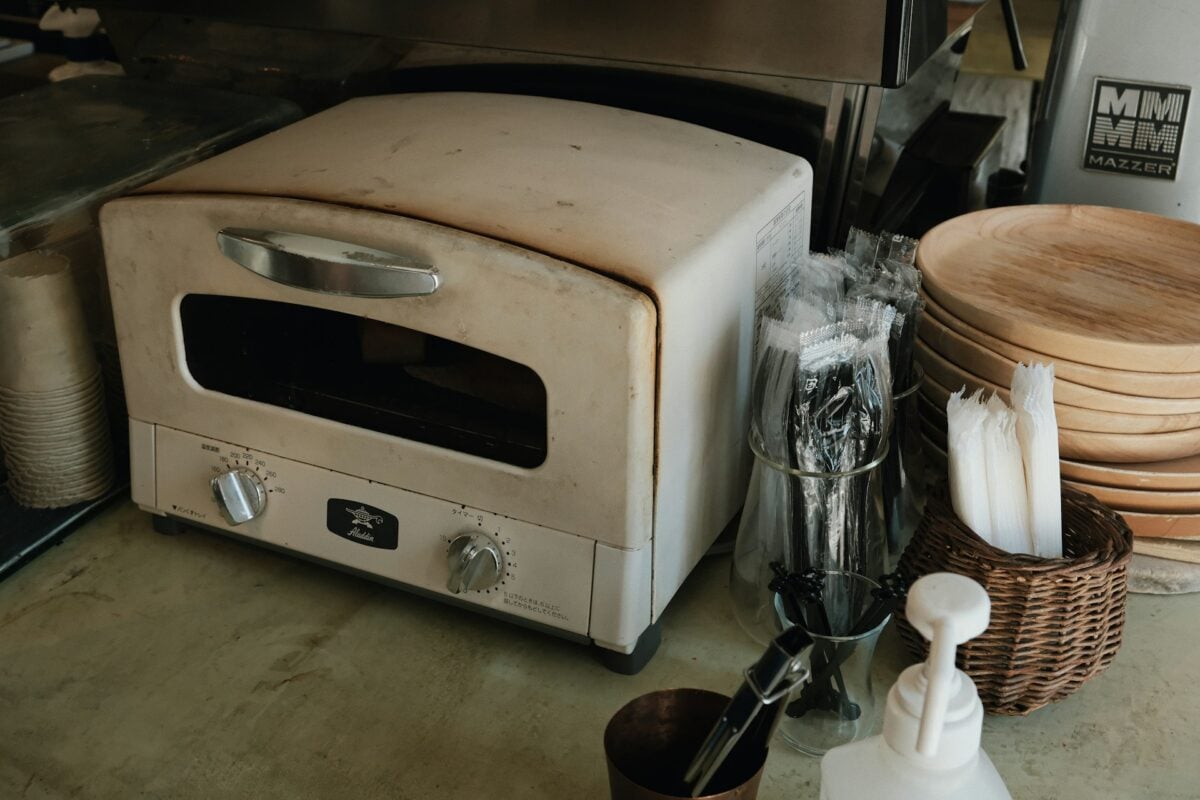
Percy Spencer was working on radar technology for Raytheon during World War II when he noticed something odd.
The magnetron he was testing had melted the peanut cluster candy bar in his pocket into a gooey mess.
Instead of being annoyed about his ruined snack, Spencer got curious and started experimenting.
He placed popcorn kernels near the magnetron and watched them pop.
The discovery led to the first microwave oven, a refrigerator-sized contraption called the Radarange that was meant for restaurants rather than homes.
Spencer’s accidental observation while building military equipment changed how millions of people cook their food.
Band-Aids
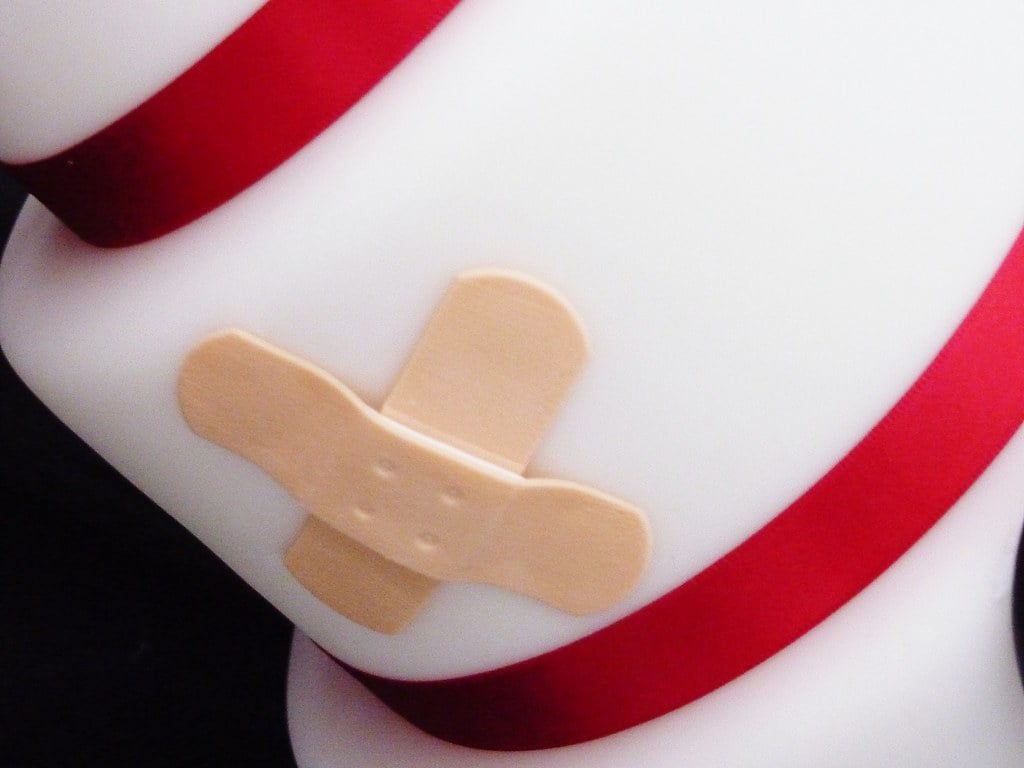
Earle Dickson worked as a cotton buyer for Johnson & Johnson in 1920, but his real problem was at home.
His wife Josephine was extremely accident-prone and kept cutting and burning herself in the kitchen.
Medical supplies were expensive, and constantly treating her injuries was becoming a hassle.
Dickson came up with a clever solution by placing small squares of gauze on strips of surgical tape that could be quickly applied whenever his wife hurt herself.
He showed his invention to his bosses at Johnson & Johnson, who immediately saw its potential.
The ready-made bandage became one of the most ubiquitous first-aid supplies in the world, all because one man married someone who couldn’t stop injuring herself.
The Stethoscope

French doctor René Laënnec faced an awkward situation in 1816 when he needed to examine a young female patient’s chest.
The standard practice at the time involved placing your ear directly on the patient’s body, but Laënnec felt this would be inappropriate and embarrassing for the young woman.
He rolled up a sheet of paper into a tube and placed it on her chest instead.
To his surprise, he could hear her heart and lungs even more clearly than with direct contact.
This moment of social discomfort led to the invention of the first stethoscope, which Laënnec later crafted from wood.
The device transformed medical diagnosis and became an enduring symbol of the medical profession.
T-Shirts

Before 1904, men wore button-up shirts as undergarments, which created a constant problem when buttons fell off.
Sewing was considered women’s work, so bachelors had to rely on female relatives to repair their clothes or go without.
The Cooper Underwear Company saw an opportunity and ran a magazine advertisement for a new buttonless shirt that could be pulled over your head.
The ad specifically targeted men without wives, boasting it required no safety pins, buttons, needles, or thread.
The U.S. Navy spotted the ad and started issuing the shirts to sailors within a year.
What began as a solution for single men who couldn’t sew became the most casual and widely worn garment in modern wardrobes.
The Super Soaker

NASA engineer Lonnie Johnson was working on an experimental heat pump in the early 1980s, testing whether water could replace freon as a coolant.
When he attached a nozzle to his bathroom sink and turned on the pressure, a powerful stream of water shot across the room.
The blast reminded him of a kid’s water gun, but far more impressive.
Johnson spent years developing the toy in his spare time, eventually creating the Super Soaker.
The high-powered water gun became such a phenomenon that stores couldn’t keep it on shelves, with kids literally lining up waiting for deliveries.
A serious engineering project accidentally became one of the most successful toys of the 1990s.
Coca-Cola

Dr. John Pemberton, a pharmacist in Atlanta, was struggling with morphine addiction after being wounded in the Civil War.
In 1886, he experimented with various substances trying to find a cure for his dependency, eventually creating a syrup he hoped would work as a medicinal tonic.
He mixed it with carbonated water and took it to a local pharmacy, where customers could buy it as a fountain drink for five cents.
Pemberton marketed his creation as a cure for headaches, exhaustion, and nervousness.
He died just two years later, broke and unaware his medicinal experiment would become the world’s most recognized beverage.
Businessman Asa Candler bought the rights and turned it into a soft drink empire.
Velcro
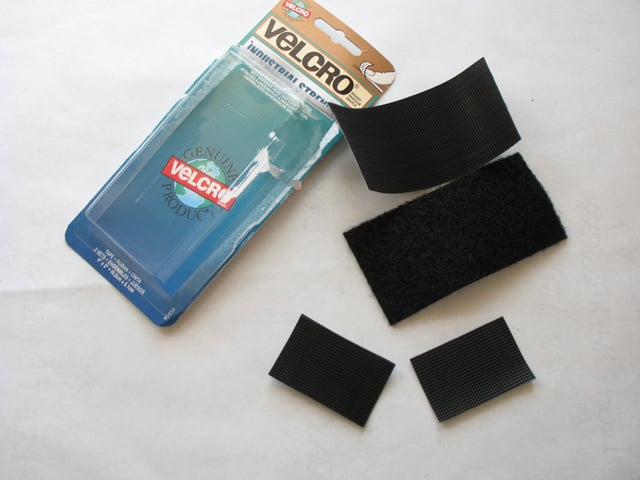
Swiss engineer George de Mestral returned from a walk in the woods in 1941 and found his clothes covered in annoying burrs from burdock plants.
Instead of just picking them off and moving on, he examined them under a microscope.
The burrs were covered in tiny hooks that grabbed onto fabric loops, creating a remarkably strong but reversible bond.
De Mestral spent years trying to recreate this natural fastening system artificially, eventually developing Velcro.
The name combines the French words for velvet and hook.
A hiking inconvenience inspired a fastening system now used in everything from shoes to space suits.
Smoke Detectors

Swiss physicist Walter Jaeger was attempting to build a sensor that could detect poisonous gases in the 1930s.
His device completely failed at its intended purpose and showed no reaction to dangerous fumes.
Frustrated, Jaeger lit up a cigarette while working, and his useless poison detector suddenly sprang to life.
The sensor couldn’t detect toxic gases, but it turned out to be extremely sensitive to smoke particles.
It would take several more decades of development before smoke detectors became practical for home use, but Jaeger’s failed experiment laid the groundwork for a device that has saved countless lives.
The Treadmill

Walking or running on a treadmill at the gym seems like a modern fitness obsession, but the device has dark origins.
English engineer William Cubitt invented the treadmill in 1818 after observing prisoners sitting idle in their cells.
He believed his device would reform criminals by teaching them the value of hard work.
These punishment treadmills looked like large wheels with steps and could accommodate multiple prisoners at once.
Inmates were forced to climb for hours, literally going nowhere while grinding grain or pumping water.
The torture device was considered perfect punishment because it was pointless and exhausting.
Today’s gym-goers are essentially using a reformed version of Victorian prison equipment.
The Pacemaker
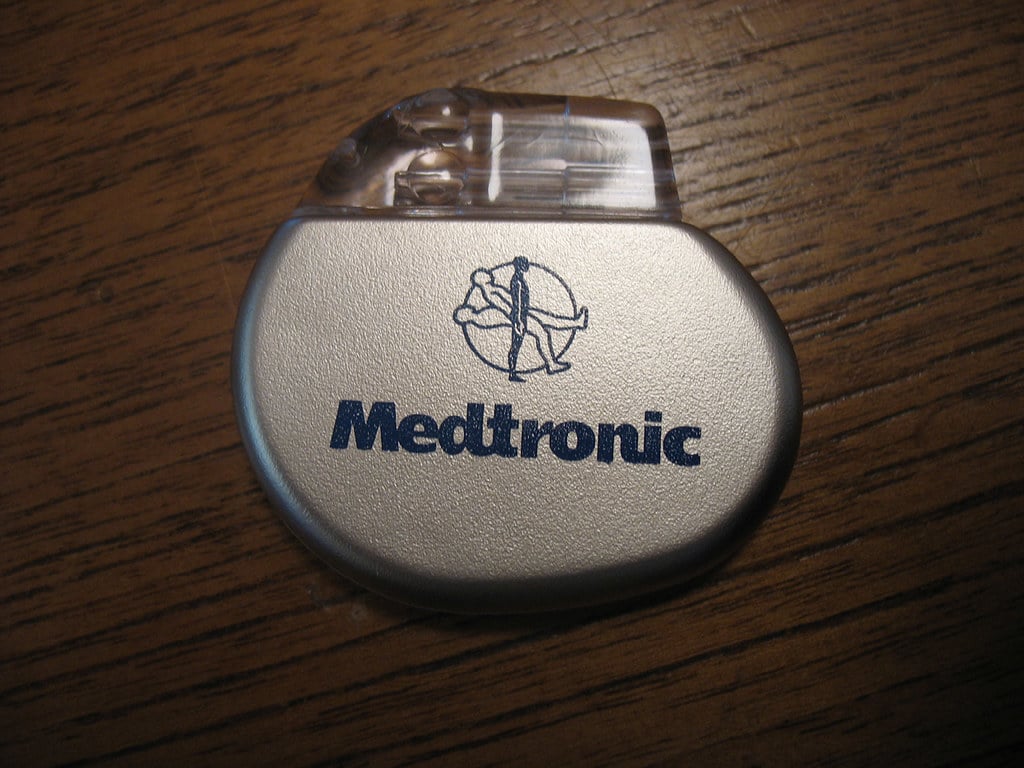
Wilson Greatbatch was working on a device to record irregular heartbeats in 1956 when he grabbed the wrong resistor from his toolbox.
He installed the incorrect component and powered up his circuit, which began producing electrical pulses instead of recording them.
Greatbatch immediately recognized he’d accidentally created something potentially lifesaving.
His mistake produced the precise electrical pulses needed to regulate a failing heart.
He spent the next two years refining his accidental invention into the first implantable pacemaker.
One wrong component transformed a recording device into a mechanism that extends lives.
WD-40

The Rocket Chemical Company in San Diego had one job in 1953: create a substance to prevent rust and corrosion on the Atlas Missile, America’s first intercontinental ballistic missile.
It took the team 40 attempts to develop the right water displacement formula, which is how the product got its name.
Aircraft manufacturer Convair started using it on missiles, but employees kept sneaking cans home because it worked so well on squeaky hinges and stuck bolts.
The company founder realized there was a consumer market and started selling it in aerosol cans by 1958.
A military rust preventer became the go-to solution for countless household problems.
The Chainsaw

This one might be the most disturbing origin story on the list.
Scottish doctors John Aitken and James Jeffrey invented a flexible, chain-like saw in 1785 for surgical procedures.
By 1830, German doctor Bernard Heine had refined it into a tool specifically for childbirth.
When a baby became stuck in the birth canal, doctors would use the chainsaw to cut through pelvic bone, allowing the baby to pass through.
It was only used as a last resort when the mother was dying but the baby might survive.
The horrifying medical instrument eventually evolved into the lumber and horror movie tool we know today.
Air Conditioning

Willis Carrier didn’t set out to make people more comfortable in hot weather.
In 1902, he was hired to solve a problem at a Brooklyn printing plant where humidity was causing paper to expand and contract, making it impossible to align colors properly.
Carrier designed a system using chilled water and heating coils to control both temperature and moisture in the air. His invention saved the printing operation, and only later did anyone realize it could make buildings comfortable for people too.
The entire air conditioning industry—which transformed where and how people live and work—started because of misaligned ink on paper.
The Flashlight
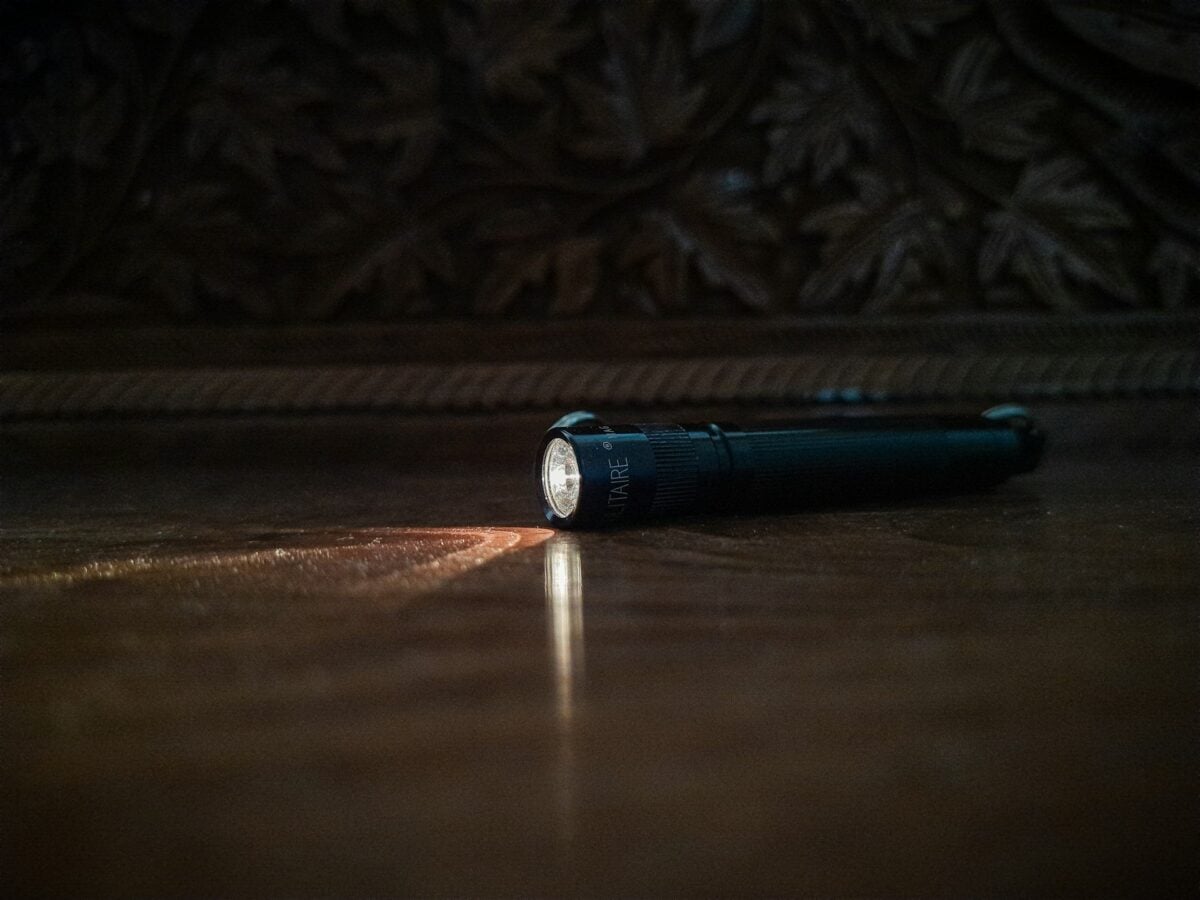
Conrad Hubert made a living creating novelty electronics in the late 1800s, most of which nobody wanted to buy.
His lighted stick pins and illuminated flower pots failed to catch on with consumers.
He kept experimenting with different ways to use batteries and lightbulbs until he tried putting them inside a paper tube with a reflector.
The simple handheld design made it easy to direct light wherever you needed it.
Hubert patented his flashlight in 1902, and the basic tubular shape he created remains the most popular design worldwide.
Sometimes success comes from simplifying rather than adding complexity.
Where Accidents Lead

These invention stories reveal a pattern that goes against everything we’re taught about innovation.
Most of these creators weren’t trying to solve the problems they eventually solved.
A failed poison detector, a melted candy bar, a wrong electrical component, and burrs on clothing all led to inventions worth billions.
The people behind these discoveries shared one critical trait: they paid attention when things didn’t go as planned.
Instead of throwing away failed experiments or cursing minor inconveniences, they asked questions and saw possibilities.
The next time something goes wrong in your day, it might be worth taking a second look before dismissing it.
More from Go2Tutors!

- The Romanov Crown Jewels and Their Tragic Fate
- 17 Halloween Costumes Once Considered Taboo
- Famous Hoaxes That Fooled the World for Years
- 15 Child Stars with Tragic Adult Lives
- 16 Famous Jewelry Pieces in History
Like Go2Tutors’s content? Follow us on MSN.



