15 Catchphrases That Were Briefly Huge — and Then Instantly Cringey
Pop culture moves at lightning speed, and nothing highlights this better than the rapid rise and fall of viral catchphrases. These snippets of language capture our collective imagination, dominate our conversations, and then suddenly become the verbal equivalent of last season’s fashion trend – something no one wants to be caught dead saying.
Here is a list of 15 catchphrases that took over our everyday language, only to become eye-roll inducing practically overnight.
Wassup
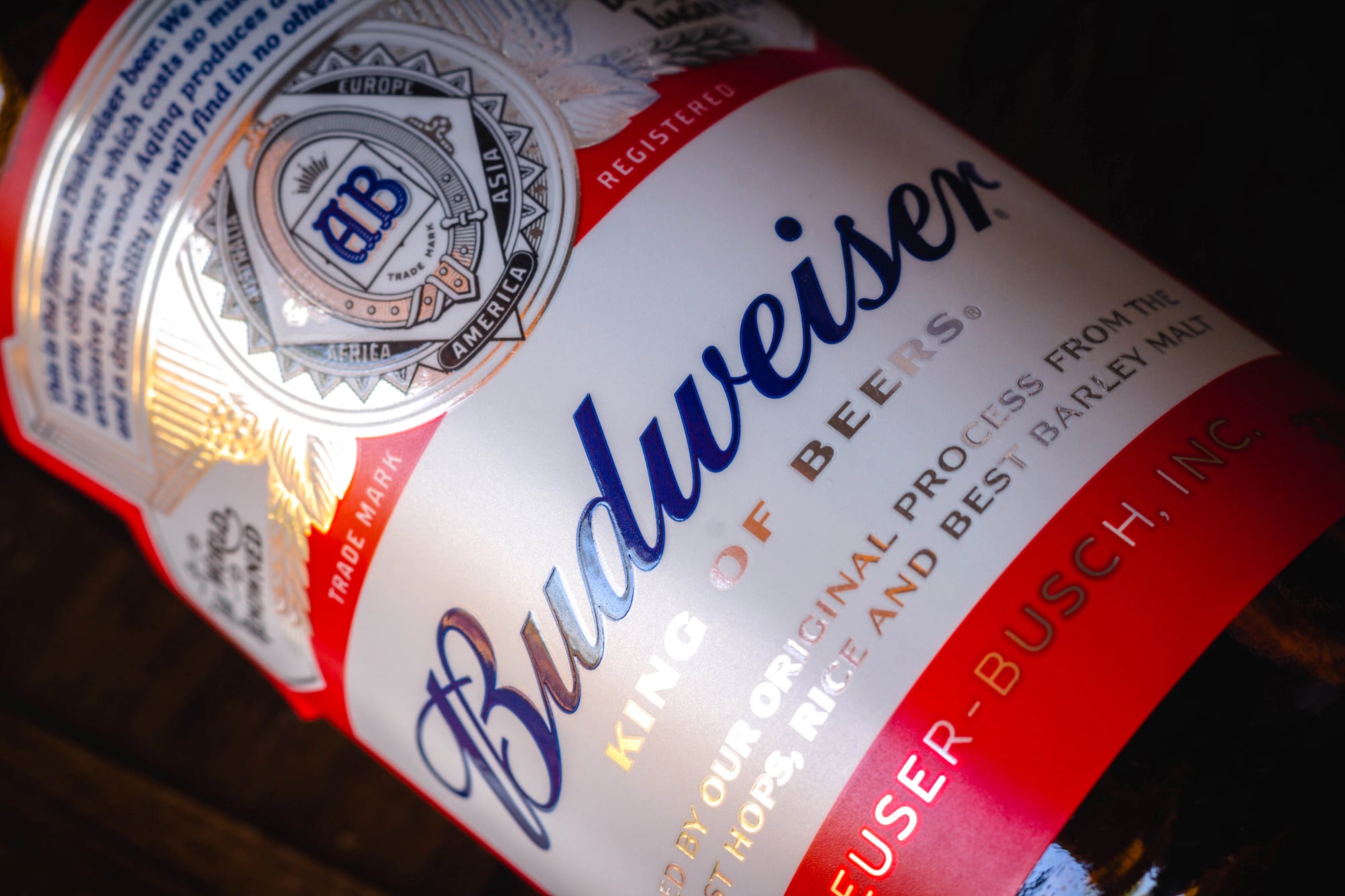
Budweiser’s 1999 commercial featuring friends greeting each other with this elongated ‘what’s up’ created a monster that couldn’t be contained. The phrase escaped TV screens and infiltrated everyday conversations, phone greetings, and even international pop culture.
By 2001, anyone still stretching out those syllables was met with groans rather than the laughs the expression once generated.
Talk to the Hand

This dismissive phrase, usually accompanied by a raised palm, became the ultimate conversation-ender of the mid-1990s. Middle schoolers and talk show hosts alike embraced its sassy rejection vibe with equal enthusiasm.
The catchphrase collapsed under the weight of its own popularity when parents and teachers began using it, instantly stripping away whatever cool factor it once possessed.
Bling Bling

Cash Money Records introduced this term for flashy jewelry in the late 1990s, with the phrase hitting mainstream popularity around 2000. Soon, everything from cell phones to cars to shoes could be described as having ‘bling,’ regardless of whether diamonds were involved.
When marketers started using it to sell cleaning products and breakfast cereals to suburban moms, the phrase lost all its original cultural significance and street credibility.
YOLO

‘You Only Live Once’ began as a legitimate call to seize the day but quickly transformed into the battle cry of bad decision-making everywhere. Drake popularized the acronym in 2011, and within months it was plastered on t-shirts, hashtags, and dorm room walls across America.
The phrase became a parody of itself when parents and brands adopted it, and anyone under 25 suddenly couldn’t bear to hear those four letters uttered aloud.
Booyah
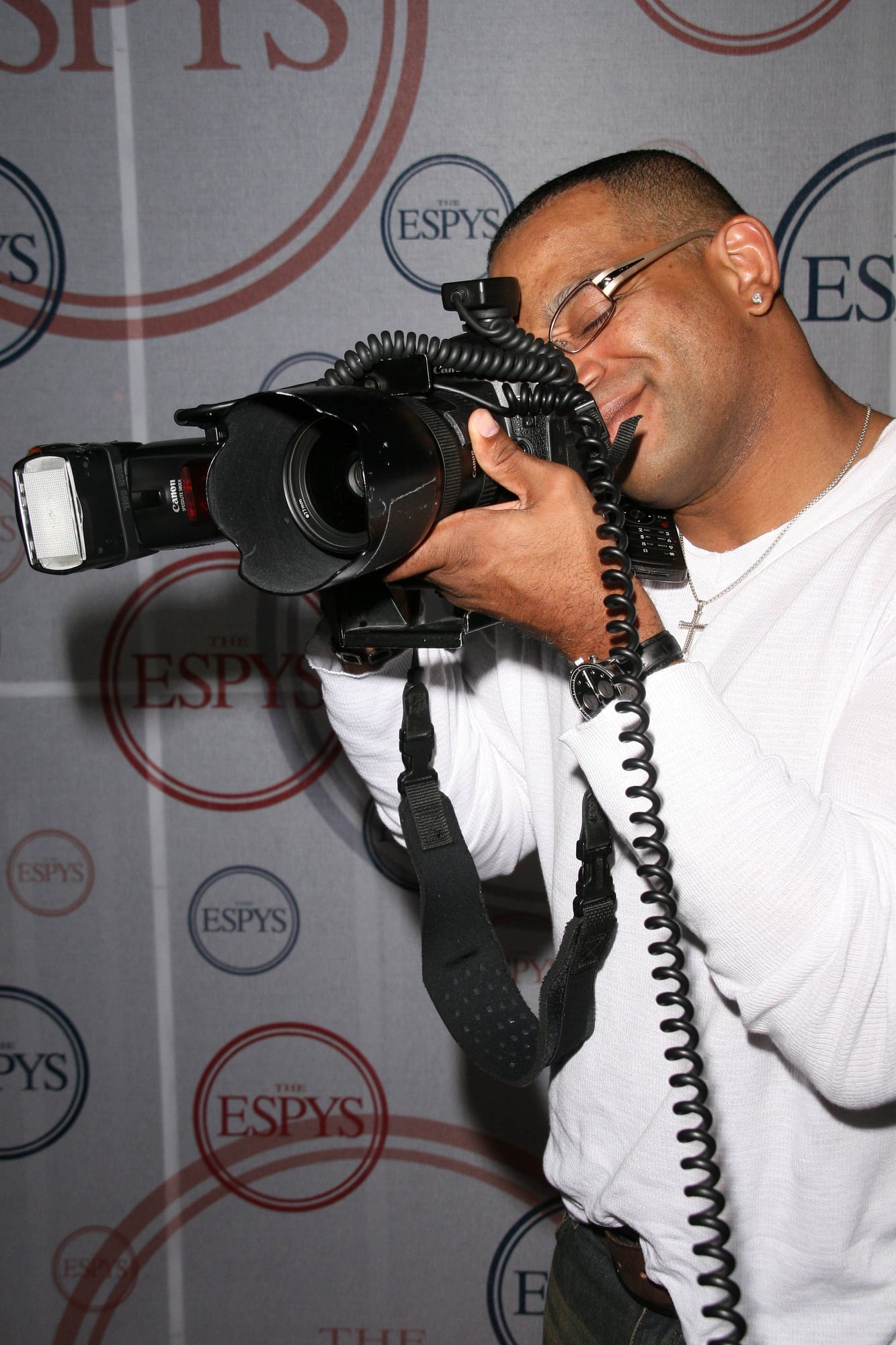
This celebratory exclamation gained massive popularity in the late 1990s through ESPN sportscaster Stuart Scott. Its infectious energy made it the go-to expression after everything from scoring a touchdown to acing a test.
The phrase fell off a cliff when every middle-aged corporate manager started using it during PowerPoint presentations, immediately sucking out whatever coolness it once contained.
Not
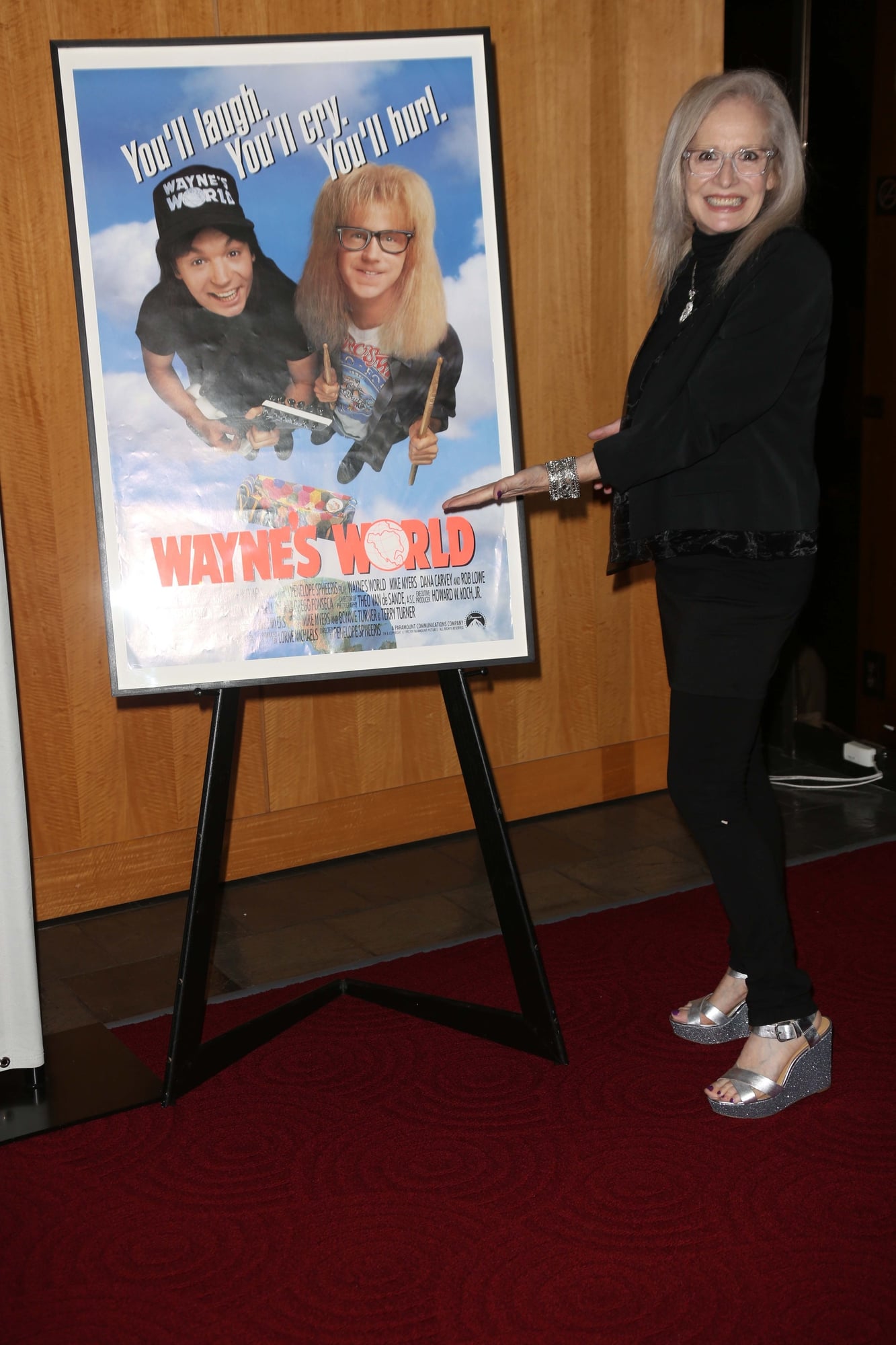
This one-word addition transformed innocent statements into sarcastic zingers throughout the early 1990s. Popularized by Wayne’s World, adding ‘not’ after a pause became the formula for instant comedy across playgrounds and offices alike.
The catchphrase died a quick death when authority figures and advertisers caught on, proving once again that nothing kills cool faster than mainstream adoption.
All That and a Bag of Chips
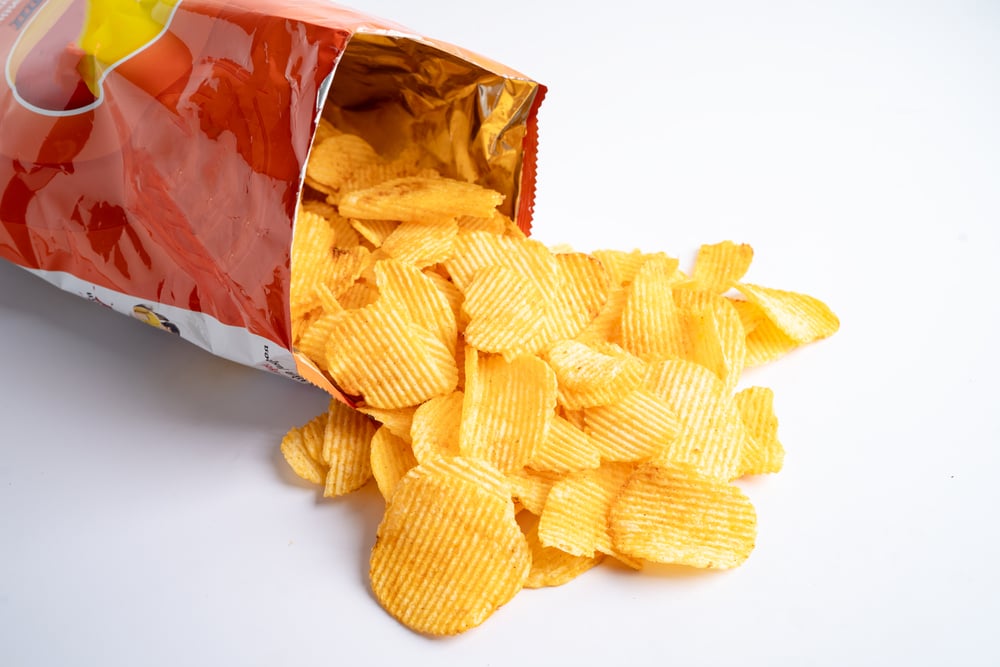
This phrase emerged in the mid-1990s as the ultimate compliment, suggesting someone wasn’t just great but came with bonus benefits. Its quirky food reference made it stand out from standard expressions of approval in teenage vocabularies nationwide.
By 1998, the expression had become so overused that uttering it was essentially announcing you were hopelessly behind the cultural curve.
Boo-Ya

This expression of triumph gained traction among gamers and sports fans in the early 2000s as the perfect verbal victory dance. Its sharp, percussive sound made it satisfying to shout after dominating an opponent or achieving something impressive.
The phrase’s coolness evaporated when it became the go-to expression for middle-aged dads trying to connect with their children’s friends after making a lucky shot in backyard basketball.
Epic Fail
Born in the early days of YouTube, this label for spectacular mistakes spread through internet comment sections like wildfire around 2008. Every stumble, error, or miscalculation was no longer just bad – it was an ‘epic fail’ worthy of documentation and sharing.
When local news stations and school principals started using the term, its death certificate was signed, making anyone still saying it subject to their own form of social fail.
Your Mom

This versatile comeback infiltrated playground arguments and college dorms in the mid-2000s as the ultimate conversation-stopping retort. Its beauty lay in its simplicity – just add ‘your mom’ to virtually any statement for an instant, if immature, win in any verbal sparring match.
The phrase became instantly uncool when marketers and fast food chains began incorporating it into advertisements, stripping it of whatever edginess it once possessed.
On Fleek
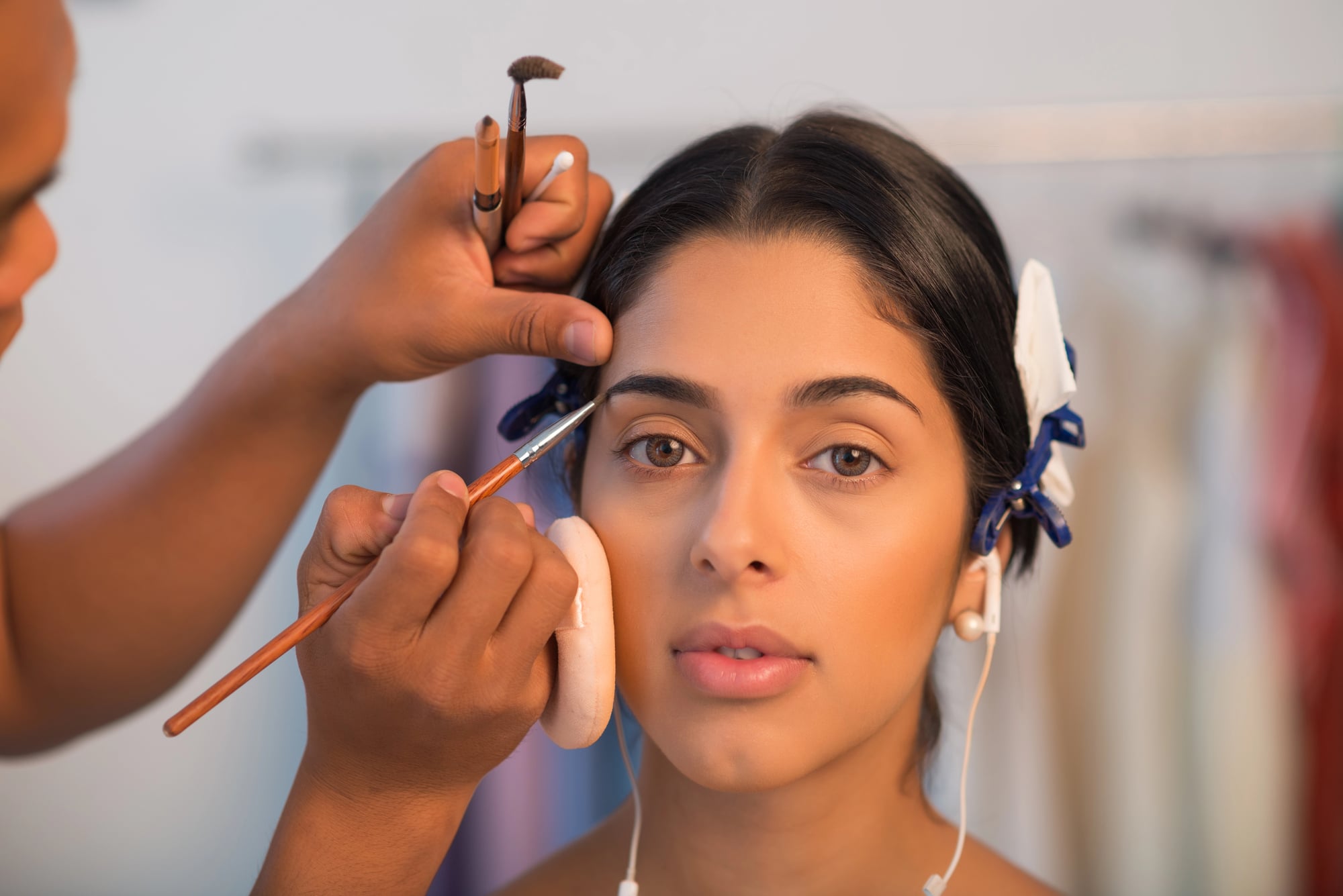
This term for perfectly executed eyebrows expanded to describe anything on point or flawless after going viral in 2014. Vine star Peaches Monroee popularized it, and suddenly everything from outfits to breakfast could be ‘on fleek’ in everyday conversation.
The expression crashed and burned barely a year later when parents and major corporations like IHOP and Taco Bell awkwardly incorporated it into their social media strategies.
Circle Back

While not originating in any single moment, this corporate speak infiltrated casual conversation around 2018 as startup culture permeated everyday language. What began as a useful meeting phrase for postponing discussions quickly became the verbal equivalent of a polyester business suit.
The expression now triggers immediate eye rolls, signaling the speaker has spent too much time in team-building exercises and not enough in the real world.
OK Boomer

This dismissive retort aimed at out-of-touch older generations spread like wildfire on TikTok in 2019. Younger users employed it as a conversation-ending comeback to shut down perceived outdated viewpoints without further engagement.
The phrase suffered an almost immediate backlash when politicians, brands, and, yes, actual Baby Boomers began using it ironically, quickly transforming it from a cultural weapon to a cringeworthy dad joke.
Living My Best Life

This expression of personal fulfillment and self-care dominated Instagram captions starting around 2017. Initially representing authenticity and embracing positive experiences, it accompanied countless photos of beach vacations and avocado toast.
The phrase became painfully cliché when it transformed from genuine sentiment to performative social media shorthand, making anyone still using it unironically seem hopelessly behind the cultural curve.
Bye Felicia

This dismissive farewell originated in the 1995 movie ‘Friday’ but found new life when social media rediscovered it around 2014. The perfect verbal eye-roll became the ultimate way to dismiss someone or something deemed unworthy of further attention.
The phrase’s coolness disintegrated when morning show hosts and suburban parents adopted it, transforming what was once cutting-edge slang into just another awkward attempt to sound relevant.
The Language Time Capsule

Catchphrases serve as perfect time capsules of our cultural moments, capturing both our collective creativity and our tendency toward verbal trends. These expressions spread because they fill a need in our communication, offering new ways to express common feelings or situations.
Their rapid journey from cool to cringe reminds us how quickly language evolves in our hyper-connected world, where today’s perfect slang becomes tomorrow’s embarrassing linguistic memory that makes future generations wonder what we were thinking.
More from Go2Tutors!

- The Romanov Crown Jewels and Their Tragic Fate
- 13 Historical Mysteries That Science Still Can’t Solve
- Famous Hoaxes That Fooled the World for Years
- 15 Child Stars with Tragic Adult Lives
- 16 Famous Jewelry Pieces in History
Like Go2Tutors’s content? Follow us on MSN.