Fans Banned for Life from Games
Bursting into stadiums with pride, folks usually bond through shouts and suspense under bright lights. Still, excitement sometimes twists sideways when emotions run too high.
When actions go too far, authorities step in without hesitation. Bans that never expire come only after serious misconduct.
Such strict outcomes happen rarely, reserved for moments where respect vanishes completely. What happens inside isn’t just loud cheers or team pride – it can spiral into aggression, threats, or actions that put people at risk.
Though supporters come looking for excitement and connection, officials treat the arena like a tightly managed zone, shaped by limits meant to keep athletes, workers, and crowds out of harm’s way.
Take a moment to think about how permanent bans come to be. What follows affects both supporters and clubs alike.
This points to deeper patterns shaping athletics now. A look at the roots tells more than the punishment alone.
When Passion Turns Dangerous

Sports evoke strong emotions, and sometimes those emotions boil over. Fights in the stands, verbal abuse toward players, or even aggressive behavior toward other fans can escalate quickly.
In some cases, the actions go beyond minor infractions, creating unsafe conditions. Leagues are particularly strict when behavior threatens physical safety or violates legal boundaries.
A single incident can result in immediate removal from the stadium and a permanent ban if the offense is deemed severe enough. Even seemingly small actions can have lasting consequences.
Throwing objects onto the field, climbing barriers, or using racial slurs are all behaviors that leagues treat seriously. Lifetime bans are intended to signal zero tolerance, setting a precedent that stadiums must remain safe spaces for everyone.
Beyond safety, leagues also see bans as a deterrent, ensuring that others understand the consequences of crossing the line.
Notable Cases Across Sports

History offers plenty of examples. In the NFL, some fans have been banned for life after repeated misconduct, ranging from throwing objects at players to physical altercations in the stands.
In the NBA, instances of abusive behavior toward players and officials have prompted strict disciplinary action, ensuring offenders cannot return to arenas. Major League Baseball has also seen fans removed permanently for aggressive behavior, often after repeated warnings and escalations.
Internationally, football (soccer) fans have been banned for life for hooliganism, violence, or using flares in ways that endanger the crowd. Certain European clubs maintain lists of banned supporters, ensuring stadiums are safer and less volatile.
Even college sports aren’t exempt; universities have permanently banned fans for harassing players, throwing objects, or repeatedly disrupting games.
One striking example comes from the English Premier League, where a fan involved in a pitch invasion and confrontation with security received a lifetime ban. In the NHL, a series of violent incidents between rival team supporters led to multiple permanent exclusions.
These cases highlight that leagues across the board take stadium safety and fan conduct seriously, regardless of country or sport.
The League Perspective

From a league standpoint, lifetime bans are about deterrence and control. The goal isn’t merely to punish one fan but to create an environment where others understand the boundaries of acceptable behavior.
Stadiums are expensive, controlled venues with significant security concerns. Allowing dangerous behavior to persist unchecked could lead to lawsuits, injuries, or reputational damage.
Leagues also invest heavily in public relations and community standards. Enforcing bans demonstrates a commitment to protecting players and fans while maintaining integrity.
It sends a clear message that passion is welcome, but aggression, harassment, and threats are not. Security teams often coordinate with law enforcement and use surveillance footage to ensure that bans are backed by evidence, further solidifying their legitimacy.
In some cases, leagues even collaborate internationally to prevent notorious offenders from attending games in other countries, reinforcing the seriousness of the punishment.
The Fan Experience and Fallout
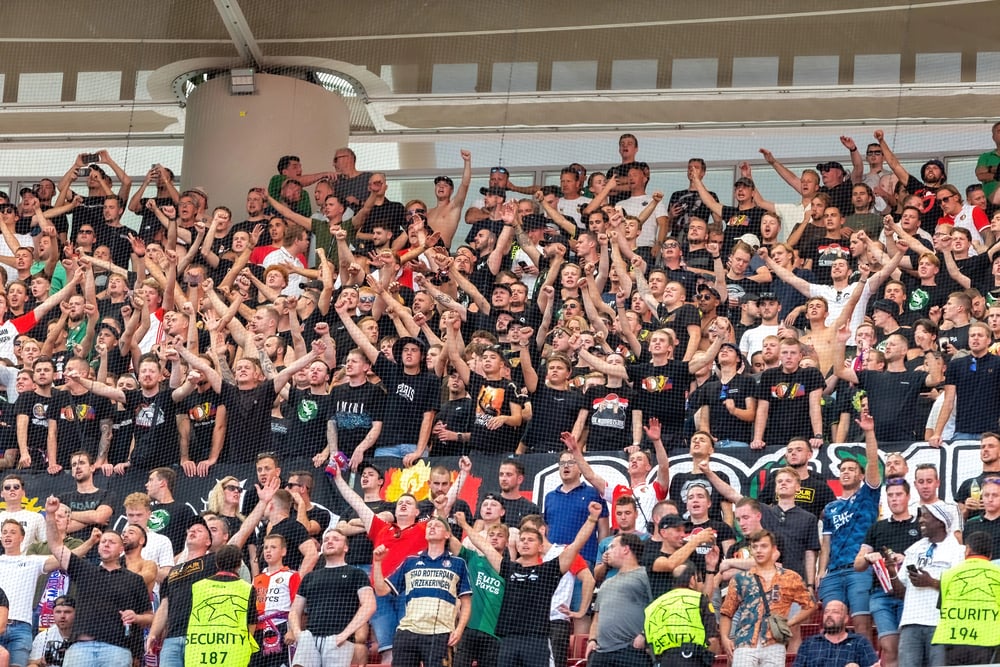
For the fans themselves, a lifetime ban can be life-altering. Many supporters develop strong emotional connections to their favorite teams, attending games for years or even decades.
Being banned permanently can feel like losing a part of one’s identity. Some fans attempt appeals, citing remorse or misunderstanding, but the success rate is low.
Leagues are often unwilling to reverse bans when behavior poses a serious risk. Family and friends are affected as well.
Imagine attending games together for years, only to have one person barred permanently. These incidents can fracture social traditions and reinforce the seriousness of stadium rules.
For the fans who remain, the presence of banned individuals no longer poses a threat, allowing the collective experience to feel safer and more controlled.
Legal consequences can also accompany lifetime bans. Assaults, property damage, or harassment that lead to stadium exclusions may result in criminal charges or civil lawsuits.
In some jurisdictions, courts have upheld bans imposed by leagues, citing the need to maintain safety and order. These cases underscore the fact that being banned isn’t just symbolic — it carries real-world implications that can affect livelihoods and freedom of movement.
Technology and Security Measures

Modern stadiums are equipped with cameras, facial recognition, and advanced monitoring systems. These tools help identify repeat offenders and enforce bans.
In some leagues, fans are flagged in central databases, ensuring they cannot buy tickets under a different name. Security measures have evolved alongside fan behavior, reflecting a growing emphasis on proactive management.
Technology also allows leagues to respond quickly. If a fan acts aggressively or in violation of rules, staff can intervene before incidents escalate.
Video evidence ensures fairness in issuing bans while preventing false accusations. For fans who follow the rules, these measures make games safer, preserving the excitement without the threat of disruptive or dangerous incidents.
The Psychology of Fan Misbehavior

Understanding why some fans cross the line helps explain why lifetime bans exist. Intense loyalty, social pressure, alcohol consumption, and the anonymity of crowds can fuel behavior that would be unacceptable elsewhere.
For some, breaking stadium rules provides a thrill or a sense of rebellion. Yet leagues recognize that the few who act recklessly can ruin the experience for thousands of others.
Lifetime bans are as much about psychology as they are about safety. By removing extreme offenders permanently, leagues reduce the likelihood of copycat behavior and maintain a culture of respect.
Fans learn that excitement and enthusiasm are welcome, but aggression, harassment, and endangerment have consequences.
Cultural Impact of Lifetime Bans

Lifetime bans shape the culture surrounding sports. They reinforce the idea that fan behavior matters, not just talent on the field.
Leagues are sending a broader message: sports are communal experiences where respect, safety, and responsibility are essential. Social media amplifies these stories, creating public awareness and setting expectations for all attendees.
Interestingly, bans can become talking points themselves. Fans and media often dissect controversial cases, debating whether punishment fits the crime.
These discussions contribute to evolving norms, making fans more conscious of their actions and reinforcing standards for behavior at sporting events. The ripple effect extends beyond stadiums, influencing fan behavior at viewing parties, sports bars, and online forums.
Lessons for Fans and Leagues

The takeaway is clear: sports thrive on energy, emotion, and loyalty, but there are boundaries. Lifetime bans illustrate the importance of self-control and accountability.
Fans must remember that the stadium is a shared space, and individual actions have ripple effects. For leagues, the challenge is balancing fan engagement with safety, ensuring passion doesn’t turn into peril.
Ultimately, these bans are not only about punishment but education. They shape expectations, establish cultural norms, and reinforce the idea that sports can be both thrilling and safe.
By maintaining clear consequences, leagues protect the essence of the game while creating an environment where everyone can enjoy the spectacle without fear.
Why It Still Matters

Sometimes rules feel too strict. Yet they remind us: caring deeply means acting wisely.
When supporters lose access forever, it shows where boundaries stand to protect everyone around them. Energy matters, provided it does not turn into danger for someone else.
Reviewing past moments like these reveals how teams, guards, and crowds have learned to move forward together. Respect shapes everything – athletes deserve it, neighbors in the stands expect it, even the joy of being there depends on it.
Quietly, over time, those exclusions become part of what keeps the atmosphere alive without putting people at risk.
More from Go2Tutors!

- The Romanov Crown Jewels and Their Tragic Fate
- 13 Historical Mysteries That Science Still Can’t Solve
- Famous Hoaxes That Fooled the World for Years
- 15 Child Stars with Tragic Adult Lives
- 16 Famous Jewelry Pieces in History
Like Go2Tutors’s content? Follow us on MSN.



