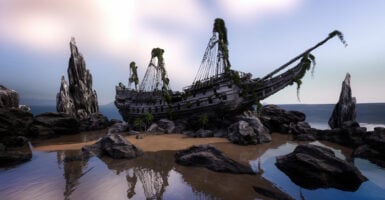
17 Behind-the-Scenes Disasters That Nearly Ruined Great Films
Making a movie is complicated business. For every glossy final product we see on screen, there’s often a chaotic production story lurking just beneath the surface.
Even some of cinema’s most beloved classics teetered on the edge of complete disaster during filming. Here is a list of 17 behind-the-scenes catastrophes that almost derailed some truly great films, proving that sometimes the most challenging productions create the most memorable movies
Apocalypse Now’s Typhoon Destruction

Francis Ford Coppola’s Vietnam War epic faced biblical levels of disaster when Typhoon Olga destroyed most of the sets in the Philippines. The production, already behind schedule, lost millions as entire helicopter sequences had to be postponed for months.
Coppola, deep in debt and desperate, contemplated ending it all as the film’s budget ballooned from $12 million to over $30 million. Actor Martin Sheen also suffered a heart attack during filming, forcing the production to work around his absence for weeks.
Jaws’ Mechanical Shark Failures
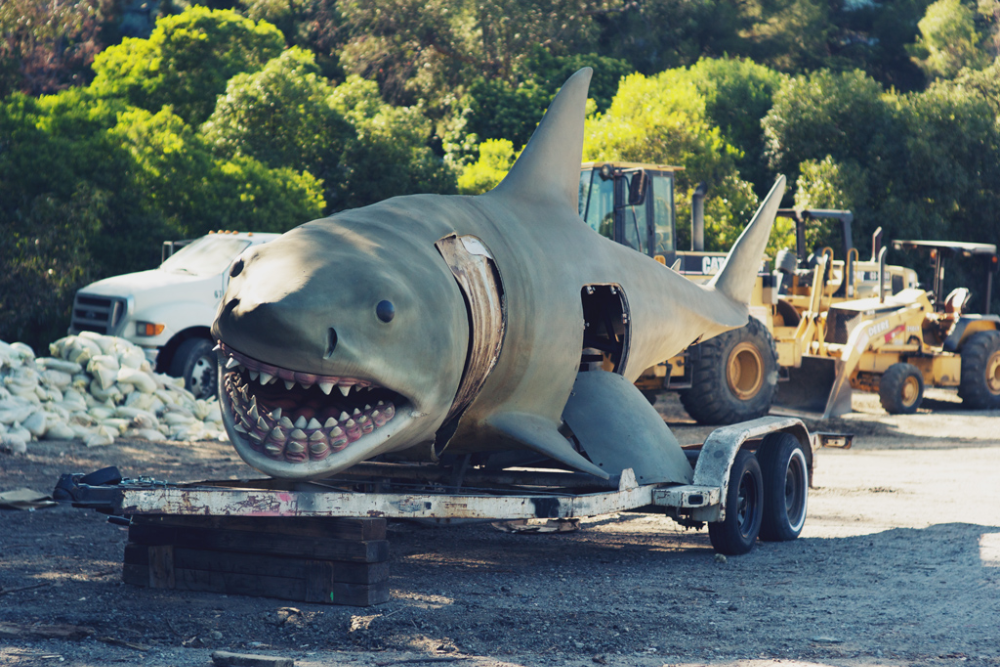
Steven Spielberg’s iconic thriller nearly sank when “Bruce,” the mechanical shark, repeatedly malfunctioned in saltwater. The crew nicknamed the troublesome prop “the great white turd” as it constantly broke down, forcing Spielberg to reimagine the entire film.
This technical disaster actually saved the movie, as Spielberg had to rely on suspense rather than showing the shark. The famous underwater POV shots and John Williams’ unforgettable score emerged from necessity, creating a more terrifying film than originally planned.
Like Go2Tutors’s content? Follow us on MSN.
The Wizard of Oz’s Poisonous Makeup
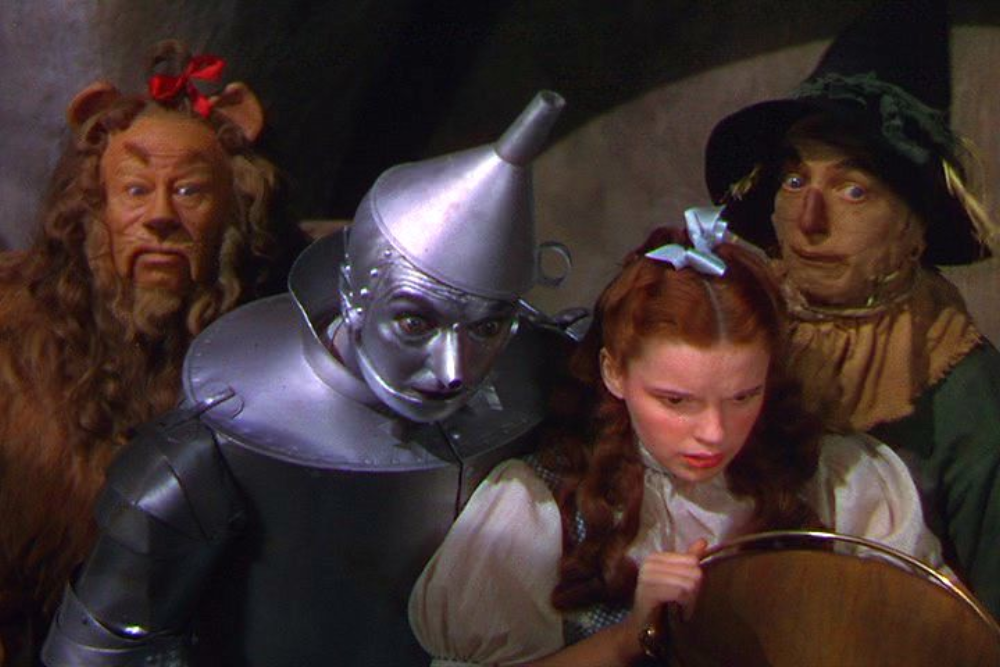
The technicolor classic nearly turned tragic when the original Tin Man actor, Buddy Ebsen, was hospitalized after the aluminum powder makeup coated his lungs and nearly killed him. He was quickly replaced by Jack Haley, but that wasn’t the end of the troubles.
Margaret Hamilton, who played the Wicked Witch, suffered second-degree burns when a trap door delayed her staged exit during a fire effect. The flying monkey actors routinely crashed to the ground as the piano wires suspending them snapped under their weight.
Titanic’s Spiked Chowder
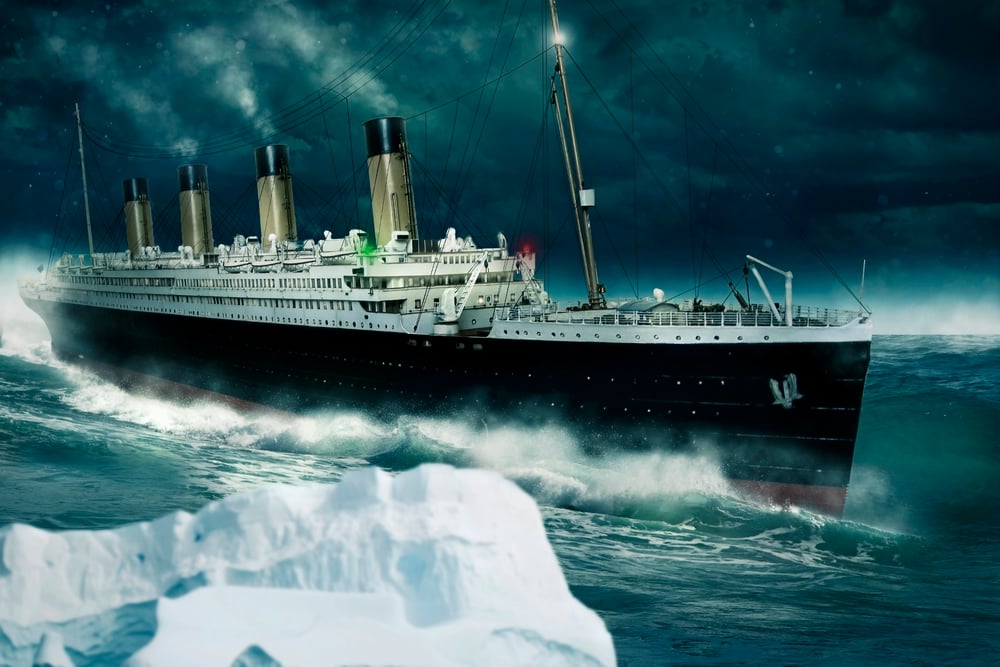
James Cameron’s epic romance survived a bizarre sabotage attempt when someone laced the crew’s chowder with PCP, sending 50 people to the hospital. The culprit was never identified, but the incident happened right after disputes with the studio over the ballooning budget.
Beyond drugged soup, the production nearly drowned under its $200 million cost (enormous for 1997), constant delays, and dangerous water tank sequences that left Kate Winslet with pneumonia and several crew members with broken bones.
The Exorcist’s Cursed Production
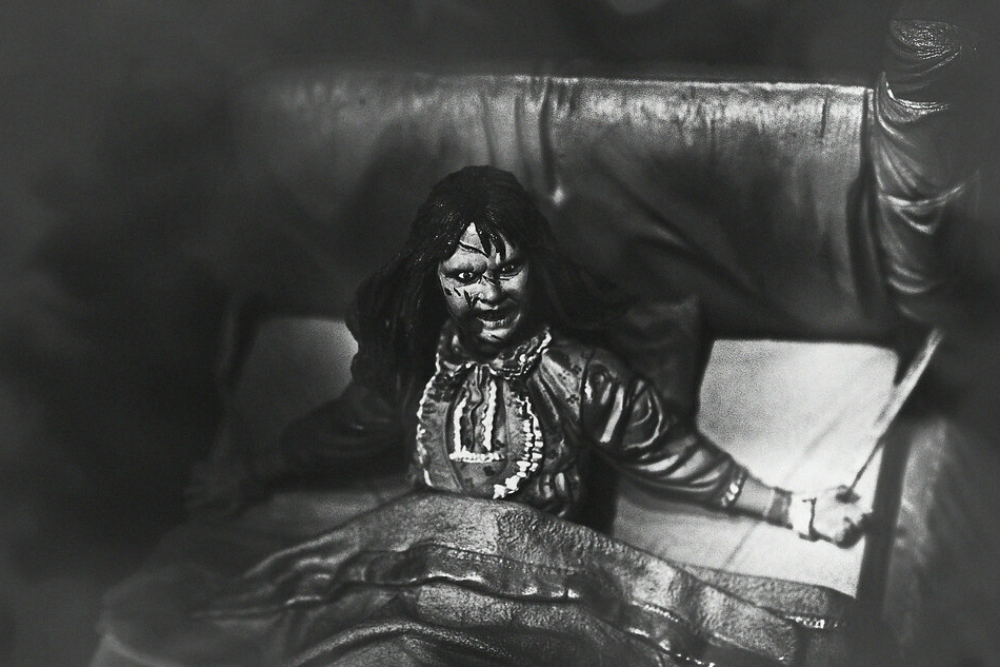
William Friedkin’s horror masterpiece seemed genuinely haunted when a mysterious fire burned down the entire set except for Regan’s bedroom. The production was also marked by several injuries, including actress Ellen Burstyn suffering a permanent spinal injury during a stunt gone wrong.
The film’s troubles were so numerous that the Catholic priest who worked as a technical advisor performed several real exorcisms on the set. The disasters continued after release when audiences experienced fainting, vomiting, and heart attacks during screenings.
Like Go2Tutors’s content? Follow us on MSN.
Mad Max: Fury Road’s Desert Nightmares

George Miller’s high-octane action masterpiece faced a perfect storm of disasters in the Namibian desert. The production went significantly over budget and schedule as constant sandstorms destroyed equipment and vehicles.
Tom Hardy and Charlize Theron famously couldn’t stand each other, creating unbearable tension on set. Miller shot over 450 hours of footage because scenes often had to be captured in short bursts between unpredictable weather.
The studio nearly shut down production multiple times, convinced the film would be an expensive flop.
The Abyss’s Underwater Suffering

James Cameron’s deep-sea sci-fi adventure pushed the cast and crew to their physical limits. The underwater filming was so dangerous that multiple crew members quit, and actor Ed Harris nearly drowned during a scene when his air supply was accidentally cut off.
The cast spent so many hours submerged that many developed ear infections and skin problems. Mary Elizabeth Mastrantonio had a physical breakdown after one particularly grueling resuscitation scene, walking off set shouting, ‘We are not animals!’
Waterworld’s Ocean Catastrophes

Kevin Costner’s post-apocalyptic adventure became known as ‘Fishtar’ when its floating sets were literally destroyed by a hurricane. The $175 million production (the most expensive film ever at that time) faced endless disasters, including Costner nearly dying when caught in a squall while tied to the mast of a boat.
One of the main multimillion-dollar sets actually sank into the Pacific Ocean. Joss Whedon, brought in for script rewrites, called his week on set ‘seven days of hell.’
Like Go2Tutors’s content? Follow us on MSN.
Fitzcarraldo’s Real Jungle Madness

Werner Herzog’s film about a man dragging a steamship over a mountain became infamous when Herzog insisted on actually dragging a 320-ton steamship over a mountain in the Amazon. The production suffered tribal attacks, plane crashes, and dangerous rapids that injured multiple crew members.
Original star Jason Robards contracted amoebic dysentery and had to be replaced by Klaus Kinski, whose volatile behavior led to a native chief seriously offering to kill him as a ‘favor’ to Herzog. The director allegedly declined.
The Shining’s Endless Takes
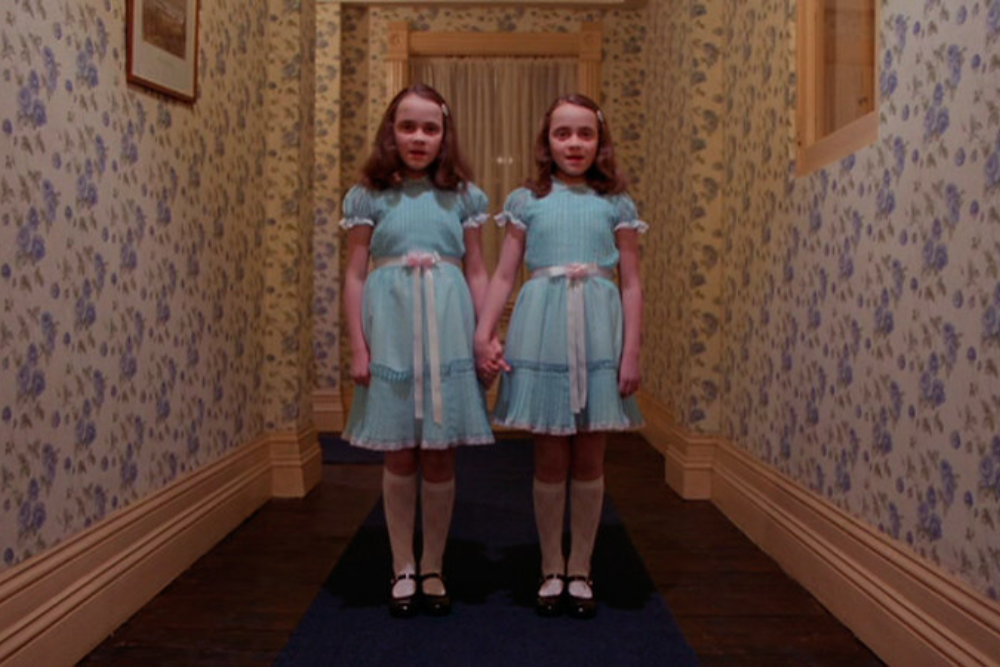
Stanley Kubrick’s psychological horror film drove Shelley Duvall to the brink of collapse through his notorious perfectionism. The infamous baseball bat scene reportedly took 127 takes, with Duvall’s hands bleeding from holding the bat for so long.
The production dragged on for over a year, during which Kubrick deliberately isolated and antagonized Duvall to generate authentic distress for her performance. The original Overlook Hotel set burned down, forcing costly rebuilds and further delaying the already extended schedule.
Heaven’s Gate’s Budget Explosion

Michael Cimino’s Western became synonymous with Hollywood excess when the production went wildly out of control. Cimino shot more than 1.3 million feet of footage (nearly 220 hours) and demanded countless expensive retakes, including demolishing and rebuilding sets because they didn’t look ‘authentic’ enough.
The budget inflated from $7.5 million to $44 million (enormous for 1980), and the financial disaster that followed effectively ended the director-driven era of 1970s Hollywood when the film earned back less than $4 million.
Like Go2Tutors’s content? Follow us on MSN.
Twilight Zone: The Movie’s Tragic Helicopter Accident

John Landis’s segment of this anthology film became notorious for a helicopter crash that killed actor Vic Morrow and two child actors. The accident occurred during a Vietnam War sequence when the helicopter was flown too low while pyrotechnic explosions were being detonated.
The tragedy led to a decade-long legal battle and fundamental changes to safety regulations in Hollywood. The film continued production despite the disaster, creating a permanent shadow over the finished project.
The Island of Dr. Moreau’s Director Musical Chairs

This adaptation of H.G. Wells’ novel devolved into chaos when the original director was fired after just four days. His replacement, John Frankenheimer, inherited a nightmare production dominated by Marlon Brando’s eccentric behavior.
Brando often refused to come out of his trailer and changed his character completely, once insisting on wearing an ice bucket on his head during scenes. Co-star Val Kilmer, amid a divorce, created additional tension by deliberately sabotaging scenes and demanding his role be reduced by 40%.
The Man Who Killed Don Quixote’s 30-Year Struggle
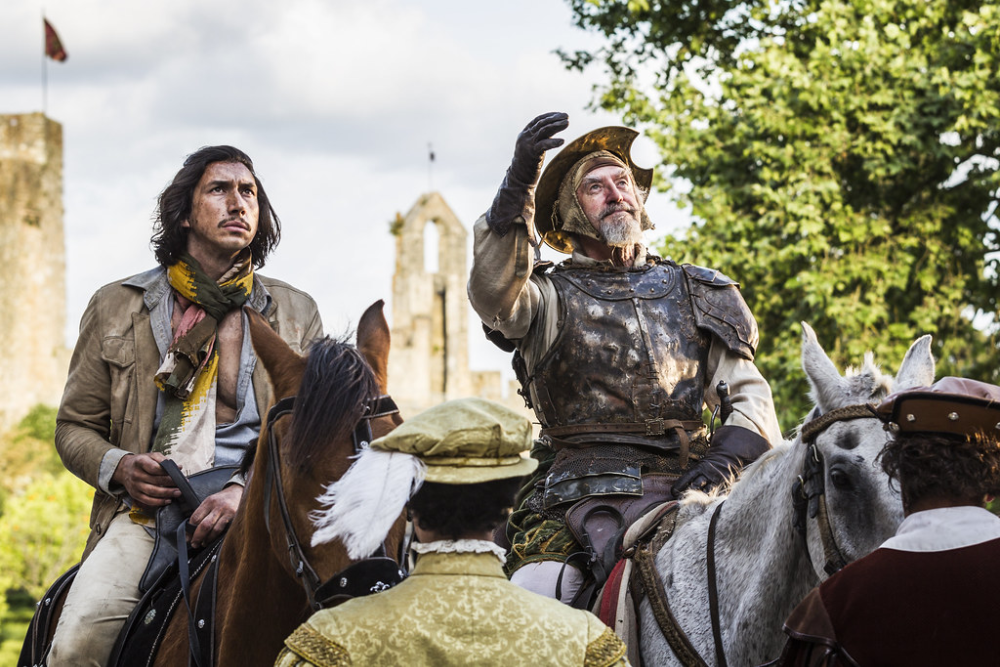
Terry Gilliam’s passion project became legendary for its production problems, taking nearly 30 years to complete. The first attempt in 2000 was abandoned after flash floods destroyed sets, lead actor Jean Rochefort developed a herniated disc, and fighter jets from a nearby NATO base ruined the audio recordings.
The disasters were so spectacular they spawned their own documentary, ‘Lost in La Mancha.’ Gilliam made multiple attempts to restart the production over the decades, finally completing a version in 2018 after facing everything from financial collapses to the death of actors.
Like Go2Tutors’s content? Follow us on MSN.
Roar’s 70 Cast and Crew Injuries

Possibly the most dangerous film ever made, ‘Roar’ featured untrained lions, tigers, jaguars, and other big cats living alongside the human cast. The production stretched over five years as cast and crew suffered an astounding 70 documented injuries.
Cinematographer Jan de Bont was scalped by a lion, requiring 220 stitches. Director Noel Marshall developed gangrene after multiple bites, and actress Tippi Hedren fractured her leg when an elephant bucked her off its back. The film, costing $17 million, earned just $2 million upon release.
World War Z’s Complete Third Act Rewrite

Brad Pitt’s zombie apocalypse thriller hit catastrophic problems when the entire 40-minute final act was deemed unworkable after test screenings. Paramount took the unprecedented step of completely scrapping and rewriting the film’s ending after principal photography had wrapped, adding $20 million to the already bloated budget.
The production had already suffered from script problems so severe that crew members referred to the project as “World War Screwed.” The reshoots changed the entire climax from a massive battle in Russia to a much smaller, tension-driven sequence.
Lord of the Rings’ Last-Minute Recasting

Peter Jackson’s epic trilogy faced a major crisis when original Aragorn actor Stuart Townsend was fired after just four days of filming. The production scrambled to find a replacement, eventually securing Viggo Mortensen, who took the role without even reading the books.
The New Zealand shoots also battled record-breaking floods that washed away expensive sets and equipment. The constant financial pressure from studios who feared the trilogy would fail nearly forced Jackson to compress the story into a single film.
Like Go2Tutors’s content? Follow us on MSN.
Enduring Magic Despite the Chaos

Hollywood’s greatest productions often seem cursed during filming, yet somehow transform into beloved classics. These behind-the-scenes nightmares remind us that creating movie magic isn’t just about vision and talent—it’s also about perseverance through unimaginable challenges.
Perhaps there’s something about surviving production hell that forges truly unforgettable cinema.
More from Go2Tutors!

- 18 Unexpectedly Valuable Collectibles You Might Have Lying Around
- 20 Little-Known Historical Battles That Had Huge Consequences
- 20 Historical Artifacts That Scientists Can’t Explain
- 15 Inventions That Were Immediately Banned After Being Created
- 20 Actors Who Were Almost Cast in Iconic Roles
Like Go2Tutors’s content? Follow us on MSN.