Body Parts Humans No Longer Need
Evolution doesn’t always clean up after itself. As humans adapted to new environments and lifestyles, some body parts stuck around even though they stopped serving much purpose.
You’re walking around with remnants of your ancestors’ lives—little pieces of biology that once meant survival but now just exist because getting rid of them wasn’t worth the evolutionary effort.
The Appendix Sits There Doing Nothing
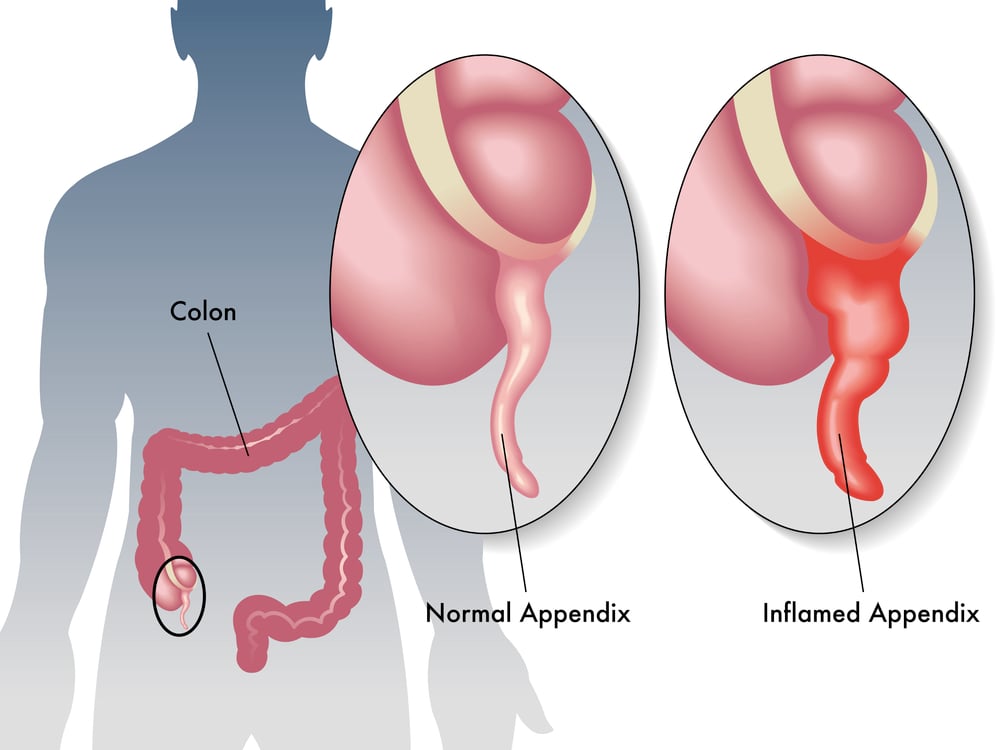
Your appendix hangs off your large intestine like a forgotten attachment. Scientists used to think it helped digest tough plant materials when humans ate more roughage.
Now it mostly just gets infected and requires emergency surgery. Some researchers suggest it might store helpful gut bacteria, but you can live perfectly fine without it.
Millions of people have had theirs removed and never noticed a difference.
Wisdom Teeth Cause More Problems Than They Solve
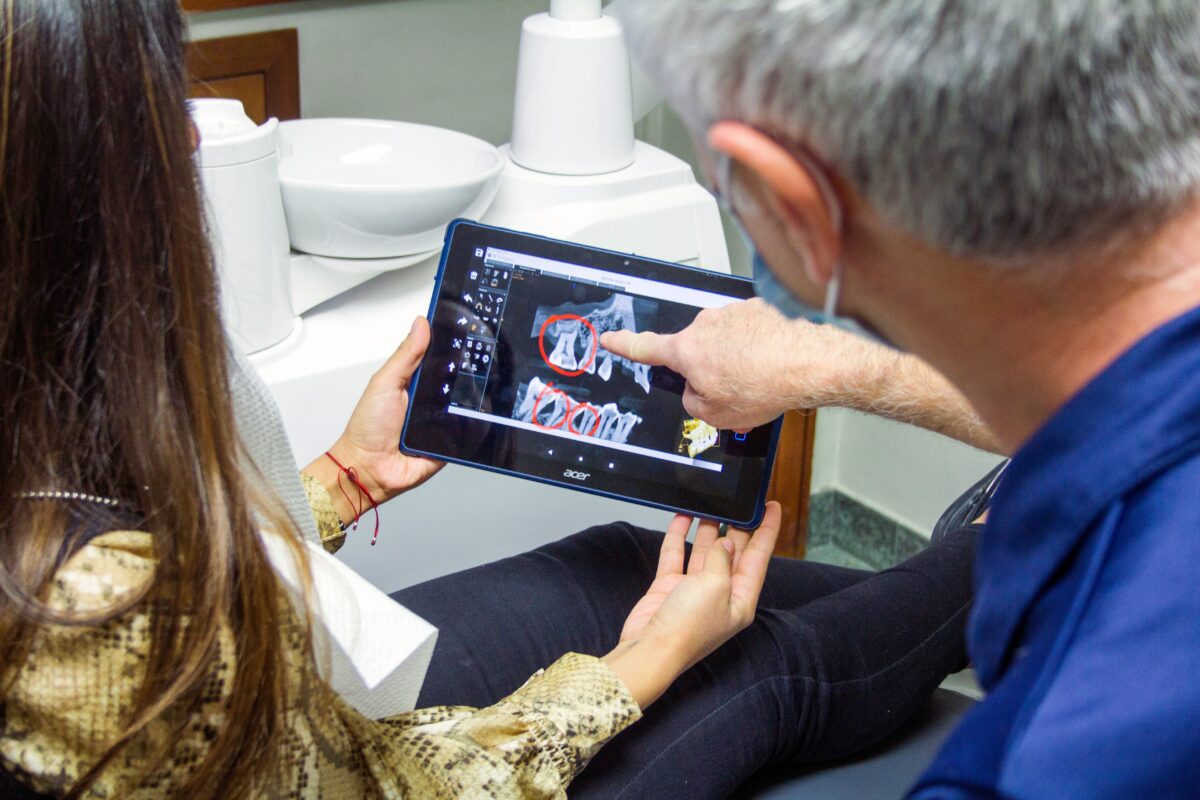
Wisdom teeth made sense when early humans needed extra molars to grind down tough, raw foods. Jaws were larger back then, and the extra teeth fit just fine.
Modern diets changed that equation entirely. Now most people don’t have room for these late arrivals.
They come in crooked, push other teeth around, or get stuck under the gums. Dentists remove them routinely because keeping them creates more trouble than it’s worth.
Your Tailbone Is a Leftover From When Humans Had Tails
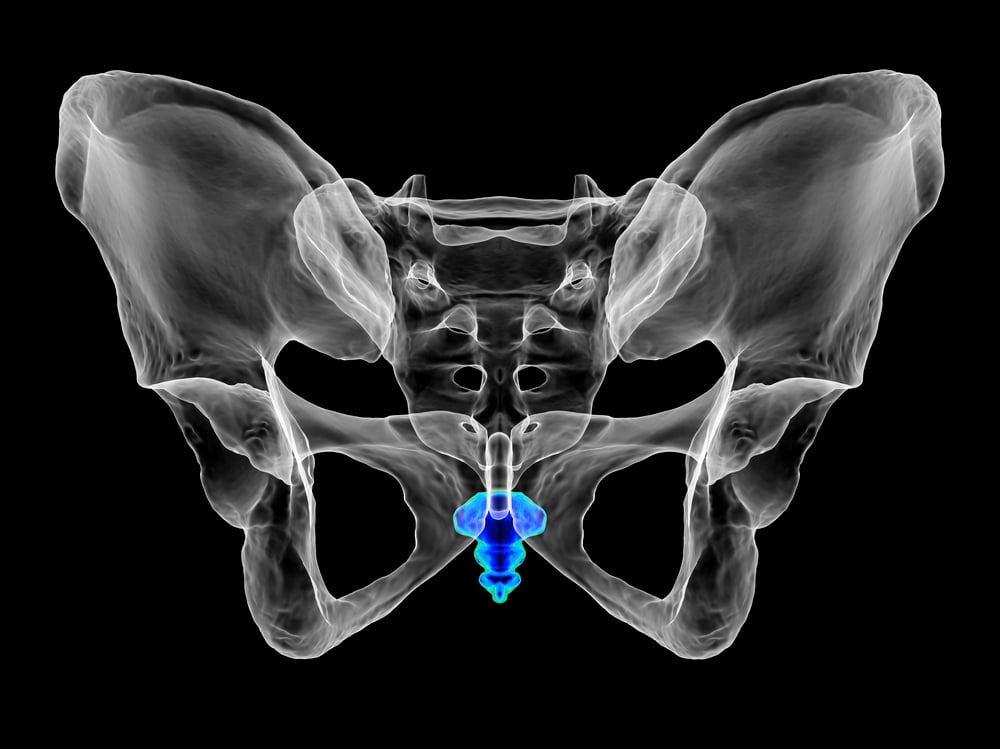
The coccyx sits at the bottom of your spine as a reminder that your distant ancestors had tails. You can still see this in human embryos—they develop tail-like structures that usually disappear before birth.
What remains are a few fused vertebrae that don’t do much. You only notice your tailbone when you fall directly on it.
The pain reminds you it exists, but it doesn’t contribute to movement, balance, or anything else your body needs to function.
Body Hair Doesn’t Keep You Warm Anymore

Body hair once provided insulation and protection from the elements. Your ancestors needed it to stay warm and shield their skin from the sun.
Clothing replaced that function thousands of years ago. The hair you have now is mostly cosmetic.
It might help with detecting sensations on your skin, but you don’t need it for temperature regulation. Humans became one of the least hairy primates because other adaptations worked better.
The Palmaris Longus Muscle Went Missing in Many People
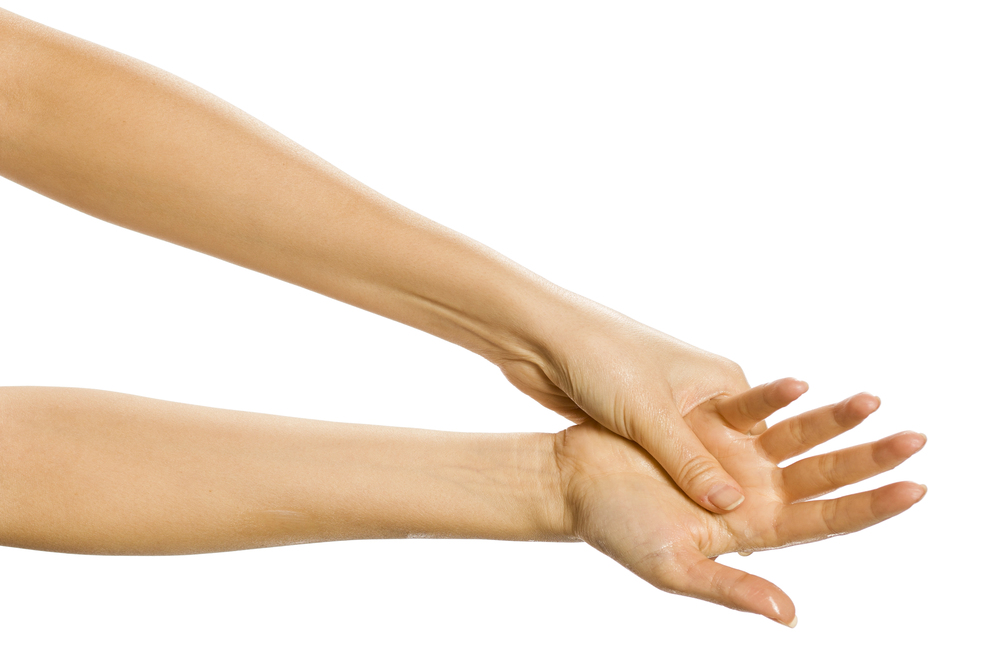
Check your wrist by touching your thumb to your pinky and flexing. If a tendon pops up in the middle of your wrist, you have the palmaris longus muscle.
About 14% of people don’t have it at all, and they function perfectly fine. This muscle helped our ancestors grip and climb trees.
Modern humans don’t need that kind of grip strength for daily activities. Surgeons sometimes harvest this tendon for reconstructive procedures because losing it doesn’t affect hand function.
Male Chest Features Serve No Biological Purpose

Men have the same chest structures as women, including mammary tissue, but they don’t serve a reproductive function. These features develop in the womb before hormones determine biological development paths.
The body just keeps them around because removing them would require extra evolutionary steps. They’re essentially biological leftovers from early development.
Evolution doesn’t optimize for efficiency—it just avoids changes that cause problems. Since these features don’t hurt survival odds, they stay.
Ear Muscles Can’t Move Your Ears Anymore
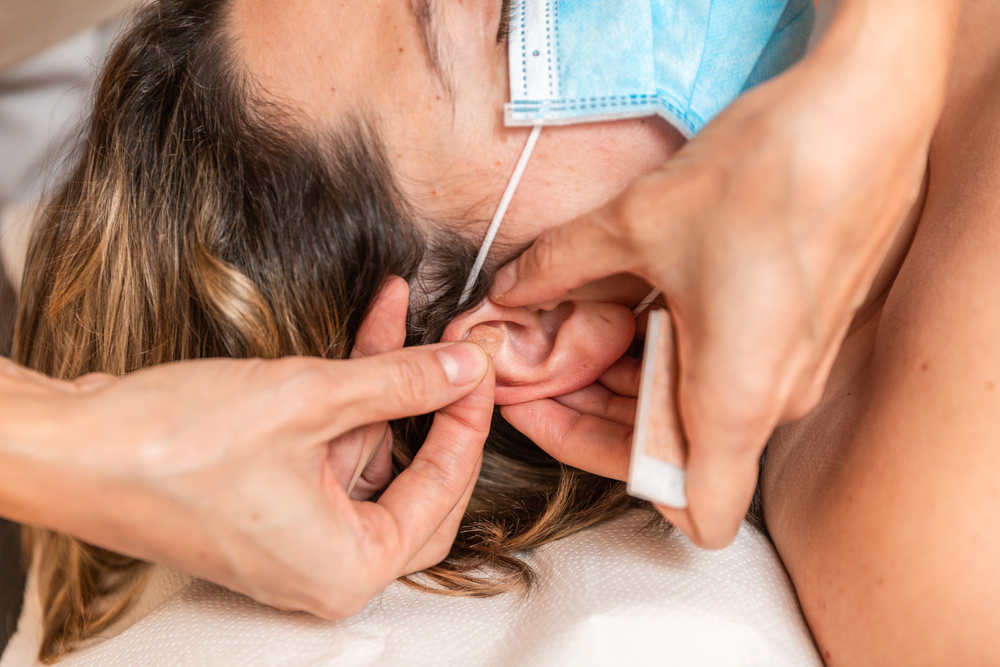
You have three auricular muscles attached to your ears that theoretically let you wiggle them. Some animals rotate their ears to pinpoint sounds, which helps with hunting and avoiding predators.
Humans lost this ability when better hearing adaptations took over. A few people can still wiggle their ears slightly, but it’s more of a party trick than a useful skill.
The muscles exist, but most brains lose the neural connections to control them effectively.
The Vomeronasal Organ Stopped Detecting Pheromones
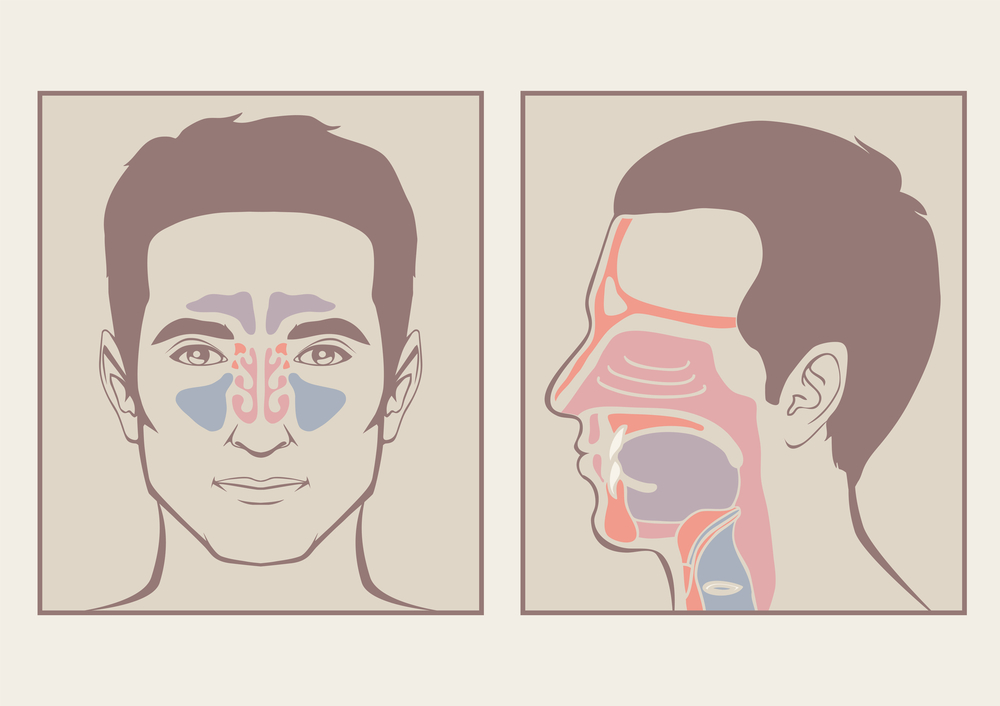
The vomeronasal organ sits in your nasal cavity as a vestigial structure. In many animals, it detects pheromones and plays a role in mating behaviors.
Humans have the physical structure but lack the working neural connections to use it. Scientists debate whether humans ever really used this organ or if it was already on its way out when our species emerged.
Either way, you’re not picking up chemical signals with it now.
Your Third Eyelid Is Almost Gone
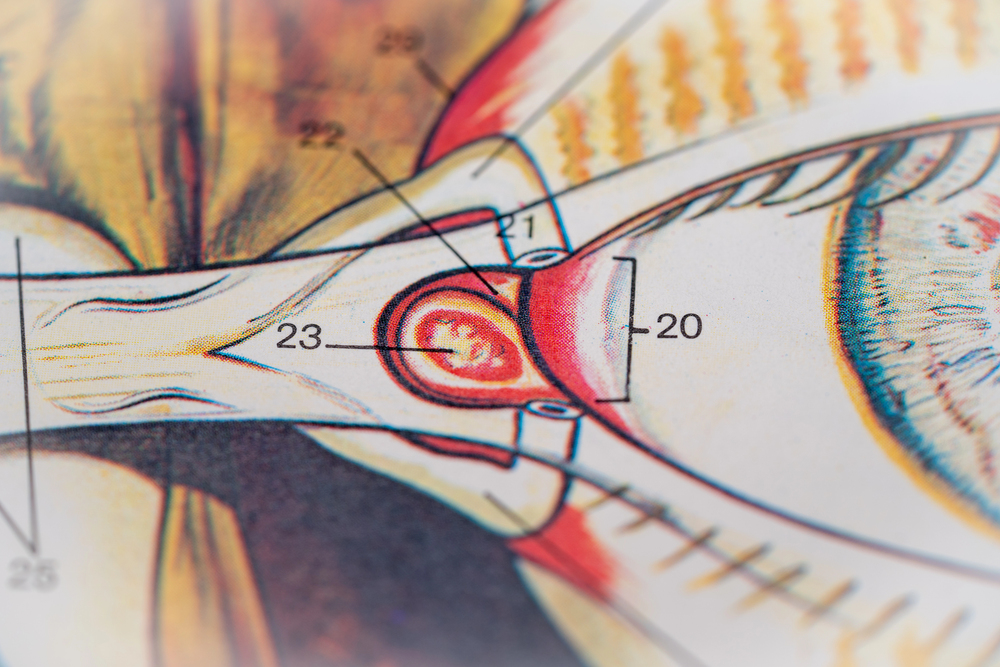
Look in a mirror at the inner corner of your eye. That small pink fold is called the plica semilunaris—it’s what remains of a third eyelid.
Reptiles and birds have fully functional third eyelids that sweep across the eye for protection and moisture. Humans don’t need that extra layer anymore.
Regular eyelids and tear ducts handle eye protection just fine. What’s left is a tiny reminder of a time when your ancestors needed more robust eye defenses.
Goosebumps Don’t Keep You Warm
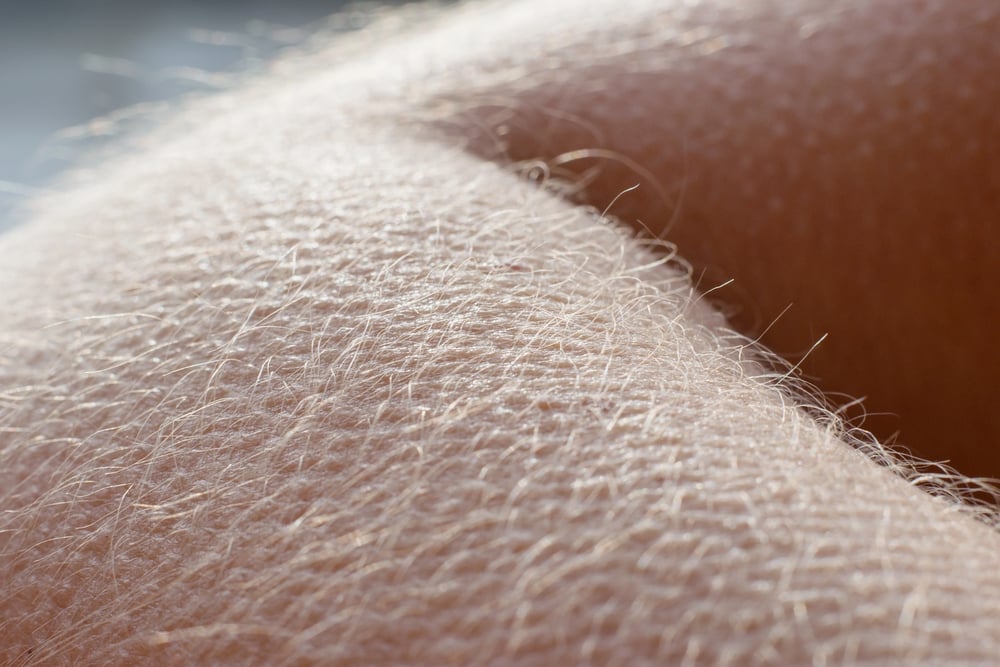
When you get cold or scared, tiny arrector pili muscles contract and make your hair stand up. In furry animals, this creates a thicker insulation layer or makes them look bigger to predators.
On nearly hairless humans, it just creates small bumps on your skin. The reflex still triggers, but it doesn’t accomplish anything practical.
You’re left with a physical reaction that no longer matches the body it’s trying to protect.
Sinuses Create More Problems Than Benefits
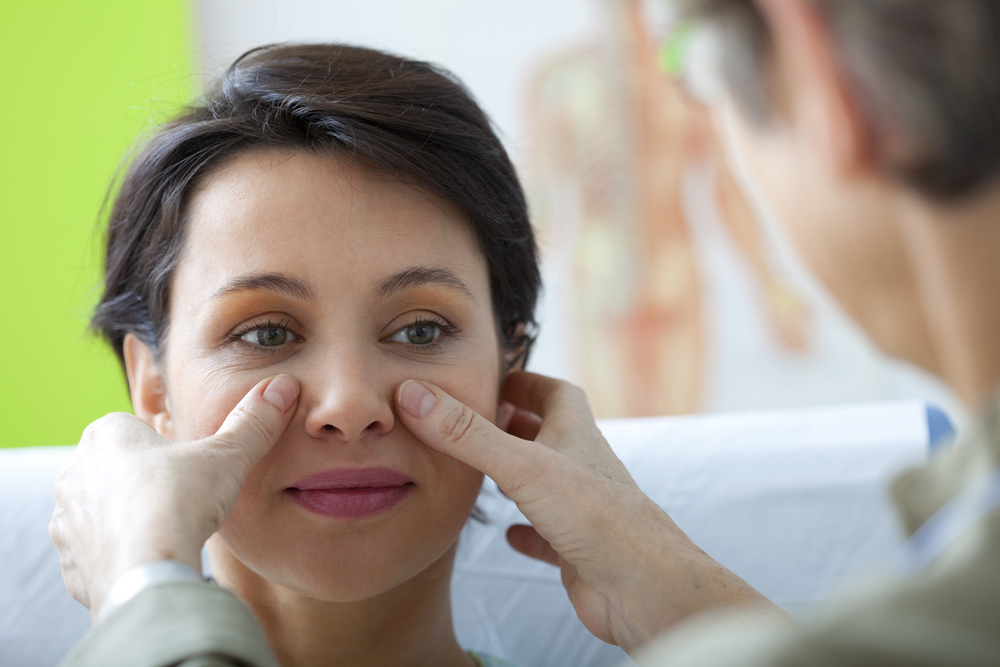
Your paranasal sinuses are air-filled spaces in your skull that connect to your nasal passages. Scientists aren’t entirely sure why they exist in the first place.
They might have helped reduce skull weight or improve voice resonance, but those benefits seem minimal. What they definitely do is get infected and cause sinus headaches, congestion, and general misery.
Many people deal with chronic sinus issues that make these cavities feel more like design flaws than features.
Tonsils Get Removed More Often Than They Help
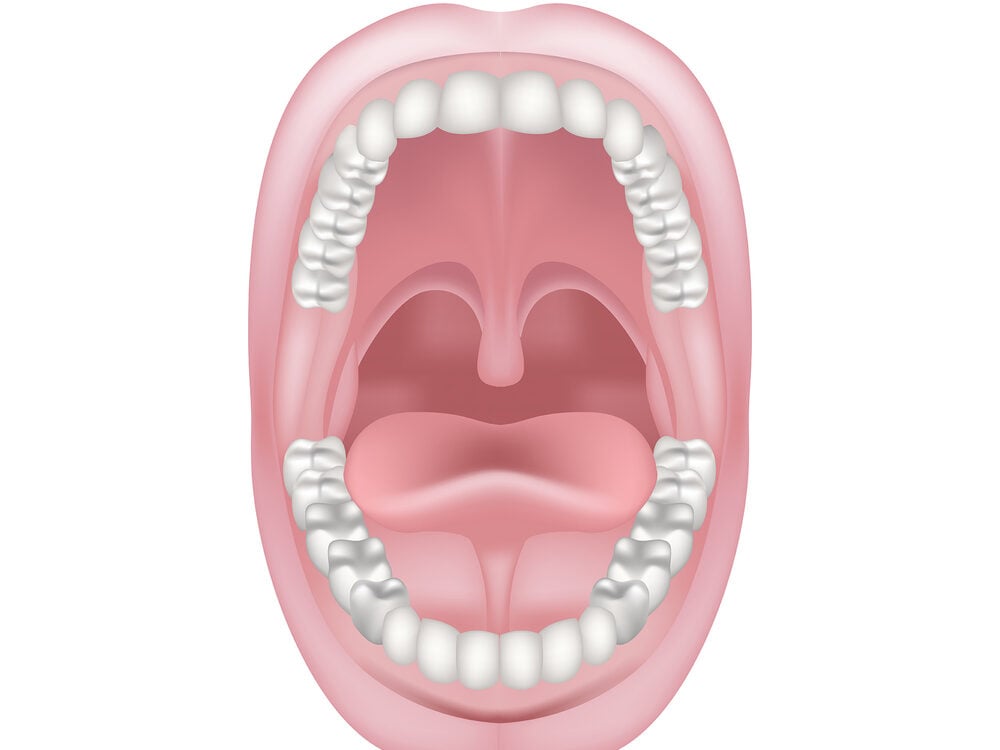
Tonsils and adenoids were part of your body’s first line of defense against infections entering through your mouth and nose. They made more sense when humans faced constant exposure to new pathogens and had limited immune system development.
Modern hygiene and medicine reduced the need for these lymphatic tissues. They still trap some bacteria, but they also get infected frequently enough that removing them often improves quality of life.
Millions of people have theirs taken out with no immune system consequences.
Your Little Toe Barely Does Anything
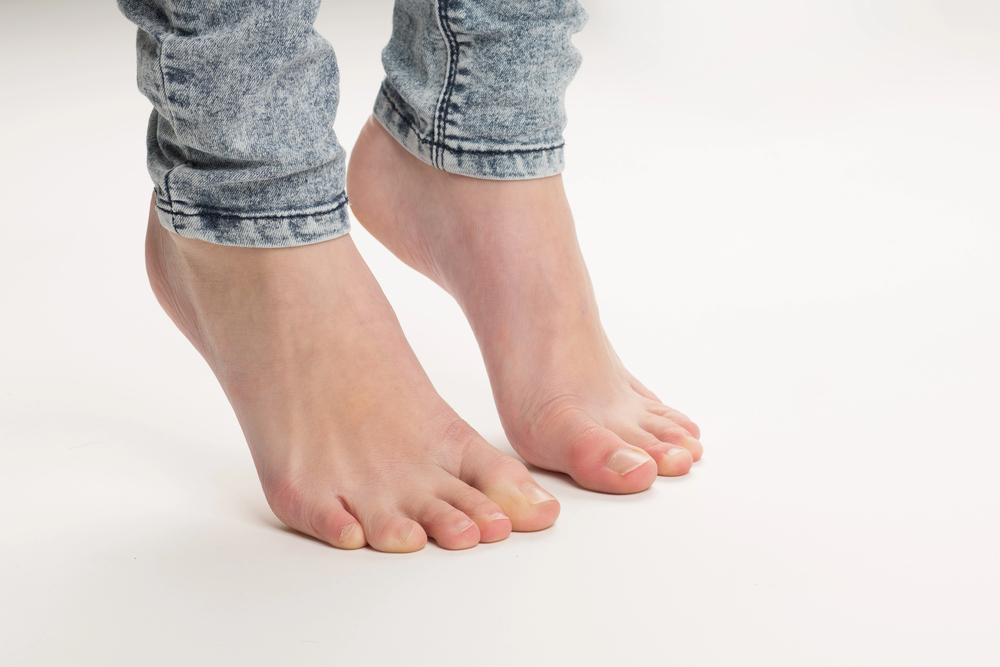
The fifth toe helps with balance, but barely. You could lose it and adjust your gait without much trouble.
Some evolutionary biologists predict it might disappear entirely in future humans because it doesn’t contribute enough to justify the resources needed to maintain it. Athletes who’ve lost their little toes report minimal impact on performance.
The toe exists mostly because evolution hasn’t bothered to remove it yet, not because it serves a critical function.
Extrinsic Ear Muscles Lost Their Job
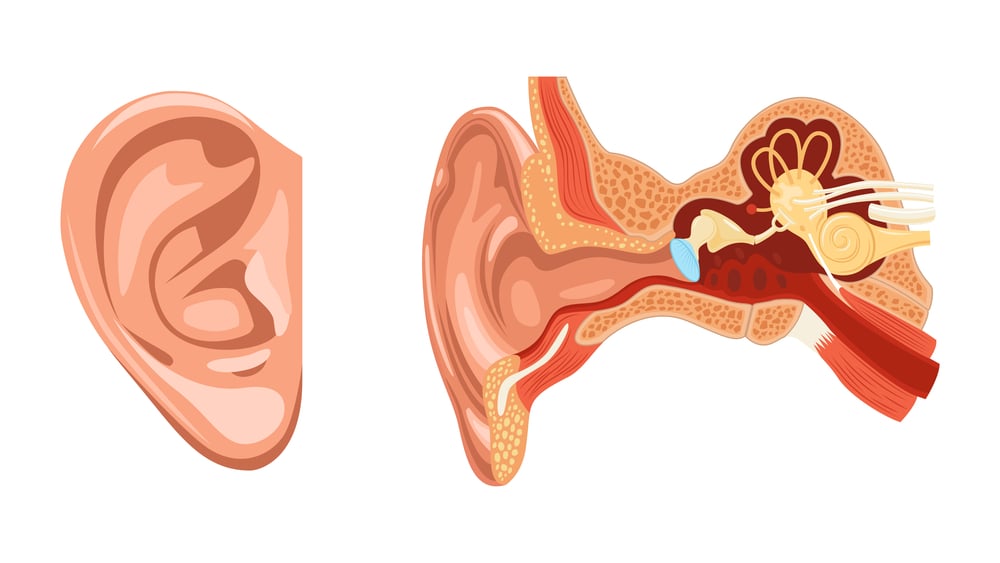
Beyond the auricular muscles, you have extrinsic ear muscles that attach your ears to your head. In animals that can move their ears independently, these muscles control precise directional hearing.
Human ears are fixed in place, making these muscles redundant. The muscles receive minimal blood flow and neural input compared to other parts of your body.
They’re maintained at a bare minimum level because fully eliminating them would require evolutionary changes that simply haven’t happened.
Darwin’s Point Marks Where Your Ear Used to Fold
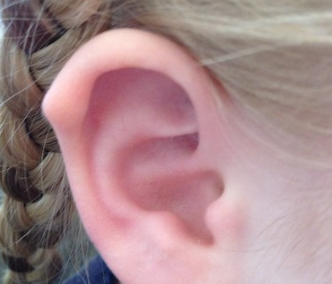
About one in ten folks sport a tiny lump near the top of their ear – known as Darwin’s tubercle. This spot marks where ancient ears might’ve creased, back when humans had pointy tips like some monkeys.
Over time, that fold faded for most. Still, traces linger now and then.
It won’t mess with your hearing or how ears work – none at all. Just sits there, this little mark, showing traces of folks way back who didn’t look much like you.
What Gets Left Behind
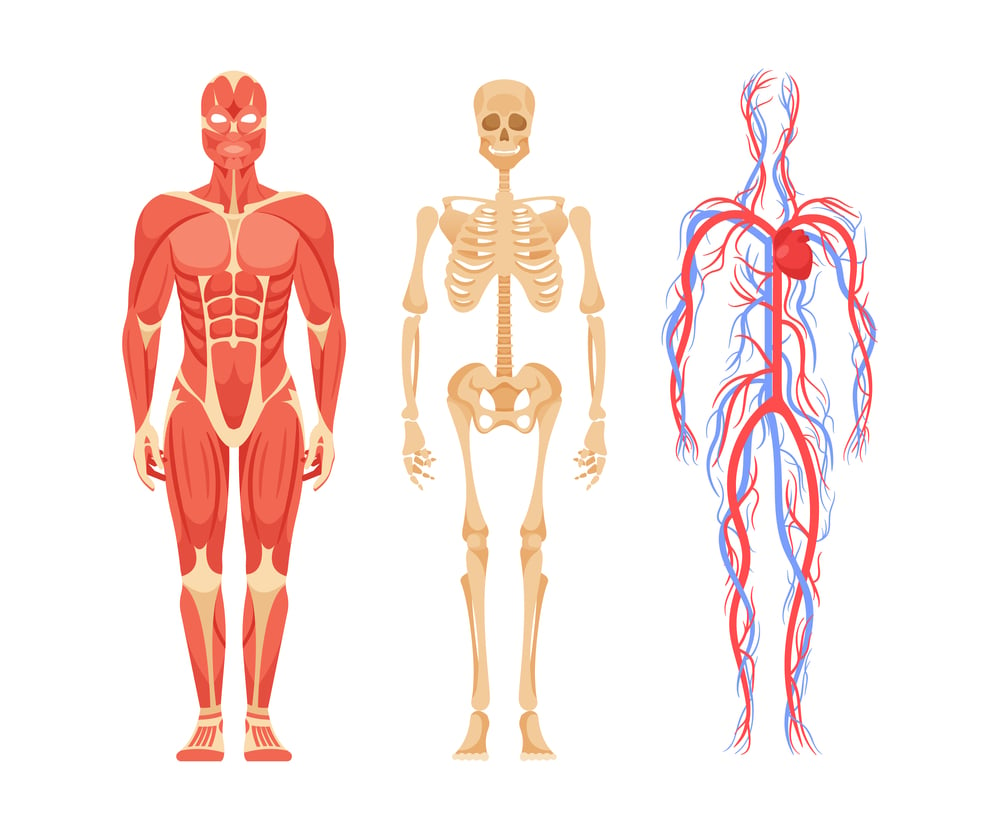
Your body holds clues from ancient times. Each unused feature hints at past lives – places where forebears lived, challenges they beat, changes that helped back then.
These bits stick around because they aren’t harmful; nature just never got around to tossing them out. You’re clear evidence – change creeps in quietly, leaving marks.
Bits that don’t fit your life now might stay through endless tomorrows, unless how people evolve shifts deep down.
More from Go2Tutors!

- The Romanov Crown Jewels and Their Tragic Fate
- 13 Historical Mysteries That Science Still Can’t Solve
- Famous Hoaxes That Fooled the World for Years
- 15 Child Stars with Tragic Adult Lives
- 16 Famous Jewelry Pieces in History
Like Go2Tutors’s content? Follow us on MSN.


