Surprising Things You Can’t Buy on Amazon
Almost anything can be found on Amazon.
Do you require a kayak.
Done.
A 55-gallon personal lubricant drum.
They’ve got you covered.
A cardboard cutout of Danny DeVito in life size.
Put it in your shopping cart.
The company’s promise to deliver anything you need to your door in two days or less has allowed them to build an empire.
Nevertheless, the retail behemoth has restrictions on what can be displayed on its virtual shelves.
Certain restrictions make perfect sense.
Such as the obvious prohibition on purchasing explosives or illegal substances.
However, if you look through Amazon’s list of banned products, you’ll discover some truly strange bans that will leave you wondering why they were implemented in the first place.
Here are some items that Amazon will not sell you.
Regardless of how much you want them.
Forever Stamps
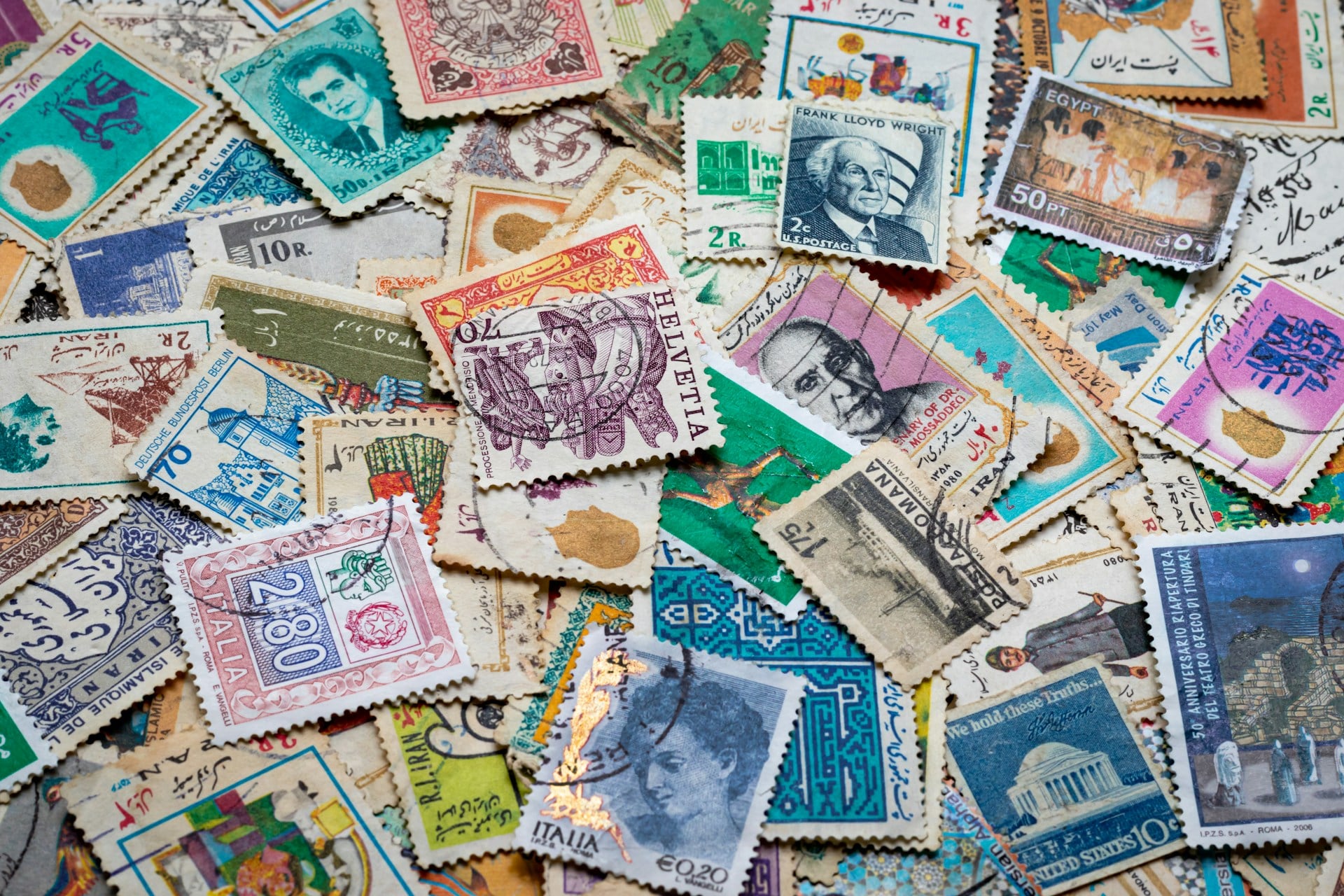
You can buy stamp collecting supplies on Amazon.
You can purchase vintage collectible stamps.
But current U.S. postage stamps — the ones you actually stick on envelopes — are completely off-limits.
That includes those convenient Forever stamps from the post office that never expire.
Amazon’s reasoning stems from fraud concerns and postal regulations.
But it still strikes many people as odd that a site selling thousands of varieties of greeting cards won’t let you buy the stamps to mail them.
The ban extends to anything considered legal tender or cash equivalents.
That means money orders.
Traveler’s checks.
Most gift cards are prohibited too.
Unless you’re a pre-approved seller who’s jumped through extensive hoops.
The irony.
Amazon sells its own gift cards just fine.
But trying to list a Target or Walmart gift card will get your account flagged faster than you can say ‘terms of service violation.’
Wine and Liquor

Despite owning Whole Foods and holding liquor licenses in multiple states, Amazon maintains strict alcohol restrictions.
Regular third-party sellers can’t touch the stuff.
You can search for wine on Amazon and you’ll find plenty of results.
Wine racks.
Wine openers.
Wine glasses.
Wine-themed kitchen decor.
But no actual bottles of wine.
The company does sell alcohol in some regions through its own carefully controlled channels.
But for the average seller or buyer, booze remains firmly in the forbidden category.
The restriction covers everything from beer to spirits to cooking wines with alcohol content.
You can buy alcohol-infused chocolates and certain non-liquid products containing alcohol.
Because Amazon’s rules are nothing if not fascinatingly specific about these things.
Live Animals

Amazon banned most live animal sales years ago.
But the policy contains some peculiar specifics.
Sable antelopes get explicitly named in the prohibited products list.
Why sable antelopes specifically.
Nobody seems entirely sure.
Though the animals are considered vulnerable in some regions and their distinctive horns make them popular among exotic animal collectors.
The mention feels oddly precise in a list that otherwise broadly prohibits wildlife.
The ban covers pets.
Livestock.
Most living creatures.
There are limited exceptions for things like live fish.
Insects for educational purposes.
Certain worms for composting.
If you’re in the market for a pet parrot.
A miniature goat.
Or apparently a sable antelope.
You’ll need to look elsewhere.
Human Body Parts

This one probably shouldn’t surprise anyone.
Amazon’s prohibited products list explicitly bans human remains.
Body parts.
Bodily fluids.
The fact that they felt the need to spell this out suggests someone tried to list something deeply inappropriate.
The ban covers everything from organs to ashes to any biological material harvested from human bodies.
Medical specimens for educational purposes sometimes skirt the edges of this rule.
Amazon monitors such listings carefully.
The policy exists for obvious ethical and legal reasons.
Though one can’t help but wonder about the backstory that made the company add this specific prohibition.
Certain Automotive Parts
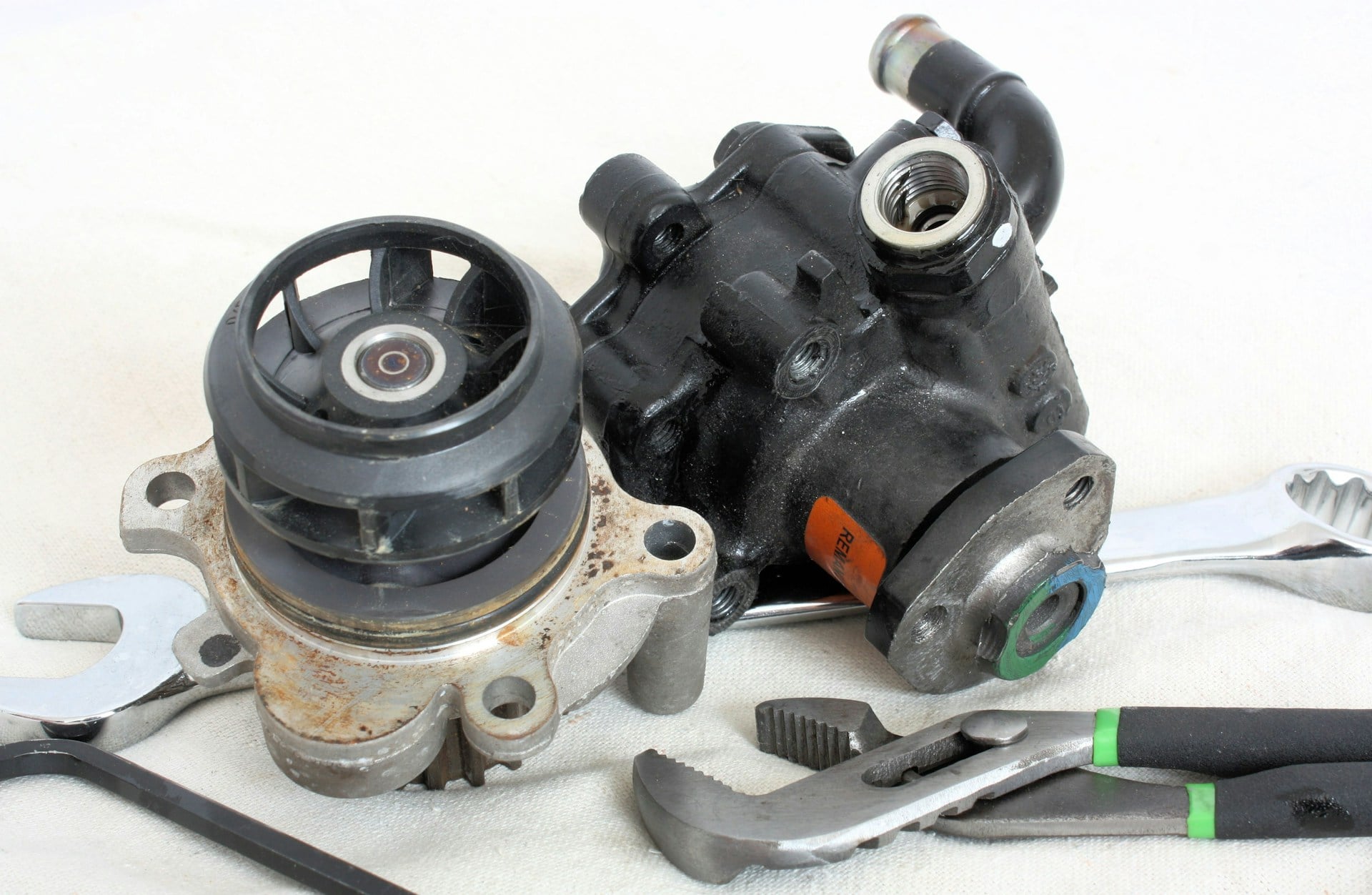
You can buy plenty of car parts on Amazon.
From air filters to floor mats to replacement mirrors.
Try to sell anything that interferes with a vehicle’s emission control system and you’ll run into a brick wall.
Amazon takes environmental regulations seriously here.
The company bans modifications that would make cars function like they’re auditioning for the next Fast and Furious movie.
The company prohibits products designed to bypass.
Disable.
Alter emission controls.
Some might be legal to own in some jurisdictions but violate federal clean air standards.
Even performance parts that technically comply with regulations often get caught in Amazon’s filters because the algorithms can’t always tell the difference between legal upgrades and illegal modifications.
Paper Money

Collectible currency occupies a strange gray zone on Amazon.
You can sell old banknotes.
Vintage bills.
Historical currency.
You must follow very specific rules about how you describe them.
Modern paper money is banned.
This includes uncut sheets of bills and anything resembling current legal tender.
The prohibition includes imitation currency unless it’s permanently marked with the word ‘COPY’ in English.
Altered coins and banknotes are also forbidden.
Even if the alteration was done for artistic or numismatic purposes.
Amazon worries about counterfeiting.
Money laundering.
The legal quagmire that comes with facilitating currency sales.
The rules get incredibly granular.
They specify exactly what types of commemorative medals are allowed versus which ones cross the line into prohibited territory.
Unapproved Medical Devices

Amazon permits the sale of many medical devices.
Certain categories require FDA clearance that most sellers don’t have.
CPAP cleaning machines that use ozone or ultraviolet light are specifically banned because the FDA has explicitly stated they’re unapproved and potentially dangerous.
Certain at-home test kits that claim to diagnose diseases also fall into prohibited territory if they lack proper FDA authorization.
The restriction extends to any device making medical claims without approval.
A beauty product that moisturizes your skin is fine.
The moment you claim it treats acne or eczema, you’ve ventured into drug territory and need FDA compliance.
Amazon polices these claims aggressively.
The company pulls listings that make therapeutic promises without proper documentation.
Three-Dimensional Art

Amazon operates a Fine Art marketplace where you can buy prints.
Paintings.
Two-dimensional works.
Three-dimensional artwork is prohibited on the platform.
This includes sculptures.
Installations.
Similar pieces.
The company cites quality control.
Authentication challenges.
Shipping complexity as reasons for the ban.
Archaeological artifacts are also forbidden.
Presumably to prevent the sale of illegally excavated or culturally significant items.
The policy creates a frustrating situation for sculptors and 3D artists who have no legitimate venue to reach Amazon’s massive customer base.
They can sell photographs of their work.
Not the actual pieces.
It’s a restriction that feels arbitrary to many artists who argue that authenticating a sculpture isn’t inherently harder than verifying a painting.
Cell Phone Jammers
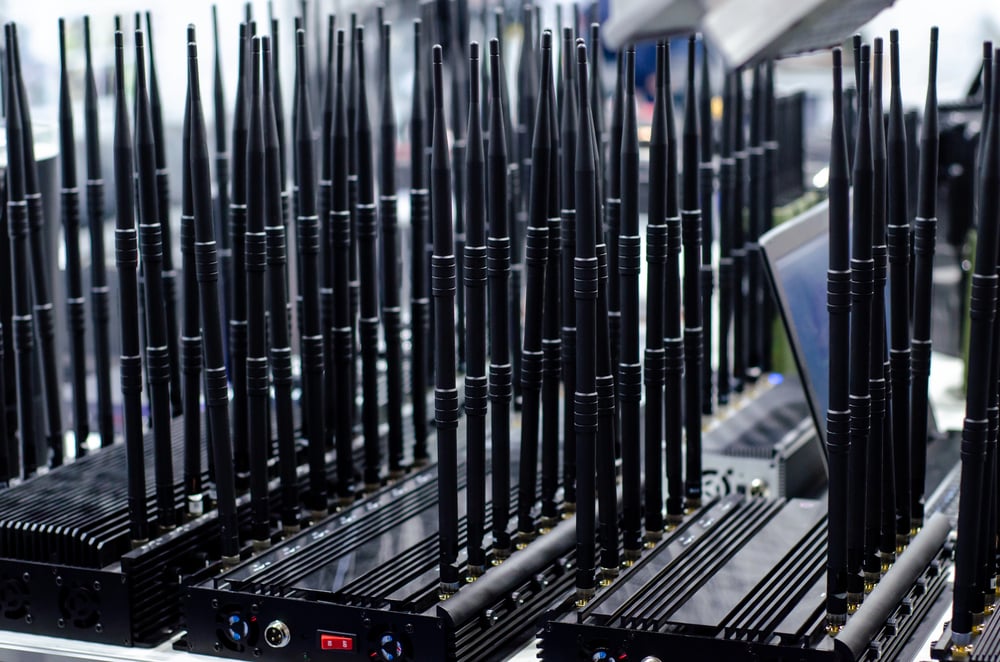
Devices that block, interfere with, or jam wireless signals are strictly prohibited.
This applies both by federal law and by Amazon’s policies.
This includes cell phone jammers.
GPS blockers.
Anything designed to disrupt law enforcement communications.
The FCC has clear rules against these devices because they can interfere with emergency services and public safety communications.
Wiretapping equipment and surveillance devices intended for illegal spying also make the banned list.
Amazon walks a fine line here because legitimate security cameras and baby monitors are perfectly acceptable.
Devices marketed specifically for covert surveillance cross into prohibited territory.
The company relies on product descriptions and customer reports to catch violations.
Enforcement remains imperfect.
Composite Wood with High Formaldehyde

This is where things get technical.
Amazon prohibits composite wood products that don’t meet formaldehyde emission standards.
The regulations specify that particleboard can contain a maximum of 0.09 parts per million of formaldehyde.
Furniture containing non-compliant composite wood gets banned.
Even if it’s legal to sell elsewhere.
Most shoppers have no idea this restriction exists because it operates invisibly in the background.
Manufacturers must certify their products meet EPA standards before Amazon approves listings.
It’s a health and safety measure designed to prevent indoor air pollution.
It trips up furniture sellers who don’t realize their suppliers are using non-compliant materials.
Refrigerants
Certain refrigerants that deplete the ozone layer can only be sold to EPA-certified technicians.
This effectively bans them from Amazon’s open marketplace.
Class I and Class II ozone-depleting substances are prohibited unless the buyer can prove certification through approved programs.
This includes many older types of air conditioning refrigerants and certain industrial cooling chemicals.
The restriction makes sense from an environmental standpoint.
It creates headaches for people trying to recharge old air conditioning units or repair vintage refrigerators.
They need the refrigerants.
Amazon won’t facilitate the sale without jumping through certification hoops that most consumers can’t clear.
Where Rules Get Weird
Amazon’s prohibited products list runs to 32 major categories.
Each contains dozens of specific items that can’t be sold.
The company updates the list regularly.
New restrictions get added as problems emerge or regulations change.
What could be sold last year might be banned today.
Sellers scramble to remove inventory before their accounts get suspended.
The rules vary by country too.
A product that’s fine to sell in the United States might be restricted in the United Kingdom.
Or vice versa.
Sellers operating in multiple marketplaces need to track different rule sets for each region.
Compliance becomes a moving target.
Even Amazon’s own enforcement isn’t perfect.
Investigative journalists have repeatedly found banned items slipping through the company’s filters.
Some are listed by third-party sellers who don’t know the rules.
Others try to deliberately circumvent them.
Why It Matters

Amazon has several restrictions.
Some safeguard consumer safety by removing hazardous or flawed products from the marketplace.
Others represent legal obligations that would be applicable to any retailer.
Whether they are online or not.
Some want to protect Amazon’s brand and steer clear of controversy surrounding offensive or unethical products.
Because of the company’s size and power, these choices have an impact well beyond its own website.
For small sellers who rely on Amazon’s reach, a product category ban can effectively kill that market.
There are other marketplaces.
None of them can match Amazon’s logistics network or customer base.
For better or worse, Amazon’s list of banned products influences what American consumers can easily purchase in ways that aren’t always evident until you try to purchase something that isn’t available.
More from Go2Tutors!

- The Romanov Crown Jewels and Their Tragic Fate
- 13 Historical Mysteries That Science Still Can’t Solve
- Famous Hoaxes That Fooled the World for Years
- 15 Child Stars with Tragic Adult Lives
- 16 Famous Jewelry Pieces in History
Like Go2Tutors’s content? Follow us on MSN.