Forgotten Islands With Fascinating Stories
Most people can name famous islands—Hawaii, Iceland, Manhattan. But thousands of islands sit scattered across oceans, largely forgotten except by locals and occasional adventurers.
These places once mattered for trade, war, or survival. Now they float in relative obscurity, holding stories that never made it into mainstream history books.
Some hosted bizarre experiments. Others witnessed dramatic collapses.
A few harbor mysteries that remain unsolved.
Hashima Island
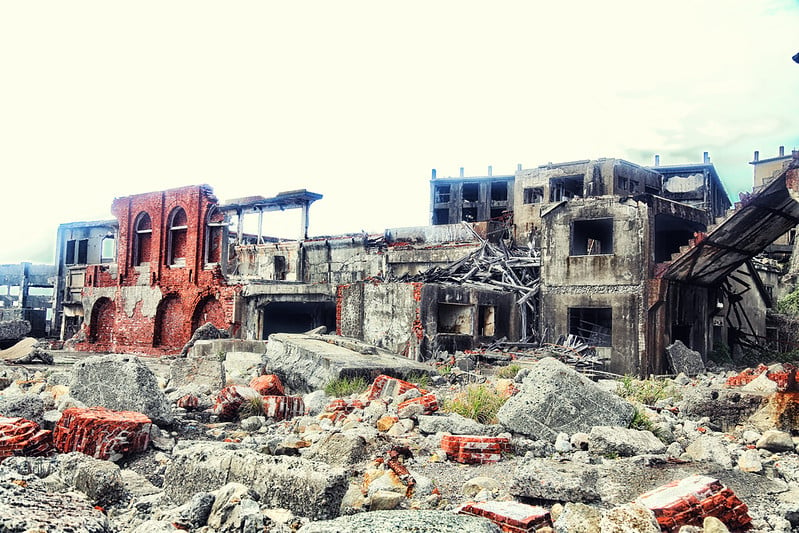
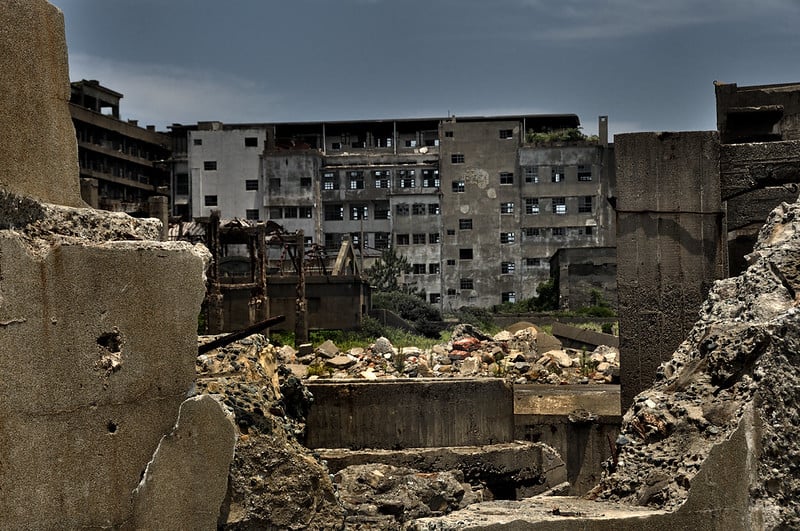
Off the coast of Japan, Hashima Island once housed over 5,000 people in less than half a square mile—one of the highest population densities ever recorded. The island was essentially a massive coal mining operation.
Mitsubishi built the entire infrastructure starting in 1887, including apartment buildings, schools, hospitals, and shops. The coal ran out in 1974.
Everyone left within a year. The buildings still stand, but nature is slowly reclaiming them.
Concrete walls crumble. Vegetation pushes through floors.
The island earned the nickname “Battleship Island” because its silhouette resembles a warship. Japan opened limited tourism in 2009, but you can only visit certain safe areas.
Most of the island remains off-limits, frozen in time as a monument to industrial boom and bust.
Poveglia Island
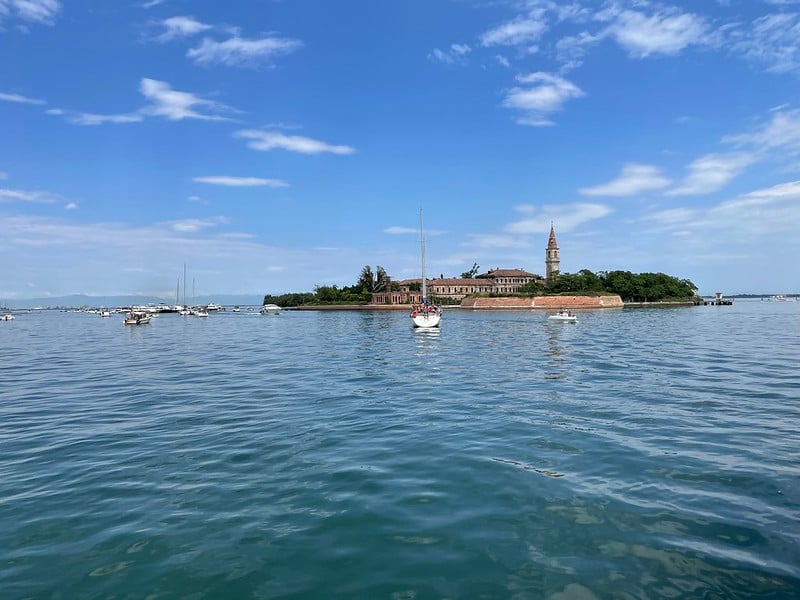
This small island near Venice served as a quarantine station for plague victims during the Black Death. Ships carrying infected passengers had to dock there before entering Venice.
Later, it became a mental hospital that operated until 1968. Locals avoid Poveglia.
Stories claim the island is haunted by plague victims and patients from the asylum. The Italian government tried auctioning the island multiple times, but buyers backed out.
It sits empty now, overgrown and abandoned, with buildings slowly collapsing into the lagoon. The plague connection seems well documented.
The asylum stories are harder to verify, but they persist in local folklore. Whether or not ghosts walk the island, something about its history keeps people away.
Tristan da Cunha
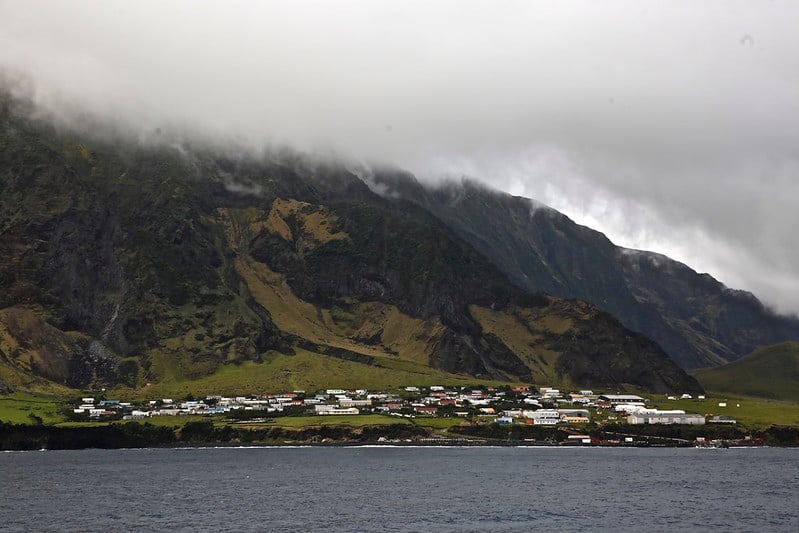
The most remote inhabited island on Earth sits in the South Atlantic Ocean, 1,750 miles from the nearest continent. About 250 people live there, all descended from a handful of settlers who arrived in the 1800s.
The island has one settlement, Edinburgh of the Seven Seas. In 1961, a volcanic eruption forced complete evacuation.
Everyone went to England. After two years, most chose to return despite knowing another eruption could happen anytime.
They preferred isolation and familiarity to modern mainland life. Getting there requires a week-long boat journey from South Africa.
The island has no airport. Supply ships arrive a few times per year. Residents live largely self-sufficient lives, fishing and farming.
The internet reached them only in 2019.
Palmyra Atoll
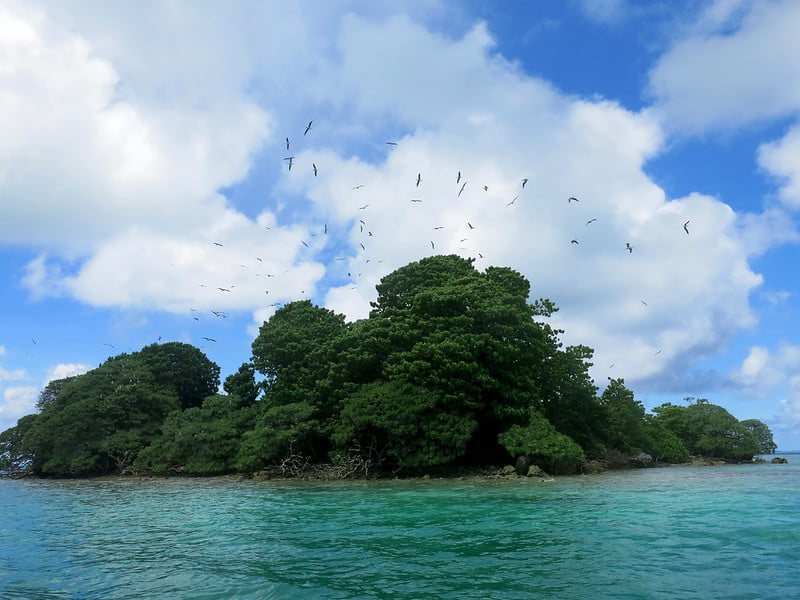
This uninhabited U.S. territory in the Pacific Ocean was privately owned for decades. The Fullard-Leo family bought it in 1922, hoping to develop it.
Nothing came of those plans. In 2000, The Nature Conservancy purchased most of the atoll for conservation.
Palmyra saw action during World War II when the U.S. Navy built a base there. After the war, the military abandoned it.
Runways and structures remain, slowly deteriorating in the tropical climate. The atoll also has a dark side.
In 1974, a couple sailing through the Pacific disappeared after encountering another boat near Palmyra. Years later, evidence suggested they were murdered for their yacht.
The case remains officially unsolved, though convicted killer Buck Walker served time for related crimes.
Bikini Atoll
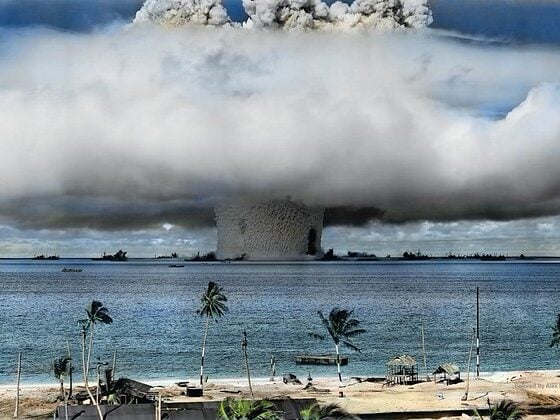
The U.S. military relocated all Bikini Atoll residents in 1946 to conduct nuclear tests. Between 1946 and 1958, 23 nuclear devices were detonated there, including the famous Castle Bravo hydrogen bomb test—the largest nuclear weapon the U.S. ever detonated.
The residents were told they could return soon. That didn’t happen.
Radiation levels remained too high for decades. Some did return in the 1970s, but elevated radiation in the food chain forced another evacuation.
The atoll is technically safe to visit now for short periods. A few dive operators bring tourists to explore sunken warships from the tests.
But the land itself remains contaminated. Coconuts and other local food still contain dangerous radiation levels.
Former residents and their descendants remain displaced, living in other Marshall Islands communities.
North Sentinel Island
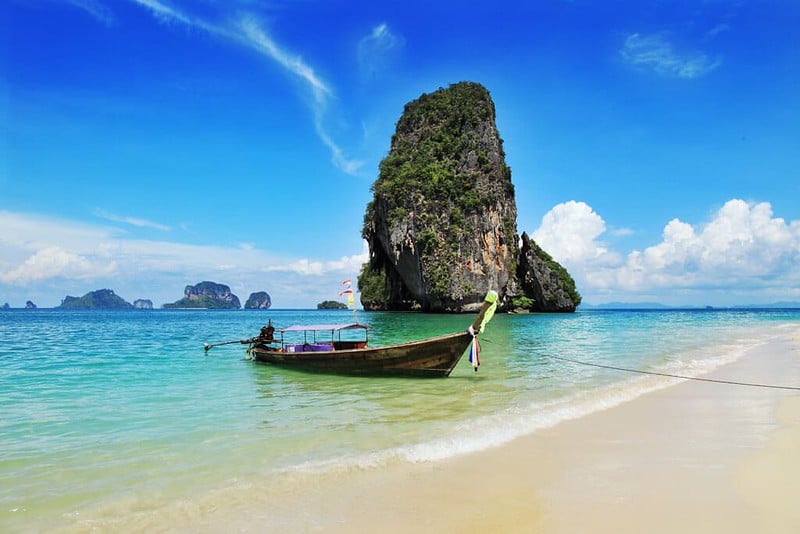
The Sentinelese people reject all contact with the outside world. This small island in the Andaman Sea is home to one of the last uncontacted tribes on Earth.
Any attempt to approach the island results in the Sentinelese shooting arrows at visitors. In 2006, two fishermen accidentally drifted too close.
The Sentinelese killed them. In 2018, an American missionary tried to reach the island to proselytize. The Sentinelese killed him too.
Indian authorities made no attempt to recover the body, recognizing the tribe’s right to isolation. No one knows how many Sentinelese live there—estimates range from 50 to 500.
They’ve resisted contact for so long that their language remains unknown. The Indian government protects the island, making it illegal to approach within three miles.
After the 2004 tsunami, officials flew helicopters over to check on the tribe. The Sentinelese shot arrows at the aircraft.
They survived the tsunami and wanted no help.
Surtsey
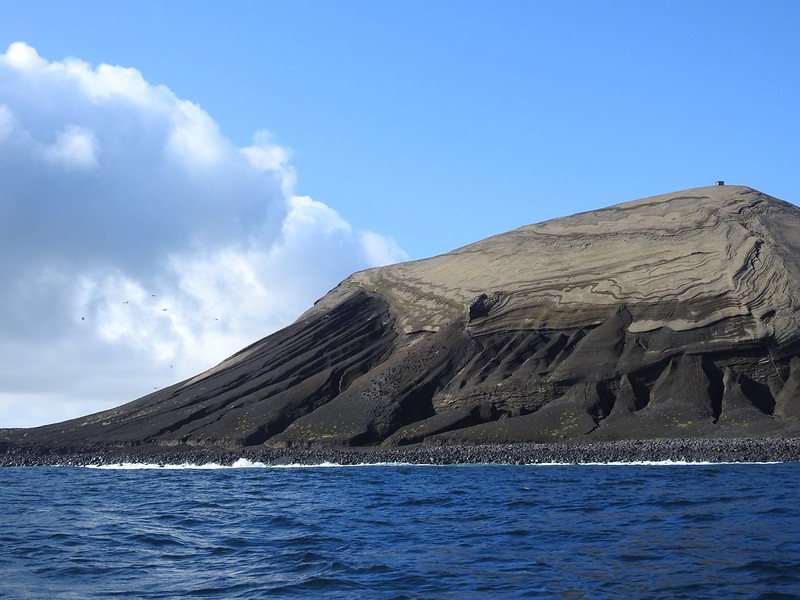
In November 1963, fishermen off the coast of Iceland noticed the ocean boiling. Within hours, a new island emerged from underwater volcanic eruptions.
The island, named Surtsey after a Norse fire giant, continued growing for four years until the eruptions stopped. Scientists immediately recognized Surtsey’s value for studying how life colonizes new land.
Iceland banned all unnecessary visits and turned the island into a natural laboratory. Only authorized researchers can go there.
Over the past 60 years, researchers have documented every plant, insect, and bird that arrived. Seeds blow in on wind.
Birds bring more seeds. Gradually, an ecosystem develops from nothing.
The island offers a real-time look at biological colonization. Surtsey is slowly eroding.
Eventually, the ocean will reclaim it. But for now, it stands as both a geological wonder and an ongoing ecological experiment.
Gruinard Island
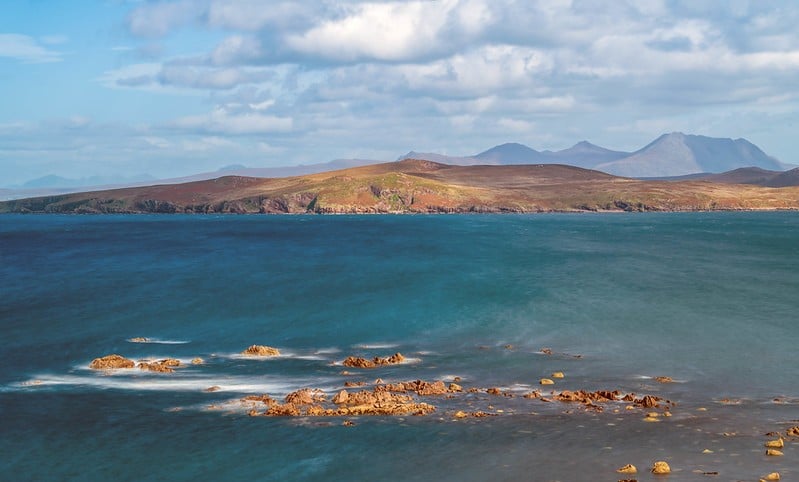
During World War II, British scientists needed a place to test anthrax as a biological weapon. They chose Gruinard Island off the coast of Scotland, evacuated the few residents, and released anthrax spores in 1942.
The tests worked too well. The island became so contaminated that the government declared it off-limits indefinitely.
Signs warning of anthrax stood on the beach for decades. The contamination persisted long after the war ended.
In the 1980s, activists from a group called Dark Harvest demanded the government clean up the island. They collected contaminated soil and deposited it at various government buildings to prove their point.
The pressure worked. Decontamination began in 1986.
Workers removed topsoil, treated the island with formaldehyde, and tested repeatedly. By 1990, authorities declared it safe.
The island now hosts sheep again, though most people still avoid it out of lingering fear.
Fernando de Noronha
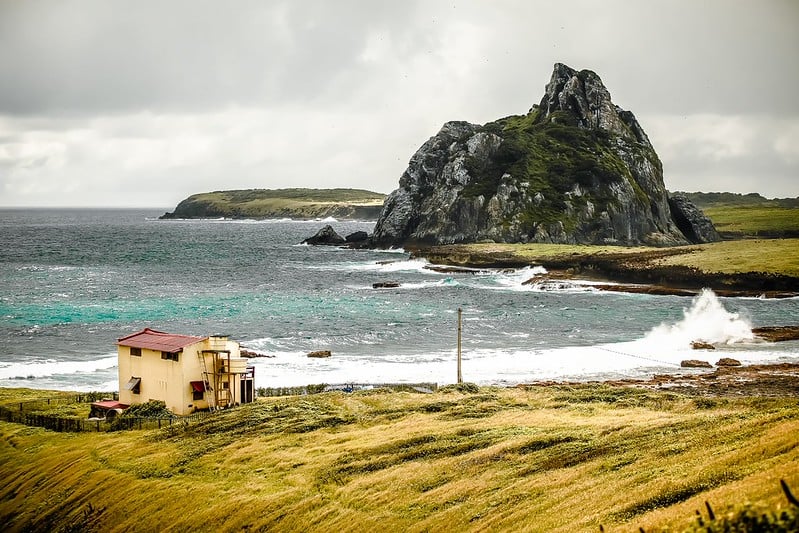
This Brazilian archipelago sits 220 miles off the coast, beautiful and relatively unknown outside South America. It served as a prison colony for centuries.
Prisoners lived in harsh conditions on the main island while guards and their families occupied better areas. The prison closed in 1942.
After World War II, the Brazilian military used the islands as a strategic outpost. Eventually, someone realized the islands’ environmental value.
In 1988, most of the archipelago became a national marine park. Today, Fernando de Noronha is a destination for Brazilian tourists, but international visitors rarely make it there.
The government limits daily arrivals to preserve the ecosystem. The islands host sea turtles, dolphins, and sharks.
The prison ruins still stand as a reminder of the island’s darker past.
Roanoke Island
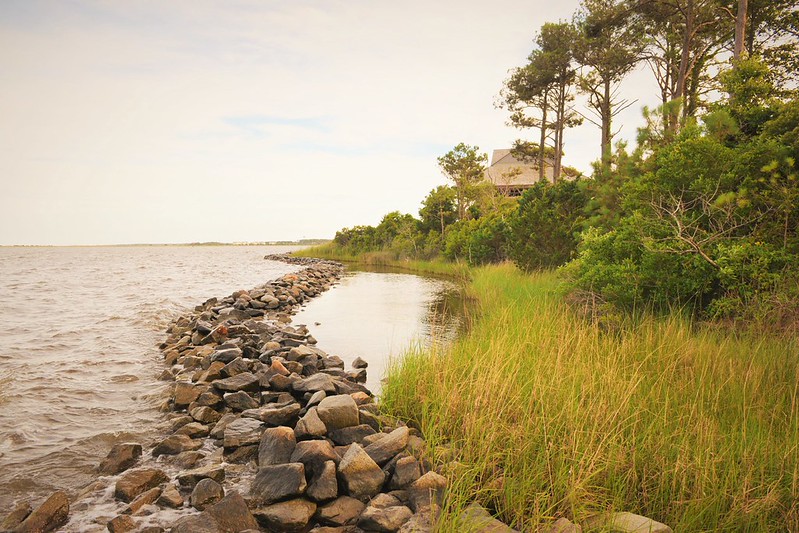
English colonists established a settlement on Roanoke Island in 1587, part of what’s now North Carolina. The colony’s governor, John White, returned to England for supplies.
When he came back three years later, everyone had vanished. The only clue was the word “CROATOAN” carved into a post.
No bodies. No signs of struggle.
Just empty buildings and the mysterious carving. White couldn’t search further due to bad weather and never returned.
Theories range from the colonists integrating with local Native American tribes to Spanish attacks to disease. Recent archaeological work suggests some colonists may have traveled inland and joined indigenous communities.
But the complete story remains unknown. Roanoke Island is inhabited now, connected to the mainland by bridges.
But the mystery of the “Lost Colony” endures as one of early American history’s strangest episodes.
Gunkanjima
Wait, that’s another name for Hashima Island mentioned earlier. Let me discuss a different island.
Dejima
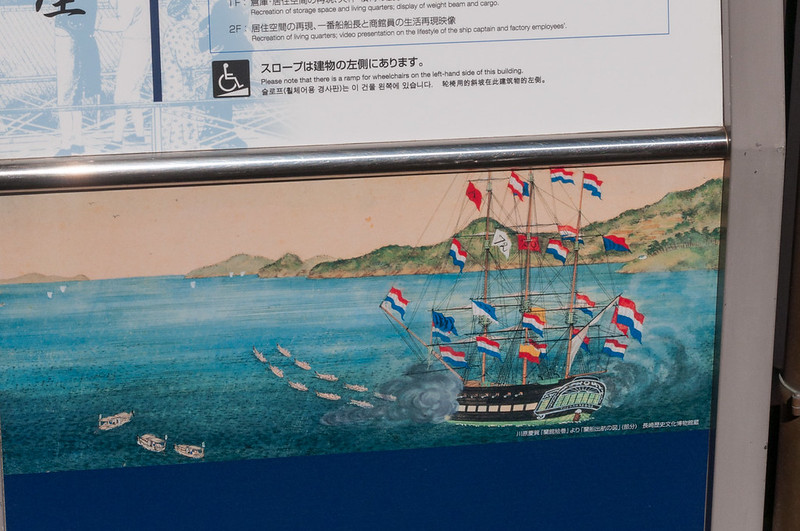
For over 200 years, Dejima was Japan’s only connection to the outside world. This artificial island in Nagasaki harbor measured roughly 120 by 75 yards.
The Japanese government built it in 1634 and restricted all foreign trade to this tiny space.
Dutch traders lived on Dejima under strict rules. They couldn’t leave without permission. Japanese citizens couldn’t visit without authorization.
Guards monitored everything. Despite the restrictions, knowledge flowed both ways.
Western science and ideas entered Japan through Dejima, while Japanese goods reached European markets. In 1853, Commodore Perry forced Japan to open more ports. Dejima lost its unique status.
Land reclamation eventually connected it to the mainland, and it stopped being an island entirely. Modern Nagasaki has grown around the area, but some original Dejima buildings have been reconstructed to show what life was like during Japan’s isolation period.
Clipperton Island
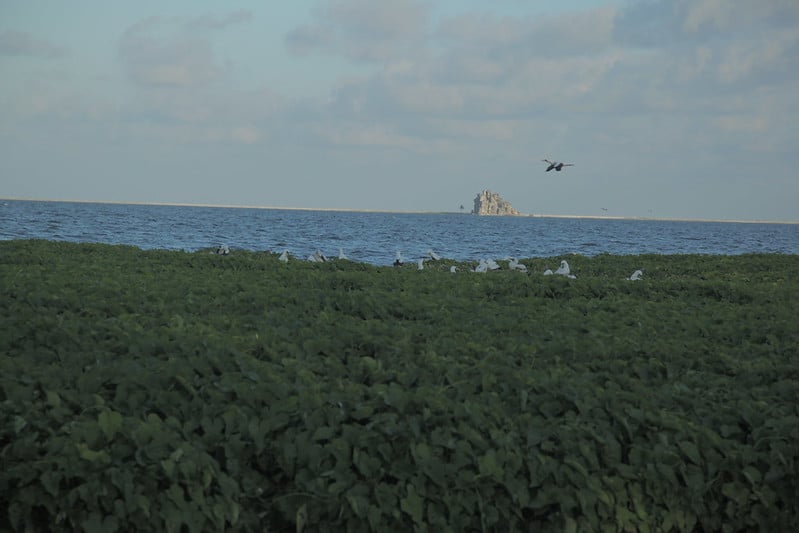
This remote coral atoll in the Pacific Ocean is technically French territory, though it sits much closer to Mexico. No permanent inhabitants live there now, but from 1906 to 1917, a small community tried to extract guano for fertilizer.
The story ended in tragedy. During the Mexican Revolution, supply ships stopped coming.
The colony’s overseer, a lighthouse keeper named Victoriano Álvarez, became increasingly tyrannical as conditions deteriorated. Men died from scurvy and starvation.
Álvarez sexually assaulted the women. In 1917, only a handful of women and children survived.
One woman, Tirza Rendón, killed Álvarez with a hammer. A U.S. Navy ship rescued the survivors three days later.
The entire community had collapsed into violence and death. France maintains Clipperton as a nature reserve now.
Scientists visit occasionally. Seabirds nest there in huge numbers.
But the island’s brief human habitation left only ruins and a grim story.
Spinalonga
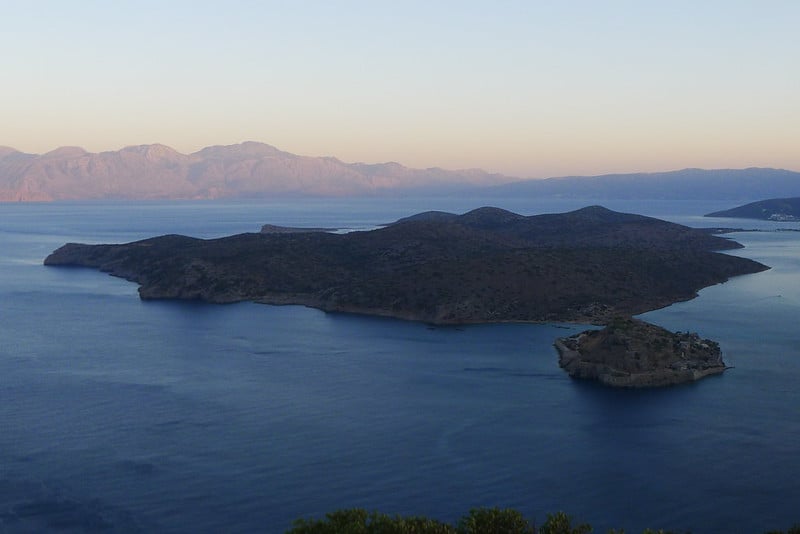
This small Greek island near Crete served as a leper colony from 1903 to 1957. People with Hansen’s disease were forcibly sent there, separated from families and society.
Initially, conditions were harsh, but over time, residents established a functioning community with shops, churches, and social structures. The last resident left in 1962, years after a cure for leprosy became available.
The Greek government kept the colony running longer than medically necessary, some argue, because it was cheaper than reintegrating patients into society. The island is now a popular tourist destination.
Visitors walk through the old colony, seeing homes, hospitals, and other buildings. It represents both medical history and a reminder of how societies treated people with stigmatized diseases.
The colony’s story inspired novels and films that brought wider attention to Spinalonga’s past.
Deception Island
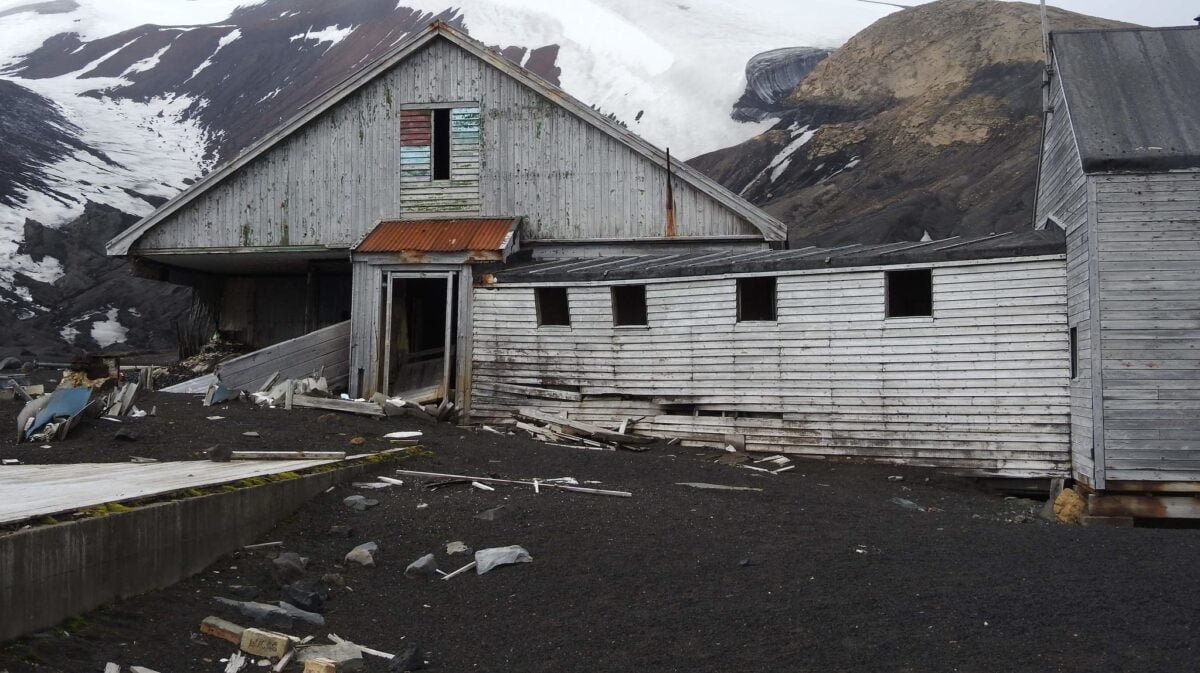
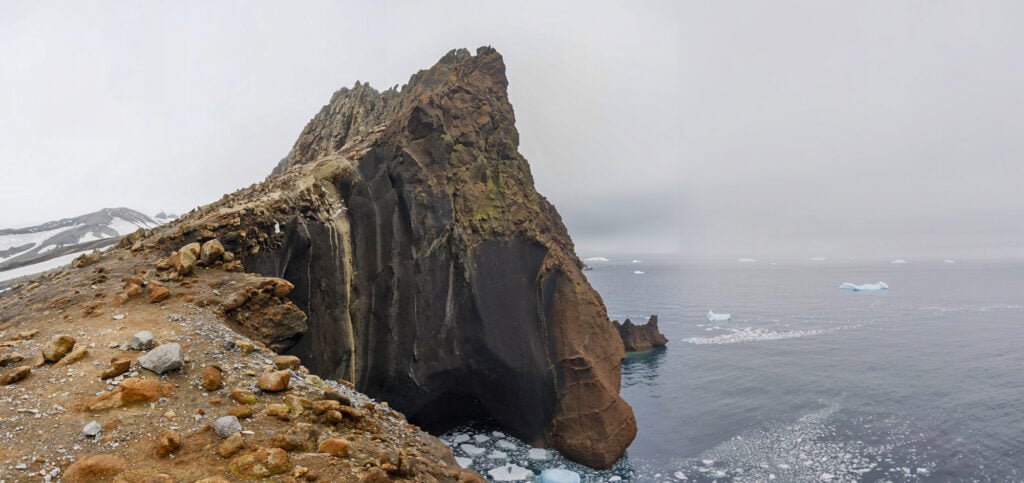
This Antarctic island is actually the caldera of an active volcano. The crater is flooded, creating a natural harbor with a narrow entrance.
Whalers used it as a base in the early 1900s. Later, Britain and Argentina both established research stations there.
In 1967 and 1969, volcanic eruptions destroyed most structures on the island. Both stations were abandoned.
Tourists visit now, landing on the black sand beaches where you can dig a few inches down and find geothermally heated water. The island’s name comes from its appearance.
From a distance, it looks like a normal island. Only after entering the narrow passage do you realize you’re inside a volcanic crater.
The deception has fooled sailors for centuries, though now it’s well mapped. Penguins nest on Deception Island by the thousands.
The volcanic soil makes it warmer than other Antarctic locations. Scientists still conduct research there occasionally, but no one lives there permanently anymore.
Where Memory and Place Intersect
Islands become forgotten for different reasons. Some lost their economic value. Others became too dangerous or remote.
A few simply fell out of the stories people tell. But the islands themselves remain, holding evidence of the humans who once considered them important enough to live on, fight over, or exploit.
You could spend a lifetime visiting forgotten islands and never see them all. Each one holds layers of history that mainstream narratives ignore.
These aren’t famous places with monuments and museums. They’re fragments of the past that persist in out-of-the-way corners of the world.
Some deserve their obscurity. Bikini Atoll’s contamination serves as a warning about nuclear testing.
Gruinard Island reminds us that biological weapons leave lasting scars. Others, like Tristan da Cunha, remain isolated by choice—communities that prefer distance from the modern world.
The stories these islands hold aren’t always comfortable. Many involve exploitation, abandonment, or tragedy.
But discomfort doesn’t erase historical value. If anything, forgotten places teach us precisely because they force us to confront aspects of human behavior that more celebrated locations sanitize or omit.
Next time you look at a map, pay attention to the small islands with unusual names. Look them up.
You’ll probably find a story worth knowing.
More from Go2Tutors!

- The Romanov Crown Jewels and Their Tragic Fate
- 13 Historical Mysteries That Science Still Can’t Solve
- Famous Hoaxes That Fooled the World for Years
- 15 Child Stars with Tragic Adult Lives
- 16 Famous Jewelry Pieces in History
Like Go2Tutors’s content? Follow us on MSN.