Movies Banned in Certain Countries and Why
Film censorship tells you more about a country’s fears than almost anything else. When governments ban a movie, they’re not just protecting audiences—they’re protecting something deeper.
Power structures, religious beliefs, national identity, or sometimes just the fragile ego of whoever’s in charge. The reasons vary wildly.
Some bans make a twisted kind of sense when you understand the context. Others seem absurd until you realize how threatened someone felt by a two-hour story projected on a screen.
The Da Vinci Code: When Fiction Becomes Heresy
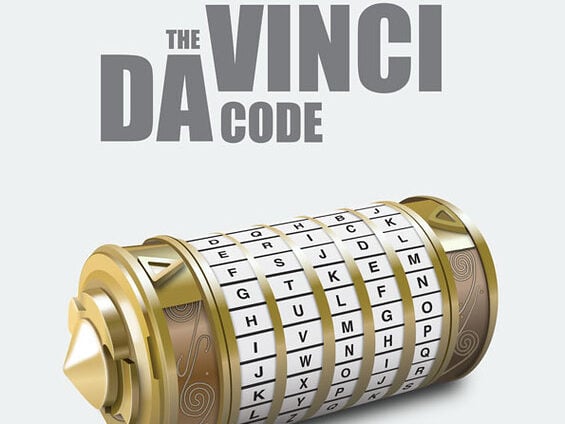
Dan Brown’s adaptation caused an uproar you wouldn’t expect from a thriller. Egypt, Pakistan, Jordan, Lebanon, and the Philippines all blocked the film.
The Vatican didn’t officially ban it but called for a boycott, which amounts to the same thing. The problem? The movie suggested Jesus had descendants.
For countries where Christianity plays a central role in national identity, this crossed a line. Never mind that the film opens with a disclaimer saying it’s fiction.
The mere suggestion that Jesus married and had children sparked protests and government action. The Philippines eventually lifted the ban but slapped an adults-only rating on it. That compromise satisfied almost no one.
All Quiet on the Western Front: Too Real for Comfort
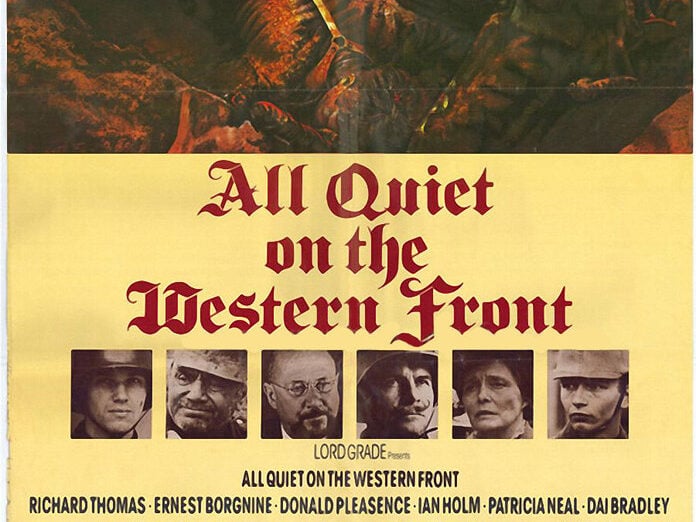
Nazi Germany banned this World War I film in 1930, and the reason is darkly obvious. The movie depicted war as brutal, senseless carnage rather than glorious heroism.
Soldiers died in mud for no clear purpose. Officers sent men to pointless deaths. The whole thing contradicted every narrative the Nazis needed to sell. Germany wasn’t alone. Italy banned it under Mussolini.
Australia censored it for being too graphic. Even some American theaters faced pressure not to show it. The film aged into a classic, but governments that rely on militarism will always hate honest war movies.
They need young men to sign up, not question whether dying in a trench serves any real purpose.
The Interview: Comedy Becomes International Crisis
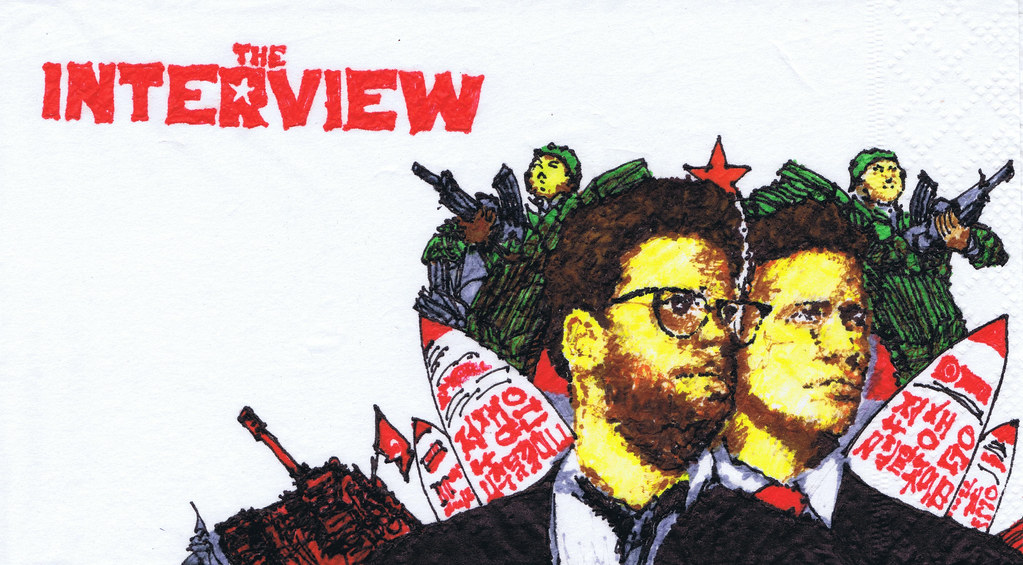
North Korea didn’t just ban this comedy—they allegedly hacked Sony Pictures over it. The plot involves two journalists recruited by the CIA to eliminate Kim Jong-un.
Most countries would shrug off such obvious satire. North Korea threatened terror attacks on theaters that showed it. Sony initially pulled the film, then released it online and in limited theaters.
The whole situation turned absurd quickly. A stoner comedy about two idiots trying to commit government-approved murder became an international incident.
The irony? The ban and threats made more people watch it than ever would have otherwise. The film itself is forgettable. The controversy made it significant.
A Clockwork Orange: When the Director Pulls His Own Film
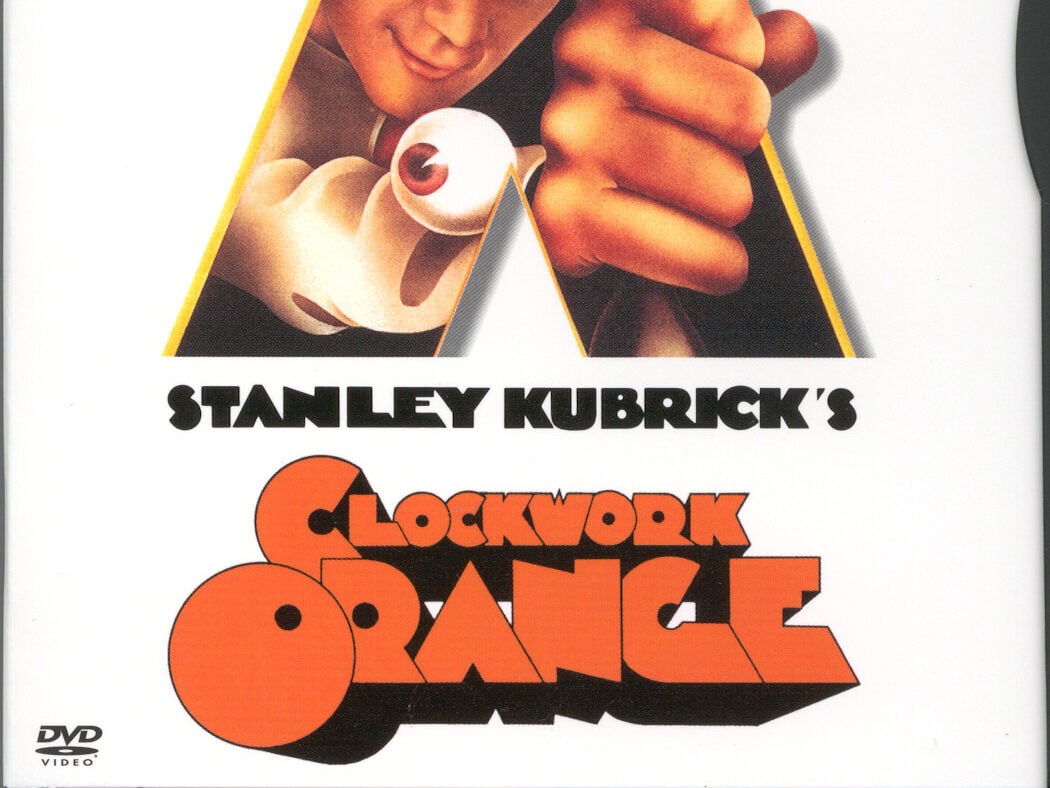
Stanley Kubrick himself requested this film be withdrawn from UK distribution after copycat crimes occurred. Britain didn’t officially ban it, but you couldn’t see it in British theaters for 27 years.
Singapore and South Korea actually banned it outright. The ultraviolence disturbed audiences in ways few films had before.
Gang rapes, brutal beatings, and a soundtrack that paired classical music with atrocities—all presented with Kubrick’s cold, artistic precision. Some blamed the film for inspiring real violence.
Others argued that blaming art for human evil misses the point entirely. The debate never really ended.
When the film finally returned to UK cinemas after Kubrick’s death, the culture had shifted enough that it felt less shocking. But countries still grapple with how to handle films that depict extreme violence artistically rather than gratuitously.
Brokeback Mountain: Love as Threat
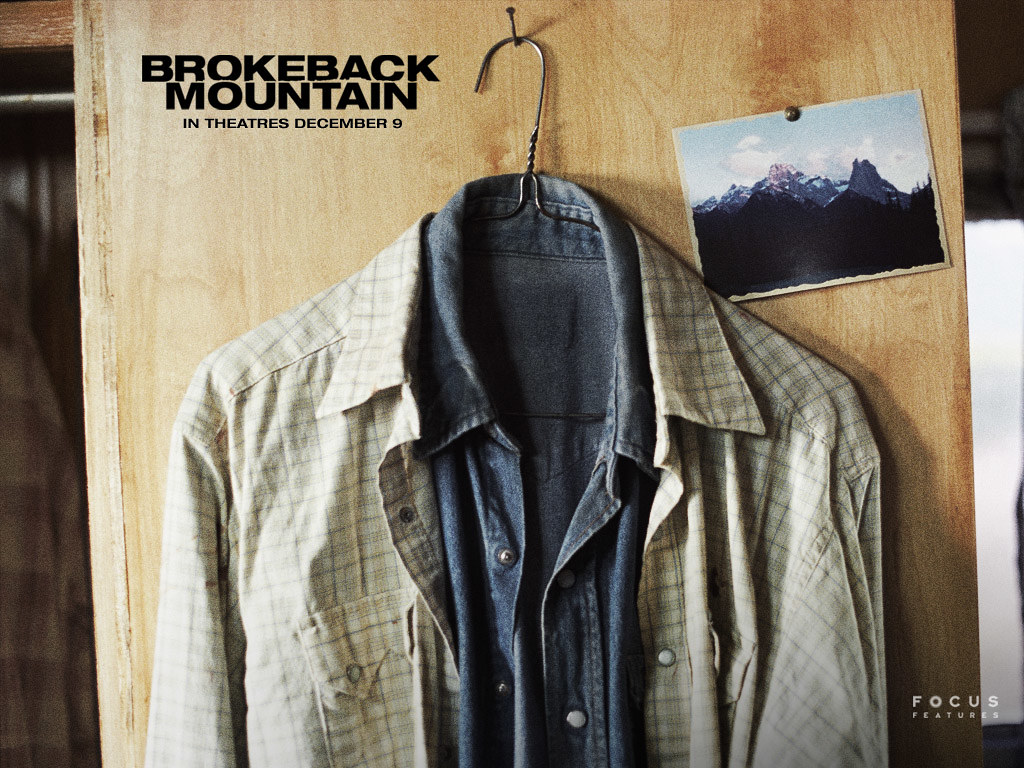
China, the UAE, and several other Middle Eastern countries banned this quiet romance. The reason?
Two cowboys fall in love. That’s literally it.
The film contains no explicit scenes, no political messaging, just a story about two men who can’t fully be together. The bans revealed how much certain governments fear normalizing same-gender relationships.
Lebanon initially approved it, then reversed course after religious leaders protested. Malaysia banned it but allowed a censored version where the romance was edited into vague friendship.
That version made no narrative sense. Turkey allowed it but theaters received bomb threats.
The film won Academy Awards and critical praise worldwide, but entire populations never got to see what the fuss was about.
Borat: When Satire Hits Too Close
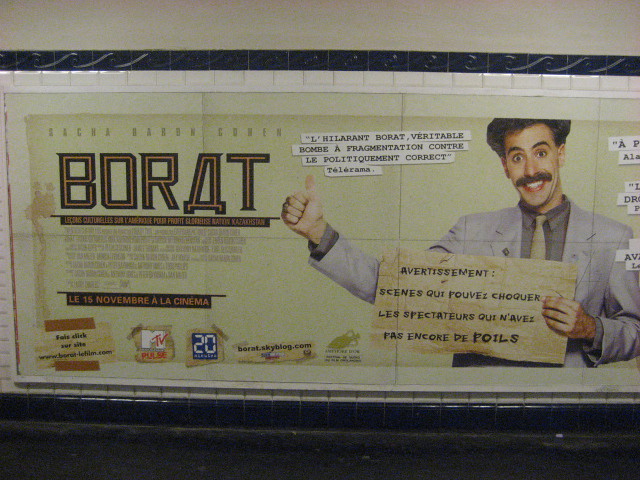
Kazakhstan banned the film and launched a PR campaign against it. The government missed the joke entirely.
Sacha Baron Cohen wasn’t mocking Kazakhstan—he was mocking American ignorance about the rest of the world. But Kazakhstan saw only the fake portrayal of their country as backward and antisemitic.
Russia also banned it, calling it offensive. Arab countries banned it for mocking their customs.
Malaysia censored it heavily. The film weaponized offensive humor to expose prejudice, but that nuance got lost when governments saw only the surface-level mockery.
The strangest part? Kazakhstan eventually embraced the film’s tourism-boosting potential. The government that once denounced it started using “Very nice!” in official tourism campaigns.
Money has a way of changing what offends you.
Schindler’s List: History Too Painful to Screen
Indonesia, Lebanon, and Malaysia all banned this Holocaust film. Indonesia cited the need to maintain religious harmony.
The real reason probably had more to do with not wanting to screen a film sympathetic to Jewish suffering in a Muslim-majority country. Egypt allowed it but only for private screenings.
The Philippines initially gave it an adults-only rating because of nudity in concentration camp scenes, missing the point so completely it became its own form of horror. The film isn’t propaganda.
It’s Steven Spielberg telling a historically documented story about one man who saved lives during genocide. But acknowledging the Holocaust remains politically complicated in places where anti-Israel sentiment runs high.
Banning the film doesn’t erase history, but it does limit how populations understand it.
Zoolander: Fashion Models as Security Threat
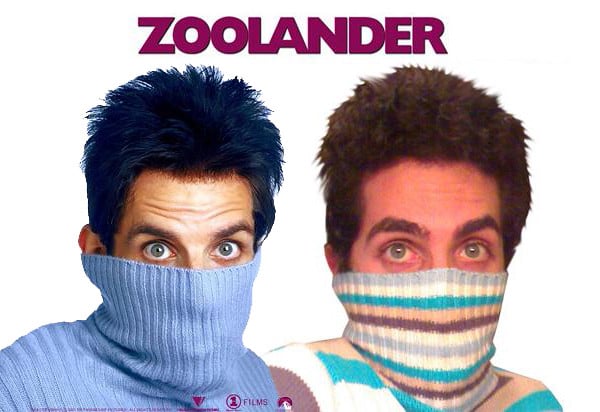
Malaysia banned this comedy because the plot involves killing the Prime Minister of Malaysia. The film is so ridiculous that calling it a threat requires believing male models might actually become government-sanctioned assassins.
But Malaysia’s Film Censorship Board saw a film where their leader gets targeted and said no. Singapore censored parts of it.
The film pokes fun at the fashion industry, male vanity, and corporate exploitation of sweatshops. None of that mattered as much as the fictional assassination plot.
Ben Stiller made a sequel years later. Malaysia banned that one too.
Consistency matters, even in censorship.
The Wolf of Wall Street: Excess as Corrupting Influence
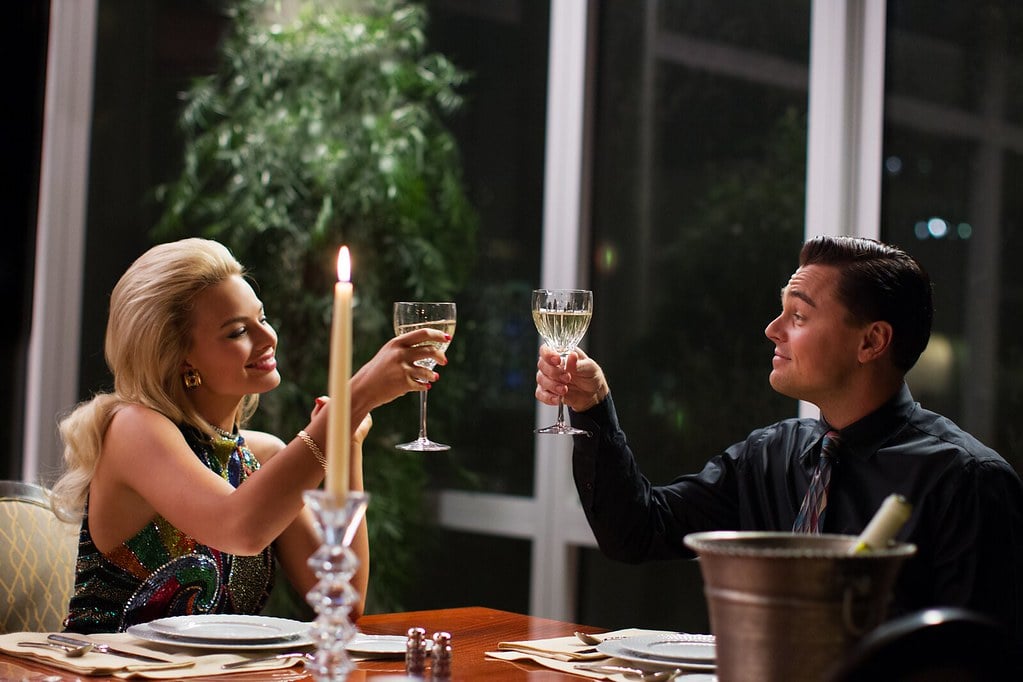
Kenya, Malaysia, and Nepal all banned this film about stock market fraud and extreme hedonism. The movie contains a record-breaking amount of profanity, drug use, and debauchery.
Martin Scorsese presents Jordan Belfort’s lifestyle as both seductive and repulsive—the American dream turned grotesque. But nuance doesn’t translate well through censorship boards.
They saw three hours of partying, fraud, and moral decay without redemption and decided audiences couldn’t handle it. The UAE approved it only after cutting nearly an hour of content, which basically gutted the film.
The ban raises an old question: does depicting immoral behavior endorse it, or does showing consequences condemn it? Scorsese clearly condemns Belfort’s choices, but he also makes them look thrilling.
Some governments decided that contradiction posed too much risk.
Apocalypse Now: War Through a Hallucinogenic Lens
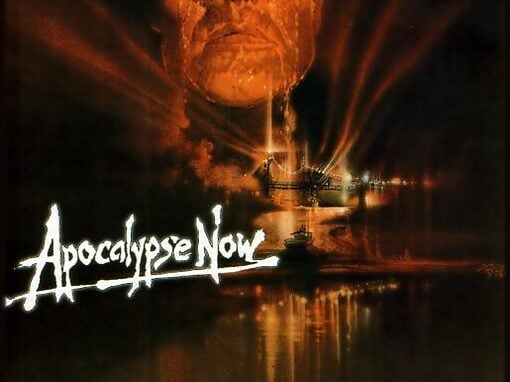
South Korea banned this Vietnam War epic for decades. Francis Ford Coppola’s fever dream about American military insanity didn’t sit well with a government that relied on U.S. military support.
The film questions American intervention in ways that governments allied with the U.S. found uncomfortable. The Philippines faced its own complicated relationship with the film since Coppola shot it there during actual political turmoil.
The production itself became a metaphor for the war it depicted—chaotic, over-budget, and traumatic for everyone involved. When South Korea finally lifted the ban, critics recognized it as one of cinema’s greatest achievements.
But for years, South Korean audiences could only hear about a film their government feared would make them question their primary ally.
Cannibal Holocaust: When Fiction Looks Too Real
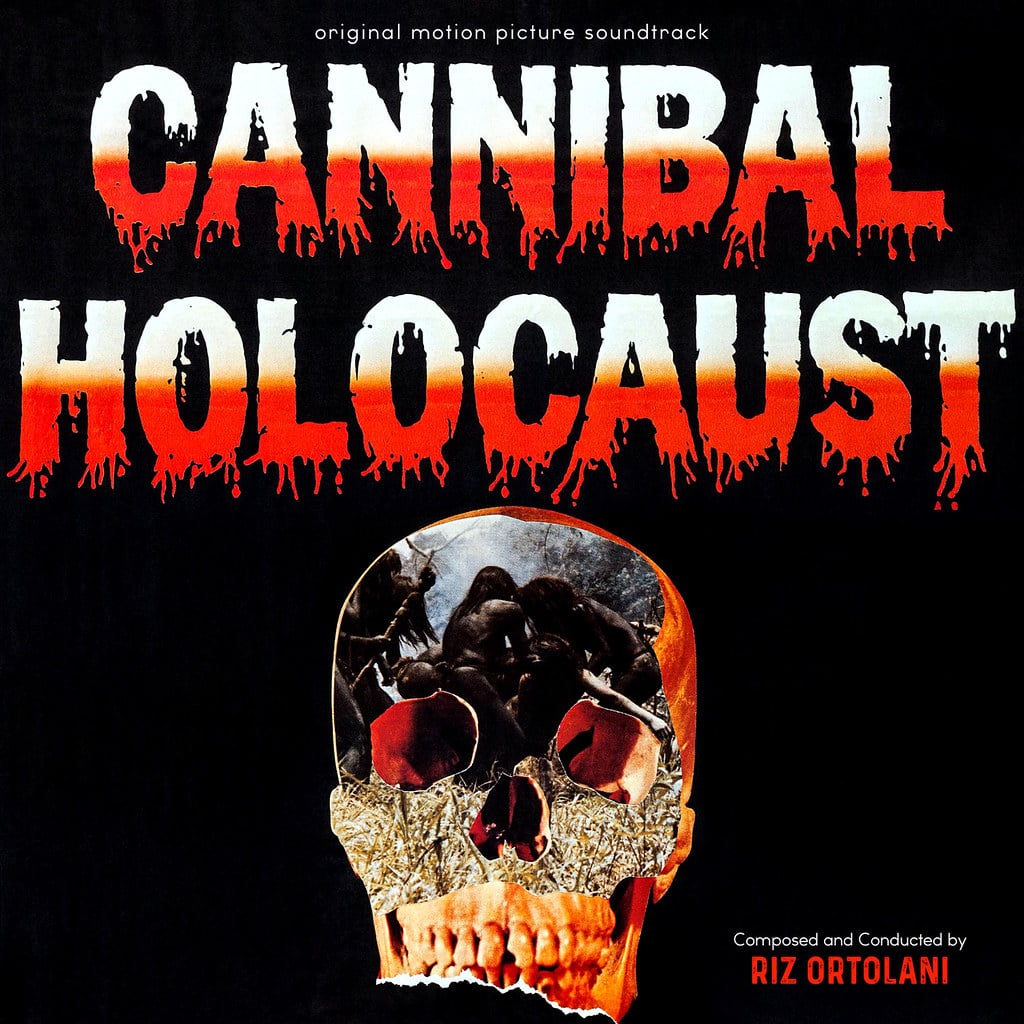
Australia, New Zealand, Iceland, and numerous other countries banned this Italian horror film. Some bans remain in place.
The director faced murder charges in Italy because authorities believed the deaths on screen were real. He had to produce the actors in court to prove they were alive.
The film depicts graphic violence against animals that actually occurred during filming. The human violence looks so convincing that even after proving it was simulated, many countries kept the ban. Germany seized copies.
The UK classified it as obscene. The film supposedly critiques media exploitation and Western savagery disguised as civilization.
Whether that justifies showing real animal deaths and extremely realistic human violence remains debated. Most censorship boards decided it didn’t.
Persepolis: Cartoon Becomes Diplomatic Crisis
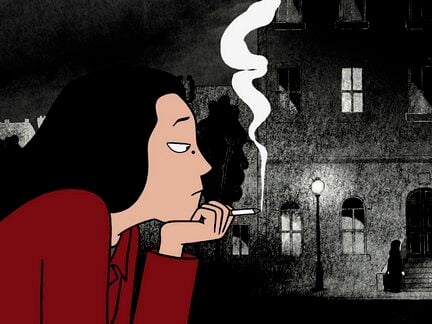
Iran banned this animated film about a girl growing up during the Islamic Revolution. The source material—an autobiographical graphic novel—was already banned in Iran.
The film adaptation made it worse by bringing Marjane Satrapi’s story to a wider audience. Lebanon banned it temporarily after complaints from Iran, then reversed the decision.
The film doesn’t attack Islam but criticizes theocratic government. That distinction doesn’t matter when the government and religion are functionally the same thing.
You’d think an animated film about a child’s experience would be less threatening than live-action political drama. But personal stories sometimes cut deeper than overt propaganda.
Satrapi’s film shows what it feels like to live under regime change and war. That authenticity makes it dangerous to governments that prefer official narratives.
The Last Temptation of Christ: Imagining Divinity Differently
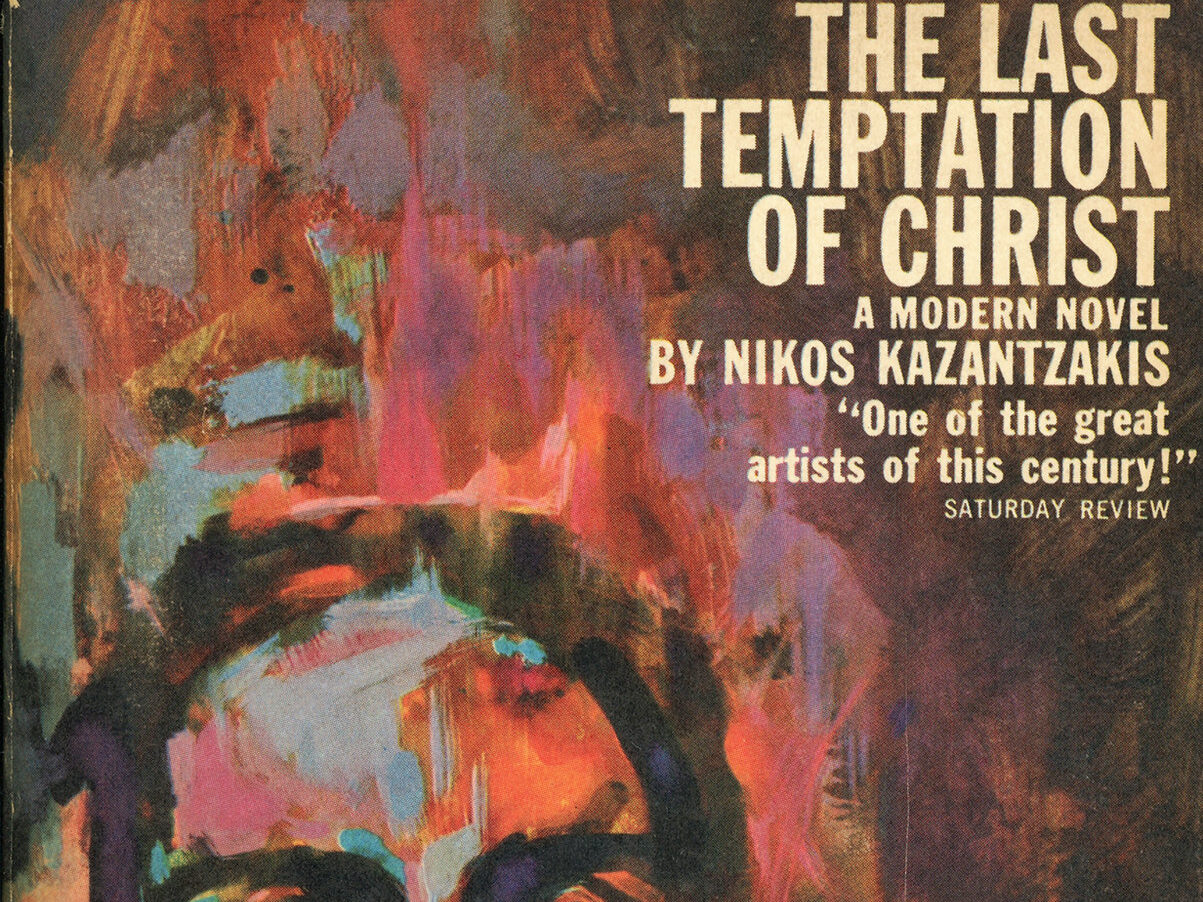
Martin Scorsese stirred anger worldwide with this version. The movie shows Jesus feeling uncertain, facing temptations, while showing frailty like any person.
To numerous Christian communities, portraying Christ more as a man than a god felt close to disrespecting sacred beliefs. Chile, Argentina, Mexico, Turkey – also Singapore – banned the thing outright.
The Vatican hit back hard, calling it unacceptable. Screenings sparked backlash, with theaters targeted by angry crowds or even arson.
A violent incident in Paris left 13 hurt. The movie isn’t about questioning whether Jesus is divine – it digs into what made him feel human.
Yet, when religion steps in to block things, subtlety usually gets tossed out. Some followers want Christ flawless, steady, never shaken – so seeing doubt creep in can seem like a direct hit on their beliefs.
Scorsese, raised deep in the Church, saw this project as soul-searching, not disrespect. Still, it ended up proving one thing: showing sacred characters any way at all might set off outrage somewhere.
When the Dust Settles

Film bans show global worries clearer than any policy report. Check what’s outlawed, then you’ll spot leaders’ nightmares – like losing control, facing faith-based pushback, decaying values, or ending up humiliated.
The banned movies never really vanish. Instead, they spread – through hidden networks, online platforms, or shifts in political mood. What’s seen as shocking now might be praised later; over time, bans either fade or lose meaning.
Yet during the silence, censorship reveals where authority shakes. When a regime stands strong, it won’t flinch at tales shown in dim theaters.
More from Go2Tutors!

- The Romanov Crown Jewels and Their Tragic Fate
- 13 Historical Mysteries That Science Still Can’t Solve
- Famous Hoaxes That Fooled the World for Years
- 15 Child Stars with Tragic Adult Lives
- 16 Famous Jewelry Pieces in History
Like Go2Tutors’s content? Follow us on MSN.